Am I a Good Candidate for a Hair Transplant?
Before asking which technique, which clinic, or which hairline shape, the more fundamental question is whether a hair transplant is the right option at all. Candidacy is not a single yes-or-no test. It is an assessment that weighs age, the stability of hair loss, donor area quality, general health, and how realistic a person's expectations are compared with what surgery can actually deliver.
This guide brings together the factors that most influence eligibility. It is meant as a starting point, not a replacement for the more detailed articles on this site that already cover specific medical conditions, donor questions, and surgical techniques in depth.
What Makes Someone a Good Hair Transplant Candidate?
In general terms, a good candidate has a clear diagnosis of the cause of hair loss, a donor area with enough healthy and stable hair to redistribute, realistic expectations about coverage and density, and no untreated medical condition that would make surgery unsafe.
None of these factors works in isolation. Someone can have an excellent donor area but unrealistic expectations. Someone else can have realistic goals but an unstable pattern that has not yet been diagnosed. Candidacy is really a combination of biology, timing, and mindset.
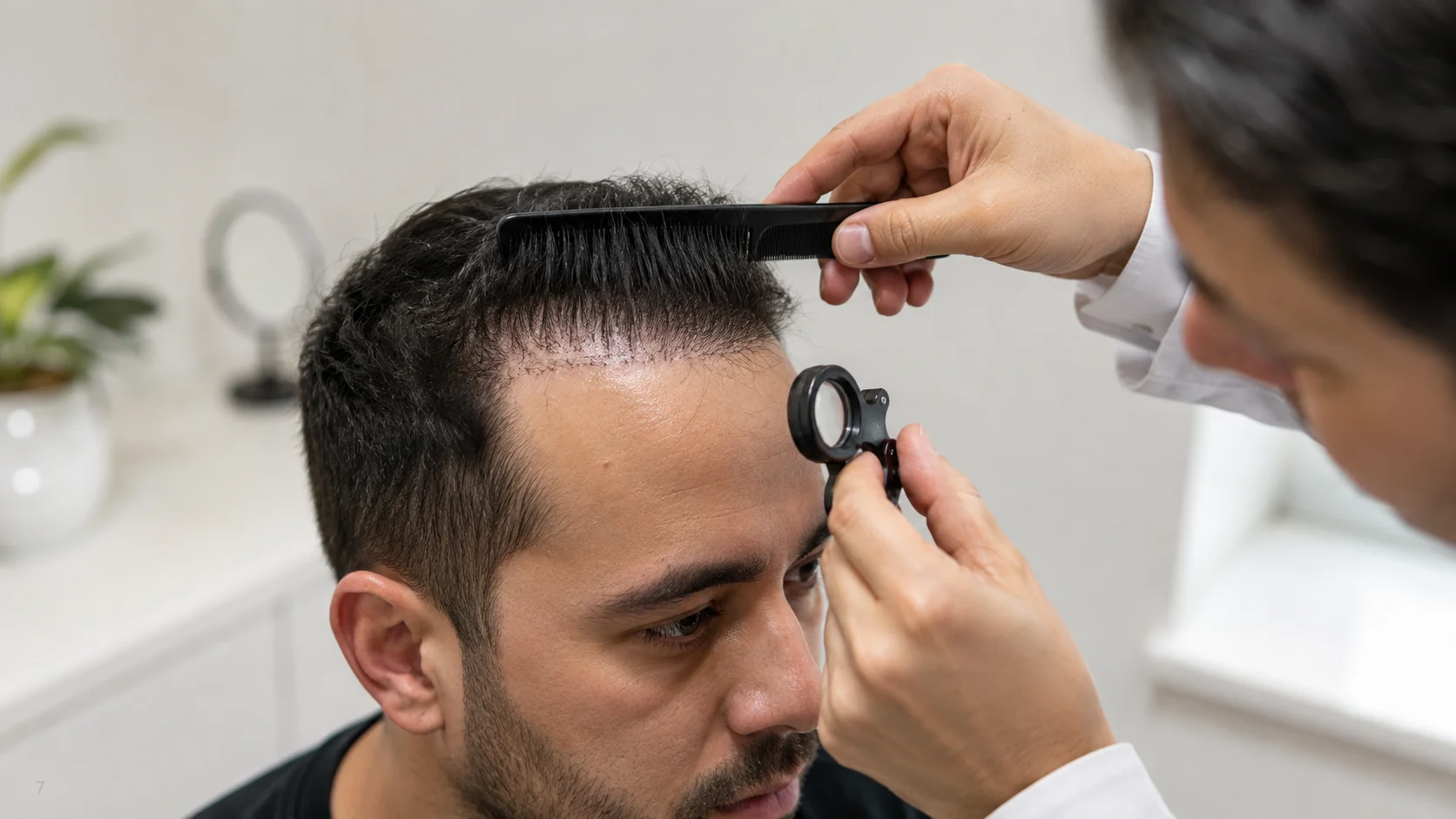
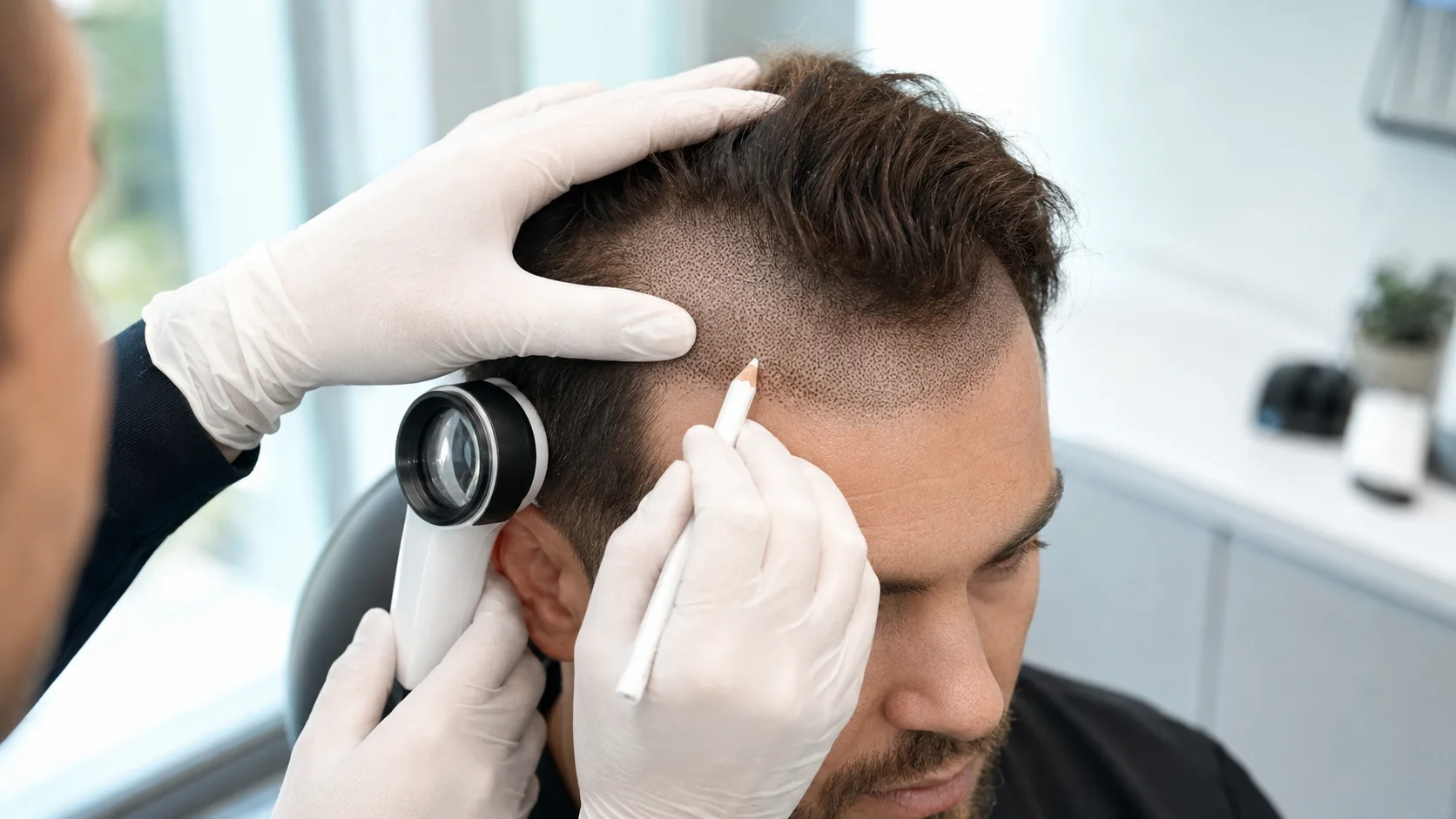
Surgeons and clinicians typically evaluate candidacy through a consultation that includes a scalp examination, a review of medical history, and a conversation about goals. The sections below outline what tends to matter most in that evaluation.
Age and Timing
Age is one of the most common questions people ask, and there is no single number that applies to everyone. That said, hair transplant surgery performed at a very young age is generally approached with more caution.
According to guidance commonly cited by the American Academy of Dermatology and the International Society of Hair Restoration Surgery, hair loss in the twenties and early thirties can still be evolving, which makes the future extent of baldness difficult to predict. A hairline or density plan designed around today's pattern may look disconnected from surrounding hair a decade later if loss continues to progress.
This does not mean younger patients are automatically turned away. It means the surgical plan usually needs to be more conservative, and donor hair needs to be used carefully so that future options are not closed off. Readers considering surgery in their early twenties may find it useful to review how donor planning changes when future hair loss is uncertain, including the tradeoffs discussed in this article on donor area planning for younger patients.
Older patients are not automatically excluded either. What matters at any age is whether the pattern is understood well enough to plan a design that will still look reasonable years later, and whether general health supports a safe outpatient procedure.
Donor Area Quality and Quantity
A hair transplant does not create new hair. It relocates existing follicles from a donor area, usually the back and sides of the scalp, into thinning or bald areas. Because of this, the donor area effectively sets the ceiling for what surgery can achieve.
A strong donor area typically has good density, adequate hair shaft thickness, favorable color contrast with the scalp, and no signs of diffuse thinning or miniaturization. Follicles from this region tend to be relatively resistant to the hormone that drives most pattern hair loss, a phenomenon explained in more detail in this article on why donor hair resists DHT. That relative resistance is the biological reason transplanted hair can continue growing long after surgery, but it is not an unlimited resource and it is not absolute in every person.
Donor supply can be limited by extensive hair loss, prior overharvesting, diffuse unpatterned alopecia, or simply genetics. When the scalp donor area is not sufficient, some clinics consider body hair as a supplemental source. However, not all body hair performs the same way once transplanted. For example, leg hair is technically usable in some cases but is generally considered a limited option because of its finer texture and shorter growth cycle, as covered in this dedicated discussion of leg hair as a donor source.
A thorough consultation should include a close examination of the donor area, sometimes with magnification, to check for miniaturization that may not be visible in a mirror or photograph.
Is Your Hair Loss Stable or Still Active?
Whether hair loss is stable or still progressing is one of the most important eligibility questions, and it is often underestimated by patients who assume that if they have not noticed recent shedding, their pattern has settled.
Androgenetic alopecia, the most common cause of pattern hair loss, is typically progressive. Miniaturization can continue in native hair even when it is not obvious in everyday photographs. This matters because if surrounding native hair keeps thinning after surgery, transplanted grafts can end up looking isolated, creating a gap or an unnatural island effect behind the hairline.
Many clinicians recommend evaluating or trialing medical treatment before committing to surgery, particularly in younger patients or those with an active, unclear pattern. A comparison of when medication should come first and when surgery may be reasonable without it is covered in this guide on choosing between hair transplant surgery and hair loss medication. In short, medical treatment can help stabilize the pattern, preserve existing hair, and clarify which areas genuinely need surgical coverage, which often makes the eventual surgical plan more conservative and more durable.
Non-progressive causes of hair loss, such as a stable scar, certain injuries, or some non-inflammatory conditions, may be more straightforward from a stability standpoint, though each still requires its own evaluation.
Medical Conditions That Affect Eligibility
General health plays a significant role in candidacy because a hair transplant, while usually performed under local anesthesia as an outpatient procedure, still involves many small incisions, bleeding risk, and a healing period. Several common medical conditions are frequently asked about, and each has its own considerations rather than a blanket answer.
Diabetes does not automatically rule someone out, but blood sugar control matters because it can affect wound healing and infection risk. The details of how diabetes is evaluated before surgery, and why well-controlled cases are often approached differently than poorly controlled ones, are explained in this article on hair transplant eligibility with diabetes.
High blood pressure is another frequent concern. Hypertension that is well controlled with medication is generally treated differently from blood pressure that is unpredictable or consistently elevated, since uncontrolled readings can increase bleeding risk and surgical stress on the day of the procedure. This is discussed further in this article on hair transplant eligibility with high blood pressure.
Psoriasis affecting the scalp requires particular attention because active plaques in the donor or recipient area can complicate extraction, graft placement, and healing, and skin trauma from surgery may in some people trigger new flares. The specifics of timing surgery around psoriasis activity are covered in this article on hair transplant eligibility with psoriasis.
Eczema raises similar concerns, particularly around itching and scratching during the early recovery period, when disturbing the recipient area too soon can affect healing grafts. This is addressed in this article on hair transplant eligibility with eczema.
Hepatitis is evaluated differently depending on the type, whether the infection is active, current liver function, and clotting status, since the liver plays a central role in blood clotting and medication metabolism. This is covered in this article on hair transplant eligibility with hepatitis.
Across all of these conditions, a recurring theme applies: the diagnosis alone rarely disqualifies someone. What matters most is whether the condition is stable, well managed, and disclosed honestly so the surgical team can plan appropriate precautions. According to the FDA, any elective surgical procedure carries individualized risk that should be discussed with a qualified healthcare provider, and hair transplantation is no exception.
Realistic Expectations
Even with an excellent donor area and stable hair loss, candidacy also depends on whether a person's expectations match what surgery can realistically deliver. This is a psychological and practical factor as much as a medical one.
A hair transplant creates a visual impression of density rather than restoring the original number of follicles a person had before hair loss began. Donor supply is finite, and every graft used today is unavailable for use later. Patients expecting to fully recreate the density of their teenage hairline, especially in cases of advanced baldness, are often working from an unrealistic baseline.
Understanding how density is actually planned, and why more grafts does not always mean a better or safer result, is covered in this guide on what determines natural hair transplant density. Similarly, expectations around the hairline itself matter a great deal, since an aggressively low or overly dense hairline can look artificial and may not age well; the reasoning behind conservative, individualized hairline planning is explained in this article on hairline design principles.
A good candidate is generally someone who understands that results take time, that transplanted hair typically sheds before regrowing, and that meaningful cosmetic improvement is usually assessed at six to twelve months or later, with further maturation continuing beyond that.
Contraindications and Reasons Surgery May Be Delayed
Some situations lead to a hair transplant being postponed rather than permanently ruled out. These commonly include active scalp infection or inflammation, uncontrolled bleeding or clotting disorders, poorly controlled chronic disease such as unmanaged diabetes or hypertension, active flares of inflammatory skin conditions in the surgical area, and hair loss that is still too active or too recently diagnosed to plan a stable design around.
Delaying surgery is not the same as being rejected. In many cases, the goal is to create safer conditions and a more predictable outcome once the underlying issue is addressed or stabilized. A cautious clinician who recommends waiting is generally protecting both safety and the long-term quality of the result, rather than being unnecessarily conservative.
True contraindications, such as an unclear diagnosis of a scarring or inflammatory alopecia that has not been properly evaluated, are less about the label of the condition and more about whether surgery could fail or worsen the underlying disease if performed prematurely.
What Happens During a Candidacy Consultation
A thorough consultation typically includes a visual and sometimes magnified examination of the donor and recipient areas, a review of medical history and current medications, a discussion of family history and likely future progression, and an honest conversation about goals, budget, and timeline.
Because a hair transplant is a medical procedure and not purely a cosmetic purchase, most reputable guidance, including recommendations referenced by professional bodies such as the ISHRS, emphasizes that a qualified physician should be involved in diagnosis and planning rather than relying solely on non-medical staff. Patients are generally encouraged to ask who will perform the extraction and implantation, how the donor area will be assessed for miniaturization, and what the plan is if hair loss continues after surgery.
A consultation is also the right time to discuss which surgical approach may be appropriate once candidacy is established. Details of implantation methods such as the Choi implanter pen technique, or channel-creation options such as sapphire blades used in some FUE procedures, are secondary decisions that come after the more fundamental question of whether and when surgery makes sense; these are covered separately in this guide to the Choi implanter pen technique and this overview of Sapphire FUE.
Other Eligibility Scenarios Worth Knowing About
Candidacy questions are not limited to medical conditions and donor biology. Hair texture and styling history can also shape eligibility discussions. For example, people with Afro-textured hair may have additional considerations around traction alopecia or scarring alopecias that need to be distinguished from androgenetic pattern loss before surgery is planned, as discussed in this article on hair loss in Afro-textured hair. A transplant performed into an undiagnosed scarring or inflammatory condition can fail or worsen the underlying disease, which is why an accurate diagnosis always comes first.
Women considering a transplant face some distinct challenges as well, particularly when hair loss is diffuse rather than localized to a single area, since diffuse thinning in the donor region itself can limit how much benefit surgery provides.
Frequently Asked Questions
What is the minimum age for a hair transplant?
There is no universal minimum age, but many clinicians are cautious about operating on patients in their early twenties or younger because the future extent of hair loss is often still unclear. A conservative plan and careful donor management are usually recommended when surgery is considered at a young age.
Can I get a hair transplant if I have a chronic illness?
Many chronic conditions do not automatically disqualify someone, but the condition generally needs to be stable and well managed. Conditions such as diabetes, high blood pressure, psoriasis, eczema, and hepatitis each have their own specific considerations that should be reviewed individually with a healthcare provider.
How do I know if my donor area is good enough?
A proper evaluation usually involves a close, sometimes magnified examination of density, hair shaft thickness, color contrast, and signs of miniaturization. This should be done by a qualified professional rather than estimated visually at home.
Should I try medication before considering surgery?
For many people with active or progressive androgenetic alopecia, evaluating medical treatment first can help stabilize the pattern and clarify how much surgery is actually needed. This is not a requirement for everyone, but it is a common and often useful first step.
Can women be good hair transplant candidates?
Yes, in the right circumstances. Women with a stable, well-defined pattern and adequate donor density may be good candidates, though diffuse thinning that also affects the donor area can make surgery less predictable and requires careful diagnosis first.
What disqualifies someone from getting a hair transplant?
Reasons surgery may be postponed or reconsidered include an unstable or undiagnosed hair loss pattern, insufficient donor supply, active uncontrolled medical conditions, active scalp infection or inflammation, and expectations that are not realistically achievable with the available donor hair. Many of these are temporary barriers rather than permanent ones.
Final Thoughts
Being a good hair transplant candidate is rarely about meeting a single checklist item. It is about the combination of a stable and correctly diagnosed pattern, an adequate and healthy donor area, general health that supports safe surgery, and expectations that align with what a limited, non-renewable supply of donor hair can realistically achieve.
Anyone considering surgery is generally best served by starting with a thorough medical consultation rather than researching techniques or clinics first. Once candidacy is established, the more specific questions, such as which implantation technique fits best or how density and hairline should be designed, become much easier to answer.
This article is for general educational purposes only and should not be considered medical advice. Hair transplant candidacy depends on an individual's medical history, current health status, donor characteristics, and professional medical evaluation. Always consult a qualified healthcare professional before making decisions about surgical treatment.