Hair from the traditional donor region is more resistant to DHT because those follicles retain genetic and regional characteristics that make them less likely to miniaturize in androgenetic alopecia. This relative resistance usually remains after the follicles are moved to the frontal scalp during a hair transplant.
The principle is known as donor dominance and forms the biological foundation of modern hair transplantation. Donor resistance is substantial, but it is not absolute, identical in every follicle, or guaranteed for life.
What Is the Donor Region?
The conventional donor region includes selected areas at the back and sides of the scalp. In many people with male or female pattern hair loss, these regions retain stronger terminal hair while the frontal scalp and crown progressively thin.
Surgeons harvest follicular units from within the most stable portion of this zone. The exact boundaries vary between individuals and should not be estimated from a generic diagram alone.
Hair too high, too low, too far forward, or within a miniaturizing area may be less dependable.
Why DHT Does Not Affect Every Scalp Region Equally
All scalp follicles are exposed to the same circulation, but they retain different regional biological identities. Frontal and crown follicles in a susceptible person respond to DHT with miniaturizing signals. Occipital follicles are generally less responsive to those signals.
Possible differences include:
- Androgen-receptor activity
- Local steroid metabolism
- Growth-factor signaling
- Enzymes that produce or deactivate DHT
- Genetically programmed dermal papilla behavior
- Sensitivity to age-related miniaturization
The exact resistance mechanism is complex and not reducible to a single receptor count.
What Is Donor Dominance?
Donor dominance means that transplanted follicles largely preserve the growth characteristics of their original site.
When a resistant occipital follicle is transplanted into a balding frontal area, it usually continues producing a terminal hair rather than adopting the full miniaturizing behavior of the surrounding frontal follicles. This allows transplantation to create lasting coverage.
The recipient site still affects healing, blood supply, hair direction, and the early growth process. Donor dominance does not mean the recipient environment is irrelevant.
Is Donor Hair Completely Immune to DHT?
No. “DHT-resistant” is a useful shorthand, but “relatively resistant” is more accurate.
Research has identified reduced follicle counts and evidence of miniaturization in the occipital scalp of some men with advanced androgenetic alopecia. Other conditions can also thin the donor region, including:
- Diffuse unpatterned alopecia
- Senescent or age-related thinning
- Retrograde alopecia
- Inflammatory or scarring disease
- Alopecia areata
- Nutritional or medical shedding
- Overharvesting from previous surgery
A follicle taken from an unstable donor area may not provide the expected longevity.
How Surgeons Identify a Safe Donor Area
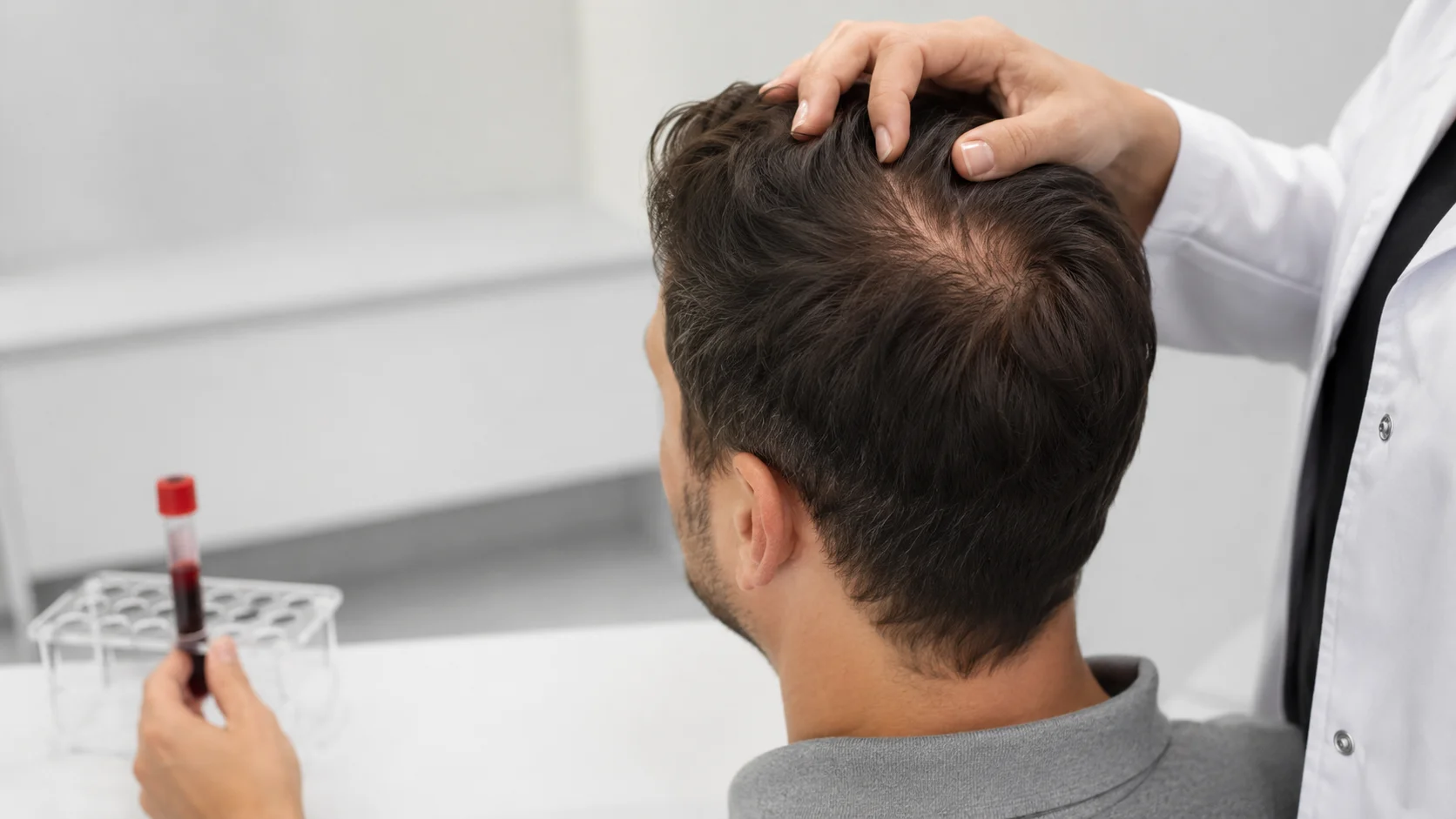
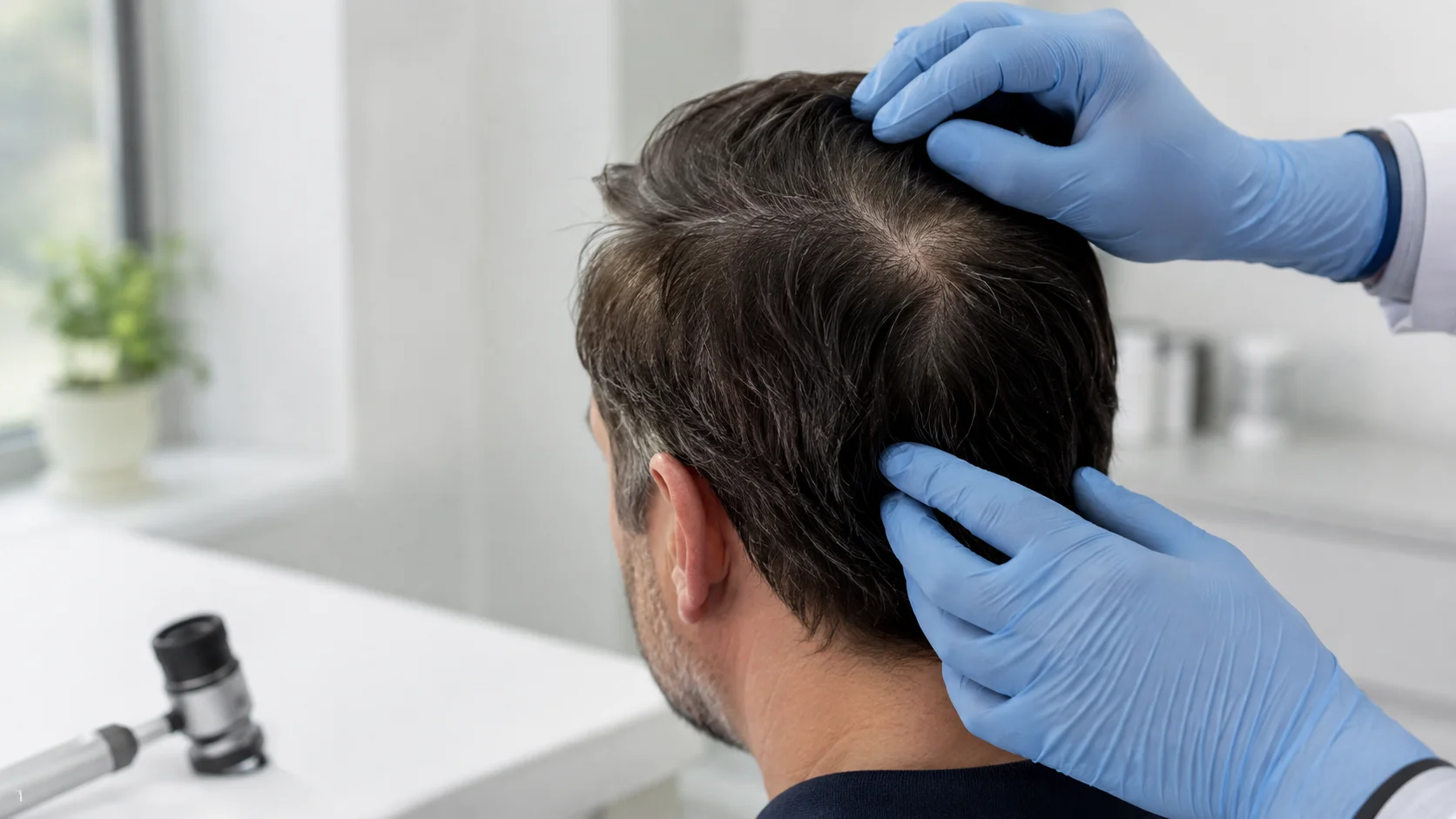
A responsible donor assessment evaluates more than visible density. It may include:
- Hair-shaft diameter
- Follicular-unit density
- Percentage of miniaturized hairs
- Donor-area dimensions
- Hair-to-skin color contrast
- Curl and coverage characteristics
- Family history and projected future loss
- Evidence of diffuse or retrograde thinning
- Scars or prior extraction patterns
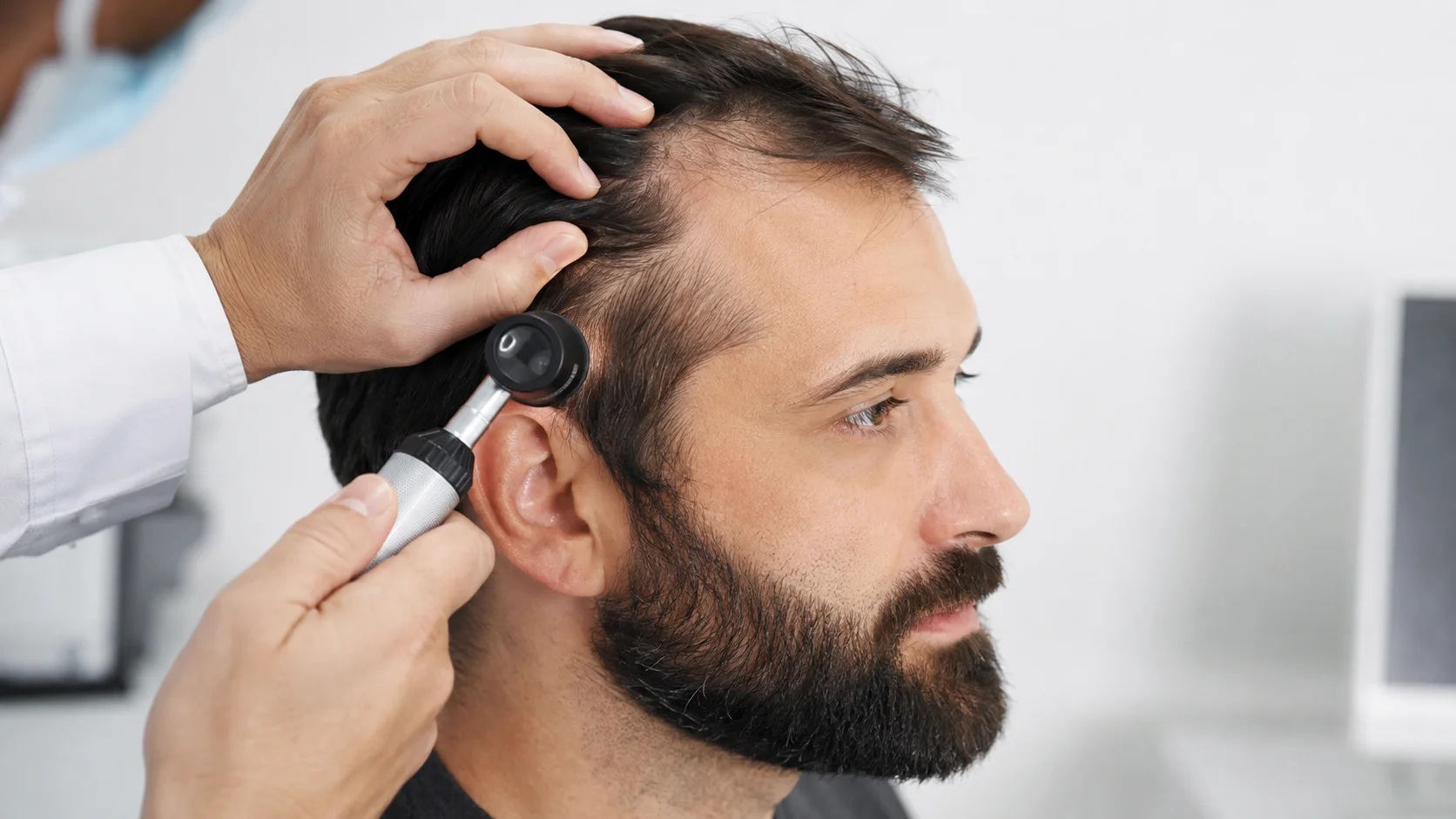
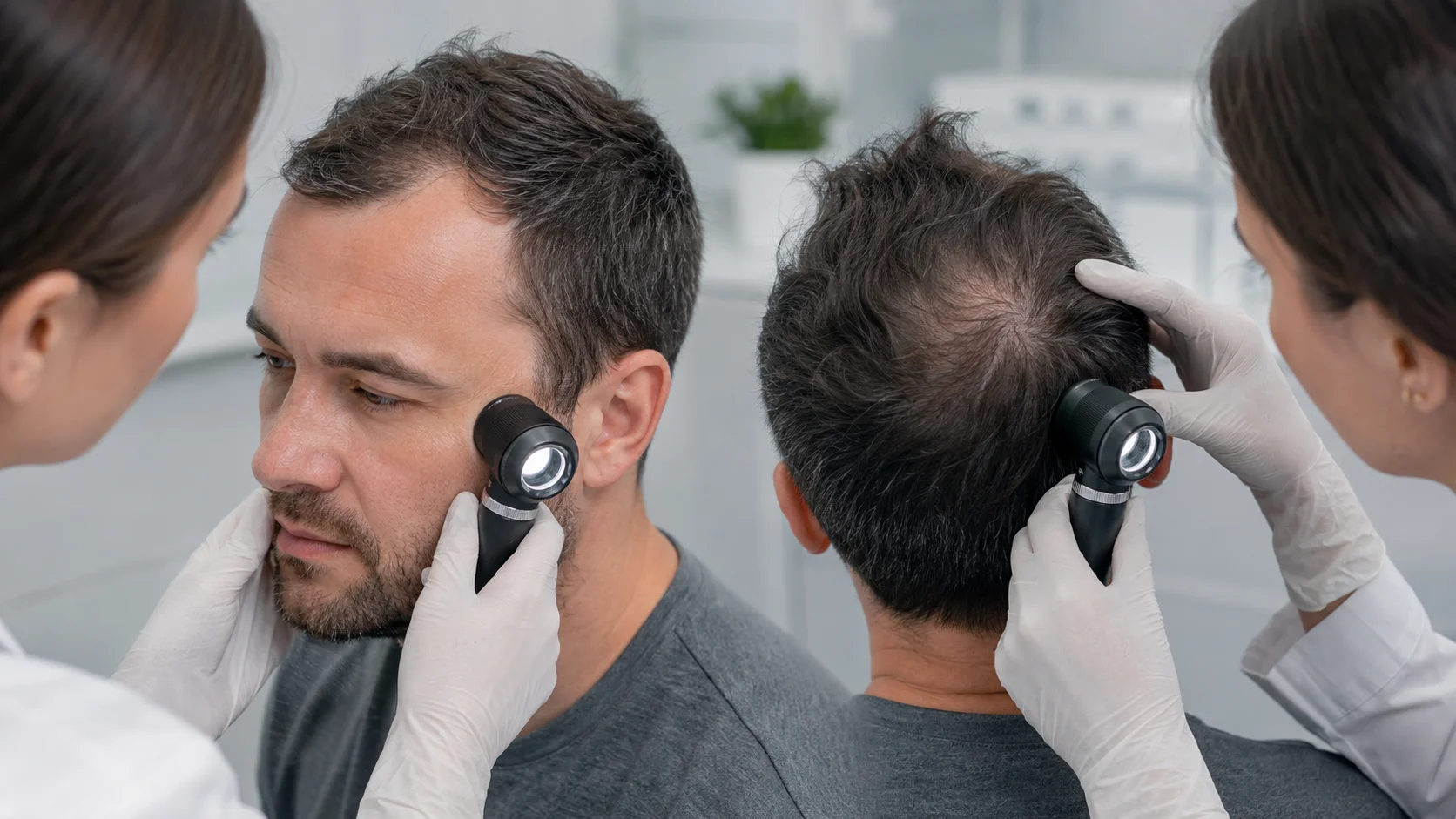
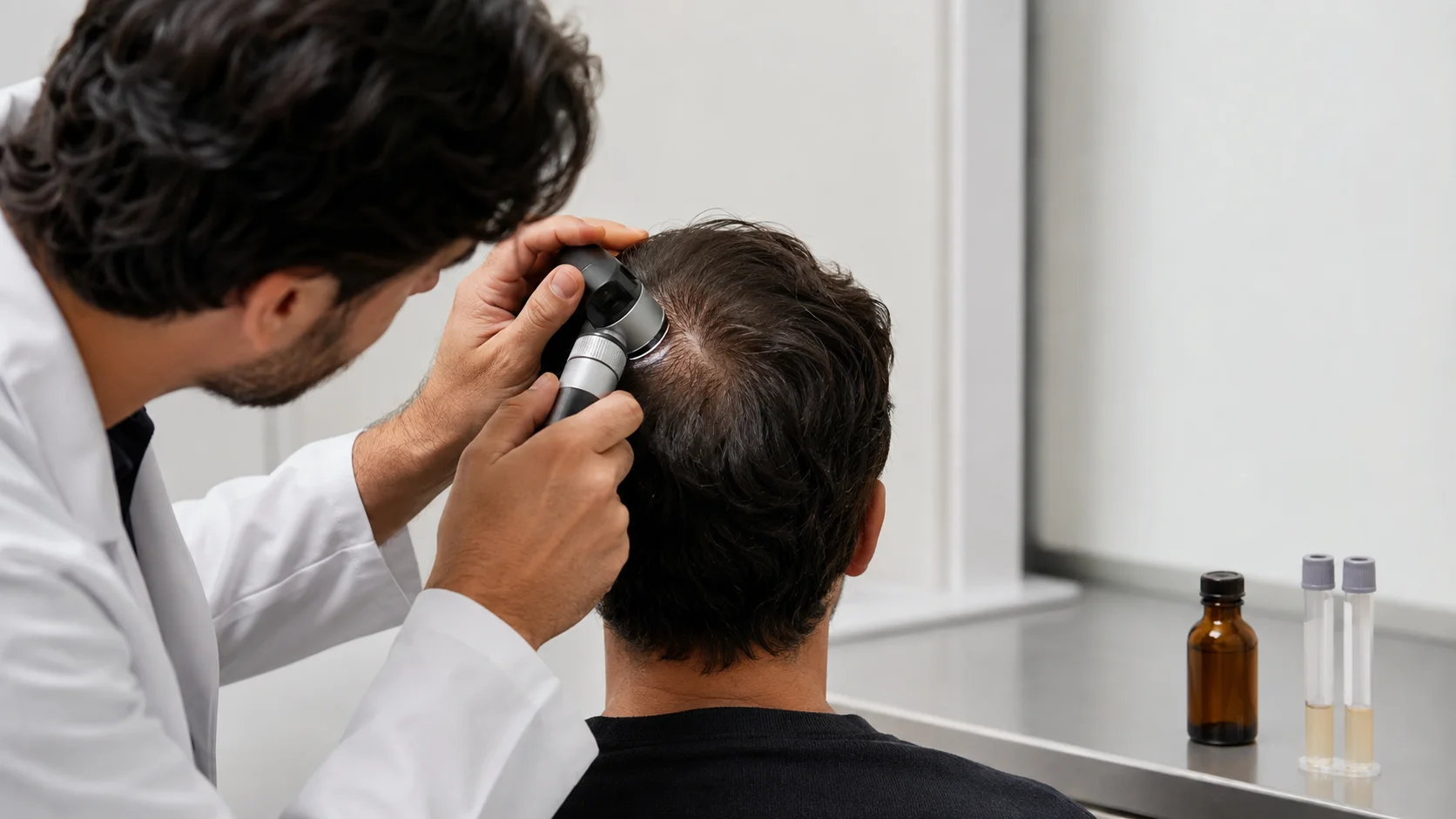
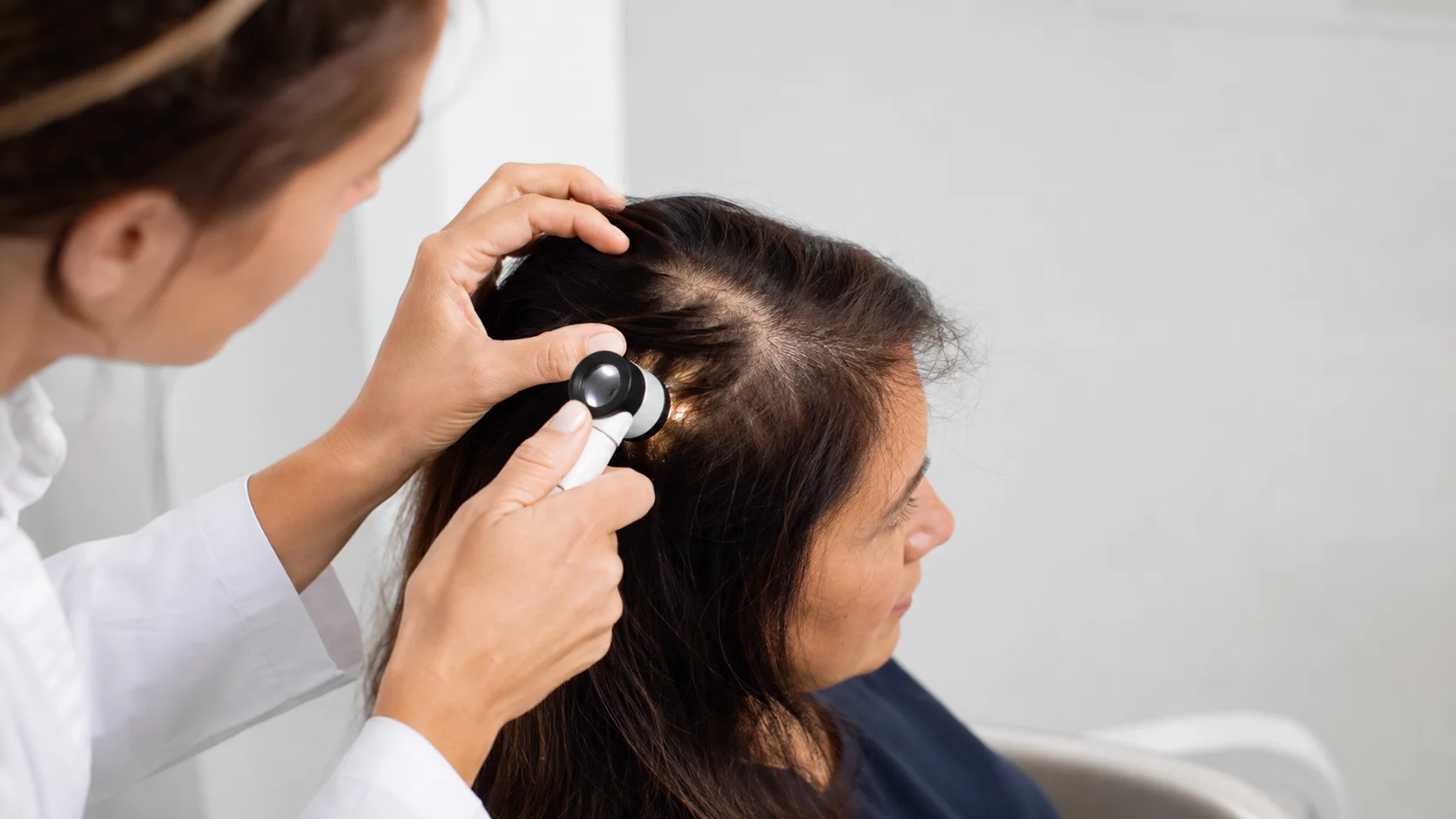
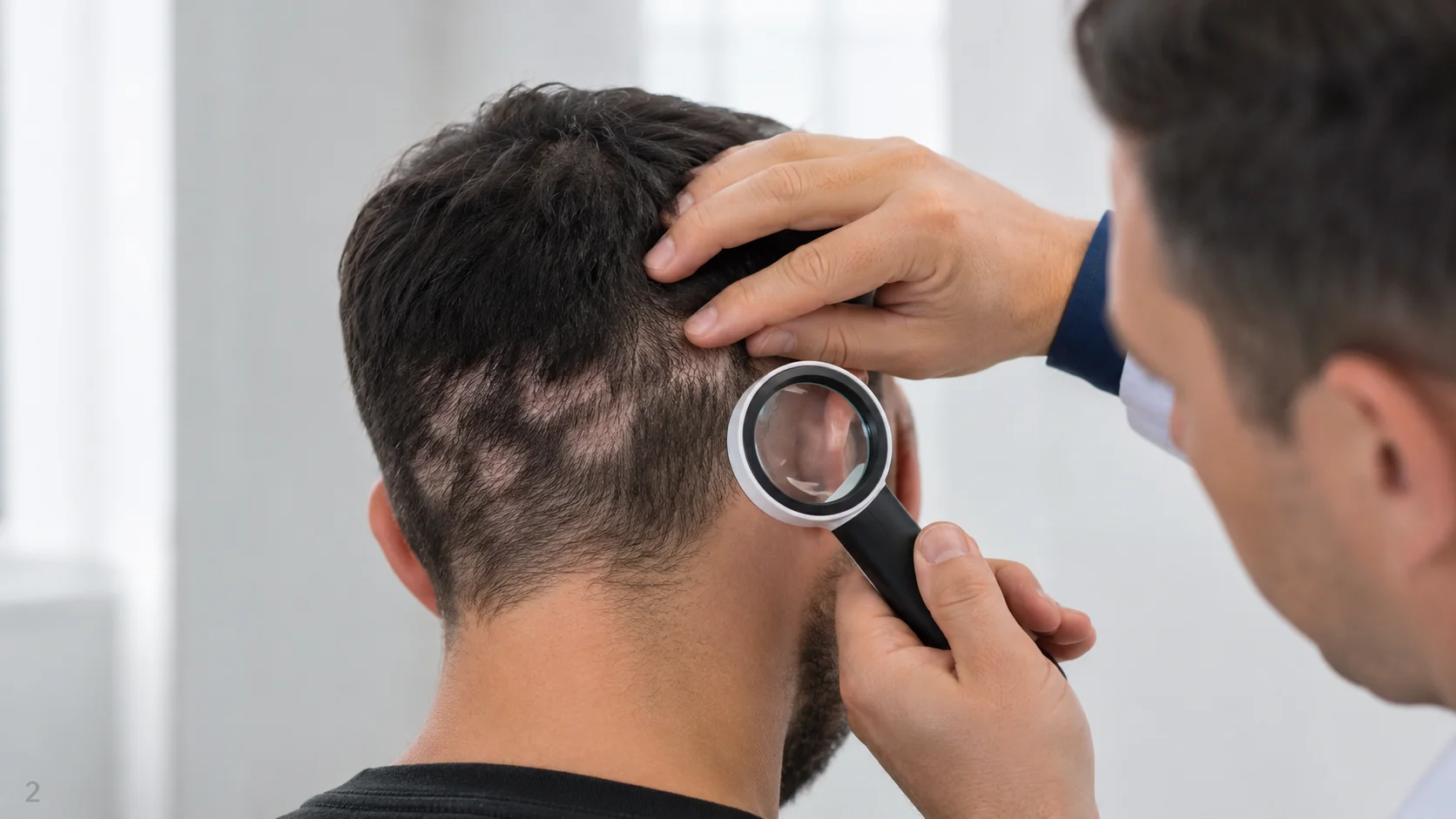
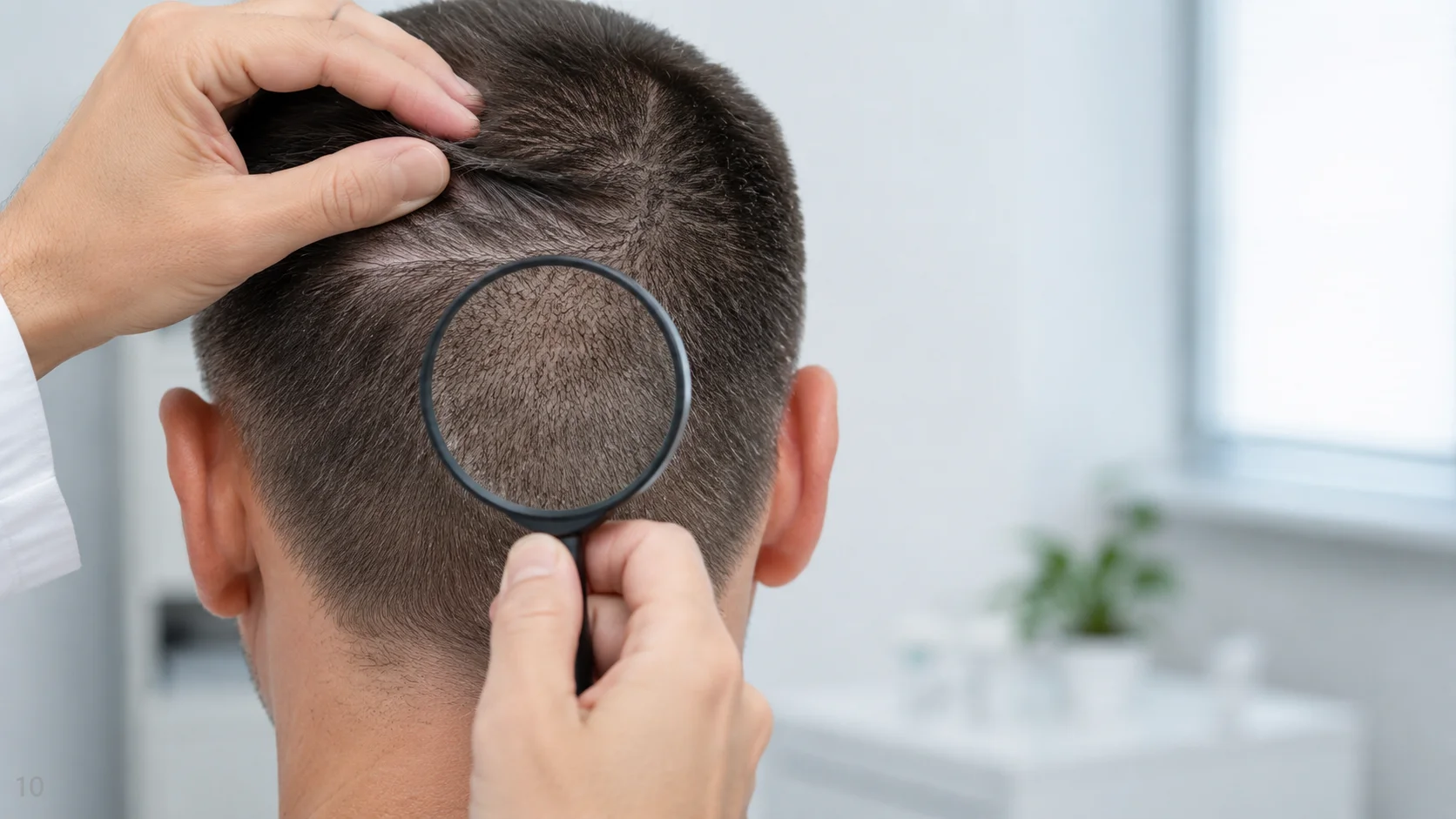
Magnified examination can detect miniaturization that is not obvious in casual photographs. In uncertain cases, surgery may be delayed while the condition is diagnosed or observed.
Why a Fixed Safe-Zone Template Can Fail
The permanent zone is not the same size or shape in every patient. A standardized boundary may include unstable follicles in someone destined for extensive loss.
This is particularly important in younger patients whose final pattern is not yet clear. Aggressive harvesting from marginal areas can produce transplanted hair that later thins or leaves visible extraction patterns as surrounding donor density declines.
Long-term planning should assume that both recipient demand and donor limitations may become more apparent with age.
Does Transplanted Hair Need Finasteride?
Finasteride is generally used to protect susceptible non-transplanted hair rather than because every transplanted follicle requires it to survive.
After surgery, native hair behind and between the grafts can continue miniaturizing. The transplanted follicles may remain while the untreated hair disappears, creating an unnatural separation or renewed thinness.
Medication may therefore help preserve the overall result. Whether finasteride is appropriate depends on the person’s sex, diagnosis, health history, fertility considerations, risk tolerance, and potential adverse effects.
Can Transplanted Hair Eventually Thin?
Yes. Potential reasons include:
- Harvesting outside the stable donor zone
- Pre-existing donor miniaturization
- Age-related changes
- Progressive diffuse alopecia
- Inflammatory scalp disease
- Poor graft survival
- Scarring or vascular compromise
- Very fine natural donor characteristics
Normal hair aging can also reduce diameter over time. A transplant should provide durable improvement, but no ethical plan should promise that every graft will remain unchanged forever.
DHT Resistance Does Not Mean Unlimited Donor Hair
A typical scalp has far fewer safely movable follicles than the number originally present across the frontal scalp and crown. Surgery redistributes a limited resource.
Removing too many grafts can create visible thinning, patchiness, or scarring in the donor region. The cosmetic value of each graft therefore depends on placement, hair caliber, styling, and long-term strategy.
Dense coverage across every bald area may be impossible when loss is extensive. Prioritizing the frontal frame often produces more visual value than spreading grafts thinly across a large surface.
Beard and Body Hair as Alternative Donors
Beard and selected body hairs may be considered in specialized cases, particularly after scalp donor supply has been reduced. These follicles retain characteristics such as growth length, caliber, curl, and cycle duration from their original sites.
They are not perfect substitutes for scalp hair. Texture mismatch, scarring risk, extraction difficulty, and variable growth must be considered.
Alternative donor sources should supplement careful planning, not justify careless depletion of the scalp donor area.
Donor Resistance in Women
Women can also have a relatively stable donor region, but diffuse thinning is more common and can make candidacy harder to establish.
If miniaturization extends throughout the scalp, transplanted follicles may not be sufficiently durable and harvesting can worsen visible donor thinning. A confirmed diagnosis and microscopic donor assessment are essential.
Women with a defined, stable pattern and adequate donor density may still be appropriate candidates.
Frequently Asked Questions
Why does donor hair keep growing after transplantation?
The follicles largely retain the genetic and biological characteristics of the donor site, including relative resistance to androgen-driven miniaturization.
Can DHT destroy transplanted hair?
Properly selected grafts are relatively resistant, but they are not absolutely immune to aging, disease, or miniaturization from an unstable donor source.
Is all hair at the back of the head safe to transplant?
No. Only part of the back and sides may fall within a dependable donor zone, and the boundaries vary between individuals.
Can the donor area become bald?
Overharvesting, diffuse alopecia, advanced pattern loss, aging, or inflammatory disease can make the donor region visibly thin.
Should donor hair be tested for miniaturization?
Magnified assessment of miniaturization is an important part of transplant planning, especially when the donor area looks diffuse or the future pattern is uncertain.
Does donor resistance come from lower DHT levels?
Local androgen metabolism may contribute, but resistance primarily reflects the follicle’s region-specific response. The entire scalp shares the same circulation.
Can transplanted hair be moved again?
Previously transplanted follicles can sometimes be relocated, but each procedure introduces scarring, survival risk, and further limits. Good initial planning is preferable.
Relative Resistance, Not Invincibility
Donor hair works because selected follicles are biologically less susceptible to DHT-related miniaturization and usually retain that trait after transplantation. This makes durable hair restoration possible.
The principle must be applied individually. A stable donor zone, conservative harvesting, realistic density goals, and protection of remaining native hair are all necessary for a result designed to age well.
This content is for general informational purposes and does not replace individualized medical advice, diagnosis, or treatment.