Testosterone replacement therapy, often called TRT, can contribute to hair loss in some people who are genetically prone to androgenetic alopecia. TRT does not make everyone lose hair, and it does not create pattern hair loss from nothing in most cases. Instead, it may accelerate a process that a person was already biologically susceptible to.
The connection is mainly related to DHT, a more potent androgen formed when testosterone is converted by the enzyme 5-alpha reductase. In scalp follicles that are sensitive to DHT, higher androgen activity may speed up miniaturization and make thinning more noticeable.
This topic is often misunderstood. Hair loss during TRT is not simply a sign that testosterone is “too high,” and stopping or changing therapy should never be done without medical guidance. The key is understanding risk, monitoring changes, and separating hormone-related pattern hair loss from other causes of shedding.
What TRT Is Used For
TRT is prescribed to treat clinically significant testosterone deficiency when symptoms and laboratory findings support the diagnosis. It may be delivered through injections, gels, patches, pellets, or other medical formulations depending on the patient and clinician.
The goal is not to create supraphysiologic hormone levels. Proper TRT aims to restore testosterone to an appropriate range and improve symptoms related to deficiency.
Because testosterone affects many tissues, TRT requires ongoing monitoring. Hair changes are only one possible consideration among broader factors such as blood counts, prostate-related monitoring when relevant, cardiovascular risk assessment, fertility implications, mood, sleep, and medication response.
Why Testosterone Can Affect Hair
Testosterone itself is not the whole story. In many tissues, testosterone can be converted into DHT. DHT binds strongly to androgen receptors and plays a major role in male pattern hair loss in people with susceptible follicles.
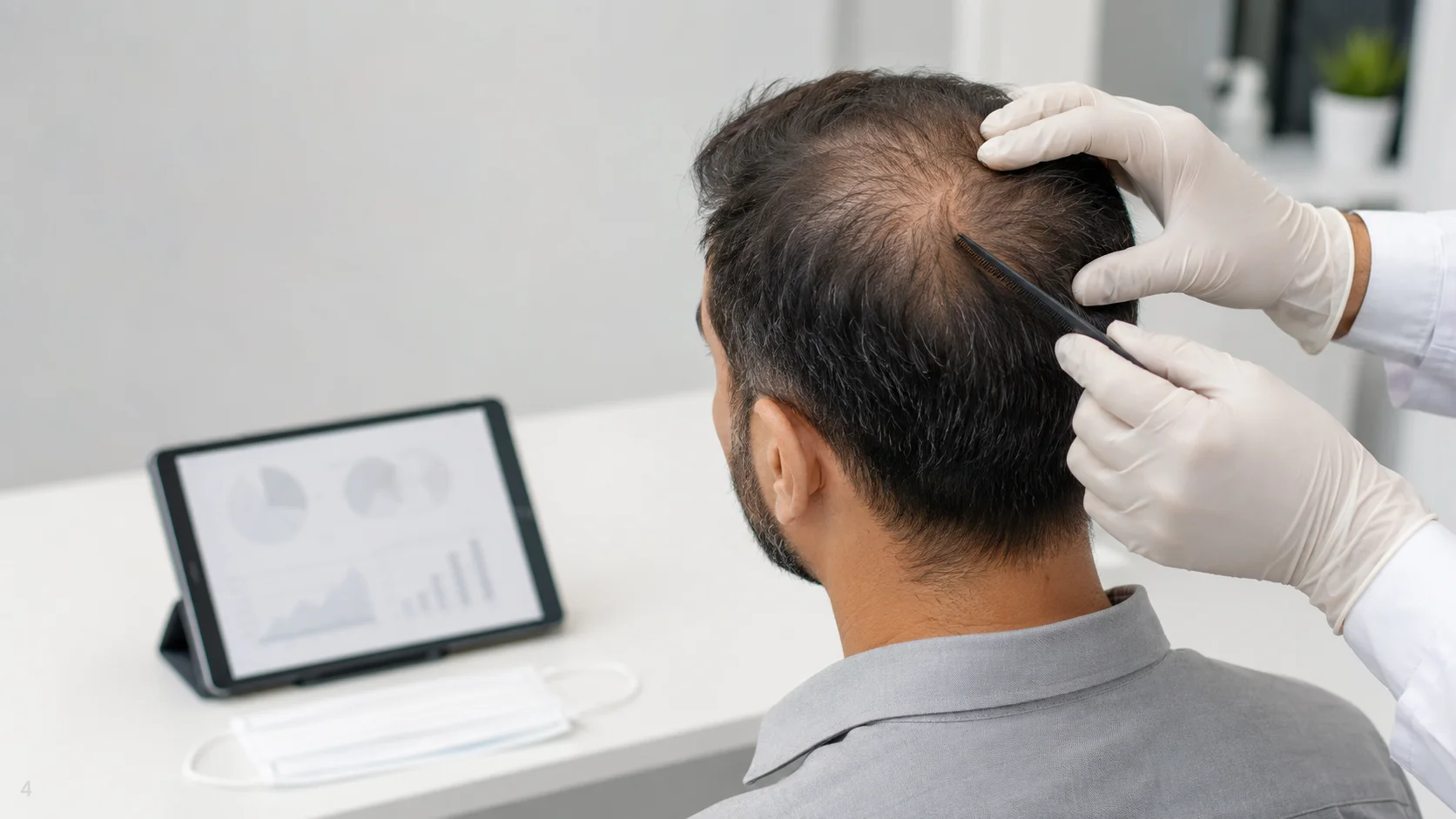
In androgenetic alopecia, follicles in certain scalp areas gradually shrink. These areas often include the temples, frontal hairline, mid-scalp, and crown. The sides and back of the scalp are usually more resistant, which is why pattern hair loss has a recognizable distribution.
TRT can raise available testosterone, and in some individuals this may also increase DHT activity. If the scalp follicles are genetically sensitive, this may reveal or accelerate thinning.
TRT Does Not Affect Everyone the Same Way
Some people use TRT and notice no meaningful scalp hair change. Others may see increased shedding, a receding hairline, or crown thinning after starting therapy or after a dose adjustment.
The difference often comes down to genetic predisposition. Family history, existing miniaturization, age, baseline hair density, androgen receptor sensitivity, and individual hormone metabolism all influence risk.
A person who already had early pattern hair loss before TRT may be more likely to notice progression. Someone with no family history and no follicle sensitivity may not develop visible hair loss simply because testosterone is normalized.
Shedding vs Pattern Hair Loss
Not all hair loss during TRT is androgenetic alopecia. Some people experience temporary shedding from stress, illness, weight changes, medication changes, nutritional issues, thyroid imbalance, or other medical factors. This type of shedding may be telogen effluvium rather than pattern hair loss.
Pattern hair loss usually appears gradually in specific areas, such as the temples or crown. Telogen effluvium often causes more diffuse shedding across the scalp.
The distinction matters because treatments differ. A DHT-focused approach may be relevant for androgenetic alopecia, but it may not solve shedding caused by iron deficiency, thyroid disease, inflammatory scalp conditions, or recent illness.
Signs TRT May Be Accelerating Pattern Hair Loss
People concerned about hair changes during TRT can monitor for patterns rather than relying on daily impressions. Hair naturally sheds, and short-term changes can be misleading.
Possible signs of androgen-related progression include:
- Gradual recession at the temples
- Increased visibility of the crown
- Miniaturized, finer hairs along the hairline
- Widening part or reduced density in androgen-sensitive areas
- A family history of similar pattern hair loss
- Continued progression over several months
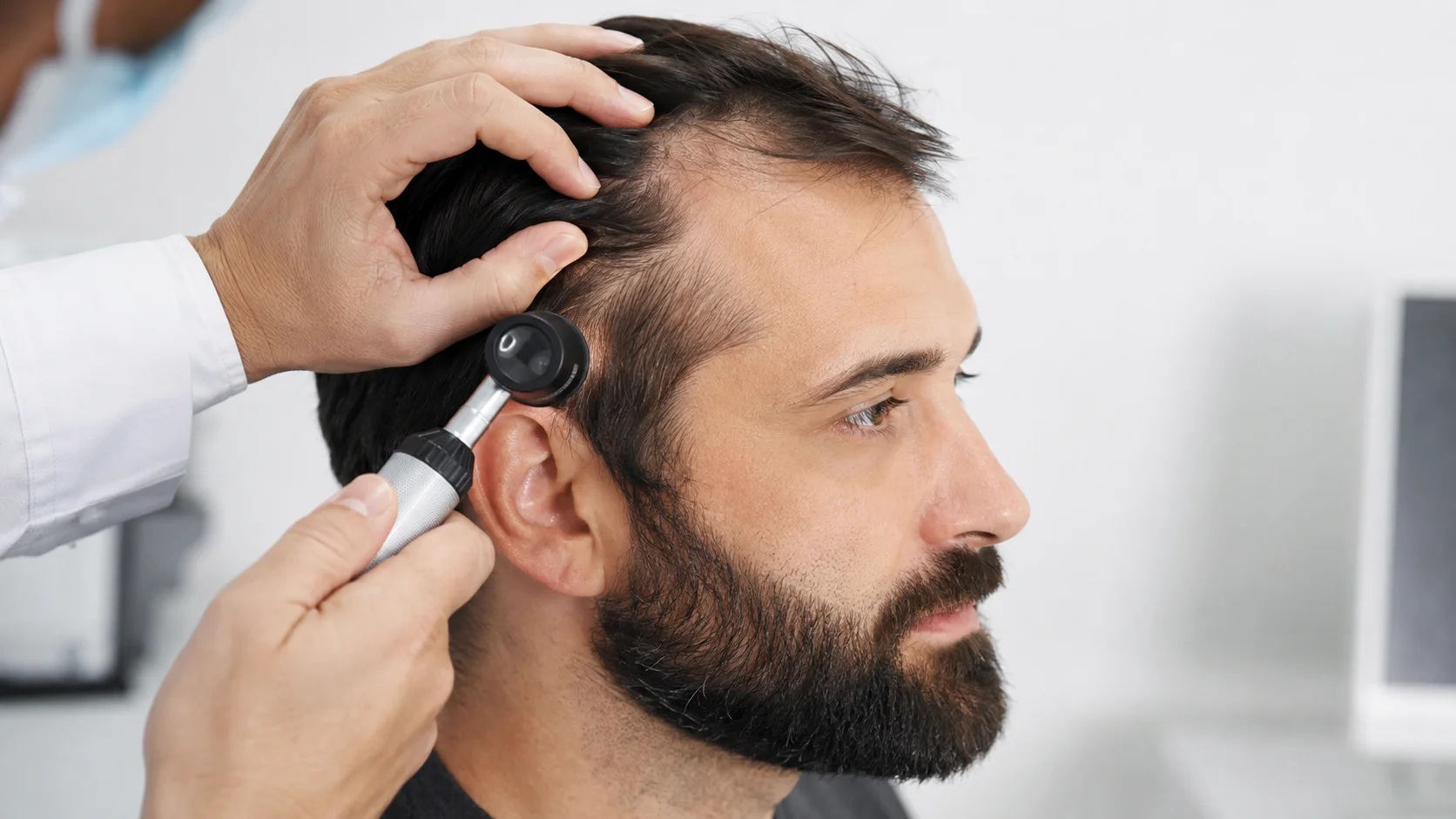
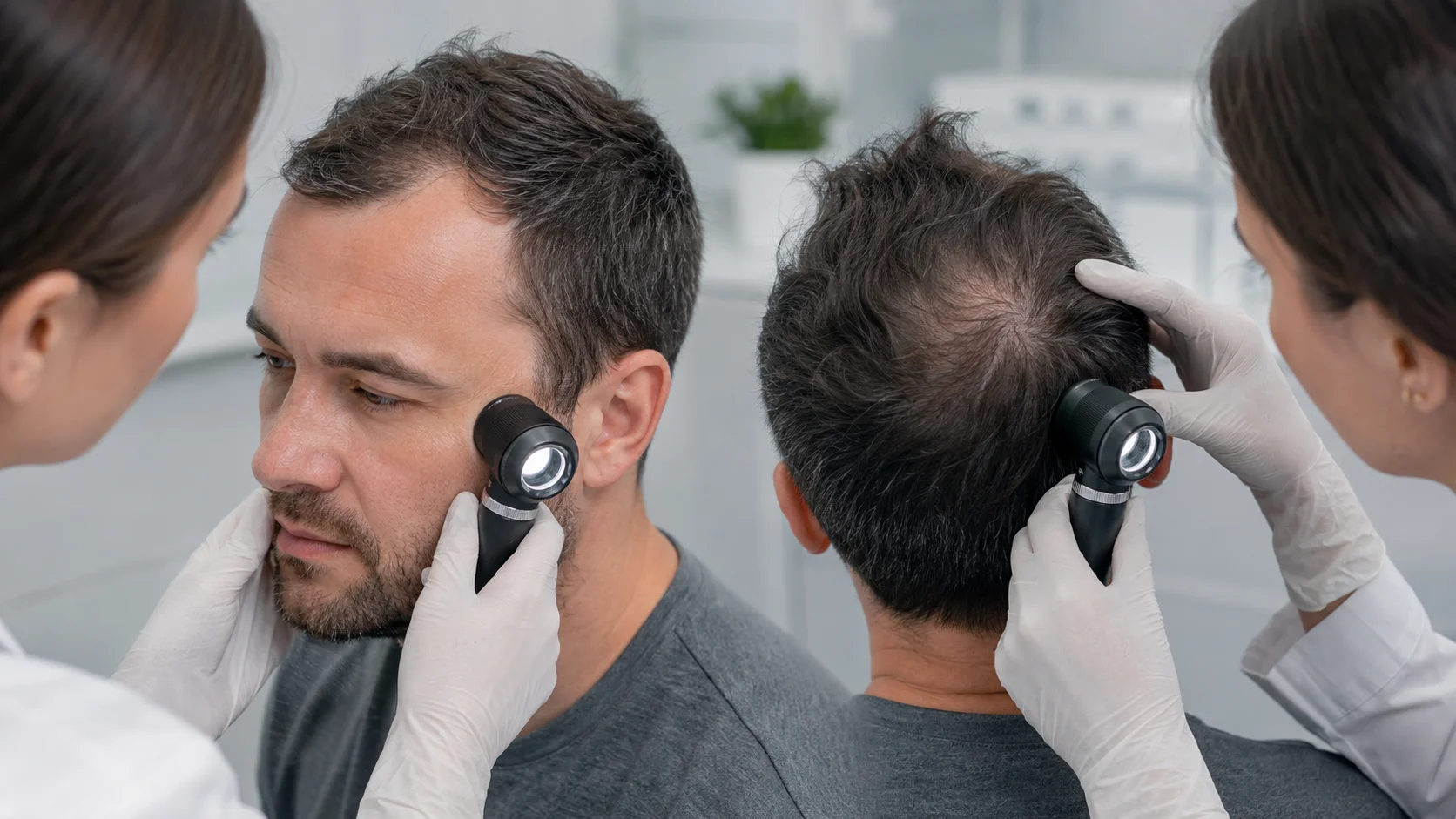
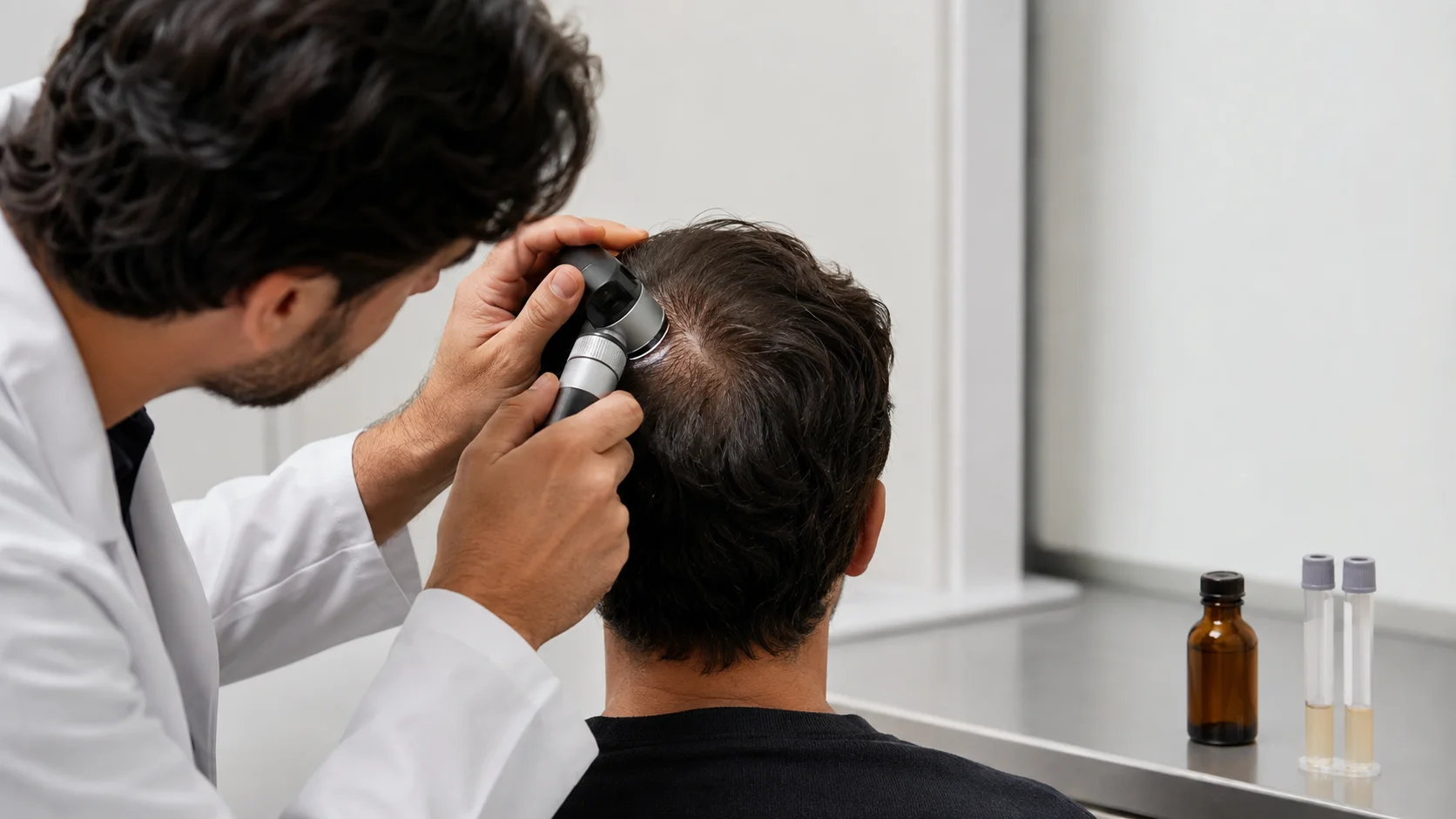
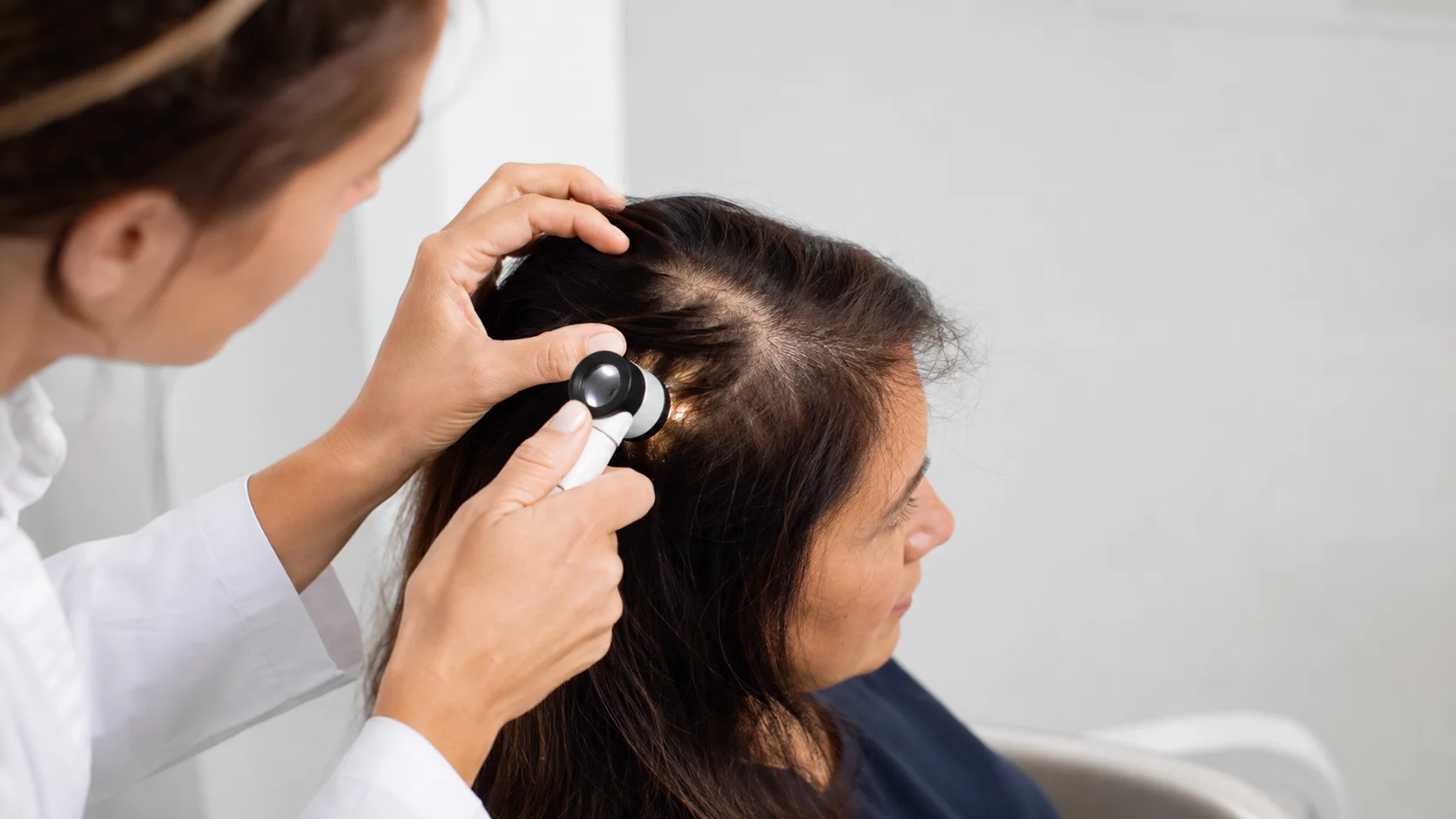
Photographs taken in consistent lighting can be more useful than checking the mirror repeatedly. A dermatologist may use magnification to look for miniaturization.
Should TRT Be Stopped Because of Hair Loss?
TRT should not be stopped, reduced, or changed without medical guidance. Testosterone therapy is prescribed for specific medical reasons, and sudden changes may cause symptoms or disrupt treatment goals.
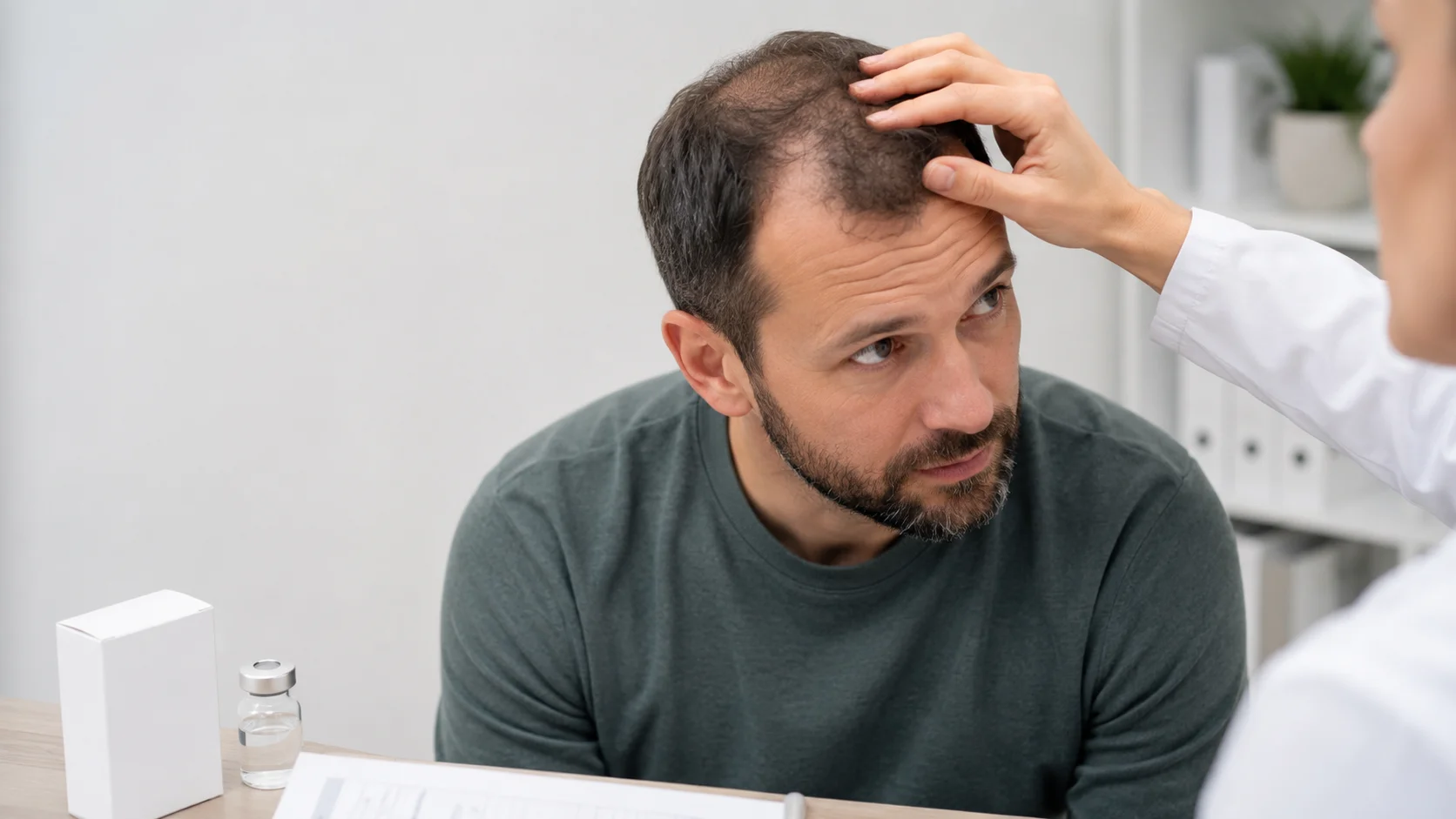
If hair loss begins after starting TRT, the first step is usually evaluation. A clinician may review hormone levels, dose, delivery method, timing of symptoms, family history, and other health factors.
In some cases, adjusting the TRT plan may be appropriate. In others, the TRT may be medically necessary and hair loss may be managed separately with evidence-based hair treatments.
Treatment Options for Hair Loss During TRT
If the diagnosis is androgenetic alopecia, treatment may focus on slowing miniaturization and supporting hair growth. Options may include minoxidil, finasteride or other DHT-focused treatments in appropriate candidates, low-level light therapy, platelet-rich plasma in selected cases, or hair transplantation for stable advanced loss.
Each option has limitations. Minoxidil does not directly lower DHT. Finasteride affects DHT production and may not be suitable for everyone. Procedures do not prevent ongoing hair loss in untreated areas. Cosmetic products such as hair fibers can improve appearance temporarily but do not treat the underlying condition.
The right plan depends on the person’s medical history, TRT goals, hair loss stage, tolerance for side effects, and expectations.
Finasteride and TRT: A Careful Discussion
Some people on TRT ask whether finasteride can protect their hair by reducing DHT. In appropriate candidates, finasteride may help slow androgenetic alopecia by lowering DHT levels. However, combining it with TRT requires individualized medical discussion.
DHT is involved in more than scalp hair. Lowering it may affect sexual function, mood, breast tissue sensitivity, or other symptoms in some users. At the same time, many people tolerate finasteride well.
The decision should be based on risks, benefits, labs when relevant, symptoms, fertility goals, and the reason TRT was started. It should not be made solely from online anecdotes.
What About DHT Levels?
Measuring DHT can sometimes be discussed, but DHT levels alone do not predict hair loss perfectly. A person can have normal DHT and still develop pattern hair loss if follicles are highly sensitive. Another person may have higher DHT activity and retain dense hair due to genetics.
This is why scalp examination and visible pattern often matter more than a single hormone value. Hair loss is a tissue-response issue, not only a blood-test issue.
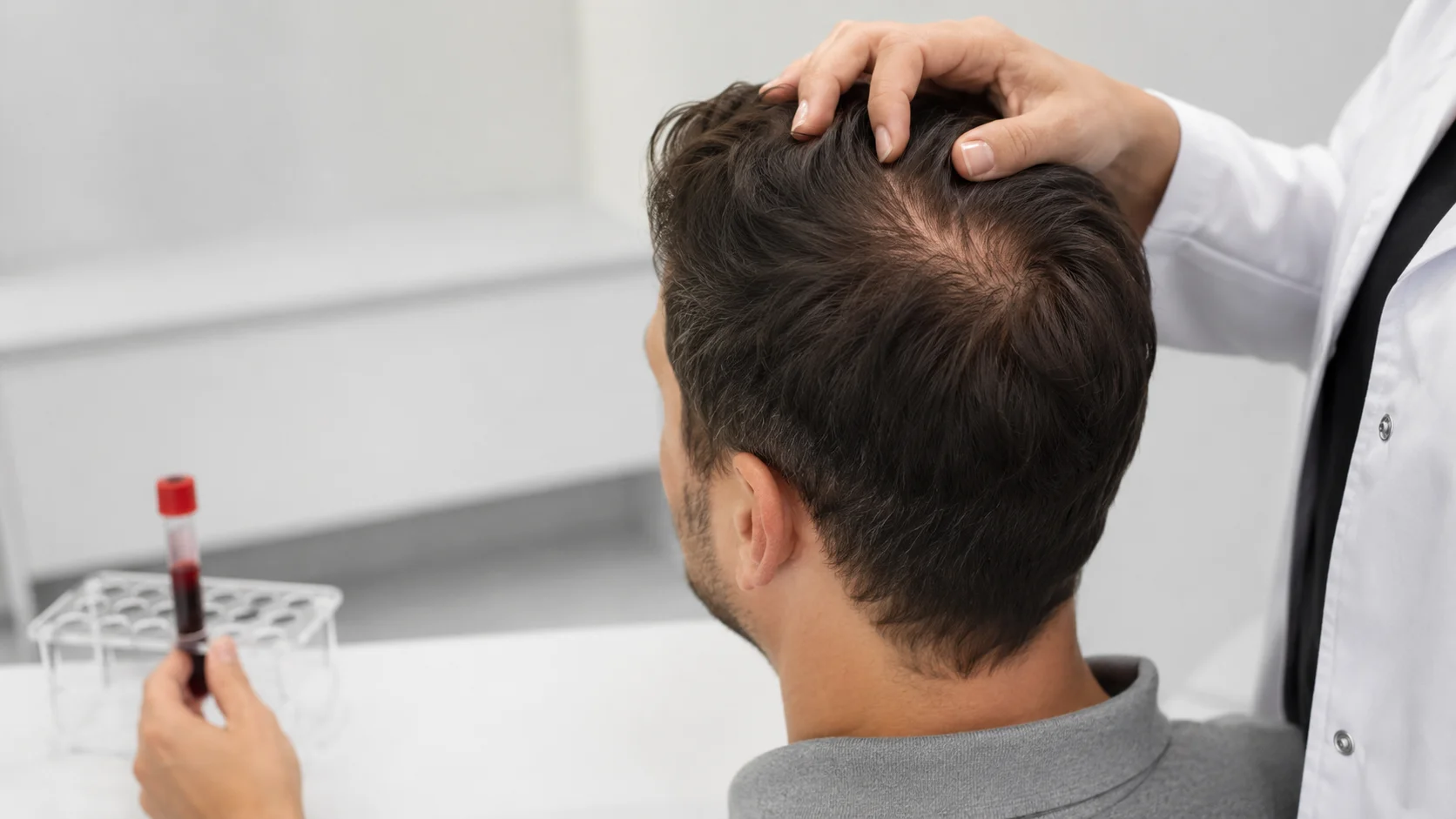
A clinician may still evaluate testosterone, free testosterone, estradiol, thyroid function, iron status, vitamin levels, or other markers depending on the situation.
Practical Monitoring Tips
People starting TRT who are concerned about hair can take a proactive but balanced approach. Before treatment begins, it may help to document baseline hairline and crown density with clear photos.
After starting therapy, repeat photos every one to three months using similar lighting, angle, hairstyle, and hair length. Avoid judging progress from wet hair, harsh overhead lighting, or daily shed counts alone.
If changes are visible, seek evaluation early. Hair loss treatments tend to work better when follicles are still active and miniaturization is not advanced.
FAQ
Can TRT cause male pattern baldness?
TRT may accelerate male pattern hair loss in people who are genetically susceptible. It does not cause everyone to go bald, and risk varies widely.
Does TRT increase DHT?
TRT can increase available testosterone, and some of that testosterone may convert to DHT. The degree of change depends on the person, dose, route, and metabolism.
Will hair grow back if TRT is stopped?
Regrowth is not guaranteed. If shedding was temporary, improvement may occur after the trigger is corrected. If TRT accelerated androgenetic alopecia, some miniaturization may persist unless treated.
Can finasteride be used with TRT?
Finasteride may be considered in some people on TRT, but it should be discussed with a clinician. It can affect DHT biology and may have side effects or tradeoffs.
How soon can hair loss happen after starting TRT?
Timing varies. Some people notice shedding or thinning within months, while others see gradual changes over a longer period. Consistent photos and professional evaluation are more reliable than short-term impressions.
Final Thoughts
TRT can contribute to hair loss when it increases androgen activity in someone with DHT-sensitive scalp follicles. The most important point is that susceptibility matters. Testosterone therapy does not affect every person’s hair in the same way.
This is because DHT-related hair loss depends not only on androgen levels, but also on how genetically sensitive the hair follicles are to DHT.
Anyone noticing hair changes during TRT should avoid self-adjusting hormones and instead seek a careful evaluation. With the right diagnosis, it may be possible to manage hair loss while maintaining the medical goals of testosterone therapy.
This article is for general informational purposes only and does not replace personalized medical advice, diagnosis, or treatment from a qualified healthcare professional.