Trazodone is a prescription antidepressant that is also commonly used in clinical practice for sleep difficulties. Hair loss has been reported by some people taking it, and alopecia appears in postmarketing safety information for trazodone products. However, it is not considered one of the medication’s most common adverse effects.
A report of hair loss during treatment does not prove that trazodone caused it. Stress, illness, nutritional problems, hormonal changes, other medications, and the condition being treated may all affect the hair cycle. The timing and pattern of shedding therefore need to be assessed carefully.
What Is Trazodone?
Trazodone is classified as a serotonin antagonist and reuptake inhibitor. It affects serotonin signaling in the brain and is approved for the treatment of major depressive disorder in adults.
It also has sedating effects, so clinicians may prescribe it off-label for insomnia. Off-label use means a medication is prescribed for a purpose not specifically included in its regulatory approval; it does not necessarily mean the use is inappropriate.
Trazodone is not a conventional sleeping pill, and it affects more than sleep. Potential adverse effects and interactions depend on the dose, other medications, and a person’s health history.
Can Trazodone Cause Hair Loss?
Hair loss, described medically as alopecia, has been reported after trazodone reached the market. Postmarketing reports are important for identifying possible safety signals, but they have limitations.
These reports usually cannot establish:
- How often the reaction occurs
- Whether trazodone definitely caused it
- Whether another medication or health problem contributed
- Which users are most susceptible
- Whether the risk changes with dose
Hair loss is therefore possible, but available information does not support describing it as a frequent or predictable trazodone effect.
What Medication-Related Shedding May Look Like
When a medication disrupts the hair cycle, one possible result is telogen effluvium. This is a form of diffuse shedding in which more follicles than usual enter the resting phase.
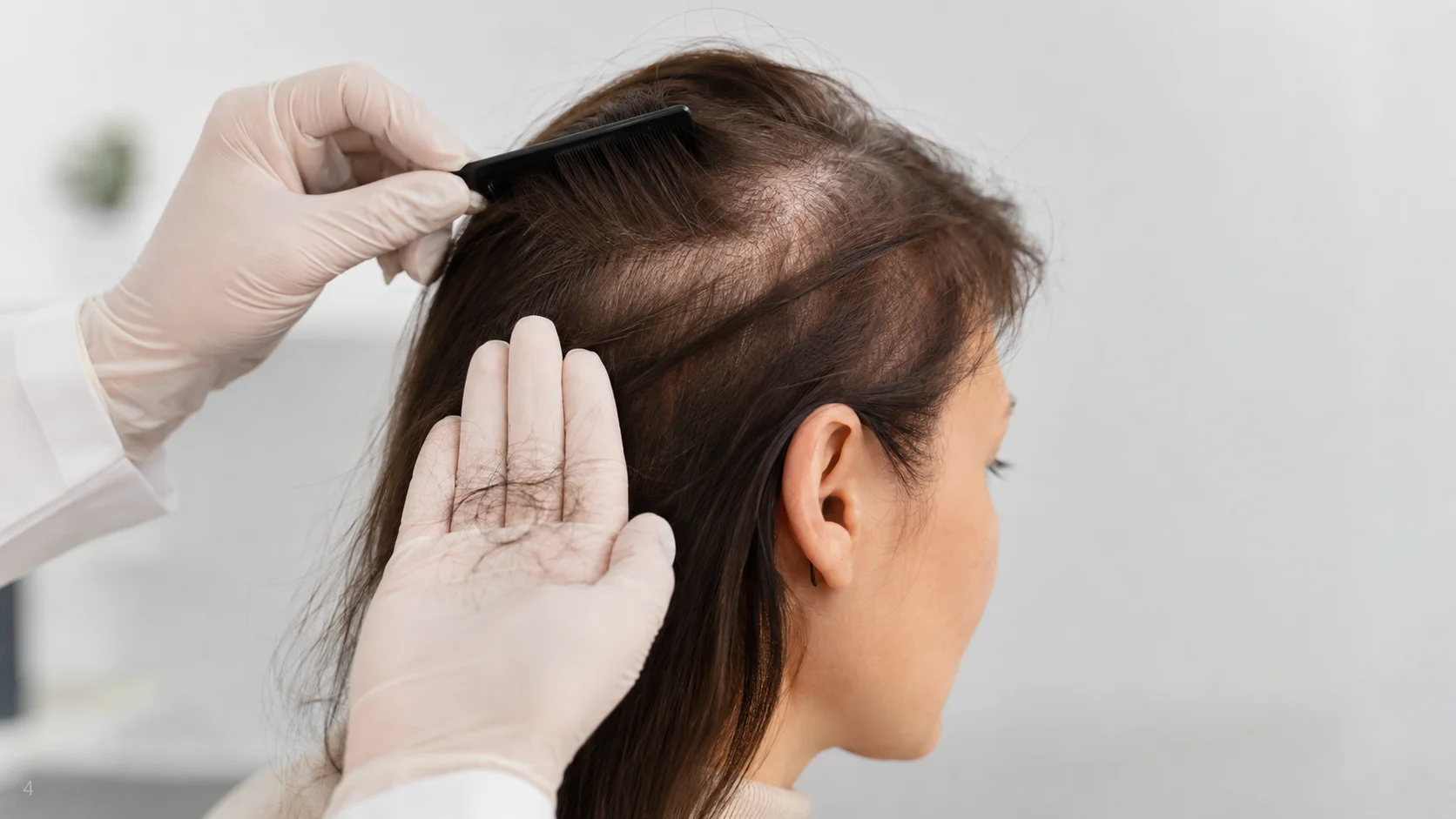
The shedding is commonly noticed throughout the scalp rather than as one completely bald patch. People may see more hairs in the shower, on a brush, or on clothing, while the scalp itself looks relatively normal.
Telogen effluvium often appears weeks to several months after a trigger. That delay makes it difficult to identify the cause. A person may naturally focus on the newest medication even though illness, psychological stress, weight loss, or another change occurred during the same period.
Patchy loss, scarring, marked redness, and broken hairs are not typical features of simple telogen effluvium and warrant a broader evaluation.
Other Explanations to Consider
Hair shedding is common and has many potential triggers. Before attributing it to trazodone, it is reasonable to consider:
- Major emotional or physical stress
- Fever, infection, or surgery
- Rapid weight loss or restrictive dieting
- Iron deficiency
- Thyroid disorders
- Hormonal changes
- Childbirth
- Pattern hair loss
- Scalp inflammation
- Other prescription or nonprescription medications
Depression and chronic sleep disruption may themselves coincide with stress, appetite changes, or reduced dietary intake. These indirect factors can complicate the picture.
Taking several medications also makes causality harder to establish. A complete list should include supplements and recent medications that have already been stopped because delayed shedding can continue after a trigger has passed.
Do Not Stop Trazodone Abruptly
Someone who suspects a side effect should contact the prescribing clinician rather than suddenly discontinuing trazodone. Abrupt changes may produce withdrawal-like symptoms or allow depression, anxiety, or sleep problems to worsen.
Discontinuation symptoms can include sleep disturbance, irritability, anxiety, dizziness, headache, and other uncomfortable effects. A clinician may recommend monitoring, laboratory testing, a gradual dose reduction, or an alternative medication depending on the situation.
The balance is individual. Mild shedding may be managed differently from rapidly progressive loss, and a medication providing substantial mental-health benefit should not be abandoned without considering the consequences.
How Hair Loss Is Evaluated
An evaluation generally begins with the timeline. Helpful details include:
- When trazodone was started or the dose changed
- When shedding began
- Whether loss is diffuse or patchy
- Other medication changes
- Recent illnesses, stressors, or dietary changes
- Scalp symptoms
- Family history of pattern hair loss
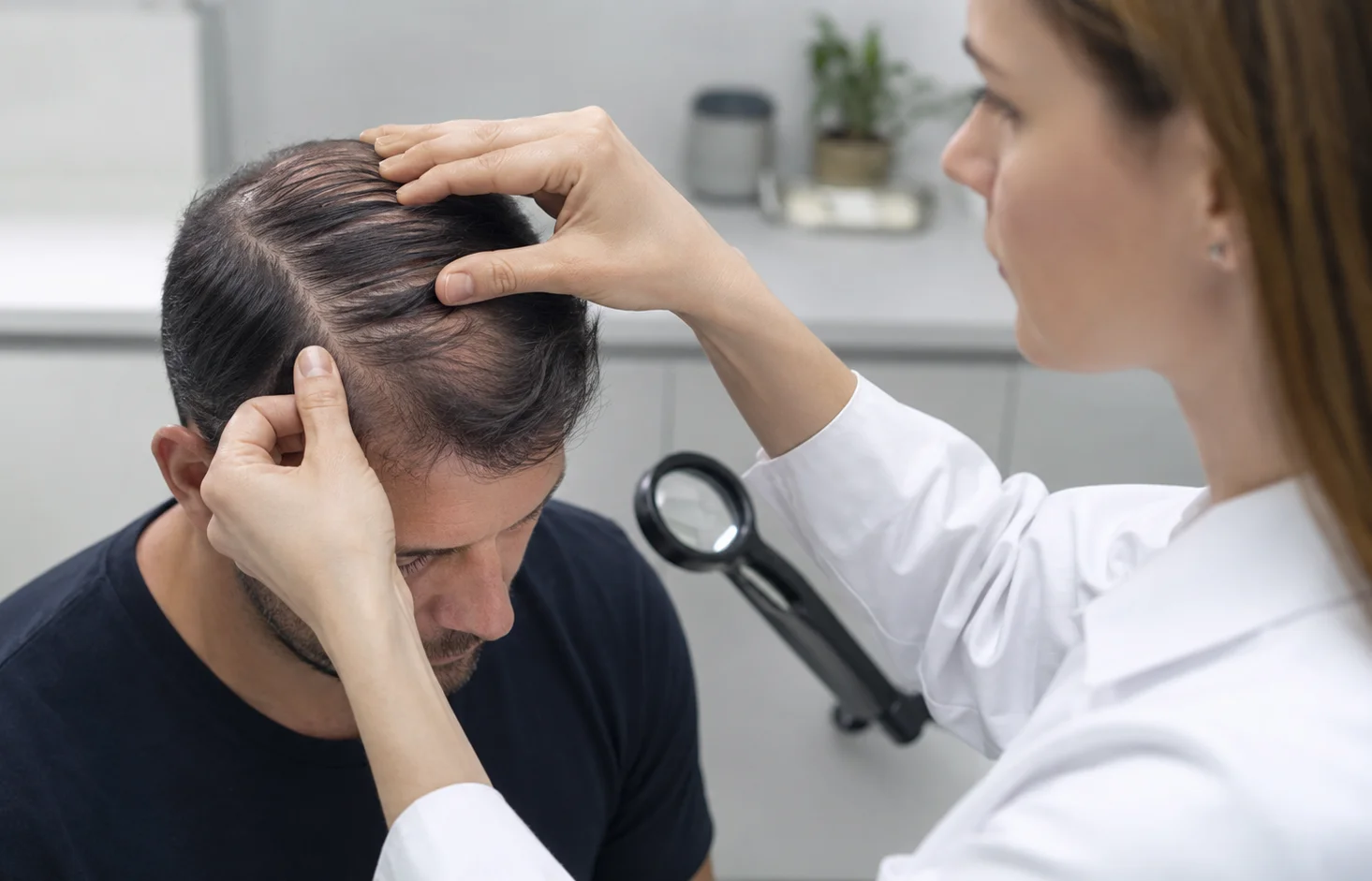
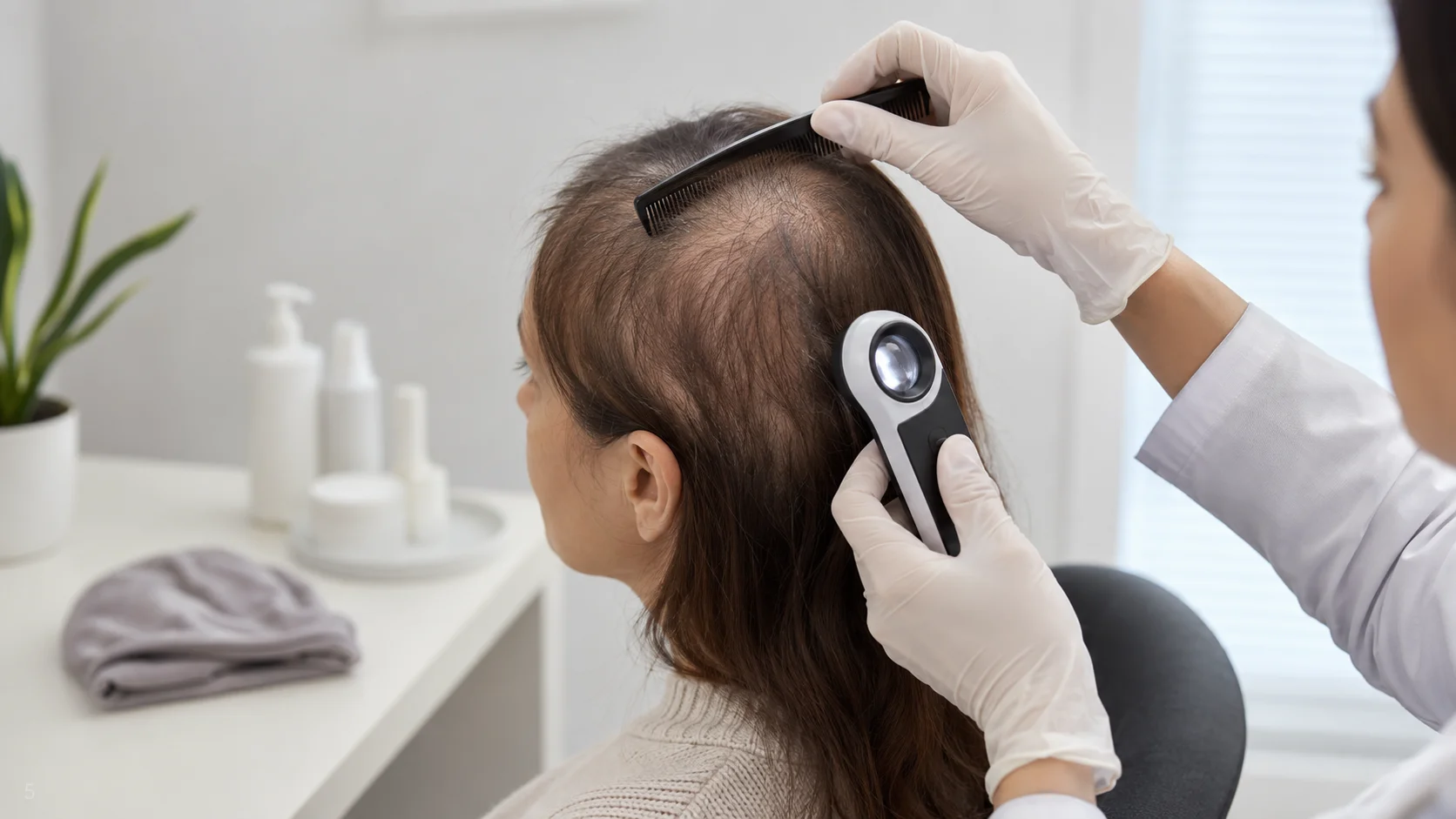
A clinician may examine the scalp and hair shafts and order selected blood tests when indicated. Tests are guided by the history rather than performed identically for everyone. Iron status and thyroid function are among the factors sometimes assessed in diffuse shedding.
Photographs taken under consistent lighting can help document whether density is changing. Counting every shed hair is usually less useful and can increase anxiety.
Will the Hair Grow Back?
When a medication is genuinely responsible for telogen effluvium and the trigger is removed or adjusted, shedding may gradually improve. Hair recovery is slow because follicles need time to return to active growth and produce visible length.
This process can take several months. Density may take longer to recover than the shedding takes to settle.
Regrowth cannot be guaranteed because more than one hair-loss condition may be present. For example, a temporary shed can reveal underlying pattern thinning that had previously been less noticeable.
Trazodone’s More Recognized Side Effects
Hair loss should be viewed in the context of trazodone’s broader safety profile. More commonly recognized effects include sleepiness, dizziness, fatigue, dry mouth, nausea, blurred vision, and changes in blood pressure.
Trazodone can impair alertness and increase fall risk, particularly when combined with alcohol, sedatives, or other medications that cause drowsiness.
Serious risks can include serotonin syndrome, abnormal heart rhythms, severe low blood pressure, unusual bleeding, worsening suicidal thoughts in vulnerable individuals, and prolonged painful erection. Urgent medical care is appropriate for severe or rapidly developing symptoms.
Frequently Asked Questions
How Common Is Hair Loss With Trazodone?
Its frequency cannot be estimated reliably from postmarketing reports. Alopecia is reported, but it is not generally listed among the medication’s most common adverse effects.
When Would Trazodone-Related Hair Loss Begin?
Medication-related telogen effluvium may become noticeable weeks or months after a trigger. Timing alone cannot prove causation.
Can Lowering the Dose Stop the Shedding?
Possibly, but there is no universal response. Dose changes should be made only with the prescriber because they can affect both side effects and treatment benefits.
Should I Take Biotin for the Hair Loss?
Biotin is unlikely to correct shedding unless a genuine deficiency exists. High-dose supplements can interfere with some laboratory tests, so they should not be started automatically.
Can Minoxidil Treat Medication-Related Hair Loss?
Minoxidil may be appropriate for some hair-loss conditions, but it is not always needed for short-lived telogen effluvium. The cause should be evaluated before adding another medication.
A Balanced Approach
Trazodone can potentially be associated with hair loss, but the reaction appears uncommon and the available reports do not prove causation in an individual case. Diffuse shedding has many competing explanations, including the health and stress factors that often exist when trazodone is prescribed.
Document the timing, arrange an assessment, and discuss the medication with its prescriber. This approach protects both hair health and the condition for which trazodone was started.
This content is for general informational purposes and does not replace individualized medical advice, diagnosis, or treatment.