Anagen effluvium is a form of abrupt hair loss caused by disruption of hairs that are actively growing. It is most commonly associated with chemotherapy, but it can also occur after other toxic, inflammatory, or severe metabolic insults that interfere with rapidly dividing hair follicle cells.
Unlike delayed shedding conditions, anagen effluvium can happen quickly. Hair may loosen and fall out within days to weeks after the trigger. The shedding can be dramatic because most scalp hairs are normally in the anagen, or growth, phase at any given time.
Anagen effluvium is medically and emotionally significant. It often occurs during serious illness or treatment, so the goal is not only hair recovery but also safe, compassionate care that respects the underlying medical context.
What Happens in Anagen Effluvium?
The anagen phase is the active growth phase of the hair cycle. During this phase, cells in the hair bulb divide rapidly to produce the hair shaft. Treatments or toxins that affect rapidly dividing cells can interrupt this process.
When the growing hair shaft is damaged, it may narrow, weaken, break, or detach. This can cause sudden shedding or hair breakage close to the scalp.
Because the follicle itself is not always permanently destroyed, regrowth is often possible after the trigger stops. However, the timeline and completeness of regrowth depend on the cause, dose, duration, individual biology, and whether the follicle was permanently injured.
Chemotherapy and Anagen Effluvium
Chemotherapy is the most recognized cause of anagen effluvium. Many chemotherapy drugs target rapidly dividing cells. Cancer cells divide quickly, but hair matrix cells also divide rapidly, making them vulnerable.
Hair loss from chemotherapy can affect the scalp, eyebrows, eyelashes, beard, and body hair. The severity varies by medication type, dose, schedule, combination therapy, and individual sensitivity.
Some treatments cause near-complete scalp hair loss, while others cause thinning rather than total loss. Hair may begin shedding within 1 to 3 weeks after treatment starts, though timing varies.
Not all cancer treatments cause the same type of hair loss. Targeted therapies, immunotherapies, hormone therapies, and radiation may have different patterns and mechanisms. Patients should ask their oncology team what hair changes are expected with their specific regimen.
Other Causes
Although chemotherapy is the classic trigger, anagen effluvium can also occur after other insults that disrupt active hair growth.
Possible causes include:
- Radiation exposure to the scalp
- Certain toxins or heavy metals
- Severe poisoning
- Some medications
- Severe inflammatory scalp disease
- Severe malnutrition or metabolic stress in rare cases
- Toxic exposure affecting rapidly dividing cells
The sudden timing helps distinguish anagen effluvium from conditions that shed later after a trigger. However, medical evaluation is important because abrupt hair loss can have several causes.
Symptoms and Pattern
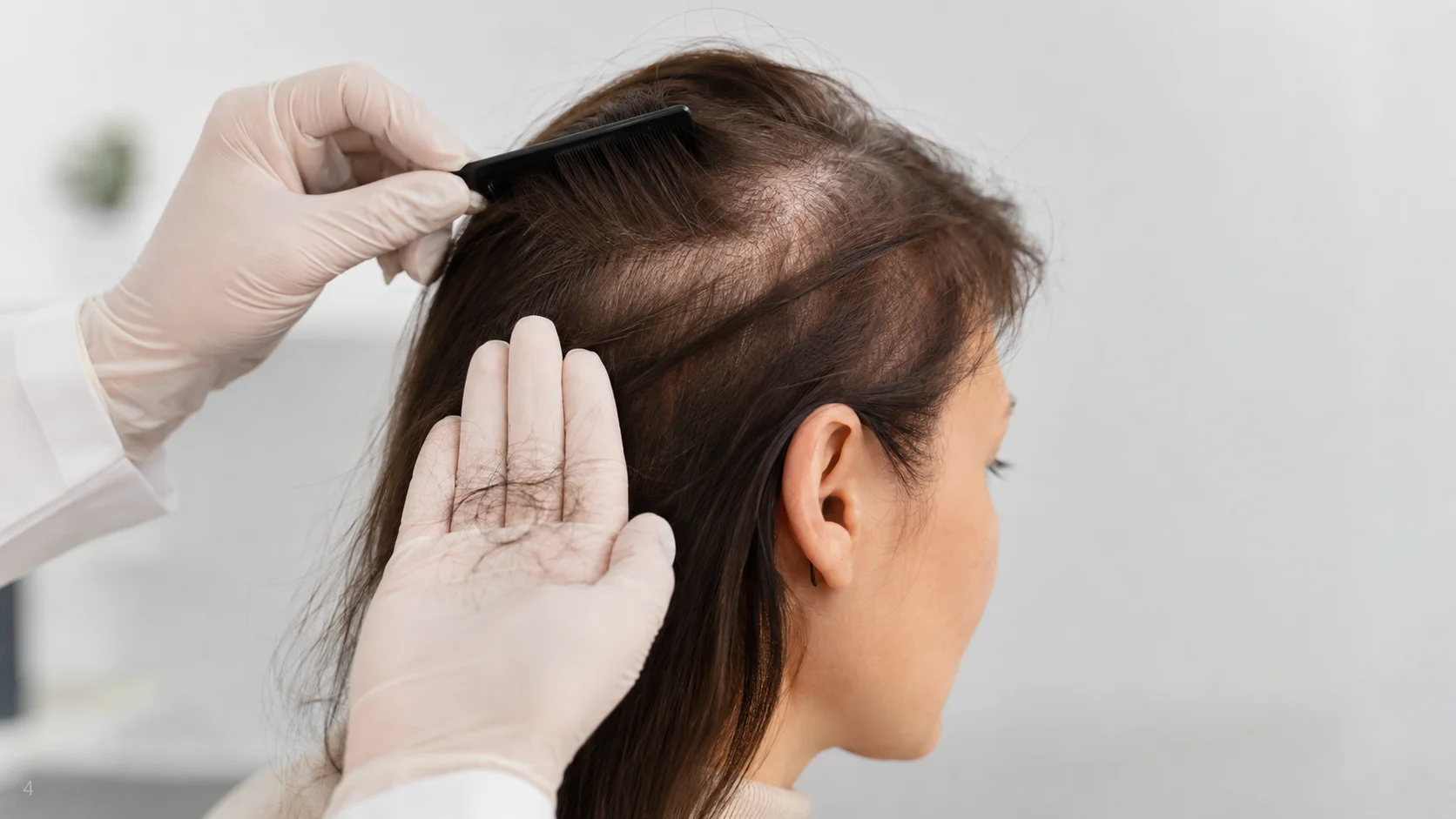
Anagen effluvium usually causes rapid hair loss. Hair may come out in large amounts during washing, brushing, or gentle pulling. Some hairs may break rather than shed from the root.
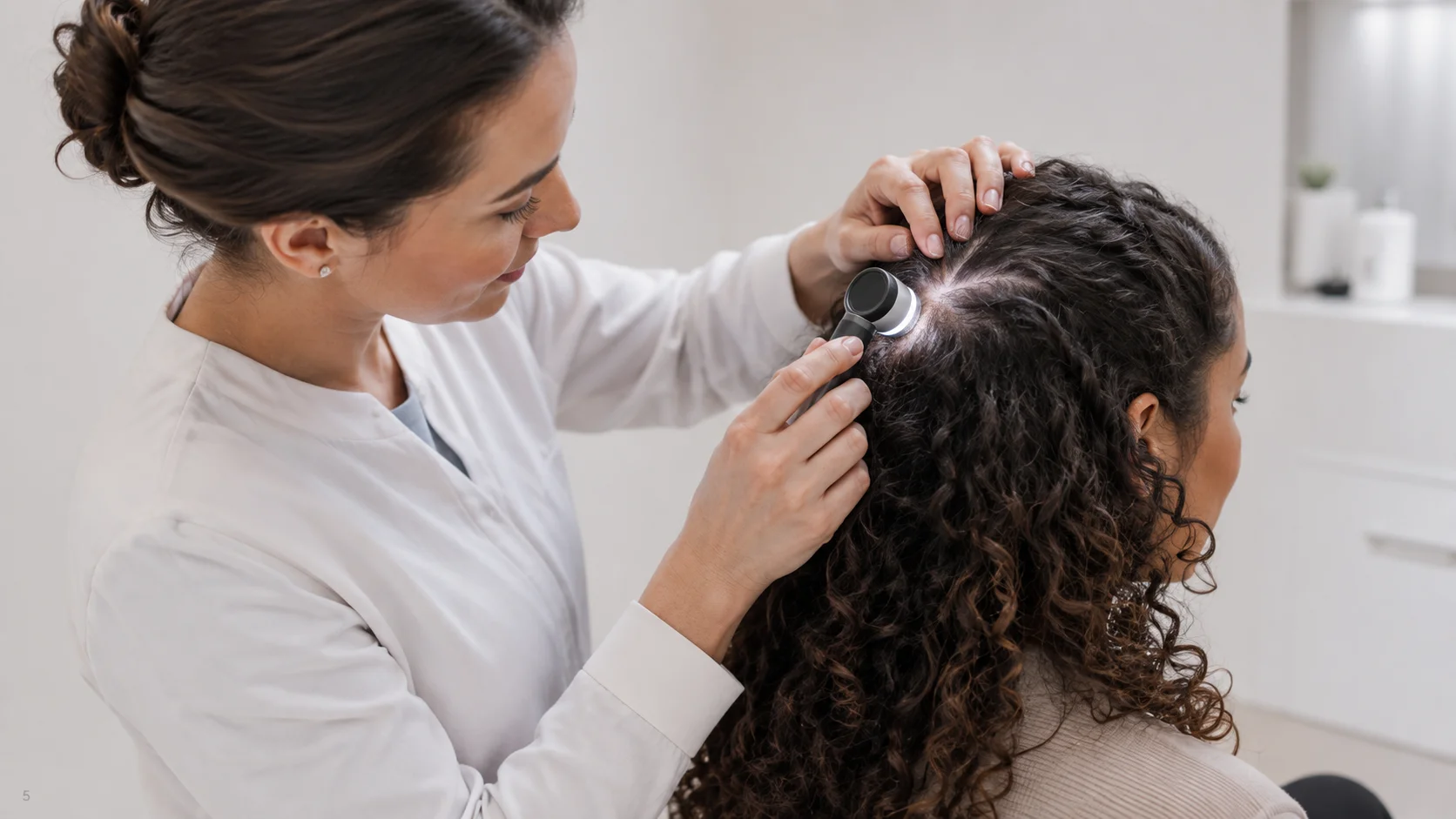
The hair shafts may appear tapered, narrowed, or broken when examined. The scalp is often not scarred unless another condition is present.
Depending on the trigger, hair loss may involve more than the scalp. Eyebrows, eyelashes, facial hair, and body hair can be affected because these follicles also have active growth cycles.
If there is pain, scaling, pustules, scarring, or localized inflammation, another or additional scalp condition may be present.
Diagnosis
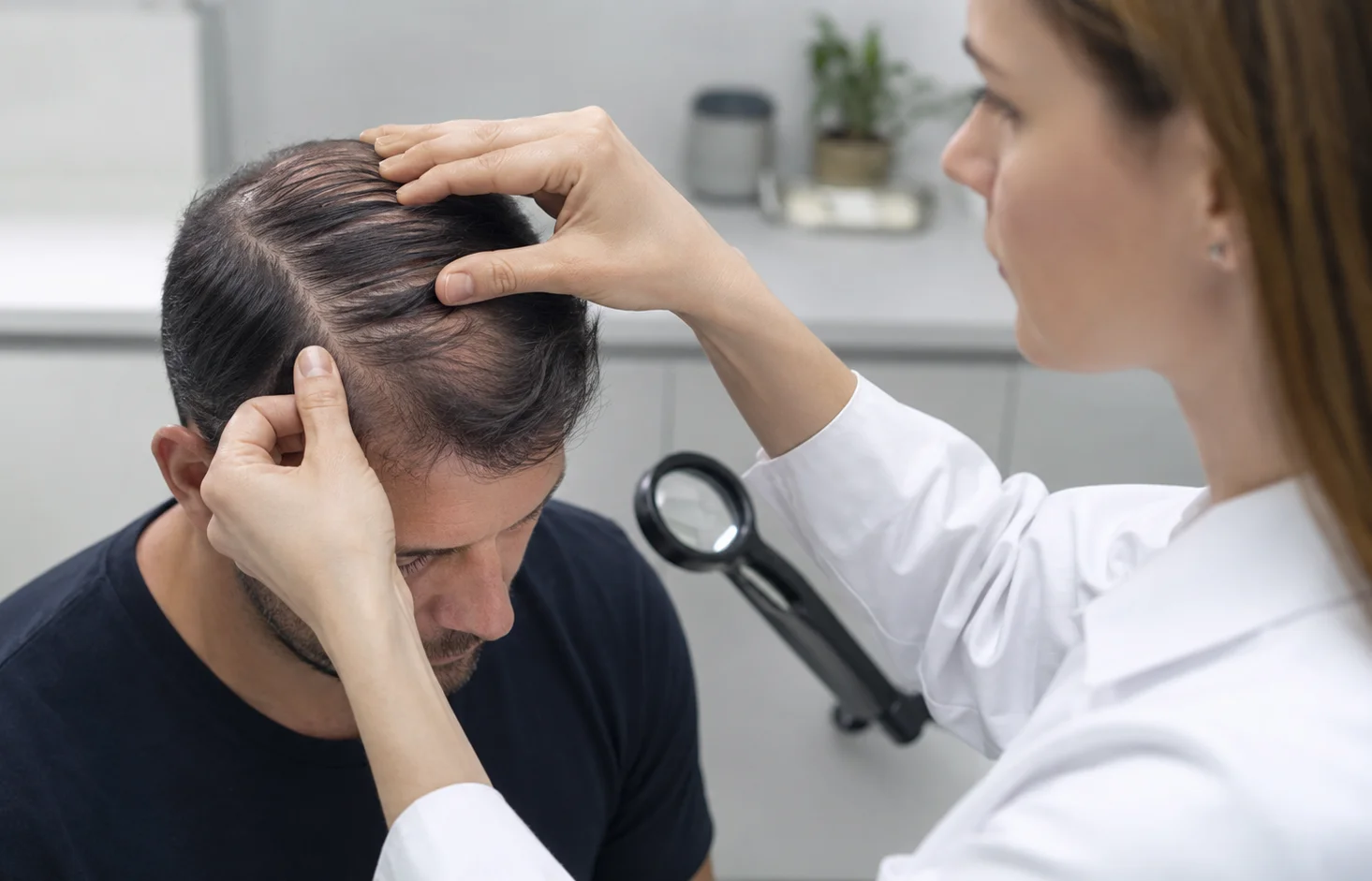
Diagnosis is usually based on timing, medical history, medication exposure, and clinical appearance. When hair loss begins soon after chemotherapy or a known toxic exposure, the cause may be clear.
A clinician may assess:
- Recent chemotherapy or radiation
- Medication history
- Toxic exposures
- Timing of hair loss
- Pattern and speed of shedding
- Scalp condition
- Hair shaft appearance
- Other symptoms or systemic illness
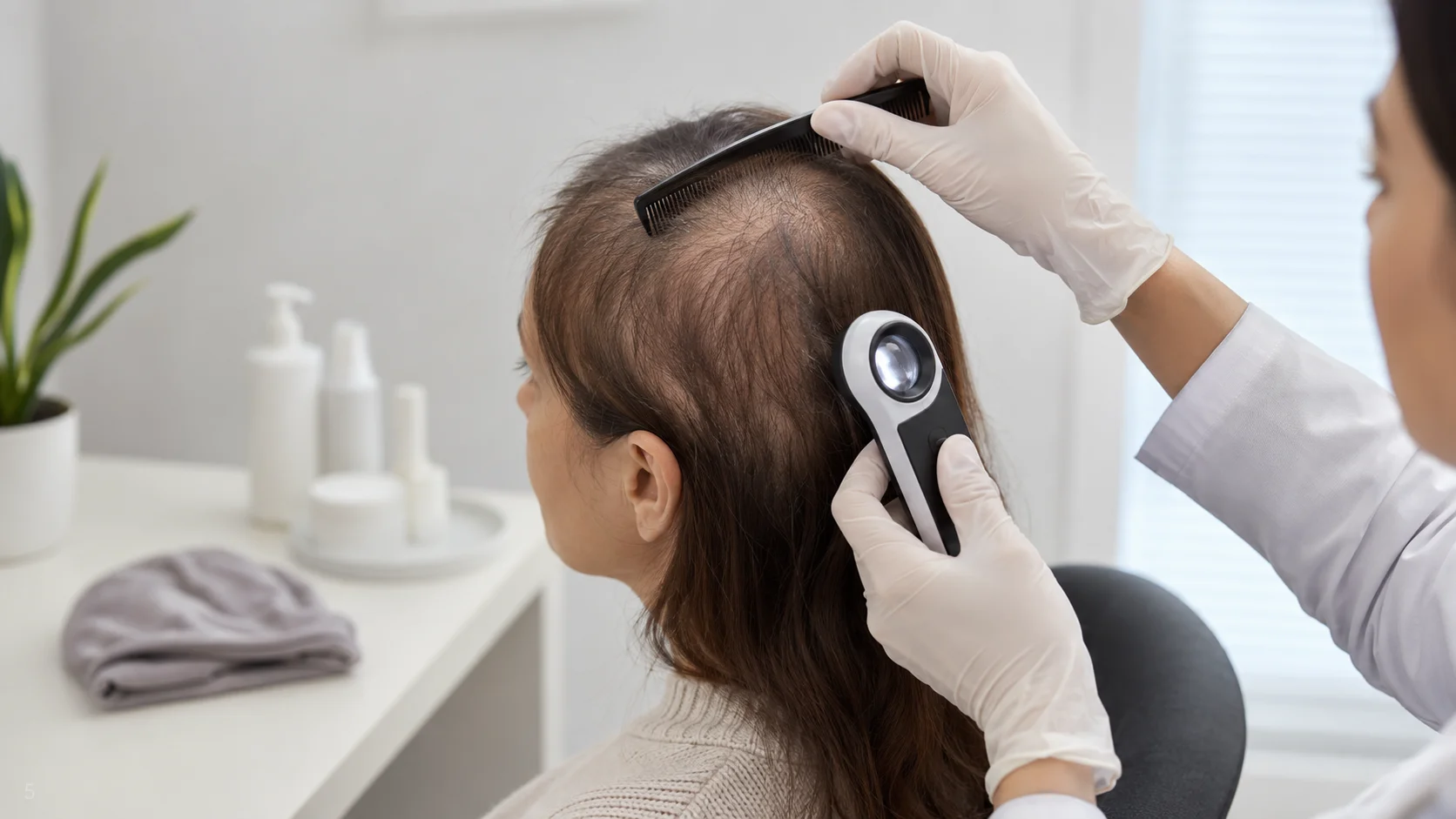
In unclear cases, hair microscopy, scalp examination, laboratory testing, or biopsy may be considered. The purpose is to confirm the mechanism and rule out other causes of sudden hair loss.
Treatment and Management
The primary approach is addressing or completing the underlying trigger when medically possible. In chemotherapy-related anagen effluvium, cancer treatment decisions should never be changed solely for cosmetic hair concerns without oncology guidance.
Supportive management may include gentle scalp care, soft brushes, mild cleansing, avoiding harsh chemical treatments, and protecting the scalp from sun or cold exposure if hair is lost.
Some patients choose head coverings, wigs, scarves, or scalp cooling when appropriate. These are cosmetic and comfort measures, not treatments for the underlying cause.
Minoxidil has been studied in some chemotherapy-related hair loss contexts, but it does not prevent all cases and is not appropriate for everyone. It should be discussed with the treating medical team, especially during cancer care.
Scalp Cooling
Scalp cooling may reduce chemotherapy-induced hair loss for some patients by lowering blood flow and metabolic activity in the scalp during treatment. This may reduce the amount of chemotherapy reaching hair follicles.
Effectiveness varies by chemotherapy type, cancer type, treatment schedule, hair characteristics, and cooling protocol. It is not suitable for every patient.
Some people find scalp cooling uncomfortable because of cold, tightness, or headache. It may also add time to treatment sessions. The oncology team should advise whether it is medically appropriate.
Regrowth After Anagen Effluvium
Hair often begins to regrow after the triggering treatment or exposure ends, especially when follicles are not permanently damaged. Regrowth may start as soft, fine hair and gradually thicken.
Texture or color may temporarily change. Some people notice curlier, straighter, finer, thicker, lighter, or darker regrowth. These changes may normalize over time, but not always.
In rare cases, persistent or permanent hair thinning can occur after certain chemotherapy regimens or high-dose exposures. This is sometimes called persistent chemotherapy-induced alopecia. It should be medically assessed if regrowth does not occur as expected.
Emotional and Practical Support
Anagen effluvium can be distressing because it often happens quickly and during an already difficult medical period. Hair loss may affect privacy, identity, and the feeling of control.
Practical planning before treatment can help. Some people cut hair shorter before shedding begins, choose headwear in advance, or arrange wig fitting early. Others prefer to wait and respond as changes occur.
There is no single right emotional response. Supportive care should respect the person’s medical priorities and personal preferences.
FAQ
Is anagen effluvium the same as telogen effluvium?
No. Anagen effluvium affects actively growing hairs and can cause rapid hair loss. Telogen effluvium is delayed shedding after more hairs enter the resting phase.
How soon does chemotherapy hair loss start?
Hair loss may begin within 1 to 3 weeks after chemotherapy starts, depending on the drugs and schedule.
Does hair grow back after anagen effluvium?
Often, yes, if the follicles are not permanently damaged. Regrowth usually begins after the trigger ends, but timing varies.
Can scalp cooling prevent chemotherapy hair loss?
Scalp cooling may reduce hair loss for some chemotherapy patients, but it does not work for everyone and is not always medically suitable.
Can anagen effluvium affect eyebrows and eyelashes?
Yes. Depending on the trigger, scalp hair, eyebrows, eyelashes, facial hair, and body hair may be affected.
Final Thoughts
Anagen effluvium is abrupt hair loss caused by disruption of actively growing hairs. It is most often linked to chemotherapy, but other toxic or severe insults can also trigger it. The speed and extent of shedding can be upsetting, especially when it occurs during serious medical treatment.
Recovery is often possible after the trigger ends, but the timeline varies. The safest approach is coordinated care with the medical team managing the underlying condition, along with gentle scalp care and realistic expectations. This article naturally connects with Hairloss Authority resources on telogen effluvium, chemotherapy-related hair loss, cosmetic camouflage options, and supportive hair care.
This article is for general informational purposes only and does not replace individualized medical advice, diagnosis, or treatment from a qualified healthcare professional.