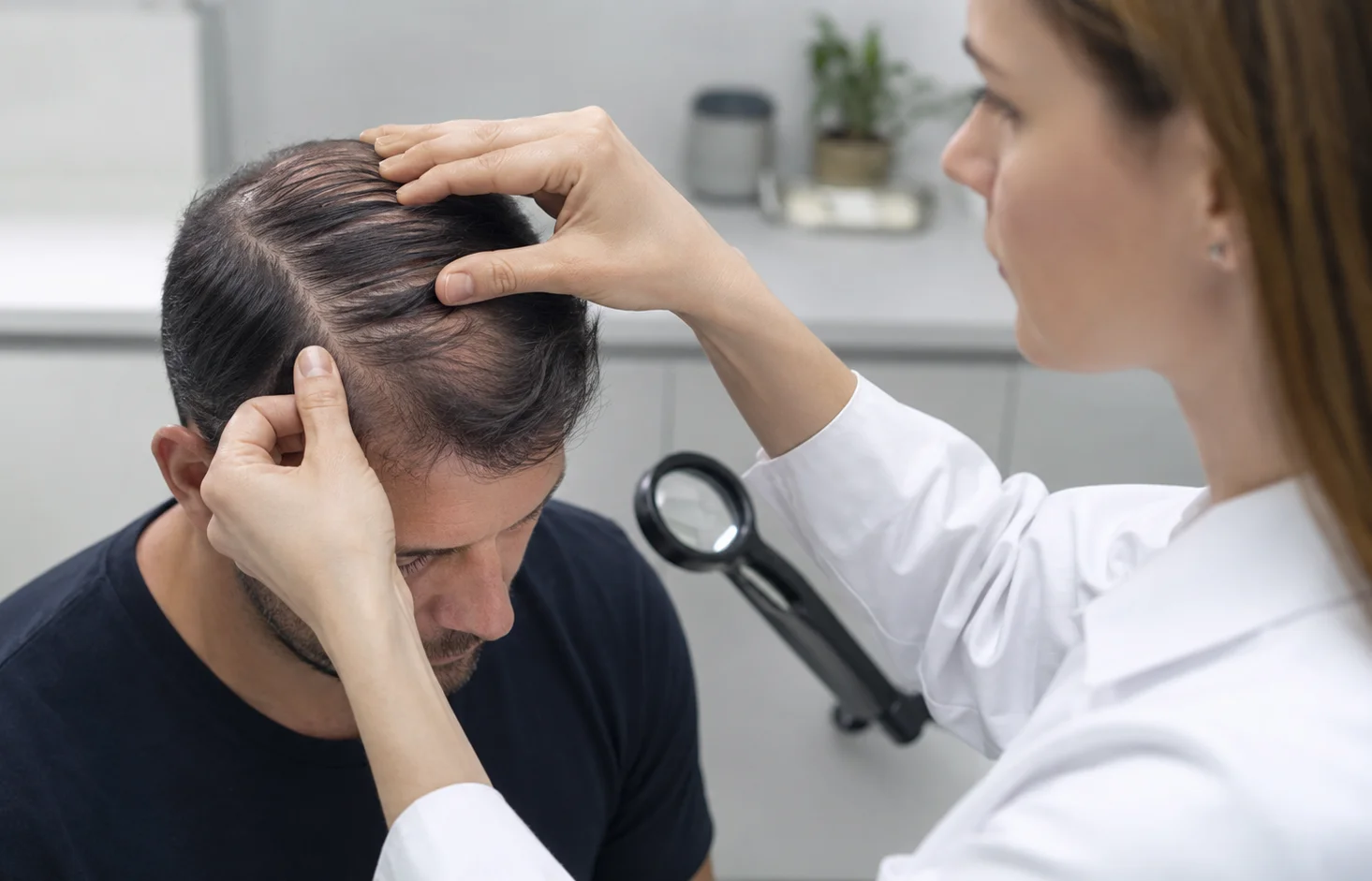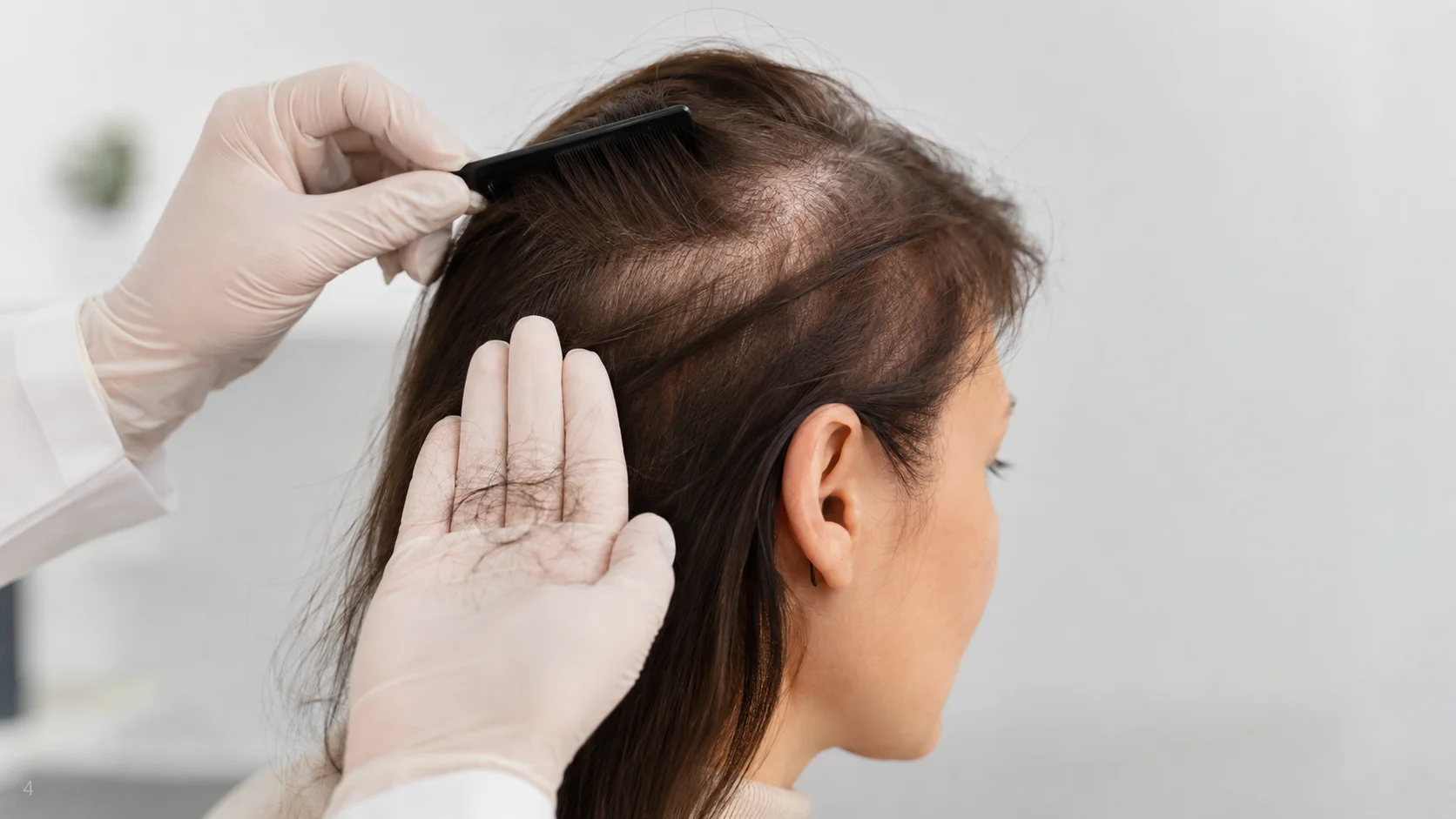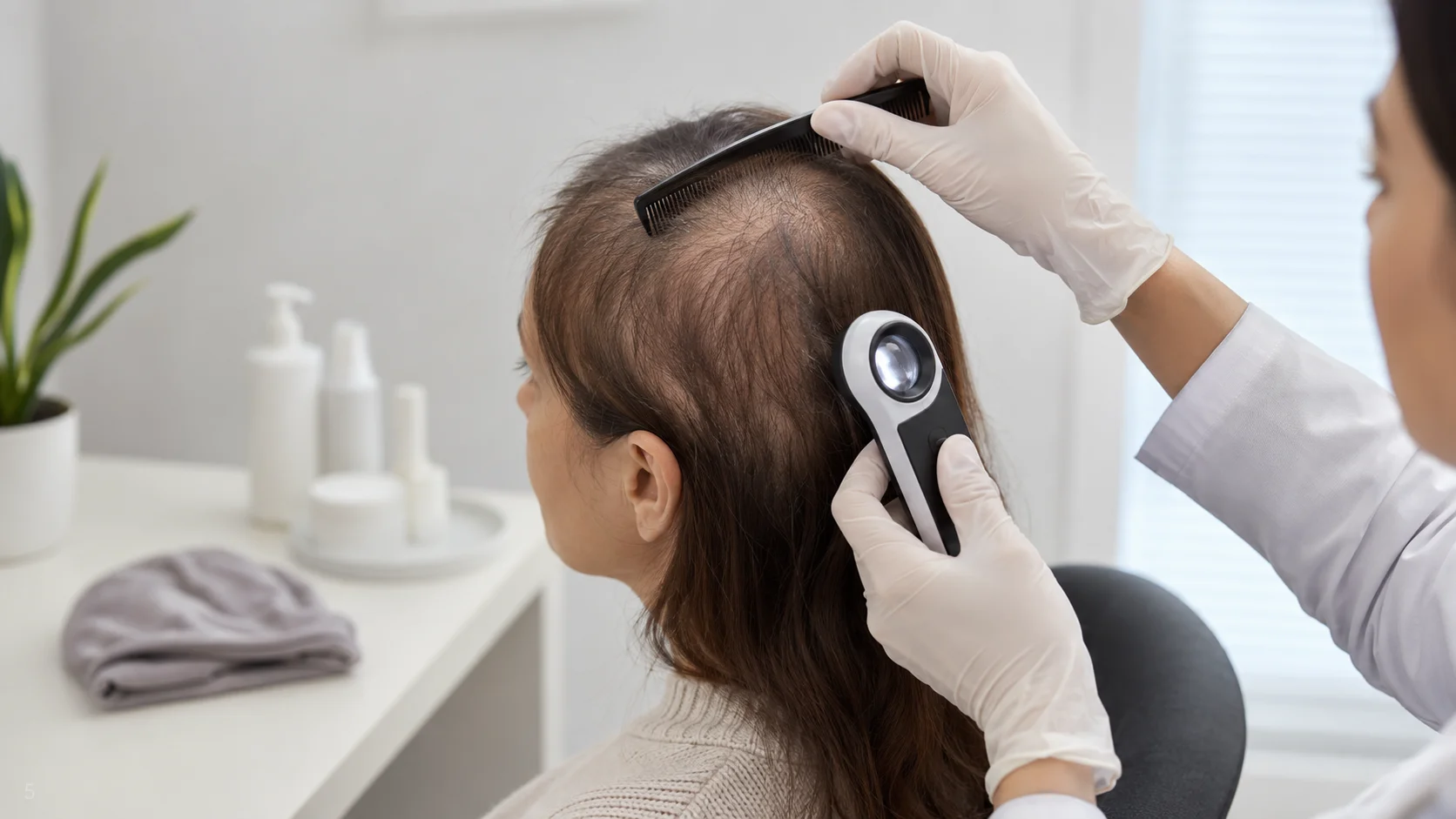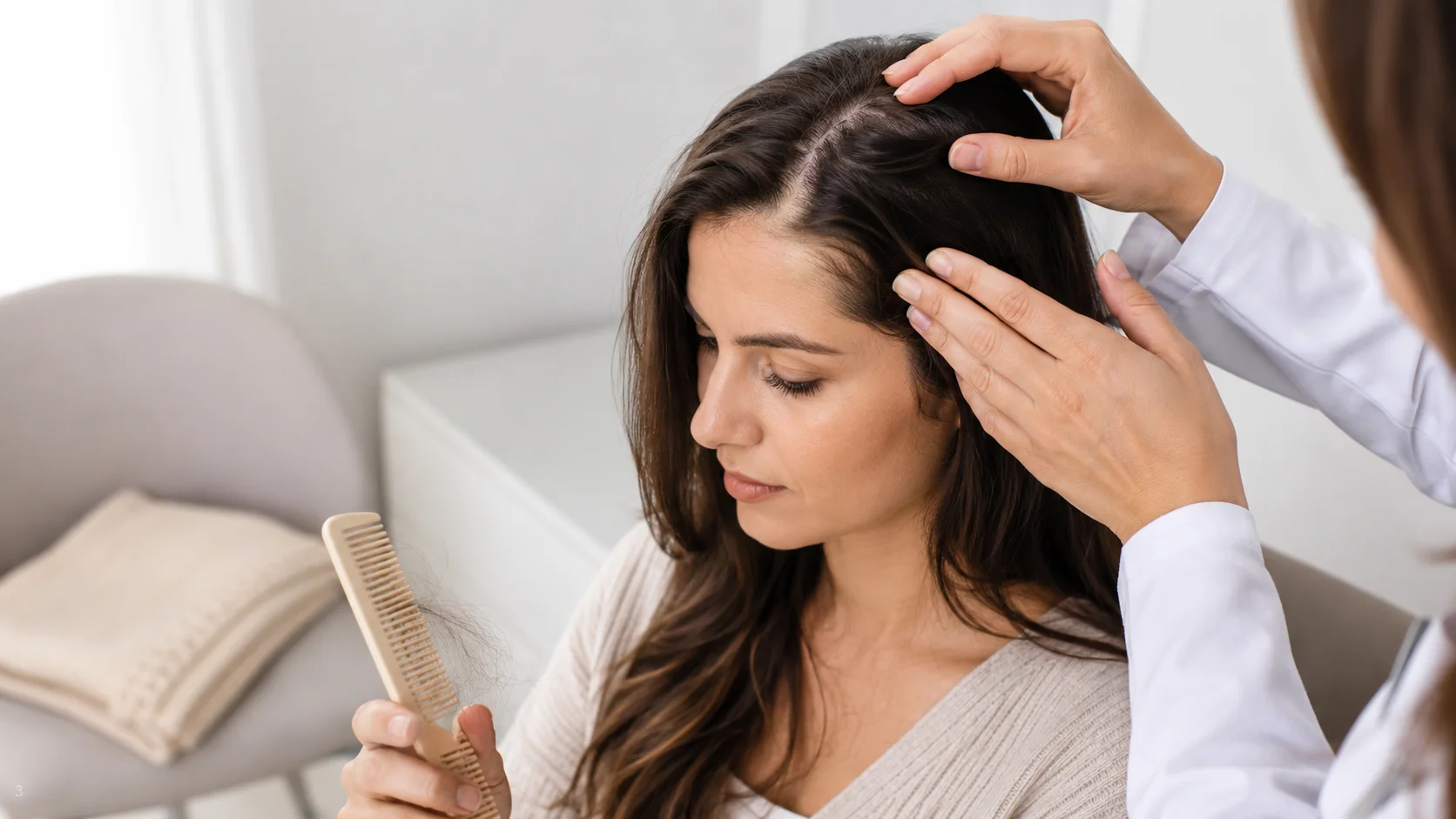
Postpartum hair loss is a common shedding phase that occurs after childbirth. It is usually a form of telogen effluvium, meaning more hairs than usual enter the resting and shedding phase of the hair cycle. Although it can be distressing, postpartum shedding is often temporary.
Many people notice thicker hair during pregnancy, then sudden shedding a few months after delivery. This change is closely related to hormonal shifts. During pregnancy, higher estrogen levels can keep more hairs in the growth phase. After childbirth, hormone levels change, and many of those retained hairs shed around the same time.
Postpartum hair loss can feel dramatic because it happens during an already demanding period of physical recovery, sleep disruption, and emotional adjustment. Understanding what is expected and when to seek help can make the experience less alarming.
Why Hair Changes After Pregnancy
Hair follicles cycle through growth, transition, resting, and shedding phases. During pregnancy, hormonal changes may prolong the growth phase for some hairs. This can make the hair feel fuller, thicker, or less prone to shedding.
After childbirth, estrogen levels fall. Hairs that stayed in the growth phase longer may shift into the resting phase and shed weeks to months later. This delayed shedding is why postpartum hair loss often appears after the baby is born, not immediately.
This process is usually not true permanent hair loss. It is a temporary synchronization of shedding.
When Postpartum Hair Loss Starts
Postpartum shedding often begins around 2 to 4 months after childbirth, though timing varies. Some people notice it earlier, while others experience it later.
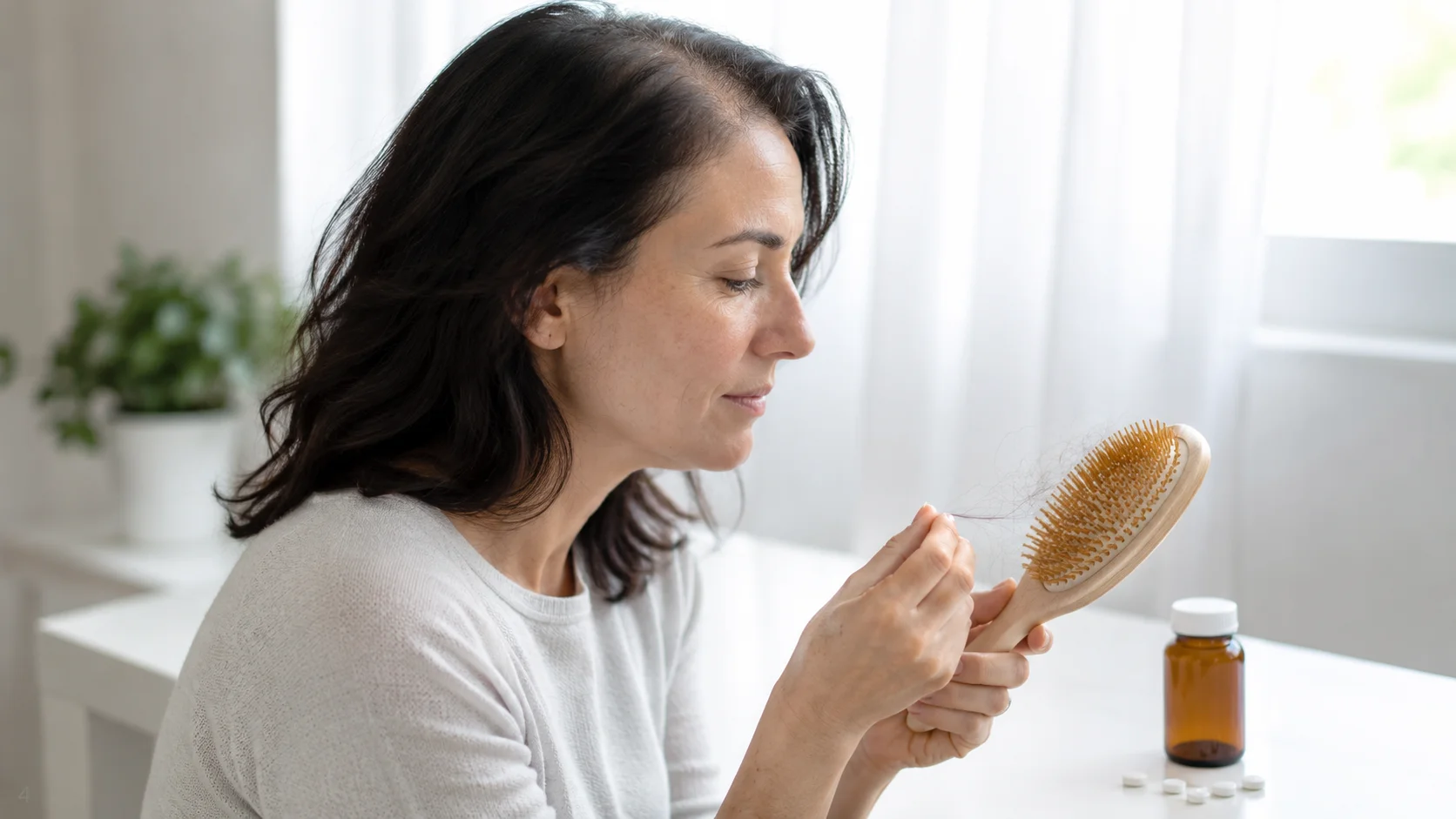
The shedding may peak over several weeks. Hair may come out in the shower, on pillows, in brushes, or during styling. The hairline and temples may look thinner because these areas are visually noticeable and often show short regrowth later.
For many people, shedding gradually slows by 6 to 12 months postpartum. Full cosmetic recovery can take longer because hair must regrow and regain length.
Is Breastfeeding the Cause?
Breastfeeding is often blamed for postpartum hair loss, but it is not usually the main cause. The primary trigger is the hormonal shift after pregnancy, along with the normal postpartum hair cycle adjustment.
Some people shed while breastfeeding, and others shed even if they do not breastfeed. Breastfeeding may influence hormonal patterns in some individuals, but it should not be treated as a simple cause-and-effect explanation.
Stopping breastfeeding solely to prevent hair shedding is usually not medically necessary. Decisions about breastfeeding should be based on broader parent and infant health considerations, not hair shedding alone.
Other Factors That Can Worsen Shedding
Postpartum hair loss may be more noticeable when other contributors are present. Childbirth can be physically demanding, and recovery may involve blood loss, nutritional depletion, sleep disruption, stress, or changes in thyroid function.
Possible contributors include:
- Iron deficiency or low ferritin
- Thyroid changes after pregnancy
- Significant blood loss during delivery
- Rapid weight changes
- Inadequate protein or calorie intake
- Severe stress or sleep deprivation
- New medications
- Underlying androgenetic alopecia
If shedding is intense, prolonged, or accompanied by other symptoms, evaluation may be appropriate.
What Postpartum Hair Loss Looks Like
Postpartum hair loss usually causes diffuse shedding rather than bald patches. The scalp may look thinner overall, and the ponytail may feel smaller. Some people notice short hairs growing along the hairline as recovery begins.
The shedding should not usually cause scarring, pustules, severe pain, heavy scaling, or sharply defined bald spots. Those signs suggest that another condition may be present.
Hair breakage can also occur postpartum due to dryness, tight hairstyles, frequent tying, or chemical processing. Breakage is different from shedding at the root, though both can happen together.
Recovery Timeline
Recovery is gradual. Shedding often slows before the hair looks full again. This can be frustrating because reduced shedding does not immediately restore volume.
A typical pattern may look like this:
- Months 2 to 4: shedding begins
- Months 4 to 6: shedding may peak or start slowing
- Months 6 to 12: regrowth becomes more noticeable
- After 12 months: length and density continue improving in many cases
Some people recover sooner, while others take longer. Hair length affects how quickly recovery is visible. Long hair may take more time to regain its previous fullness.
What Can Help?
The most important step is supportive care. Postpartum hair loss usually improves with time, but scalp and hair care can reduce avoidable breakage.
Helpful measures include:
- Gentle detangling
- Avoiding tight ponytails, buns, or extensions
- Limiting heat styling
- Using mild cleansing routines
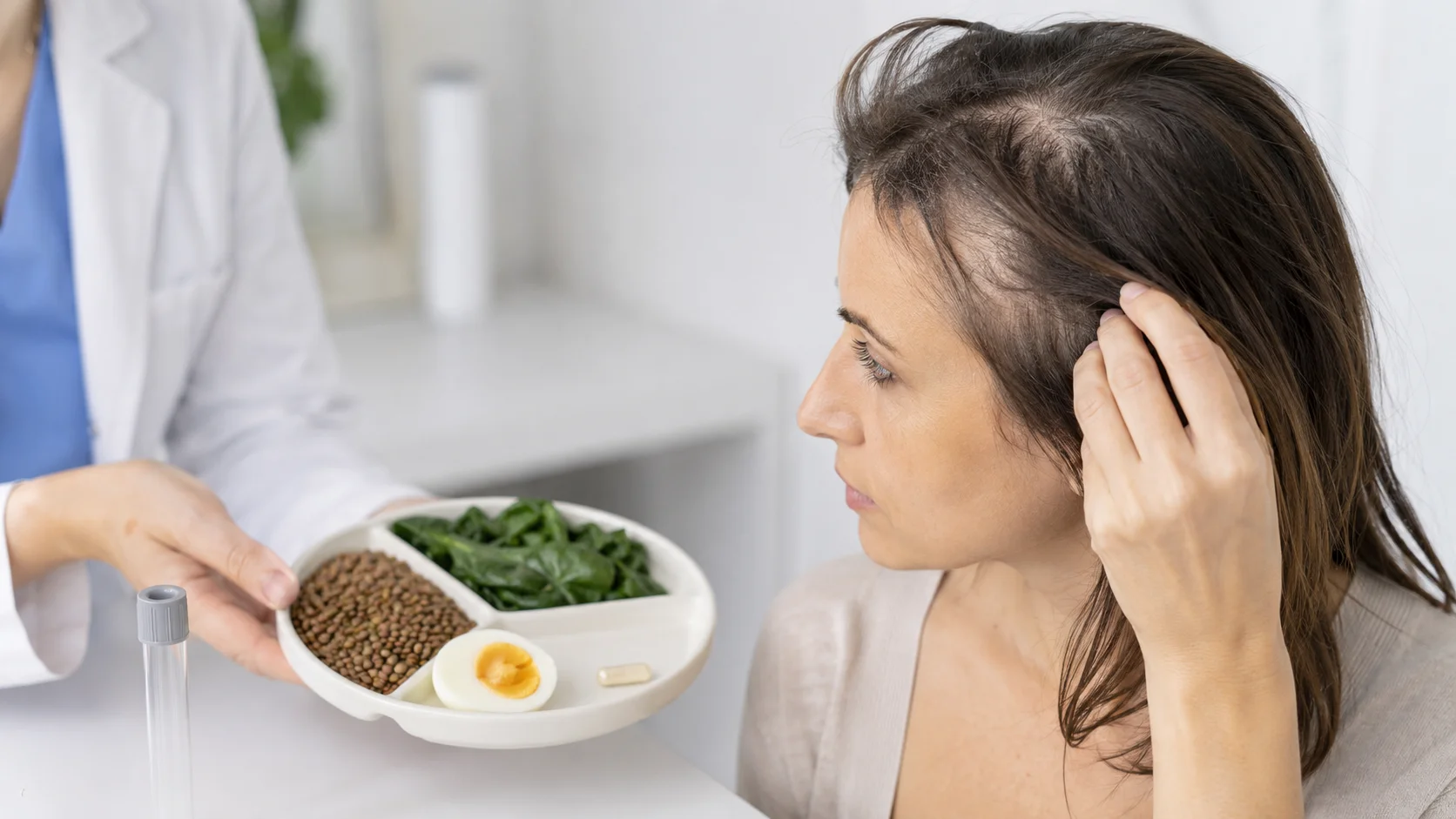
- Maintaining adequate protein intake
- Correcting iron or thyroid issues if present
- Avoiding unnecessary supplements unless advised
- Taking photos monthly rather than checking daily
Postpartum vitamins may be useful when they meet nutritional needs, but they do not override the normal postpartum shedding cycle. More supplements do not automatically mean faster regrowth.
Minoxidil or other treatments should be discussed with a healthcare professional, especially during breastfeeding or when pregnancy may occur again.
When to Seek Medical Evaluation
Postpartum shedding is common, but not every hair loss episode after childbirth should be assumed to be normal.
Consider evaluation if:
- Shedding lasts longer than 12 months
- Hair loss is patchy
- The scalp is painful, red, scaly, or inflamed
- There are symptoms of thyroid disease
- Fatigue is severe or unusual
- Menstrual changes are concerning
- There was significant blood loss during delivery
- Hair density does not begin recovering
- There is a strong family history of pattern hair loss
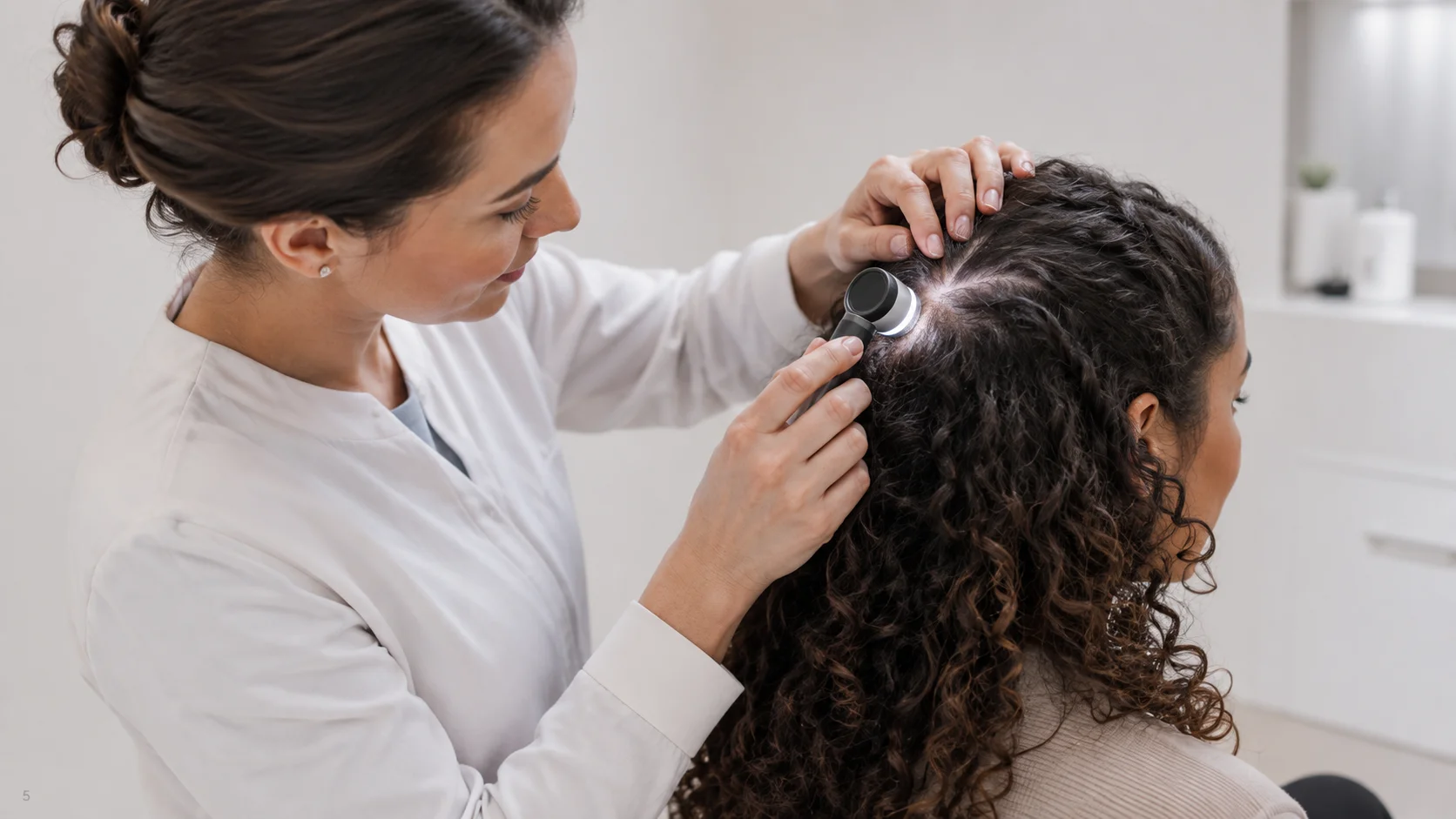
A clinician may check iron status, thyroid function, vitamin levels, scalp health, and signs of overlapping androgenetic alopecia.
FAQ
Is postpartum hair loss normal?
Yes, postpartum shedding is common and usually reflects a temporary hair cycle shift after pregnancy.
When does postpartum hair loss stop?
Shedding often improves within several months, and many people see recovery by 6 to 12 months postpartum. Timing varies.
Does breastfeeding cause postpartum hair loss?
Breastfeeding is not usually the main cause. Hormonal changes after childbirth are the primary driver.
Can postpartum hair loss become permanent?
Postpartum shedding itself is usually temporary, but it can reveal underlying pattern hair loss or other medical issues in some people.
Should I take supplements for postpartum hair loss?
Supplements help only when there is a deficiency or nutritional need. Unnecessary high-dose supplements are not a guaranteed solution.
Final Thoughts
Postpartum hair loss is usually a temporary telogen effluvium triggered by hormonal changes after childbirth. It can look dramatic, but in many cases the follicles remain active and recovery occurs gradually.
The best approach is patience, gentle hair care, nutritional support, and medical evaluation when shedding is prolonged, severe, patchy, or accompanied by other symptoms. This article naturally connects with Hairloss Authority guides on telogen effluvium, diffuse shedding, traction alopecia, and hair care during recovery.
This article is for general informational purposes only and does not replace individualized medical advice, diagnosis, or treatment from a qualified healthcare professional.