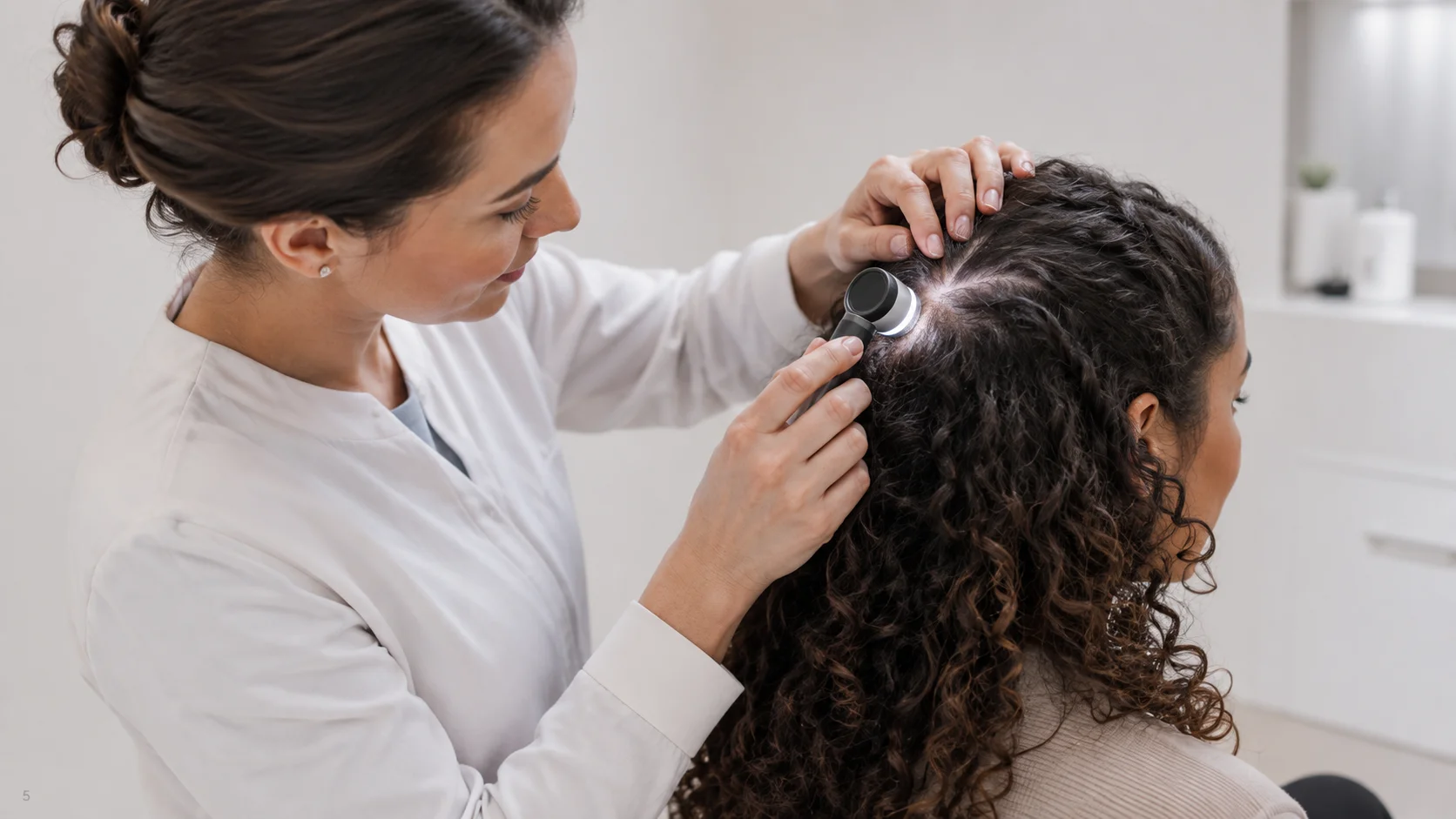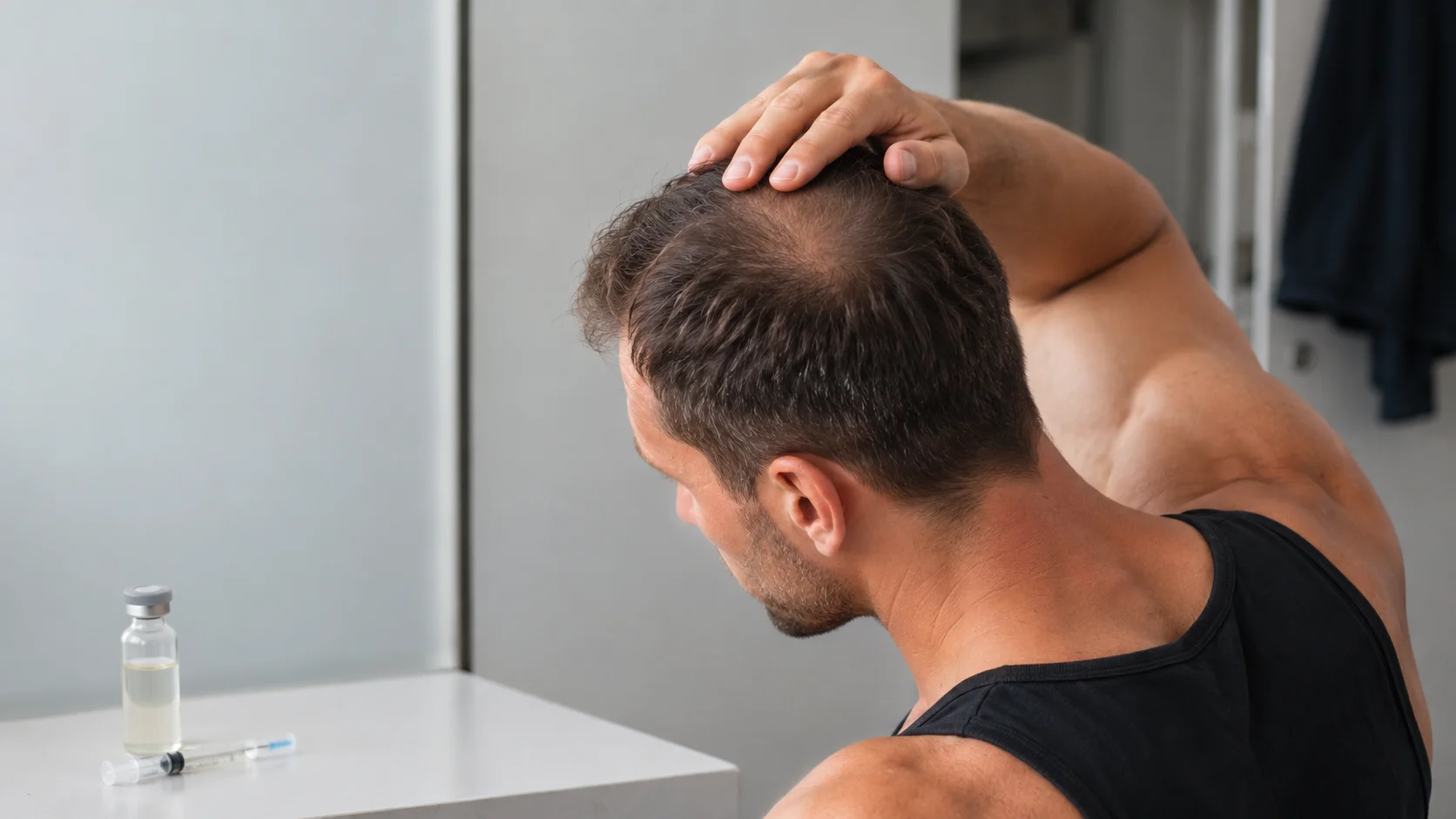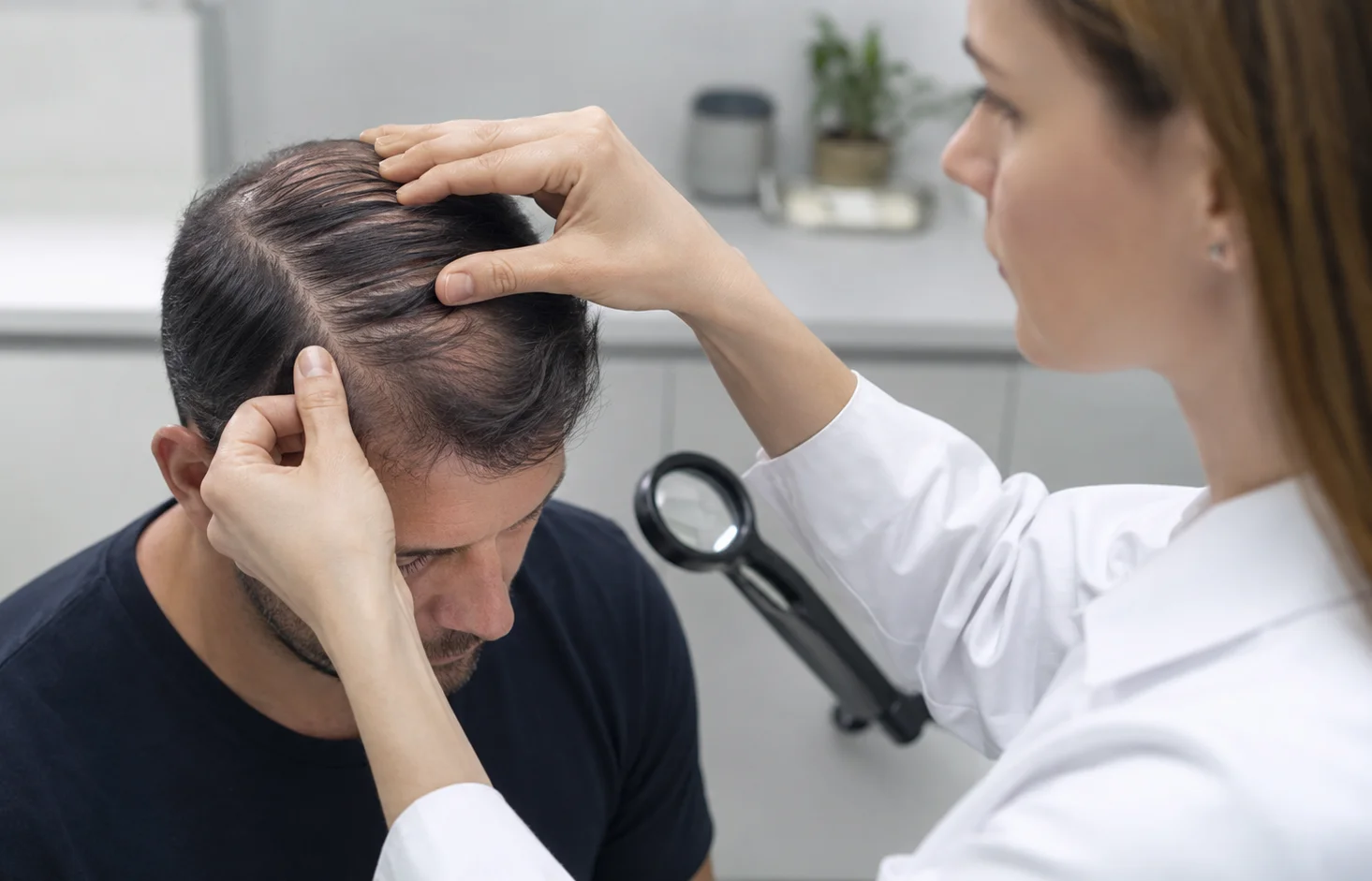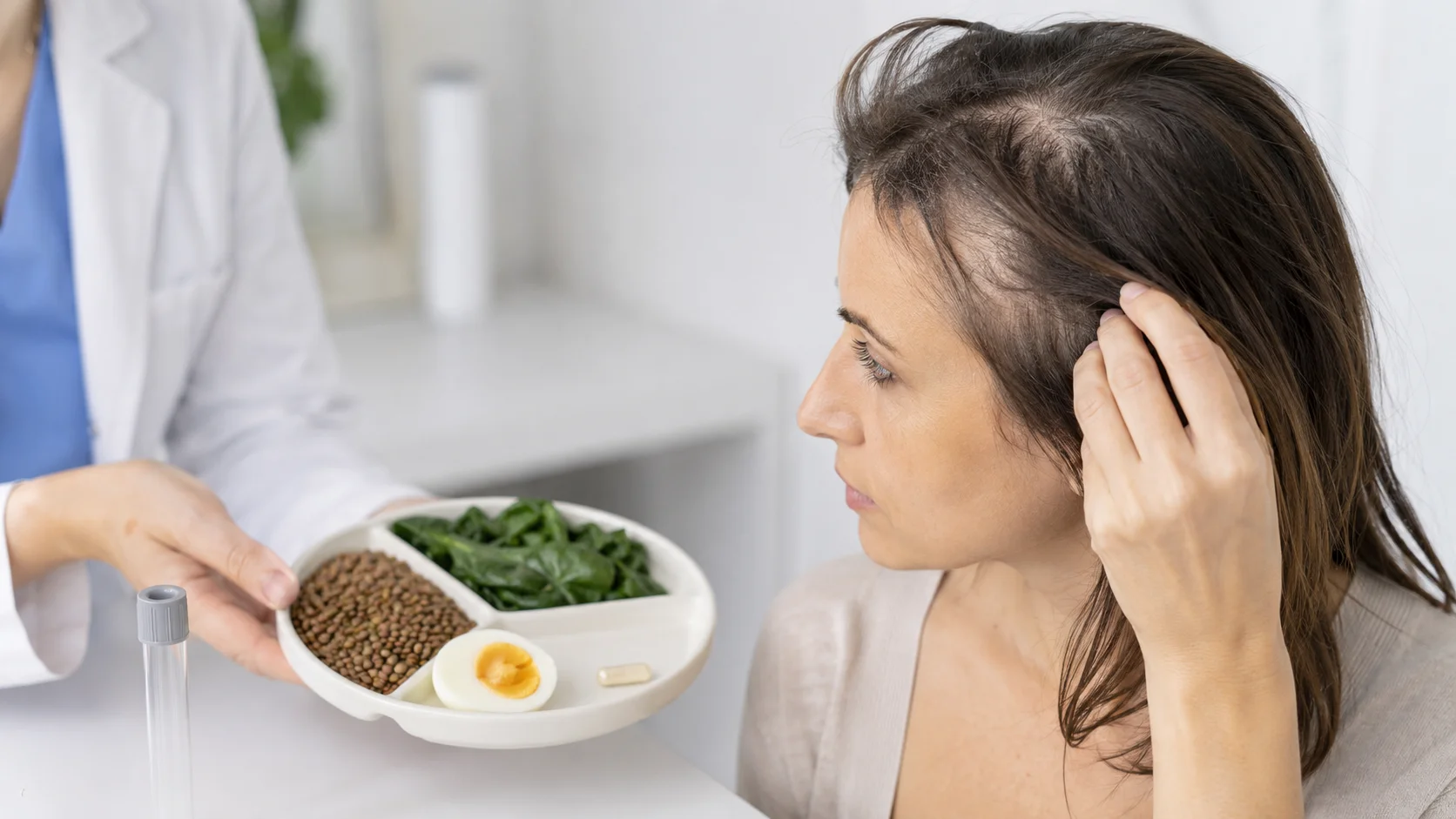
Nutritional deficiencies can contribute to hair thinning, but they are only one part of a much larger diagnostic picture. Iron deficiency is among the most clinically relevant nutritional concerns in diffuse shedding. Deficiencies of vitamin D, zinc, vitamin B12, folate, and biotin may also affect hair in certain circumstances, although the strength of evidence differs for each nutrient.
More supplementation is not automatically better. Excess vitamin A, selenium, and some other nutrients can cause or worsen hair loss. The safest approach is to identify a genuine deficiency, understand why it developed, and correct it appropriately.
Why Nutrition Affects the Hair Cycle
Hair follicles are metabolically active structures. Producing a hair fiber requires energy, protein, minerals, vitamins, and normal cellular signaling.
When nutrition is severely restricted or a critical nutrient is unavailable, the body may shift more follicles from the growing phase into the resting phase. The resulting diffuse shedding, called telogen effluvium, often becomes noticeable two to three months after the trigger.
Nutritional hair loss generally affects density across the scalp rather than creating a classic receding hairline or isolated bald patch. It can also occur alongside androgenetic alopecia, making an existing pattern appear worse.
Iron Deficiency
Iron deficiency is one of the most important nutritional issues to consider in diffuse hair shedding. It may occur with heavy menstrual bleeding, pregnancy, restricted diets, gastrointestinal blood loss, frequent blood donation, or impaired absorption.
Ferritin is a blood marker used to assess stored iron, but interpretation is not always straightforward. Inflammation and illness can raise ferritin even when usable iron is limited. A clinician may therefore consider a complete blood count, ferritin, transferrin saturation, symptoms, and medical history together.
Possible accompanying signs include fatigue, reduced exercise tolerance, shortness of breath, pale skin, restless legs, or brittle nails. Iron supplements should not be taken indefinitely without confirmation because excessive iron can be harmful.
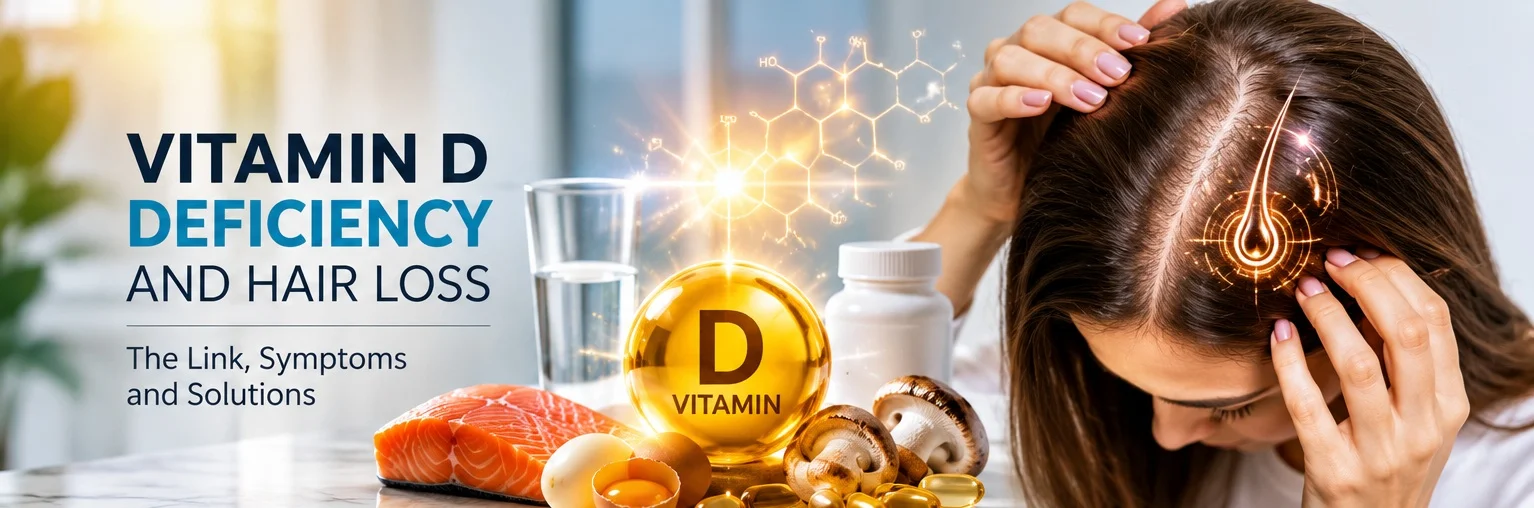
Vitamin D Deficiency
Studies frequently find lower vitamin D levels or a higher prevalence of deficiency in people with several forms of hair loss, including telogen effluvium, alopecia areata, and pattern hair loss. Recent pooled research has also reported lower average vitamin D levels in people with nonscarring alopecia.
An association does not prove that vitamin D deficiency caused the hair loss. Low vitamin D is common in the general population, and studies vary in design, diagnostic standards, and participant characteristics.
Correcting a confirmed deficiency is appropriate for general health and may support a broader hair-loss plan. Vitamin D should not be presented as a stand-alone cure for genetic, autoimmune, or scarring alopecia.
Zinc Deficiency
Zinc supports protein synthesis, cell division, immune function, and tissue repair. Severe deficiency can contribute to diffuse shedding, fragile hair, skin inflammation, impaired wound healing, changes in taste or smell, and increased susceptibility to infection.
Risk factors include malabsorption disorders, certain restrictive diets, chronic diarrhea, bariatric surgery, and some long-term medications.
Routine zinc supplementation without evidence of deficiency is not advisable. Excessive intake can cause nausea and interfere with copper absorption, potentially producing anemia and neurological problems.
Vitamin B12 and Folate
Vitamin B12 and folate are involved in DNA synthesis and red blood cell formation. Significant deficiency may contribute indirectly to hair changes through anemia, impaired cell production, or broader nutritional ill health.
Vitamin B12 deficiency is more likely in strict vegan diets without supplementation, pernicious anemia, gastrointestinal disease, bariatric surgery, and prolonged use of certain medications. Folate deficiency may occur with inadequate intake, malabsorption, increased requirements, or alcohol misuse.
Evidence directly connecting mild B12 or folate deficiency to common pattern hair loss is limited. Testing should be guided by symptoms, diet, blood-count findings, and clinical risk factors.
Biotin Deficiency
Biotin deficiency can cause hair thinning, dermatitis, and brittle nails, but true deficiency is rare in people eating a varied diet. It may occur with certain inherited disorders, prolonged consumption of raw egg whites, severe malnutrition, or selected medications and medical conditions.
High-dose biotin supplements are heavily marketed for hair, yet evidence that they improve growth in people without deficiency is weak.
Biotin can also interfere with laboratory tests, including some assays used to evaluate thyroid function, hormones, heart injury, and other serious conditions. Supplement use should be disclosed before blood testing, and discontinuation instructions should come from the laboratory or clinician.
Protein and Overall Calorie Deficiency
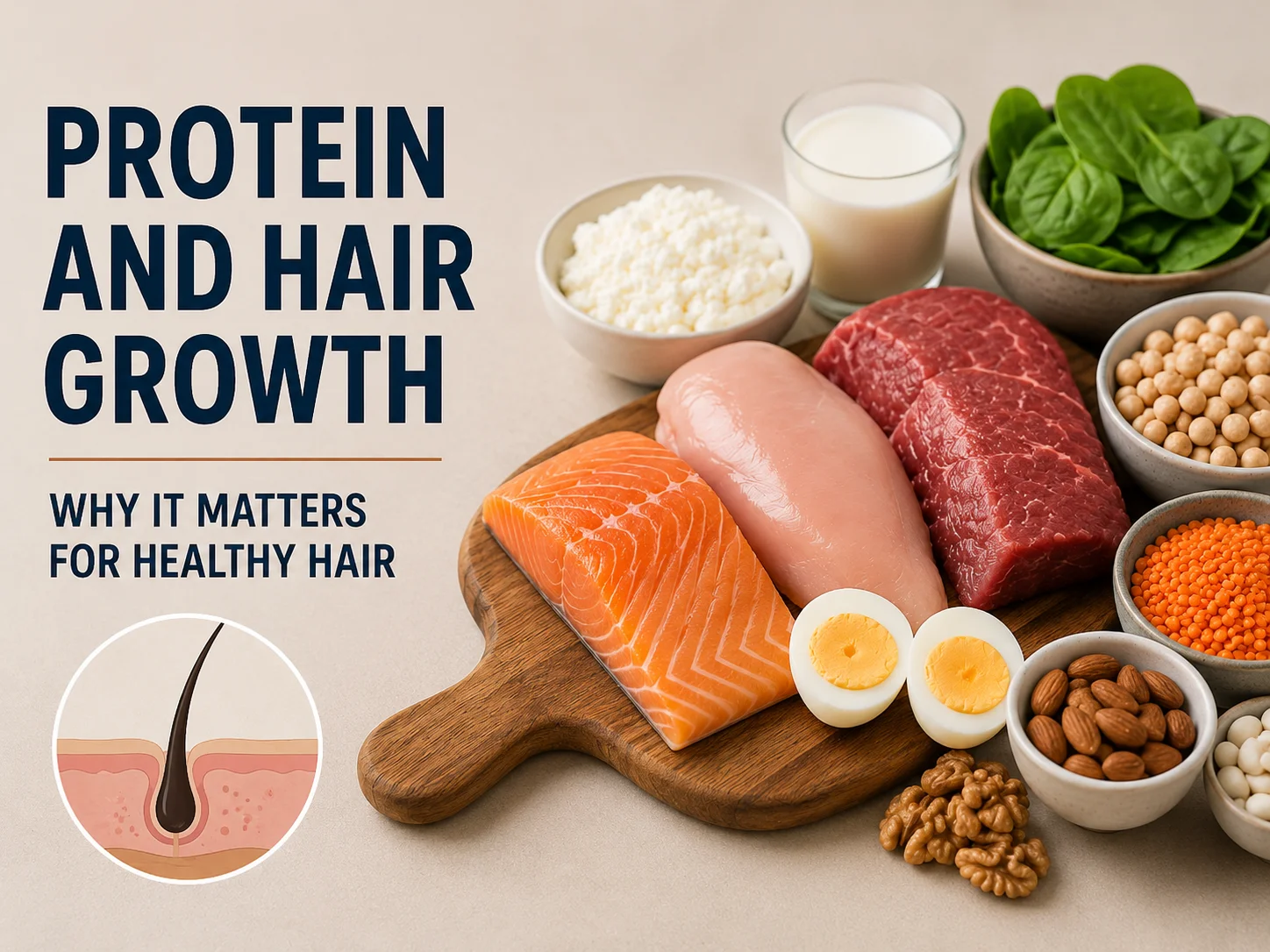
Protein is not a vitamin or mineral, but inadequate protein or energy intake is a major nutritional cause of shedding. Rapid weight loss, crash diets, eating disorders, poorly planned restrictive diets, and post-bariatric-surgery intake problems can disrupt the hair cycle.
The trigger may be the overall energy deficit rather than one isolated laboratory abnormality. Increasing a single vitamin will not correct a diet that remains severely deficient in calories, protein, or essential fats.
Hair shedding after rapid weight loss often appears with a delay. Recovery may take months after nutrition and weight stabilize because follicles must complete their normal cycle.
Vitamin A Excess and Deficiency
Vitamin A is necessary for normal skin and cellular function, but excessive intake can cause hair loss. High-dose supplements, certain medications derived from vitamin A, and multiple overlapping products may raise total exposure.
True vitamin A deficiency can also affect hair and skin, but it is uncommon in many well-nourished populations. Supplementation without evidence of deficiency may therefore create the very problem someone is attempting to solve.
Checking all multivitamins, skin supplements, liver products, and fortified foods can reveal unexpected duplication.
Selenium: Too Little or Too Much
Selenium supports antioxidant enzymes and thyroid function. Severe deficiency can affect hair, but excessive selenium is a better-recognized supplement-related cause of shedding.
Selenium toxicity may also cause brittle nails, gastrointestinal symptoms, fatigue, a metallic taste, or a garlic-like breath odor. Brazil nuts and multiple supplements can provide more selenium than users realize.
More antioxidant supplementation does not necessarily improve follicle health. Dose and baseline status matter.
Do Multivitamins Treat Hair Loss?
A general multivitamin may help meet nutritional needs in someone with an inadequate diet, but it is not a diagnosis-specific hair-loss treatment. Many products marketed for hair contain high doses or overlapping ingredients without evidence that those amounts improve outcomes.
Supplements cannot reliably reverse DHT-related follicle miniaturization, autoimmune alopecia, scarring, traction damage, or active scalp disease. They may also delay diagnosis when a person assumes that every form of thinning is nutritional.
Targeted correction is more rational than taking a large collection of products “just in case.”
When Blood Tests May Be Useful
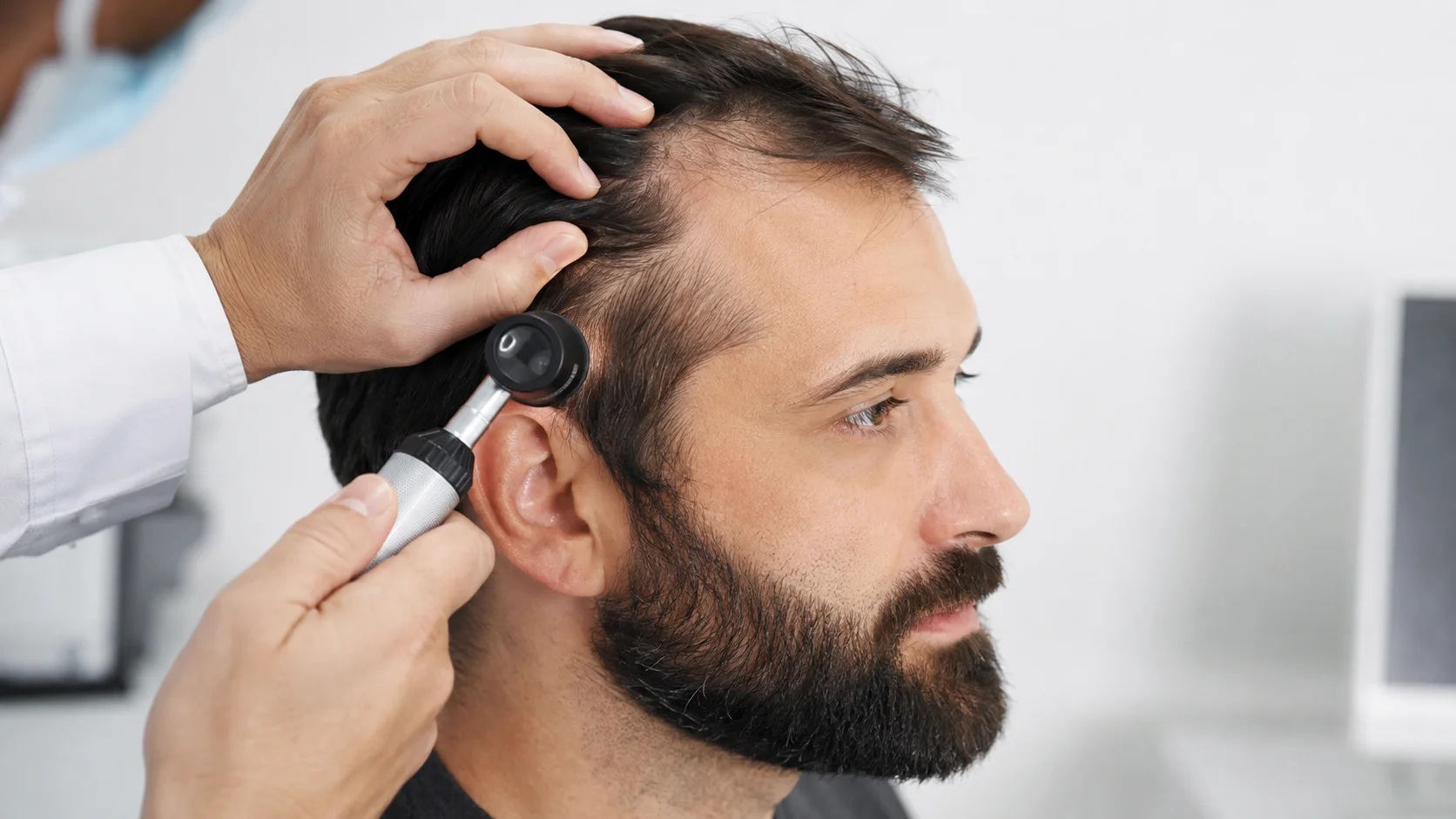
Testing is most useful when the history or shedding pattern suggests a possible deficiency. A clinician may consider selected tests based on factors such as:
- Diffuse shedding
- Heavy menstrual bleeding
- Fatigue or anemia symptoms
- Rapid weight loss
- A vegan or highly restrictive diet
- Gastrointestinal disease
- Bariatric surgery
- Pregnancy or recent childbirth
- Long-term medication use
- Signs of hormonal or thyroid disease
There is no single universal “hair-loss blood panel.” Testing everything can produce incidental findings that do not explain the symptoms.
What Recovery Looks Like After Correction
Treating a confirmed deficiency addresses a biological trigger, but hair recovery is not immediate. Shedding may take several months to settle, and visible density may take longer to improve.
The underlying cause of the deficiency also needs attention. Iron levels may fall again if heavy bleeding or gastrointestinal loss continues. Vitamin levels may remain low if malabsorption is untreated.
A lack of improvement after correction should prompt reconsideration of the diagnosis. Nutritional shedding and pattern hair loss can coexist.
Frequently Asked Questions
Which deficiency most commonly causes hair shedding?
Iron deficiency is one of the most important and frequently evaluated nutritional contributors to diffuse shedding. The likelihood depends on menstrual history, diet, blood loss, pregnancy, and absorption.
Can low vitamin D cause hair loss?
Low vitamin D is associated with several hair-loss conditions, but association does not establish it as the sole cause. Correcting confirmed deficiency may be appropriate without replacing diagnosis-specific treatment.
Should everyone with thinning hair take biotin?
No. True biotin deficiency is uncommon, evidence for routine high-dose supplementation is weak, and biotin can interfere with important laboratory tests.
Can too many vitamins cause hair loss?
Yes. Excess vitamin A and selenium are established concerns, and excessive zinc can create copper deficiency. Supplements should be treated as biologically active products.
How quickly does hair recover after treating a deficiency?
Shedding may begin to improve over several months, while visible density can take six months or longer. Timing depends on the severity, duration, and correction of the underlying cause.
Can vitamin deficiency cause a receding hairline?
Deficiencies more often cause diffuse shedding. A receding hairline is more characteristic of androgenetic alopecia, although nutritional shedding can make pattern loss look more pronounced.
A Test-First Approach
Iron, vitamin D, zinc, vitamin B12, folate, biotin, protein, and overall calorie intake can all matter to hair health under the right circumstances. The evidence is strongest when there is a documented deficiency and a compatible shedding pattern.
Supplements should correct an identified need rather than serve as a substitute for diagnosis. Sudden, severe, patchy, inflamed, or scarring hair loss requires professional assessment regardless of diet or supplement use.
This content is for general informational purposes and does not replace individualized medical advice, diagnosis, or treatment.