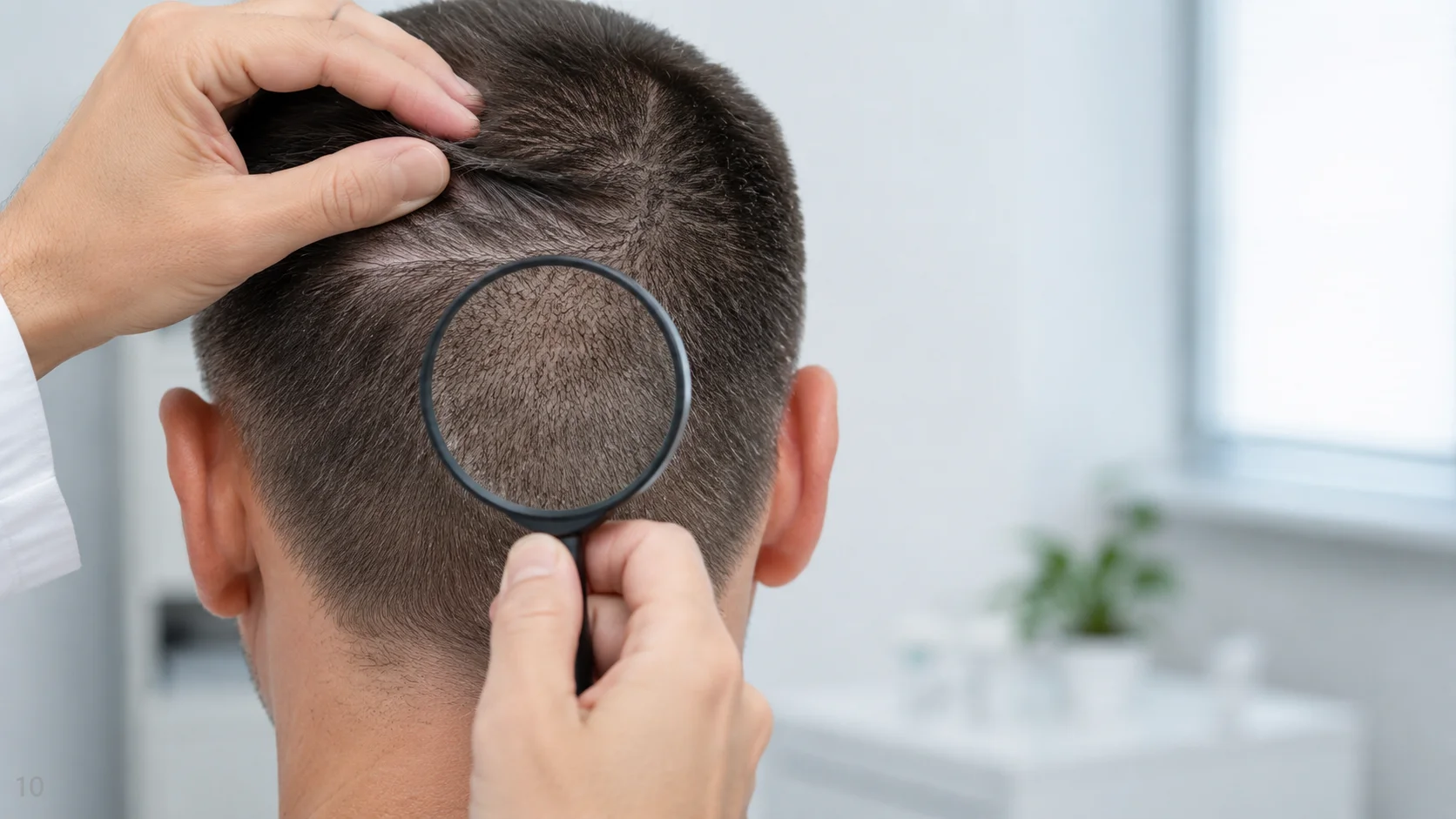
Donor area evaluation determines whether a hair transplant is possible and how many grafts can be harvested without creating unacceptable thinning. It is not simply a visual glance at the back of the head.
A proper assessment measures density, evaluates follicular stability, examines hair characteristics, maps the safe donor zone, and considers future loss. These findings should guide the surgical plan before a graft target is promised.
What Is the Donor Area?
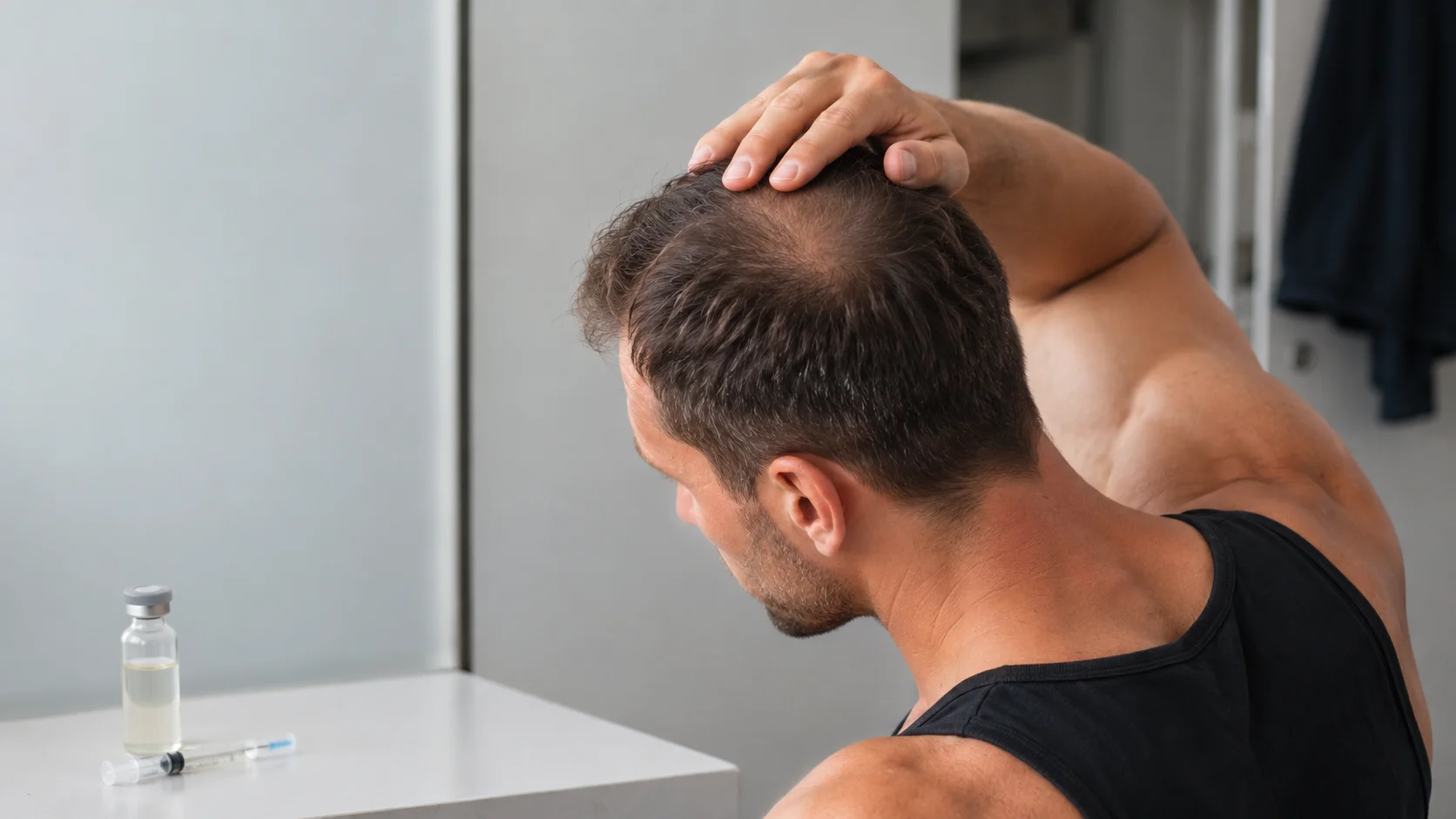
The scalp donor area is generally located across portions of the back and sides where follicles are relatively resistant to androgenetic miniaturization. When moved to another region, these follicles tend to retain their original growth characteristics.
“Relatively resistant” does not mean universally permanent. Safe-zone size varies with age, genetics, hair-loss pattern, and donor miniaturization.
Hair harvested too high, too low, or too far forward may later thin. Conservative boundaries are especially important in younger patients and those likely to develop advanced loss.
Diagnosing the Hair Loss First
Donor measurements are only useful when the underlying diagnosis is correct. Most transplant candidates have androgenetic alopecia, but other conditions can resemble it.
Diffuse unpatterned alopecia may cause miniaturization throughout the donor region. Inflammatory and scarring conditions can compromise both donor and recipient areas. Alopecia areata, telogen effluvium, traction, and hair-shaft disorders may also change candidacy.
Scalp redness, scale, burning, pustules, unexplained patchiness, or loss of follicular openings requires investigation before surgery.
Follicular-Unit Density
Hair naturally grows in groups called follicular units. A unit may contain one, two, three, or more hairs.
Follicular-unit density refers to the number of units within a measured area. Hair density counts the individual shafts. Both measurements matter because 70 single-hair units do not provide the same coverage as 70 units averaging more than two hairs each.
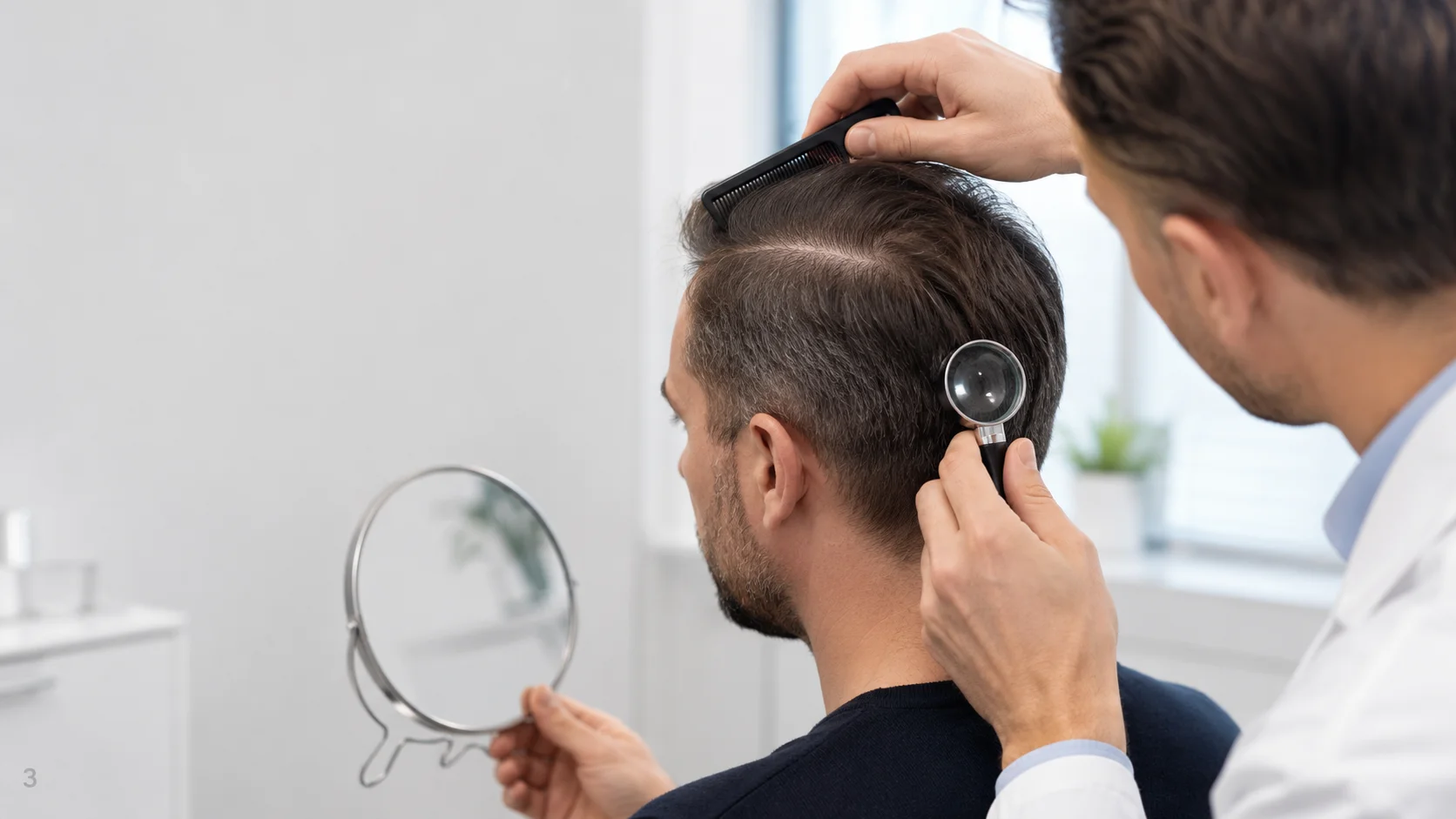
Density should be measured in multiple occipital and temporal locations. One unusually dense spot should not be used to estimate the entire donor supply.
Hair-Shaft Diameter
Hair caliber is one of the strongest determinants of visual coverage. Thick shafts create more apparent volume than fine shafts, even when the graft count is identical.
Fine hair may require more grafts to create the same visual effect, but the donor area may not safely provide them. Coarse hair can offer better coverage but may require careful placement at the frontal edge to avoid a harsh appearance.
Diameter should be assessed objectively where possible rather than described only as “good” or “weak.”
Hairs per Follicular Unit
The average number of hairs per graft affects the total hair yield. A donor area rich in two- and three-hair units can provide greater coverage from the same number of extractions.
Single-hair grafts remain essential for constructing a natural hairline. Multi-hair units are usually more valuable behind the front, where volume matters.
Surgical planning therefore considers graft composition, not only the total graft count.
Miniaturization and Donor Stability
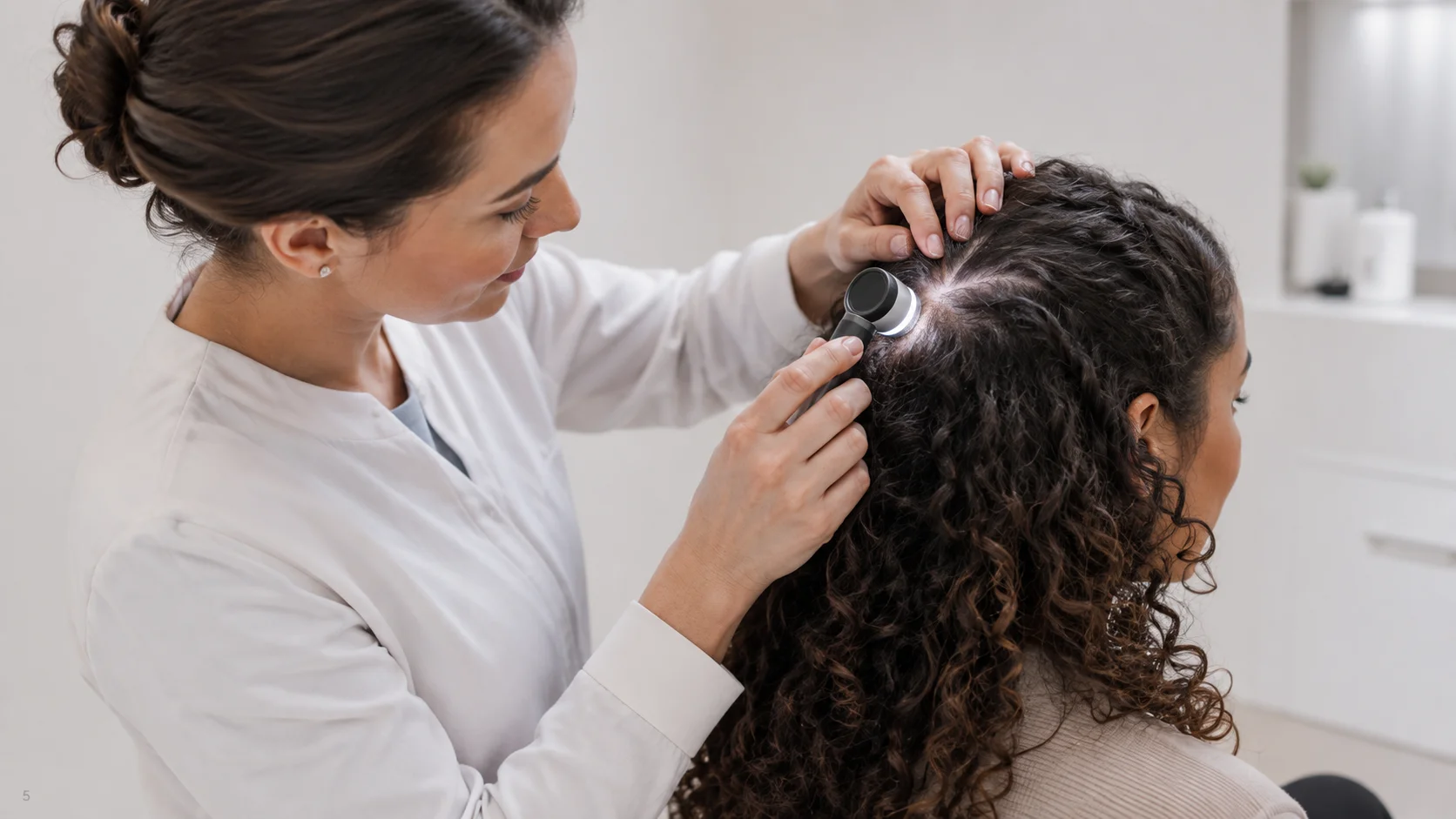
Trichoscopy can reveal variation in shaft diameter and an increased proportion of miniaturized hairs. Significant donor miniaturization raises concern that some follicles may not remain stable after transplantation.
Possible causes include:
- Diffuse androgenetic alopecia
- Retrograde thinning from the lower donor border
- Extension of advanced pattern loss into upper borders
- Age-related reduction in density
- Another hair disorder affecting the donor area
Medical treatment may sometimes improve susceptible hairs, but it cannot transform an unstable donor zone into a guaranteed permanent supply.
Hair Texture, Curl, and Color Contrast
Curly or wavy hair can provide greater visual coverage because each shaft occupies more three-dimensional space. Straight fine hair may reveal more scalp at the same numerical density.
Contrast also matters. Dark hair against pale scalp tends to make gaps more visible, while a lower hair-to-scalp contrast can create the appearance of greater uniformity.
These characteristics affect achievable coverage and graft distribution but do not change the number of follicles available.
Donor Area Size
The total usable donor supply depends on both density and surface area. A dense but narrow safe zone may yield fewer grafts than expected. A broader stable zone can provide more options if residual coverage remains acceptable.
Head size and shape affect the calculations. Generic graft limits cannot replace individual measurements.
Scalp Laxity and Existing Scars
For follicular unit transplantation, scalp laxity helps determine how wide a strip can be removed and closed without excessive tension. Poor laxity can increase the risk of a widened scar.
Previous FUT scars reduce available tissue and change the direction of future planning. Previous FUE creates diffuse reduction in density that must be mapped before additional extraction.
Burns, surgery, trauma, or inflammatory disease may also affect blood supply and healing.
Calculating a Safe Extraction Plan
The aim is not to remove the maximum technically possible number of grafts. It is to leave enough hair between extraction sites for the donor region to maintain an acceptable appearance over time.
A safe plan considers:
- Starting density in each donor zone
- Proposed extraction density
- Distribution of punches
- Estimated residual density
- Punch size and scarring tendency
- Current hairstyle
- Future age-related thinning
- Possible need for repair or another transplant
Extractions should be distributed rather than clustered. Repeated procedures require updated measurements because the original donor calculation no longer applies.
Evaluating Body and Beard Hair
Beard or body hair may supplement a limited scalp donor supply in selected cases. These sources differ in shaft caliber, curl, color, growth length, and growth-cycle duration.
Beard hair can provide strong coverage but is generally unsuitable for constructing a soft frontal hairline by itself. Chest and other body hair may have less predictable length and survival.
Nonscalp hair should be treated as a supplementary resource, not proof that the scalp donor limit no longer matters.
Questions to Ask During Evaluation
A useful consultation should explain:
- The measured density in multiple donor regions
- Evidence of miniaturization
- Boundaries of the proposed safe zone
- Estimated graft composition
- Expected residual donor density
- Whether FUE, FUT, or a combined lifetime strategy is appropriate
- How many grafts should remain for future loss
- Why the proposed recipient priorities were chosen
A precise graft quotation without documented donor assessment should be viewed cautiously.
Frequently Asked Questions
Can donor capacity be determined from photographs?
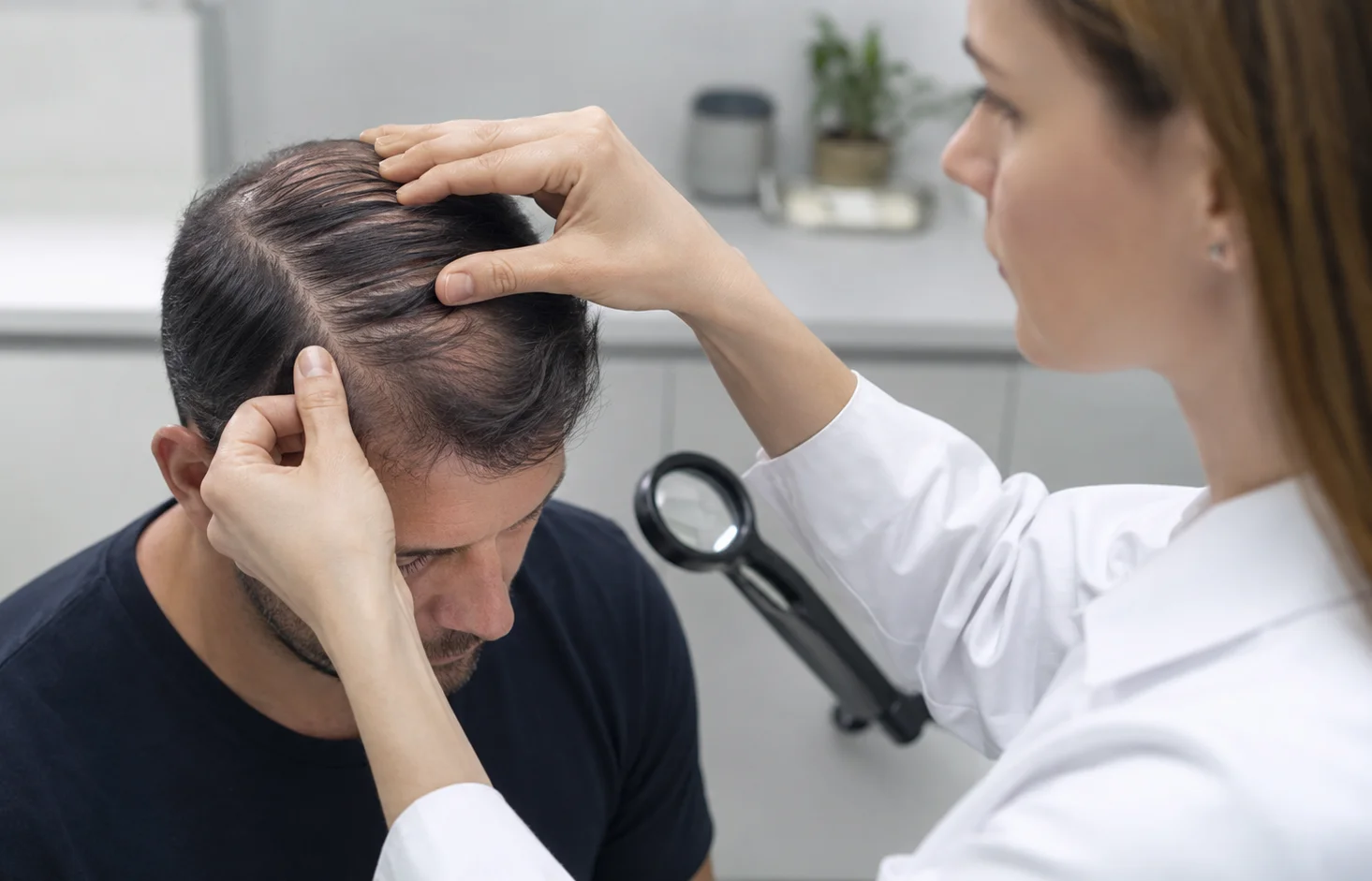
Photographs can provide preliminary information, but accurate planning requires direct examination and magnified density measurements.
Does dense donor hair guarantee a strong result?
No. Shaft diameter, hairs per unit, safe-zone size, recipient area, graft survival, and design also influence the outcome.
Can donor hair grow back after extraction?
The removed follicular units do not regenerate at their original sites. The remaining hairs grow and may conceal the spaces if extraction was conservative.
What does donor miniaturization mean?
It means some donor hairs are becoming finer and may not provide a reliably permanent transplant resource.
Is there one safe graft limit for everyone?
No. Safe lifetime capacity varies substantially and must be calculated individually.
Donor Planning Comes Before Graft Counting
A hair transplant is constrained by the quality and quantity of stable donor hair. Objective density measurements, trichoscopy, safe-zone mapping, and conservative lifetime planning are essential before deciding how many grafts should be moved or which recipient areas should be prioritized.
This content is for general informational purposes and does not replace individualized medical advice, diagnosis, or treatment.