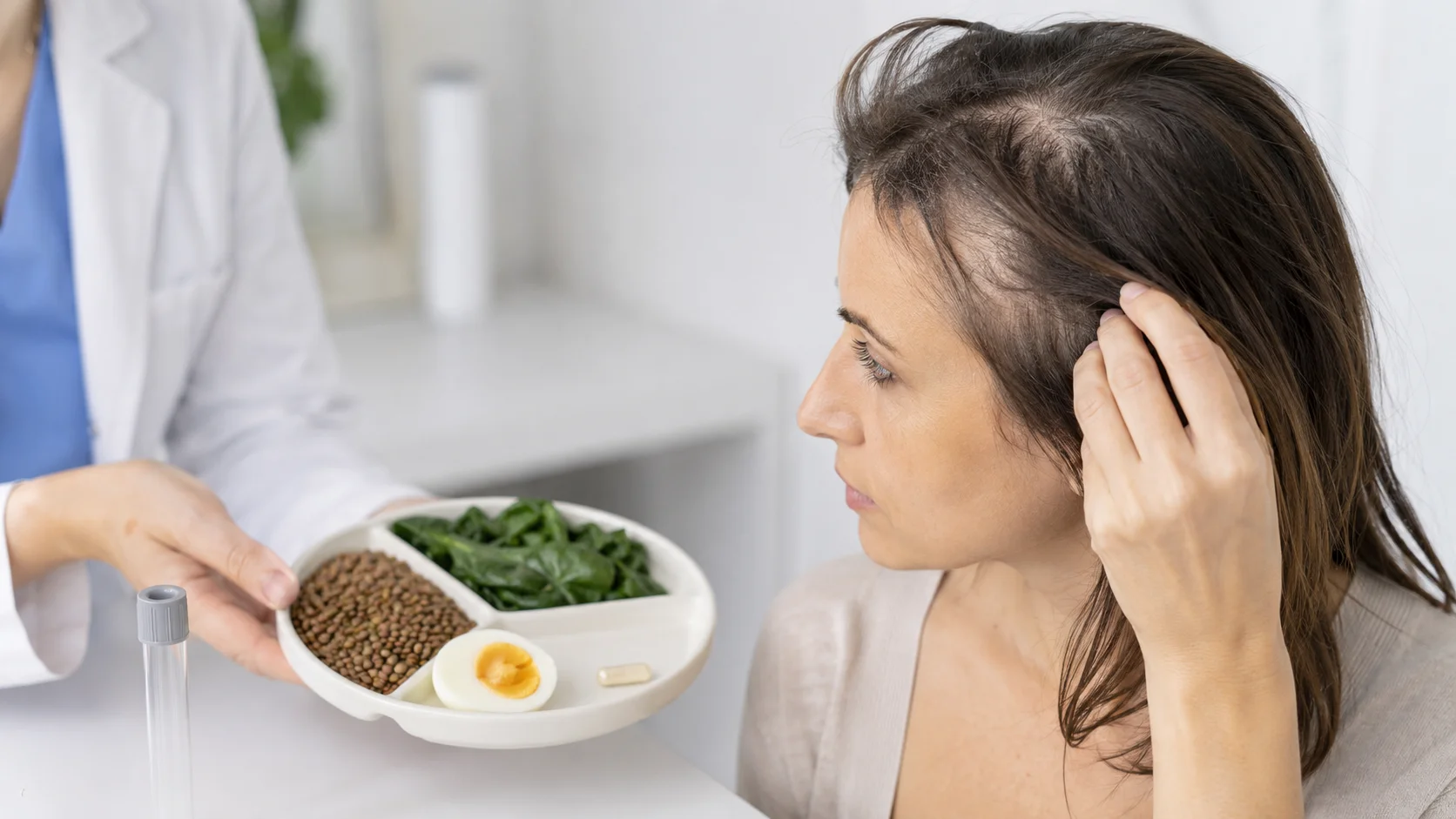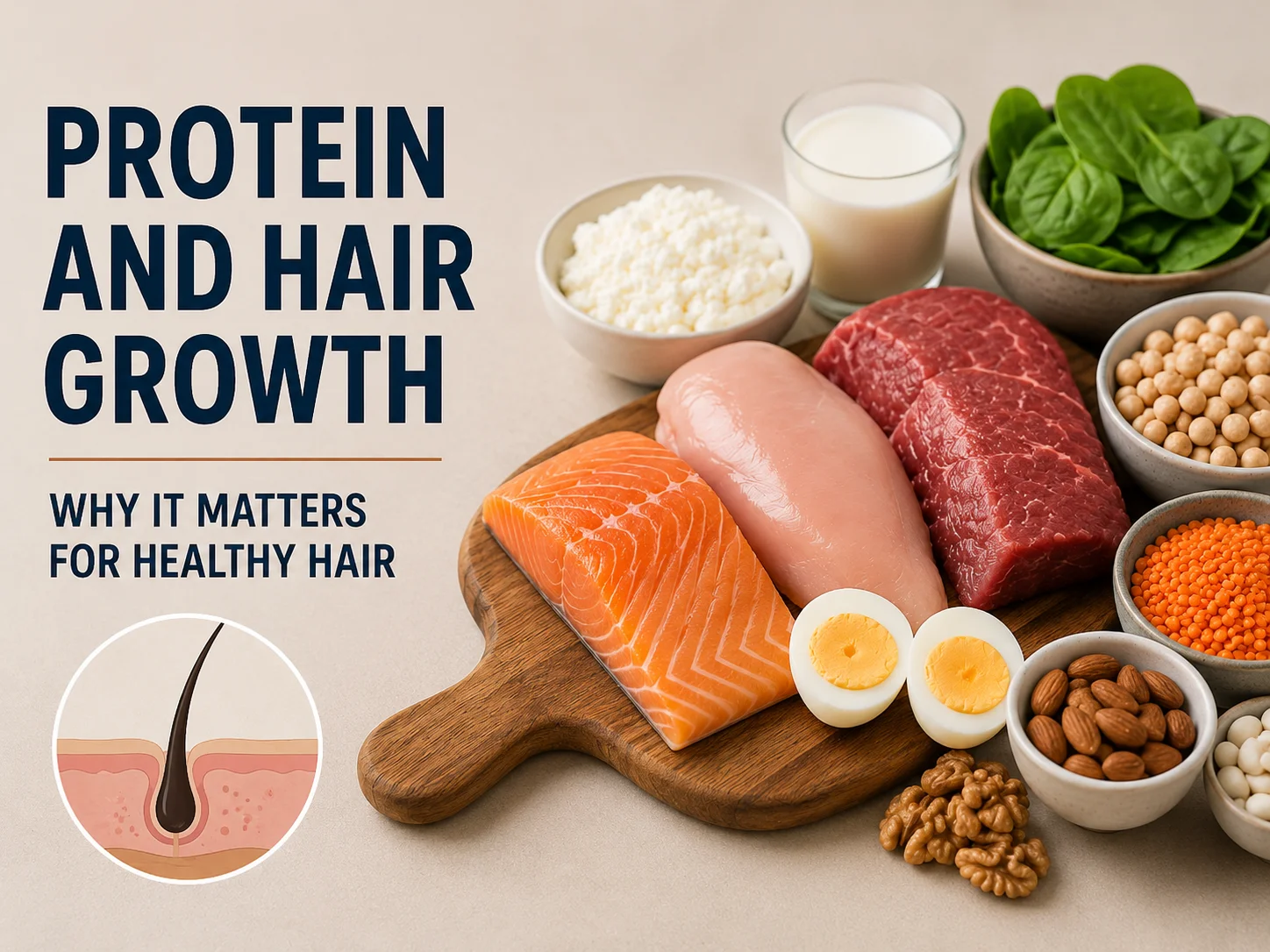
Hair is primarily made of a structural protein called keratin, which is why protein is one of the most important nutrients for maintaining healthy hair. When the body does not receive enough protein, it prioritizes vital organs — the heart, liver, and muscles — over hair production, which can lead to excessive shedding, slower growth, and weaker strands.
Why Protein Matters for Hair
Roughly 90% of each hair strand is made of keratin, a fibrous protein built from a chain of amino acids. Hair follicles are among the most metabolically active structures in the body, and they need a steady supply of amino acids to keep producing new keratin. When protein intake is consistently low, the body treats hair growth as non-essential and diverts available amino acids toward organs and tissues it considers more critical for survival.
According to research published by the National Institutes of Health (NIH), severe or prolonged protein deficiency can push a larger share of hair follicles into the resting (telogen) phase of the hair growth cycle, which later shows up as increased shedding — a pattern sometimes referred to as telogen effluvium. This is different from pattern hair loss and is generally reversible once nutrition improves.
The Hair Growth Cycle and Amino Acids
Hair follicles rely on amino acids — the building blocks of protein — to produce keratin continuously throughout the growth (anagen) phase. Without an adequate supply of these nutrients, the growth cycle can be disrupted, and existing hair can become thinner, more brittle, and prone to breakage. A balanced diet that includes high-quality protein supports this ongoing process and helps maintain stronger hair over time.
Signs of Protein Deficiency
True protein deficiency is relatively uncommon in people who eat a varied diet, but it can occur with restrictive dieting, certain medical conditions, malabsorption disorders, or diets that severely limit whole food groups. When it does occur, it may contribute to several hair-related concerns, including:
- Increased hair shedding
- Slower hair growth
- Thin or weak hair strands
- Increased hair breakage
- Noticeable loss of overall hair volume
Protein deficiency rarely affects only the hair — it typically also shows up in skin, nails, and muscle health, which is one reason clinicians look at overall nutritional status rather than hair alone when assessing a patient.
Best Protein Sources for Healthy Hair
Including a variety of protein-rich foods in a daily diet can help support the nutritional baseline that healthy hair growth depends on. Good sources include:
- Eggs
- Chicken and turkey
- Fish such as salmon and tuna
- Lean beef
- Greek yogurt
- Cottage cheese
- Lentils
- Chickpeas
- Beans
- Quinoa
- Tofu
- Nuts and seeds
Combining animal and plant-based protein sources can help provide a broader range of essential amino acids, particularly for people following vegetarian or vegan diets.
Does Eating More Protein Make Hair Grow Faster?
This is one of the most common misconceptions about hair and nutrition. Protein is necessary for hair growth, but that does not mean more protein equals faster or thicker hair. If someone is already eating enough protein for their body's needs, adding extra protein — through food or supplements — has not been shown to speed up hair growth or increase hair density beyond a person's normal baseline.
The relationship works more like a threshold than a dial: below an adequate intake, hair growth can suffer, but once intake is sufficient, consuming more does not give the hair follicles an additional boost. Hair thinning and hair loss are also influenced by genetics, hormonal changes, stress, medical conditions, other nutrient deficiencies (iron, zinc, vitamin D, and B vitamins among them), and aging — factors that diet alone cannot override.
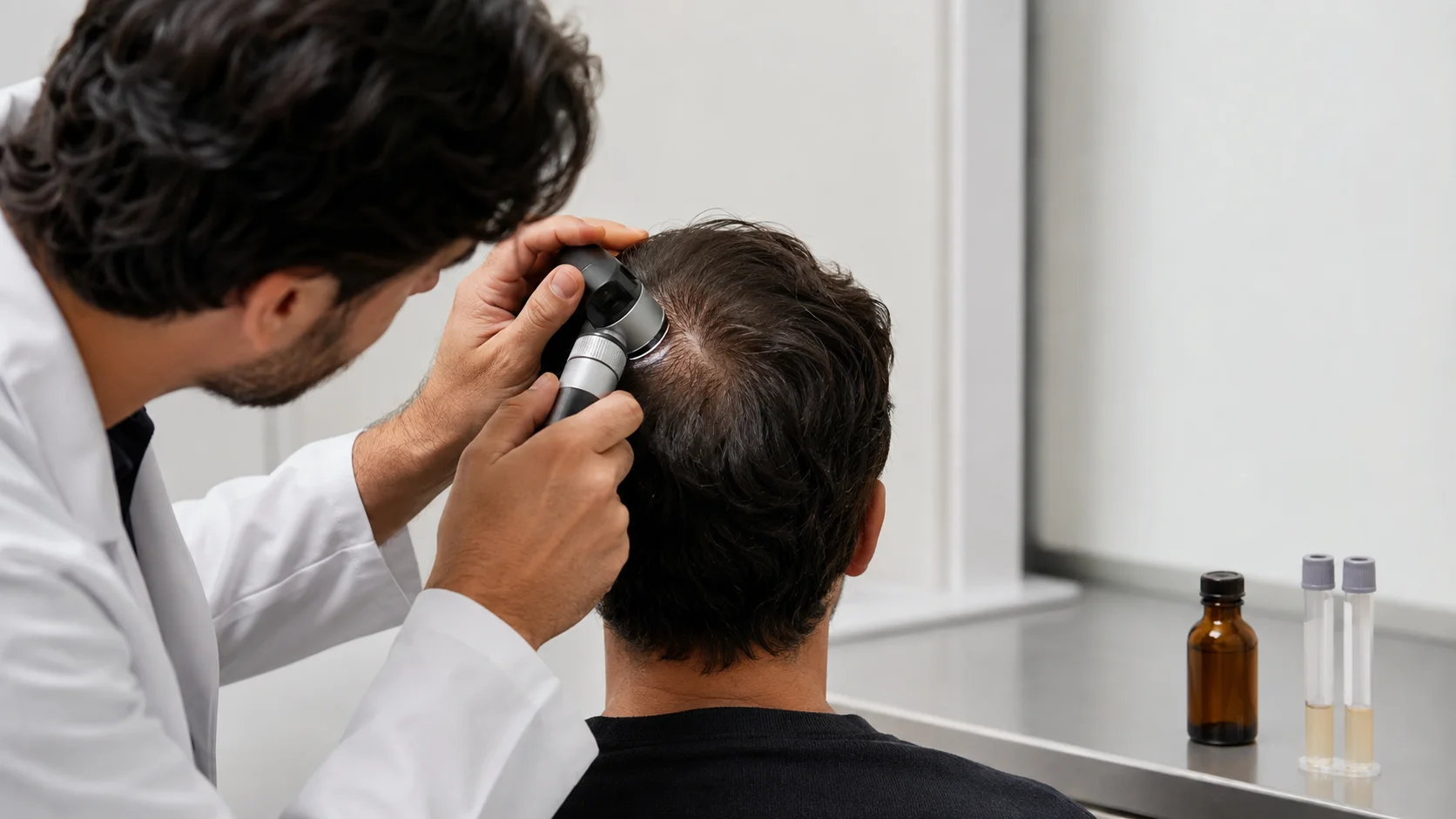
If hair loss persists despite eating a balanced, protein-adequate diet, it is worth consulting a healthcare professional or a hair restoration specialist to identify the underlying cause rather than assuming more protein will resolve it.
When Does Protein Supplementation Make Sense?
Protein powders and amino acid supplements are sometimes marketed as hair growth boosters, but the evidence supporting their use in people who are not deficient is limited. Supplementation is most likely to help when bloodwork or clinical evaluation confirms an actual deficiency, or in situations that raise the risk of one, such as:
- Restrictive diets that limit whole food groups
- Certain gastrointestinal or malabsorption conditions
- Recovery from illness or surgery, including hair transplant recovery, when appetite and intake may be temporarily reduced
- Diets with very low overall calorie or protein content
Outside of these situations, healthy individuals who already meet their protein needs through food are unlikely to see measurable hair benefits from additional supplementation. The American Academy of Dermatology (AAD) generally advises getting nutrients from a balanced diet first and reserving targeted supplementation for confirmed deficiencies, ideally under medical guidance, since excessive intake of some nutrients can carry its own risks.
Protein After a Hair Transplant
Following a hair transplant procedure, the body requires adequate nutrients to support tissue healing and follicle recovery. Consuming sufficient protein as part of a balanced diet may support this healing process, but it is not a substitute for the aftercare plan provided by the surgical team. Patients should always follow the specific nutritional recommendations given by their surgeon after the procedure.
Final Thoughts
Protein is one of the fundamental nutrients for healthy hair because it supplies the building blocks needed to produce keratin, and a genuine deficiency can contribute to shedding and weaker strands. At the same time, protein is not a growth accelerant — once intake is adequate, eating or supplementing beyond that point is unlikely to make hair grow faster or thicker. Hair loss that persists despite good nutrition usually has other contributing causes and is worth discussing with a professional.
When combined with good scalp care and professional medical guidance when needed, proper nutrition plays a supporting — not standalone — role in maintaining healthy hair for the long term.
For a broader look at daily hair care habits, see our full hair care essentials guide.