Split ends develop when the protective cuticle at the end of a hair shaft becomes worn or damaged, allowing the inner fibers to separate. The medical term is trichoptilosis.
Hair ends are especially vulnerable because they are the oldest part of the strand and have experienced the greatest amount of washing, brushing, heat, sunlight, styling, and environmental exposure. Once a strand has split, it cannot biologically heal itself.
How a Hair Strand Splits
The cuticle consists of overlapping cells that protect the inner cortex. As these cells lift, crack, or wear away, the cortex becomes exposed to friction and mechanical stress.
A small longitudinal crack can then spread along the shaft. The end may divide into two branches, multiple feather-like sections, or a larger irregular fracture.
Products can temporarily coat and smooth the damaged area, but the visible improvement is cosmetic. The underlying split remains until it is trimmed away or the weakened section breaks.
Common Causes of Split Ends
Mechanical Friction
Brushing, backcombing, rough detangling, scratching with combs, and repeated contact with clothing can wear the cuticle.
Aggressive towel drying is another source of friction. Twisting hair tightly in a towel or rubbing it back and forth can increase tangling and surface damage.
Heat Styling
Flat irons, curling tools, hot brushes, and high-temperature blow-drying can remove moisture and damage cuticle and cortex proteins.
Risk increases when heat is used repeatedly, applied to wet hair with unsuitable tools, or held on one section for too long.
Bleaching and Chemical Processing
Bleach, permanent coloring, relaxers, perms, and chemical straighteners alter the hair structure. Overprocessing can lift or remove cuticle cells and weaken bonds within the cortex.
Overlapping a chemical treatment onto previously processed lengths increases cumulative damage.
Sun and Environmental Exposure
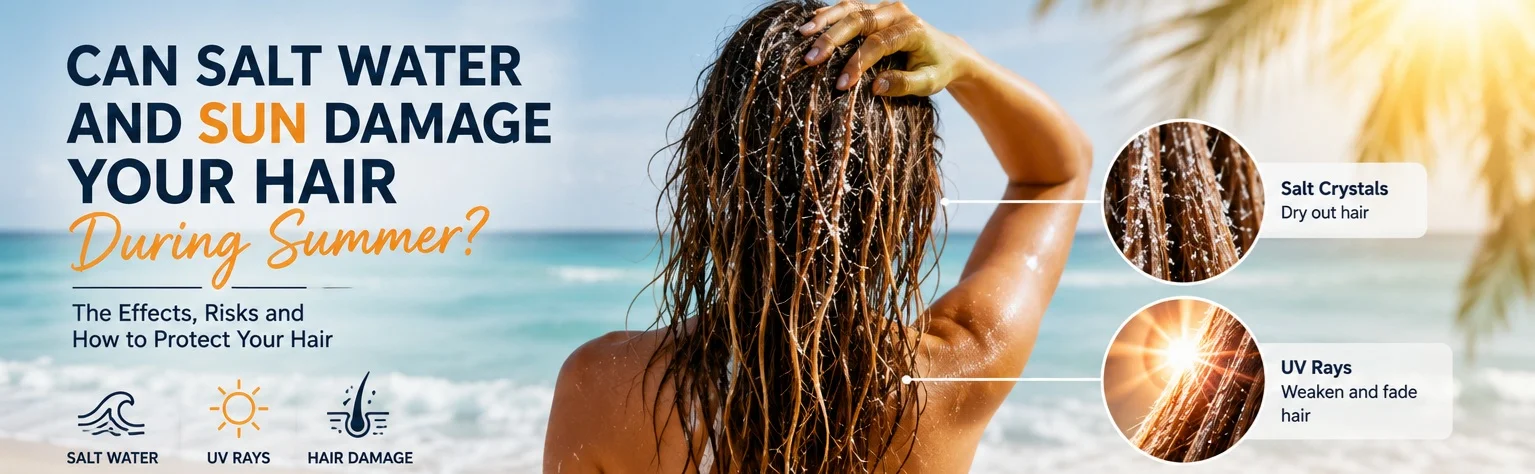
Ultraviolet radiation can degrade hair proteins and pigments. Wind, salt water, chlorinated water, dry air, and pollution can increase roughness or friction.
These exposures rarely act alone. Their effects accumulate alongside grooming and chemical processing.
Inadequate Conditioning
Conditioner reduces friction and improves manageability. Hair that is repeatedly shampooed without enough conditioning may become harder to detangle and more susceptible to mechanical damage.
Conditioner cannot permanently repair a split, but it can help protect nearby intact sections.
Why Some Hair Types Split More Easily
Fine hair has less material available to withstand repeated wear. Long hair has older ends that have been exposed for years.
Curly and tightly coiled hair has natural bends that can create stress points. Scalp oils also travel less easily down a curved shaft, so the ends may receive less natural lubrication.
Previously bleached or chemically straightened hair is often more porous and fragile. Hair-shaft disorders can also cause unusual weakness, sometimes with widespread breakage or white nodes along the strands.
How to Recognize Split Ends
Signs include:
- Forked or feathered tips
- White dots near fractured areas
- Rough, dry-feeling ends
- Frequent knots at the tips
- Uneven breakage
- Difficulty retaining length
- Frizz concentrated near the ends
- Ends that look thinner than the upper lengths
Not every white spot is a split end. Residue, product flakes, lice eggs, fungal material, or structural hair-shaft abnormalities can look similar.
Can Split Ends Be Repaired?
No cosmetic treatment can permanently fuse a split strand into its original structure. Conditioners, oils, silicones, proteins, and film-forming products may temporarily smooth the surface, reduce friction, and improve appearance.
These products can be useful for preventing additional damage and making hair easier to manage. Claims of permanent repair should be interpreted cautiously.
Trimming is the only reliable way to remove an existing split. The cut should be made above the damaged section so the crack does not remain within the strand.
How to Prevent New Split Ends
Use Conditioner Consistently
Apply conditioner through the lengths and ends after shampooing. A leave-in conditioner may provide additional slip for dry, long, curly, or chemically processed hair.
Detangle Gently
Start near the ends and gradually work upward. Use fingers, a wide-tooth comb, or a brush designed for the hair type.
The safest wet-versus-dry detangling method varies. Straight and wavy hair may be vulnerable to stretching when saturated, while tightly coiled hair is often easier to detangle while wet and well conditioned.
Reduce Heat Exposure
Use the lowest effective temperature and avoid repeated passes over the same section. Heat-protective products may reduce damage but cannot make unlimited high heat harmless.
Space Chemical Treatments
Avoid overlapping bleach, relaxer, or permanent color onto already processed hair. Strand testing and professional application may reduce risk but cannot eliminate structural damage.
Minimize Friction
Blot rather than rub after washing. Protect long hair from repeated contact with rough clothing, bags, straps, and bedding.
Loose protective styles may reduce tangling as long as they do not create traction.
Trim According to Damage
There is no universal trimming schedule. Hair exposed to frequent heat or chemicals may need more frequent removal of weathered ends than minimally processed hair.
Small trims can prevent splits from progressing upward while preserving as much length as possible.
When Split Ends May Signal a Larger Problem
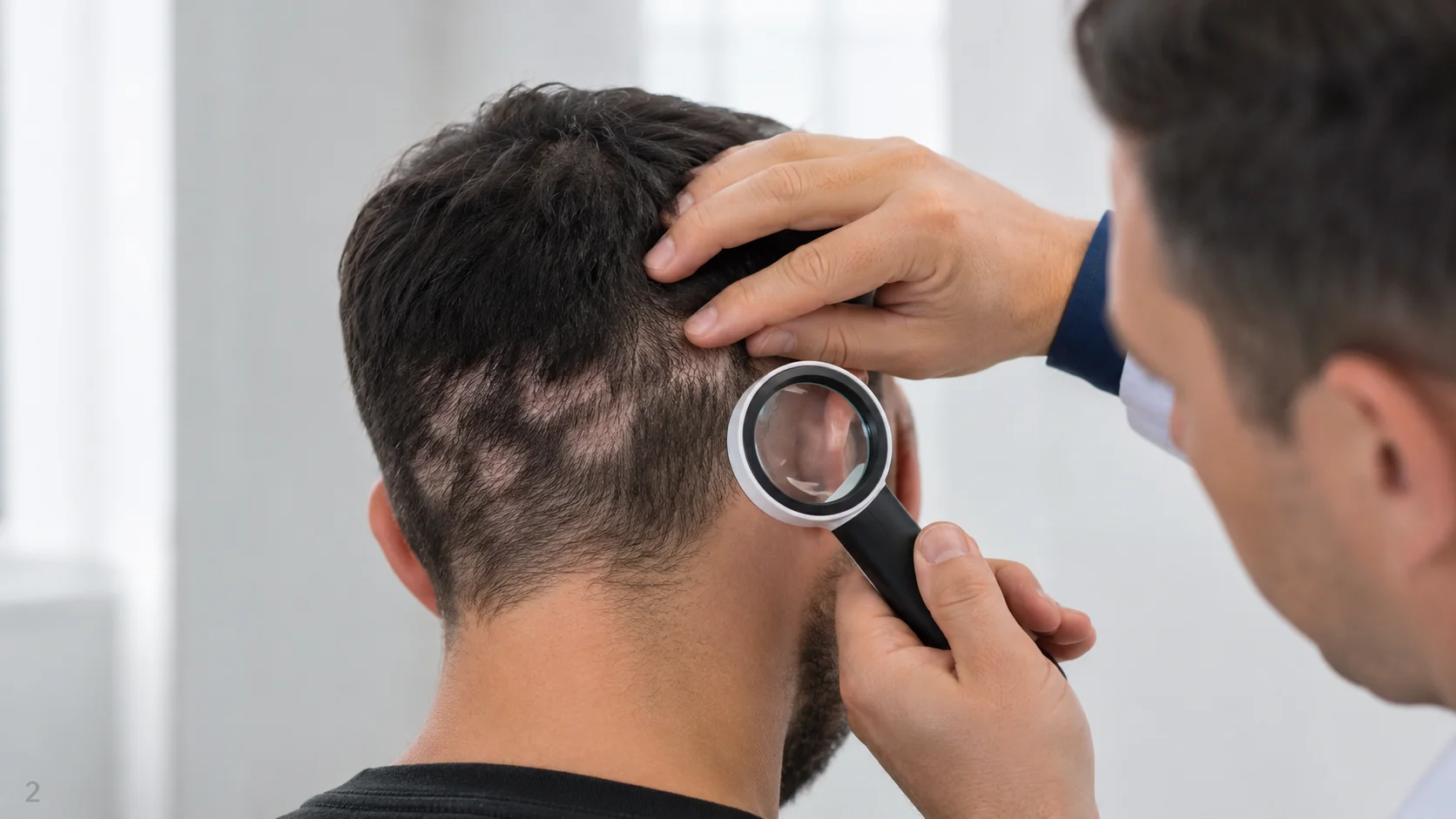
Occasional split ends are common. Assessment may be useful when hair breaks extensively despite gentle care, cannot grow beyond a short length, develops many white nodes, or fractures close to the scalp.
Nutritional deficiency does not explain every case of damaged ends. Unnecessary supplements will not reconstruct existing shafts and can cause adverse effects in excessive amounts.
Frequently Asked Questions
Do split ends stop hair growth?
No. Growth occurs within scalp follicles. Split ends affect length retention because damaged shafts may continue splitting or break off.
Can oil repair split ends?
Oil can reduce friction and improve appearance, but it cannot permanently reconnect separated fibers.
Will split ends travel up the hair shaft?
A longitudinal crack can extend farther along a weakened strand, particularly with continued friction and manipulation.
Does cutting hair make it grow faster?
No. Trimming does not change follicular growth rate. It removes damaged ends and can help hair retain a healthier appearance.
Can split ends occur in the middle of a strand?
Yes. Severe damage can cause longitudinal splitting or fracture above the tip.
Protecting the Hair That Has Already Grown
Hair shafts cannot heal like living skin. Managing split ends therefore depends on removing irreversibly damaged sections and reducing the friction, heat, and chemical exposure responsible for new cracks. Consistent conditioning and gentle handling usually matter more than a complicated product routine.