Dry shampoo is convenient. It absorbs oil, refreshes the appearance of the hair, and can make styling easier between washes. For people with busy schedules, oily roots, color-treated hair, or limited mobility, it can be a useful cosmetic product. But dry shampoo is often misunderstood. It can make hair look cleaner, but it does not actually clean the scalp.
Dry shampoo is not known to directly cause permanent hair loss in most people. However, frequent or improper use can contribute to scalp buildup, irritation, itching, breakage, and increased shedding in some cases. The risk is usually related to overuse, not the occasional use of dry shampoo as part of a balanced hair care routine.
What Dry Shampoo Does
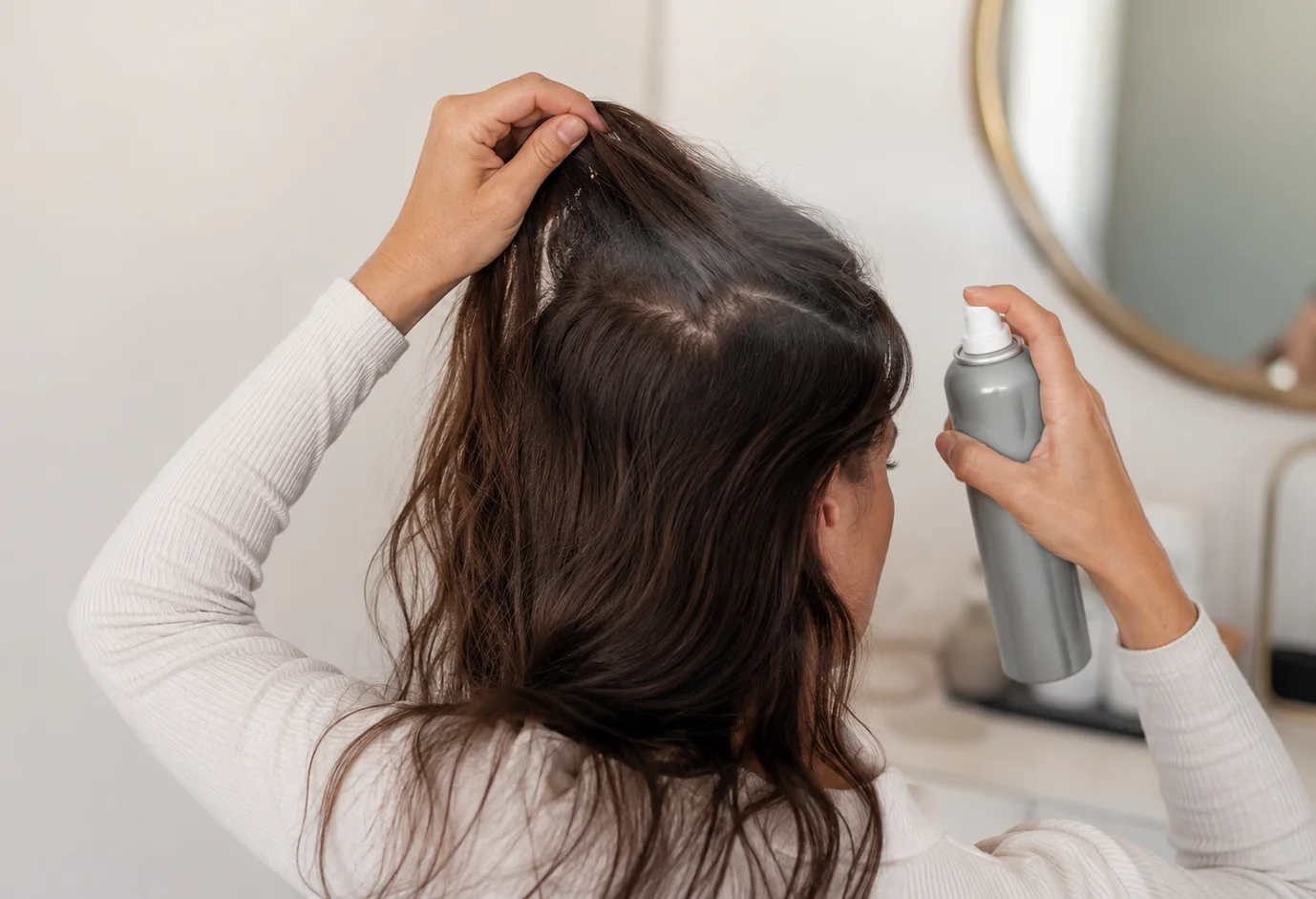
Dry shampoo typically contains powders or starches that absorb oil from the scalp and hair roots. Some formulas also contain alcohols, fragrance, propellants, pigments, or styling ingredients that add texture and volume.
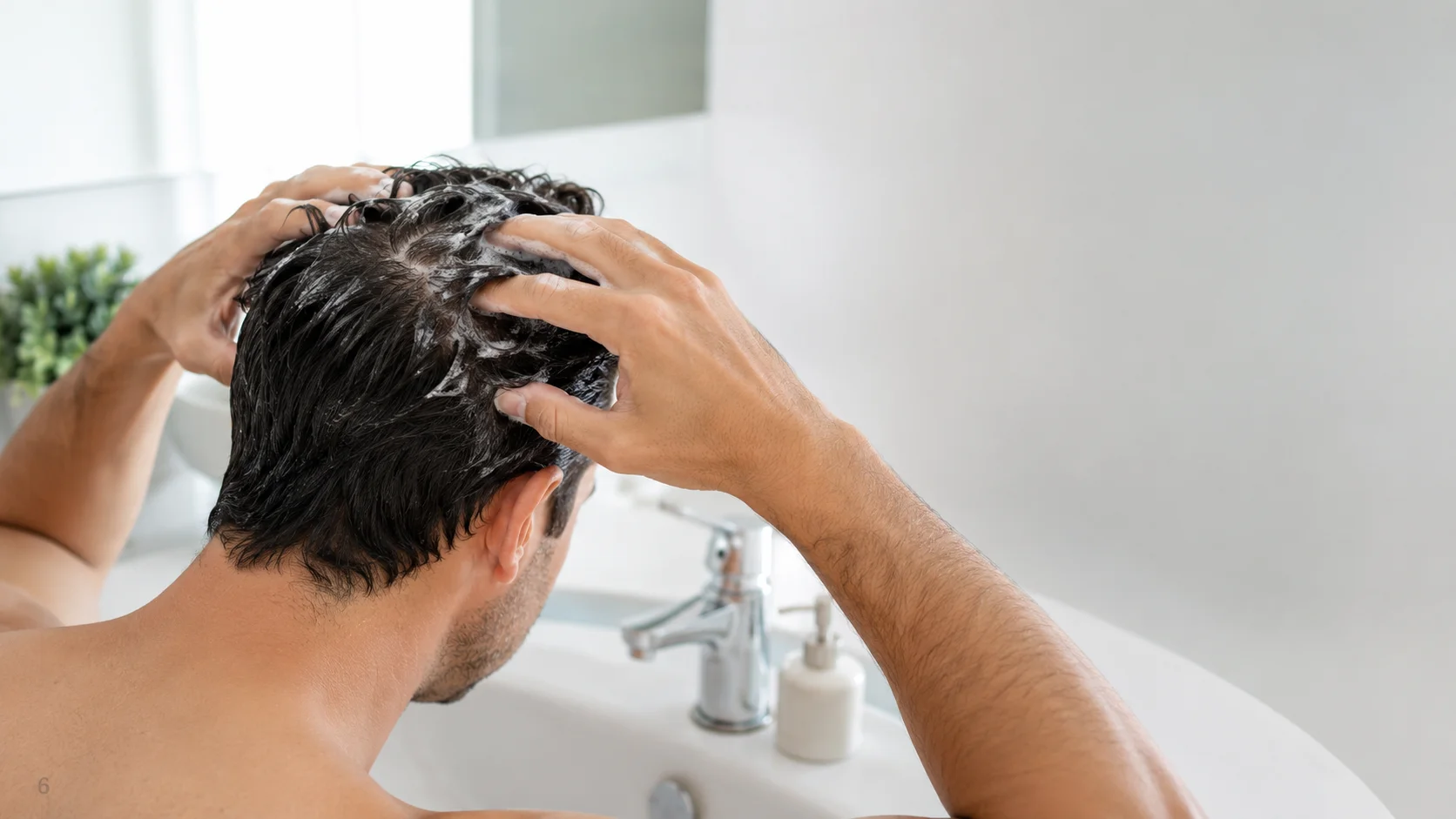
The product works cosmetically. It reduces the greasy look of the hair, but it does not remove sweat, dead skin cells, pollution, microorganisms, styling products, or the dry shampoo residue itself. Those still need to be washed away with shampoo and water.
This distinction matters. A scalp can look less oily while still carrying buildup that may irritate the skin.
Can Dry Shampoo Make Hair Shed?
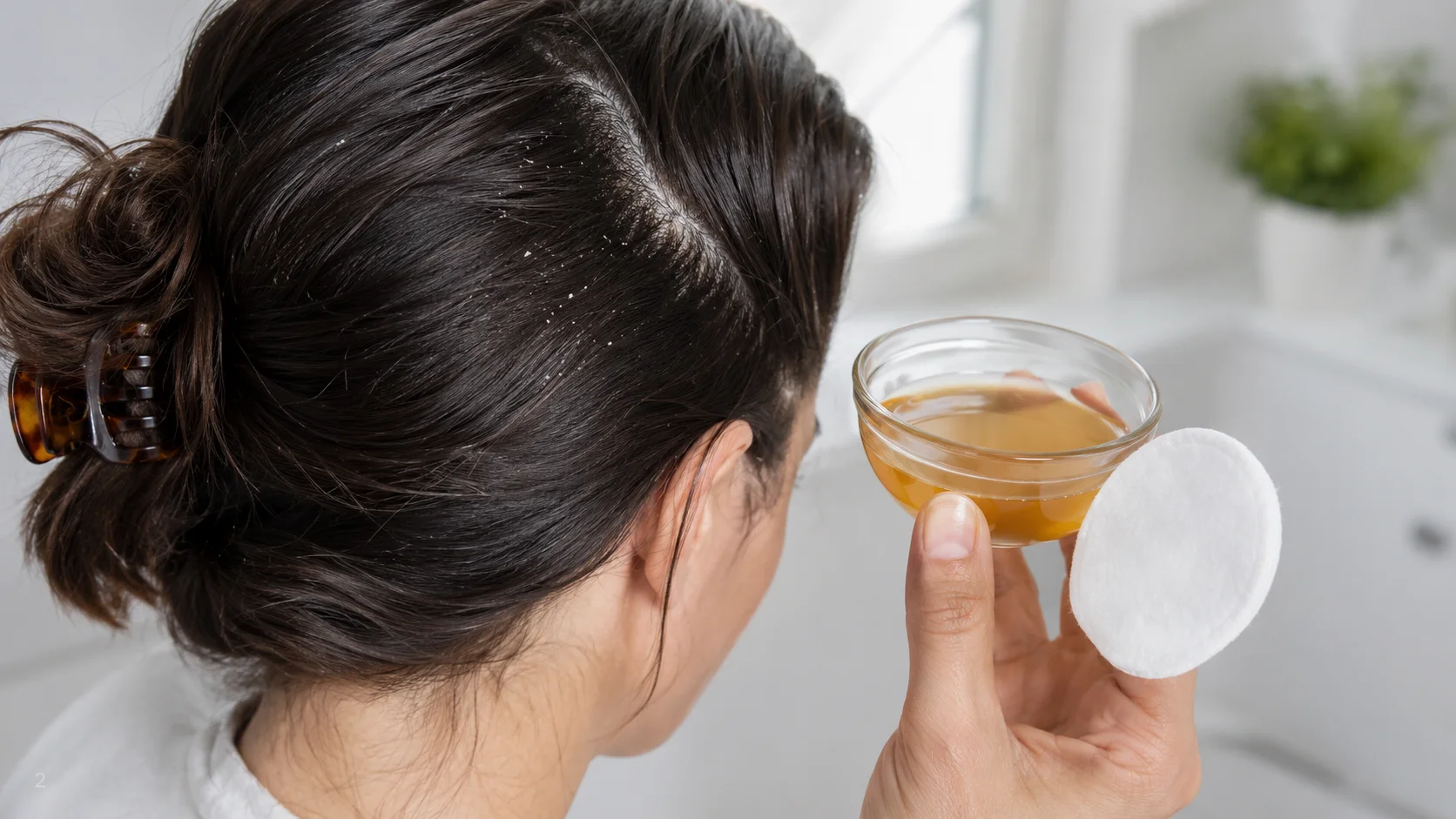
Dry shampoo may contribute to shedding indirectly in certain situations. If residue remains on the scalp for too long, it can build up around the hair roots. This may cause itching, inflammation, or flaking in people who are prone to scalp sensitivity.
Scratching an itchy scalp can break hairs or loosen hairs that were already ready to shed. Heavy product buildup can also make hair more tangled or stiff, increasing breakage during brushing. In these cases, the person may notice more hair on the brush, pillow, or shower floor.
This does not mean dry shampoo causes androgenetic alopecia or permanently damages follicles in typical use. But it can worsen the scalp environment when it replaces regular cleansing.
Dry Shampoo and Breakage
Some dry shampoos leave the hair feeling matte, stiff, or rough. This texture may help create volume, but it can also increase friction between strands. If the hair is fine, bleached, curly, or already fragile, repeated friction can lead to breakage.
Breakage often appears as shorter hairs, frizz, thinning ends, or reduced length retention. It is not the same as follicle loss, but it can still make the hair look thinner.
To reduce breakage, apply dry shampoo lightly, avoid spraying too close to the scalp, let it sit briefly, and brush gently. Do not aggressively rub the roots, especially when the hair is dry and textured.
When Dry Shampoo Becomes a Problem
Dry shampoo is more likely to cause problems when it is used several days in a row without washing, applied heavily, used after intense sweating, or layered with hairspray, oils, fibers, or styling creams.
People with seborrheic dermatitis, psoriasis, eczema, folliculitis, dandruff, or sensitive scalps may react more quickly. Fragrance and alcohol-based formulas can also trigger irritation in some individuals.
Warning signs include persistent itching, burning, redness, tenderness, flakes that worsen, bumps, scalp odor, or increased shedding that improves after stopping the product and cleansing regularly.
Does Dry Shampoo Clog Hair Follicles?
Dry shampoo can contribute to residue around follicle openings, especially when used repeatedly. However, the phrase “clogging follicles” is often oversimplified. Hair loss usually involves genetics, hormones, immune activity, inflammation, illness, medications, nutritional issues, traction, or scarring processes rather than a simple blocked pore.
Still, a clean and comfortable scalp matters. If a product causes buildup or irritation, reducing use is sensible. Scalp health supports normal hair growth, even though cleansing alone does not cure medical hair loss.
How Often Is It Safe to Use Dry Shampoo?
There is no exact safe number that applies to everyone. Occasional use is generally reasonable for many people. Problems become more likely when dry shampoo replaces regular washing or is layered day after day.
A practical approach is to use it as a temporary styling aid, not a cleansing routine. If you use dry shampoo, wash your scalp with water and shampoo regularly enough to remove residue. The right schedule depends on oiliness, activity level, hair type, and scalp conditions.
For many people, using dry shampoo once or twice between washes is more comfortable than using it continuously for several days.
Better Ways to Use Dry Shampoo
Use the smallest amount that gives the desired effect. Apply it mainly to oily roots, not the entire scalp. Hold aerosol products at the recommended distance. Let the product absorb oil, then distribute it gently.
Avoid applying dry shampoo to a sweaty or irritated scalp. Sweat mixed with product residue can increase discomfort. If the scalp already itches or flakes, washing is usually more useful than adding another layer of product.
People with dark hair should be cautious with heavily powdered formulas because residue may be more visible and may require more brushing, which can increase breakage.
When to See a Professional
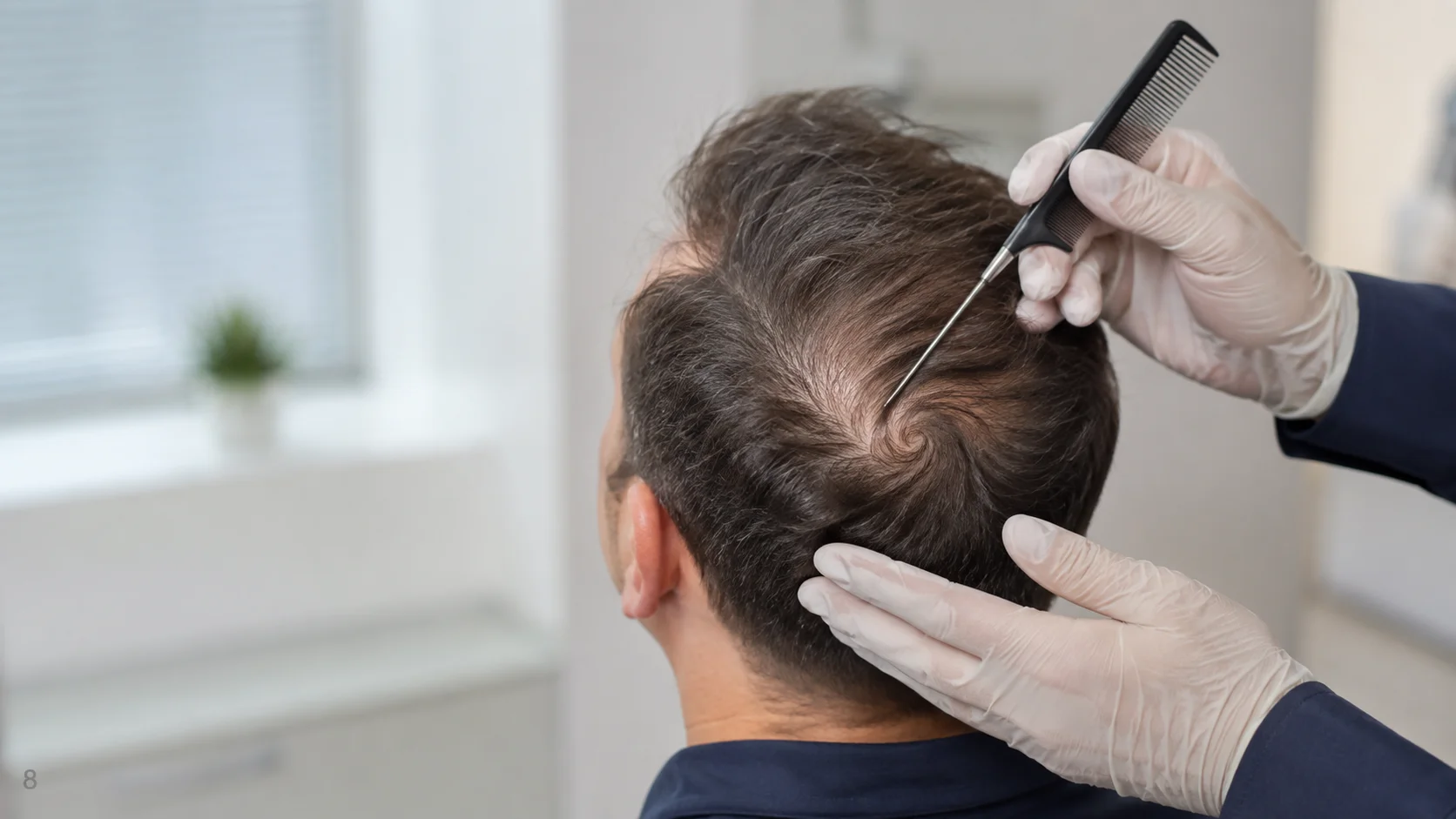
If shedding continues after stopping dry shampoo and improving cleansing habits, another cause may be involved. Telogen effluvium, androgenetic alopecia, thyroid disease, iron deficiency, postpartum changes, medications, alopecia areata, and inflammatory scalp disorders can all cause shedding or thinning.
Seek evaluation if hair loss is sudden, patchy, progressive, painful, or associated with scaling, pustules, redness, or scarring. Early diagnosis is especially important when inflammation is present.
FAQ
Can dry shampoo cause permanent baldness?
Dry shampoo is not proven to cause permanent baldness in typical use. Overuse may contribute to irritation, shedding, or breakage, especially if it replaces washing.
Is it bad to sleep with dry shampoo in your hair?
Occasional use overnight may not harm everyone, but leaving residue on the scalp repeatedly can increase buildup. Regular cleansing is important.
Can dry shampoo worsen dandruff?
It can worsen flakes or itching in some people because it adds residue without removing oil and dead skin cells. People with dandruff may need medicated or regular cleansing instead.
Why do I see more hair after using dry shampoo?
The product may make hair stiffer or more tangled, leading to breakage during brushing. It may also make already-shedding hairs more noticeable.
Should people with hair loss avoid dry shampoo completely?
Not always. Occasional light use may be fine, but anyone with scalp inflammation, heavy shedding, or fragile hair should use it cautiously.
The Bottom Line
Dry shampoo is a cosmetic convenience, not a substitute for washing. Used occasionally and lightly, it can refresh the look of oily roots without causing problems for many people. Used too often, it may contribute to buildup, irritation, breakage, and visible shedding.
If your hair seems thinner, the answer is not always to blame one product. Look at the full pattern: scalp symptoms, shedding timeline, styling habits, medical changes, and family history. Dry shampoo may be part of the story, but persistent hair loss deserves a broader evaluation.
This article is for general informational purposes only and does not replace individualized medical advice, diagnosis, or treatment. If you have ongoing shedding, scalp irritation, or sudden hair loss, consult a qualified healthcare professional.