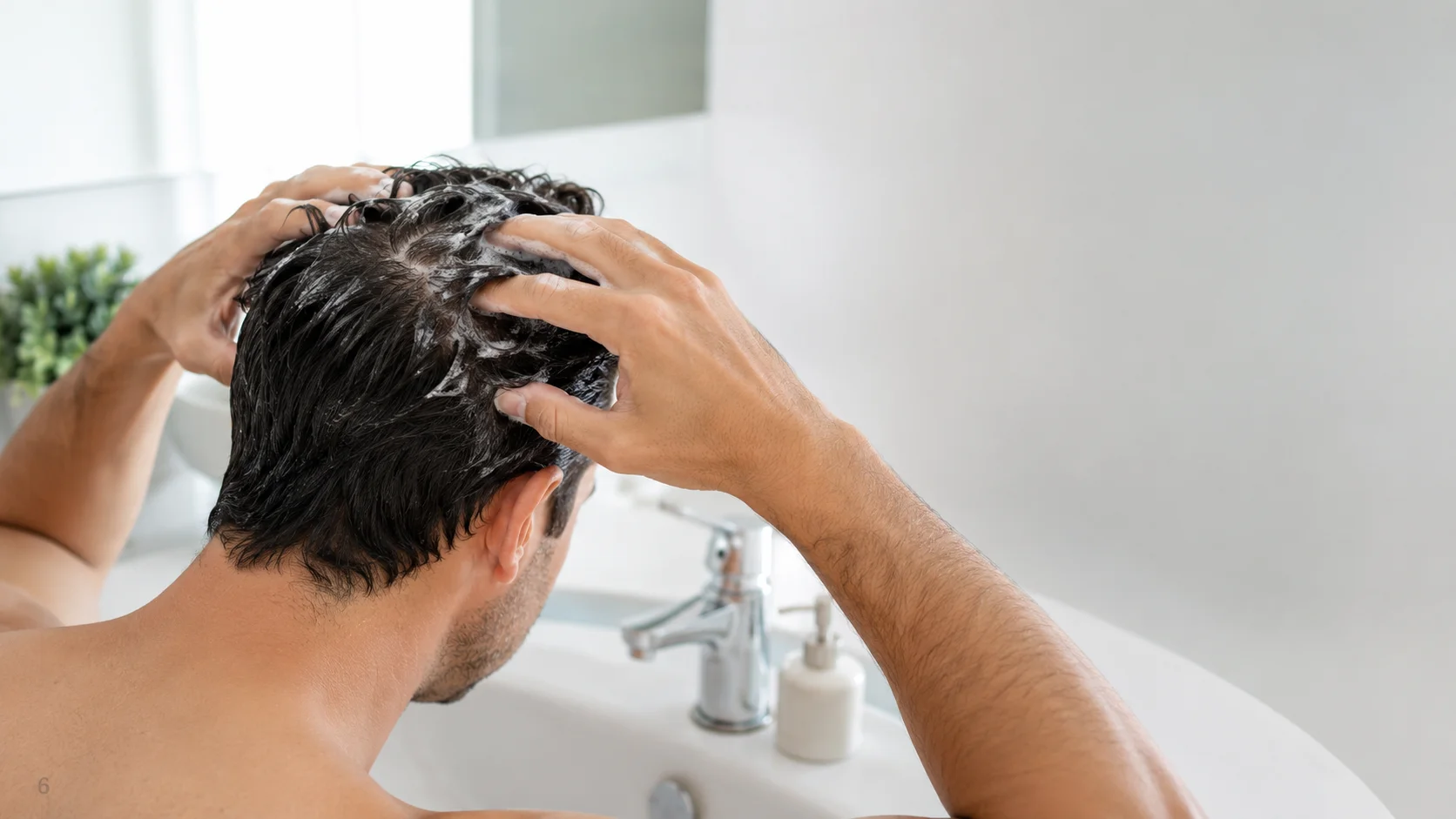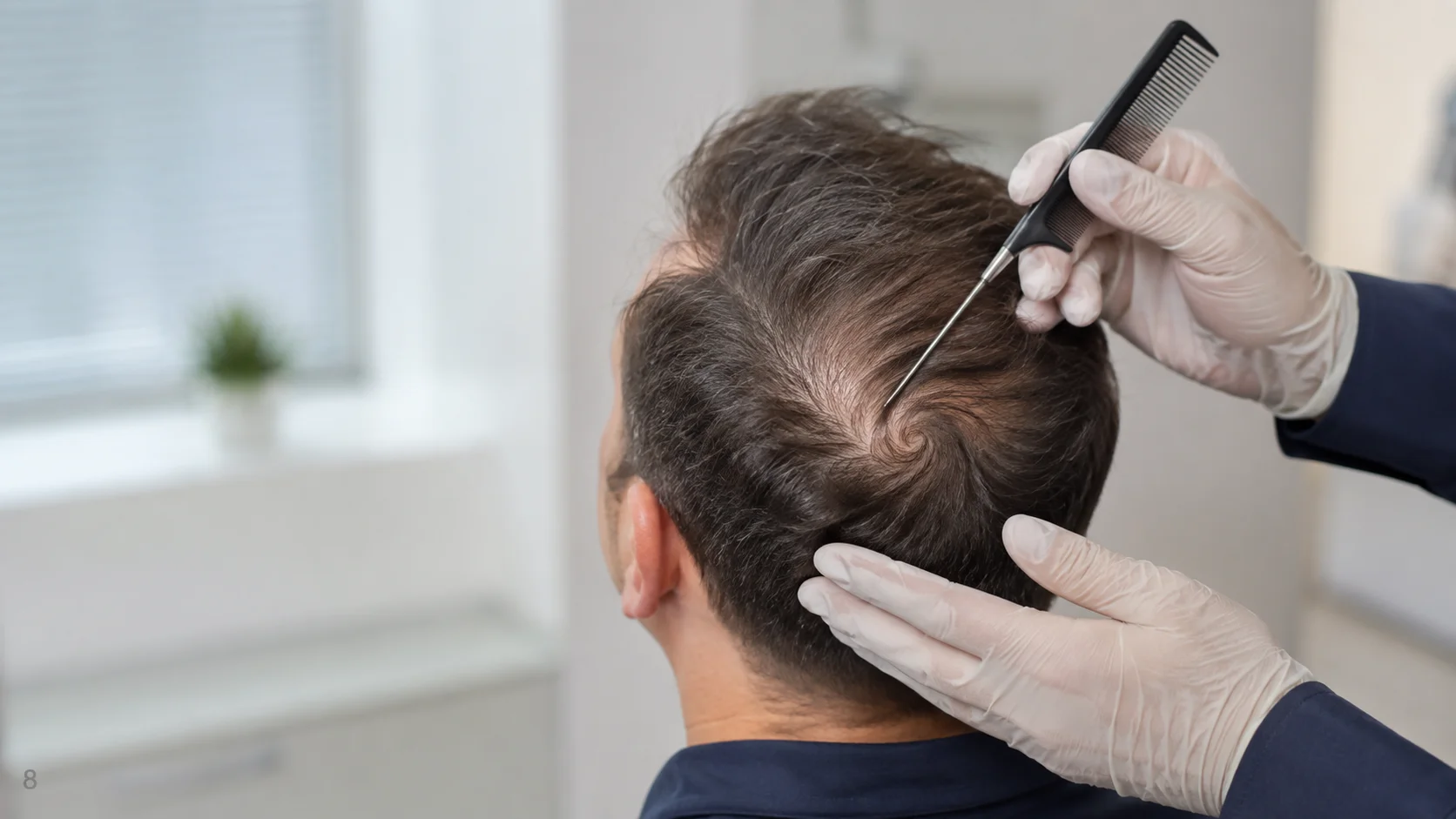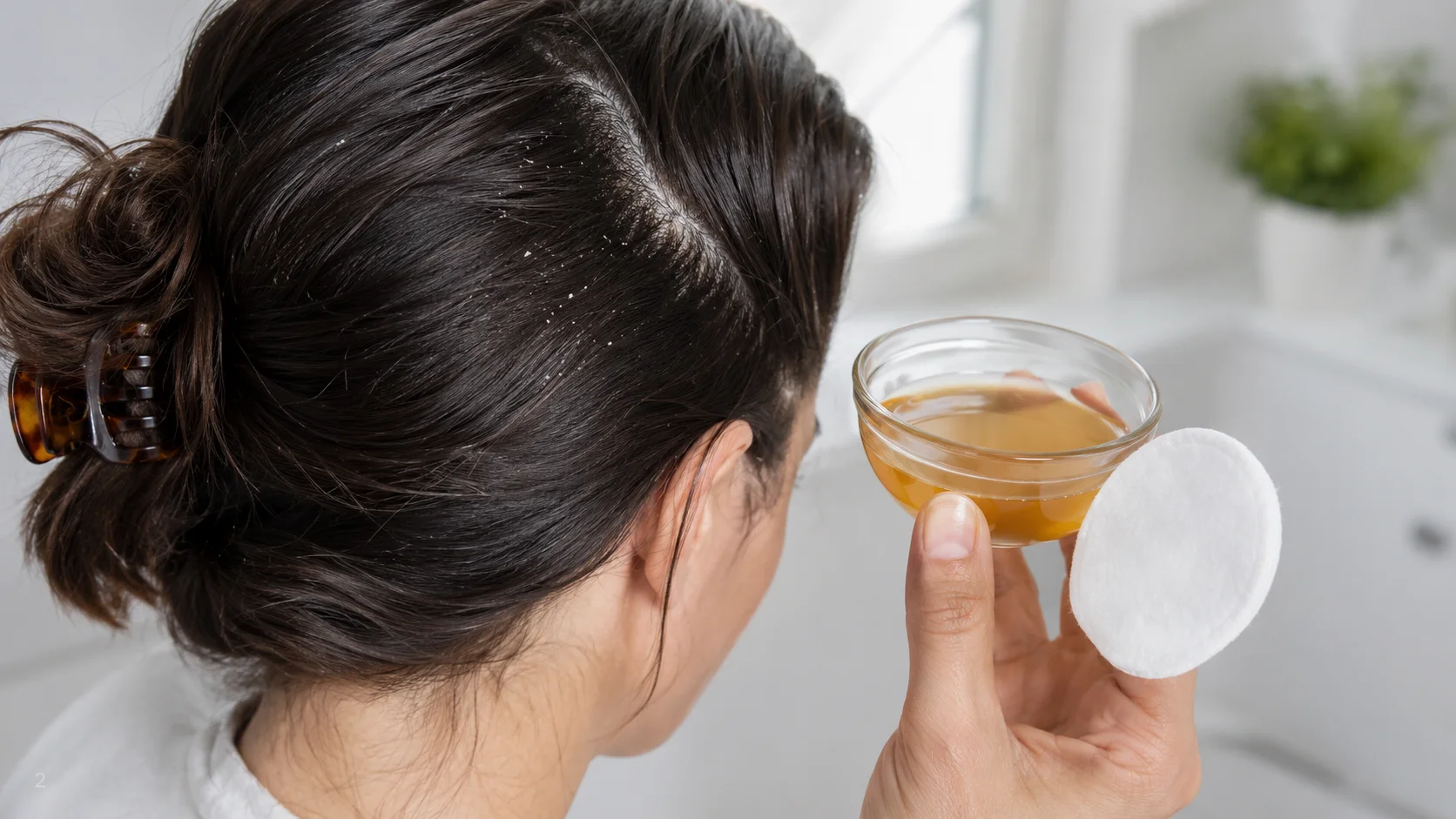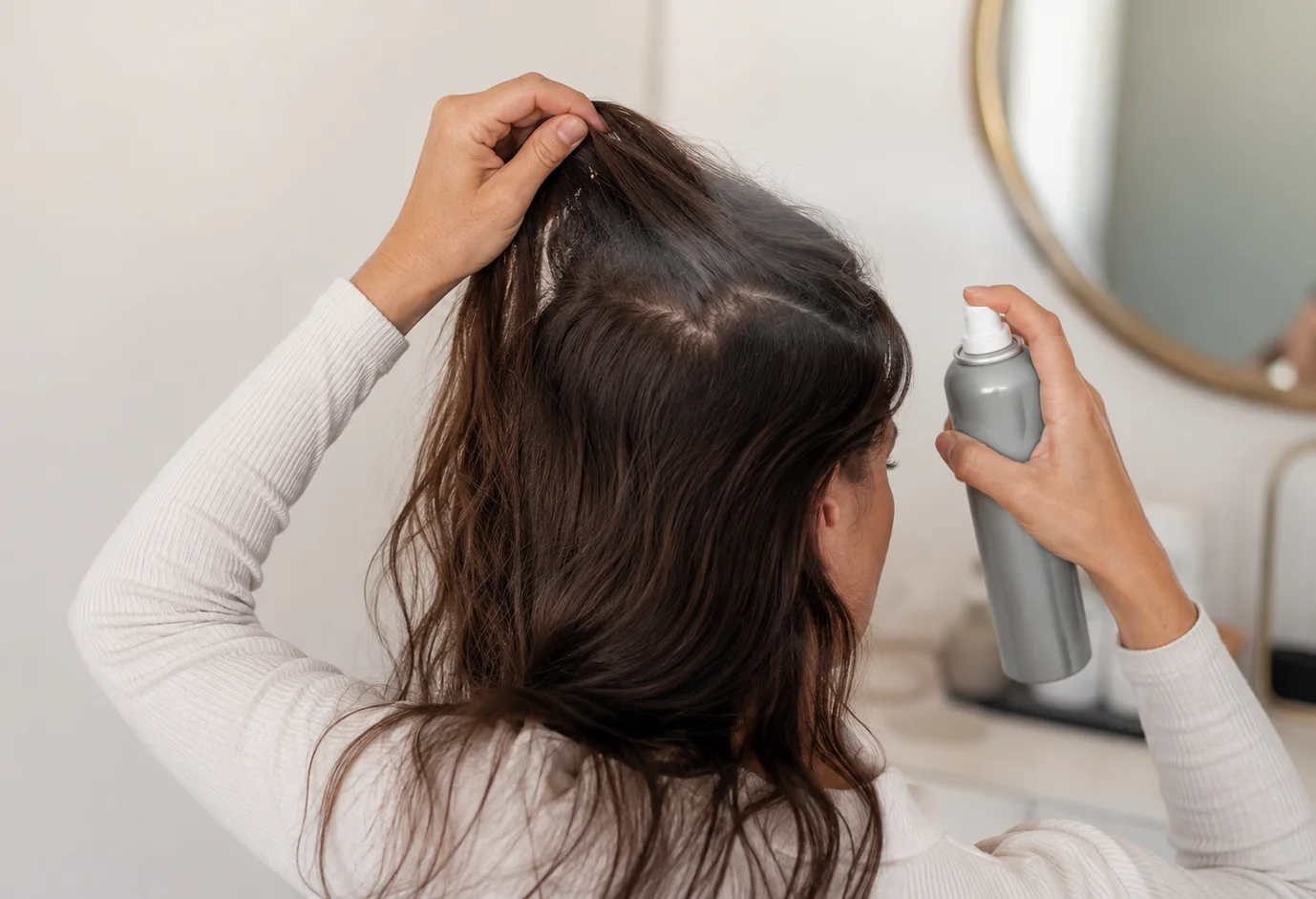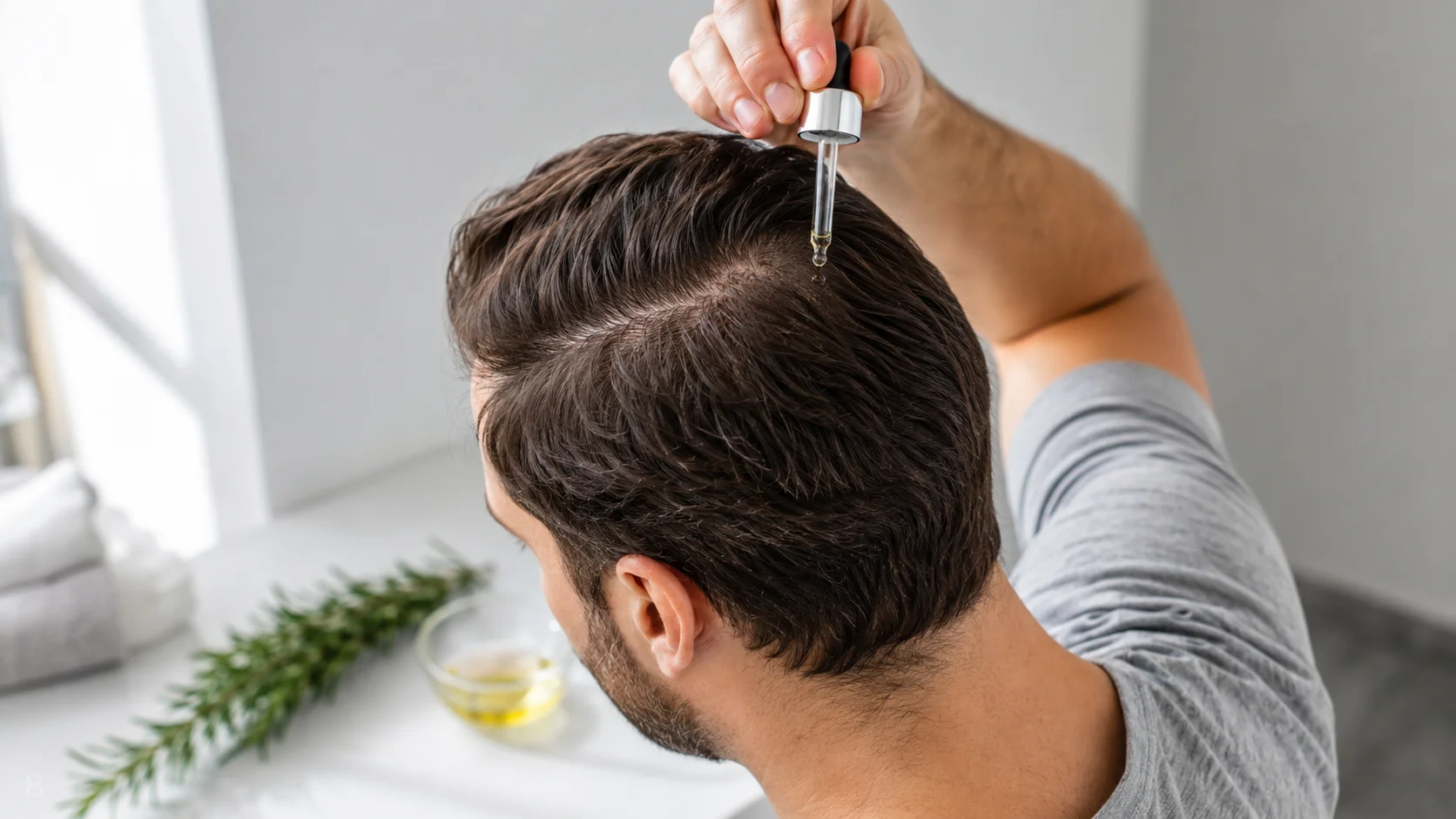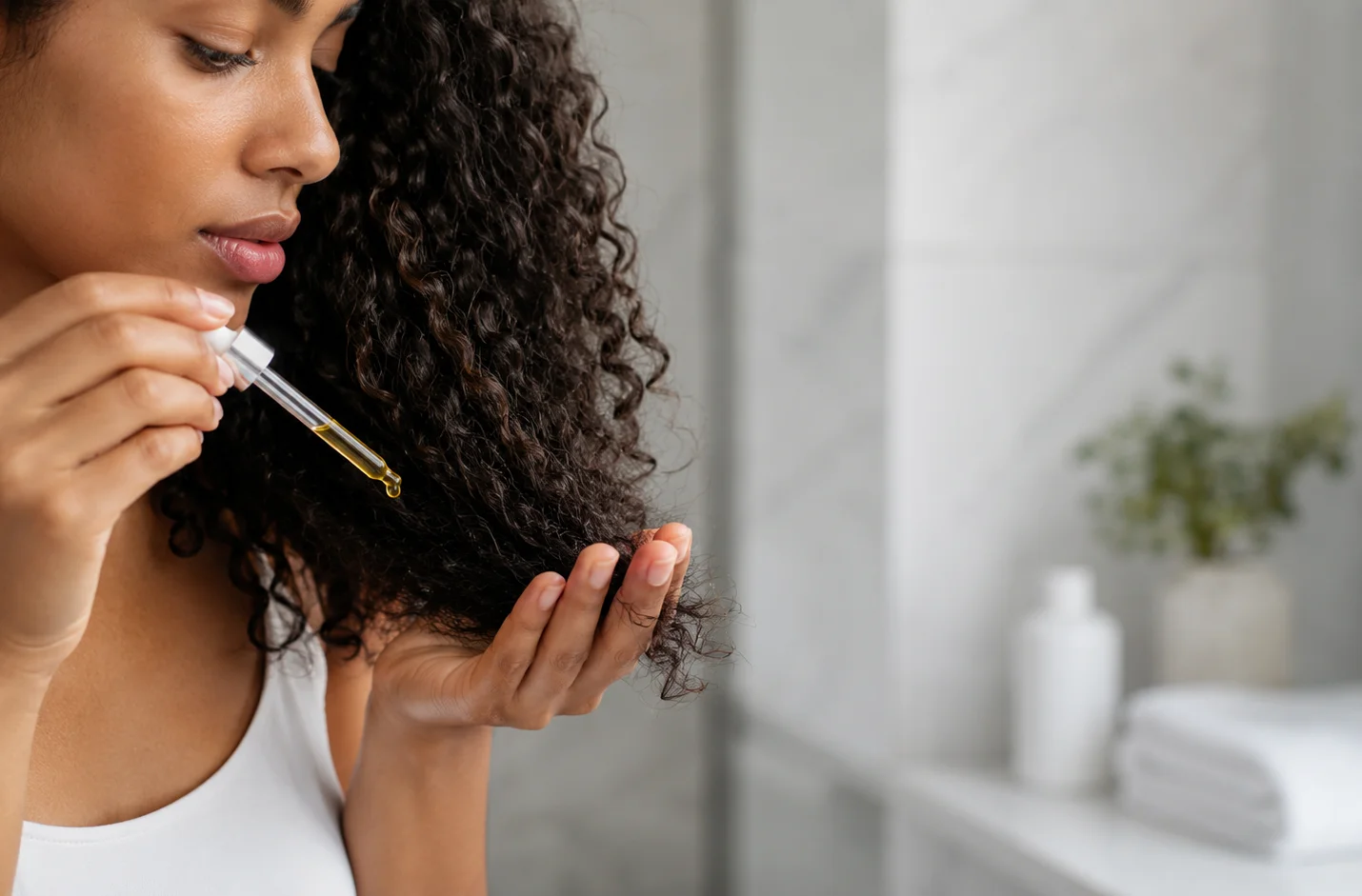
Hair oils are popular because they feel natural, familiar, and easy to use. They are marketed for shine, growth, scalp comfort, dryness, breakage, dandruff, and thickness. Some oils can genuinely improve the feel and appearance of the hair shaft. A smaller number have limited clinical evidence suggesting possible benefit for certain hair loss conditions. Many claims, however, go far beyond what current evidence can support.
The most important distinction is this: hair oils can support hair care, but most are not proven medical treatments for hair loss. They may reduce breakage, improve lubrication, soothe dryness, or support scalp comfort. That can make hair look healthier. It is different from reversing follicle miniaturization, treating autoimmune hair loss, or stopping scarring alopecia.
How Hair Oils Work
Hair oils mostly act on the hair shaft and scalp surface. On the hair shaft, oils can reduce friction, improve shine, decrease tangling, and help protect fragile ends from mechanical damage. On the scalp, some oils may soften scale or reduce dryness, but they can also worsen greasiness or irritation in some people.
Different oils have different properties. Some penetrate the hair shaft better, while others mainly sit on the surface. Some are lightweight, while others are heavy and occlusive. Essential oils are different from carrier oils and are more likely to irritate if used incorrectly.
Carrier Oils vs Essential Oils
Carrier oils and essential oils are often discussed together, but they are not the same. Carrier oils are fatty oils pressed from seeds, nuts, fruits, or kernels. Examples include coconut oil, olive oil, jojoba oil, argan oil, avocado oil, castor oil, and black seed oil. They can usually be applied to hair or skin in small amounts, although irritation or buildup can still occur.
Essential oils are concentrated aromatic extracts from plants. Rosemary, peppermint, lavender, tea tree, cedarwood, and thyme oils are examples. Because they are highly concentrated, they should not be applied directly to the scalp without dilution. Undiluted essential oils can cause burning, allergic contact dermatitis, irritation, and increased shedding from inflammation.
A cautious dilution principle is to use a very low concentration, often around 1% for scalp use, especially for sensitive skin. This means only a small number of drops of essential oil mixed into a larger amount of carrier oil. People with eczema, psoriasis, seborrheic dermatitis, pregnancy, medication use, allergies, or a history of skin reactions should be especially careful and seek professional guidance when needed.
Common mistakes include applying essential oils directly from the bottle, mixing several essential oils together, assuming “tingling” means the treatment is working, leaving strong blends on overnight, and continuing use despite itching or redness. A scalp product should not burn to be effective.
Coconut Oil
Coconut oil has one of the better-supported roles in hair shaft care. It contains lauric acid and can penetrate the hair fiber more effectively than many oils. It may help reduce protein loss from hair during washing and grooming, especially in damaged or porous hair.
This does not mean coconut oil grows new hair. Its main value is reducing dryness and breakage. For people with fine hair or oily scalps, coconut oil may feel heavy or cause buildup. It is usually best used sparingly on the lengths or as a pre-wash treatment rather than heavily applied to the scalp.
People with dry, high-porosity, chemically treated, or breakage-prone hair may benefit most. Those prone to scalp acne, folliculitis-like bumps, or greasy roots should use it cautiously.
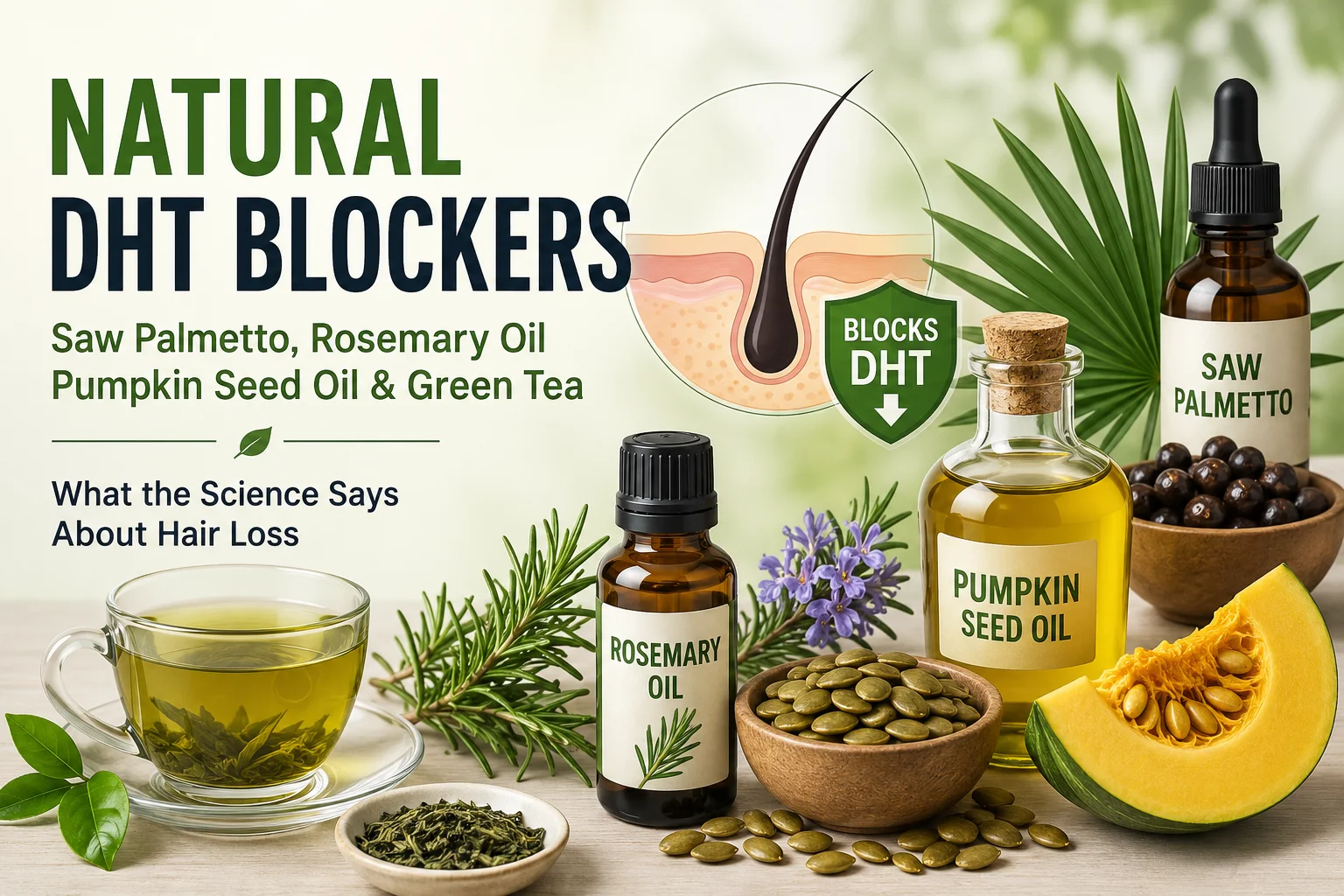
Rosemary Oil
Rosemary oil is often discussed for hair growth because a small clinical study compared it with 2% minoxidil in androgenetic alopecia over several months. The findings suggested possible benefit, but the evidence remains limited. Study size, formulation differences, concentration, and long-term safety questions mean rosemary oil should not be presented as equivalent to established medical treatments.
Rosemary essential oil must be diluted in a carrier oil before use. Applying essential oil directly to the scalp can cause irritation or allergic contact dermatitis. Irritation can worsen shedding in some people, so caution matters.
Rosemary oil may be reasonable for some people as a supportive option, but it should not replace medical evaluation or proven treatments when hair loss is progressive.
Castor Oil
Castor oil is widely promoted for hair growth, but strong clinical evidence for treating hair loss is lacking. It is thick and can make hair look shinier or feel coated, which may create the impression of thicker hair. It may also help lubricate dry strands.
Because castor oil is heavy, it can be difficult to wash out and may worsen buildup. Some people develop scalp irritation or folliculitis-like bumps when using heavy oils frequently. Its cosmetic benefits are more plausible than its growth claims.
Castor oil may suit very dry ends or textured hair when used sparingly. It is usually less suitable for fine hair, oily scalps, or people who dislike heavy residue.
Argan Oil
Argan oil is often used for shine, softness, and frizz control. It can help smooth the hair surface and reduce friction, particularly on dry or chemically treated hair. Evidence for hair growth is limited, but it can be useful as a cosmetic conditioning oil.
A small amount on the mid-lengths and ends is usually enough. Too much can make fine hair look limp. It may be especially useful for frizzy, heat-styled, color-treated, or dull hair that needs surface smoothing rather than scalp treatment.
Jojoba Oil
Jojoba oil is technically a wax ester and is often described as similar to skin sebum. It is lightweight compared with heavier oils and may be suitable for people who want scalp or hair lubrication without a greasy feel.
Evidence that jojoba oil treats hair loss is limited. Its practical role is mainly conditioning, softening, and helping distribute moisture in a hair care routine. It may be useful for people with mild scalp dryness or fine hair that cannot tolerate heavy oils, but it should still be used sparingly.
Pumpkin Seed Oil
Pumpkin seed oil has been studied as an oral supplement in relation to androgenetic alopecia, with some research suggesting possible benefit. However, evidence is still limited, and supplement quality, dose, safety, and patient selection matter. Topical pumpkin seed oil is less clearly established.
Oral supplements can interact with medical conditions or medications, so they should not be treated as harmless simply because they are “natural.” People who are pregnant, taking medication, or managing chronic health conditions should discuss supplement use with a healthcare professional.
Olive Oil
Olive oil is commonly used as a pre-wash oil, scalp softener, and conditioning oil for dry or coarse hair. It contains fatty acids and antioxidant compounds, and it can make hair feel softer by coating the hair shaft and reducing friction.
Scientific evidence for olive oil as a hair growth treatment is limited. It should not be described as a proven therapy for androgenetic alopecia, alopecia areata, or other medical hair loss conditions. Its likely benefits are cosmetic: improved lubrication, easier detangling, and reduced dryness-related breakage.
Olive oil may benefit people with thick, dry, coarse, or curly hair, especially when used before shampooing. It may be too heavy for fine hair and may worsen buildup if applied directly to an oily scalp. People prone to dandruff or seborrheic dermatitis should be cautious because heavy oiling can sometimes make scalp symptoms feel worse.
Black Seed Oil (Nigella sativa)
Black seed oil, derived from Nigella sativa, is used in traditional care routines for scalp comfort, dryness, and hair shedding concerns. It contains thymoquinone and other bioactive compounds that have been studied for anti-inflammatory and antioxidant properties.
Evidence for black seed oil in hair growth is still limited. Some early research and small studies suggest possible scalp or hair-related benefits, but it is not an established treatment for pattern hair loss or autoimmune alopecia. More rigorous clinical trials are needed before strong claims can be made.
Potential benefits may include scalp soothing for some individuals and improved hair softness when used as part of a conditioning routine. However, black seed oil can irritate sensitive skin, and allergic reactions are possible. It should be patch tested and used cautiously, especially on inflamed scalps or in people with known allergies.
Avocado Oil
Avocado oil is used for dry, coarse, damaged, or textured hair because it is rich in fatty acids and has a relatively conditioning feel. It can help improve shine and reduce friction along the hair shaft, which may support length retention when breakage is the main problem.
Scientific evidence that avocado oil directly stimulates hair growth is limited. Like many carrier oils, its strongest role is cosmetic and protective rather than medical. It may help hair that feels rough, dull, or brittle, especially after heat styling or chemical processing.
Avocado oil may benefit curly, coily, dry, or high-porosity hair. It may be too rich for fine or oily hair if used heavily. People with scalp sensitivity should start with a small amount and avoid prolonged scalp application if itching or bumps occur.
Peppermint Oil and Other Essential Oils
Peppermint oil has shown hair growth signals in animal research, but human evidence remains limited. Essential oils such as lavender, cedarwood, thyme, and tea tree are also discussed in hair care, but claims vary widely.
Tea tree oil may help some scalp conditions because of antimicrobial properties, but it can irritate the skin and should be diluted. Essential oils should never be applied undiluted and should be stopped if burning, rash, itching, or increased shedding occurs.
Essential oils are not automatically safer than conventional treatments. Their concentration, purity, dilution, and contact time all matter.
Oils for Breakage vs Oils for Hair Loss
Many people confuse breakage with hair loss. If the hair is snapping, oils may help by reducing friction and dryness. If the follicle is producing thinner hair over time, as in androgenetic alopecia, oils alone are unlikely to address the underlying process.
Oils may help with:
- Dry ends
- Frizz
- Tangling
- Breakage from grooming
- Dullness
- Some scalp dryness
Oils are not proven to treat:
- Advanced androgenetic alopecia
- Alopecia areata
- Scarring alopecia
- Hair loss from untreated medical conditions
- Traction alopecia if tight styling continues
Which Hair Oil Is Best for Different Hair Concerns?
No single oil is universally the best. The right choice depends on hair texture, scalp condition, styling habits, and the problem being addressed.
For dry hair, coconut oil, avocado oil, olive oil, argan oil, or jojoba oil may help improve softness. Coconut oil may be useful as a pre-wash treatment, while argan or jojoba may be easier for leave-in use.
For frizzy hair, argan oil and lightweight silicone-free oil blends can smooth the hair surface. Avocado oil may suit thicker hair, while fine hair usually needs only a very small amount.
For breakage-prone hair, coconut oil has a stronger rationale because of its ability to penetrate the hair shaft and reduce protein loss. Oils can reduce friction, but they should be paired with gentle detangling and reduced heat exposure.
For chemically treated hair, argan, coconut, avocado, or olive oil may improve manageability. Oils can make damaged hair feel better, but they cannot reverse bleaching, relaxer damage, or severe structural weakening.
For fine hair, jojoba oil or a very small amount of argan oil may be better tolerated than castor, olive, or coconut oil. Heavy oils can make fine hair look flat or greasy.
For an oily scalp, scalp oiling is often unnecessary and may worsen buildup. If oil is used, it may be better applied only to the ends.
For curly or coily hair, coconut, olive, avocado, castor, and argan oils may help with lubrication and moisture retention when used carefully. The best choice depends on porosity and how easily the hair becomes weighed down.
For people experiencing hair loss, oils should be viewed as supportive hair care rather than primary treatment. If shedding is persistent, progressive, patchy, or associated with scalp symptoms, diagnosis matters more than choosing an oil.
How to Use Hair Oils Safely
Start with a small amount. Apply cosmetic oils mainly to the lengths and ends unless the scalp is dry and tolerates oil well. For pre-wash oiling, leave the oil on for a limited time and wash thoroughly.
Avoid applying excessive amounts of oil. More oil does not mean better results, and heavy application can make hair limp, attract debris, and require harsh washing to remove. Leaving oils on the scalp for prolonged periods can also contribute to buildup or irritation in some people.
Patch testing is wise, especially with essential oils. Dilute essential oils properly in a carrier oil. Avoid oiling an inflamed, painful, infected, or pustular scalp unless advised by a clinician.
Do not expect oils to replace evidence-based medical treatments. Minoxidil, prescription anti-androgen therapy, anti-inflammatory treatment, or other medical approaches may be appropriate depending on the diagnosis. Oils may support comfort and cosmetic quality, but they cannot substitute for medical care when a follicle disorder is active.
If oils make the scalp itch, burn, flake, or shed more, stop using them. Natural ingredients can still cause irritation.
FAQ
Which oil is best for hair growth?
No oil is universally proven to regrow hair. Rosemary oil has limited human evidence, while coconut oil is better supported for reducing hair shaft damage rather than stimulating growth.
Does castor oil grow hair?
Strong clinical evidence is lacking. Castor oil may make hair look shinier or thicker temporarily, but it should not be considered a proven hair loss treatment.
Is olive oil good for hair growth?
Olive oil may soften dry hair and reduce friction, but evidence for direct hair growth is limited. It is better viewed as a conditioning oil.
Can black seed oil treat hair loss?
Black seed oil has interesting anti-inflammatory properties, but current clinical evidence for hair growth is limited. It should not replace medical treatment.
Can hair oils cause hair loss?
Oils do not usually cause permanent hair loss, but heavy or irritating oils can contribute to buildup, follicle irritation, breakage, or shedding in some people.
Should oil be applied to the scalp or hair?
It depends on the goal. For dryness and breakage, applying oil to the lengths and ends is often enough. Scalp application should be cautious if the scalp is oily or sensitive.
Can oils replace minoxidil or medical treatment?
No. Oils may support hair care, but progressive hair loss should be evaluated and treated based on the underlying diagnosis.
The Bottom Line
Hair oils can be useful, but their benefits are often cosmetic rather than medical. Coconut oil may help reduce hair shaft damage. Argan, jojoba, olive, and avocado oils can improve softness and shine. Rosemary oil has limited evidence that deserves interest but not exaggerated claims. Castor oil remains popular despite weak evidence for growth. Black seed oil is biologically interesting, but its clinical role in hair loss is not yet established.
The best oil depends on the problem you are trying to solve. For breakage and dryness, oils may help. For true hair loss, they should be viewed as supportive at most, not a substitute for diagnosis or evidence-based treatment.
This article is for general informational purposes only and does not replace individualized medical advice, diagnosis, or treatment. If you have ongoing hair loss, scalp inflammation, or sudden shedding, consult a qualified healthcare professional.