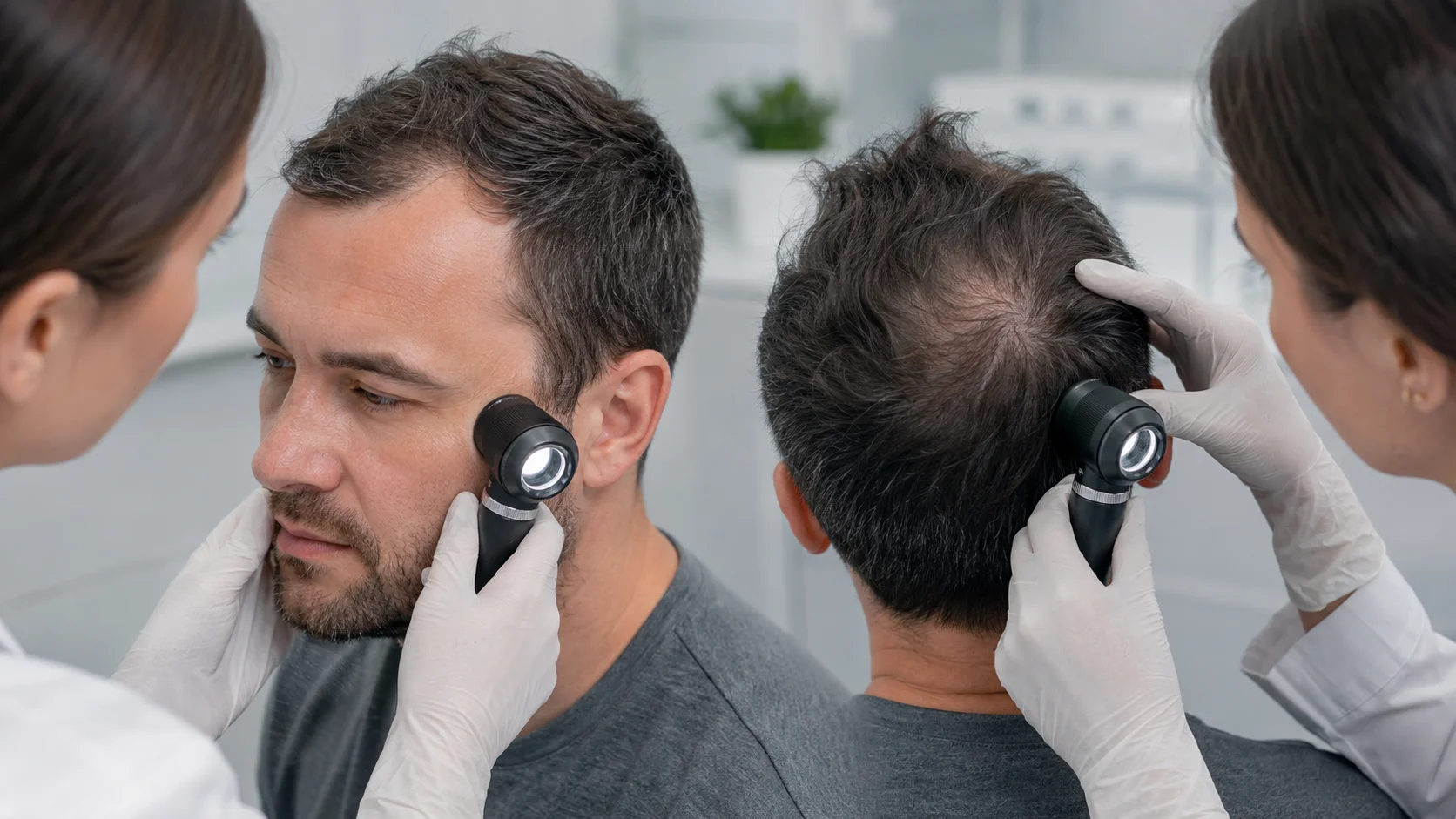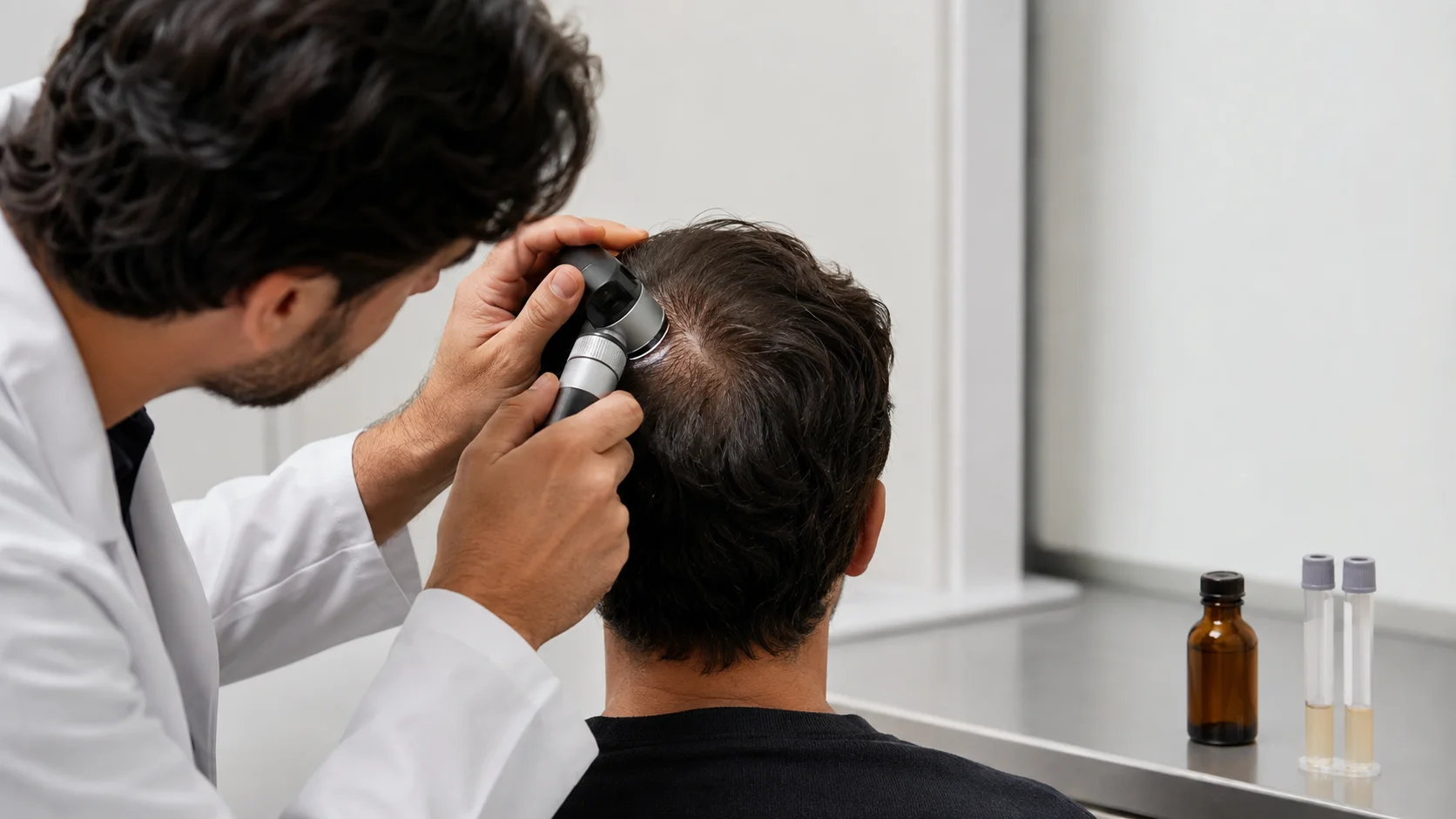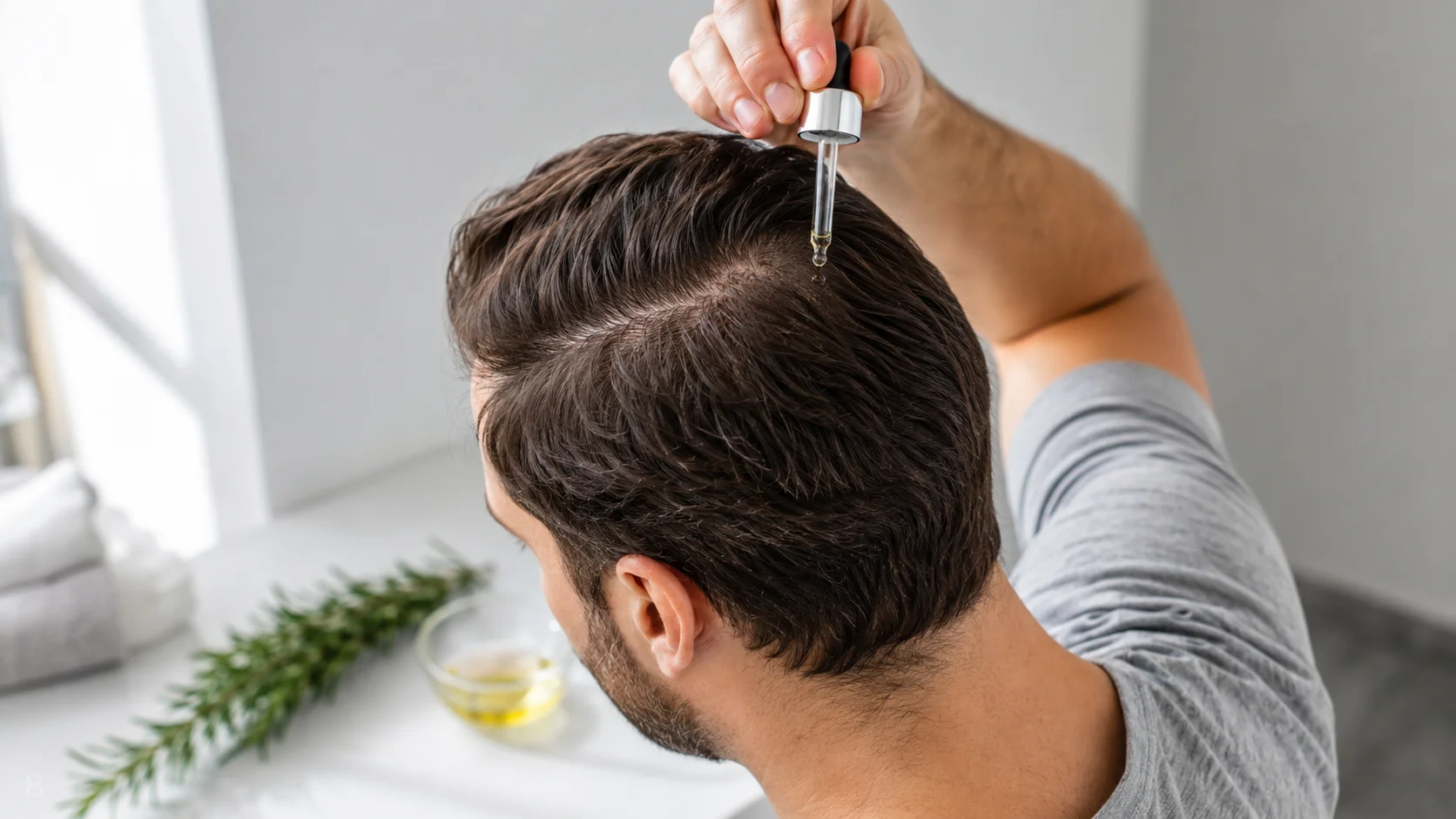
Dihydrotestosterone (DHT) is one of the hormones most closely associated with androgenetic alopecia, commonly known as male and female pattern hair loss. In people who are genetically predisposed, DHT can gradually shrink susceptible hair follicles, leading to shorter growth cycles, finer hairs, and progressive thinning over time. Because of this relationship, many people search for natural ways to reduce DHT activity or support healthier hair growth before considering prescription treatments.
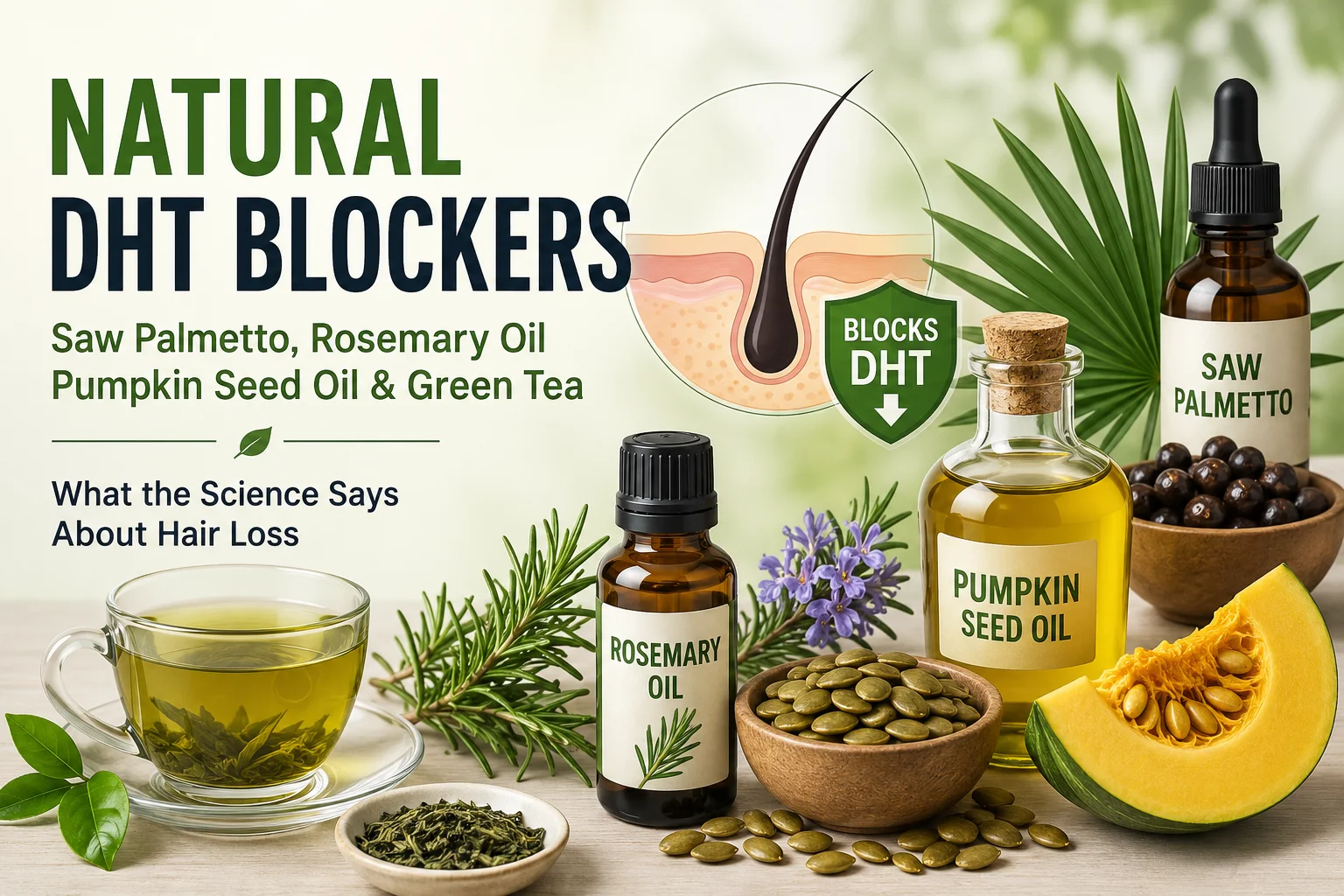
Among the most widely discussed natural DHT blockers are saw palmetto, rosemary oil, pumpkin seed oil, and green tea. These plant-derived ingredients are commonly found in dietary supplements, topical hair products, and scalp care routines. While each has attracted scientific interest, they differ significantly in how they may work and in the strength of the available clinical evidence.
It is important to understand that the phrase "natural DHT blocker" can be misleading. Some ingredients may influence biological pathways related to DHT production, while others primarily support scalp health through antioxidant or anti-inflammatory effects. Supporting healthy hair growth does not necessarily mean directly lowering DHT levels, and current research does not show that any natural ingredient matches the clinical evidence available for approved medications such as finasteride.
Rather than viewing these ingredients as replacements for medical treatment, they are better considered as potential components of a broader hair care strategy. Their effectiveness may vary depending on the cause of hair loss, individual genetics, product quality, and consistency of use.
Understanding the Role of DHT
DHT is produced when the enzyme 5-alpha reductase converts testosterone into dihydrotestosterone. Although DHT plays an important role during normal male development, it can also contribute to progressive hair follicle miniaturization in genetically susceptible individuals.
Hair follicles affected by androgenetic alopecia become increasingly sensitive to DHT over time. Instead of producing thick terminal hairs, they gradually generate thinner, shorter, and less pigmented hairs. As this process continues, overall hair density decreases and visible scalp exposure becomes more noticeable.
Because this mechanism is well understood, many treatments for pattern hair loss aim to reduce the effects of DHT or help follicles continue producing healthier hair. Prescription medications target these pathways directly, while natural ingredients are generally investigated for their potential ability to support similar biological processes through different mechanisms.
Current evidence suggests that several plant-derived compounds deserve scientific attention. However, the quality of evidence varies considerably, and larger clinical trials are still needed for many natural ingredients before firm conclusions can be made.
Saw Palmetto
Saw palmetto (Serenoa repens) is the natural ingredient most commonly associated with DHT reduction. It is extracted from the berries of a small palm tree native to the southeastern United States and has been studied for decades in both prostate health and hair loss research.
Researchers believe that saw palmetto may partially inhibit 5-alpha reductase, the enzyme responsible for converting testosterone into DHT. By reducing this conversion, it may help decrease the hormonal influence on genetically sensitive hair follicles. This proposed mechanism explains why saw palmetto is often described as a natural DHT blocker.
Several clinical studies have investigated oral saw palmetto supplements in people with androgenetic alopecia. Some have reported modest improvements in hair density, hair count, or overall patient satisfaction after several months of continuous use. However, the published evidence remains considerably smaller than the body of research supporting approved medications, and study designs vary widely in dosage, extract composition, and treatment duration.
For this reason, current evidence suggests that saw palmetto may provide benefits for some individuals, but expectations should remain realistic. It should not be considered a proven replacement for prescription therapies, particularly in people with progressive pattern hair loss.
Saw palmetto is generally well tolerated, although some users may experience digestive discomfort, headache, dizziness, or mild hormonal side effects. Because supplements can interact with medications or underlying medical conditions, individuals should consult a qualified healthcare professional before beginning regular use.
Rosemary Oil
Rosemary oil (Rosmarinus officinalis) has become one of the most popular natural ingredients in modern hair care. Unlike saw palmetto, rosemary oil is not primarily recognized as a direct DHT blocker. Instead, research suggests that it may support hair growth through several complementary mechanisms.
Its proposed benefits include antioxidant activity, anti-inflammatory effects, improved scalp circulation, and protection against oxidative stress, all of which may contribute to a healthier environment for hair follicles.
One of the best-known clinical studies compared topical rosemary oil with 2% minoxidil in individuals with androgenetic alopecia. After six months of treatment, both groups experienced improvements in hair count, while participants using rosemary oil reported less scalp itching. Although these findings generated significant interest, the study did not demonstrate that rosemary oil directly lowers DHT levels.
Laboratory research has also explored whether compounds within rosemary may influence androgen-related pathways, but these findings remain preliminary. At present, rosemary oil is better viewed as a natural ingredient that supports overall scalp health rather than one that has been clinically proven to block DHT.
Because rosemary oil is a concentrated essential oil, it should generally be diluted with a carrier oil before being applied to the scalp. Direct application of undiluted essential oils may increase the risk of irritation, redness, or allergic reactions in sensitive individuals.
Pumpkin Seed Oil
Pumpkin seed oil (Cucurbita pepo) has attracted growing attention as another natural ingredient that may support hair health. Rich in phytosterols, essential fatty acids, vitamin E, and antioxidant compounds, it has been investigated for its potential role in maintaining healthy hair follicles and supporting normal scalp function.
Researchers have suggested that certain phytosterols found in pumpkin seed oil may partially influence the activity of 5-alpha reductase, although the exact mechanism has not been fully established. This has led to clinical studies evaluating whether supplementation could benefit individuals with androgenetic alopecia.
One randomized placebo-controlled trial involving men with pattern hair loss found greater improvements in hair count among participants taking pumpkin seed oil over several months. While these findings are encouraging, they should be interpreted cautiously. The number of large, high-quality clinical studies remains limited, and additional research is needed before pumpkin seed oil can be considered an established treatment for hair loss.
Beyond its possible hormonal effects, pumpkin seed oil also provides nutrients that may contribute to overall scalp and hair health. Essential fatty acids help maintain the skin barrier, while antioxidant compounds may reduce oxidative stress that can affect hair follicles over time.
Although pumpkin seed oil is generally considered safe for most healthy adults, dietary supplements should not be viewed as substitutes for a balanced diet or evidence-based medical treatment. Individuals with allergies, chronic medical conditions, or those taking prescription medications should consult a healthcare professional before beginning supplementation.
Green Tea
Green tea (Camellia sinensis) is another natural ingredient frequently mentioned in discussions about DHT and hair loss. It is especially rich in polyphenols, including epigallocatechin gallate (EGCG), a compound that has been extensively studied for its antioxidant and anti-inflammatory properties.
Laboratory research suggests that EGCG may influence several biological pathways involved in hair follicle health. Some experimental studies have also explored whether green tea compounds may affect the activity of 5-alpha reductase, potentially reducing DHT production under laboratory conditions. However, these findings have not yet been consistently confirmed in large human clinical trials.
Green tea may also help protect hair follicles from oxidative stress, which has been proposed as one of the factors involved in hair aging and reduced follicle function. By supporting a healthier scalp environment, green tea may indirectly contribute to healthier hair growth even if its direct effect on DHT remains uncertain.
Drinking green tea as part of a balanced diet is generally considered safe for most people. Concentrated green tea extracts, however, may contain much higher amounts of active compounds and should be used with caution, particularly in individuals with certain medical conditions or those taking medications.
Which Natural DHT Blocker Has the Strongest Evidence?
Among the four ingredients discussed, saw palmetto currently has the strongest body of clinical evidence suggesting a possible effect on DHT-related hair loss. Pumpkin seed oil also has encouraging early research, although the available data remain limited. Rosemary oil has demonstrated promising results for supporting hair growth, but its benefits appear to be related primarily to scalp health rather than direct DHT reduction. Green tea continues to be an active area of research, with most evidence coming from laboratory studies rather than large clinical trials.
Importantly, none of these natural ingredients has demonstrated the same level of scientific evidence as approved prescription medications specifically developed to reduce DHT in androgenetic alopecia. For this reason, natural DHT blockers should be viewed as supportive options rather than proven replacements for established medical therapies.
Bottom Line
Natural DHT blockers such as saw palmetto, rosemary oil, pumpkin seed oil, and green tea continue to attract scientific interest because of their potential to support hair health through hormonal, antioxidant, and anti-inflammatory mechanisms. While some studies have produced encouraging results, the current evidence remains limited compared with established medical treatments for androgenetic alopecia.
To understand why DHT affects some hair follicles more than others, it is helpful to first understand how DHT contributes to hair loss and follicle miniaturization.
People experiencing ongoing hair loss should first seek an accurate diagnosis to determine the underlying cause. Pattern hair loss is only one of many conditions that can lead to thinning hair, and not every type of hair loss is driven by DHT. Natural ingredients may have a role within a comprehensive hair care plan, but they should be used with realistic expectations and, when appropriate, under the guidance of a qualified healthcare professional.