Hair loss is often blamed on genetics, stress, or aging, but behind many cases of progressive thinning lies a specific hormone: dihydrotestosterone, or DHT. DHT is the driving force behind androgenetic alopecia, the most common form of hair loss in both men and women. Understanding what DHT actually is, how it forms in the body, and why it affects some hair follicles and not others helps explain why hair thinning follows the patterns it does, and why some treatments target this hormone directly while others do not.
This article is for general educational purposes and is not a substitute for a diagnosis or treatment plan from a qualified physician or dermatologist.
This guide covers what DHT is, how it forms, why certain hair follicles are vulnerable to it, how DHT behaves differently on the scalp versus elsewhere in the body, what role genetics plays, and how DHT relates to treatments already covered in depth elsewhere on this site.
What Is DHT?
DHT is an androgen, a type of hormone that plays a central role in male sexual development. It is significantly more potent than testosterone at binding to androgen receptors in the skin and hair follicles, which is precisely what makes it so influential in hair loss. DHT contributes to normal processes such as facial and body hair growth, voice deepening during puberty, and prostate development. The same hormone that helps grow a beard can, in genetically susceptible people, shrink the hair follicles on the scalp. This dual nature is one of the more counterintuitive aspects of hormonal hair loss, and it is why DHT cannot simply be labeled "bad" in a blanket sense. Its effects depend heavily on location on the body and on the genetic makeup of the follicles it interacts with.
Testosterone-to-DHT Conversion
DHT does not exist independently in the body from the start. It is produced when testosterone is converted by an enzyme called 5-alpha reductase. This conversion happens in various tissues, including the skin, scalp, prostate, and hair follicles themselves. Because the conversion can occur locally, right at the hair follicle, a person does not necessarily need unusually high testosterone levels to experience DHT-related hair loss. What matters more is how efficiently their body converts testosterone into DHT, and how their follicles respond once that conversion happens. This is a key reason why blood testosterone levels alone are a poor predictor of who will experience pattern hair loss.
The Role of 5-Alpha Reductase
5-alpha reductase is the enzyme responsible for the testosterone-to-DHT conversion described above. There are multiple isoforms of this enzyme distributed across different tissues, and their activity levels vary from person to person, which partly explains why DHT sensitivity differs so much across individuals. This enzyme is also the target of a well-established class of medications: 5-alpha reductase inhibitors. For a deeper, dedicated look at how these medications work in practice, see our complete guide to finasteride and hair loss, which walks through dosing, timelines, and side-effect considerations in detail.
Androgen Receptors and Follicle Sensitivity
DHT itself does not cause hair loss simply by existing in the body. It has to bind to androgen receptors located within the hair follicle for its effects to take hold. The number and sensitivity of these receptors is largely determined by genetics, and this is why two people can have similar circulating DHT levels yet experience completely different outcomes for their hair. A follicle with low receptor sensitivity may tolerate DHT with little visible effect for decades, while a follicle with high receptor sensitivity, often concentrated at the hairline, temples, and crown, can begin miniaturizing relatively early in adulthood. This receptor-driven sensitivity, rather than DHT concentration alone, is considered the central mechanism behind why hair loss follows such a distinct and often predictable pattern on the scalp.
Scalp DHT vs. Systemic DHT
It is worth distinguishing between DHT activity in the scalp and DHT circulating throughout the rest of the body. Local, scalp-level DHT activity, driven by 5-alpha reductase enzymes present in the skin and follicles themselves, appears to be more directly relevant to hair loss than total systemic DHT measured in the bloodstream. This distinction matters because it means a person's overall hormone panel does not always tell the full story of what is happening at the follicular level. Two people with nearly identical systemic hormone profiles can still have very different scalp-level enzyme activity and receptor sensitivity, leading to different rates of thinning.
The Role of Genetics
Androgenetic alopecia is a polygenic condition, meaning it is influenced by multiple genes rather than a single inherited trait. These genes affect factors such as androgen receptor density, 5-alpha reductase activity, and how individual follicles respond over time to repeated DHT exposure. Family history from either the maternal or paternal side can be relevant, which is why the old idea that hair loss is inherited only "from the mother's side" is an oversimplification. According to research indexed on PubMed, variations near the androgen receptor gene are among the most consistently identified genetic factors associated with pattern hair loss, though researchers have also identified numerous other contributing genetic regions, underscoring that no single gene fully determines outcome.
Miniaturization: How Follicles Shrink
The visible result of chronic DHT exposure in sensitive follicles is a process called miniaturization. Over repeated hair growth cycles, DHT-affected follicles spend progressively less time in the anagen, or active growth, phase and more time in the resting and shedding phases. Each new hair produced by the follicle tends to grow back thinner, shorter, and less pigmented than the one before it. Over years, this cycle can continue until the follicle produces only fine, vellus-like hairs, or in advanced cases, stops producing visible hair altogether. Miniaturization is typically gradual, which is part of why early-stage hair loss can be difficult to notice without close attention, and why intervention earlier in this process tends to have more visible impact than intervention after follicles have been miniaturizing for many years.
DHT in Men vs. Women
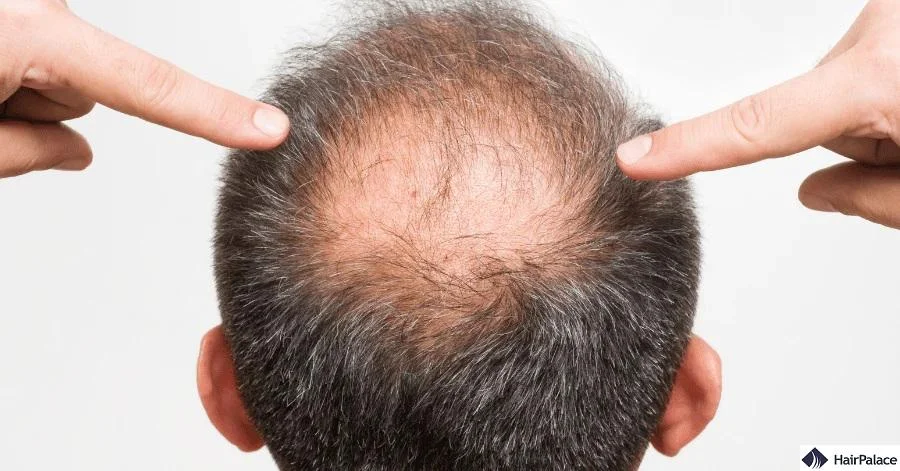
The role of DHT in hair loss is well documented in men, where it typically produces a recognizable pattern starting at the temples or crown and progressing according to the Norwood scale. In women, the picture is more complex. Women have far lower testosterone levels than men to begin with, yet DHT and other androgens can still play a meaningful role in female pattern hair loss, particularly around hormonal transitions such as perimenopause and menopause, or in the context of conditions like polycystic ovary syndrome. Female hair loss driven by androgens also tends to present differently, more often as diffuse thinning across the crown with a preserved hairline, rather than the receding pattern typical in men. Because the hormonal picture in women involves additional factors like estrogen fluctuation, this topic deserves its own dedicated treatment; see Does DHT Cause Hair Loss in Women? for a full discussion of the evidence and nuances specific to female pattern hair loss.
The Limitations of DHT Blood Testing
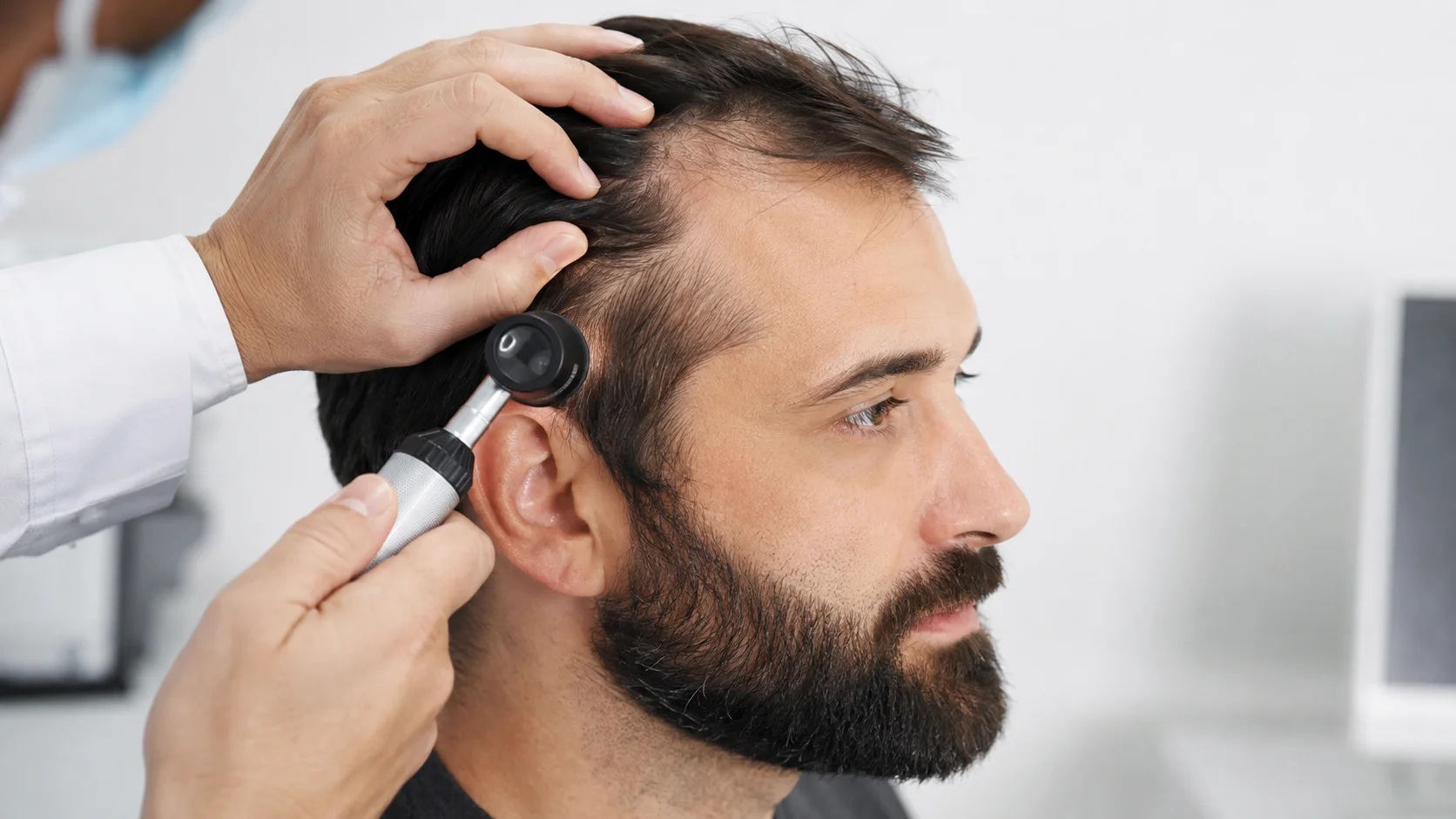
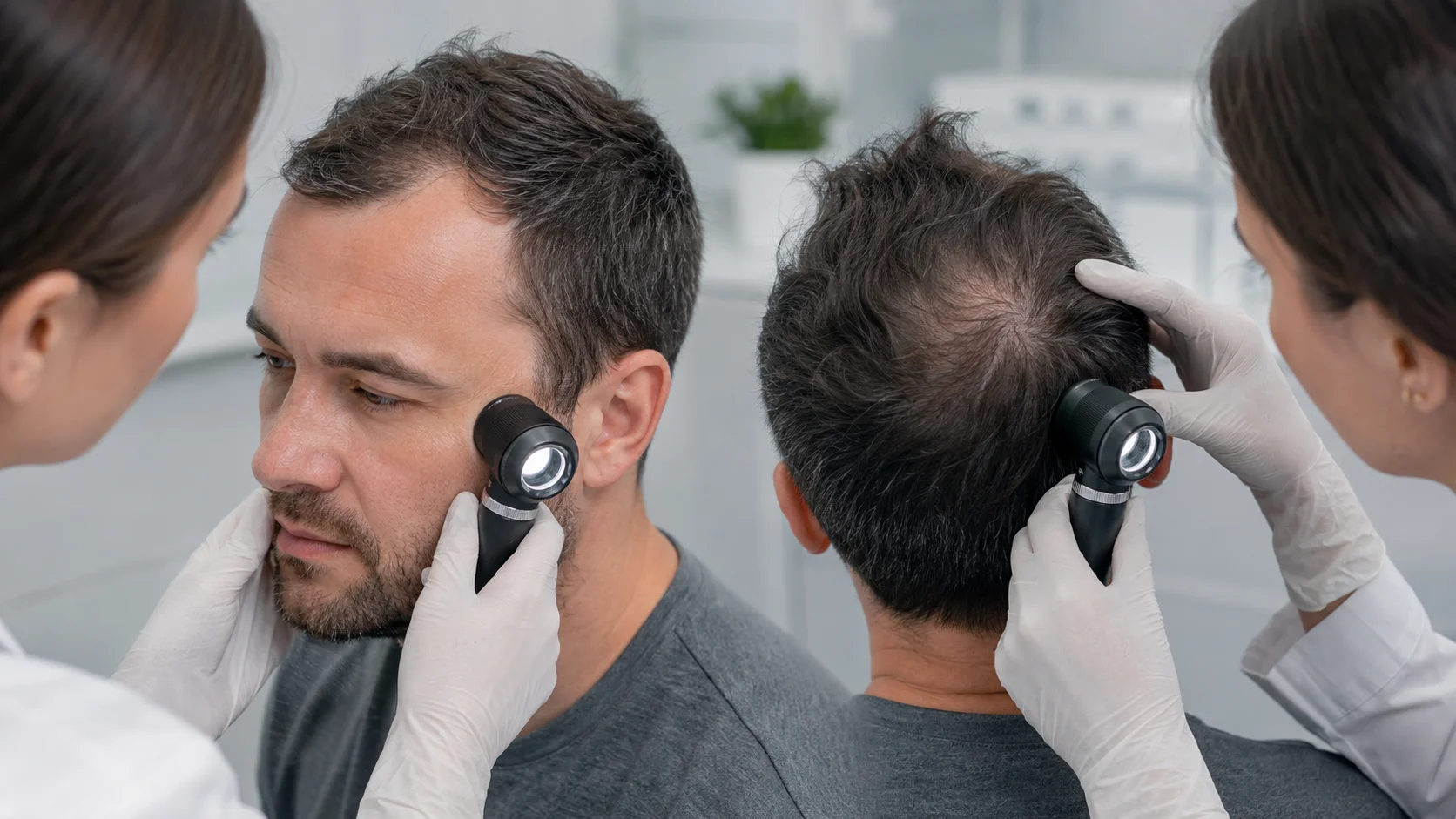
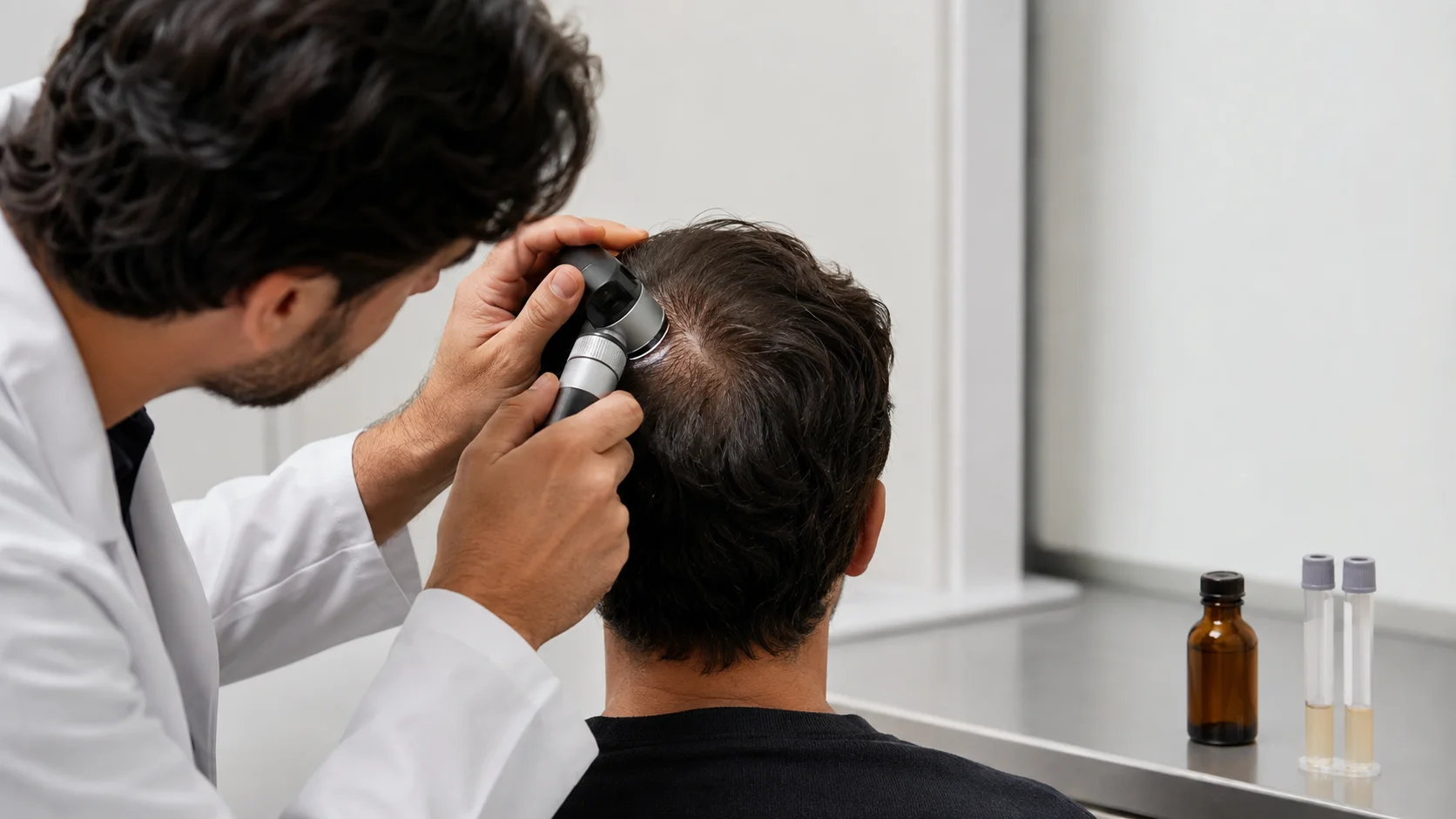
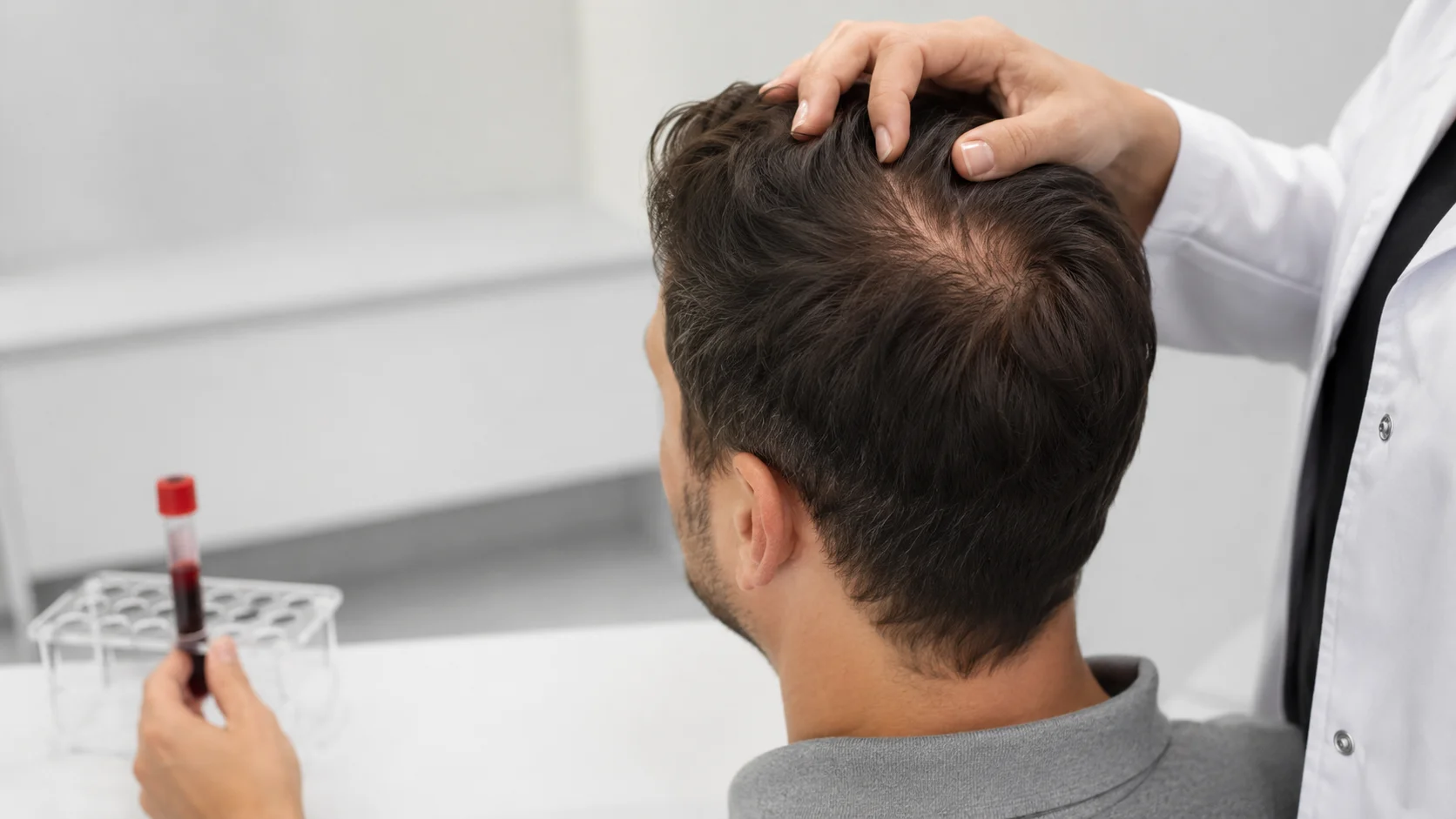
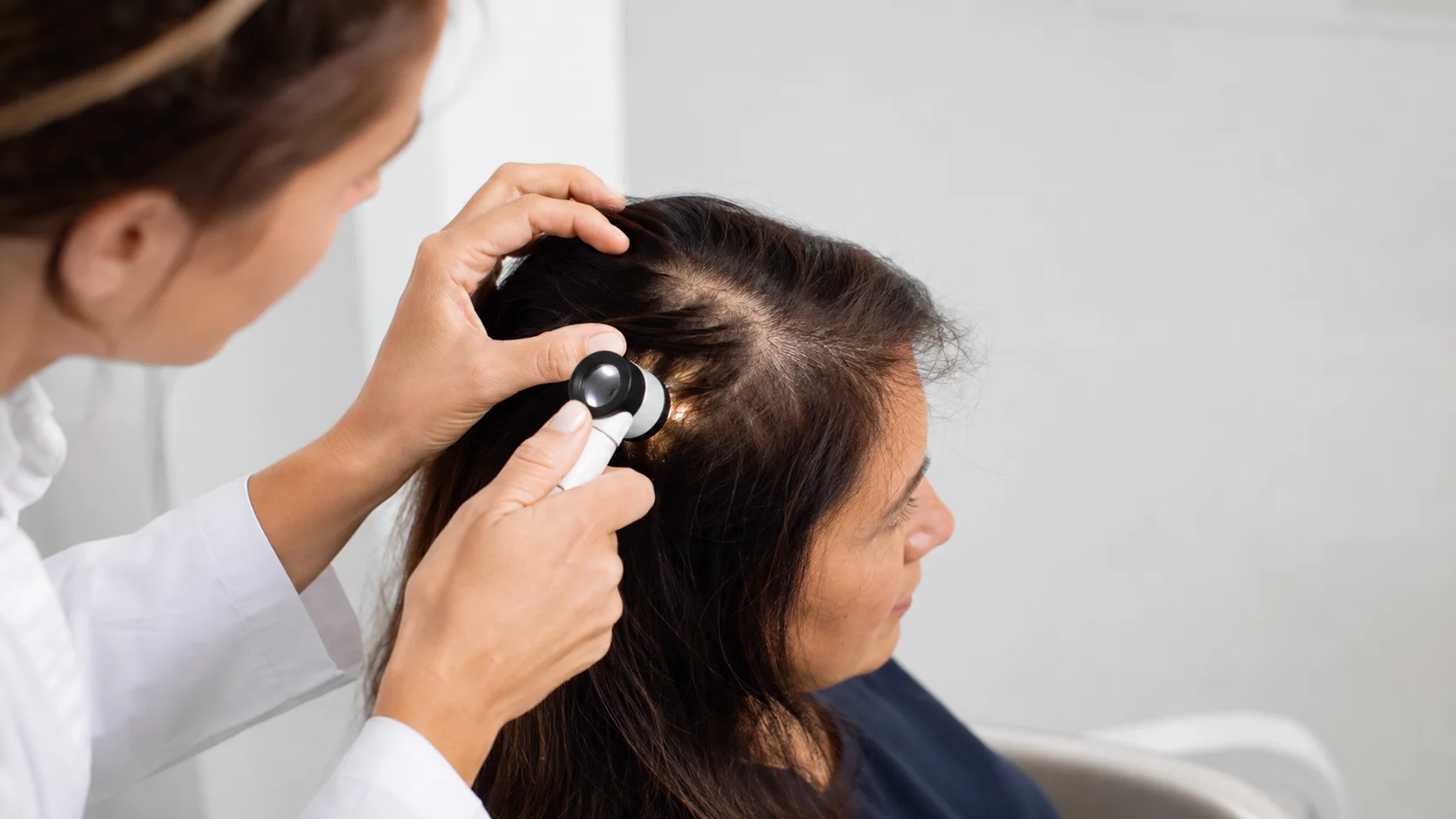
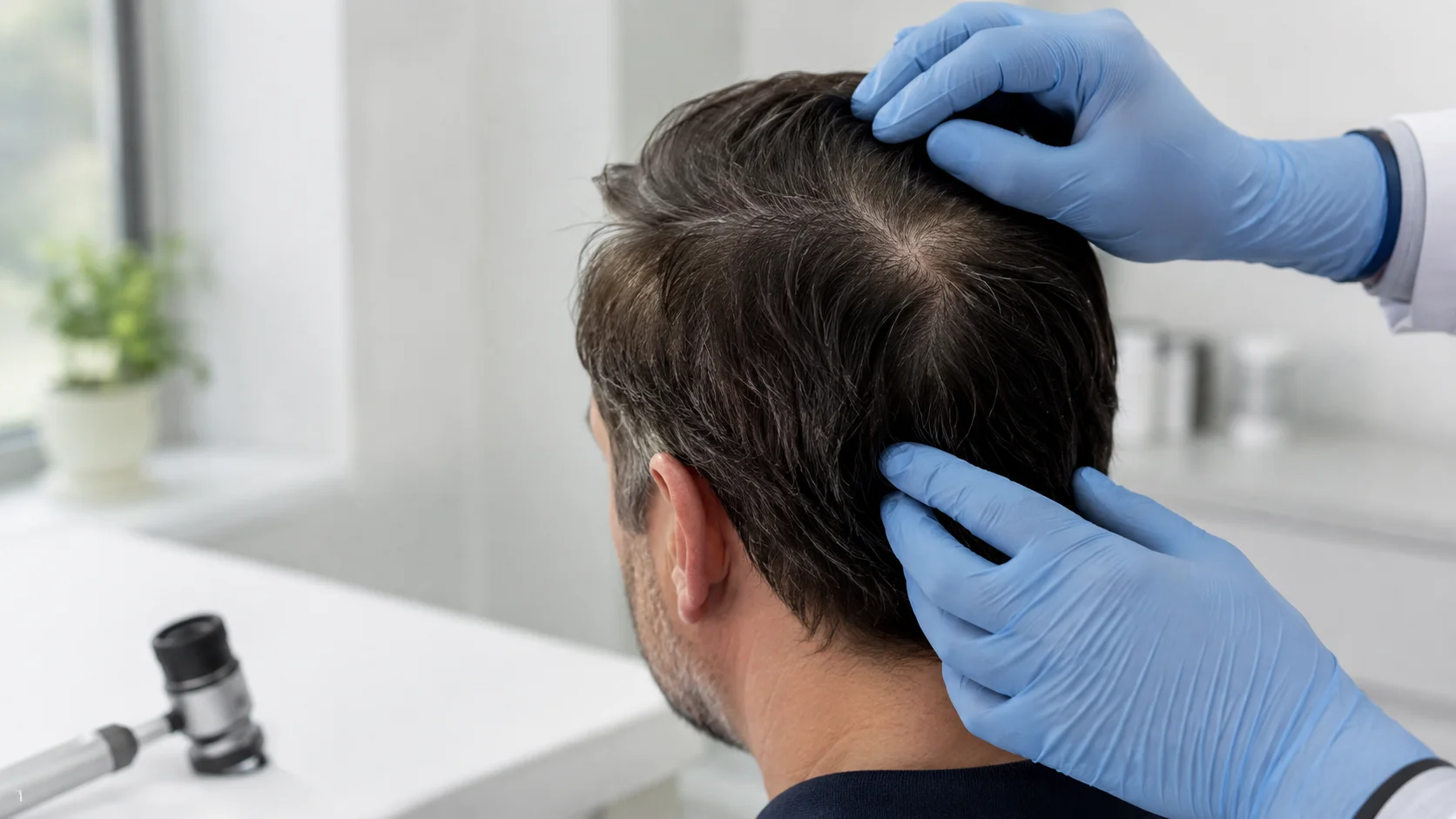
Given how central DHT is to this conversation, it is natural to wonder whether a simple blood test can tell someone whether they are at risk. In practice, DHT blood testing has real limitations. Circulating DHT levels measured in serum do not necessarily reflect the local enzyme activity and receptor sensitivity happening at the scalp, which, as discussed above, appears to matter more than systemic levels. Two people with nearly identical blood DHT readings can have very different hair loss trajectories. Testing methodology can also vary between labs, and there is no widely agreed-upon "normal" DHT range that reliably predicts hair loss risk. For these reasons, DHT blood tests are generally more useful in specific clinical contexts, such as monitoring response to 5-alpha reductase inhibitor therapy, than as a standalone diagnostic or predictive tool for hair loss. A visual scalp examination, family history, and pattern of thinning typically provide more clinically useful information than a DHT blood level in isolation.
How Treatments Relate to DHT
Because DHT plays such a central role in androgenetic alopecia, many established and emerging treatments work by intervening somewhere in this pathway. The most well-studied pharmaceutical approach lowers DHT production directly by inhibiting the 5-alpha reductase enzyme; our finasteride guide covers this mechanism, along with realistic expectations and safety considerations, in depth. Hormonal context also matters beyond finasteride: individuals undergoing testosterone replacement therapy can see accelerated hair thinning in genetically susceptible follicles, since supplemental testosterone provides more substrate for conversion into DHT; we explore this relationship separately in Can TRT Cause Hair Loss? Understanding Testosterone Replacement Therapy and DHT. Some people also look toward gentler, non-prescription approaches, including certain plant-derived compounds studied for their potential to modestly influence DHT-related pathways; our overview of natural DHT blockers, including saw palmetto, rosemary oil, pumpkin seed oil, and green tea, walks through what the evidence does and does not support for each. It's also worth noting that not every hair follicle responds to DHT the same way, even on the same scalp; this is part of why hair transplanted from the back and sides of the head, which is naturally less sensitive to DHT, tends to keep growing long after surrounding hair has thinned, a phenomenon explained further in Why Is Donor Hair More Resistant to DHT?
Common Myths About DHT
Myth: Washing your hair increases DHT production. Shampooing does not affect hormone production or conversion in the body. Hair loss noticed after washing is typically shed hair that was already in the resting phase and simply became dislodged during the process, not hair loss caused by the washing itself.
Myth: Wearing hats causes DHT-related hair loss. There is no credible mechanism by which hats restrict blood flow enough to meaningfully affect follicle health or hormone activity. This myth likely persists because hat-wearers may simply notice existing thinning more once they remove a hat and see their scalp more clearly.
Myth: Natural oils and topical products can permanently block DHT. Some natural compounds have shown modest effects on DHT pathways in limited studies, but "permanently blocking" DHT with a topical oil is not supported by the current evidence. Effects, where they exist, tend to be mild and require consistent, ongoing use rather than a one-time application.
Myth: High testosterone always means high DHT and faster hair loss. Total testosterone level is only one variable. Local 5-alpha reductase enzyme activity and androgen receptor sensitivity at the follicle matter more than circulating testosterone alone, which is why hair loss severity does not correlate neatly with testosterone levels between individuals.
Myth: If you have high DHT, hair loss is inevitable and untreatable. Genetic sensitivity influences risk, but it does not guarantee an outcome, and it does not mean nothing can be done. Several treatment approaches, from prescription options to lifestyle and topical interventions, can slow or in some cases partially reverse early-stage miniaturization.
Frequently Asked Questions
What does DHT stand for?
DHT stands for dihydrotestosterone, an androgen hormone produced when testosterone is converted by the enzyme 5-alpha reductase.
Does everyone with high DHT lose hair?
No. Hair loss depends heavily on genetic androgen receptor sensitivity at the hair follicle, not simply on how much DHT is present in the body. Two people with similar DHT levels can have very different outcomes.
Can women experience DHT-related hair loss?
Yes. While the mechanism is better documented in men, androgens including DHT can contribute to female pattern hair loss, especially around hormonal transitions. See our dedicated article on DHT and hair loss in women for more detail.
Can a DHT blood test tell me my hair loss risk?
Not reliably on its own. Circulating DHT levels do not always reflect local scalp enzyme activity and receptor sensitivity, which appear to matter more for hair loss than systemic hormone levels.
Is DHT-related hair loss reversible?
Early-stage miniaturization can often be slowed and sometimes partially reversed with appropriate treatment, particularly when addressed before follicles have miniaturized for many years. Advanced follicle loss is harder to reverse.
Does lowering DHT always stop hair loss?
Not always, and results vary by individual and by how far miniaturization has already progressed. We cover this question in more depth in Does Lowering DHT Always Stop Hair Loss?
Final Thoughts
DHT is not inherently harmful; it is a normal and even necessary hormone for male development and other bodily functions. Its connection to hair loss comes down to a specific interaction: genetically sensitive follicles responding to local DHT exposure through a gradual miniaturization process. Understanding this mechanism, rather than DHT in isolation, is what makes it possible to interpret hair loss patterns correctly and to evaluate treatment options with realistic expectations. If you are noticing progressive thinning, a strong family history, or early-onset hair loss, our general guide to hair loss is a good starting point for understanding the broader landscape of causes and next steps, alongside the more specific resources on finasteride, natural DHT blockers, and hormone-related hair loss linked throughout this article.