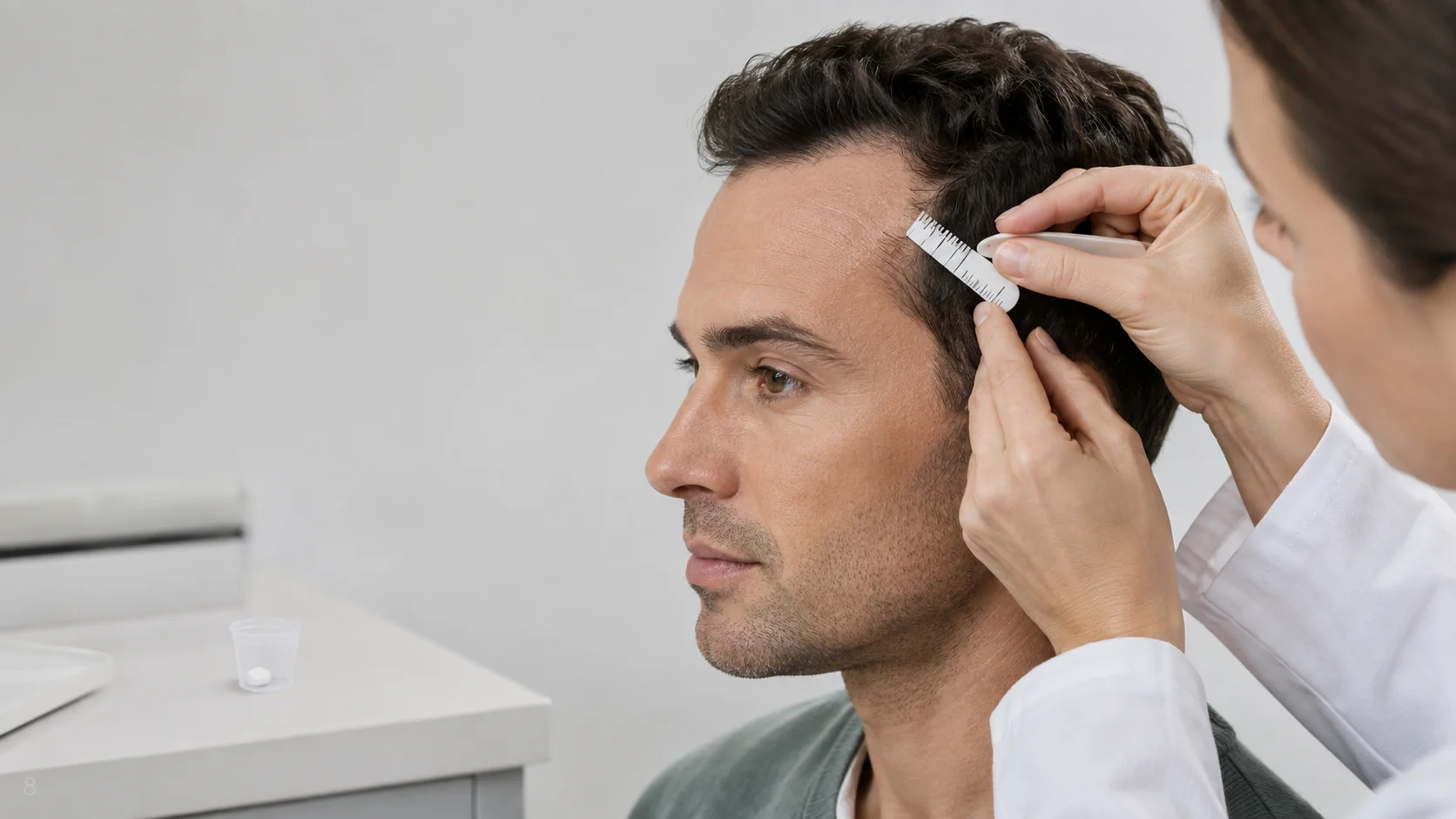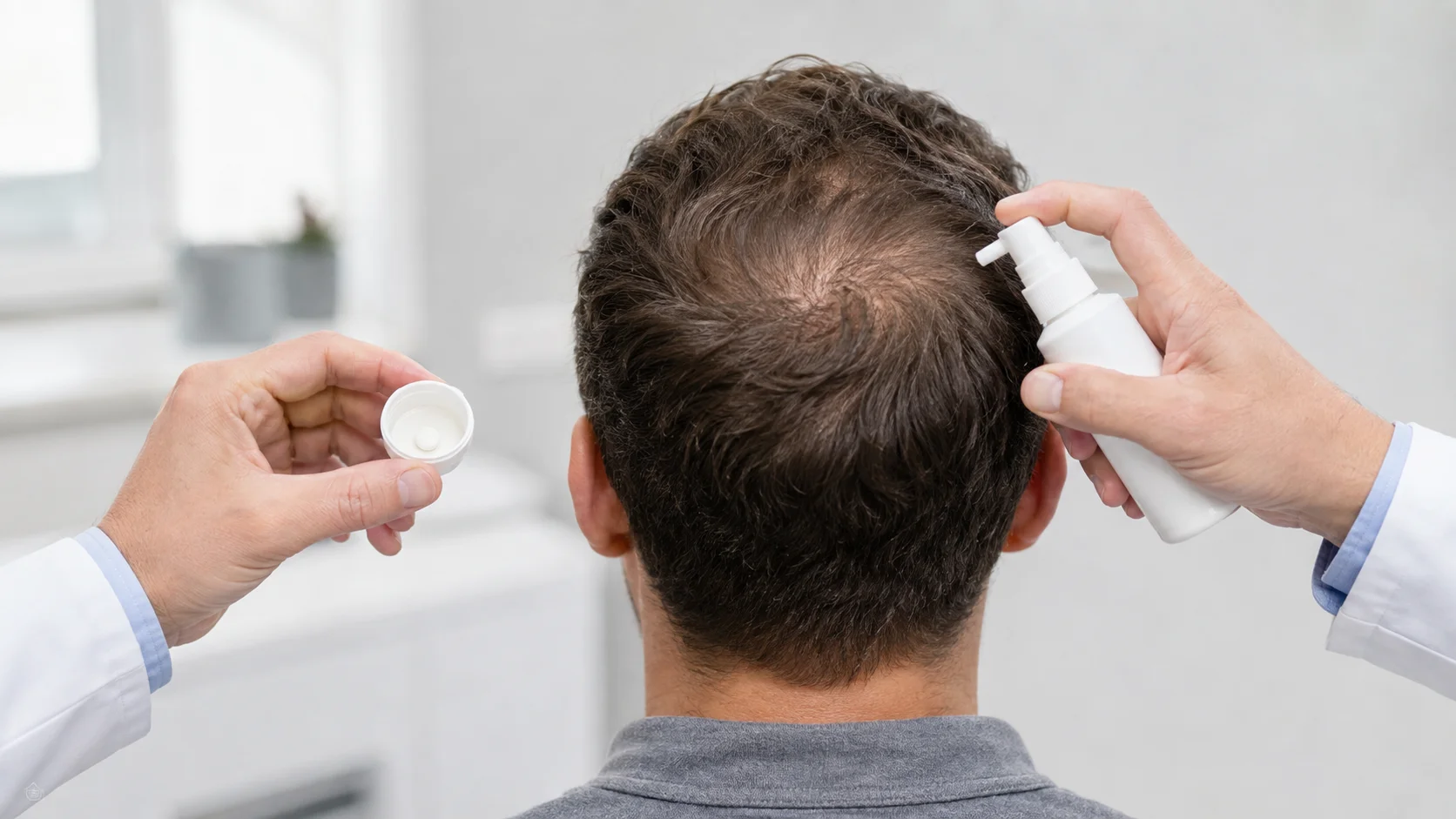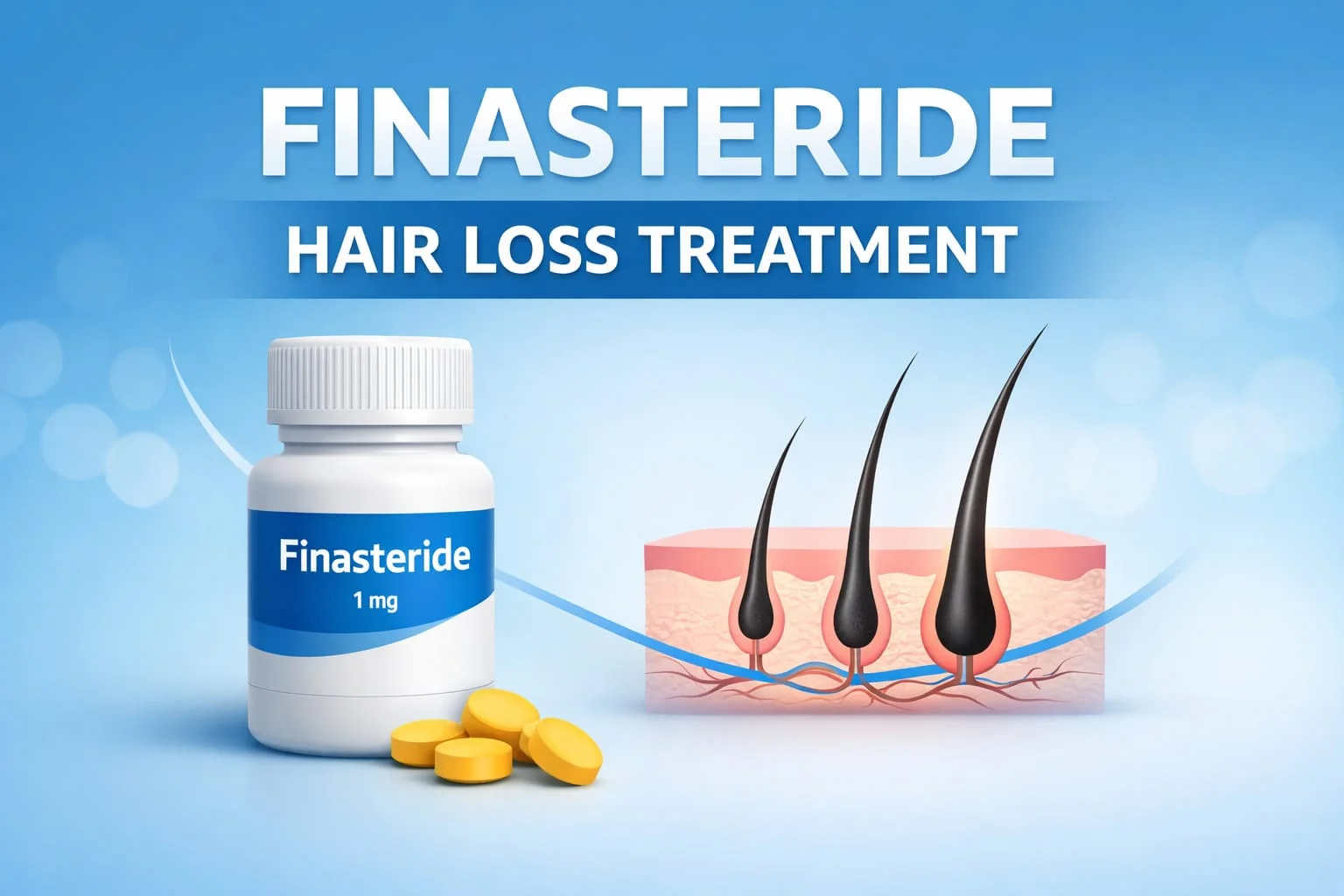
What is Finasteride? Does Finasteride Stop Hair Loss?
One of the most frequently researched treatments by men experiencing hair loss is the use of Finasteride. Especially common among those with male pattern hair loss, this medication attracts attention due to its potential to slow down hair loss and, in some cases, increase hair density.
It is an FDA-approved medication for hair loss treatments.
So what exactly is Finasteride?
How does it work?
Does it regrow hair?
What are its side effects?
In this article, we will look at the most frequently asked aspects of Finasteride.
What is Finasteride?
Finasteride is a prescription medication used in the treatment of male pattern hair loss, also known as androgenetic alopecia.
Its main effects:
- Reduce the DHT hormone
- Slow down the shrinking of hair follicles
- Protect and strengthen existing hair
Finasteride is also used in the treatment of prostate enlargement, but the dosage for hair loss is usually lower. For prostate treatment, 5 mg/day is used.
How Does Finasteride Work?
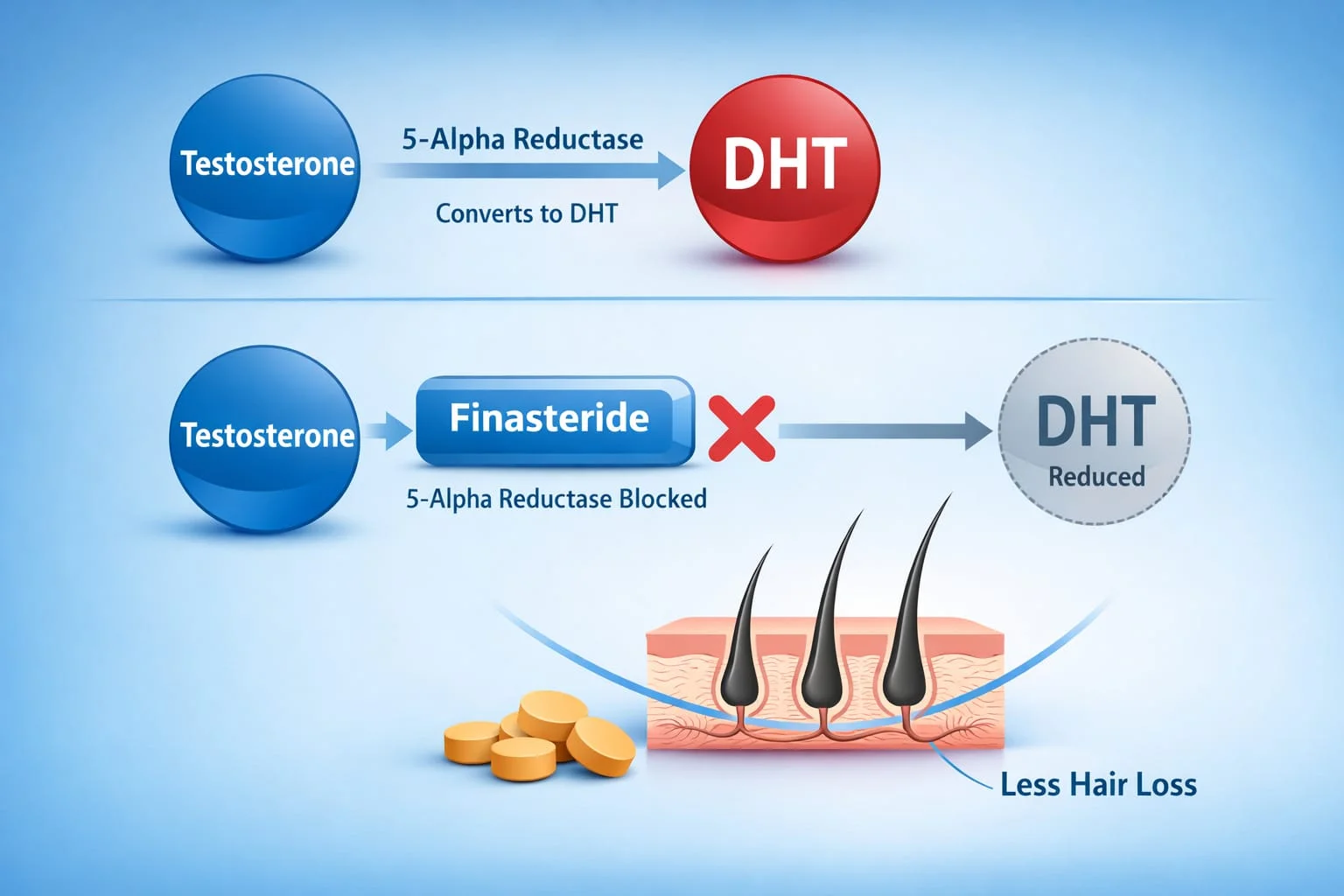
One of the main causes of male pattern hair loss is the DHT hormone.
DHT:
- Is formed from testosterone
- Gradually shrinks hair follicles
- Thins hair strands
- Shortens the hair growth cycle
Finasteride helps lower DHT levels by reducing the effect of the 5-alpha reductase enzyme.
Thus:
- Hair loss may slow down
- Existing hair may be preserved
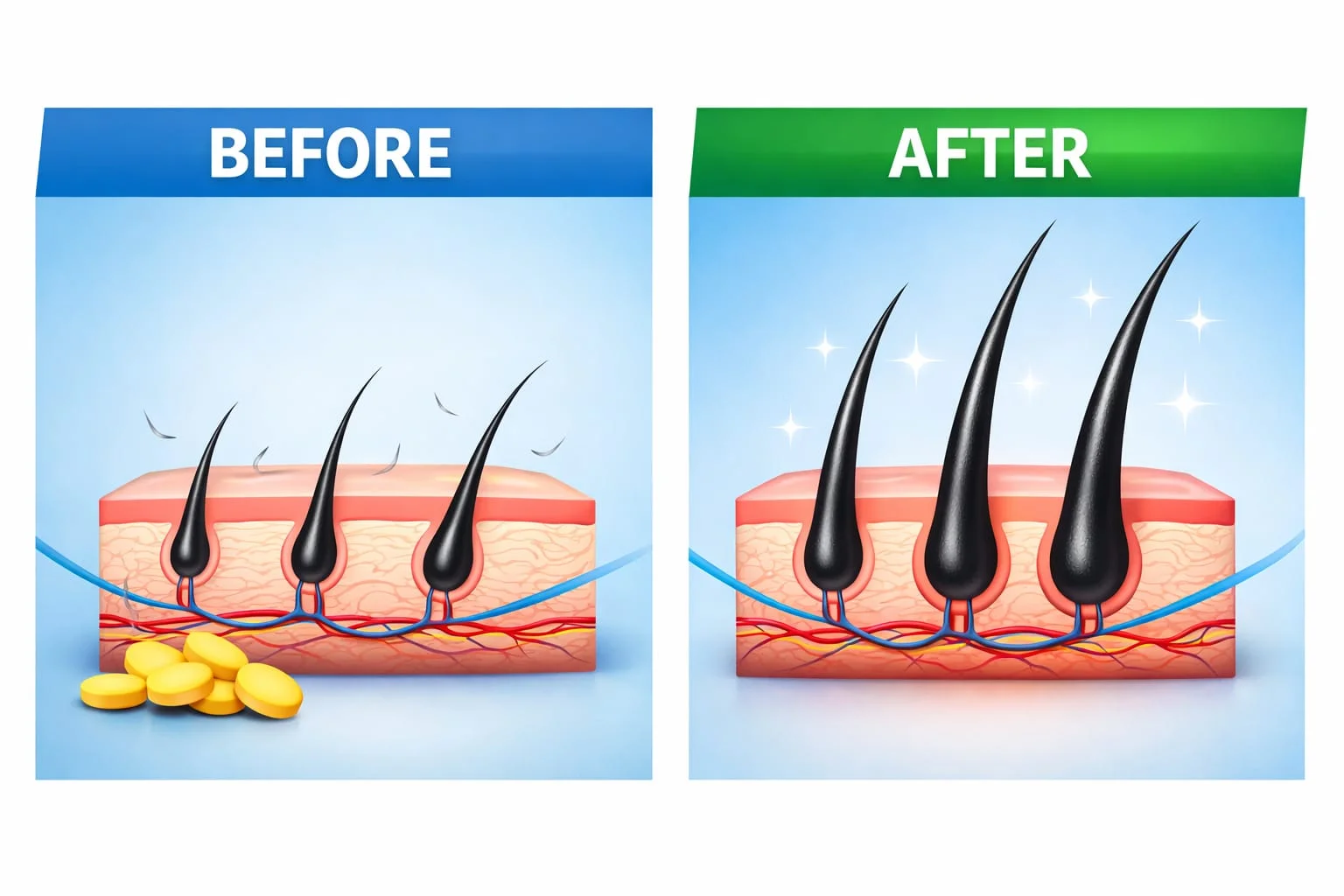
- Hair thickness may increase in some individuals
Does Finasteride Regrow Hair?
This varies from person to person.
The main purpose of Finasteride:
- To protect existing hair
However, in some individuals:
- Thinned hair strands may thicken
- Hair density may increase
- Miniaturized hairs may strengthen
Success rates are higher especially when treatment begins early.
Who is Finasteride Suitable For?
Generally preferred by:
- Men with male pattern hair loss
- Those with thinning at the crown area
- Individuals experiencing hair thinning
- Those who want to protect existing hair after a hair transplant
How Long Does Finasteride Take to Show Effect?
For most users:
- Reduction in hair loss within the first 3–4 months
- Noticeable results between 6–12 months
- Maximum effect after 1 year
Patience is very important in hair treatments.
What Are the Side Effects of Finasteride?
The most discussed topic about Finasteride is its side effects.
Possible side effects:
- Decreased libido
- Erectile problems
- Reduced semen volume
- Sensitivity changes
- Rarely mood changes
However, these side effects do not occur in everyone, and most users are able to take the medication without any noticeable issues.
Clinical experience shows that in the majority of cases, sexual side effects improve or resolve after the medication is discontinued. This is the pattern seen in most users who experience them.
That said, this is not an absolute guarantee for everyone. A small subset of users have reported that certain symptoms continued even after stopping Finasteride — sometimes referred to as post-finasteride syndrome (PFS). The FDA has updated Finasteride's prescribing label to note reports of persistent erectile dysfunction after discontinuation of the drug.
It's important to understand the difference between a reported adverse event and proven causation. Regulatory bodies collect these reports because patients experienced the symptoms while using or after using the drug, but this does not by itself establish that Finasteride caused the ongoing symptoms in every reported case — other medical, psychological, or unrelated factors can also play a role, and research into the incidence and underlying mechanism of persistent symptoms is still ongoing and not yet fully conclusive.
In short: for most people, side effects are temporary and resolve after stopping the medication, but a small number of users have reported symptoms that persisted, and this possibility should be discussed honestly with a doctor before starting treatment.
If side effects occur — during use or after discontinuation — a doctor's evaluation is necessary.
Is Finasteride a Permanent Solution?
No.
Finasteride remains effective only while being used. Once discontinued:
- DHT rises again
- Hair loss may resume
- Some of the gained hair may be lost
Therefore, treatment is planned long-term.
Finasteride and Hair Transplant
Many individuals who undergo hair transplantation use Finasteride to:
- Protect existing hair
- Slow down hair loss
- Stabilize areas outside the transplant zone
Medical treatment can be especially important for younger patients undergoing hair transplantation.
What is Topical Finasteride?
In recent years, topical forms of Finasteride (lotion/spray) have become popular. Side effect risks are lower.
Purpose:
- Create a local effect
- Reduce systemic side effect risks
However, product quality and content standardization are very important.
What Should Be Considered When Using Finasteride?
- Must be used under doctor supervision
- Regular follow-up is important
- Expectations should be realistic
- Patience is necessary
- Expert opinion should be sought if side effects occur, including any symptoms that continue after stopping the medication
Conclusion
Finasteride is one of the most commonly used medical treatments for male pattern hair loss.
In the right patient:
- It can slow down hair loss
- Protect existing hair
- Increase hair density in some cases
As with any treatment, personal evaluation and expert follow-up are crucial.
Success rates are much higher especially when treatment begins early.
Finasteride works specifically by targeting the process described in how DHT causes hair loss.