Lowering DHT can substantially slow androgenetic alopecia, but it does not always stop hair loss completely. Response depends on whether DHT-related miniaturization is the correct diagnosis, how much viable hair remains, how consistently treatment is used, and whether another shedding condition is occurring at the same time.
A lower serum DHT number is evidence of a drug effect, not proof that every follicle will recover or that all shedding will end.
DHT Reduction Treats One Hair-Loss Pathway
DHT is a central driver of male androgenetic alopecia and can contribute to pattern hair loss in some women. Reducing its production decreases androgen-receptor stimulation in susceptible follicles.
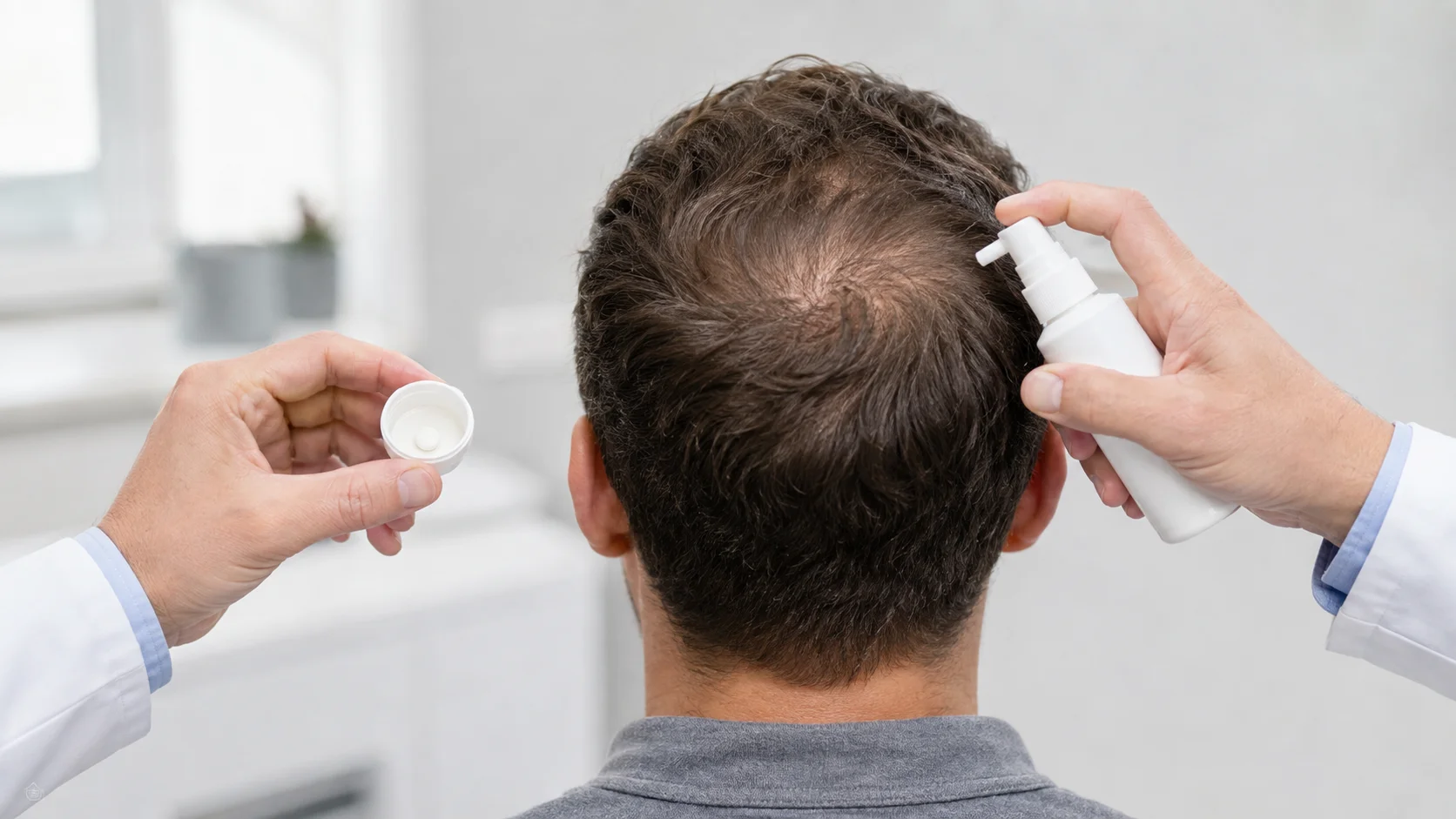
Finasteride primarily inhibits type 2 5-alpha reductase. Dutasteride inhibits type 1 and type 2 and usually suppresses DHT more strongly. Both can slow miniaturization in appropriate patients.
Neither medication directly stimulates every aspect of hair growth. They reduce an ongoing negative signal rather than manufacturing new follicles.
Stabilization May Be the Main Success
Many people expect a DHT-lowering treatment to create obvious new hair. Its most valuable effect may instead be preventing or delaying additional loss.
If density remains similar for several years while untreated androgenetic alopecia would have progressed, the treatment has achieved a meaningful result. This can be difficult to appreciate without baseline photographs.
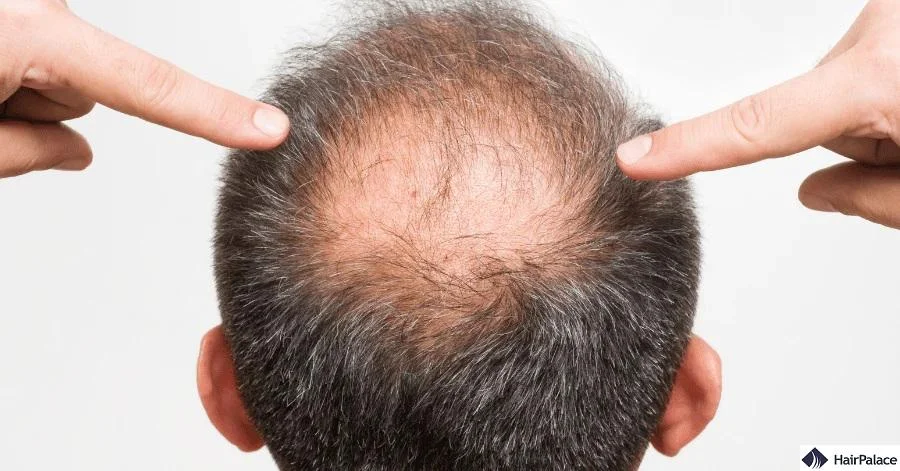
Visible regrowth is more likely in recently miniaturized areas than in smooth, long-standing bald regions.
Why Some Follicles Do Not Recover
Miniaturization progresses across repeated cycles. Early in the process, a follicle may still produce a fine hair that can potentially thicken. With advanced changes, its capacity for substantial recovery declines.
Hair loss may continue to look unchanged because:
- The follicles were severely miniaturized before treatment
- The treatment began after extensive density was lost
- The hairline responds less dramatically than the crown
- Regrowth is too modest to overcome the existing cosmetic deficit
- Normal aging continues to affect hair characteristics
Reducing DHT cannot create new follicles in an established bald area.
The Diagnosis May Be Wrong or Incomplete
DHT-lowering medication treats androgen-related miniaturization. It does not directly treat:
- Telogen effluvium
- Iron deficiency
- Thyroid disease
- Alopecia areata
- Traction alopecia
- Scarring alopecia
- Fungal infection
- Hair-shaft breakage
- Chemotherapy-related loss
- Active inflammatory scalp disease
A person can also have androgenetic alopecia and telogen effluvium simultaneously. DHT reduction may be protecting pattern-sensitive follicles while another trigger causes temporary shedding.
Serum DHT Does Not Equal Scalp Response
A medication can lower serum DHT substantially without producing the same clinical response in every person. Local scalp metabolism, androgen-receptor sensitivity, genetic variation, growth-factor signaling, and follicle viability influence the outcome.
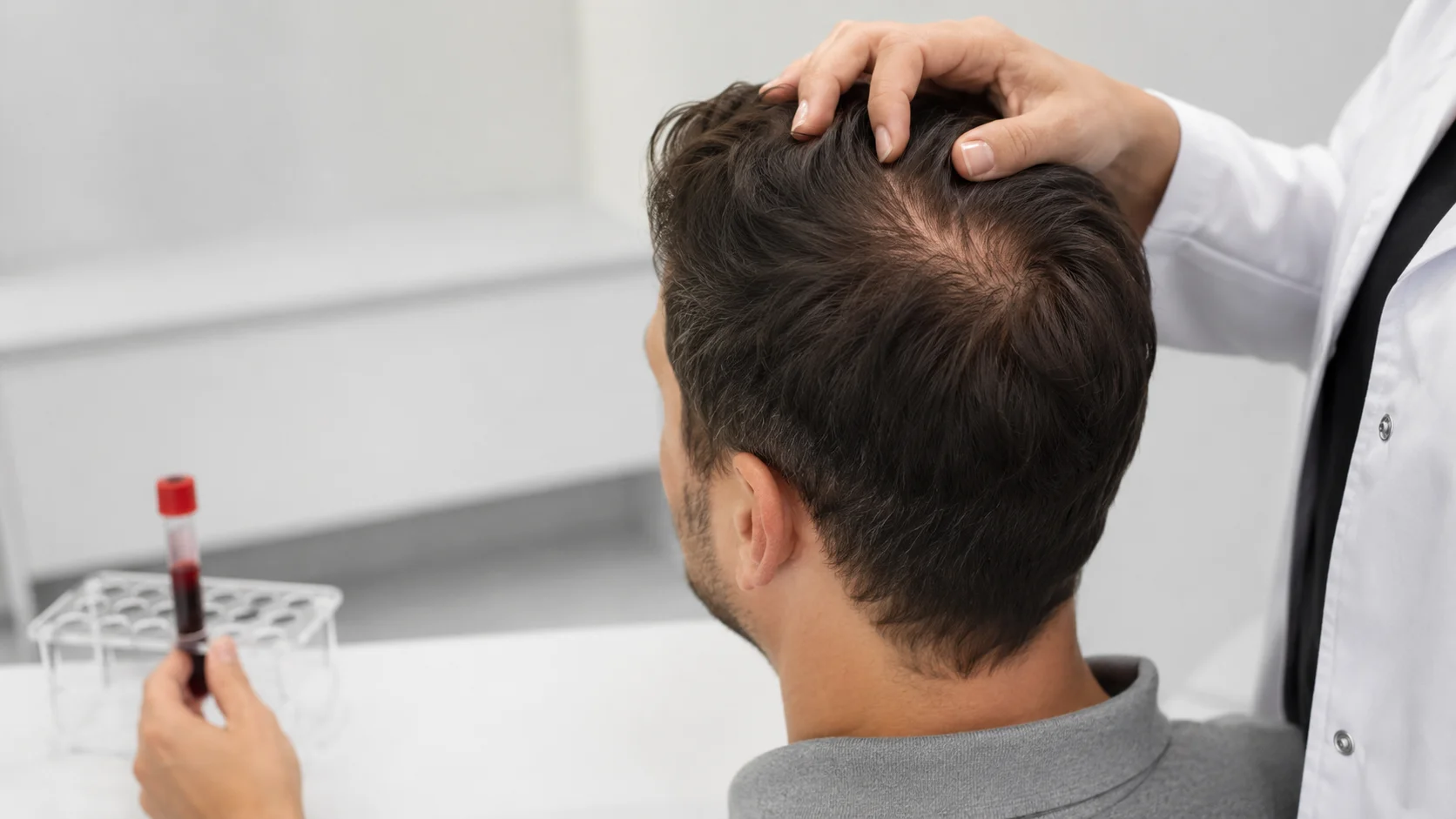
DHT measurements are therefore poor stand-alone markers of hair success. A person with very low serum DHT may still show limited regrowth, while another may stabilize well without measuring levels at all.
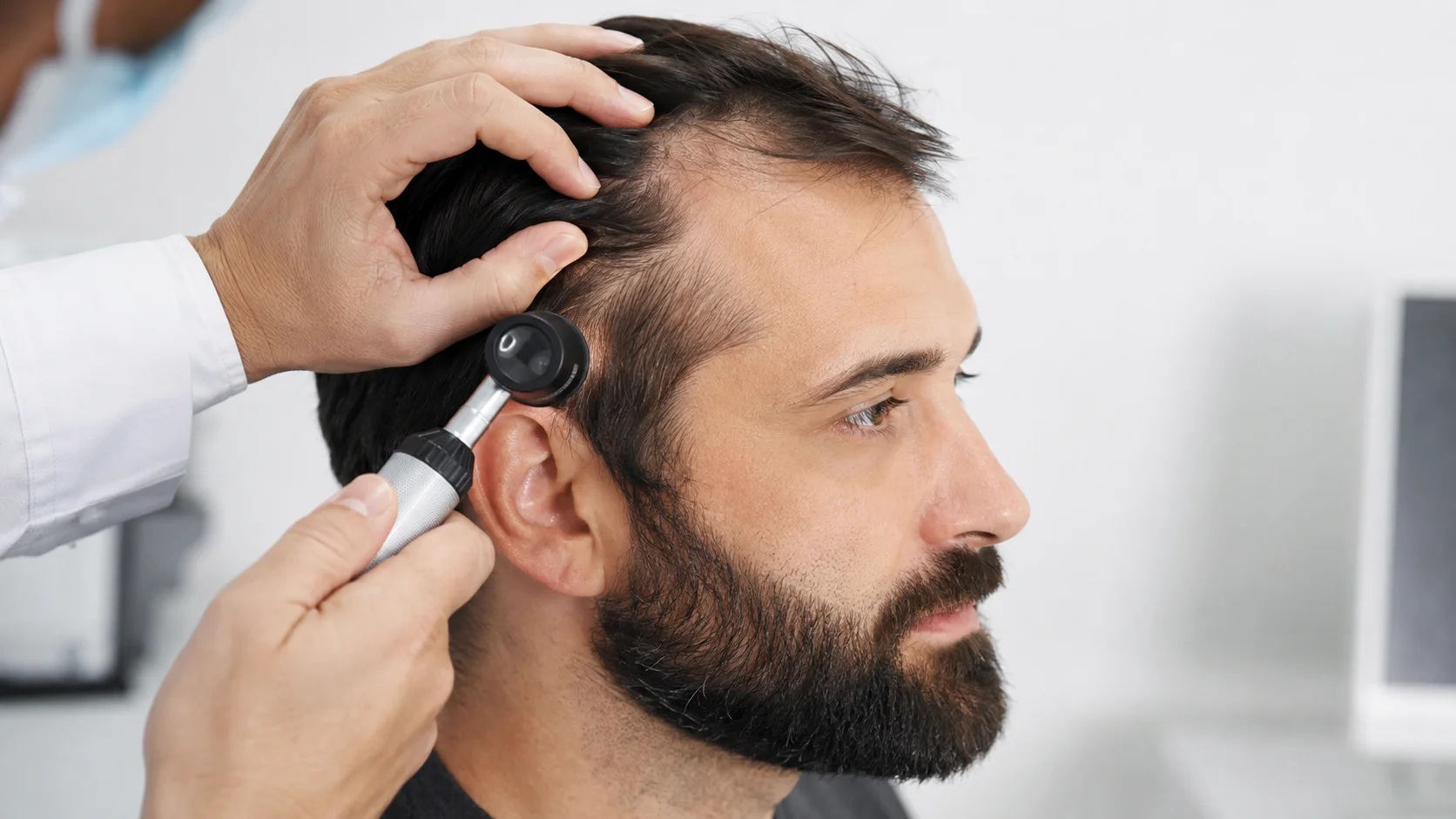
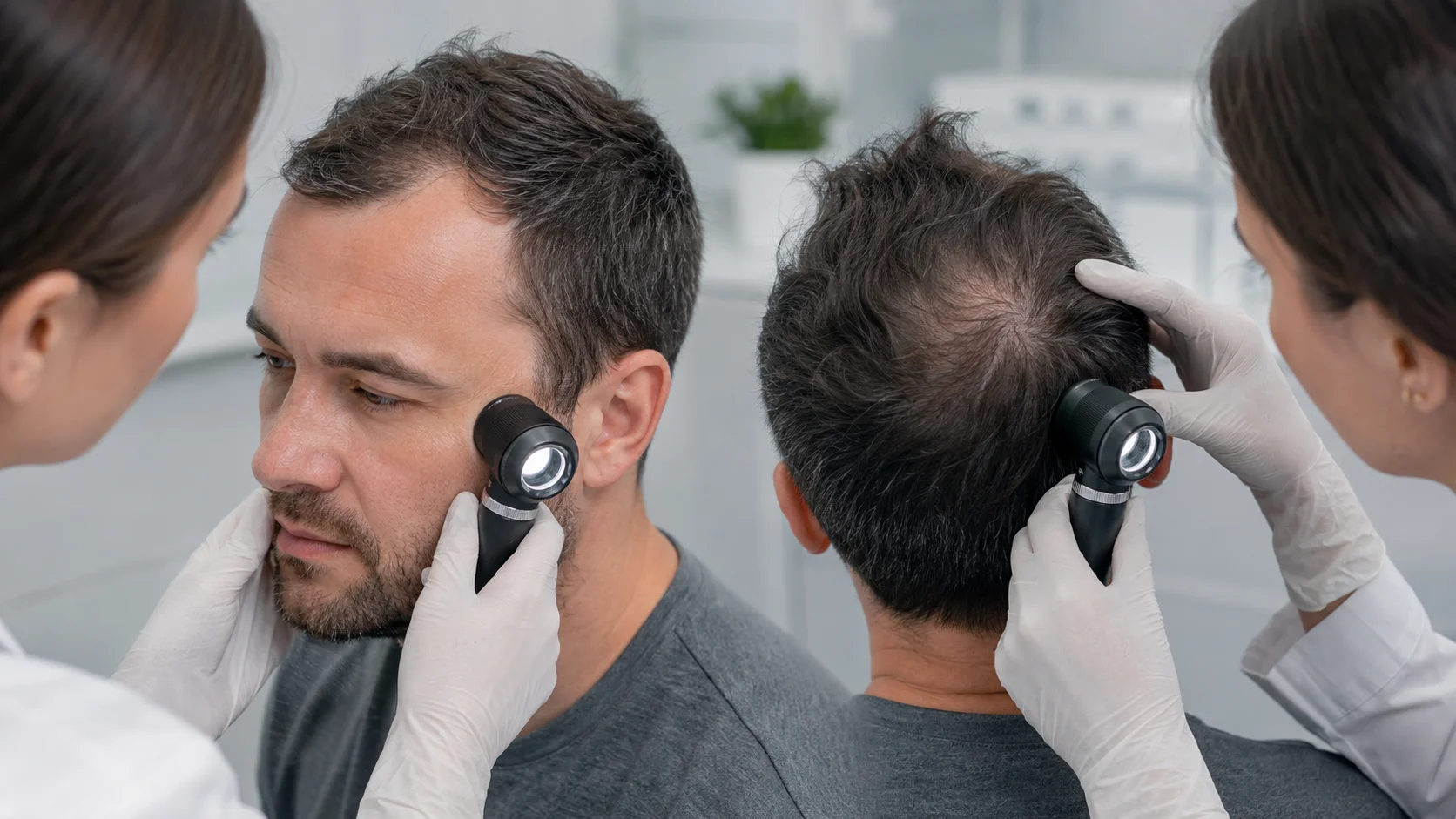
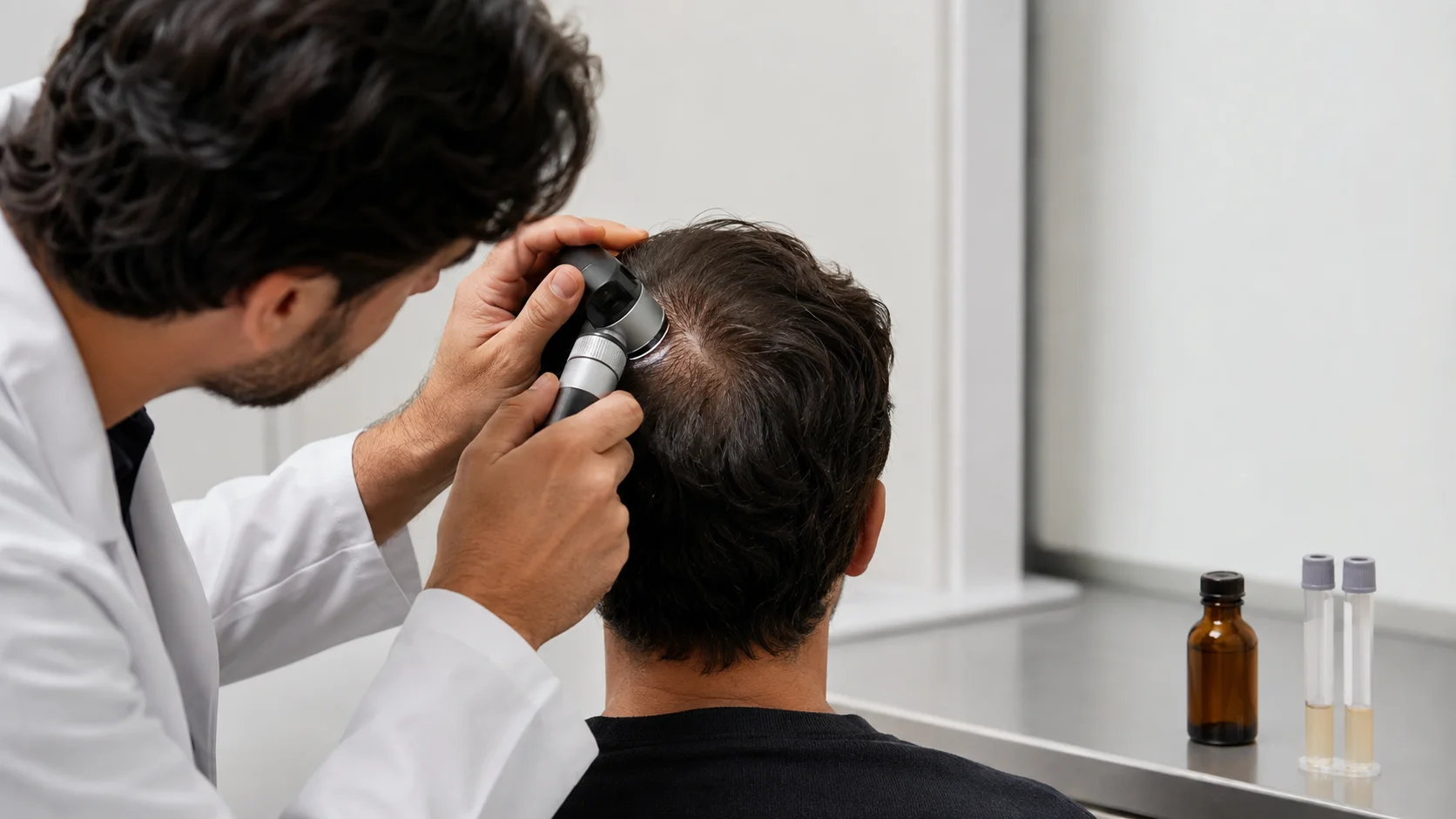
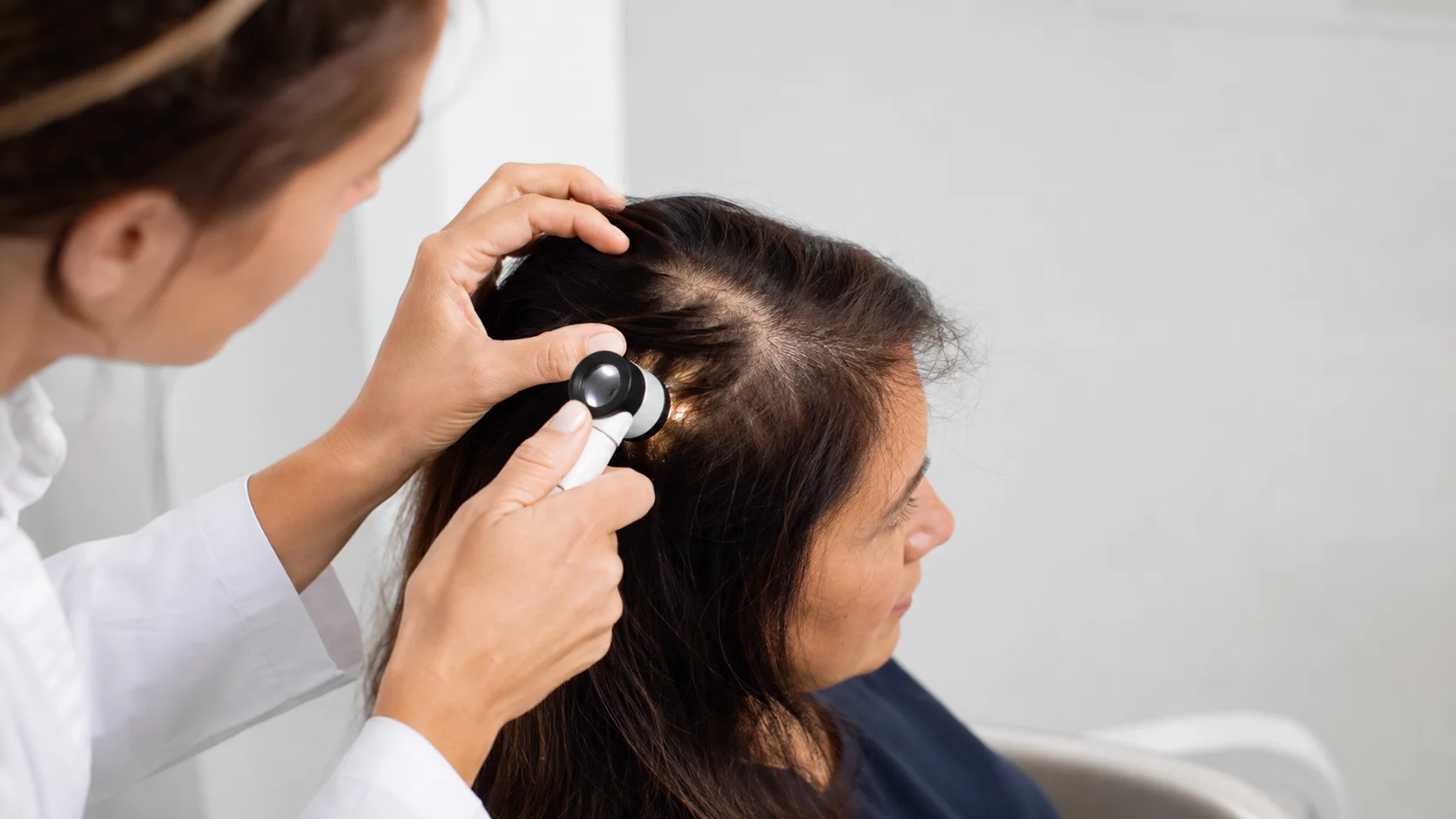
Clinical photographs and magnified scalp examination are more informative.
Treatment Takes Time
Hair follicles do not respond at the speed of a blood hormone change. DHT may fall quickly, but visible hair improvement generally requires months because follicles must progress through their growth cycles.
A fair assessment often requires at least 6 to 12 months of consistent use. Some people improve further beyond the first year.
Changing treatments every few weeks can make it impossible to distinguish natural cycling, initial shedding, and genuine response.
Inconsistent Use Can Resemble Treatment Failure
DHT suppression must be maintained to provide a continuing effect. Frequently missed doses, irregular topical application, or repeated stopping and restarting may reduce the consistency of protection.
Adherence can be affected by cost, side effects, fear of side effects, complicated routines, or unrealistic early expectations. These factors should be addressed openly rather than hidden from the prescribing clinician.
Taking more than prescribed is not a safe solution. Dose-response relationships have limits, while adverse exposure can increase.
Finasteride Does Not Block All DHT
Finasteride primarily inhibits type 2 5-alpha reductase and reduces rather than eliminates DHT. Some DHT production continues through other enzyme activity.
This does not mean finasteride is weak. Large trials show durable benefit in many men. However, individual response varies, and some users continue to progress.
Dutasteride creates broader suppression and may improve outcomes in some men, but it is not an automatic next step. Its longer persistence, regional approval, and adverse-effect profile require medical consideration.
Why More DHT Suppression May Still Not Solve the Problem
If severe miniaturization, another diagnosis, or inadequate growth activity limits the result, reducing DHT further may add little benefit.
Genetic studies also suggest that treatment response is influenced by pathways beyond 5-alpha reductase alone. Hair growth depends on epithelial-mesenchymal signaling, vascular support, inflammatory balance, and the timing of the hair cycle.
DHT is an important driver, but it is not the only control switch.
When Minoxidil May Be Added
Minoxidil supports growth through a pathway different from DHT reduction. Combining an appropriate DHT-directed treatment with minoxidil may improve results because one reduces miniaturizing pressure while the other encourages follicle growth activity.
Clinical reviews have found combination approaches can outperform monotherapy in some groups. This does not mean every person needs both medications.
Topical minoxidil can cause irritation, residue, and unwanted facial hair. Low-dose oral minoxidil is off-label and has systemic risks including swelling, palpitations, blood-pressure effects, and generalized hair growth.
Ongoing Shedding Does Not Always Mean Failure
People naturally shed hair every day. Treatment is not expected to stop normal turnover.
Concern is more appropriate when shedding becomes markedly heavier, density continues to decline in standardized photographs, new scalp symptoms appear, or the loss becomes patchy. A clinician can determine whether this represents progression, telogen effluvium, inflammation, or normal cycling.
Counting individual hairs is often less useful than comparing density and miniaturization over time.
Women Require a Different Assessment
DHT reduction is not a universal strategy for female hair loss. Many women have normal androgen levels, and female pattern hair loss can involve several biological pathways.
Finasteride and dutasteride carry major pregnancy-related concerns and are used only in selected women under specialist supervision. Spironolactone may be considered when antiandrogen therapy is appropriate, but it also has pregnancy, potassium, kidney, blood-pressure, and menstrual considerations.
Minoxidil and diagnosis-specific correction of other triggers often play central roles.
When Hair Transplantation Becomes Relevant
Medication may stabilize susceptible native hair without restoring a deeply receded hairline or long-standing bald area. A transplant can relocate resistant donor follicles into selected areas that no longer respond adequately to medication.
Surgery does not replace stabilization. Continued loss of native hair can create gaps around transplanted follicles, so long-term planning remains essential.
Donor supply, future progression, age, scalp health, and realistic density expectations determine whether transplantation is appropriate.
Frequently Asked Questions
Does finasteride stop hair loss completely?
It slows or stabilizes loss in many eligible men, but complete prevention is not guaranteed. Individual response and the definition of success vary.
Can hair loss continue with low DHT?
Yes. Another condition may be causing shedding, follicles may be severely miniaturized, or local biological factors may limit response.
Does stronger DHT suppression mean more regrowth?
Not always. Greater suppression may improve average outcomes in some groups, but viable follicles and the correct diagnosis remain essential.
How long should DHT-lowering treatment be tried?
A clinical assessment commonly requires 6 to 12 months, with possible continued improvement beyond one year. Side effects may require earlier review.
Should serum DHT be monitored?
Routine testing is generally not necessary for classic androgenetic alopecia. Photographs, scalp examination, adherence, and side effects are usually more useful.
Can minoxidil help when finasteride is not enough?
It may improve growth because it acts through a different pathway. Suitability and potential adverse effects should be considered.
Does stopping DHT treatment cause extra hair loss?
Benefits generally fade after discontinuation, and the underlying pattern resumes. This can look sudden but usually represents loss of hair that treatment had maintained.
A Realistic Definition of Success
Lowering DHT is one of the most effective medical strategies for male androgenetic alopecia, but it is not a guarantee of complete stabilization or regrowth. The outcome depends on diagnosis, timing, follicle condition, adherence, and other biological contributors.
When loss continues, the next step is not automatically stronger suppression. Reassessing the diagnosis, documenting change, considering another trigger, and evaluating complementary treatment usually provide a more useful path.
This content is for general informational purposes and does not replace individualized medical advice, diagnosis, or treatment.