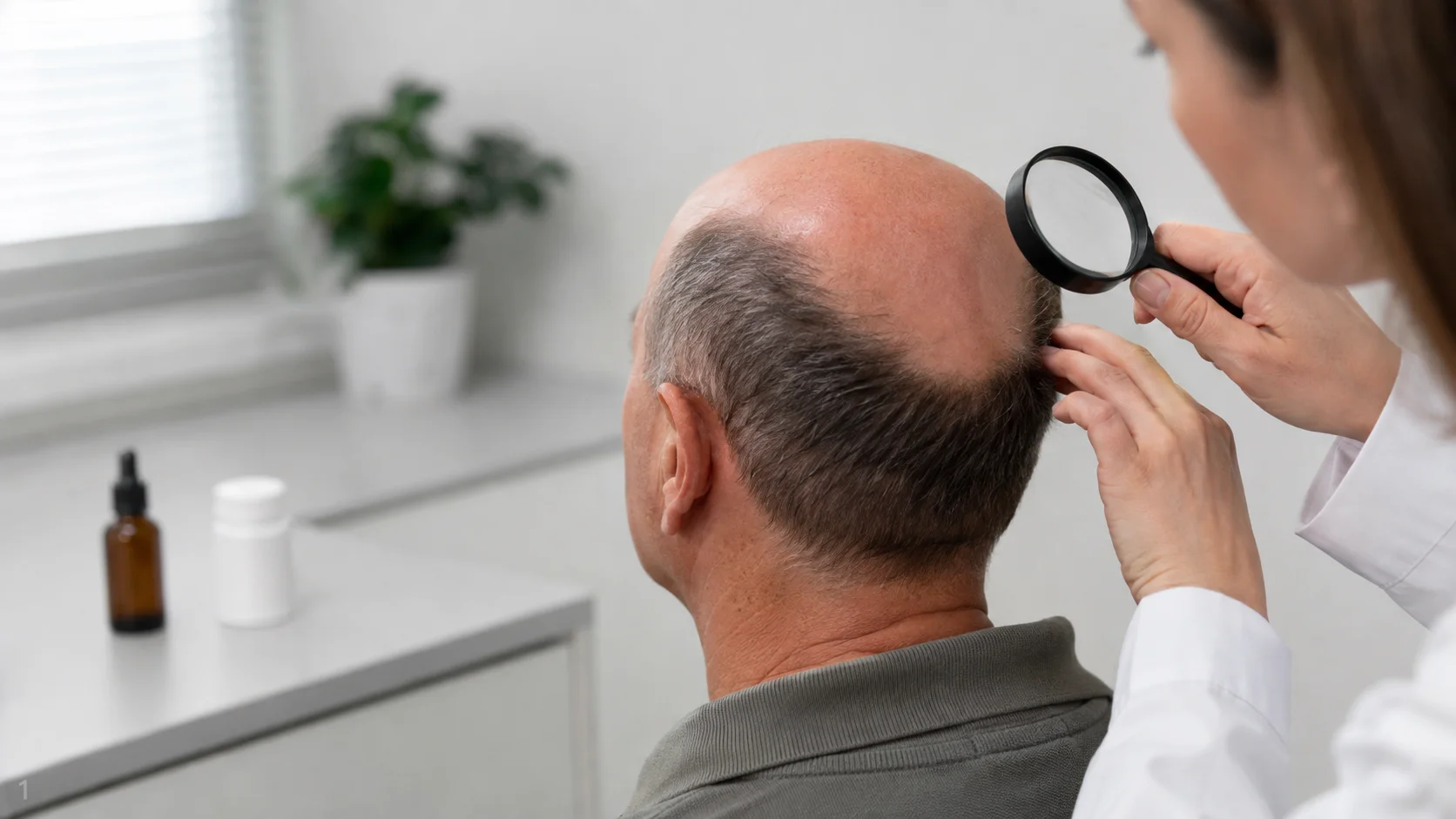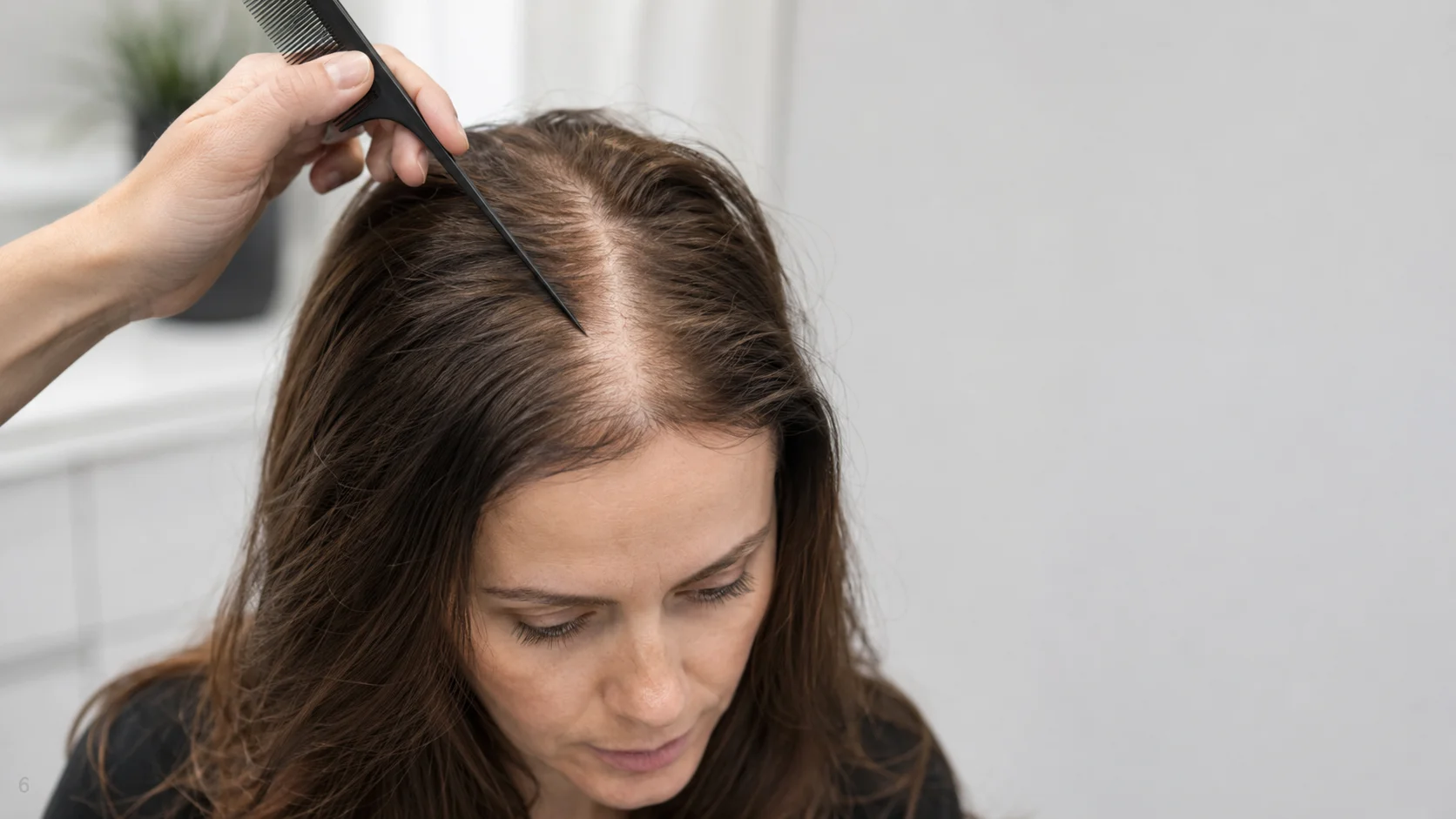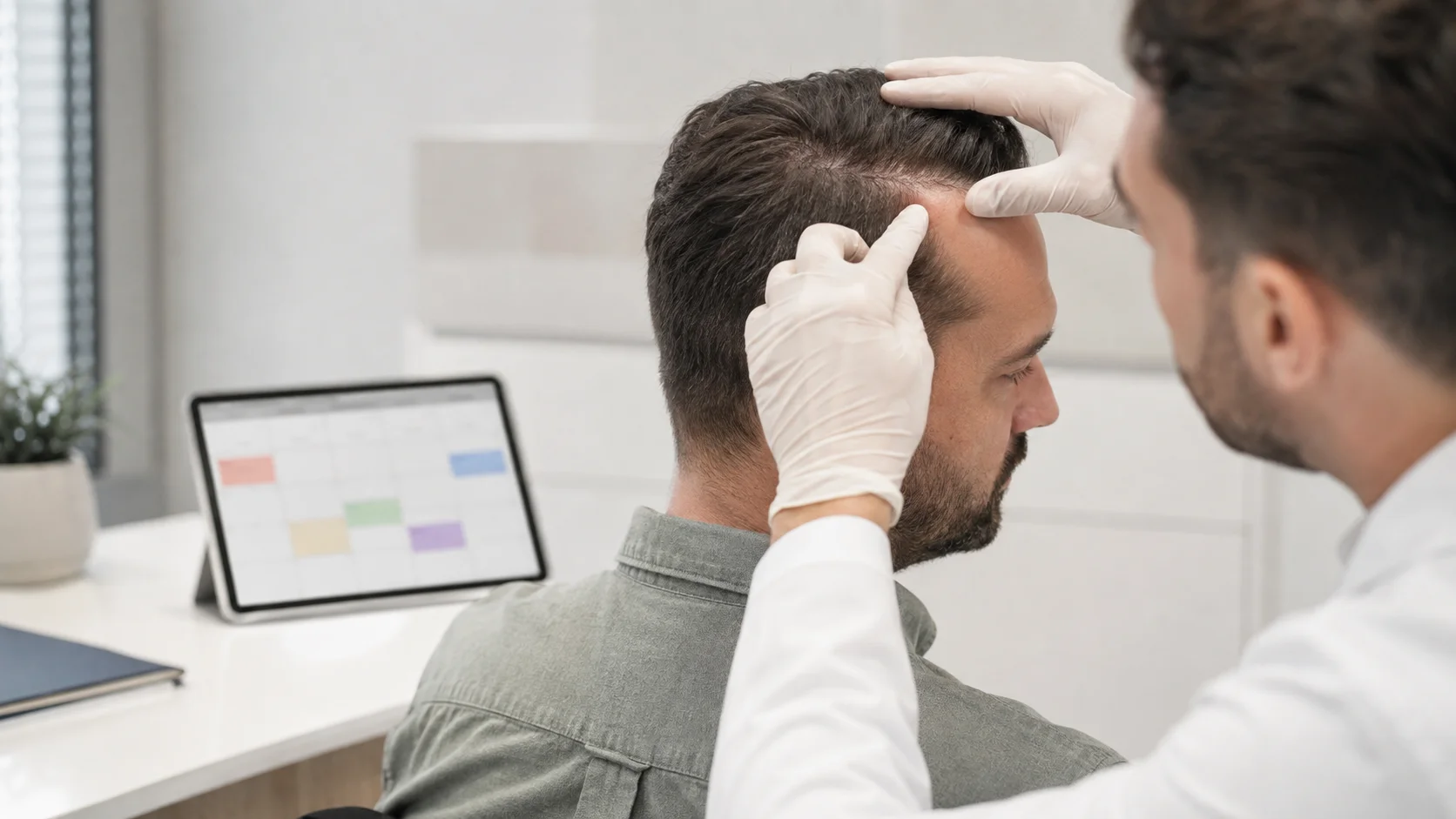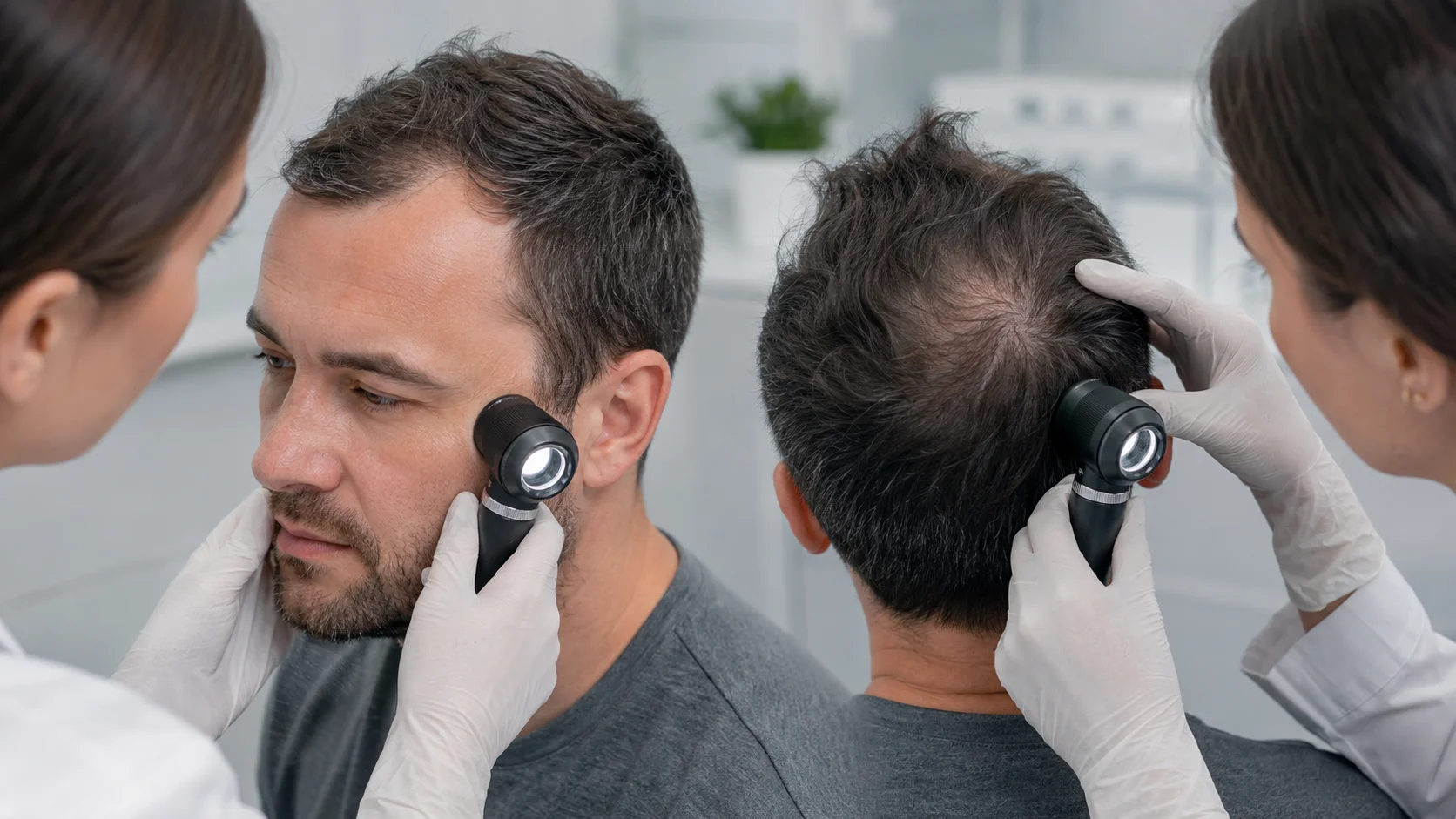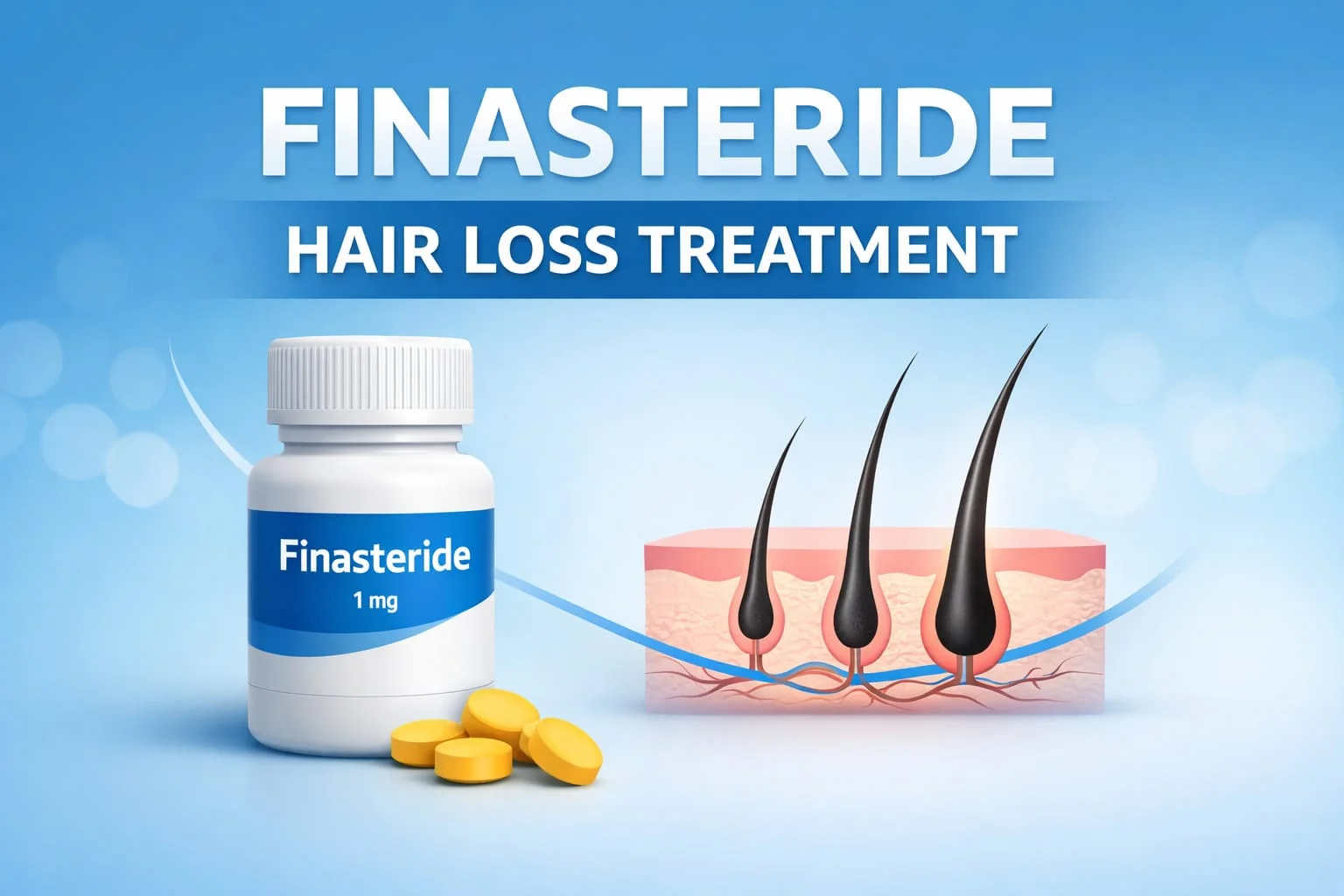
Dutasteride is a prescription medication that affects the hormone pathway involved in androgenetic alopecia, the most common form of pattern hair loss. It is best known for its use in prostate enlargement, but it is also discussed in hair loss care because of how strongly it lowers dihydrotestosterone, often called DHT.
For people researching medical options for hair loss, dutasteride is often compared with finasteride. Both medications belong to the same broad class of drugs and both influence DHT, but they are not identical. Dutasteride has a broader effect on the enzymes that produce DHT, which may make it more powerful in some cases, while also raising important questions about side effects, suitability, and long-term monitoring.
Understanding dutasteride requires a balanced view. It may help some people slow hair loss and improve density, but it is not a cosmetic product, a guaranteed cure, or a casual supplement. It is a systemic medication that should be considered with individualized medical guidance.
How Dutasteride Works
Dutasteride is a 5-alpha reductase inhibitor. This means it reduces the activity of enzymes that convert testosterone into DHT. DHT is a normal androgen hormone, but in genetically susceptible hair follicles, it can contribute to follicle miniaturization.
Miniaturization is the gradual shrinking of affected follicles. Over time, thick terminal hairs become finer, shorter, and less visible. This process is central to androgenetic alopecia in many men and can also play a role in some forms of female pattern hair loss, although treatment decisions differ by sex, age, hormonal status, and pregnancy considerations.
There are two main types of 5-alpha reductase enzymes: type I and type II. Finasteride mainly inhibits type II. Dutasteride inhibits both type I and type II. This broader activity generally produces a larger reduction in circulating DHT than finasteride.
That stronger DHT suppression is the main reason dutasteride attracts interest in hair loss treatment. It is also the reason it should be approached carefully.
Potential Benefits for Hair Loss
Dutasteride may be considered when androgenetic alopecia is clearly related to androgen sensitivity and when a medical professional believes DHT reduction is appropriate.
Potential benefits may include:
- Slowing the progression of pattern hair loss
- Reducing further miniaturization in susceptible follicles
- Improving hair density in some individuals
- Supporting maintenance after stabilization
- Helping people who have had limited response to finasteride, in selected cases
The most realistic goal is usually stabilization first. Many people hope for dramatic regrowth, but medications that target DHT tend to work best by protecting existing follicles from continued miniaturization. Visible thickening may occur, especially where follicles are still alive but weakened, but results vary.
Dutasteride is not expected to restore areas where follicles are no longer active. In advanced bald areas, cosmetic solutions, surgical planning, or scalp-focused camouflage options may be discussed separately.
Dutasteride vs Finasteride
Dutasteride and finasteride are often compared because they act on the same biological pathway. However, the practical differences matter.
Finasteride is more commonly used for male pattern hair loss in many countries and has a longer history of hair loss-specific prescribing. Dutasteride may be used off-label for hair loss in some regions, depending on local regulations and clinical judgment.
The main difference is enzyme coverage. Finasteride mainly reduces type II 5-alpha reductase activity. Dutasteride reduces both type I and type II activity, which usually means stronger DHT suppression.
This may make dutasteride more effective for some people, particularly when finasteride has not provided enough stabilization. However, stronger hormonal impact does not automatically mean it is the right choice for everyone. Side effects, reproductive considerations, personal medical history, and tolerance all matter.
Possible Side Effects
Because dutasteride affects hormones throughout the body, side effects can occur. Not everyone experiences them, and some side effects may improve after stopping the medication, but they should be taken seriously.
Possible side effects may include:
- Reduced libido
- Erectile dysfunction
- Ejaculatory changes
- Breast tenderness or enlargement
- Mood changes in some individuals
- Reduced semen volume
- Skin changes or changes in body hair patterns in some cases
Some people are especially concerned about persistent sexual or mood-related symptoms after stopping 5-alpha reductase inhibitors. The frequency, mechanisms, and risk factors remain debated, but the concern is important enough that patients should be informed before starting treatment.
Dutasteride can also affect prostate-specific antigen readings, which may matter for prostate screening. Anyone undergoing prostate monitoring should tell their healthcare provider about dutasteride use.
Who May Not Be a Good Candidate?
Dutasteride is not suitable for everyone. It is generally not used during pregnancy and should not be handled by people who are pregnant or may become pregnant if capsules are damaged, due to potential risk to a developing male fetus.
It may also be inappropriate for people with certain liver conditions, those taking interacting medications, or those with a history of significant adverse reactions to similar drugs.
Women with hair loss should not assume dutasteride is an appropriate option. In selected cases, specialists may consider anti-androgen strategies, but this depends heavily on reproductive status, diagnosis, risk profile, and local medical standards.
How Long Results May Take
Hair loss medications require patience. Hair follicles move through growth cycles, so changes are not immediate. Many people are advised to evaluate treatment over several months rather than a few weeks.
Early shedding can sometimes occur when a treatment changes the hair cycle, although this is more commonly discussed with minoxidil. Stabilization may be noticed before visible thickening. Photos taken under consistent lighting can help track changes more reliably than daily mirror checks.
If dutasteride works, it usually needs ongoing use to maintain its effect. Stopping DHT-blocking medication may allow androgen-related miniaturization to resume over time.
Can Dutasteride Be Combined With Other Treatments?
Dutasteride is sometimes discussed alongside other hair loss treatments, including topical or oral minoxidil, hair transplantation, low-level laser therapy, or platelet-rich plasma. Combination strategies may make sense for some people because treatments can target different aspects of hair loss.
For example, dutasteride may help reduce DHT-driven miniaturization, while minoxidil may support hair growth signaling. A hair transplant can move DHT-resistant follicles into thinning areas, but ongoing medical therapy may still be considered to protect native hair.
Combination treatment should be supervised. Adding multiple interventions at once can make it harder to know what is helping or causing side effects.
Realistic Expectations
Dutasteride should be viewed as a medical option for selected cases of androgenetic alopecia, not as a universal solution. It may be more potent than finasteride in DHT suppression, but that does not make it automatically better for every person.
A careful evaluation should consider:
- The type of hair loss
- The stage and pattern of thinning
- Age and hormonal context
- Family history
- Previous treatment response
- Side effect concerns
- Long-term willingness to continue therapy
Hair loss caused by nutritional deficiency, thyroid disease, autoimmune conditions, scarring alopecia, traction, medication changes, or acute shedding may not respond to dutasteride in the same way. Diagnosis matters.
FAQ
Is dutasteride stronger than finasteride?
Dutasteride generally reduces DHT more strongly because it inhibits both type I and type II 5-alpha reductase. Finasteride mainly inhibits type II. Stronger DHT reduction may help some people, but it can also increase the need for careful medical supervision.
Is dutasteride approved for hair loss?
This depends on the country. In many places, dutasteride is approved for prostate enlargement and may be used off-label for hair loss. Local regulations and medical judgment determine how it is prescribed.
Can dutasteride regrow hair?
It may improve density in some people, especially where follicles are miniaturized but still active. It is more realistic to think of dutasteride as a medication that may slow progression and support thickening rather than restore completely bald areas.
How long does dutasteride take to work for hair loss?
Visible changes may take several months. Many clinicians assess response over 6 to 12 months, depending on the case.
Does dutasteride have more side effects than finasteride?
Not necessarily for every individual, but dutasteride has a stronger and longer-lasting effect on DHT. This can make side effect discussions especially important before starting treatment.
Final Thoughts
Dutasteride is one of the more potent DHT-targeting medications discussed in hair loss care. It may be useful for some people with androgenetic alopecia, especially when the goal is to slow progression and protect miniaturizing follicles. Its strength, however, is also why it should be approached thoughtfully.
The best decision is based on diagnosis, risk tolerance, medical history, and realistic expectations. Dutasteride may be part of a broader hair loss plan, but it should not be started without individualized professional guidance.
This article is for general informational purposes only and does not replace personalized medical advice, diagnosis, or treatment from a qualified healthcare professional.