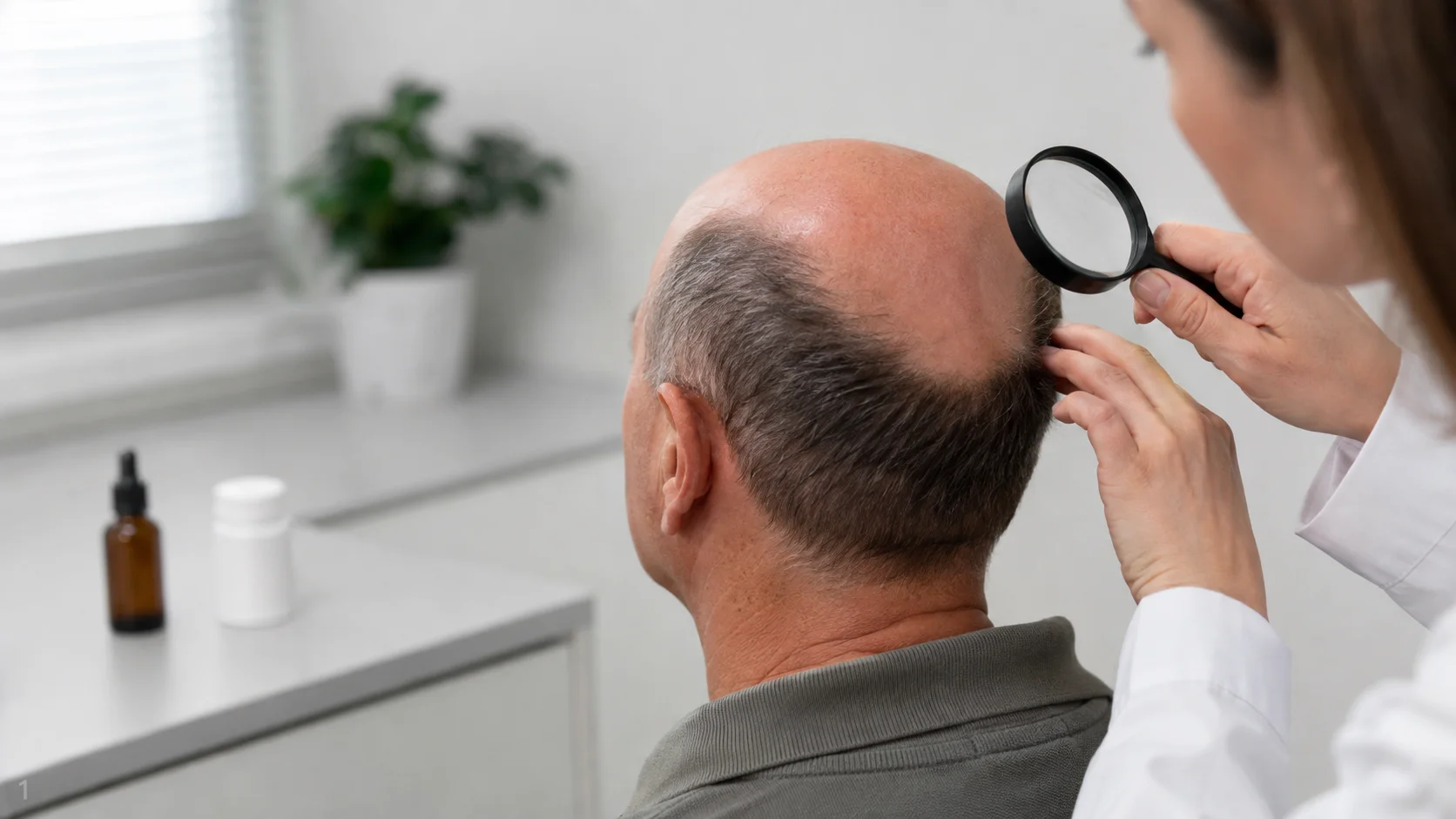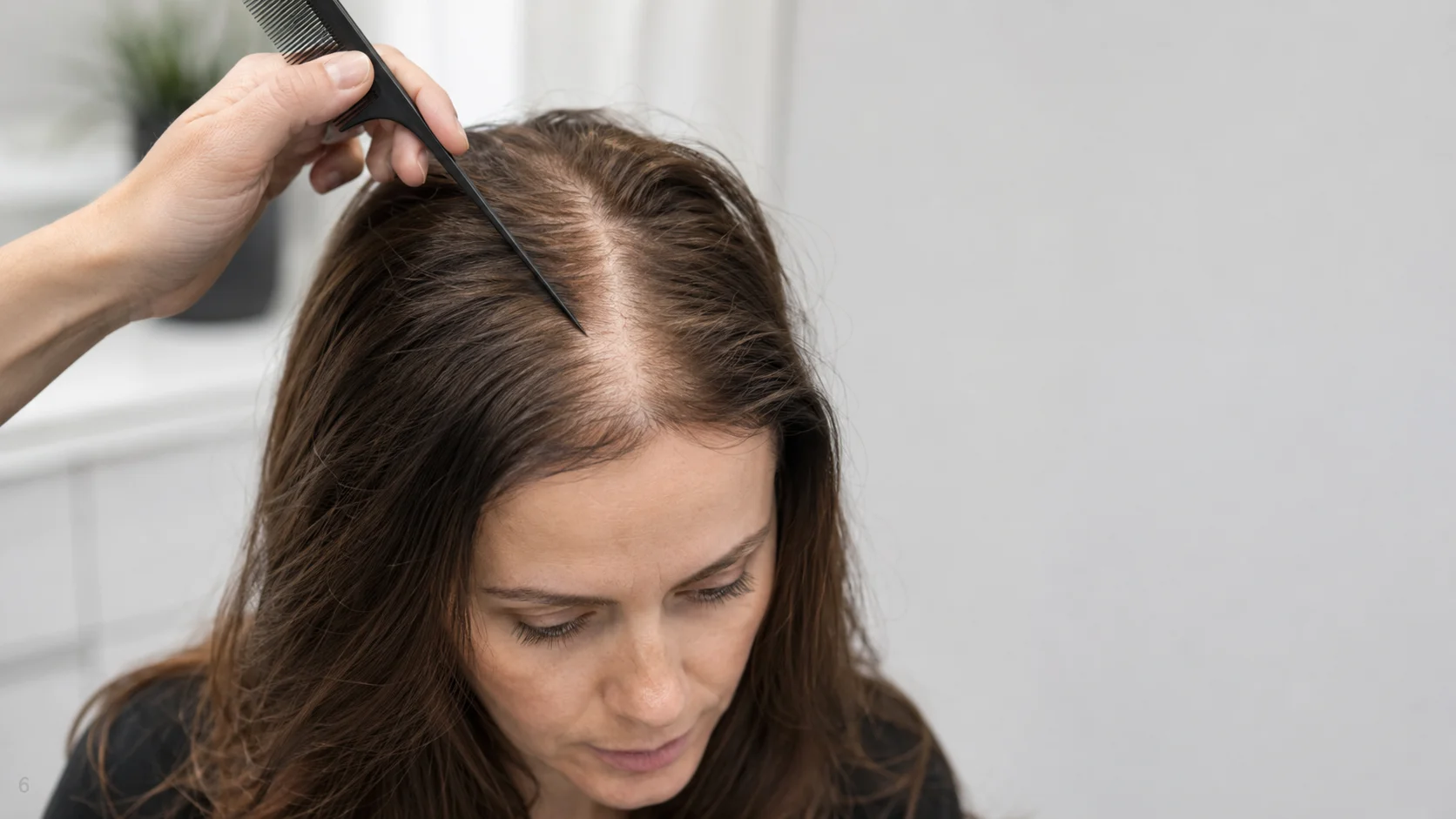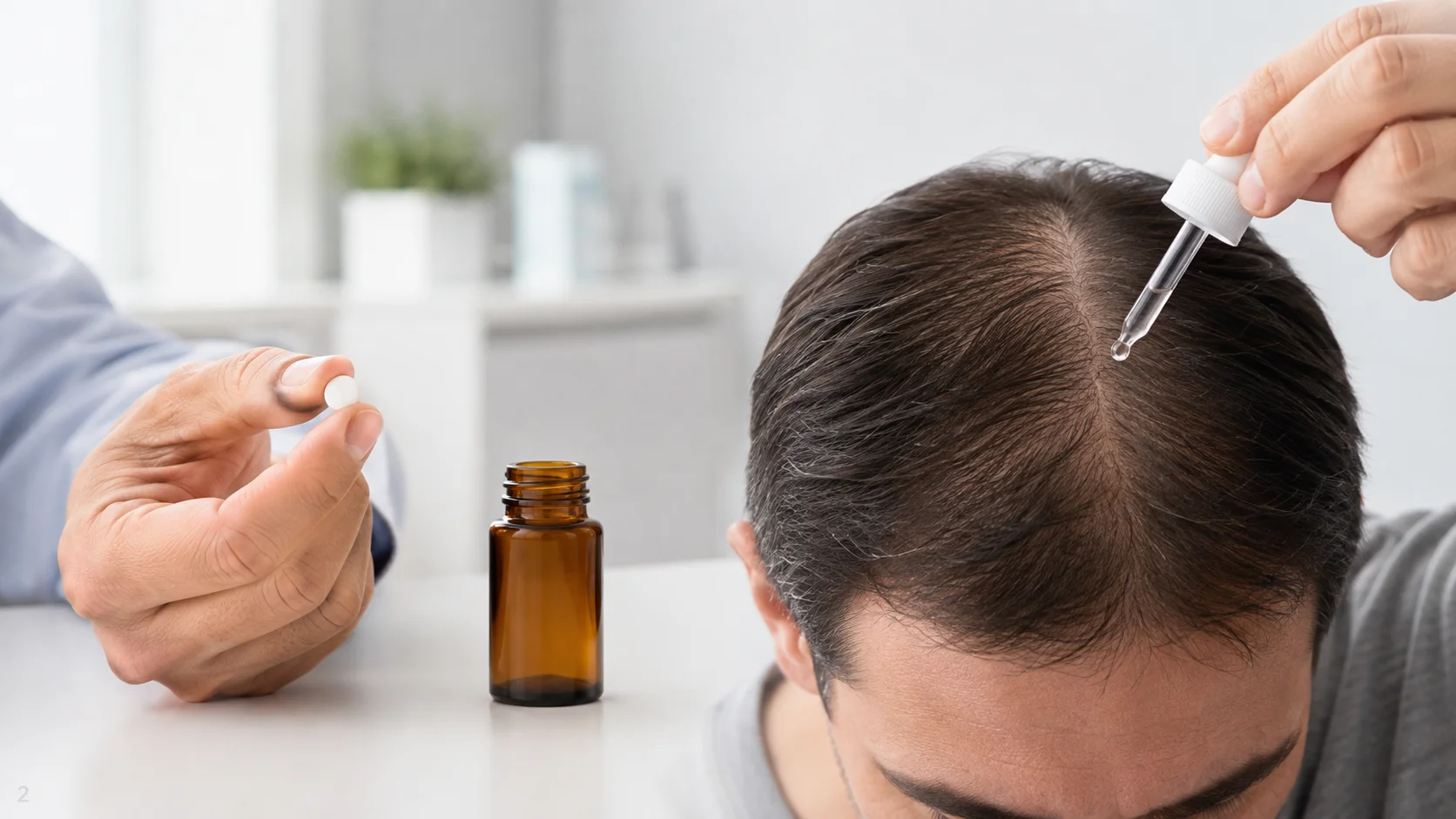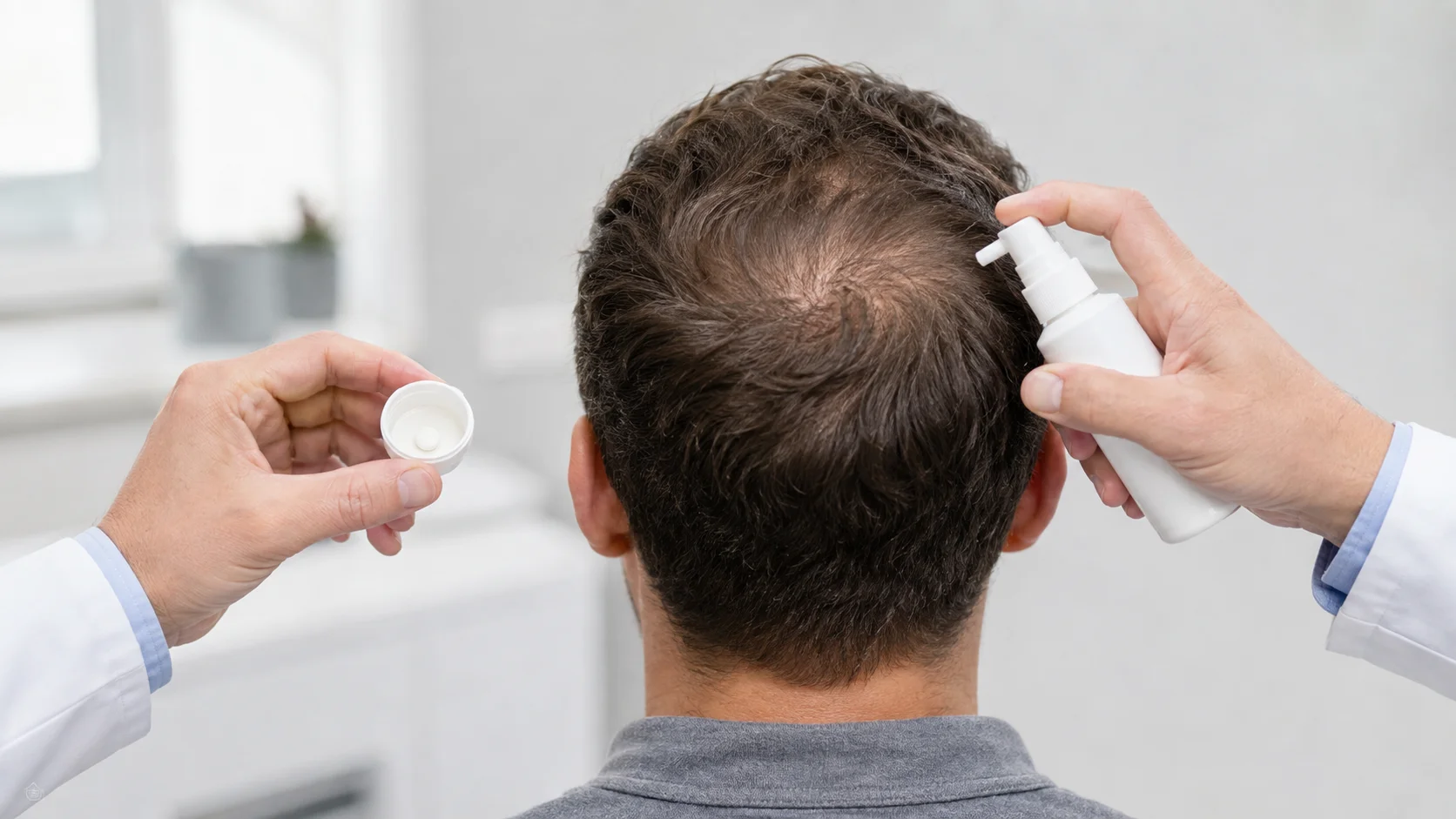
Oral minoxidil has become one of the most discussed medical options in modern hair loss treatment. For many years, minoxidil was best known as a topical solution or foam applied directly to the scalp. More recently, low-dose oral minoxidil has gained attention as an off-label option for several types of hair loss.
The interest is understandable. Some people find topical minoxidil irritating, inconvenient, greasy, or difficult to use consistently. Others may not respond as expected. Oral minoxidil offers a different route of delivery, but it also introduces different risks because it affects the body systemically.
Oral minoxidil is not simply a stronger version of topical minoxidil. It is a prescription medication with cardiovascular effects, and its suitability depends on medical history, dose, monitoring, and the type of hair loss being treated.
What Is Oral Minoxidil?
Minoxidil was originally developed as an oral medication for high blood pressure. Its hair growth effect was noticed as an unwanted but medically interesting side effect. This eventually led to topical minoxidil formulations for hair loss.
Low-dose oral minoxidil refers to the use of much smaller doses than those historically used for blood pressure treatment. In hair loss care, it is typically prescribed off-label, meaning it is used for a purpose that may not be the original approved indication in a given country.
The term “low-dose” is important, but it does not mean risk-free. Even at lower doses, oral minoxidil can affect blood vessels, fluid balance, heart rate, and unwanted hair growth in areas beyond the scalp.
How Oral Minoxidil May Help Hair Growth
Minoxidil appears to support hair growth through several mechanisms, although not every detail is fully understood. It may help prolong the anagen, or growth, phase of the hair cycle. It may also influence blood vessel activity around follicles and cellular signaling involved in hair production.
Unlike dutasteride or finasteride, minoxidil does not primarily work by reducing DHT. This distinction matters. In androgenetic alopecia, minoxidil may improve hair growth, but it does not directly address the androgen sensitivity that drives follicle miniaturization.
Because of this, some treatment plans combine minoxidil with a DHT-targeting medication when appropriate. However, combination therapy should be individualized rather than assumed.
Conditions Where Oral Minoxidil May Be Considered
Oral minoxidil is most often discussed for androgenetic alopecia, including male pattern hair loss and female pattern hair loss. It may also be considered in selected cases of chronic telogen effluvium, traction-related thinning, or other non-scarring hair loss patterns, depending on diagnosis.
It is not appropriate for every kind of hair loss. Scarring alopecias, autoimmune hair loss, sudden shedding from illness, nutritional deficiency, thyroid imbalance, medication-related shedding, or inflammatory scalp disease require careful evaluation. In some of these cases, minoxidil may be supportive, but it does not replace treatment of the underlying cause.
A clear diagnosis is the foundation. Treating hair shedding without understanding why it is happening can delay more appropriate care.
Potential Benefits
For some people, oral minoxidil can be easier to use consistently than topical minoxidil. Consistency matters because hair growth treatments usually require months of regular use before results can be judged.
Potential benefits may include:
- Improved adherence compared with topical application
- Less scalp irritation for people sensitive to topical formulas
- Support for hair density in selected non-scarring hair loss conditions
- Usefulness when topical minoxidil is impractical or poorly tolerated
- Possible benefit in both male and female pattern hair loss when medically appropriate
The main advantage is convenience, but the medical trade-off is systemic exposure. That trade-off should be discussed openly.
Side Effects of Oral Minoxidil
The most common cosmetic side effect is hypertrichosis, meaning increased hair growth in unwanted areas such as the face, arms, or body. This effect may be mild for some people and bothersome for others.
Other possible side effects include:
- Ankle or leg swelling
- Fluid retention
- Dizziness or lightheadedness
- Fast heartbeat or palpitations
- Headache
- Low blood pressure
- Changes in heart rhythm in susceptible individuals
- Rare but serious cardiovascular complications
Because minoxidil can affect the cardiovascular system, people with heart disease, arrhythmias, kidney disease, low blood pressure, fluid retention, or those taking blood pressure medications need particular caution.
Side effects can depend on dose, individual sensitivity, and other medications. This is why oral minoxidil should not be started casually or obtained without medical supervision.
Oral Minoxidil vs Topical Minoxidil
Topical minoxidil acts mainly where it is applied, although a small amount can still be absorbed systemically. Oral minoxidil circulates throughout the body. This difference shapes both convenience and risk.
Topical minoxidil may cause scalp itching, dryness, flaking, contact dermatitis, or unwanted residue. Oral minoxidil avoids scalp application but may cause body-wide effects such as facial hair growth or fluid retention.
For some people, topical treatment remains the more appropriate first option. For others, oral minoxidil may be considered when topical use is difficult, ineffective, or poorly tolerated. The best choice depends on the person, the diagnosis, and the risk profile.
Shedding and the Hair Cycle
Minoxidil can cause temporary shedding when treatment begins. This can be alarming, but it may reflect a shift in the hair cycle as follicles move toward a new growth phase. Not every person experiences shedding, and shedding should not be assumed to be harmless if it is severe or prolonged.
A reasonable evaluation period is usually several months. Hair grows slowly, and early changes can be subtle. Standardized photos can help track progress more accurately.
If shedding continues, worsens, or is accompanied by scalp symptoms, medical reassessment is important.
Current Evidence and Limitations
The evidence around low-dose oral minoxidil has grown, but it is still evolving. Many studies and clinical reports suggest it can be useful for selected hair loss patients, particularly when monitored carefully. However, dosing practices, patient selection, and long-term safety data are not as standardized as they are for some older approved treatments.
This does not mean oral minoxidil is ineffective. It means the decision should be evidence-aware and individualized. A treatment can be promising while still requiring caution.
Important unanswered questions include optimal dosing for different patient groups, long-term cardiovascular safety in broader populations, and how best to compare oral and topical minoxidil in real-world use.
Who Should Be Cautious?
Oral minoxidil may not be suitable for people with certain cardiovascular conditions, uncontrolled blood pressure issues, significant fluid retention, kidney disease, pregnancy-related considerations, or medication interactions.
Before prescribing, a clinician may ask about:
- Blood pressure history
- Heart rhythm symptoms
- Swelling or fluid retention
- Kidney function
- Current medications
- Pregnancy plans or breastfeeding
- Previous reaction to minoxidil
The goal is not to discourage treatment but to use it responsibly.
FAQ
Is oral minoxidil approved for hair loss?
In many countries, oral minoxidil is used off-label for hair loss. Topical minoxidil is the more widely approved hair loss formulation. Regulations vary by location.
Does oral minoxidil work better than topical minoxidil?
It may work well for some people, especially when topical treatment is not tolerated or used consistently. However, oral minoxidil is not automatically better. It has different risks and should be medically supervised.
Can oral minoxidil cause facial hair growth?
Yes. Unwanted facial or body hair growth is one of the more commonly reported side effects. It may be more noticeable in some people than others.
How long does oral minoxidil take to show results?
Many people need several months before judging response. Hair cycle changes are slow, and visible improvement may take 6 months or longer.
Can oral minoxidil be used with finasteride or dutasteride?
In some cases, yes, but only when medically appropriate. These medications work through different pathways, so combination treatment may be considered for androgenetic alopecia.
Final Thoughts
Oral minoxidil is a useful topic in hair loss care because it sits between convenience and caution. It may help selected people improve density or manage thinning, especially when topical minoxidil is difficult to use. At the same time, it is a systemic prescription medication with possible cardiovascular and cosmetic side effects.
The strongest treatment plans begin with a clear diagnosis, realistic expectations, and medical oversight. Oral minoxidil can be part of that plan for some people, but it should not be treated as a simple hair supplement.
This article is for general informational purposes only and does not replace personalized medical advice, diagnosis, or treatment from a qualified healthcare professional.