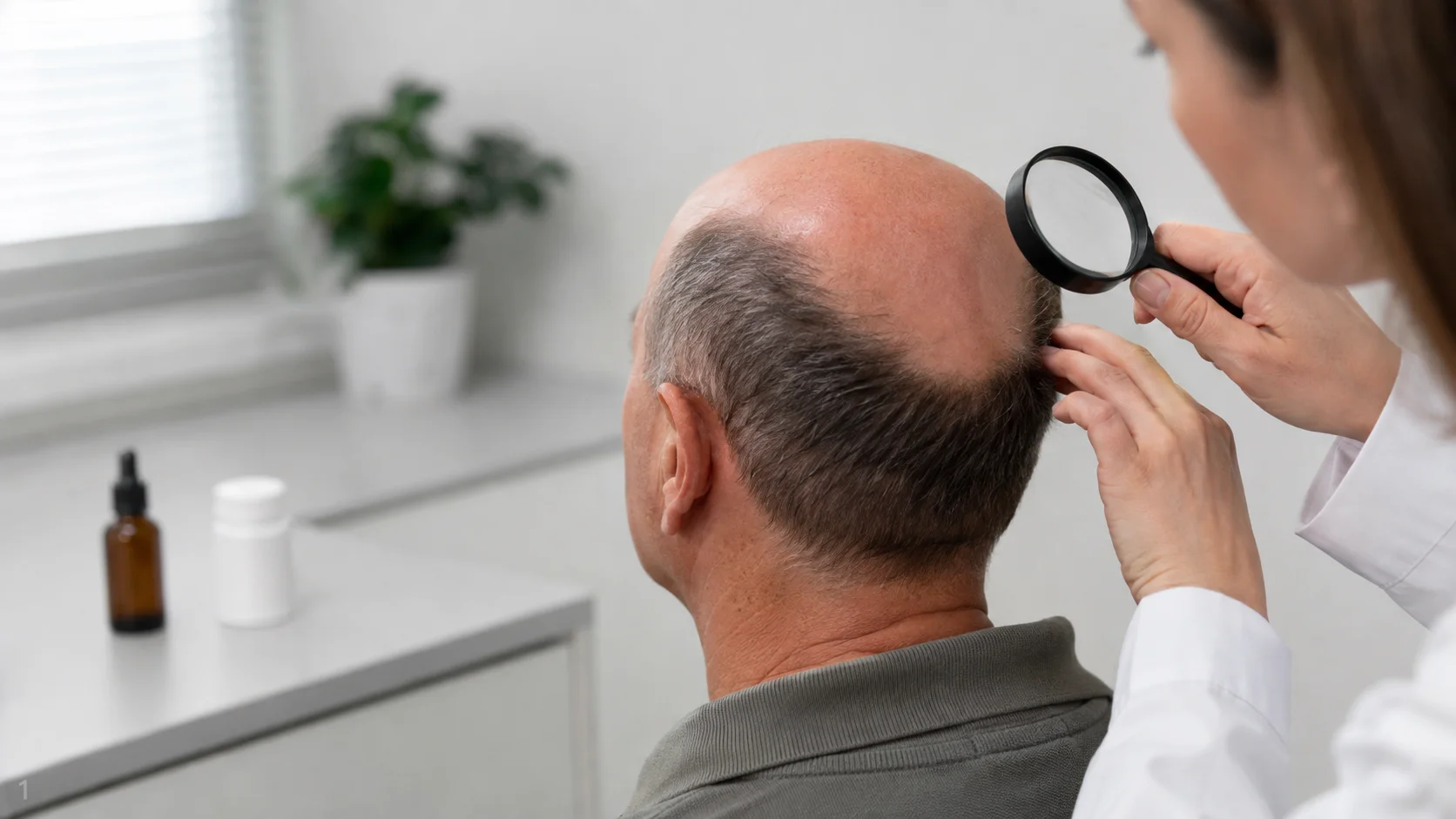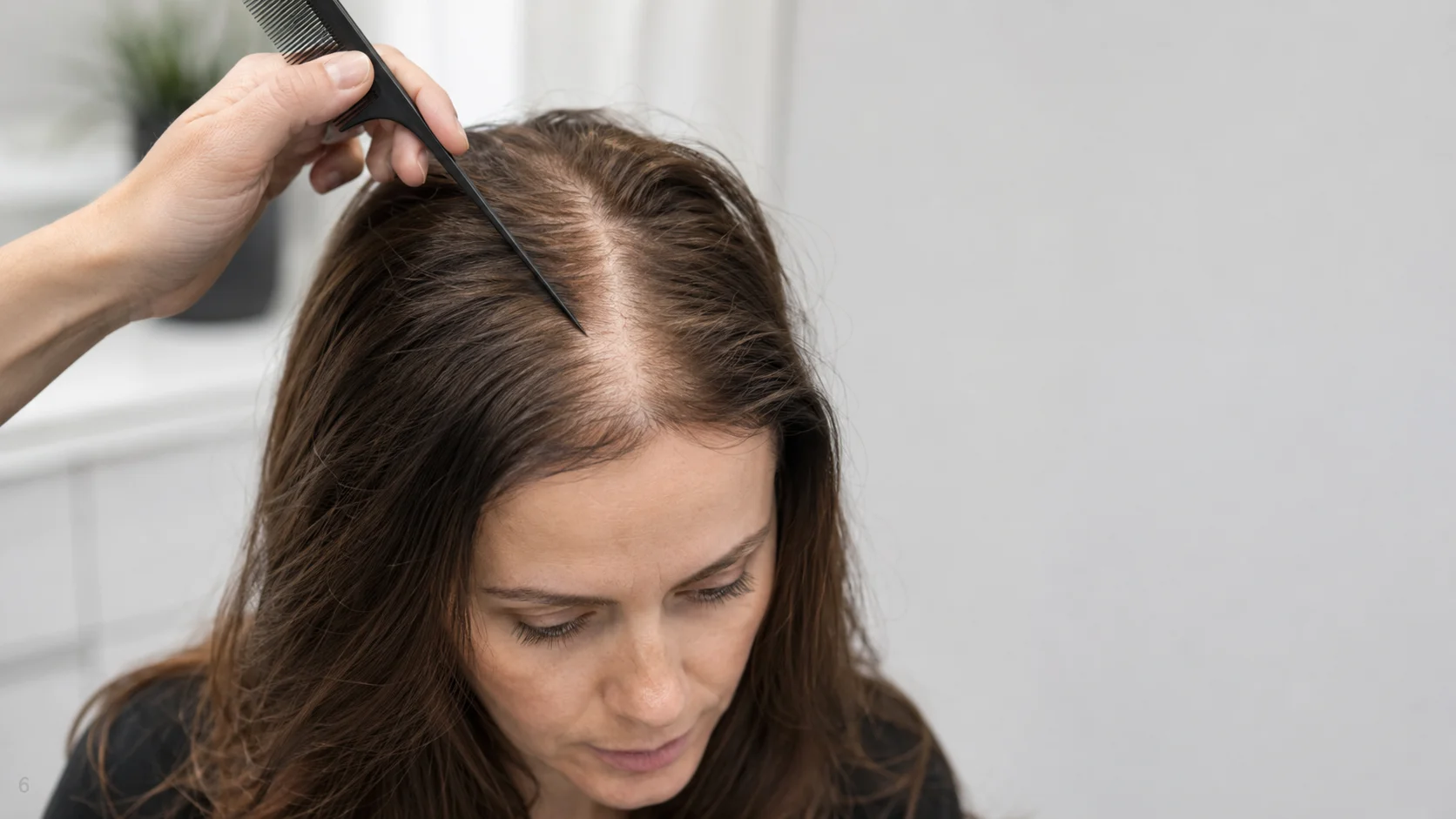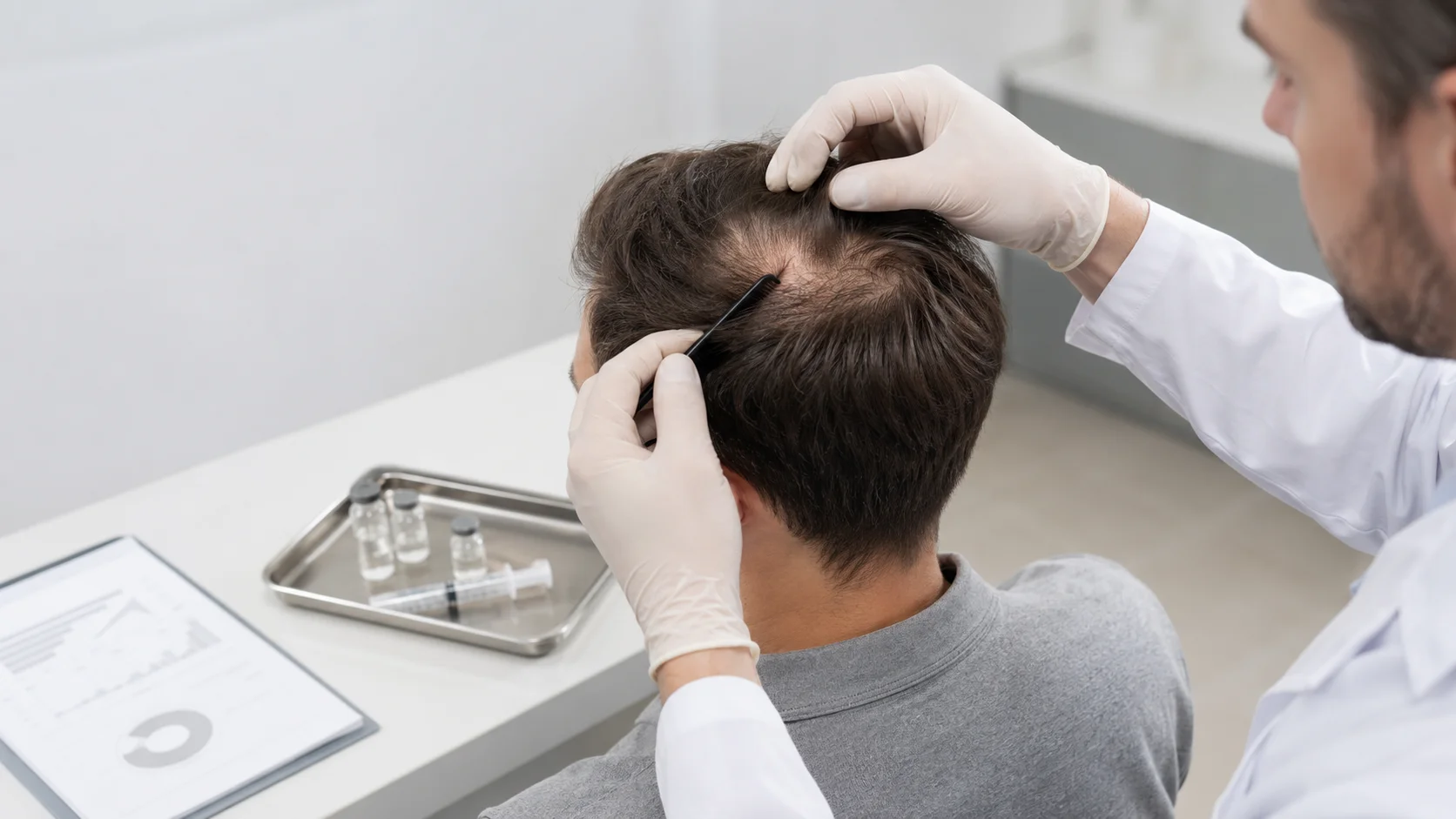
Mesotherapy for hair loss is a procedure in which small injections are placed into the scalp with the aim of supporting hair growth or scalp health. It is promoted in many settings as a non-surgical option for thinning hair, often using mixtures that may include vitamins, minerals, amino acids, medications, plant extracts, or other compounds.
The idea sounds simple: deliver active ingredients close to the hair follicles. In practice, mesotherapy is more complicated. There is no single universal formula, no globally standardized protocol, and limited high-quality evidence compared with established hair loss treatments. This makes it important to separate what mesotherapy claims to do from what is scientifically supported.
Mesotherapy should not be understood as a guaranteed treatment for hair loss. It may be offered as an adjunct in some contexts, but anyone considering it should understand the uncertainty, possible risks, and importance of diagnosis.
What Mesotherapy Means
Mesotherapy was originally developed as an injection technique in aesthetic and pain-related contexts. In hair loss care, the term usually refers to multiple shallow injections across thinning scalp areas.
The injected mixture can vary widely. Some providers use vitamins or minerals. Others use medications or compounded formulas. Some include substances intended to improve circulation, reduce inflammation, or stimulate follicle activity.
This variation is one of the biggest issues in evaluating mesotherapy. When one clinic uses one formula and another uses something entirely different, it becomes difficult to discuss mesotherapy as a single treatment.
Why It Is Used for Hair Loss
Mesotherapy is usually marketed for non-scarring hair loss, especially androgenetic alopecia and diffuse thinning. The proposed benefits often include improved scalp microcirculation, nutrient delivery, stimulation of follicles, or reduced shedding.
However, hair loss is not usually caused by a simple lack of nutrients in the scalp. Androgenetic alopecia involves genetic sensitivity to androgens. Telogen effluvium may be triggered by illness, stress, nutritional deficiency, childbirth, medication changes, or thyroid issues. Alopecia areata involves immune activity. Scarring alopecia involves inflammation that can permanently damage follicles.
Because the causes differ, a single injection-based approach cannot be assumed to help all types of hair loss.
Potential Benefits
Some people report improved shedding or hair appearance after mesotherapy. Potential benefits may include:
- A minimally invasive, non-surgical procedure
- Targeted scalp delivery of selected substances
- Possible support for scalp condition in some individuals
- Potential use as an adjunct alongside other treatments
- Short treatment sessions with limited downtime
These possible benefits should be described cautiously. Patient satisfaction can be influenced by multiple factors, including concurrent treatments, natural shedding cycles, improved scalp care, or the placebo effect.
Mesotherapy is not the same as a medically proven DHT-blocking treatment, growth stimulant, or hair transplant. It should not be presented as equivalent to treatments with stronger evidence.
Scientific Evidence and Limitations
The scientific evidence for mesotherapy in hair loss is mixed and limited. Some small studies or clinical observations suggest potential benefit with certain formulas, but the field lacks strong standardization.
Key limitations include:
- Different injected formulas across studies
- Small sample sizes
- Short follow-up periods
- Lack of consistent comparison groups
- Difficulty separating mesotherapy from other treatments used at the same time
- Limited long-term safety and efficacy data
This does not mean every mesotherapy approach is useless. It means the evidence is not strong enough to support broad claims that mesotherapy reliably treats hair loss.
For evidence-aware hair loss care, treatments should be judged by diagnosis, mechanism, reproducibility, safety, and realistic outcomes. Mesotherapy often falls short on reproducibility because protocols vary so much.
Mesotherapy vs PRP
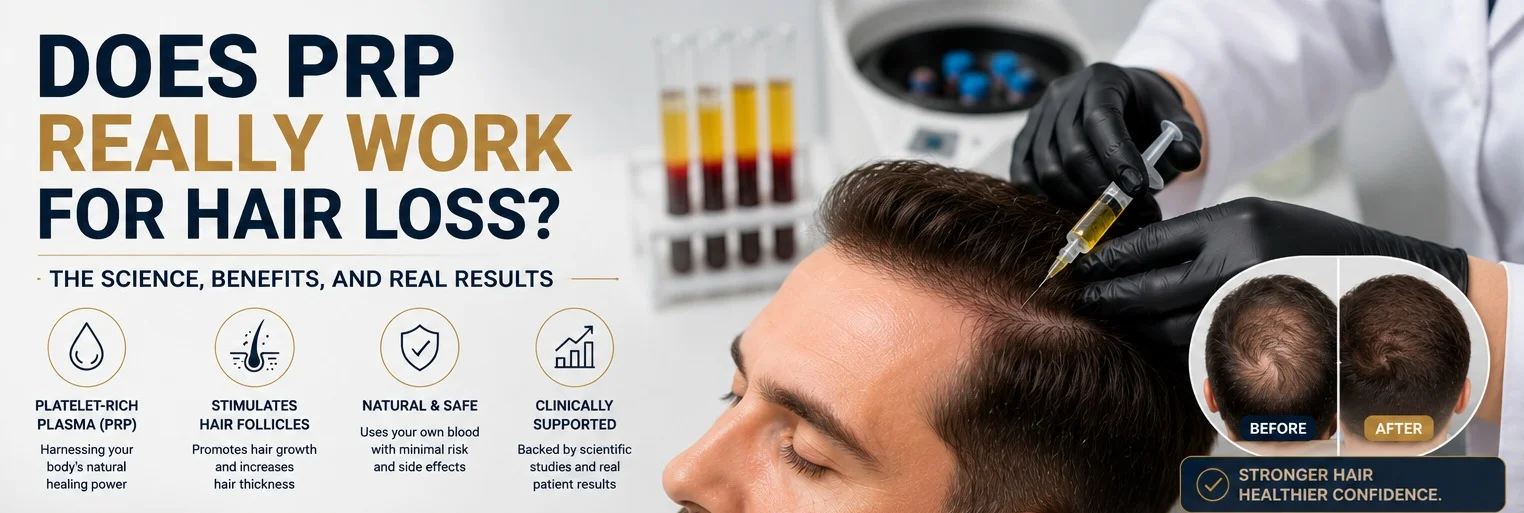
Mesotherapy is sometimes confused with platelet-rich plasma, or PRP. They are not the same.
PRP uses a person’s own blood, processed to concentrate platelets, then injected into the scalp. Mesotherapy usually uses an injected mixture of externally selected ingredients. PRP protocols also vary, but PRP has a different biological rationale and a different evidence base.
Both procedures require realistic expectations. Neither should be described as a guaranteed cure. The choice between them depends on diagnosis, available evidence, safety considerations, and practitioner expertise.
Risks and Side Effects
Mesotherapy involves injections, so it carries procedure-related risks. These may include pain, swelling, redness, bruising, itching, tenderness, bleeding, or temporary scalp irritation.
More serious risks may include:
- Infection
- Allergic reaction
- Scarring
- Nodules or lumps
- Skin discoloration
- Worsening inflammation
- Reaction to one or more injected substances
The risk profile depends partly on what is injected. A vitamin mixture is not the same as a compounded medication formula. Sterility, training, product quality, and aftercare also matter.
People with scalp infections, inflammatory scalp disease, bleeding disorders, medication interactions, allergies, pregnancy-related concerns, or unclear diagnosis should be especially cautious.
Why Diagnosis Comes First
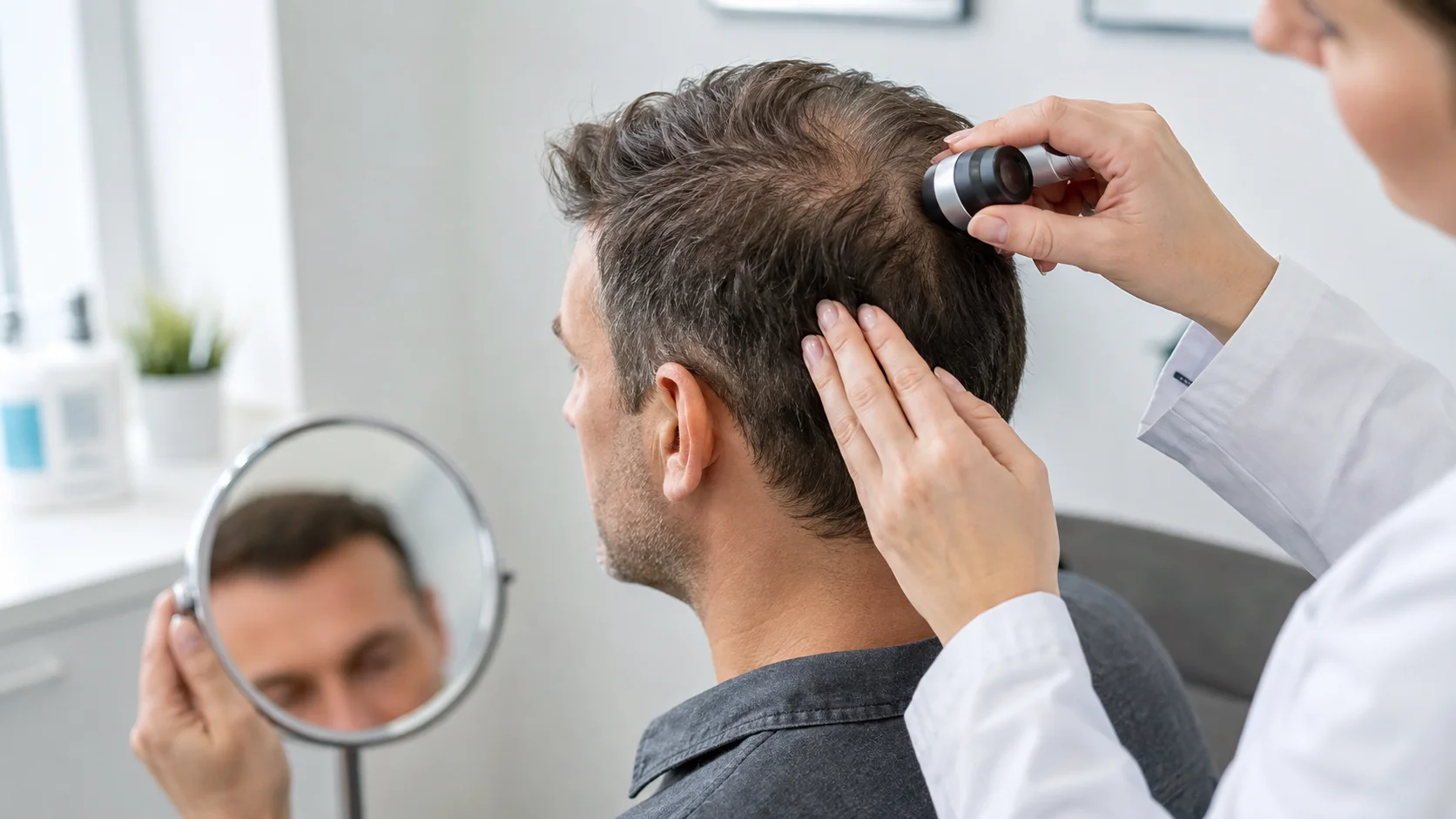
Before considering mesotherapy, it is important to know what kind of hair loss is present. A person with androgenetic alopecia may need a treatment plan that addresses follicle miniaturization. A person with iron deficiency, thyroid imbalance, or telogen effluvium may need a different approach. A person with scarring alopecia may need prompt medical treatment to prevent permanent follicle loss.
Mesotherapy may delay appropriate care if it is used as a general solution without proper evaluation. Hair loss treatment should begin with pattern assessment, history, scalp examination, and sometimes laboratory testing or biopsy when medically indicated.
Realistic Expectations
If mesotherapy is considered, it should be framed as an adjunctive or exploratory option rather than a primary evidence-based treatment for most people. Results, if any, may be modest and temporary. Maintenance sessions may be suggested, which can increase cost and time commitment.
It is also important to ask what exactly is being injected. Vague phrases such as “hair vitamins” or “growth cocktail” are not enough. A responsible provider should be able to explain the ingredients, rationale, risks, expected timeline, and alternatives.
Good questions include:
- What diagnosis is being treated?
- What ingredients are in the injection?
- What evidence supports this formula?
- What side effects are possible?
- How many sessions are expected?
- What happens if there is no improvement?
- Are proven treatments being delayed?
FAQ
Does mesotherapy regrow hair?
Mesotherapy may be claimed to support hair growth, but evidence is limited and results vary. It should not be expected to regrow hair in areas where follicles are no longer active.
Is mesotherapy scientifically proven for hair loss?
The evidence is not as strong or standardized as for some established hair loss treatments. Studies vary widely in formulas and methods, making firm conclusions difficult.
Is mesotherapy painful?
It may cause mild to moderate discomfort because it involves multiple scalp injections. Numbing methods may be used, depending on the setting.
How many mesotherapy sessions are needed?
Protocols vary widely. Some providers recommend a series of sessions followed by maintenance, but there is no universal schedule.
Can mesotherapy replace minoxidil or finasteride?
Usually, it should not be seen as a direct replacement for established treatments when those treatments are appropriate. A clinician can help determine whether mesotherapy has any role in a broader plan.
Final Thoughts
Mesotherapy for hair loss is a widely discussed but unevenly supported procedure. Its appeal comes from the idea of targeted scalp delivery, but its limitations come from inconsistent formulas, variable protocols, and limited high-quality evidence.
For someone considering mesotherapy, the most important step is not choosing a package of sessions. It is first understanding the diagnosis, the proposed injection formula, the evidence behind it, and the possible risks. A cautious, informed approach protects both scalp health and treatment expectations.
This article is for general informational purposes only and does not replace personalized medical advice, diagnosis, or treatment from a qualified healthcare professional.