Lichen planopilaris is an inflammatory form of scarring alopecia. Immune activity targets the upper portion of affected hair follicles, eventually replacing them with scar tissue. Once a follicle has been destroyed, it cannot produce new hair.
Treatment therefore has a different purpose from treatment for nonscarring hair loss. The priority is to suppress inflammation, relieve symptoms, and protect follicles that remain active. Early diagnosis and regular monitoring offer the best opportunity to limit permanent loss.
Confirming the Diagnosis Before Treatment
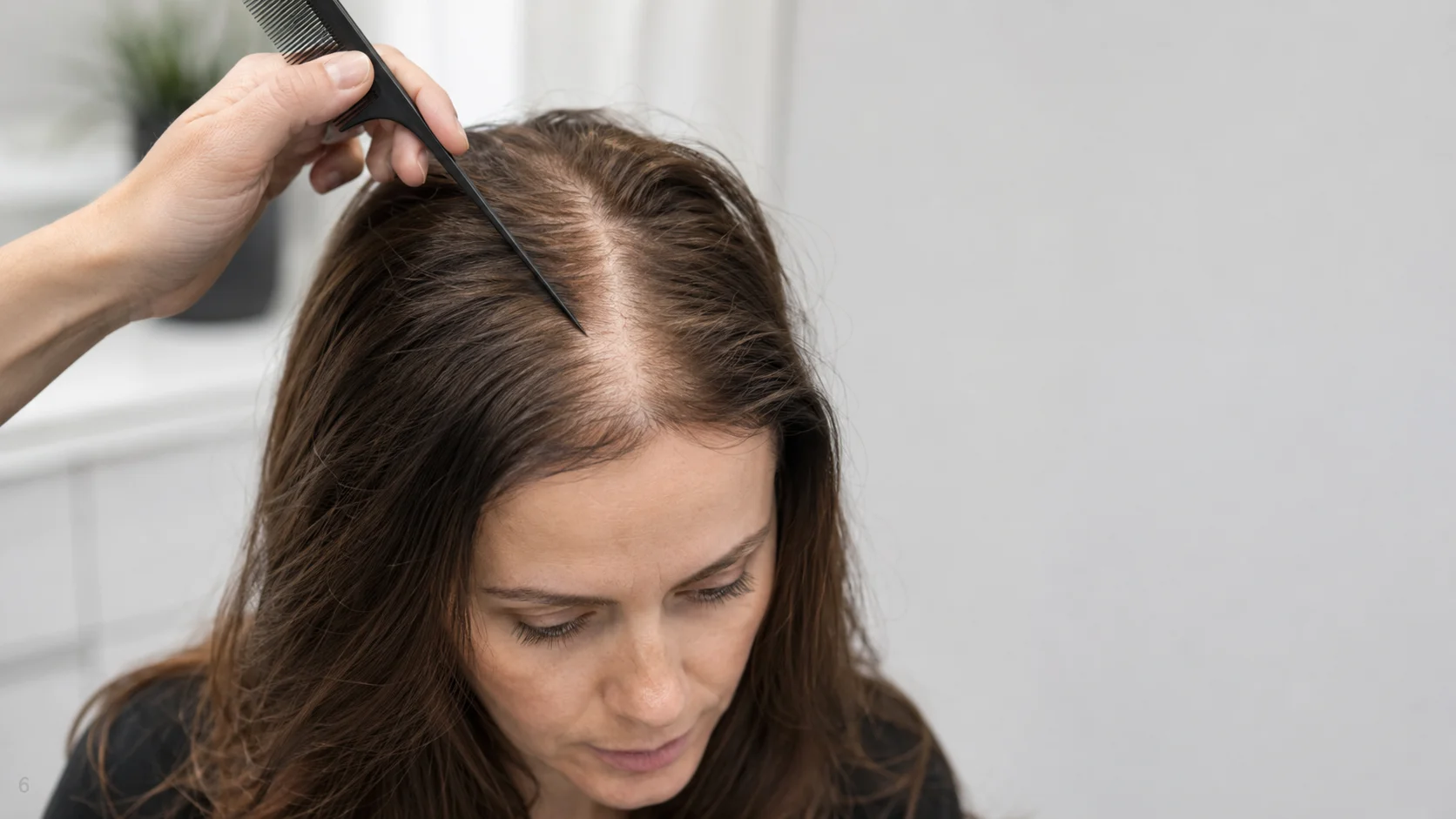
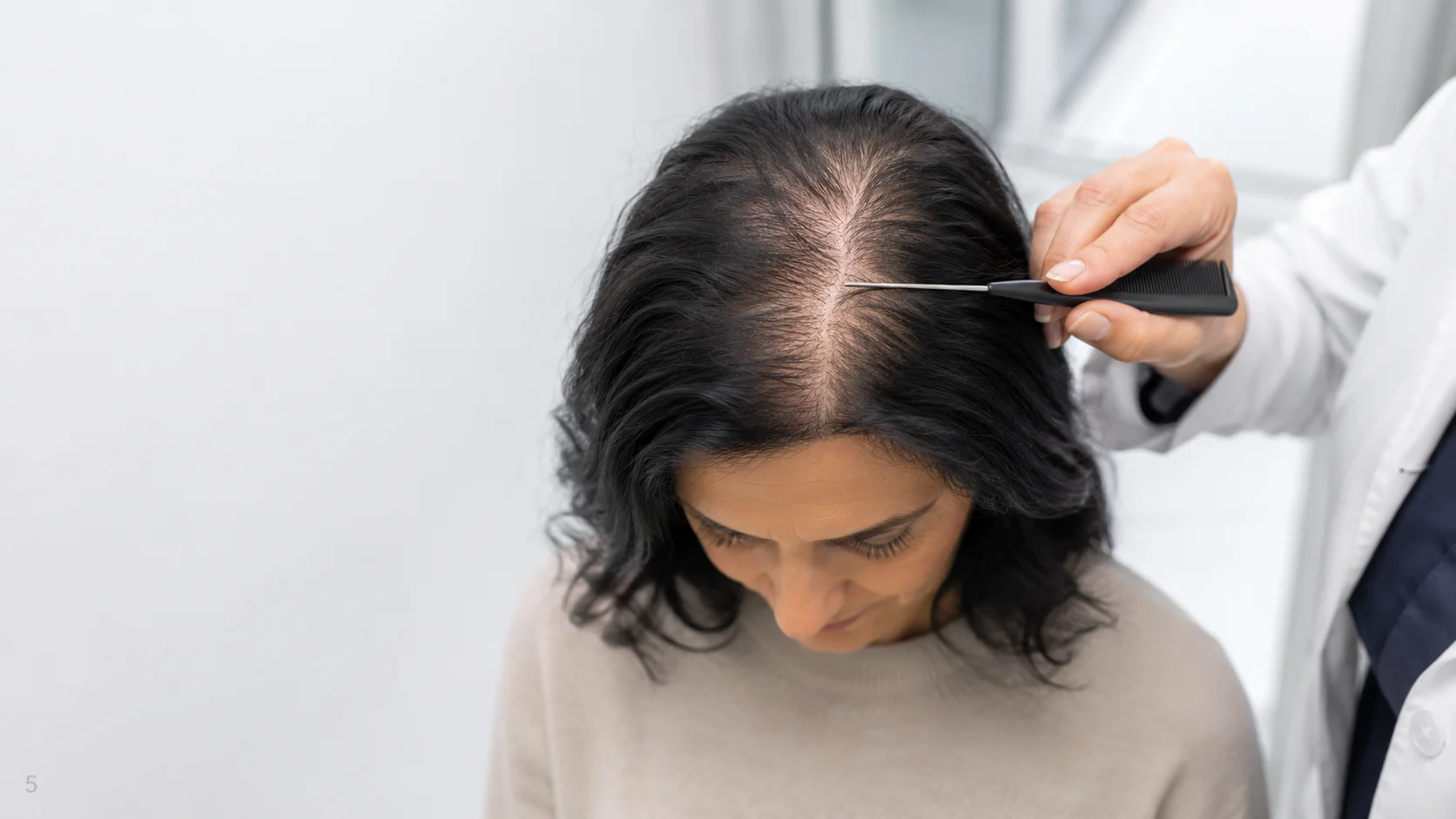
Lichen planopilaris can cause patchy scalp hair loss, perifollicular redness, scale around individual hairs, itching, burning, tenderness, or pain. Smooth pale areas without follicular openings suggest established scarring.
Symptoms and visible inflammation do not always match disease activity. Some people have continuing follicular damage with little discomfort, while others experience symptoms without rapid expansion.
Diagnosis usually combines:
- Examination of the scalp, skin, nails, and mouth
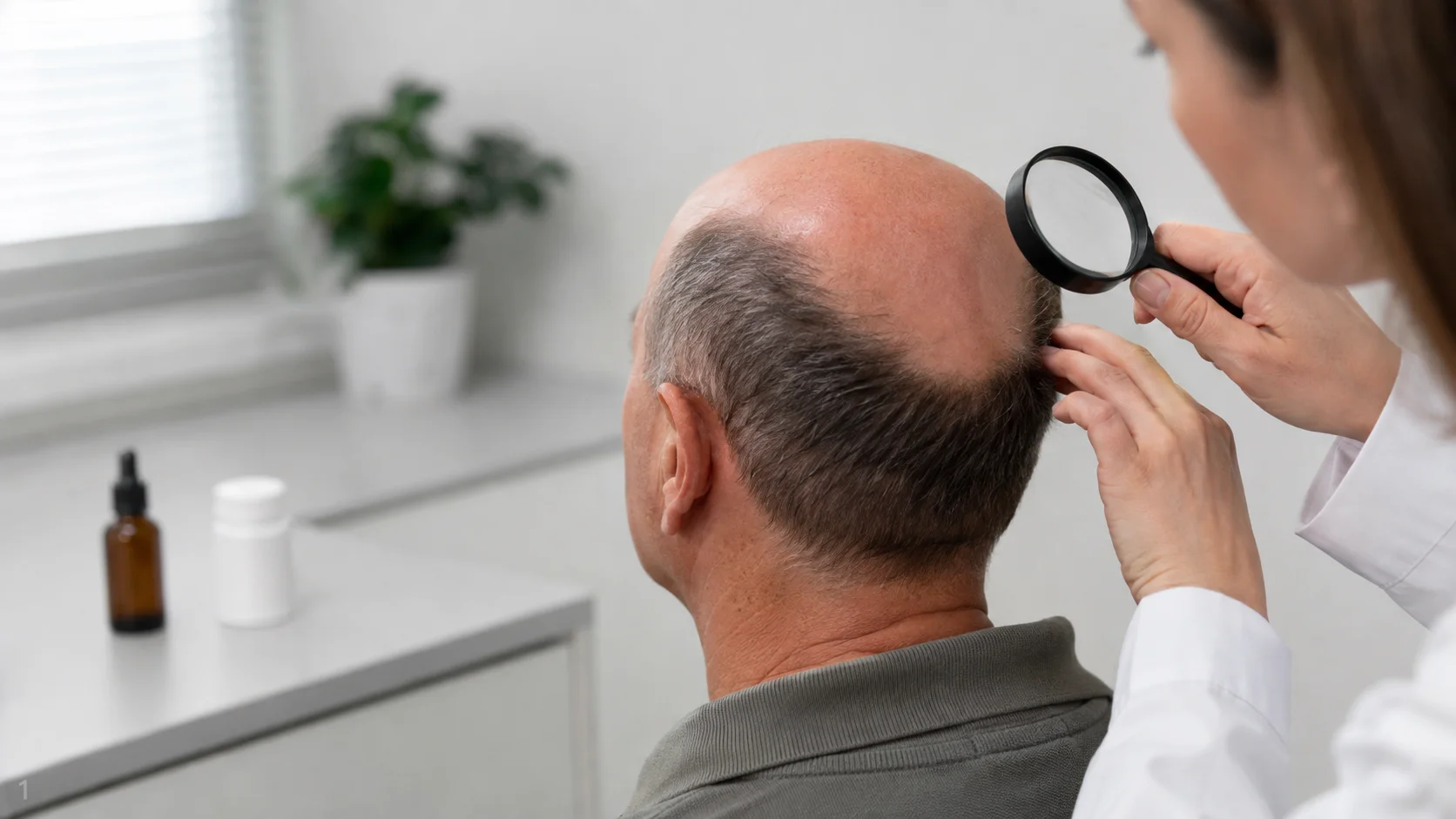
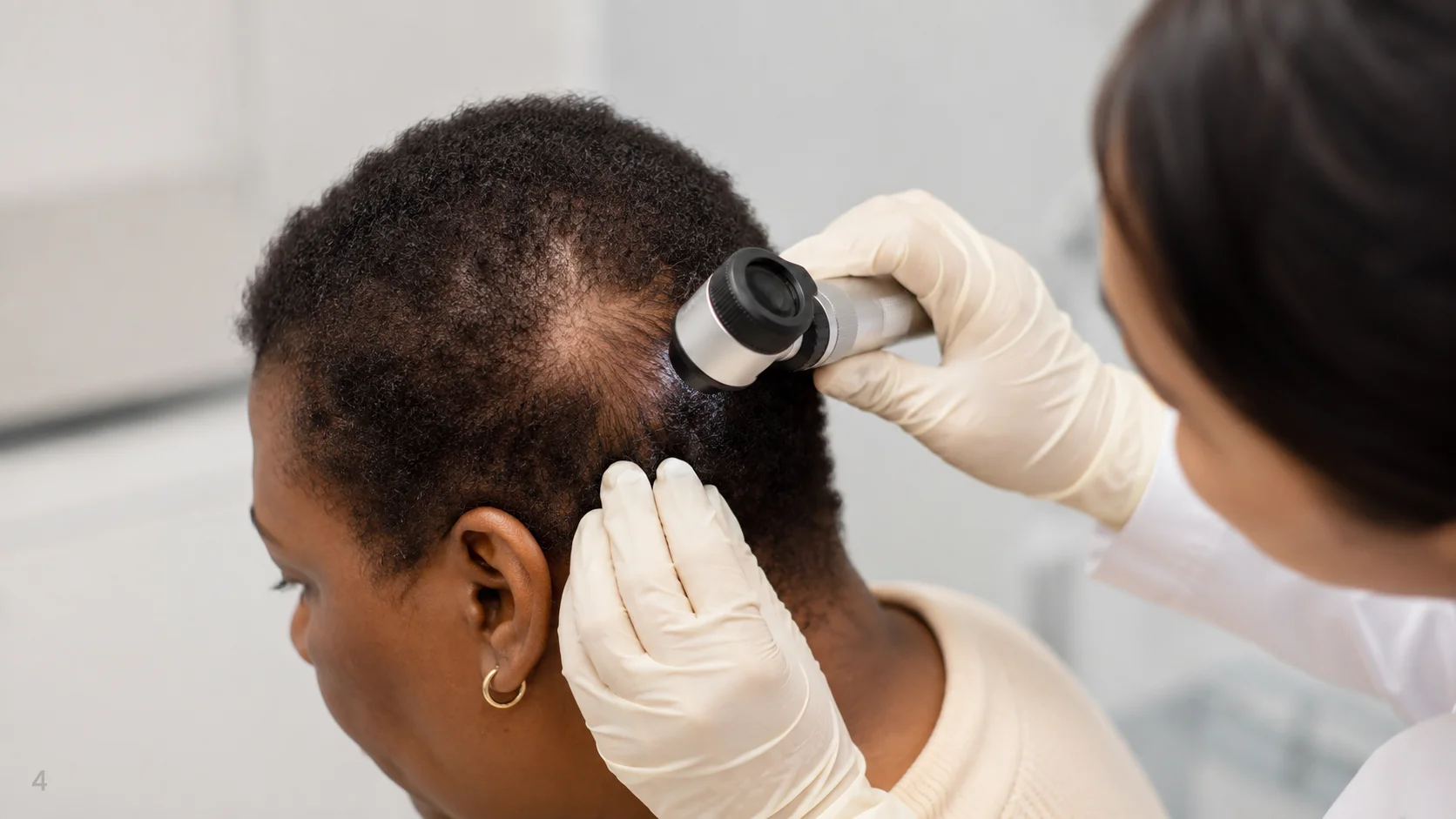
- Dermoscopy or trichoscopy
- Standardized photographs
- Assessment for lost follicular openings
- A scalp biopsy from an active edge when needed
A biopsy may help distinguish lichen planopilaris from discoid lupus, central centrifugal cicatricial alopecia, folliculitis decalvans, alopecia areata, and other causes of patchy loss. Advanced scarred areas may be less diagnostically useful because the original inflammatory features can disappear.
What Treatment Can Realistically Achieve
Successful treatment may reduce itching, burning, tenderness, perifollicular scale, and redness. More importantly, it may slow or stop expansion of the affected areas.
Hair that has been shed temporarily from inflamed but structurally intact follicles may recover. Hair cannot regrow from follicles already replaced by scar tissue.
A lack of obvious regrowth does not necessarily mean treatment has failed. Stabilization is often the most meaningful outcome. Conversely, symptom relief alone does not prove that destructive activity has stopped.
Topical Corticosteroids
Potent or very potent topical corticosteroids are frequently used for localized or active disease. Solutions, foams, lotions, or other scalp-compatible formulations may be selected according to the affected area and hair density.
These medicines reduce inflammation around susceptible follicles. They must be used according to a structured schedule because prolonged or excessive use can cause skin thinning, visible blood vessels, pigment changes, or other local adverse effects.
Topical treatment may be insufficient when the condition is rapidly progressive, widespread, or active beneath apparently quiet skin.
Corticosteroid Injections
Intralesional corticosteroids deliver anti-inflammatory medication directly into selected areas of the scalp. They may be considered for limited active borders or persistent symptomatic sites.
Injections are usually repeated at intervals rather than administered continuously. Possible adverse effects include temporary discomfort, skin thinning, depressions in the scalp, and pigment changes.
The absence of pain after injections can be encouraging, but disease activity should still be assessed through examination and photography.
Short Courses of Oral Corticosteroids
Oral corticosteroids may be used for rapidly progressive or highly inflammatory disease when prompt control is needed. Because long-term systemic use can cause significant adverse effects, these medicines are generally reserved for selected circumstances or used as a temporary bridge to another treatment.
Potential risks include blood pressure and blood sugar changes, infection, mood effects, bone loss, sleep disturbance, and adrenal suppression. The dose should not be changed or stopped without medical guidance.
Hydroxychloroquine
Hydroxychloroquine is commonly considered when lichen planopilaris is progressive, symptomatic, widespread, or insufficiently controlled with local treatment. It modifies immune activity rather than directly stimulating hair growth.
Improvement may take several months, and not everyone responds. Appropriate dosing considers body weight and other health factors.
Baseline assessment and ongoing eye screening are important because long-term exposure can rarely damage the retina. Blood tests and a review of medications, heart rhythm risks, and other medical conditions may also be required.
Tetracycline-Class Medications
Medicines such as doxycycline may be used for their anti-inflammatory properties rather than solely as antibiotics. They can be considered in selected patients with active scalp inflammation.
Possible adverse effects include digestive upset, sun sensitivity, esophageal irritation, and interactions with other medicines or supplements. They are not appropriate for everyone, including during certain stages of pregnancy.
Response is variable, and antibiotic treatment should not be continued indefinitely without reassessment.
Immunomodulating Medications
Persistent or rapidly progressive lichen planopilaris may require stronger systemic treatment. Depending on the individual, options can include methotrexate, mycophenolate mofetil, ciclosporin, retinoids, or other immune-modifying medicines.
These medications differ substantially in their risks and monitoring requirements. Some can affect blood counts, liver or kidney function, blood pressure, infection risk, or pregnancy safety.
Evidence for many lichen planopilaris treatments remains limited, and comparative studies do not identify one universally effective medication. Selection is based on disease activity, medical history, reproductive considerations, previous response, and the clinician’s experience.
Newer immune-targeted treatments, including Janus kinase inhibitors, remain areas of investigation. Emerging reports should not be interpreted as proof of routine effectiveness or long-term safety.
The Role of Minoxidil
Topical or low-dose oral minoxidil may be added when pattern hair loss, reduced density, or miniaturization is also present. It may improve the performance of follicles that remain alive.
Minoxidil does not suppress the immune process responsible for lichen planopilaris. It should be considered a hair-growth adjunct, not a substitute for anti-inflammatory treatment.
Oral minoxidil can cause systemic effects such as fluid retention, rapid heartbeat, dizziness, blood pressure changes, or unwanted body-hair growth and requires medical supervision.
Monitoring Whether Treatment Is Working
Lichen planopilaris is difficult to track through daily observation. Hair length, styling, lighting, and cosmetic camouflage can disguise subtle progression.
Follow-up commonly considers:
- New or expanding areas of loss
- Perifollicular redness and scale
- Symptoms such as burning or tenderness
- Hair-pull findings at active borders
- Standardized photographs
- Dermoscopic changes
- Treatment tolerance and laboratory results
Visits may initially be scheduled every few months. A treatment that is not controlling progression may need adjustment even if it has been used consistently.
Hair Transplantation and Cosmetic Options
Hair transplantation cannot be used to treat active inflammation. Surgery may be considered only after the condition has remained convincingly inactive for an extended period.
Even in stable disease, scarred tissue may provide poorer graft survival, and surgery can sometimes provoke renewed inflammatory activity. Expectations must therefore be conservative.
Hairpieces, scalp concealers, fibers, and styling adaptations can help manage appearance. These options do not control disease, but they can support quality of life while medical treatment focuses on preservation.
Frequently Asked Questions
Can lichen planopilaris be cured?
There is no predictable permanent cure. Treatment aims to control activity and prevent additional scarring. The condition may become inactive, recur, or continue despite treatment.
Will medication regrow hair in scarred areas?
No. Medication cannot recreate follicles replaced by scar tissue. Some recovery may occur where follicles are inflamed but still intact.
How long does treatment take to work?
Symptom relief may occur before disease stabilization, while systemic medicines can require several months for a fair assessment. Monitoring should continue during this period.
Can treatment be stopped when itching improves?
Not automatically. Symptoms can improve while follicular inflammation persists. A clinician should assess whether the condition is inactive before treatment is reduced.
Is minoxidil enough to treat lichen planopilaris?
No. Minoxidil may support surviving follicles but does not control the destructive inflammatory process.
What signs may indicate ongoing activity?
Expanding patches, perifollicular scale, redness, tenderness, burning, positive hair-pull findings, and continued loss can indicate activity.
Setting the Right Treatment Goal
The most important measure of success is preservation. Treatment cannot reverse mature scarring, but it may protect follicles at the active margins and reduce further loss. A confirmed diagnosis, realistic expectations, consistent monitoring, and timely medication adjustments are central to long-term management.
This content is for general informational purposes and does not replace individualized medical advice, diagnosis, or treatment.