Does PRP Really Work for Hair Loss?
Hair loss affects millions of men and women worldwide, often impacting confidence, self-image, and quality of life. As interest in non-surgical hair restoration treatments continues to grow, Platelet-Rich Plasma (PRP) therapy has emerged as one of the most discussed options.
But does PRP really work for hair loss, or is it simply another trend in the world of aesthetic medicine?
The answer lies somewhere in between. Scientific studies suggest that PRP may help improve hair density, thickness, and overall hair quality in suitable candidates. However, results vary from person to person, and PRP is not a miracle cure for baldness.
In this article, we'll examine how PRP works, what the research says, who may benefit from treatment, and what realistic expectations patients should have.
What Is PRP?
PRP stands for Platelet-Rich Plasma.
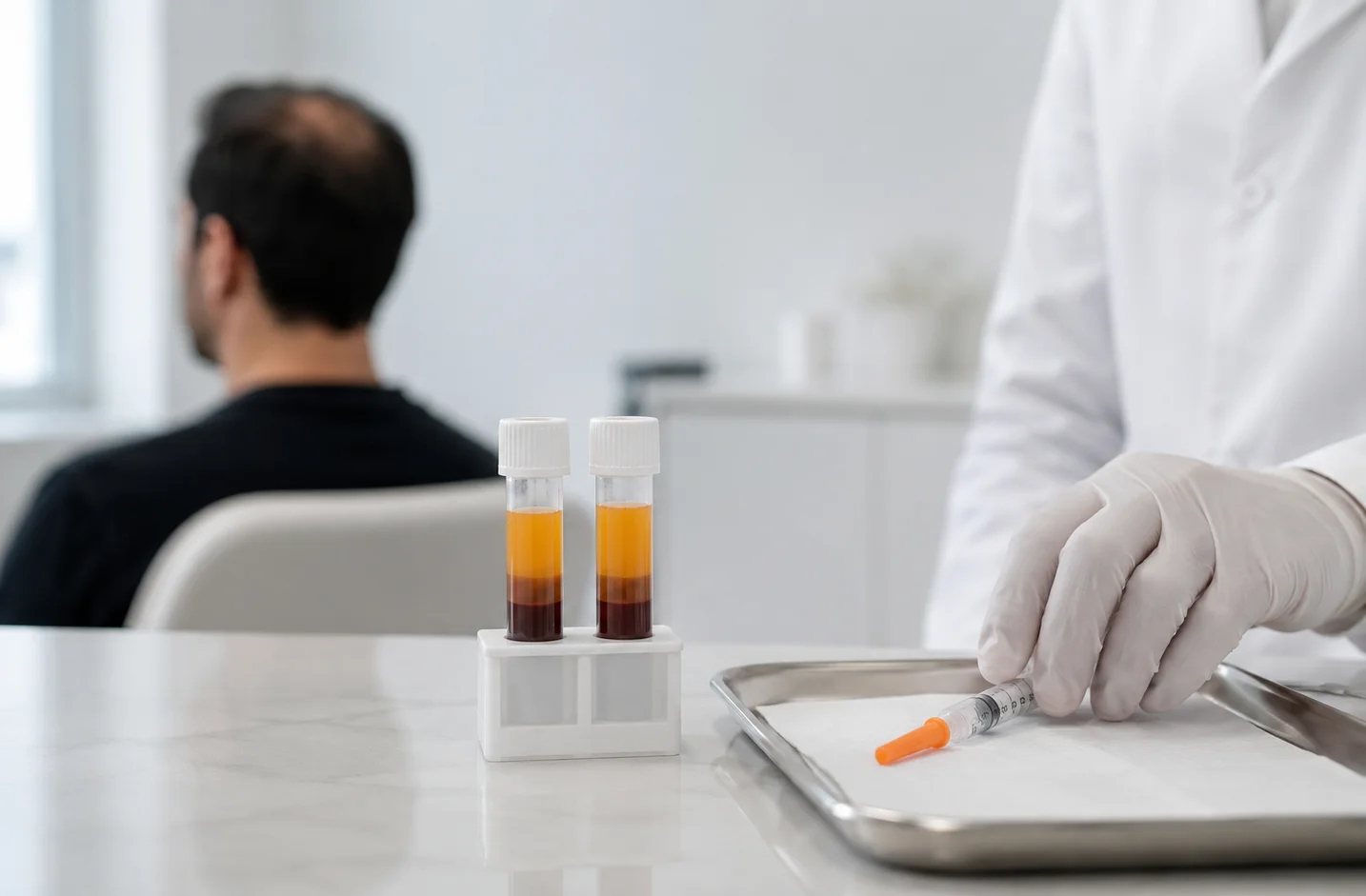
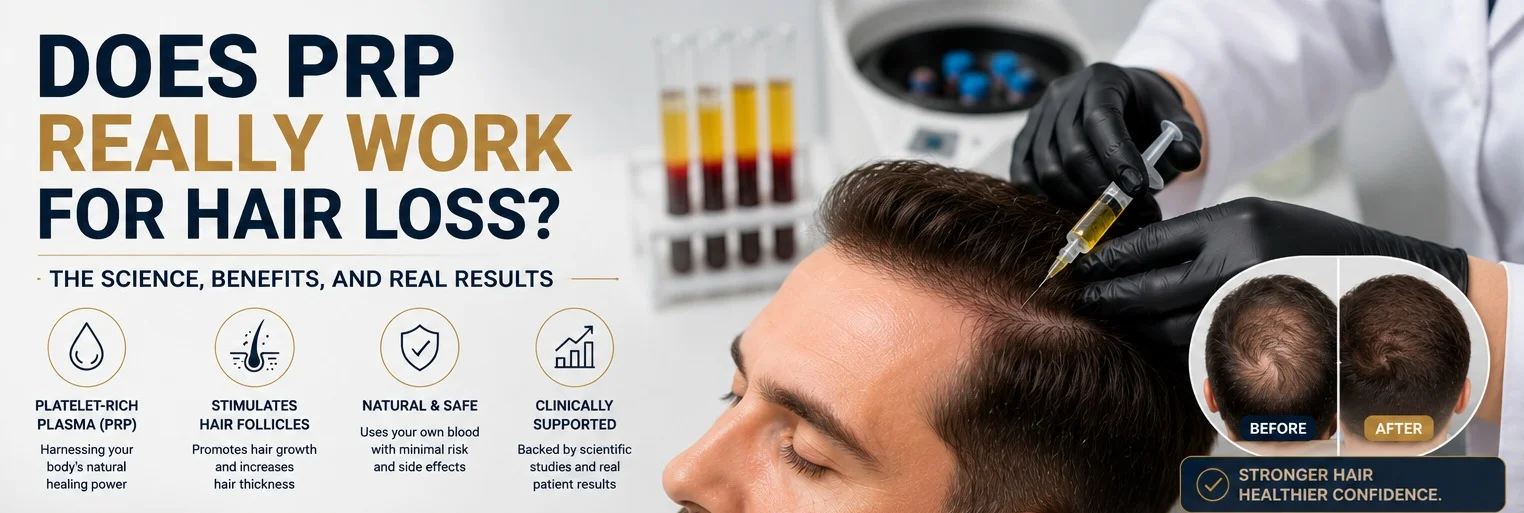
The treatment uses a concentrated portion of the patient's own blood, which contains a high number of platelets. These platelets are rich in growth factors that help support tissue repair and regeneration.
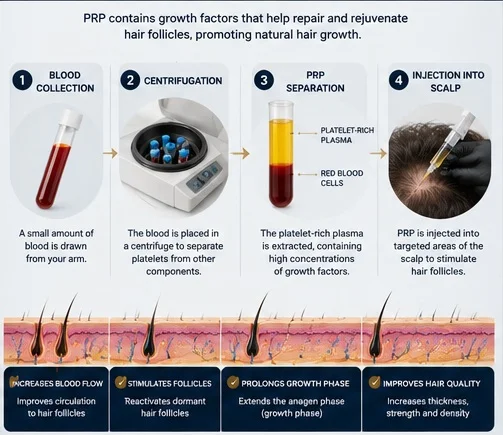
The procedure typically involves:
- Drawing a small amount of blood from the patient.
- Processing the blood in a centrifuge.
- Separating the platelet-rich plasma.
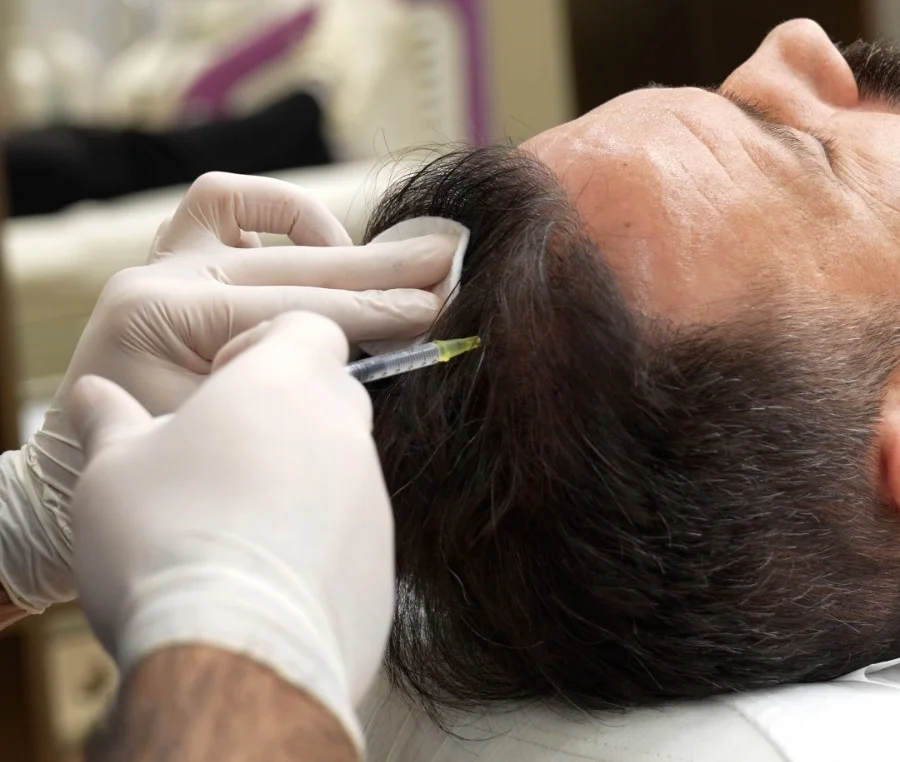
- Injecting the concentrated plasma into targeted areas of the scalp.
Because PRP uses the patient's own blood, the risk of allergic reactions is extremely low.
How Does PRP Work for Hair Loss?
PRP contains numerous growth factors that may stimulate hair follicles and improve scalp health.
Researchers believe PRP may help by:
- Increasing blood supply to hair follicles
- Extending the growth phase of the hair cycle
- Supporting follicle regeneration
- Reducing inflammation around follicles
- Improving hair shaft thickness
- Enhancing overall scalp health
These mechanisms may encourage existing follicles to produce stronger and healthier hair.
Importantly, PRP does not create new hair follicles. Instead, it aims to improve the performance of follicles that are still alive but weakened.
What Types of Hair Loss Can PRP Help?
PRP appears to be most effective in specific types of hair loss.
Androgenetic Alopecia (Pattern Hair Loss)
The strongest scientific evidence exists for androgenetic alopecia, commonly known as male or female pattern baldness.
Studies have shown that PRP may improve:
- Hair density
- Hair thickness
- Hair growth rate
- Hair shaft quality
Patients in the early and moderate stages of hair loss often experience the most noticeable results.
Hair Thinning
Individuals with diffuse thinning but active follicles may also benefit from PRP treatments.
Hair Transplant Support
Many clinics use PRP as a complementary treatment before or after hair transplantation.
PRP may help support:
- Graft survival
- Healing
- Scalp recovery
- Hair quality improvement
However, PRP should be viewed as an adjunctive treatment rather than a replacement for hair transplantation when extensive hair loss is present.
What Does the Scientific Evidence Say?
Over the past decade, numerous clinical studies have evaluated PRP for hair loss.
Many studies report improvements in:
- Hair count
- Hair density
- Hair thickness
- Patient satisfaction
Several systematic reviews and meta-analyses have concluded that PRP shows promising results for androgenetic alopecia.
However, researchers also emphasize that:
- Treatment protocols vary significantly
- Injection techniques differ between clinics
- PRP preparation methods are not fully standardized
- Results can vary substantially among patients
As a result, PRP is considered a supportive treatment with growing scientific evidence rather than a guaranteed solution.

When Is PRP Most Effective?
PRP tends to work best when hair follicles are still active.
Patients often achieve better results when:
- Hair loss is detected early
- Follicles have not completely miniaturized
- Treatment begins before significant baldness develops
- PRP is combined with a comprehensive hair loss strategy
The earlier treatment starts, the greater the likelihood of preserving existing hair.
When PRP May Not Be Effective
PRP has limitations.
Patients with completely bald areas where follicles no longer exist may not experience meaningful regrowth.
PRP is generally less effective when:
- Hair follicles are permanently inactive
- Advanced baldness is present
- Significant scarring exists
- Underlying medical causes remain untreated
In these cases, hair transplantation may provide more predictable results.
How Many PRP Sessions Are Needed?
Treatment protocols vary depending on the clinic and patient needs.
A common approach includes:
Initial Phase
- 3 to 4 sessions
- Approximately one month apart
Maintenance Phase
- Every 4 to 6 months
- Depending on individual response
Since hair growth is a gradual process, multiple sessions are typically necessary to evaluate effectiveness.
When Will Results Become Visible?
Hair growth requires patience.
Most patients begin noticing improvements within:
- 3 months for reduced shedding
- 4 to 6 months for improved density
- 6 to 12 months for maximum visible benefits
Results develop gradually rather than overnight.
Is PRP Safe?
PRP is generally considered safe when performed by qualified medical professionals.
Because the treatment uses the patient's own blood, serious complications are uncommon.
Possible side effects include:
- Temporary redness
- Mild swelling
- Tenderness
- Minor bruising
- Temporary scalp discomfort
Most side effects resolve within a few days.
Can PRP Stop Hair Loss Permanently?
No.
PRP does not permanently stop genetic hair loss.
Androgenetic alopecia is a progressive condition that continues over time.
PRP may help slow progression and improve hair quality, but maintenance treatments are usually necessary to sustain results.
Can PRP Be Combined with Other Treatments?
Yes.
Many specialists recommend combining PRP with other evidence-based treatments.
Depending on the patient, this may include:
- Minoxidil
- Finasteride (for suitable candidates)
- Nutritional support
- Low-level laser therapy
- Hair transplantation
A personalized treatment plan often produces the best outcomes.
Who Is a Good Candidate for PRP?
Good candidates typically include:
- Men with early-stage hair loss
- Women experiencing thinning hair
- Individuals with active hair follicles
- Patients seeking non-surgical treatment options
- Hair transplant patients seeking supportive therapy
A consultation with a qualified hair restoration specialist can determine suitability.

Conclusion
PRP therapy is not a miracle cure, but current scientific evidence suggests that it can be a valuable tool in the management of hair loss. By utilizing growth factors derived from the patient's own blood, PRP may help improve hair density, thickness, and overall scalp health in selected individuals.
The best results are generally seen in patients with early-stage hair loss and active hair follicles. While PRP cannot restore hair in completely bald areas, it may help preserve and strengthen existing hair when incorporated into a comprehensive treatment strategy.
For individuals considering PRP, a professional assessment is essential to determine whether the treatment aligns with their specific type and stage of hair loss.
For another regenerative option, see exosome therapy for hair loss.
Sources / References
- International Society of Hair Restoration Surgery (ISHRS)
- American Academy of Dermatology (AAD)
- National Library of Medicine (PubMed)
- Gupta AK et al. Platelet-Rich Plasma as a Treatment for Androgenetic Alopecia.
- Journal of Cutaneous and Aesthetic Surgery
- Dermatologic Surgery Journal
- International Journal of Trichology