Hair loss and thinning, as well as dandruff, are significant health issues for both men and women, and are extremely important concerns from both a visual and psychological perspective.
In recent years, one of the emerging experimental treatments explored for these issues is exosome therapy. Early research suggests it may support cellular regeneration and help maintain scalp and hair follicle health, but it is important to understand that this is still a relatively new treatment with limited long-term, large-scale clinical evidence, and it is not currently an FDA-approved treatment for hair loss.
So, what are exosomes? What does the current evidence say about their effectiveness for hair loss and thinning? And who considers them, and what should they know before doing so?
1. What Are Exosomes?
Exosomes are microvesicles that enable communication between cells and tissues in the human body. These vesicles contain:
- A large number of growth factors
- Proteins and amino acids
- Genetic materials
- Biological signaling molecules
- Lipids
Thanks to these components, exosomes are believed to help support cellular activity in hair follicles, blood vessels, and the scalp. Early-stage and small-scale studies suggest they may help support scalp tissue repair and healthier hair follicles, though this research is still developing and has not yet been confirmed in large, well-controlled clinical trials.

2. Potential Effects of Exosome Therapy on Hair Loss
The mechanisms below reflect the biological rationale for exosome therapy and findings from early clinical and laboratory studies. They should be read as potential benefits under investigation rather than guaranteed outcomes, since robust, large-scale randomized controlled trials in humans are still limited.
2.1 May Support Hair Follicle Activity
Some studies suggest it may help stimulate weakened, thinned, or damaged hair follicles, potentially slowing down hair loss in certain patients.
2.2 May Support Cellular Repair
It is thought to help address cellular damage in the scalp and reduce localized inflammation, though the extent of this effect in humans needs further study.
2.3 May Improve Blood Circulation and Vascularization
Preliminary research suggests it may increase blood flow to the hair follicles and support the formation of new blood vessels, which could improve delivery of oxygen and nutrients to the scalp.
2.4 May Help Stimulate New Hair Growth
Some early findings suggest it may help hair follicles in the telogen (resting) phase transition into the anagen (growth) phase, though this has not been confirmed as a consistent, reproducible effect across large studies.
2.5 May Strengthen Existing Hair
Some patients and small studies report thicker, more resilient hair strands, but individual results vary considerably.
3. Who Considers Exosome Therapy?
- Individuals experiencing genetic hair loss (androgenetic alopecia)
- Those who want to support healing after hair transplant and strengthen existing hair
- People experiencing hair loss or thinning due to stress, anemia, vitamin deficiency, nutritional disorders, or hormonal changes
- Individuals interested in emerging, adjunct options for hair density and scalp health
Because this treatment is still investigational, it is generally considered as a complementary or adjunct option rather than a replacement for treatments with stronger, longer-established clinical evidence, such as minoxidil or finasteride.
4. Procedure
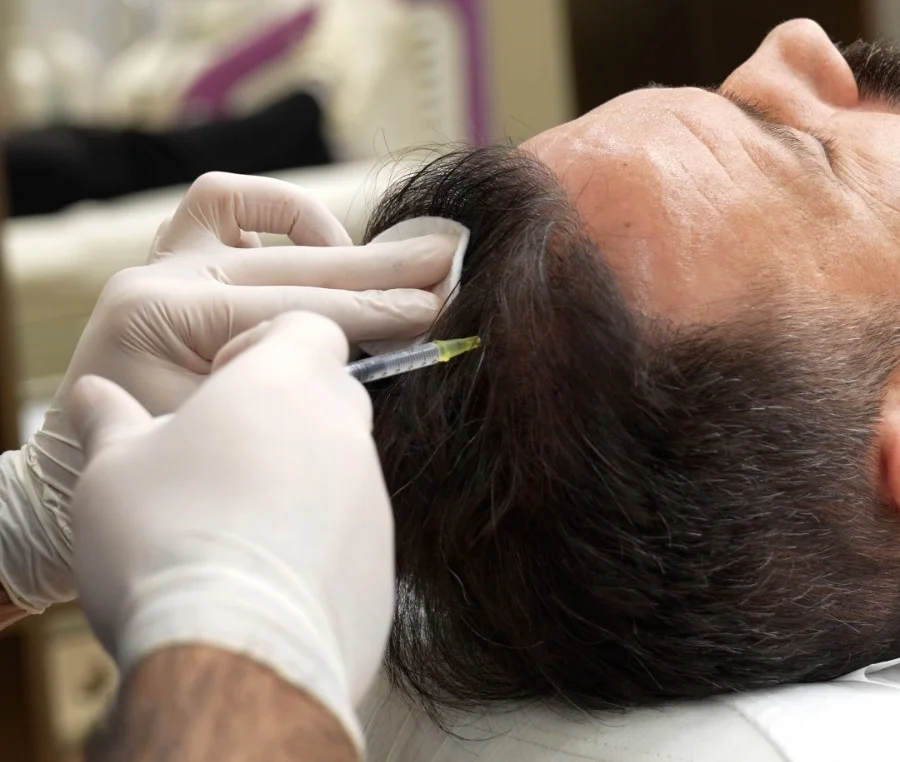
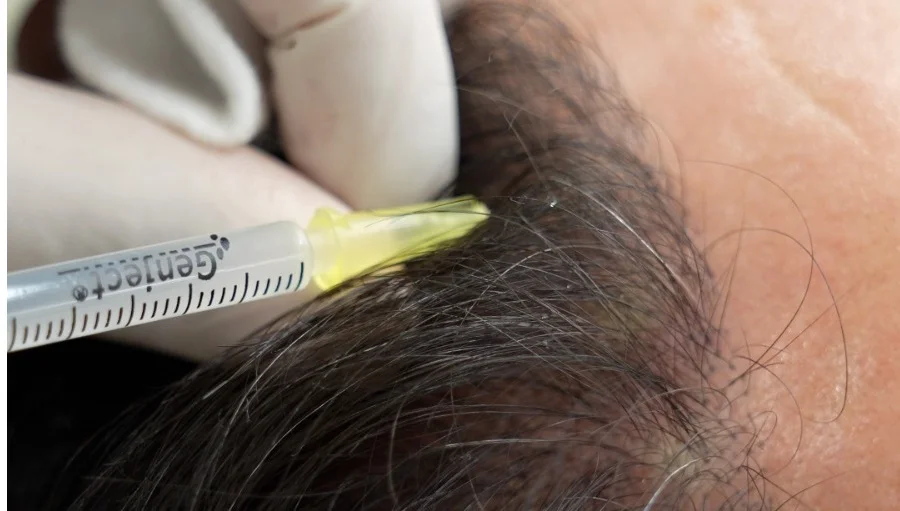
Exosome therapy is usually applied to the scalp using a mesotherapy technique or micro-needling, similar to PRP.
- Session duration: A few minutes
- Recovery time: Return to normal daily activities on the same day
Evidence Level, Regulatory Status, and Practical Considerations
Before considering exosome therapy, it is worth understanding a few important points:
Evidence level: Most published research on exosome therapy for hair loss consists of small trials, case series, and laboratory studies rather than large, multi-center randomized controlled trials. This means the treatment shows promise, but its effectiveness, optimal dosing, and long-term outcomes are not yet established with the same level of confidence as FDA-approved treatments like minoxidil and finasteride.
Regulatory status: In the United States, exosome products are generally regulated as biological products, and the FDA has not approved exosome-based products specifically for hair loss treatment. The FDA has also issued public warnings about unapproved and unregulated exosome and other regenerative products being marketed with unsubstantiated claims. When exosome therapy is offered by a clinic, it is typically provided off-label or as part of a practitioner's individualized treatment approach, not as an FDA-cleared indication.
Standardization: Exosome products vary significantly between manufacturers and suppliers in terms of source (e.g., derived from stem cells, platelets, or other tissues), processing method, purity, and concentration. This lack of standardization makes it difficult to compare results across studies or clinics, and means outcomes can vary substantially depending on the specific product used.
Cost and accessibility: Exosome therapy is generally more expensive than established treatments such as topical minoxidil or oral finasteride, and it is typically not covered by insurance since it is considered elective and investigational. Availability and product quality can also vary widely by clinic and region.
5. Conclusion: An Emerging, Investigational Treatment for Hair Loss
Exosome therapy is an area of active research for hair loss, thinning hair, and scalp health, with a plausible biological rationale and encouraging early findings. However, it remains an experimental, non-FDA-approved treatment with limited large-scale clinical evidence, variable product standardization, and a higher cost compared to established options.
For these reasons, exosome therapy is best viewed as a complementary or adjunct option rather than a proven, first-line treatment, and it should be discussed carefully with a qualified doctor — including a realistic conversation about the current evidence level, regulatory status, and expected outcomes — before proceeding.
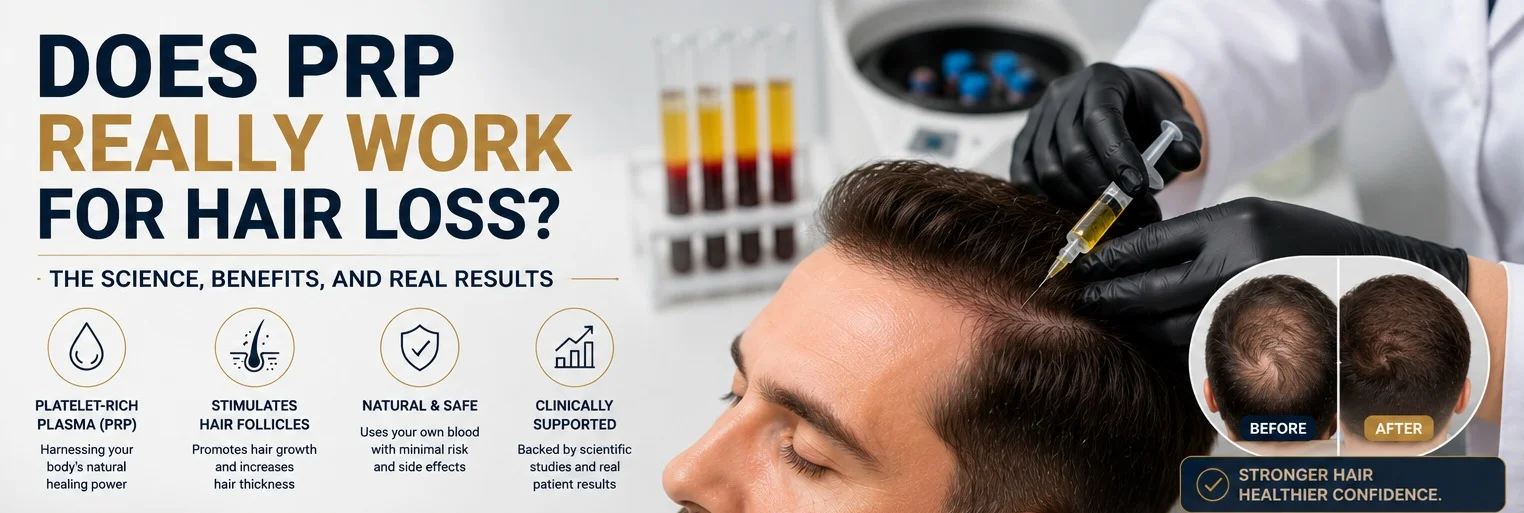
Exosome therapy is sometimes discussed alongside PRP for hair loss, another treatment with a similarly evolving evidence base.