Does Low-Level Laser Therapy (LLLT) Really Work for Hair Loss?
Hair loss affects millions of people worldwide, leading many individuals to search for treatments that are both effective and minimally invasive. While medications and surgical procedures often receive the most attention, another option has gained increasing popularity over the past decade: Low-Level Laser Therapy (LLLT), also commonly known as red light therapy.
LLLT is a non-surgical treatment that uses low-intensity red light to stimulate the scalp. Unlike high-powered medical lasers used for surgical procedures, low-level lasers do not generate enough heat to damage the skin or surrounding tissues. Instead, they are designed to deliver controlled light energy that may support normal cellular activity within the scalp.
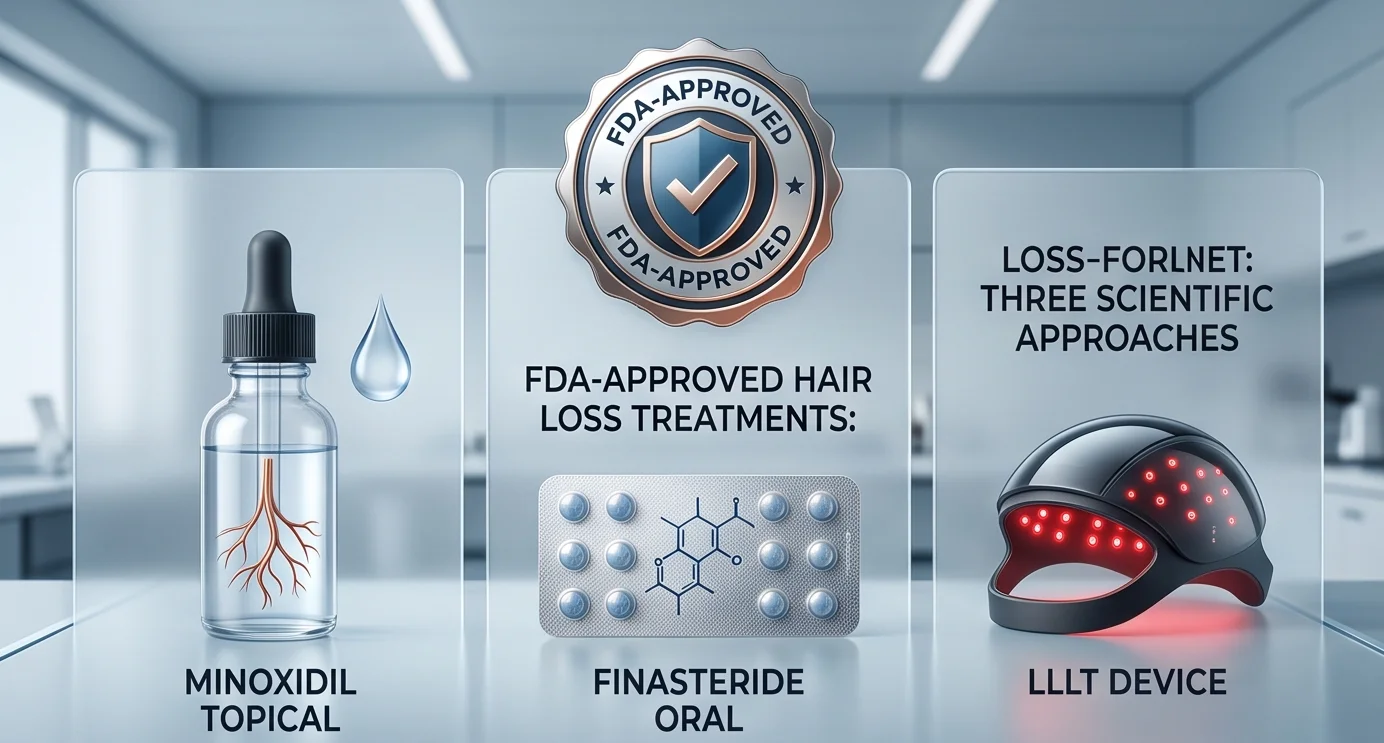
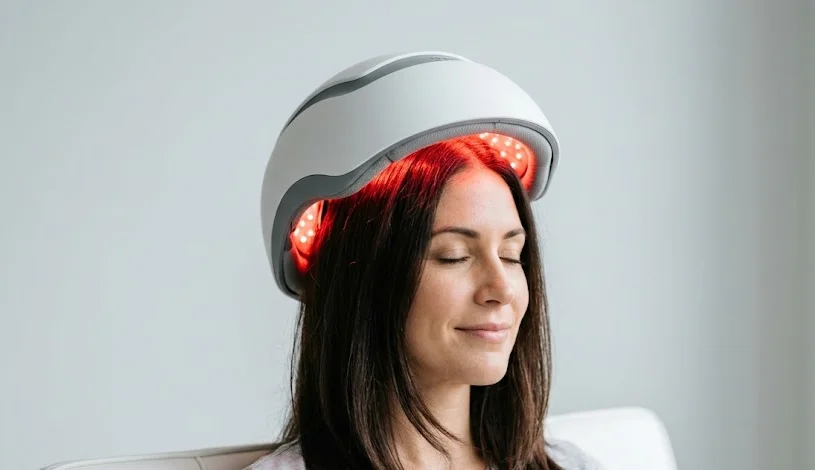
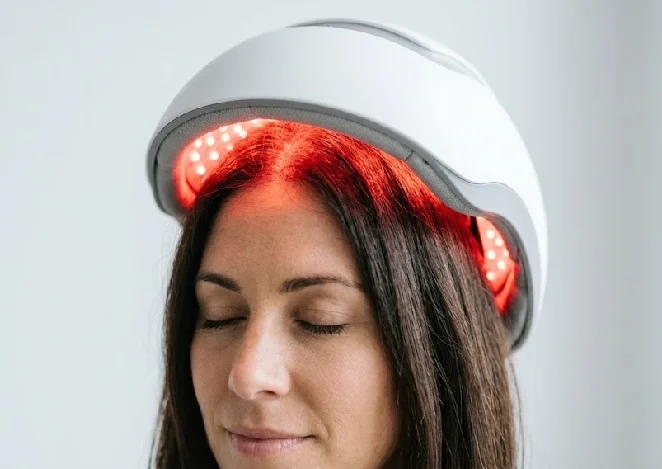
Today, LLLT is available in several forms, including laser caps, helmets, combs, and headbands, making it accessible for both clinical and home use. Because it does not involve medication, injections, or surgery, many people consider it an attractive option for supporting hair growth.
But does red light therapy actually work?
The answer is not a simple yes or no. Scientific research suggests that Low-Level Laser Therapy may help improve hair density and reduce hair shedding in certain individuals, particularly those with pattern hair loss. However, the effectiveness of treatment depends on several factors, including the underlying cause of hair loss, the condition of existing hair follicles, consistency of use, and individual biological differences.
Understanding how LLLT works and what realistic expectations should look like is essential before deciding whether it deserves a place in your hair care routine.
What Is Low-Level Laser Therapy?
Low-Level Laser Therapy is a treatment that uses carefully controlled wavelengths of red light to stimulate biological activity within the scalp. The treatment is completely non-invasive and does not rely on medication or surgery.
Unlike cosmetic lasers that remove skin layers or generate heat, LLLT works at a much lower energy level. The goal is not to damage tissue but rather to encourage normal cellular processes that may support healthier hair growth.
Most modern LLLT devices emit red light within wavelengths that have been studied for their ability to reach the scalp and interact with hair follicles. During a treatment session, this light penetrates the outer layers of the skin and is believed to stimulate activity inside the cells responsible for supporting the hair growth cycle.
Because the treatment is painless and generally well tolerated, many users appreciate its convenience. Sessions usually last only a few minutes and can often be completed while performing everyday activities such as reading or watching television.
Although research continues to evolve, LLLT has become one of the most recognized non-invasive treatment options for certain types of hair loss.
How Does Red Light Therapy Work?
The exact biological mechanisms are still being studied, but researchers believe that red light therapy works by improving the activity of cells inside the hair follicle.
Hair follicles require energy to produce healthy hair. One theory suggests that low-level laser light helps stimulate the mitochondria, often referred to as the "powerhouses" of the cell. Increased cellular energy may allow follicles to function more efficiently and remain in the active growth phase for a longer period.
Another proposed benefit involves improved blood circulation. Better circulation may increase the delivery of oxygen and nutrients to hair follicles, creating a healthier scalp environment.
Researchers also believe that LLLT may help reduce certain forms of inflammation around hair follicles. Since chronic inflammation may negatively affect normal hair growth, reducing unnecessary inflammatory activity could support healthier follicle function.
Rather than creating new hair follicles, red light therapy is thought to improve the performance of follicles that are still alive but producing thinner or weaker hair.
For this reason, individuals experiencing early or moderate hair thinning may notice better results than those with advanced hair loss where follicles are no longer active.
What Does Current Research Suggest?
Over the past several years, multiple clinical studies have investigated the effectiveness of Low-Level Laser Therapy for pattern hair loss.
Many of these studies have reported improvements in hair density, hair thickness, and overall hair appearance after several months of consistent treatment. While the degree of improvement varies between individuals, the overall body of research suggests that LLLT may provide measurable benefits for selected candidates.
Researchers also emphasize that consistency is one of the most important factors. Hair growth is naturally slow, meaning visible improvements usually develop gradually rather than immediately.
It is equally important to recognize that scientific studies do not suggest LLLT is a miracle cure. Instead, the available evidence indicates that it may serve as one supportive treatment within a broader hair management strategy.
For many individuals, realistic expectations combined with regular use are more likely to produce satisfying long-term outcomes than expecting dramatic changes after only a few sessions.
Who May Benefit Most From Low-Level Laser Therapy?
Low-Level Laser Therapy is not designed to treat every type of hair loss, but it may be beneficial for certain individuals experiencing gradual hair thinning. People with active hair follicles are generally more likely to notice positive changes than those whose follicles have become inactive over time.
LLLT is often considered by individuals looking for a non-invasive option that does not involve medication or surgery. Because treatment is painless and requires little effort, it may fit easily into a regular hair care routine.
Those experiencing early-stage hair thinning may find LLLT particularly appealing, as supporting hair follicles before significant loss occurs may help maintain overall hair density. However, it is important to remember that every person's hair growth cycle is unique, and individual responses can vary considerably.
For people with sudden hair loss caused by illness, nutritional deficiencies, or other underlying conditions, identifying and addressing the root cause remains more important than relying solely on light therapy.
Advantages and Limitations of Red Light Therapy
One of the biggest advantages of Low-Level Laser Therapy is that it is completely non-invasive. Treatment does not involve needles, surgery, or recovery time, allowing most people to return to their normal activities immediately after each session.
Another benefit is its ease of use. Modern laser caps and helmets allow users to complete treatment sessions at home, making long-term consistency easier for many individuals.
LLLT also avoids many of the concerns associated with invasive procedures. Since it relies on low-intensity light rather than heat, the treatment is generally well tolerated when used according to instructions.
However, like any hair loss treatment, LLLT also has limitations.
It does not produce immediate results, and improvements usually require several months of regular use. Missing sessions or stopping treatment may reduce the potential long-term benefits.
It is also important to understand that LLLT cannot create new hair follicles where none remain. Instead, it aims to support follicles that are still capable of producing hair.
For this reason, managing expectations is an important part of any treatment plan. Red light therapy should be viewed as a supportive approach rather than a guaranteed solution.
Frequently Asked Questions
Does red light therapy really work for hair loss?
Current scientific research suggests that Low-Level Laser Therapy may help improve hair density and support healthier-looking hair in certain individuals. However, results vary depending on the type of hair loss, the condition of the hair follicles, and consistency of treatment.
How long does it take to see results?
Hair growth is naturally slow. Many people require several months of regular treatment before noticing visible improvements. Consistency is generally considered one of the most important factors for achieving meaningful results.
Can Low-Level Laser Therapy regrow completely lost hair?
LLLT is designed to support existing hair follicles rather than create new ones. Individuals with active follicles may experience improvements in hair thickness or density, while advanced hair loss may respond less effectively.
Is Low-Level Laser Therapy safe?
When used as intended, Low-Level Laser Therapy is generally considered a safe and non-invasive treatment option for certain types of hair loss. Following the manufacturer's instructions and maintaining realistic expectations are important parts of using any treatment safely.
Final Thoughts
Low-Level Laser Therapy has become one of the most widely recognized non-invasive approaches for supporting hair growth. By delivering carefully controlled red light to the scalp, the treatment may encourage normal cellular activity and help create a healthier environment for existing hair follicles.
Although research continues to evolve, current evidence suggests that LLLT may benefit some individuals experiencing pattern hair loss or gradual thinning. It is important to remember, however, that no treatment works equally well for everyone. Factors such as genetics, age, scalp condition, and the underlying cause of hair loss all influence the outcome.
Rather than viewing red light therapy as a miracle solution, it is more realistic to consider it part of a comprehensive approach to hair health. Healthy lifestyle habits, proper scalp care, patience, and consistent treatment all contribute to achieving the best possible results over time.
For individuals seeking a non-surgical, medication-free option, Low-Level Laser Therapy may offer a practical way to support healthier-looking hair while fitting comfortably into a long-term hair care routine.