Some hair follicles are more sensitive to dihydrotestosterone, or DHT, because their response is shaped by genetics, androgen-receptor activity, local hormone metabolism, and the biological identity of the scalp region where they grow. The amount of DHT circulating in the blood is only part of the picture.
In androgenetic alopecia, susceptible follicles interpret androgen signaling in a way that gradually shortens their growth phase and reduces their size. Nearby follicles exposed to the same bloodstream may remain comparatively resistant. This regional difference explains why pattern hair loss affects the frontal scalp and crown while usually sparing much of the back and sides.
DHT Does Not Damage Every Follicle Equally
DHT is a potent androgen formed when the enzyme 5-alpha reductase converts testosterone into DHT. It binds to androgen receptors inside responsive cells, including cells in the dermal papilla at the base of the hair follicle.
The dermal papilla helps regulate follicle size, growth duration, and communication with surrounding cells. What happens after DHT binds to its receptor depends on the follicle’s local molecular programming.
In a susceptible scalp follicle, androgen signaling can promote growth-inhibiting signals and reduce signals that support continued hair production. In a beard follicle, androgen signaling can have the opposite effect and encourage terminal hair development.
DHT is therefore not a universal “hair-loss hormone.” Its effect depends on the tissue receiving the signal.
Genetics Establish the Susceptibility
Androgenetic alopecia is a polygenic condition, meaning that many genetic variants contribute to risk rather than one single baldness gene.
Research has identified important risk regions involving the androgen receptor and other loci associated with follicle development and regulation. Variants may influence:
- Androgen-receptor expression or activity
- Local conversion of testosterone to DHT
- Cellular responses after receptor activation
- Hair-cycle regulation
- Inflammatory and growth-factor signaling
- The age at which miniaturization becomes noticeable
- The speed and pattern of progression
Inheritance can come from both sides of the family. The common idea that baldness is inherited only from the mother’s father is inaccurate.
Genetic susceptibility is better understood as a collection of risk factors. Two siblings can inherit different combinations and develop very different hair patterns.
The Role of Androgen Receptors
DHT must interact with an androgen receptor to influence an androgen-responsive follicle. Follicles can differ in how much receptor they express, where it is expressed, and how strongly downstream signals are activated.
Balding scalp dermal papilla cells have shown differences in androgen-receptor activity compared with cells from resistant scalp regions. Experimental research suggests that androgen signaling in susceptible cells may increase factors that inhibit epithelial growth, alter regenerative signaling, and contribute to premature cellular aging.
Receptor quantity alone does not explain every case. Co-regulatory proteins, gene activity, local enzymes, and communication between follicle cells also determine the final effect.
Local DHT Production Matters
DHT can circulate in the blood, but it can also be produced locally within the skin and follicle. The enzyme 5-alpha reductase is present in several skin compartments, and its activity differs by body site and follicle type.
This means serum DHT does not necessarily represent the exact androgen environment around a frontal scalp follicle. Two people with similar blood levels may have different:
- Local enzyme activity
- Scalp DHT concentrations
- Androgen-receptor responses
- DHT-inactivating enzyme activity
- Genetic thresholds for miniaturization
A normal blood result therefore cannot establish that scalp follicles are protected.
Why the Front and Crown Are Often Affected
Hair follicles preserve a regional identity established during development. Frontal, temporal, crown, beard, body, and occipital follicles are not interchangeable biological units.
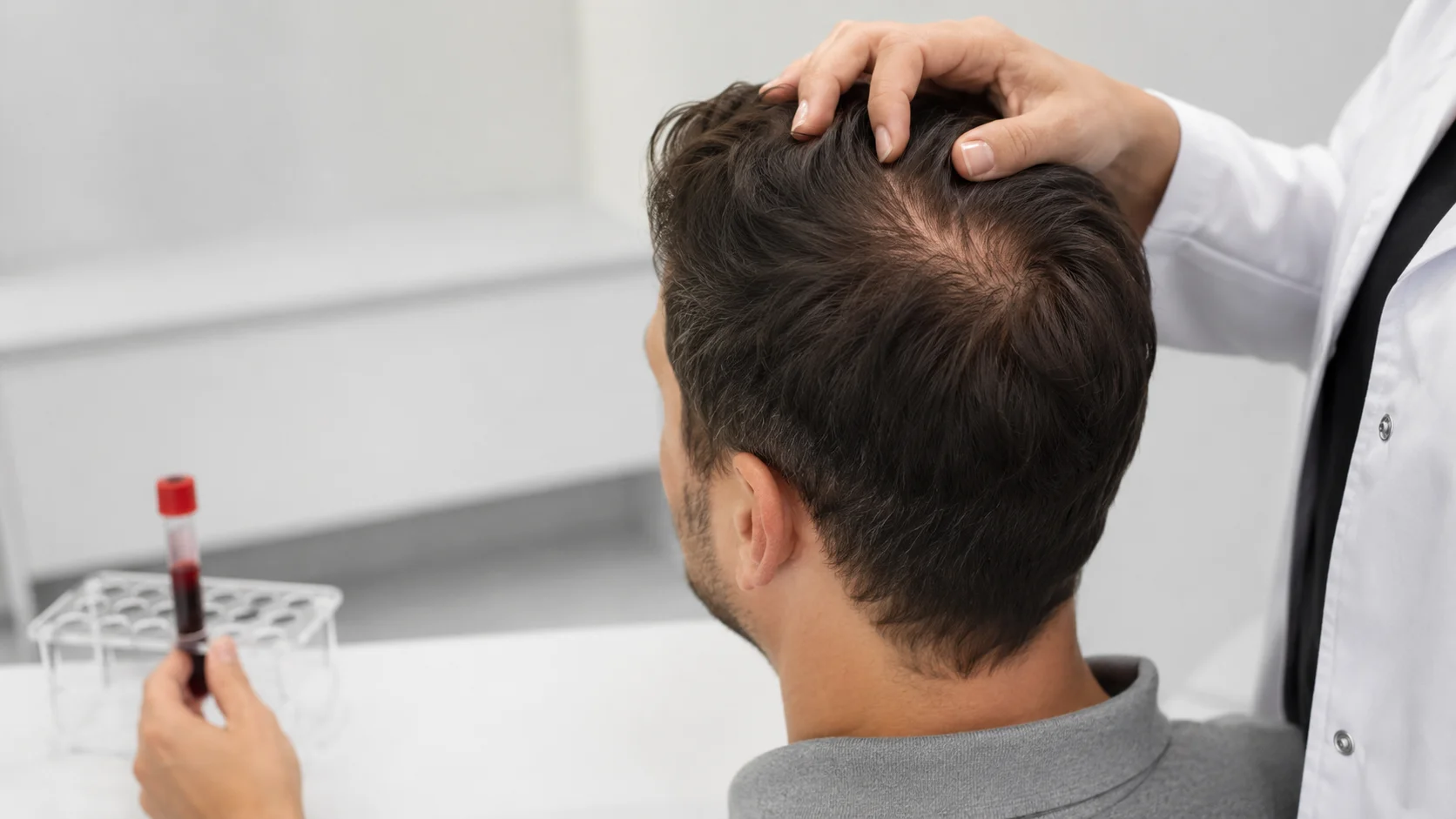
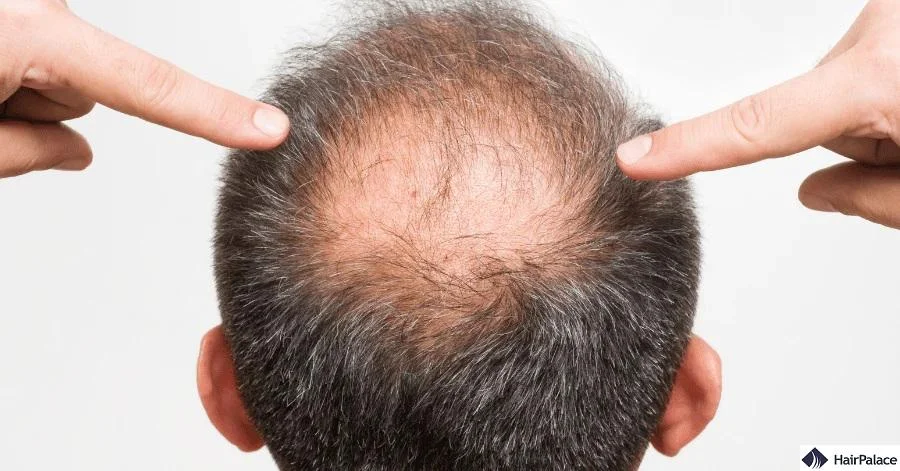
In genetically susceptible people, follicles across the frontal scalp and crown are more likely to respond to DHT with miniaturization. Follicles in the permanent donor region at the back and sides are generally less responsive to the same miniaturizing signal.
The boundary is not always sharp. Some people develop diffuse thinning that extends into areas traditionally considered resistant. This is one reason donor evaluation matters before hair transplantation.
What Miniaturization Does to the Hair Cycle
A healthy scalp follicle spends years in the active growth phase. With repeated androgen-driven miniaturization, the growth phase becomes shorter while the resting interval occupies a greater proportion of the cycle.
The visible hair gradually becomes:
- Finer
- Shorter
- Less pigmented
- Slower to provide scalp coverage
- More similar to a barely visible vellus hair
This is a gradual process rather than sudden follicle destruction. Early treatment may preserve or thicken follicles that are still viable, while advanced miniaturization is more difficult to reverse.
Does More DHT Mean More Hair Loss?
Not necessarily. Higher androgen exposure can increase risk or accelerate loss in a susceptible person, but serum DHT does not correlate neatly with the severity of androgenetic alopecia.
Someone with relatively high DHT and resistant follicles may retain dense scalp hair. Another person with ordinary hormone levels may develop significant recession because the follicles are genetically sensitive.
The interaction can be summarized as exposure multiplied by susceptibility. Neither factor tells the whole story alone.
Can Follicle Sensitivity Change With Age?
The genetic foundation remains, but the visible expression can change over time. Pattern hair loss may begin after puberty, progress slowly for decades, or become more noticeable after another shedding event reduces overall density.
Age-related changes in local hormone metabolism, follicle signaling, and the surrounding scalp environment may influence progression. The cumulative effect of repeated shortened growth cycles also matters.
This does not mean that everyone with susceptible follicles will become completely bald. Pattern, rate, and eventual severity remain highly variable.
Can DHT Sensitivity Be Tested?
There is no routine clinical test that directly measures the DHT sensitivity of an individual follicle. Consumer genetic tests may estimate susceptibility, but they cannot reliably predict the exact age of onset, final pattern, treatment response, or number of hairs that will be lost.
Dermatologists usually identify androgen sensitivity indirectly through:
- The distribution of thinning
- Family history
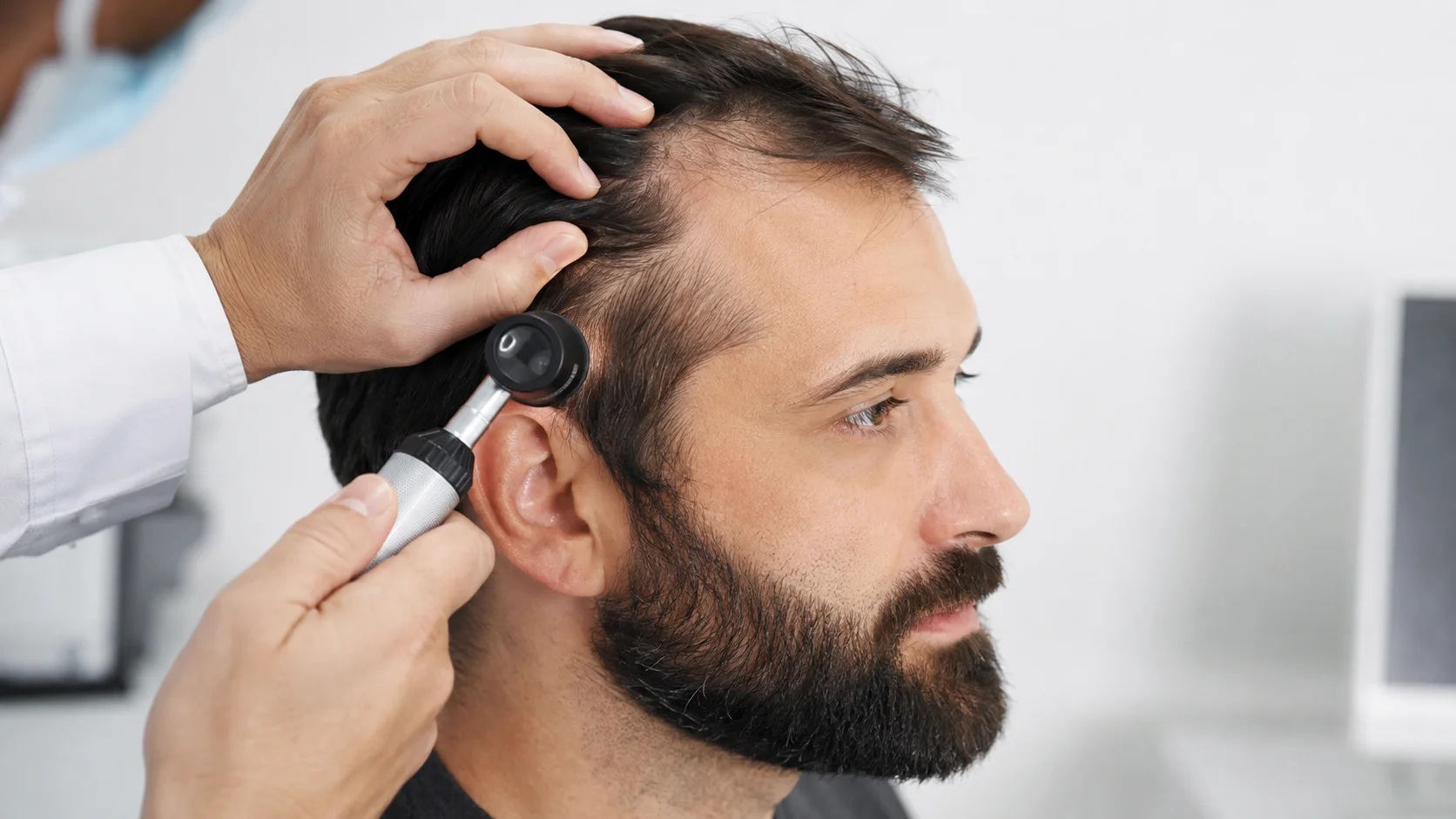
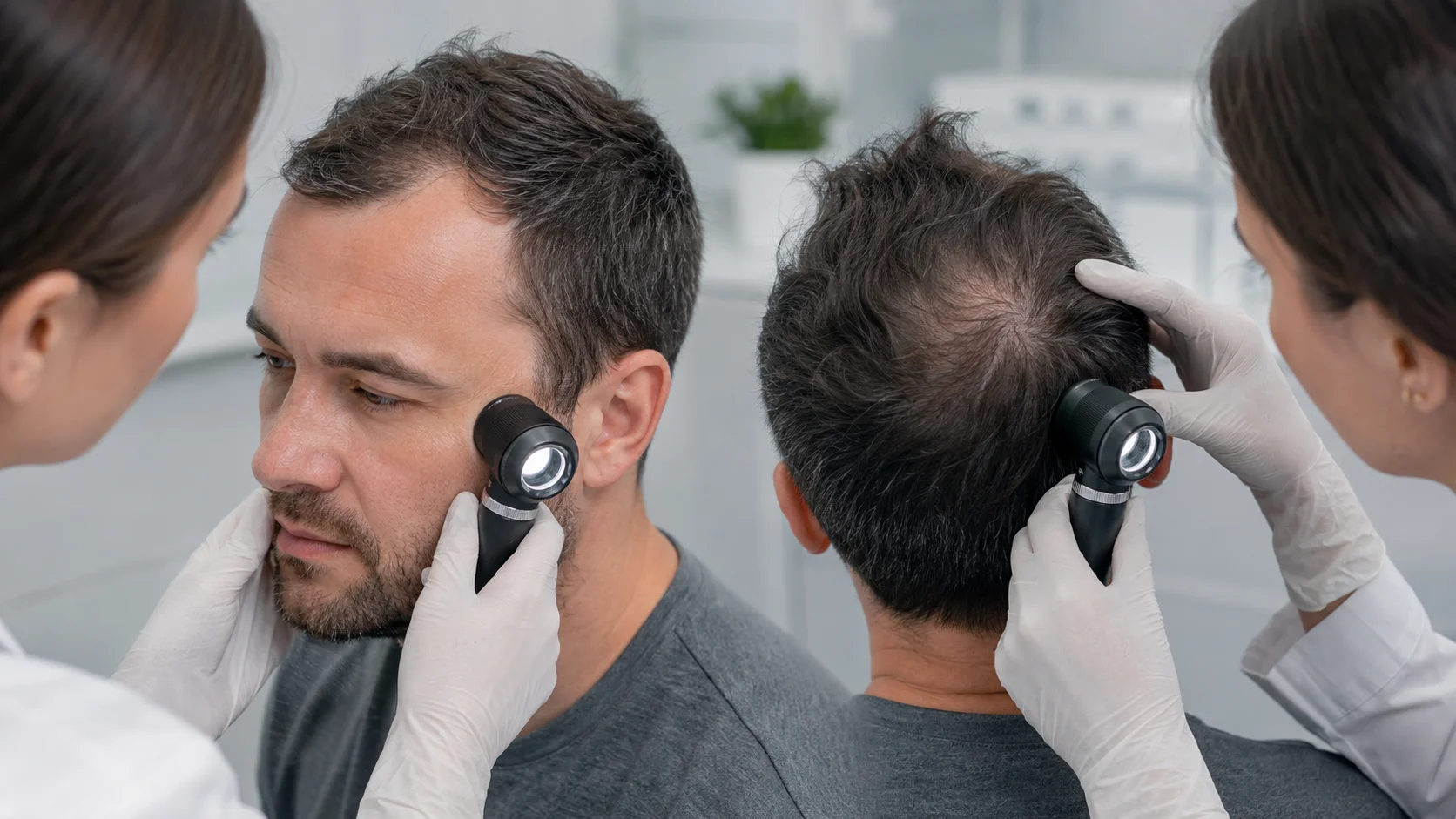
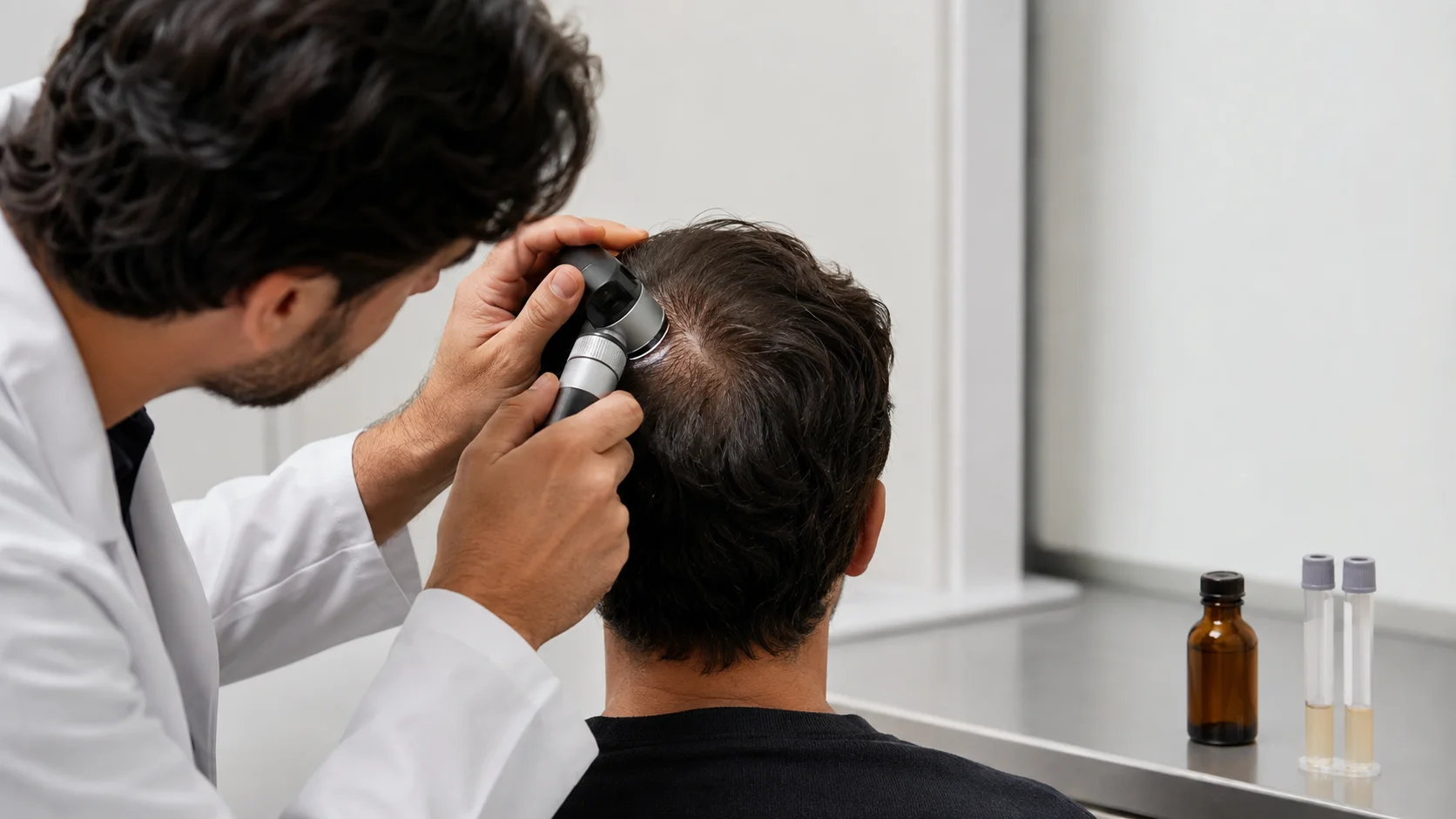
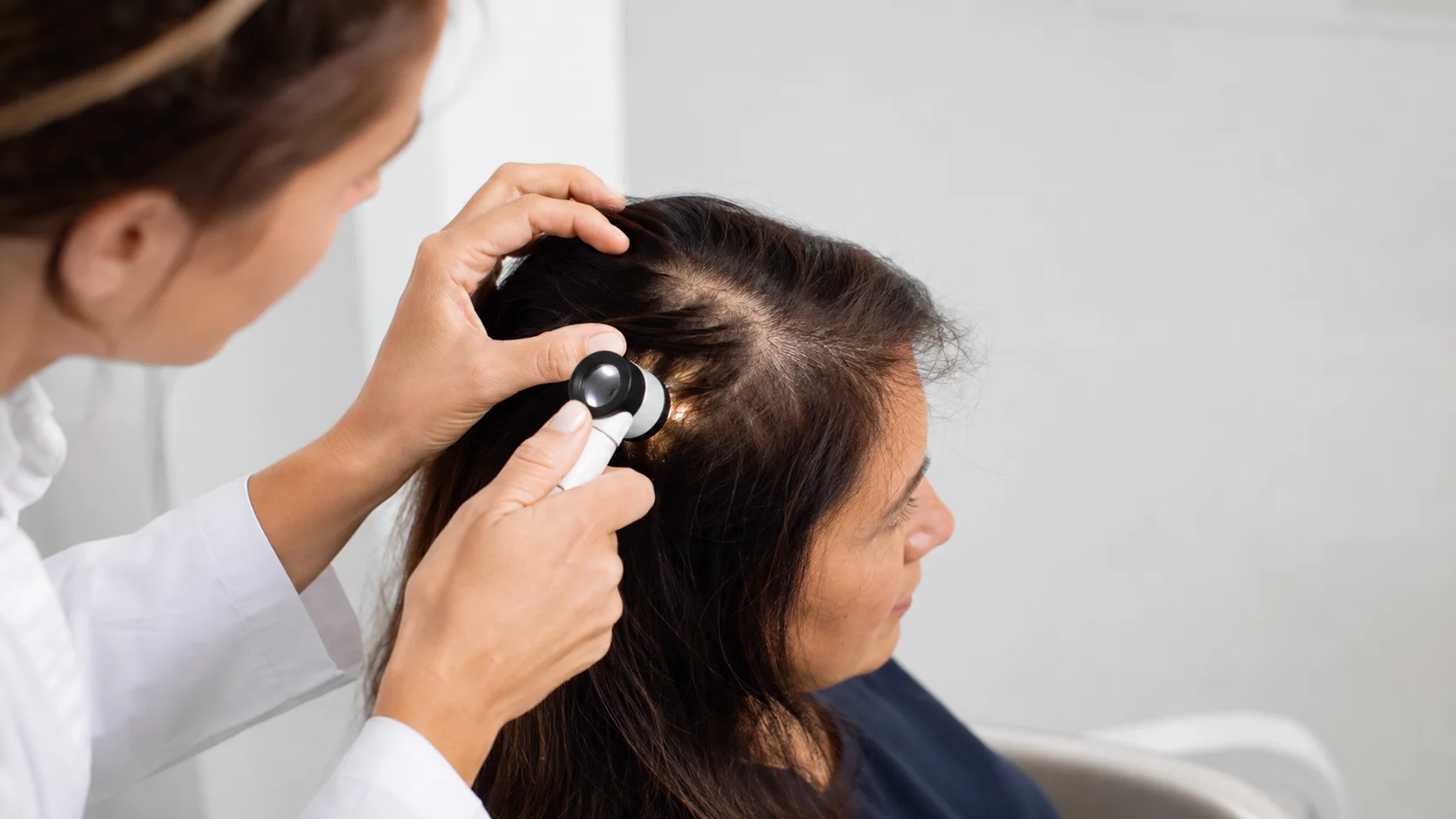
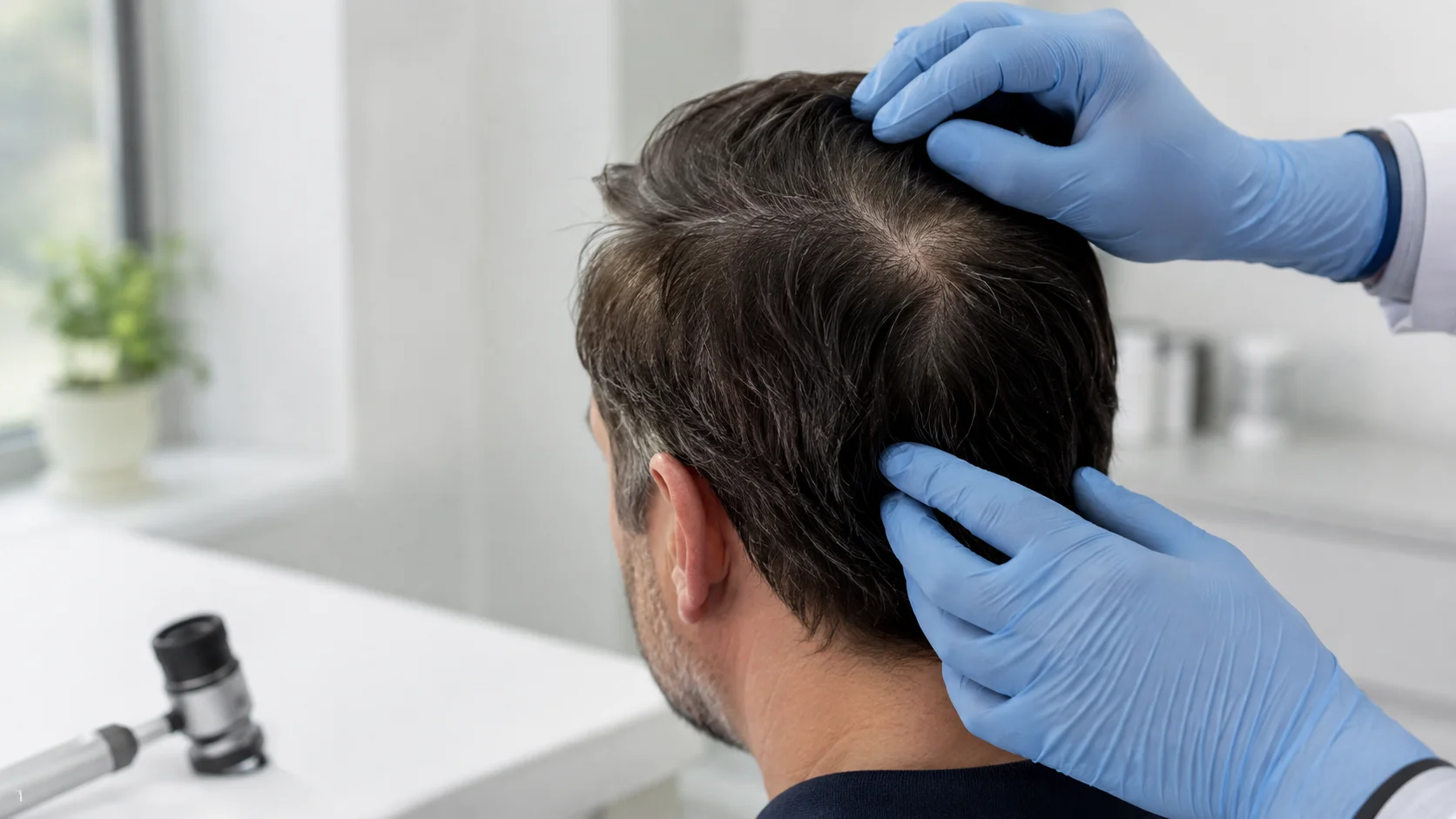
- Scalp examination
- Magnified evidence of variable hair diameter
- Progressive changes in standardized photographs
- Response to an appropriate treatment plan
A scalp biopsy is sometimes used when the diagnosis is uncertain, but it is not routinely required for classic pattern hair loss.
Why Treatment Response Also Varies
Treatments that reduce DHT can slow miniaturization, but not every person responds to the same degree. Differences in treatment timing, follicle viability, adherence, local biology, and alternative causes of shedding all influence the outcome.
A DHT-directed treatment cannot correct iron deficiency, thyroid disease, alopecia areata, scarring inflammation, or traction. Even in confirmed androgenetic alopecia, growth-supporting treatments may be combined with androgen-directed therapy because multiple biological processes affect density.
Frequently Asked Questions
Is DHT sensitivity inherited?
Yes, genetic susceptibility is a major factor. It is polygenic and can be inherited through both sides of the family.
Can low DHT still cause pattern hair loss?
A person can develop androgenetic alopecia with a DHT result inside the laboratory reference range. Local follicle sensitivity and scalp hormone metabolism may matter more than the isolated blood value.
Are all scalp follicles equally sensitive?
No. Frontal and crown follicles are commonly more susceptible, while many follicles at the back and sides are relatively resistant.
Can shampoo reduce follicle sensitivity to DHT?
Shampoo can improve scalp hygiene or inflammation, but ordinary cosmetic shampoos have not been shown to change genetically determined androgen sensitivity.
Does sensitivity mean the follicle is permanently damaged?
Not immediately. Miniaturization progresses over repeated cycles. Early-stage follicles may respond to treatment, while long-standing severe miniaturization is less reversible.
Can sensitivity be removed permanently?
Current treatments can reduce androgen exposure or support growth, but they do not rewrite the underlying genetic susceptibility. Benefits generally require continued management.
The Central Idea
DHT-related hair loss is determined by how a follicle processes an androgen signal, not simply by how much DHT appears in the bloodstream. Genes, receptors, local enzymes, growth factors, and scalp location collectively determine whether a follicle grows, remains stable, or miniaturizes.
This explains why people with similar hormone levels can have very different hair and why different follicles on the same person can respond in opposite ways.
This content is for general informational purposes and does not replace individualized medical advice, diagnosis, or treatment.