How to Choose the Right Shampoo for Your Hair Type
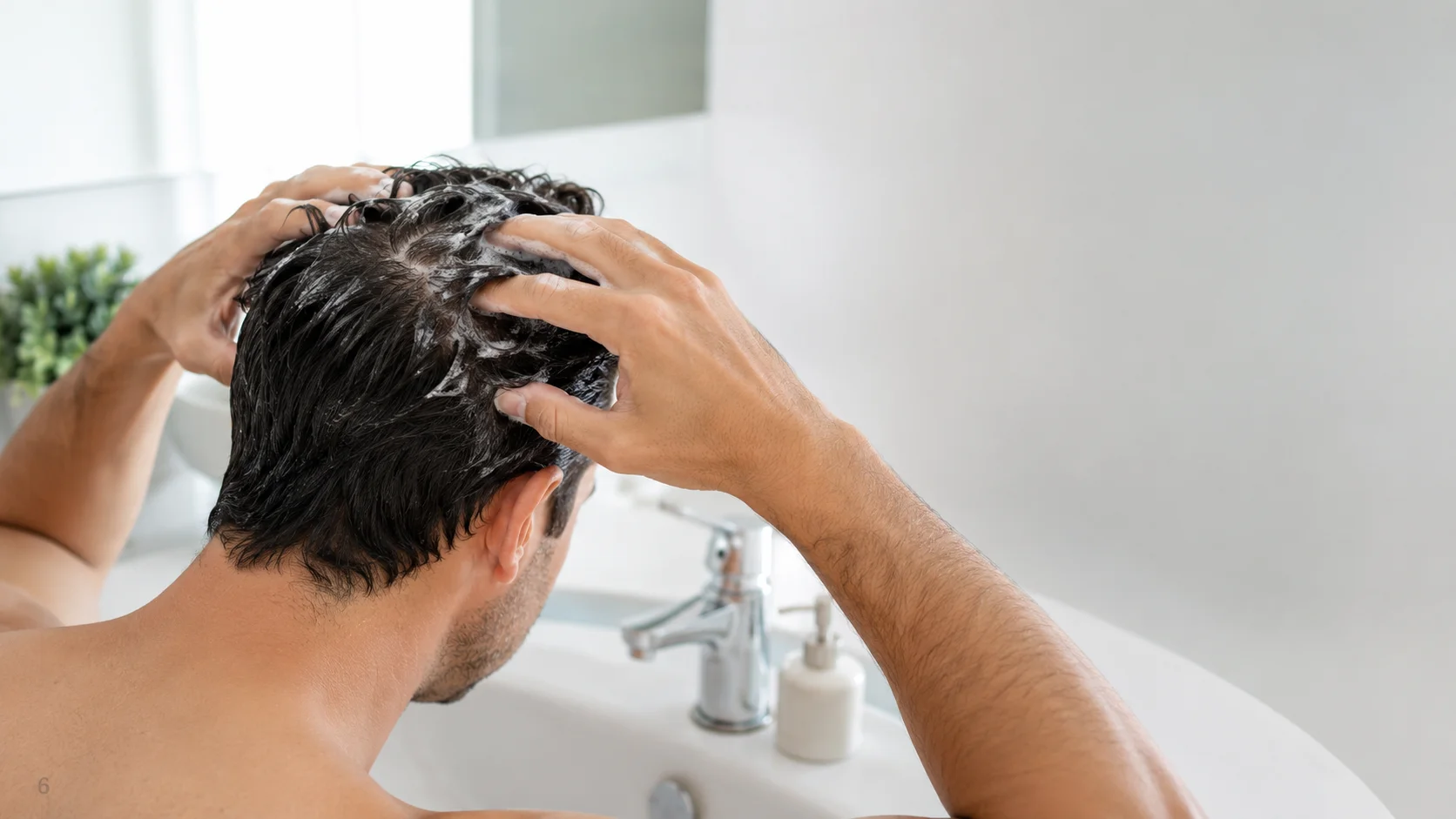
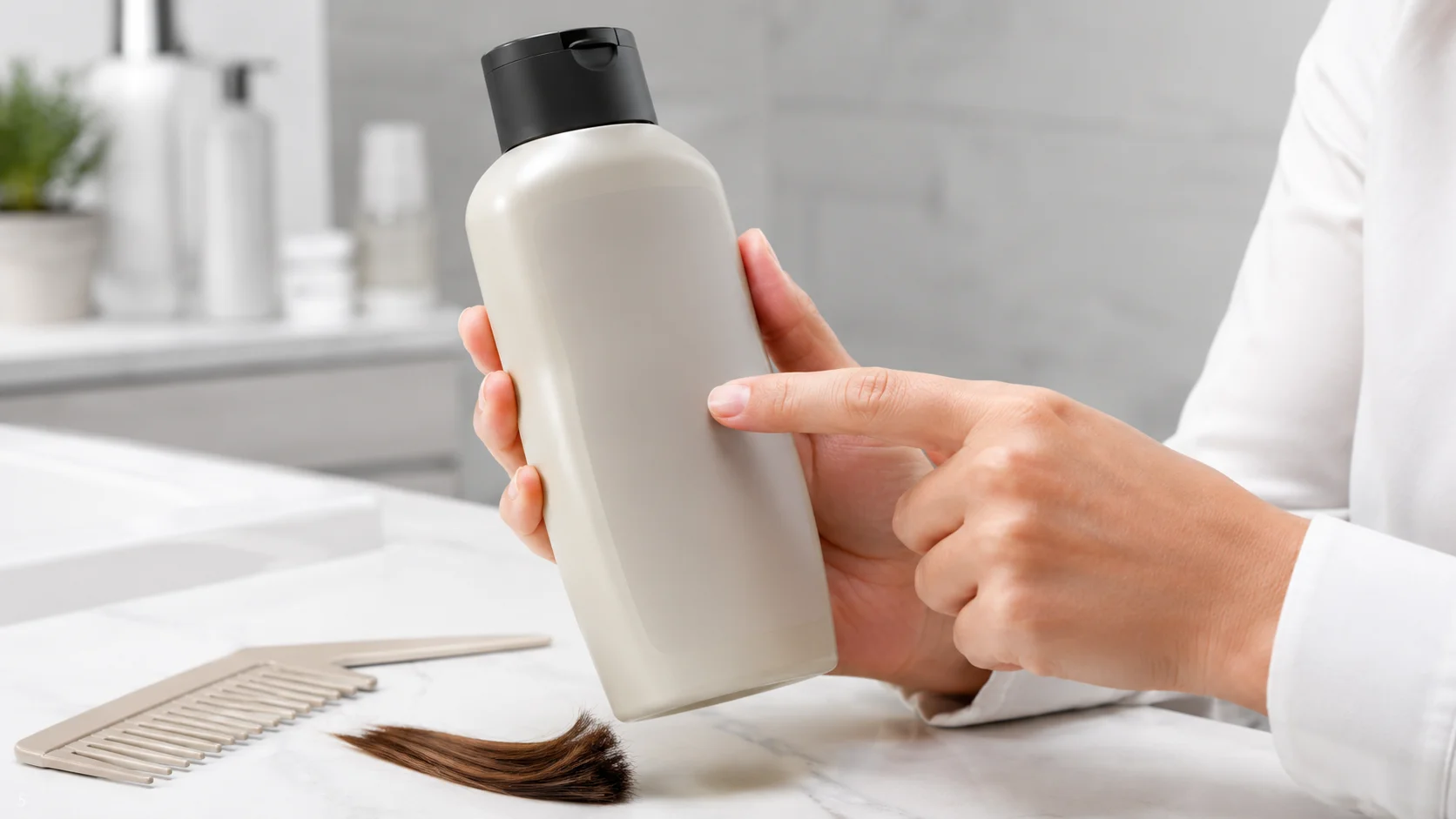
Choosing the right shampoo starts with your scalp, not just your hair. Shampoo’s main job is to cleanse the scalp and roots, so oiliness, dryness, flaking, sensitivity, and product buildup should guide your choice.
Hair type still matters, especially when it comes to how the hair feels after washing. The goal is to clean effectively without leaving the hair stripped, heavy, itchy, or difficult to manage.
Start With Your Scalp Type
If your scalp becomes oily quickly, you may need a shampoo that cleans more thoroughly and does not leave heavy residue. If your scalp feels tight, itchy, or dry after washing, a gentler formula may be more suitable.
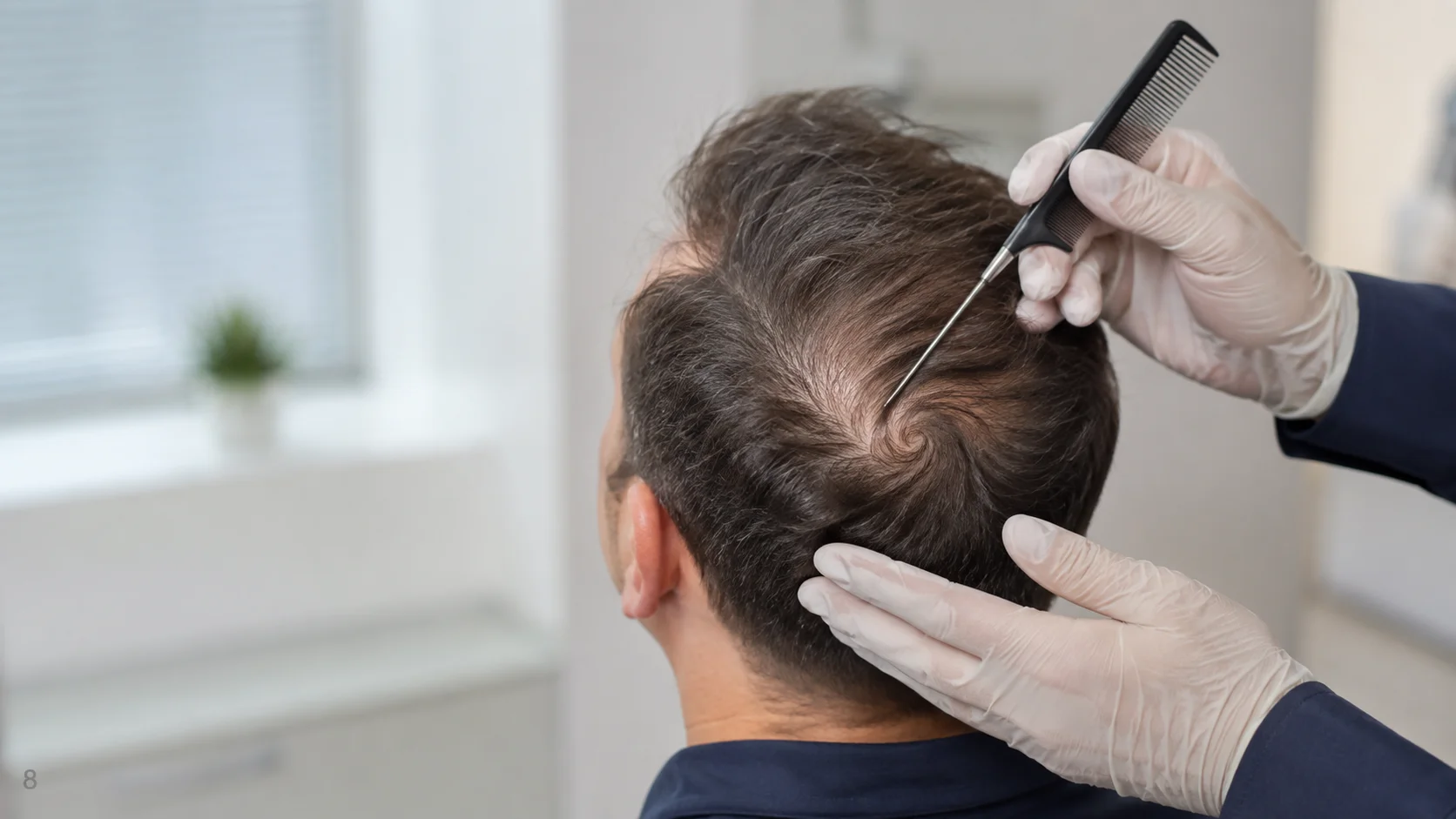
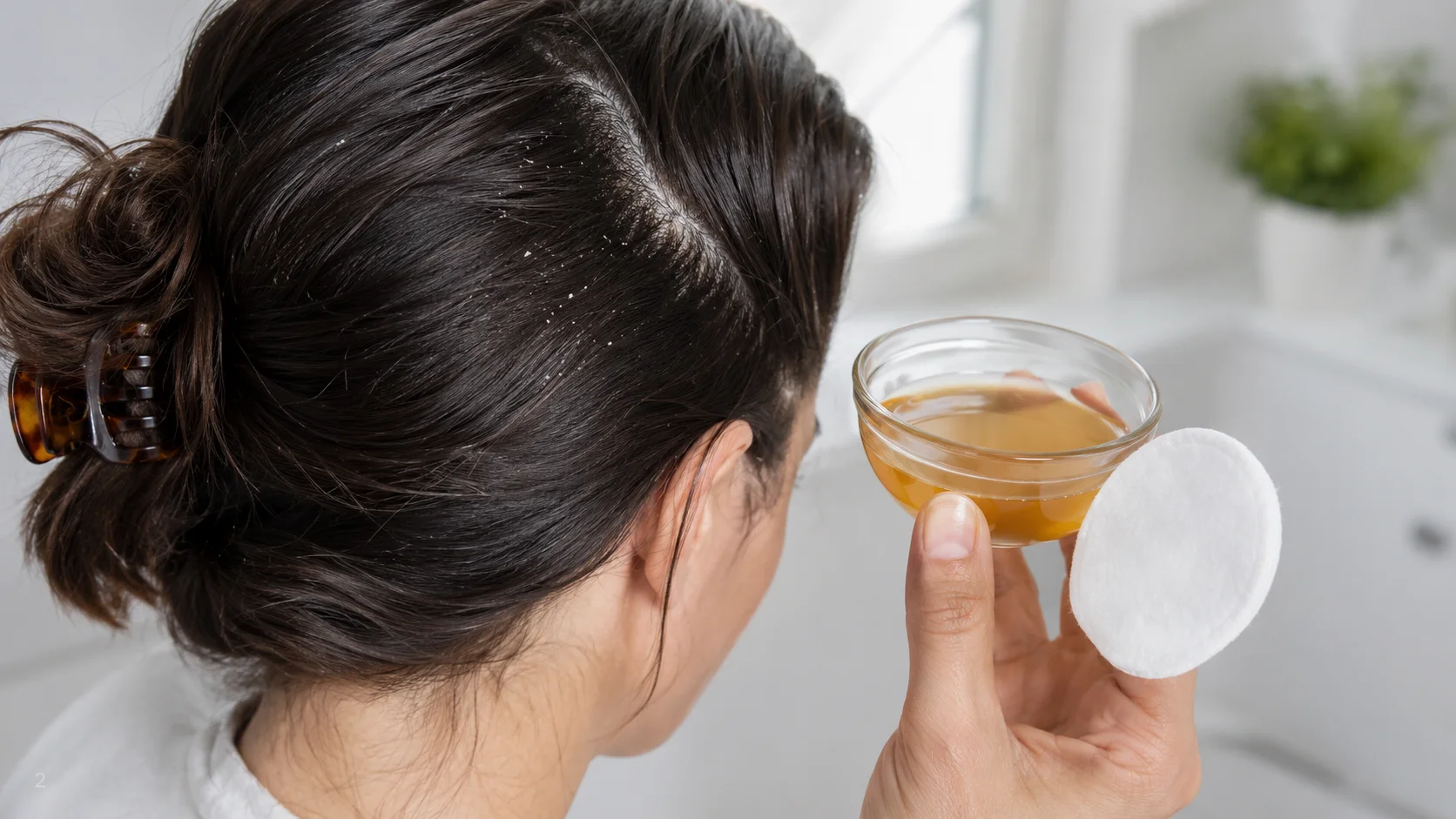
A scalp that flakes, burns, develops sores, or feels persistently irritated may need more than routine shampoo changes. In those cases, professional evaluation can help identify whether dandruff, dermatitis, psoriasis, infection, allergy, or another condition is involved.
Fine or Flat Hair
Fine hair can become weighed down easily. Lightweight shampoos are often better than rich, heavy formulas. People with fine hair may also prefer products that rinse cleanly and do not leave a coated feeling.
If fine hair is also oily, focusing on scalp cleansing can help the hair look fresher. Conditioner can still be used, but it is often best applied mainly to the mid-lengths and ends.
Dry, Coarse, or Curly Hair
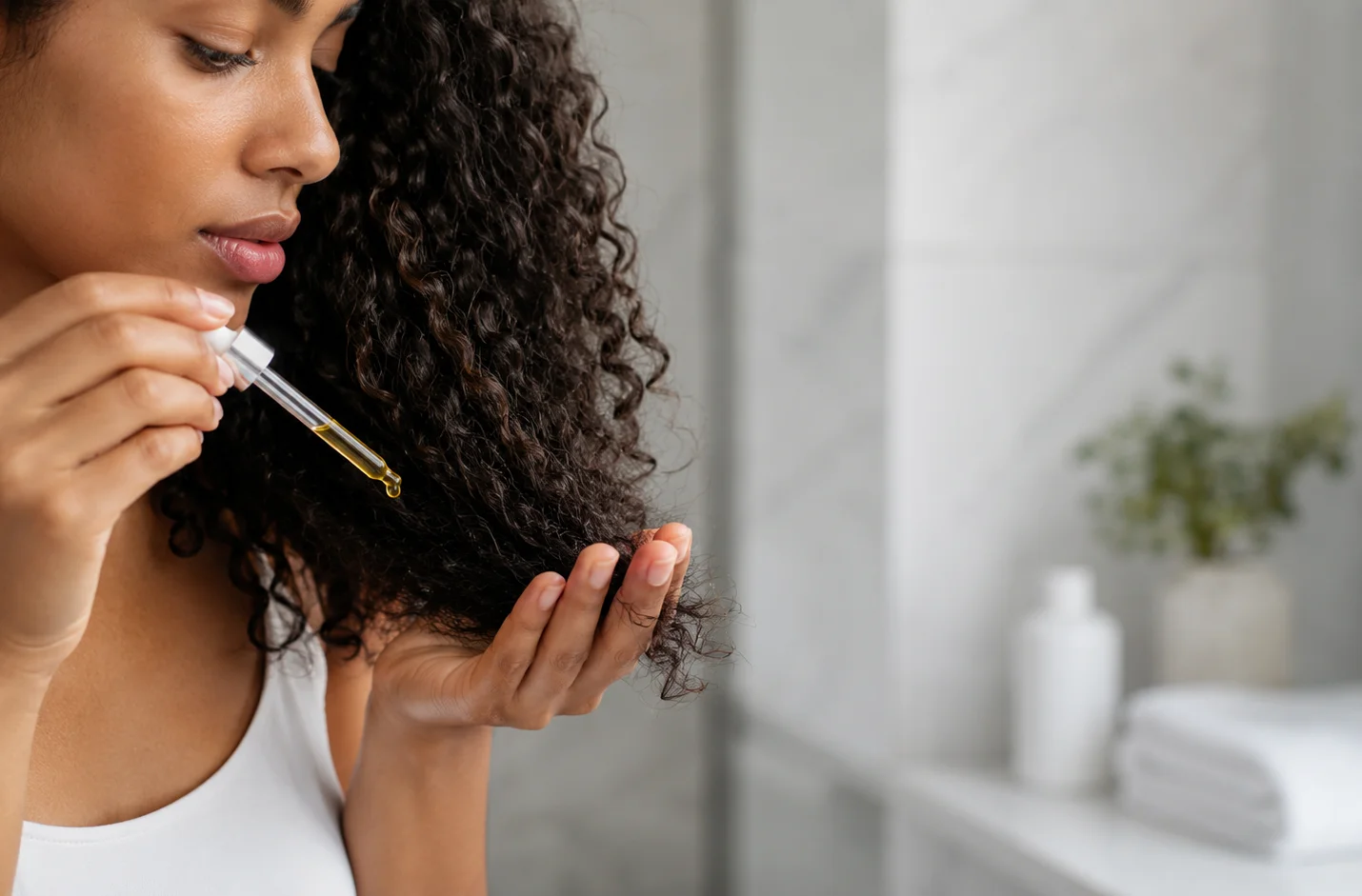
Dry, coarse, or curly hair often benefits from shampoos that cleanse without excessive stripping. These hair types may naturally need more moisture because scalp oils do not travel down the hair shaft as easily.
A shampoo that leaves the hair softer and easier to detangle may be helpful. Washing frequency also matters. Some people with dry or curly hair do better with less frequent shampooing, depending on scalp comfort and styling habits.
Color-Treated or Chemically Processed Hair
Color-treated, bleached, relaxed, or chemically processed hair may be more prone to dryness and breakage. A gentle shampoo can help reduce unnecessary roughness.
The focus should be on maintaining manageability and minimizing harsh cleansing when it is not needed. Overwashing or using a shampoo that feels too stripping may make processed hair feel brittle.
Product Buildup and Styling Residue
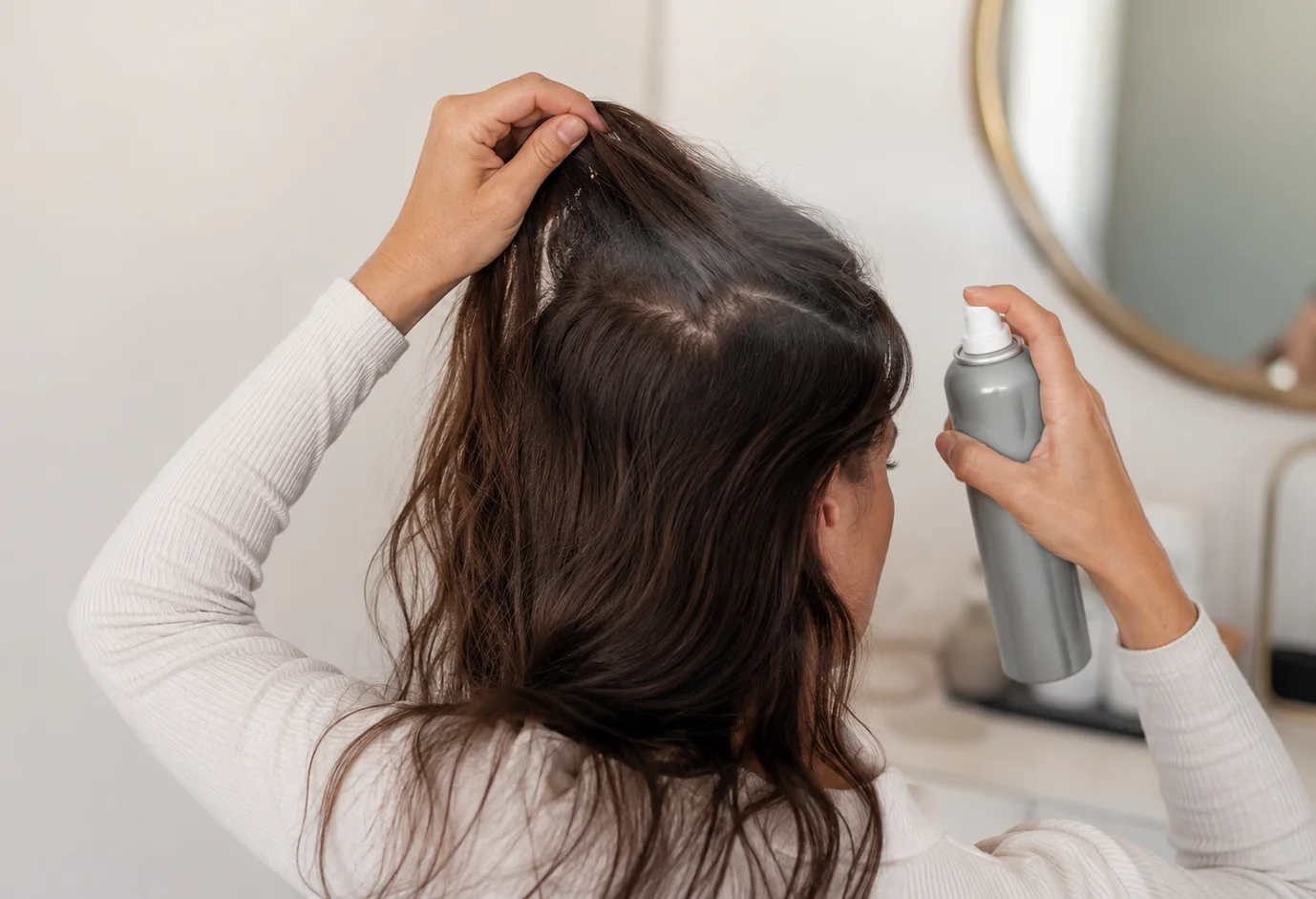
People who use styling creams, oils, sprays, dry shampoo, or heavy conditioners may notice buildup over time. Hair may feel dull, coated, sticky, or difficult to style.
A more thorough cleansing shampoo may be useful occasionally, but frequent strong cleansing can be drying for some hair types. The right balance depends on how much product is used and how the scalp responds.
Sensitive Scalps
A sensitive scalp may react to fragrance, harsh cleansing agents, or certain preservatives. If shampooing causes burning, redness, or itching, it may be worth choosing a simpler, gentler formula and monitoring symptoms.
Persistent irritation should not be ignored. A shampoo change may help mild sensitivity, but ongoing symptoms can point to a scalp condition that needs medical attention.
For a broader look at daily hair care, see our hair care essentials guide.
Frequently Asked Questions
Should I choose shampoo based on scalp type or hair type?
Start with scalp type, because shampoo primarily cleans the scalp. Then consider hair texture, dryness, damage, and styling needs.
What shampoo is best for oily hair?
Oily hair often benefits from a shampoo that cleans the scalp well and rinses cleanly. Very heavy formulas may make oiliness feel worse.
What shampoo is best for dry hair?
Dry hair may do better with a gentler shampoo that does not leave the hair feeling stripped. Conditioner and washing frequency also play important roles.
Can the wrong shampoo cause hair loss?
Shampoo is unlikely to cause permanent hair loss in most cases, but irritation, breakage, or scalp inflammation can contribute to shedding or hair damage. Sudden hair loss should be evaluated.
How do I know if my shampoo is too harsh?
Hair that feels rough, squeaky, tangled, or unusually dry after washing may be reacting to a formula that is too strong for your needs.
Final Thoughts
The best shampoo is the one that matches both your scalp condition and your hair’s needs. Oily, dry, fine, curly, processed, and sensitive hair types may all require different cleansing habits.
A good shampoo should leave the scalp comfortable and the hair manageable. If symptoms such as itching, pain, flaking, or sudden shedding continue, it is better to seek professional guidance rather than relying only on product changes.
This article is for general educational purposes only and should not be considered medical advice.