Occasionally sleeping with damp hair is unlikely to cause serious damage, but making it a regular habit can increase friction, tangling, and breakage. Wet hair is more flexible and vulnerable to stretching because water temporarily changes the bonds that help support the hair shaft.
A damp scalp and pillow can also create an uncomfortable environment for people prone to dandruff, seborrheic dermatitis, irritation, or folliculitis. Wet hair does not automatically cause a fungal infection, however, and it cannot give someone a cold.
Why Wet Hair Is More Vulnerable
A hair shaft consists primarily of a cortex protected by overlapping cuticle cells. When hair absorbs water, it swells and becomes more flexible.
This flexibility can be helpful when textured hair is detangled carefully with conditioner. It can also make a strand easier to overstretch when it is pulled, twisted, or rubbed.
While sleeping, wet hair may be compressed between the head and pillow. Repeated movement can create friction and tension, particularly when the hair is tangled, tightly tied, chemically treated, or already weathered.
Possible Signs of Wet-Hair Breakage
Damage from sleeping with wet hair is usually gradual rather than dramatic. Possible signs include:
- Short hairs around the hairline or crown
- Uneven lengths
- Split or frayed ends
- Increased tangling
- Roughness and reduced shine
- Frizz that is difficult to control
- Small broken strands on the pillow
- Difficulty retaining length
Breakage affects the shaft rather than causing the follicle to shed from the scalp. It should not normally create smooth bald patches or a progressively receding hairline.
Does Wet Hair Cause Hair Loss?
Sleeping with wet hair does not directly cause androgenetic alopecia, alopecia areata, or other follicular hair-loss disorders. Friction-related breakage may reduce visible length or fullness, but the follicle remains capable of producing hair.
Repeated tight styling of wet hair can create traction. Pulling the hair into a firm bun, ponytail, braid, or wrap before bed may place tension on the hairline and vulnerable scalp areas.
Persistent traction can eventually affect follicles, so wet hair should be secured loosely rather than stretched into a tight style.
Scalp Moisture and Microorganisms
The scalp naturally carries bacteria and yeast. Dampness does not create these organisms from nothing, and sleeping with wet hair does not automatically produce an infection.
However, prolonged moisture, warmth, oil, and an occlusive environment may aggravate symptoms in some people. Those with seborrheic dermatitis may notice more itching, flaking, or irritation. Folliculitis can cause tender or acne-like bumps when follicles become inflamed.
Scalp ringworm is a contagious fungal infection acquired through exposure to infected people, animals, or contaminated objects. Wet hair alone does not cause it.
Can Wet Hair Make You Sick?
Wet hair cannot cause a viral cold or respiratory infection. Colds are caused by viruses, not by going to bed with damp hair or feeling chilled.
A repeatedly damp pillow may be less comfortable and can retain moisture. Pillowcases should be washed regularly and allowed to dry completely, especially when someone has allergies, scalp inflammation, or oily skin.
Who Is More Prone to Damage?
Risk may be greater when hair is:
- Bleached, relaxed, permed, or frequently colored
- Fine or naturally fragile
- Long and easily tangled
- Already affected by split ends
- Exposed to regular high heat
- Pulled into tight overnight styles
- Rubbed against rough bedding
Curly and tightly coiled hair may be particularly vulnerable to breakage because bends along the shaft create points of mechanical stress. However, detangling practices should be adapted to the hair type. Some textured hair is easier and safer to detangle while wet and conditioned.
How to Sleep More Safely After Washing
The most reliable prevention is to allow the scalp and most of the hair to dry before bed. It does not have to feel completely moisture-free, but it should not be dripping or heavily saturated.
Helpful steps include:
- Gently squeeze out excess water.
- Blot the hair with an absorbent towel or soft cotton fabric.
- Avoid twisting or rubbing the hair vigorously.
- Apply conditioner or a suitable leave-in product to reduce friction.
- Detangle gently with fingers or a wide-tooth comb.
- Use a low or moderate dryer setting when air-drying time is limited.
- Keep any overnight braid or tie loose.
- Use a clean, smooth pillowcase.
A smooth satin or silk surface may reduce friction, but it cannot prevent damage caused by tight styling, severe tangling, or chemical weakening.
Is Blow-Drying Better Than Sleeping With Wet Hair?
Blow-drying can be useful when it is done carefully. Very high heat held close to the hair can damage the cuticle and weaken the shaft.
Use the lowest effective temperature and keep the dryer moving. Allowing hair to air-dry partially before using gentle heat can reduce total exposure.
The safest choice depends on hair type, time, existing damage, and styling needs. The goal is to avoid both prolonged saturation and excessive heat.
Caring for the Scalp
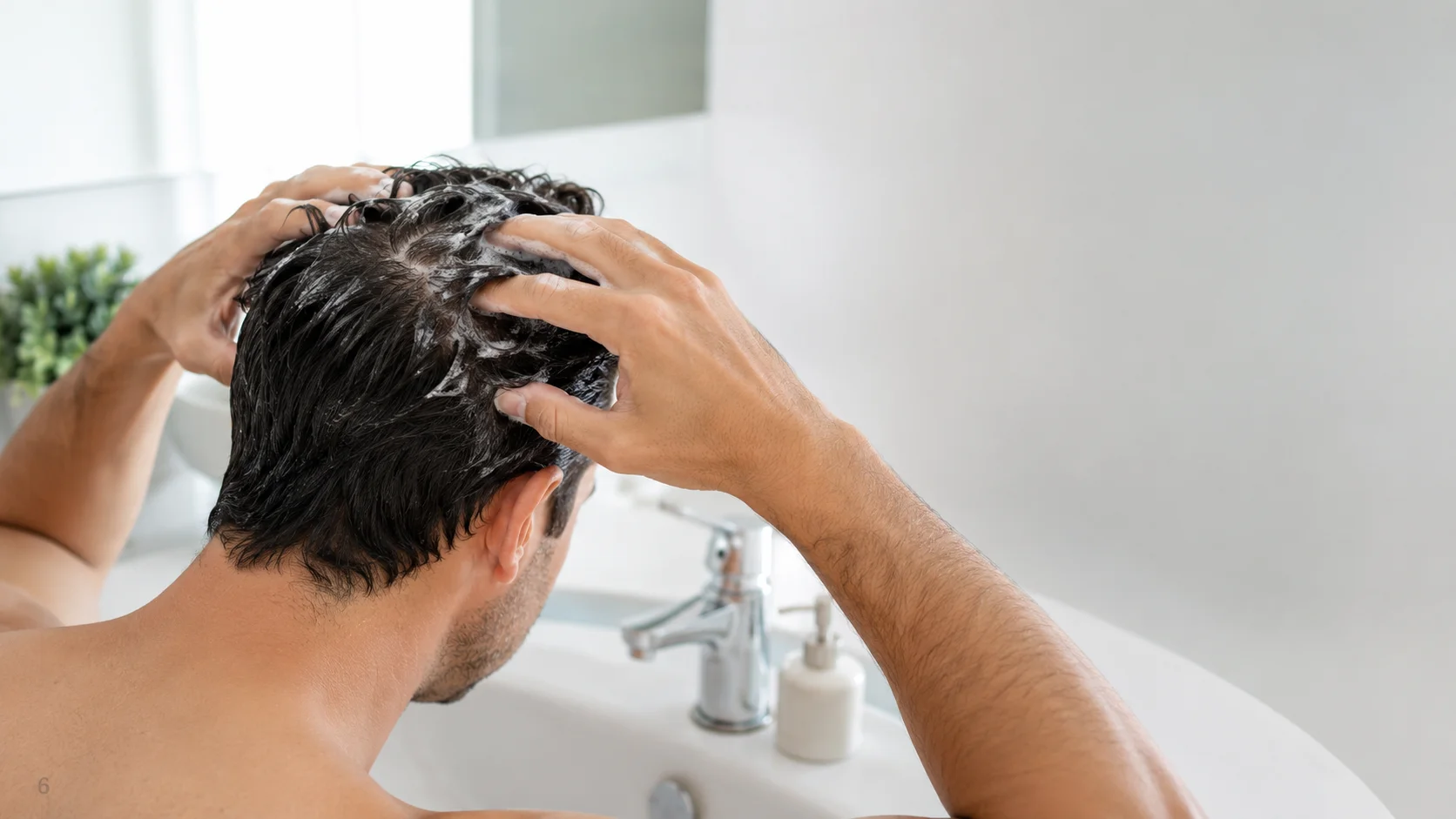
Shampoo should be directed primarily to the scalp, while conditioner is usually concentrated through the lengths and ends. Product residue should be rinsed thoroughly.
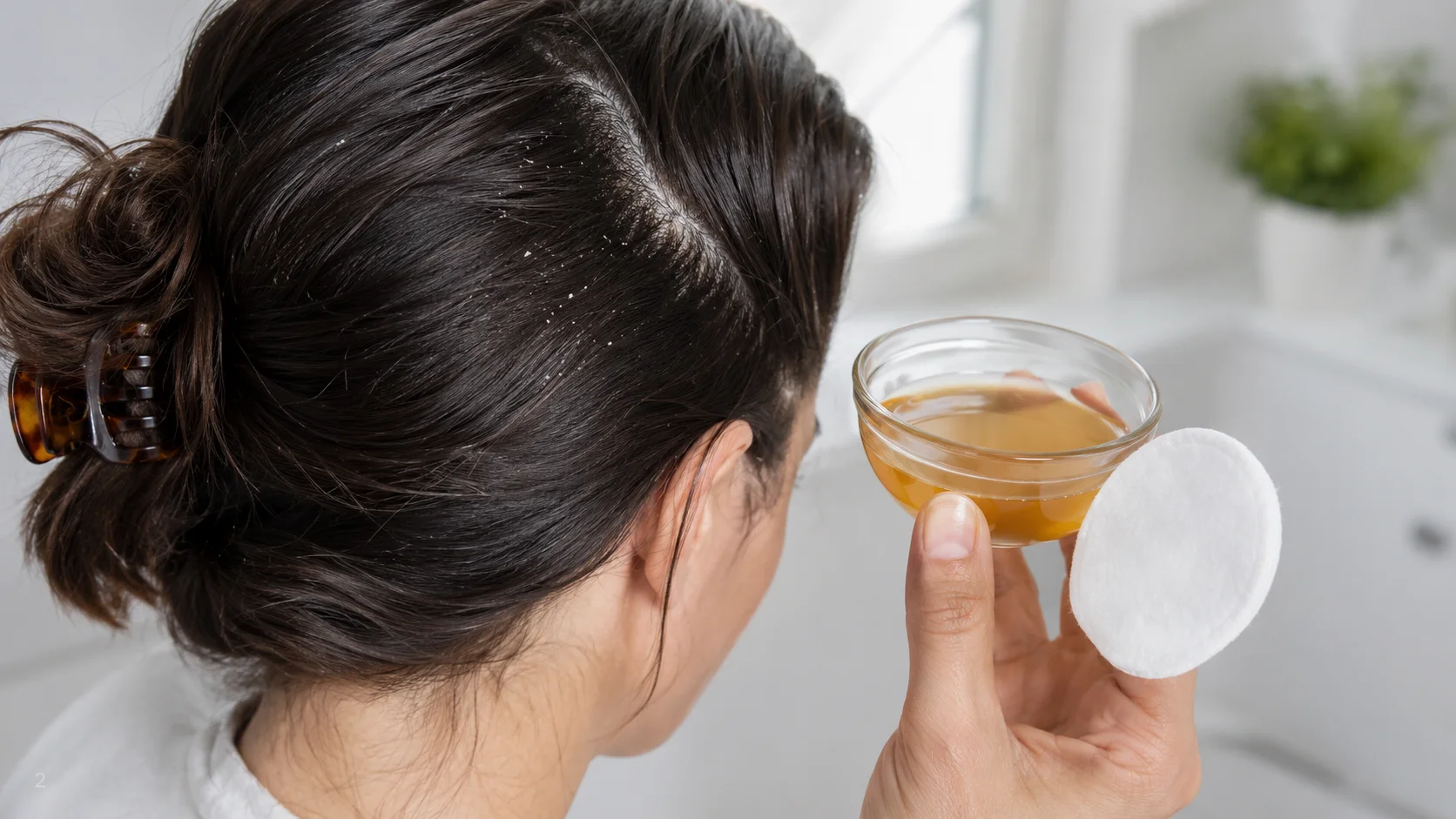
People with persistent dandruff or seborrheic dermatitis may benefit from an appropriate medicated shampoo. Scratching or aggressively exfoliating an irritated wet scalp can worsen inflammation.
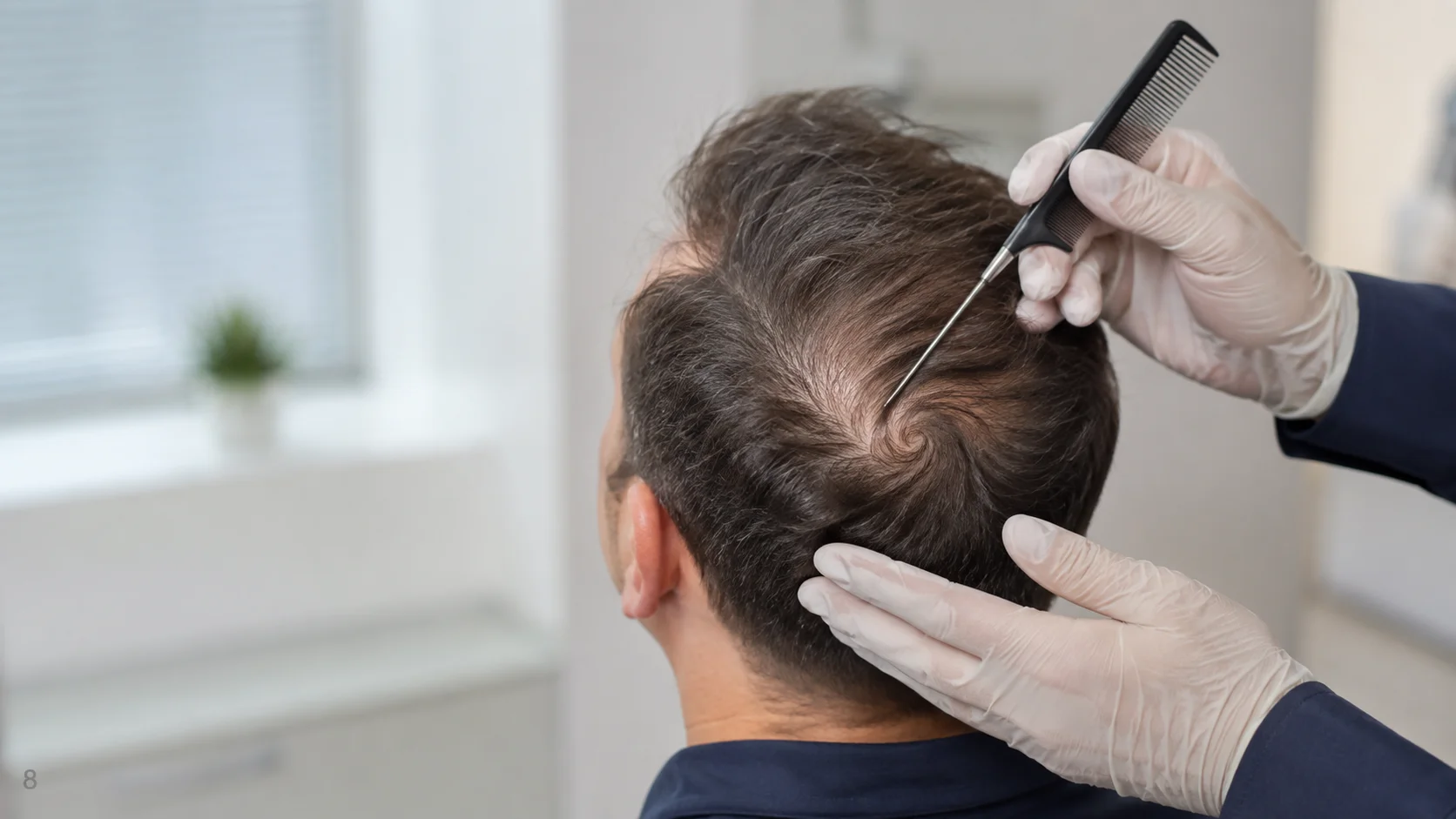
Medical assessment is appropriate when scalp symptoms include pain, pus, spreading redness, thick adherent scale, patchy hair loss, or broken hairs associated with inflammation.
Frequently Asked Questions
Is it harmful to sleep with wet hair once?
A single occasion is unlikely to cause meaningful damage. Risk relates more to repeated friction, tension, and prolonged dampness.
Does wet hair cause fungal infection?
Not by itself. Fungal infections require exposure to a fungus, although persistent moisture may aggravate certain scalp environments or symptoms.
Is braiding wet hair before bed safe?
A loose braid may reduce tangling, but a tight braid can increase tension and breakage. Hair should not be pulled firmly while saturated.
Can sleeping with wet hair cause dandruff?
It is not the sole cause of dandruff, but prolonged dampness and occlusion may worsen symptoms in susceptible people.
Does a satin pillowcase prevent wet-hair damage?
It may reduce friction, but it does not eliminate the effects of tight styling, tangles, or an excessively damp scalp.
When should breakage be medically evaluated?
Seek assessment when breakage is severe, localized, associated with scalp symptoms, or continues despite gentler care. An acquired or inherited hair-shaft disorder may need to be excluded.
A Practical Approach
Sleeping with wet hair is not a medical emergency, but regularly placing saturated, fragile hair under hours of friction can make breakage more likely. Partial drying, gentle detangling, loose styling, moderate heat, and a clean pillowcase can reduce the risk without requiring an elaborate routine.
This content is for general informational purposes and does not replace individualized medical advice, diagnosis, or treatment.