Does Hard Water Damage Hair?
Hard water can affect how hair looks and feels. It contains higher levels of minerals, commonly calcium and magnesium, which may leave residue on the hair and scalp. Over time, this buildup can make hair feel dry, dull, rough, or harder to style.
Hard water does not usually cause permanent hair loss on its own. However, it may contribute to breakage, scalp discomfort, or worsening dryness in some people, especially when combined with harsh shampoos, heat styling, or chemical treatments.
How Hard Water Affects Hair
Minerals in hard water can make it harder for shampoo to lather and rinse cleanly. This may leave the hair feeling coated even after washing.
Some people notice that their hair becomes:
- dull
- rough
- tangled
- dry at the ends
- harder to detangle
- less responsive to conditioner
- more prone to frizz or breakage
These changes are usually related to the hair shaft and scalp surface, not direct damage to the follicle.
Can Hard Water Cause Hair Loss?
Hard water is not usually considered a direct cause of permanent hair loss. Hair loss is more often linked to genetics, hormones, medical conditions, inflammation, stress, nutrition, or medications.
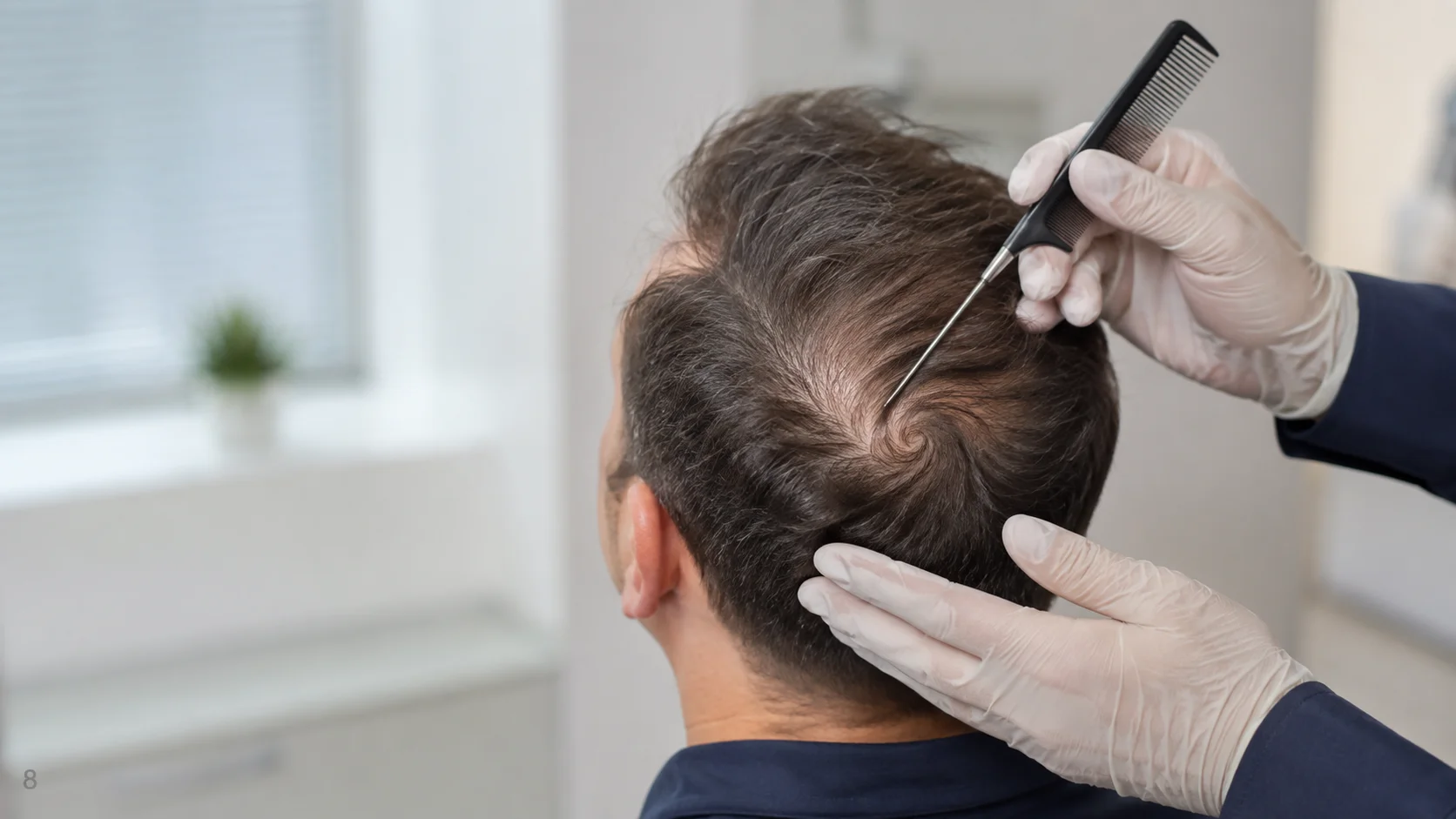
However, hard water may make hair more fragile. If the hair becomes dry and brittle, it may break more easily. Breakage can make the hair look thinner, even though it is different from shedding from the root.
If someone is already experiencing hair thinning, hard water may make the hair appear less healthy, but it is unlikely to be the only factor.
Hard Water and the Scalp
Hard water may also affect the scalp. Mineral residue can contribute to a coated feeling, dryness, or irritation in some people.
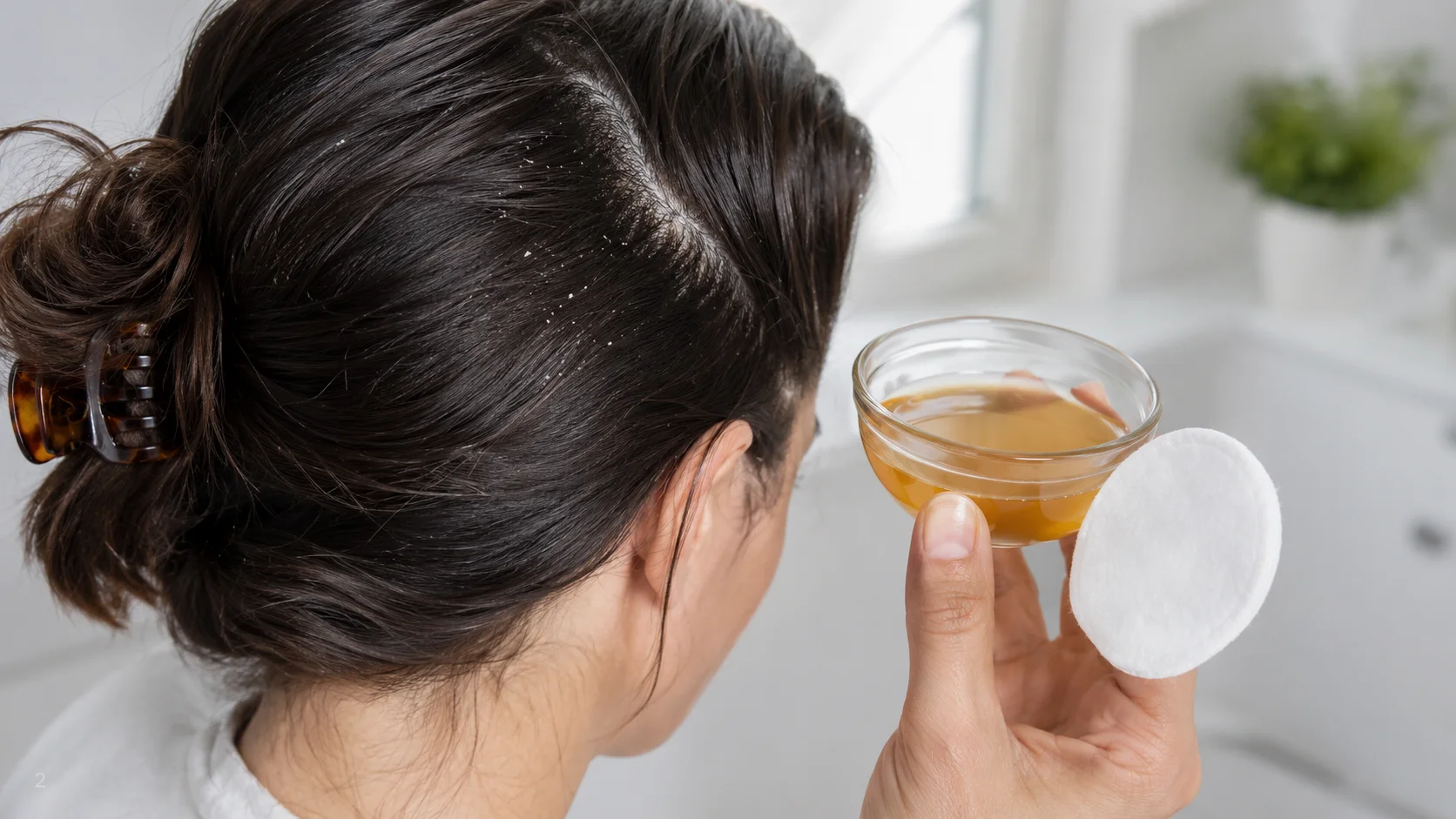
People with dandruff, itchiness, or sensitive scalps may notice more discomfort when buildup is not removed effectively. However, scalp symptoms can have many causes, so persistent redness, scaling, pain, or heavy flaking should not be blamed on water quality alone.
Signs Hard Water May Be Affecting Your Hair
Hard water may be part of the issue if hair feels worse after moving to a new area or changing water sources.
Possible clues include:
- shampoo does not foam easily
- hair feels coated after rinsing
- conditioner seems less effective
- color-treated hair looks dull faster
- buildup returns quickly after washing
- shower fixtures show mineral deposits
These signs are not proof, but they can guide practical changes.
What May Help With Hard Water Buildup
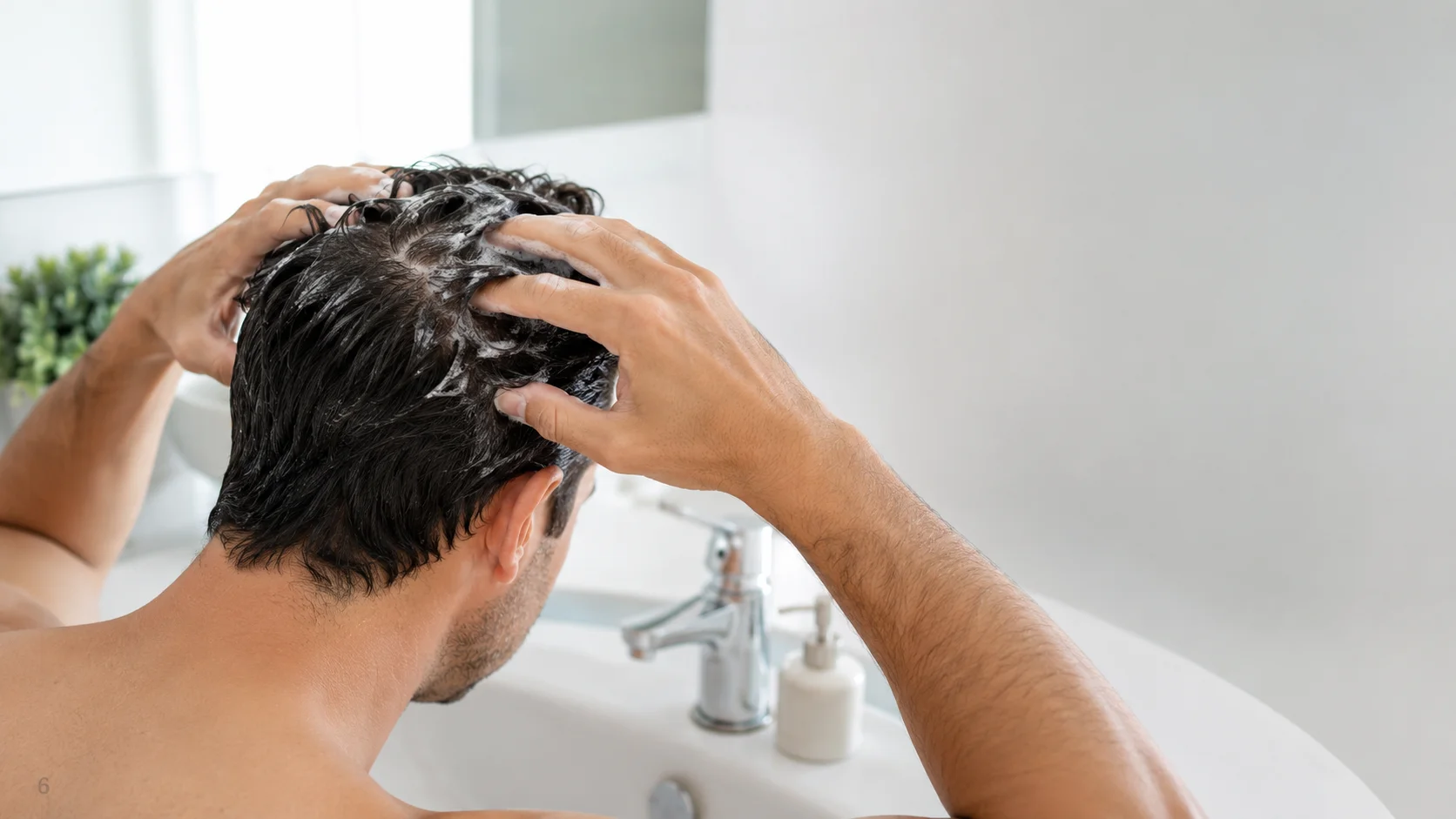
Some people use periodic clarifying shampoos to remove residue. Others use shower filters or water-softening systems, depending on their home setup and budget.
Clarifying products should be used carefully, especially on dry, curly, chemically treated, or color-treated hair. Overuse may make dryness worse.
Conditioning the hair well, reducing heat damage, and avoiding overly harsh shampoos can also help protect the hair shaft.
For general hair care fundamentals, see our hair care essentials guide.
Frequently Asked Questions
How do I know if I have hard water?
Common signs include mineral deposits on taps or showerheads, poor shampoo lather, and hair that feels coated after washing. A water test can confirm hardness more accurately.
Can hard water make hair frizzy?
Yes, hard water may contribute to frizz by leaving mineral residue and making the hair feel rough or dry. Frizz can also be influenced by hair texture, humidity, and damage.
Does hard water affect color-treated hair?
It may make color-treated hair look dull or feel drier. Mineral buildup can affect shine and texture, especially if the hair is already chemically processed.
Will a shower filter fix hard water hair problems?
A filter may help some people, depending on the water and filter type. Full water softening may be more effective for mineral hardness, but results vary.
How often should I use a clarifying shampoo for hard water?
It depends on buildup, hair type, and product strength. Some people use one occasionally, while others need it more often. Dry or damaged hair may need extra caution.
Final Thoughts
Hard water can make hair feel dry, dull, rough, or coated, but it is not usually a direct cause of permanent hair loss. Its main effect is often on texture, manageability, and breakage risk.
If hair changes suddenly, shedding increases, or the scalp becomes inflamed, it is important to consider other possible causes as well. A qualified healthcare professional can help assess persistent scalp or hair loss concerns.
This article is for general educational purposes only and should not replace personalized medical advice.