Silicones are among the most debated ingredients in modern hair care. Some people see them as useful smoothing agents that make hair easier to manage, while others worry that they “coat” the hair, block moisture, or contribute to buildup. The truth is more balanced: silicones are cosmetic ingredients, not medical treatments, and whether they are helpful or harmful depends on the silicone type, the hair’s condition, the formula, and how the product is used.
Silicones do not treat hair loss, reverse thinning, or repair the living biology of the hair follicle. Their main role is to improve the feel, shine, slip, and appearance of the hair shaft. For many people, that can be genuinely useful. For others, especially those with very fine hair, oily scalps, or low-cleansing routines, some silicone-heavy products may leave the hair feeling flat or coated.
What Are Silicones in Hair Products?
Silicones are synthetic ingredients used in shampoos, conditioners, masks, leave-in products, serums, and heat protectants. They are designed to spread over the hair surface and create a thin, flexible film. This film can reduce friction, improve detangling, enhance shine, and help the hair feel smoother.
Common examples include dimethicone, amodimethicone, cyclopentasiloxane, phenyl trimethicone, and dimethiconol. These ingredients are not all identical. Some are heavier and more coating, while others are lighter, more volatile, or easier to remove during cleansing.
In hair care, silicones mainly act on the hair fiber rather than the scalp or follicle. Hair strands are made of dead keratinized cells, so cosmetic ingredients can change how the hair looks and behaves, but they cannot make damaged hair biologically “heal” in the same way skin can.
How Silicones Can Help Hair
Silicones can be useful when the hair shaft is dry, porous, frizzy, chemically treated, heat-styled, or prone to breakage. By smoothing the outer surface of the hair, they can reduce friction between strands. Less friction may mean easier brushing and less mechanical breakage during styling.
They may also help with:
- Smoother texture and reduced frizz
- Easier detangling
- Improved shine
- Better manageability
- Temporary protection from heat styling
- Reduced moisture loss from the hair shaft
This does not mean silicones “strengthen” hair in a medical sense. Their benefit is mostly cosmetic and protective at the fiber level. For someone with fragile hair, however, reducing breakage can make the hair look fuller because more length is retained.
Are Silicones Bad for Your Hair?
Silicones are not inherently bad for hair. They are widely used in cosmetic formulations because they are effective at improving texture and reducing friction. However, they can be a poor fit in some situations.
The most common issue is buildup. Some silicones, especially heavier or less water-soluble types, can accumulate when they are used frequently and not washed out effectively. This may leave hair feeling greasy, dull, heavy, or less responsive to styling.
Buildup does not usually mean the hair is permanently damaged. It often means the routine needs adjustment. A more effective shampoo, occasional clarifying wash, or lighter product may solve the problem.
Do Silicones Cause Hair Loss?
There is no strong evidence that silicones directly cause permanent hair loss by damaging hair follicles. Silicones are designed to sit on the hair shaft and, depending on the product, may also contact the scalp. In typical cosmetic use, they are not considered a proven cause of androgenetic alopecia, alopecia areata, telogen effluvium, or scarring hair loss.
However, silicone-heavy products can indirectly contribute to hair concerns in some people. If buildup causes scalp irritation, itching, or poor cleansing habits, the scalp environment may become uncomfortable. If hair becomes weighed down or harder to wash, shedding may appear more noticeable during shampooing. This is different from the silicone itself causing follicle miniaturization or permanent loss.
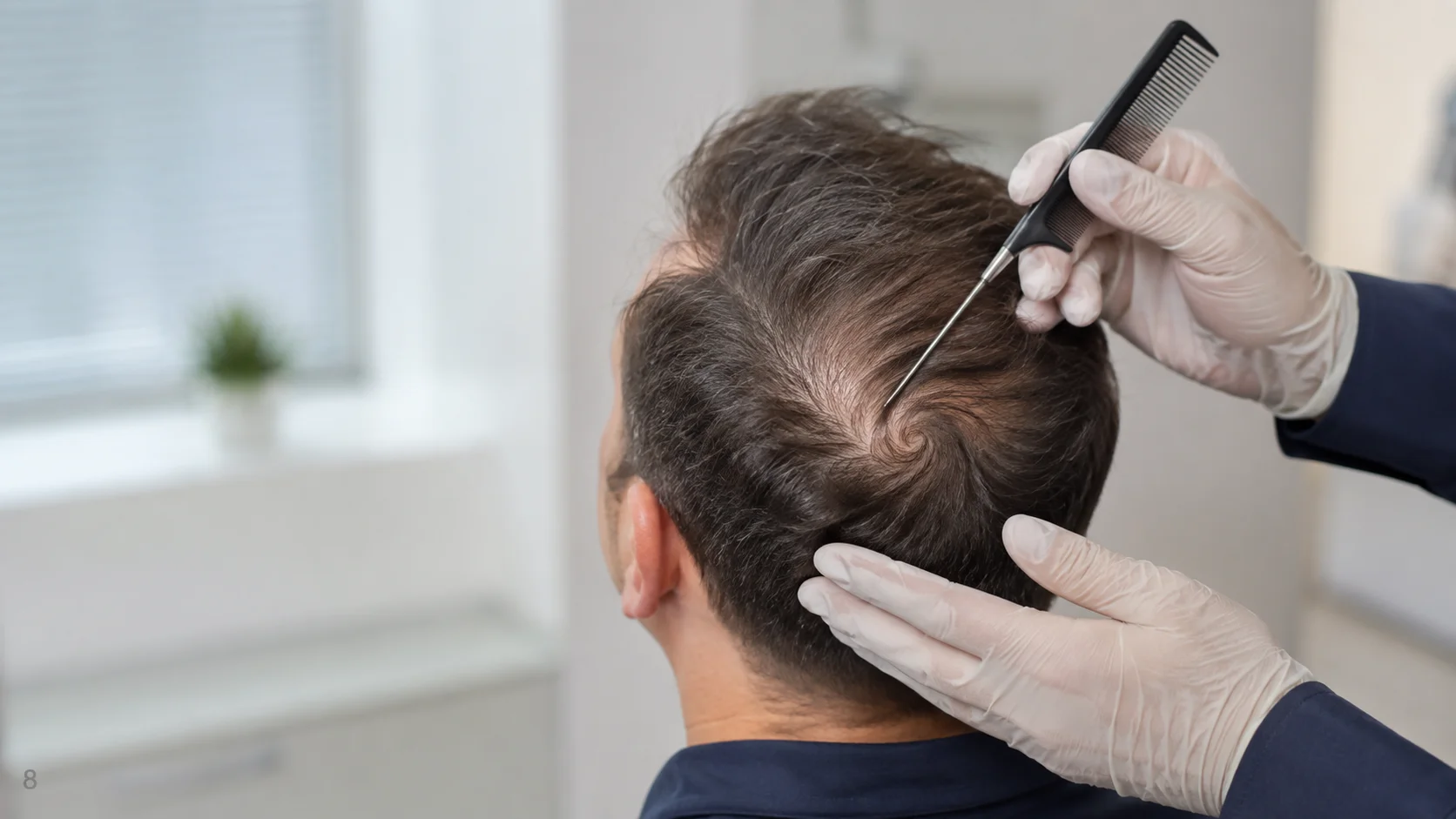
If hair loss is persistent, patchy, sudden, or associated with pain, scaling, redness, or scalp tenderness, it should be evaluated medically rather than attributed only to hair products.
Water-Soluble vs Non-Water-Soluble Silicones
Not all silicones behave the same way. Some are easier to rinse away, while others are more resistant and may require a stronger cleanser.
Water-soluble or more easily removable silicones are often preferred by people who want smoother hair without heavy buildup. Heavier silicones may work well for thick, coarse, curly, or damaged hair but may be too much for fine or low-density hair.
Amodimethicone is often used in conditioners because it can target damaged areas of the hair shaft and provide conditioning without necessarily coating every strand equally. Dimethicone is common and effective but can feel heavy in some formulas. Cyclopentasiloxane is lighter and evaporates more easily, often leaving a smooth finish without as much residue.
The ingredient list matters, but the whole formula matters more. A product with silicone is not automatically heavy, and a silicone-free product is not automatically better.
Who May Benefit From Silicones?
Silicones may be helpful for people with:
- Frizzy or weather-sensitive hair
- Chemically colored, bleached, relaxed, or permed hair
- Heat-styled hair
- Long hair that tangles easily
- Coarse or high-porosity hair
- Breakage-prone ends
For these hair types, silicones can reduce friction and make daily grooming less damaging. They can also improve cosmetic appearance while the person works on broader hair health habits, such as gentler styling, lower heat exposure, and appropriate conditioning.
Who May Want to Limit Silicones?
Some people may prefer lighter or silicone-free products. This includes those with very fine hair, low-density hair, oily scalp, scalp acne, seborrheic dermatitis that flares with occlusive products, or routines that rely on very mild cleansing only.
People who follow certain curly hair routines may also avoid non-water-soluble silicones because they do not use stronger shampoos. That can be reasonable, but it is not a universal rule. Some curly hair responds well to carefully chosen silicone products, especially when dryness and tangling are major concerns.
How to Use Silicones Wisely
A balanced approach is often better than avoiding silicones completely or using them heavily without adjustment.
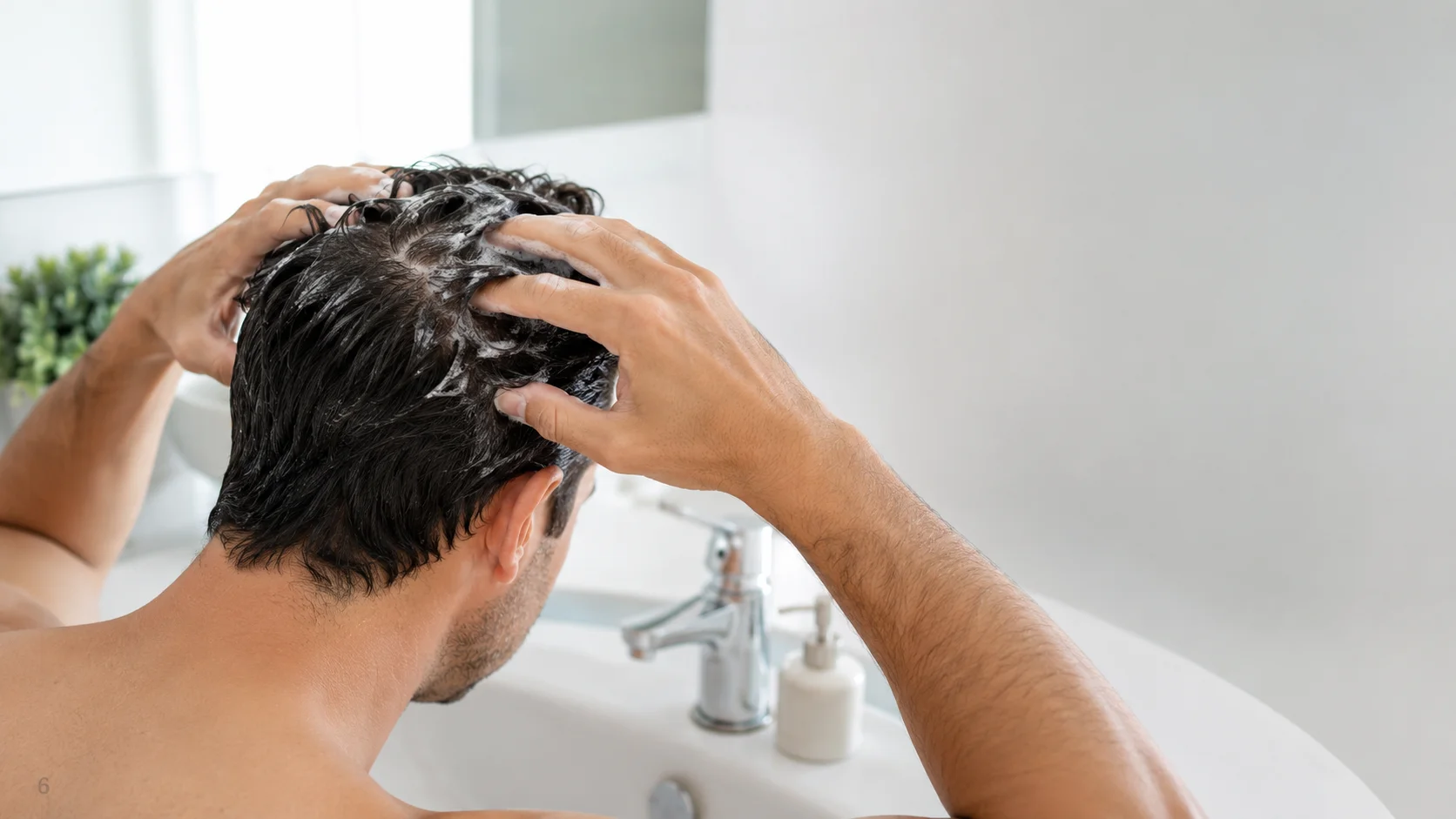
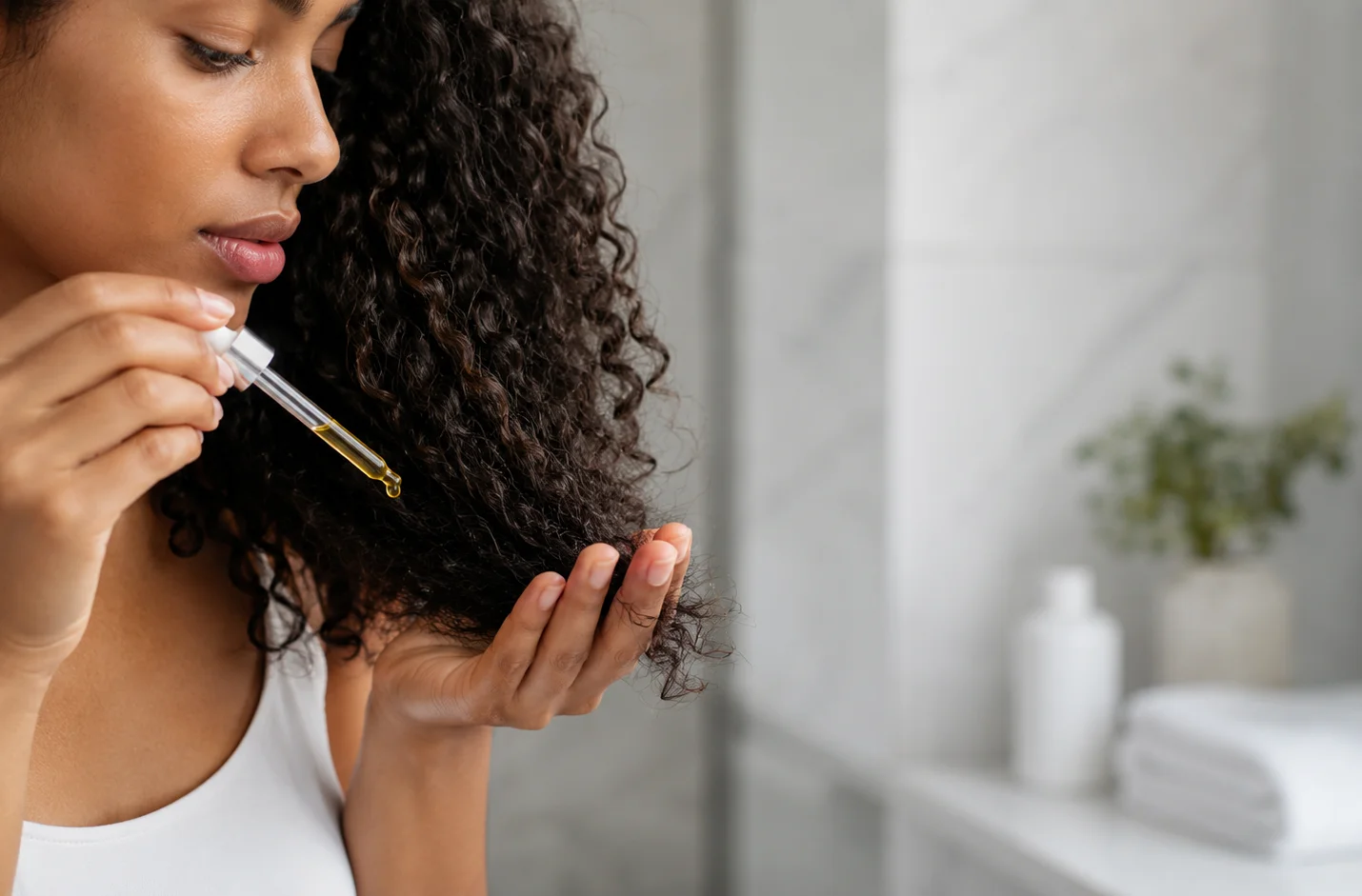
Use silicone-based serums or conditioners mainly on the lengths and ends rather than applying them directly to the scalp. Choose lighter formulas if the hair is fine or easily weighed down. If hair starts to feel coated, dull, or limp, use a clarifying shampoo occasionally, then reassess the routine.
It can also help to separate scalp care from strand care. The scalp needs cleansing that suits oil level, sweat, and skin sensitivity. The hair shaft may need conditioning, slip, and protection. One product does not have to solve both needs.
Silicones, Moisture, and Hair Damage
A common concern is that silicones “block moisture.” In reality, hair moisture is complex. Silicones can reduce water movement in and out of the hair shaft, which may help decrease swelling, frizz, and mechanical stress. This can be protective for some hair types.
The problem occurs when the routine relies only on coating products and does not include adequate cleansing or conditioning. Hair may feel smooth on the outside while still being brittle from bleaching, heat, tight styling, or environmental damage. Silicones can improve appearance, but they cannot fully reverse structural damage.
FAQ
Are silicones safe for everyday hair care?
For most people, silicones are safe when used as intended in cosmetic products. The main concern is buildup or heaviness, not proven permanent hair loss.
Should people with thinning hair avoid silicones?
Not always. Fine or thinning hair may look flatter with heavy silicone products, but lighter formulas can still help reduce breakage and improve manageability.
Can silicones clog hair follicles?
Silicones can leave residue on the scalp in some formulas, but they are not a proven cause of follicle miniaturization. Scalp irritation, persistent flakes, or hair loss should be assessed separately.
How do I remove silicone buildup?
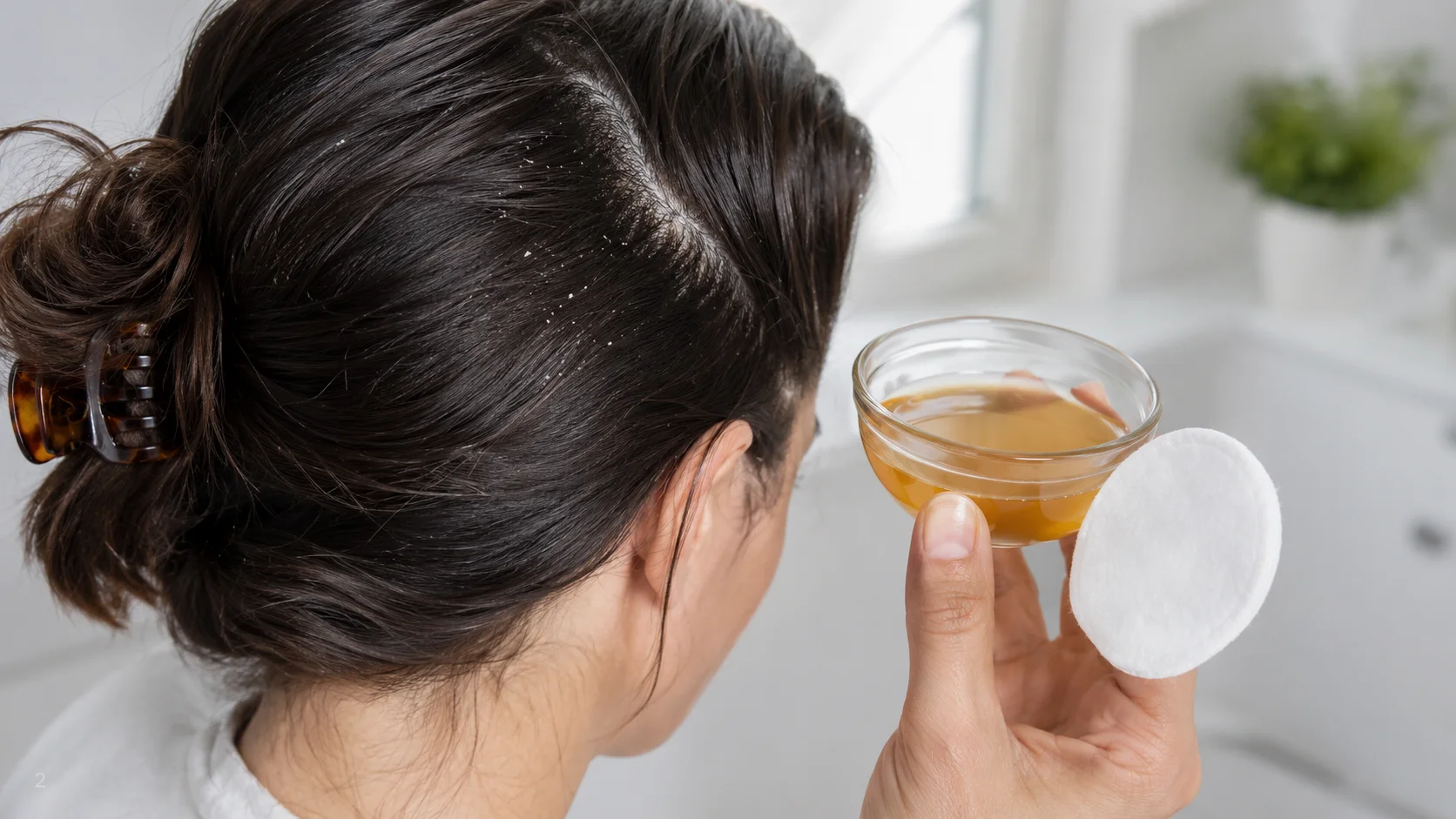
Use an appropriate shampoo, and consider occasional clarifying if the hair feels coated or dull. The frequency depends on hair type, product use, and scalp oiliness.
Are silicone-free products better?
Not automatically. Silicone-free products may suit some routines, but they can also be less effective for detangling or frizz control. The best choice depends on the hair’s needs.
The Bottom Line
Silicones are neither miracle ingredients nor ingredients that everyone must avoid. They are cosmetic tools that can make hair smoother, shinier, easier to detangle, and less prone to friction-related breakage. Their limitations are equally important: they do not treat hair loss, repair follicles, or replace medical care for scalp disease.
For most people, the practical question is not “Are silicones good or bad?” but “Does this formula work for my hair and scalp?” If the answer changes over time, adjusting the product type, amount, or cleansing routine is often enough.
This article is for general informational purposes only and does not replace individualized medical advice, diagnosis, or treatment. If you have persistent hair loss, scalp inflammation, pain, or sudden shedding, consult a qualified healthcare professional.