Common Hair Care Mistakes That Can Damage Your Hair
Hair damage often develops gradually. It may come from everyday habits that seem harmless at first: brushing too roughly, using too much heat, washing in a way that dries out the hair, or wearing tight styles repeatedly.
The most common hair care mistakes include excessive heat styling, harsh towel drying, aggressive brushing, overwashing or under-cleansing, tight hairstyles, chemical overprocessing, and product buildup. These habits can weaken the hair shaft, increase breakage, irritate the scalp, and make hair look thinner even when the follicles are still producing hair.
Mistake 1: Using Too Much Heat
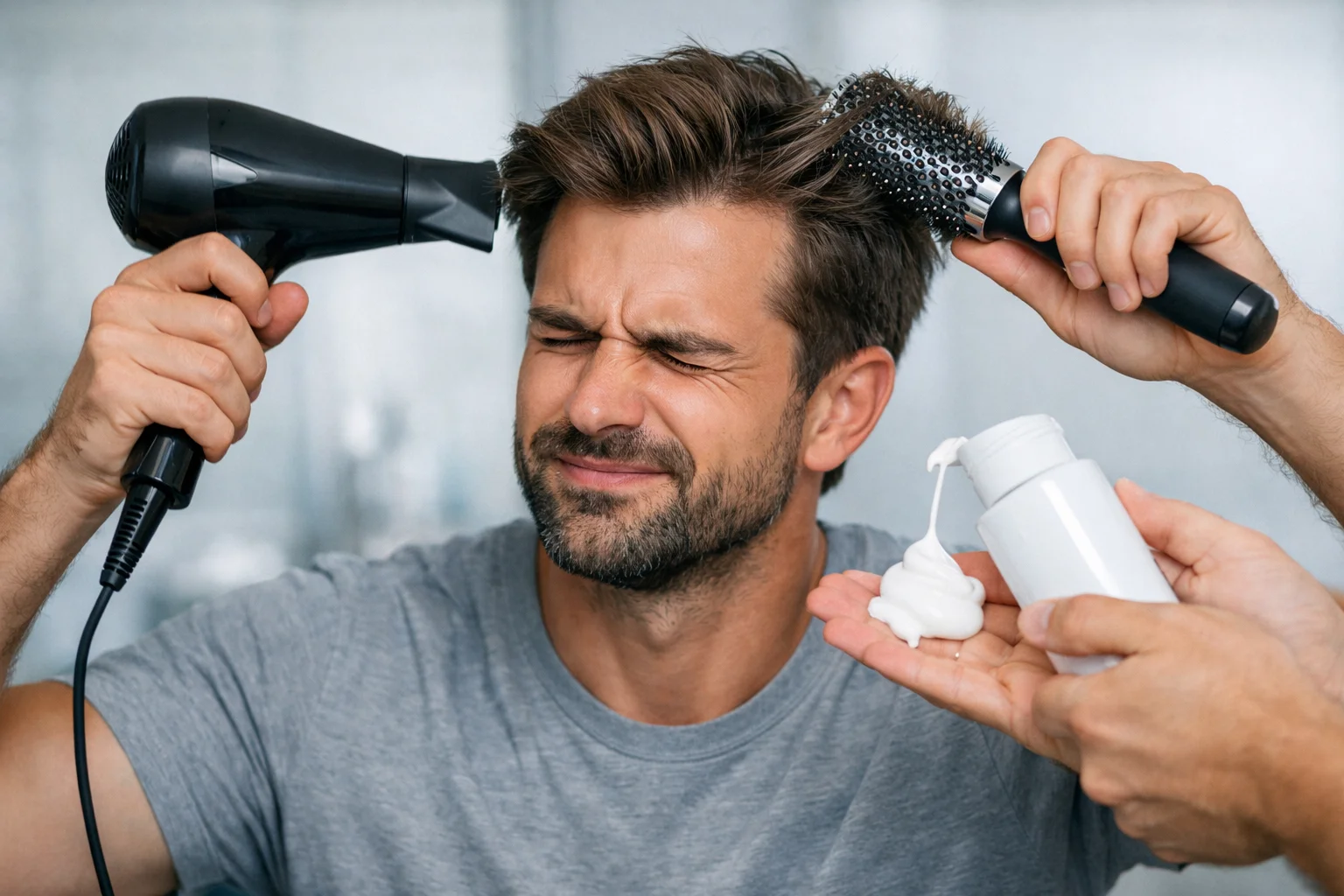
Flat irons, curling irons, hot brushes, and blow dryers can all affect the hair shaft. High heat may weaken the outer protective layer of the hair, leading to dryness, roughness, split ends, and breakage.
Heat damage is more likely when tools are used frequently, set too high, or applied to damp hair with tools not designed for wet styling. Repeated passes over the same section can also increase damage.
A safer approach is to use the lowest effective temperature, apply heat protectant, avoid daily heat styling when possible, and give the hair time to recover between sessions. Heat tools do not need to be eliminated completely for everyone, but they should be used thoughtfully.
Mistake 2: Brushing or Detangling Too Aggressively
Hair is more vulnerable to stretching and breakage when wet. Rough brushing, pulling through knots, or starting at the roots can cause unnecessary snapping.
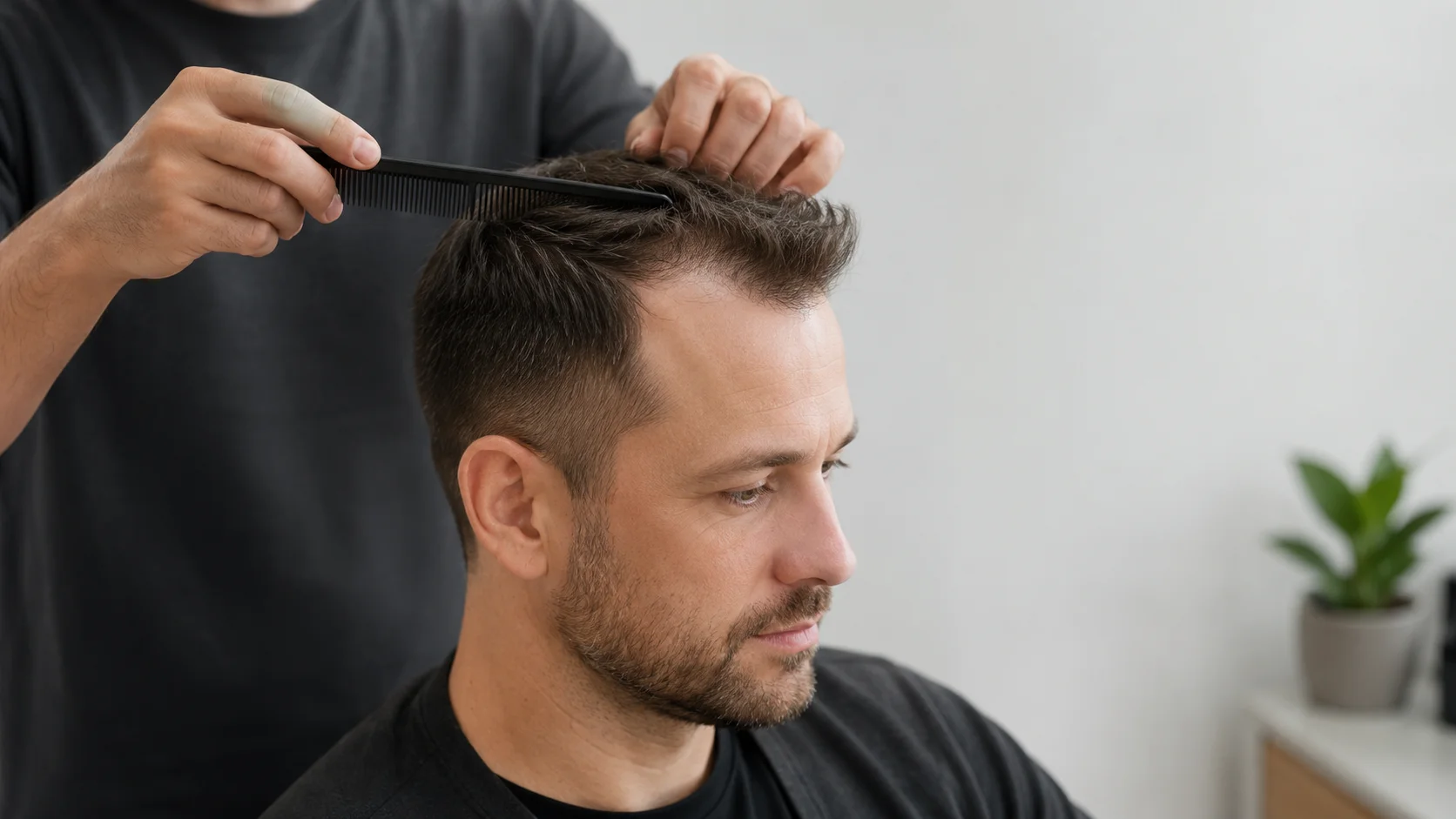
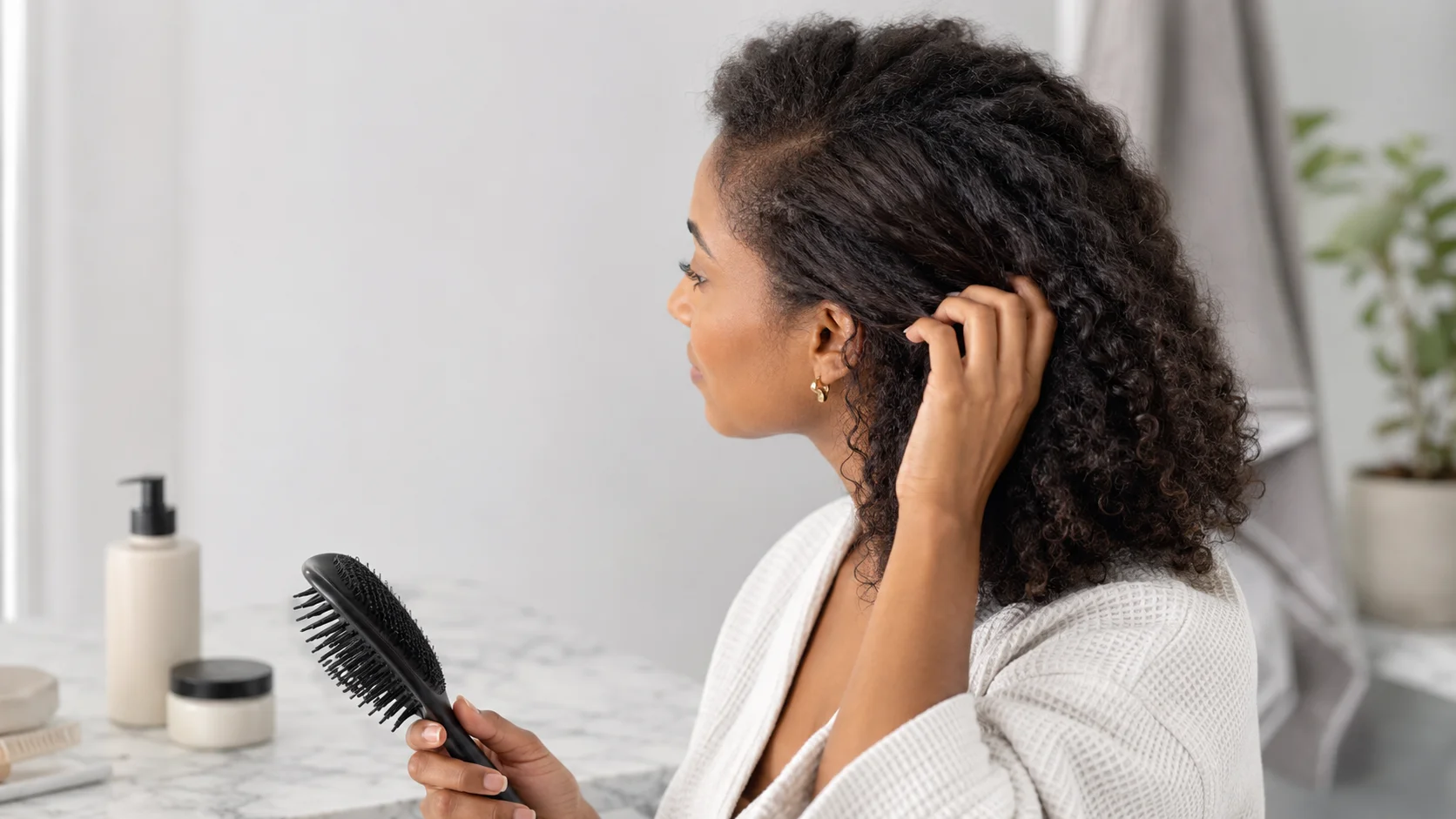
A gentler method is to detangle from the ends upward, using a wide-tooth comb or a brush suited to your hair type. Conditioner or detangling spray can reduce friction. Curly and coily hair often benefits from detangling while damp and conditioned, while some straight or fine hair types may prefer detangling when mostly dry.
The goal is not to avoid all shedding. It is normal to see shed hairs during brushing or washing. The concern is repeated breakage, especially short broken hairs, rough ends, or thinning that seems related to tension or styling.
Mistake 3: Washing in a Way That Strips the Hair
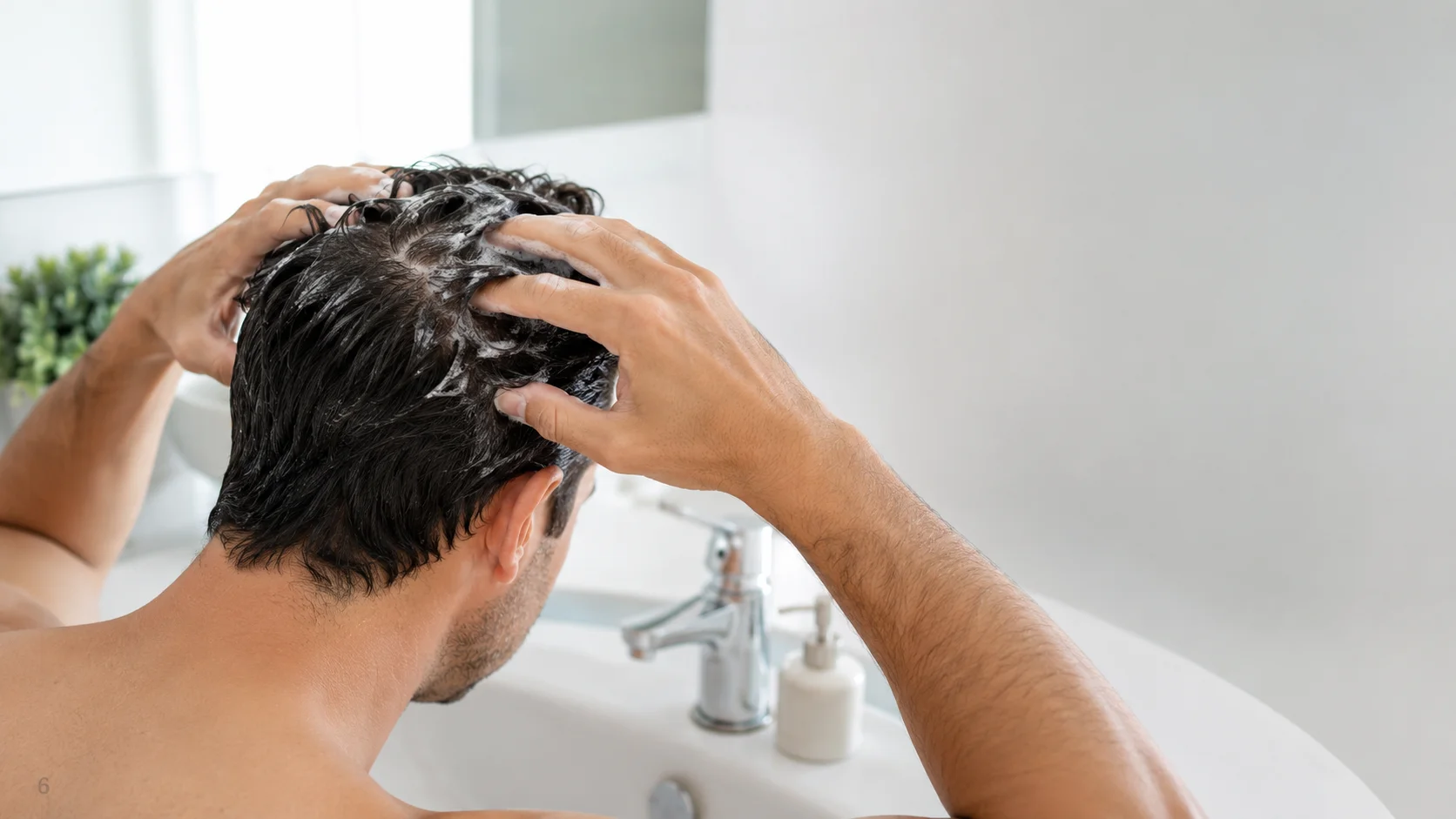
Washing too often with harsh products may leave some hair types dry and brittle. On the other hand, washing too rarely can allow oil, sweat, flakes, and styling products to build up on the scalp.
The right balance depends on your scalp and hair type. Oily scalps may need frequent cleansing, while dry or textured hair may need a gentler schedule. Shampoo should mainly be applied to the scalp, not scrubbed aggressively through the lengths.
If the scalp feels itchy, coated, greasy, or irritated, your cleansing routine may need adjustment. If the hair feels rough after every wash, the product may be too drying or the routine may need more conditioning support.
Mistake 4: Skipping Conditioner
Some people avoid conditioner because they worry it will make hair flat. However, skipping conditioner entirely can increase friction, tangling, and breakage, especially on longer hair.
Conditioner helps smooth the hair surface and makes detangling easier. For fine hair, a lightweight conditioner applied only to the ends may be enough. For dry, curly, coily, or chemically treated hair, richer conditioning may be useful.
Conditioner should fit the hair type. A product that works well for one person may be too heavy or too light for another.
Mistake 5: Wearing Tight Hairstyles Too Often
Tight ponytails, buns, braids, extensions, and slicked-back styles can place repeated tension on the hair and scalp. Over time, this may contribute to breakage and, in some cases, traction-related hair loss.
Warning signs can include tenderness, bumps, broken hairs around the hairline, or thinning near areas of repeated pulling. Looser styles, alternating part lines, and taking breaks from tension-heavy hairstyles may help reduce stress on the hair.
Mistake 6: Overprocessing With Chemicals
Coloring, bleaching, relaxing, perming, and chemical straightening can change the structure of the hair. When these services are repeated too often or combined without enough care, the hair may become weak, porous, and prone to snapping.
Chemically treated hair often needs extra conditioning, lower heat exposure, and realistic limits on additional processing. If hair feels gummy, brittle, or unusually stretchy, it may already be compromised.
Mistake 7: Ignoring the Scalp
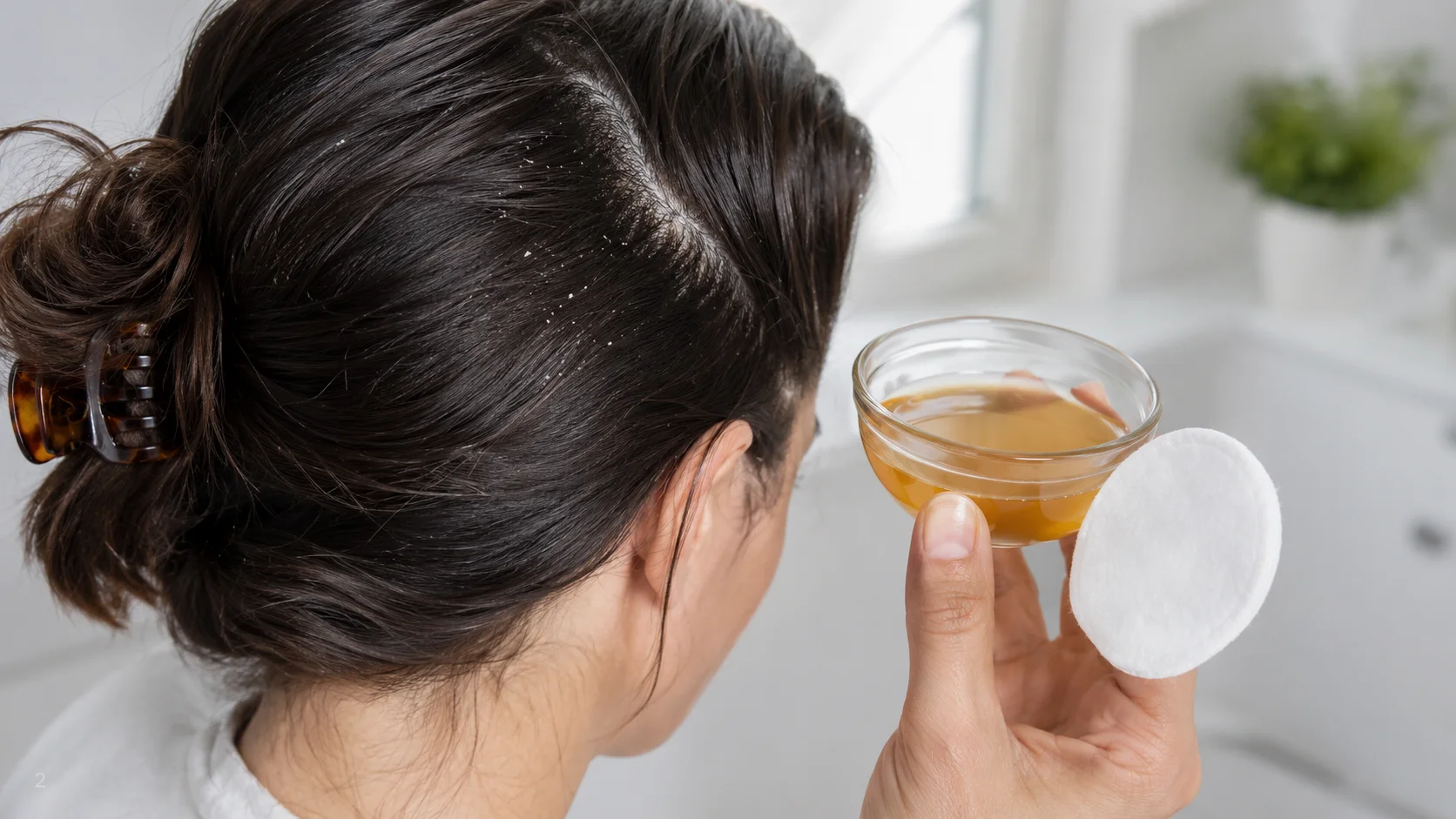
Healthy-looking hair starts with a comfortable scalp. Persistent itching, flaking, redness, oiliness, burning, or soreness should not be ignored. Some scalp conditions can mimic simple dryness or dandruff but may need specific treatment.
Product buildup can also create problems. Heavy oils, styling creams, dry shampoo, and sprays may accumulate if not washed out properly. This can leave the scalp uncomfortable and the hair dull or flat.
For a full overview of healthy hair care habits, see our hair care essentials guide.
Frequently Asked Questions
Can hair care mistakes cause permanent hair loss?
Most cosmetic hair damage affects the hair shaft and may improve as damaged hair is trimmed and healthier hair grows. However, repeated tension, severe scalp inflammation, or untreated medical conditions may contribute to more serious hair loss in some cases.
Is towel drying bad for hair?
Towel drying is not automatically bad, but rough rubbing can increase friction and breakage. Gently squeezing out water with a soft towel or microfiber towel is usually kinder to the hair.
How do I know if my hair is damaged or thinning?
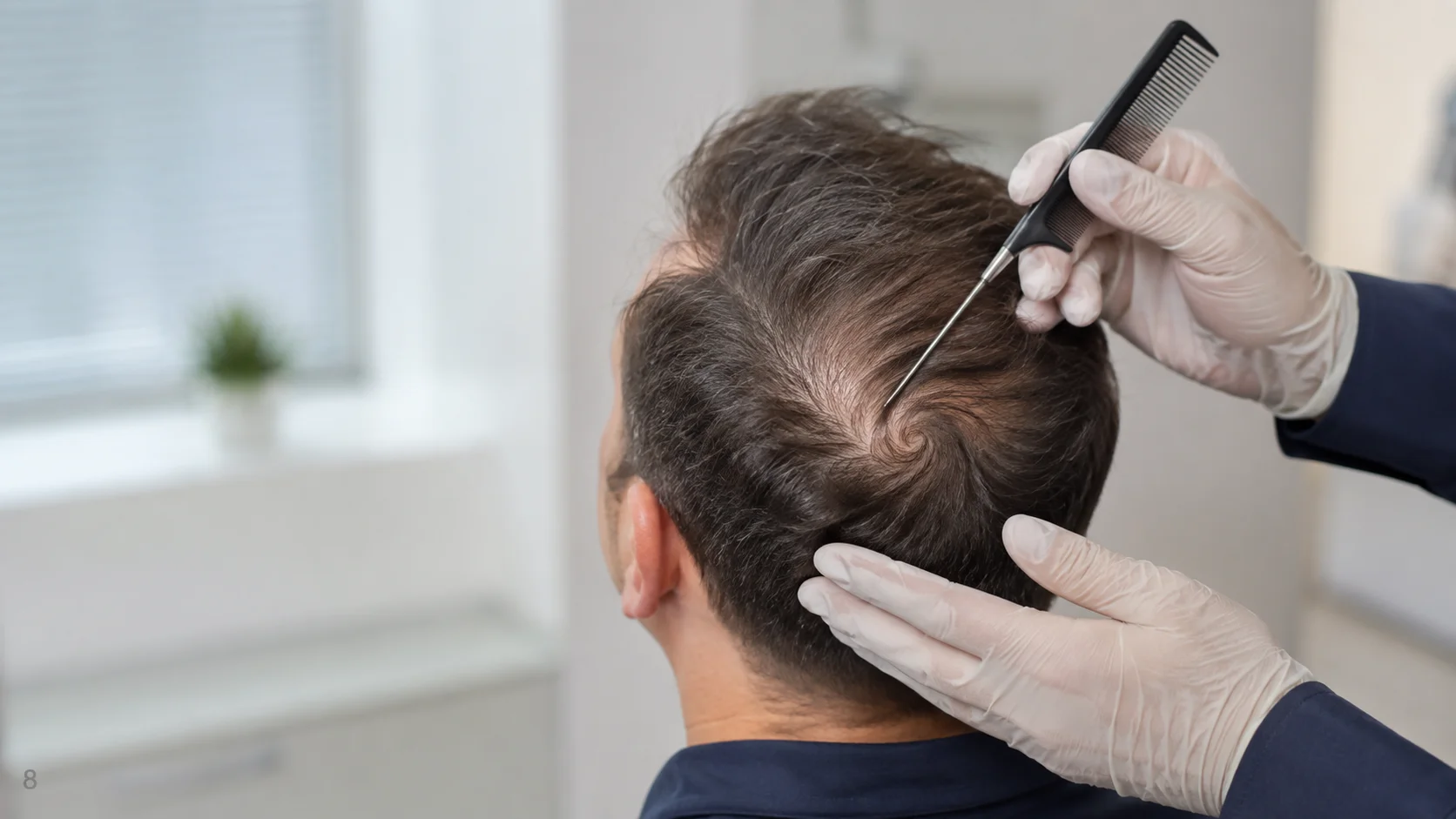
Damage often appears as breakage, split ends, rough texture, frizz, or shorter snapped hairs. Thinning usually involves reduced density from the scalp, a widening part, or visible scalp show-through. Sometimes both can happen together.
Should I stop using all styling products?
Not necessarily. Styling products can be useful, but they should suit your hair type and be washed out appropriately. If your hair feels coated, limp, itchy, or dull, product buildup may be part of the issue.
Final Thoughts
Many hair care mistakes are easy to correct once you recognize them. Small changes, such as gentler detangling, better heat habits, appropriate conditioning, and scalp-aware cleansing, can make a noticeable difference over time.
If you experience sudden shedding, scalp pain, patchy hair loss, or progressive thinning, professional evaluation is important. Not every hair concern is caused by styling or routine habits.
This content is for general informational purposes only and does not replace individualized medical advice, diagnosis, or treatment.