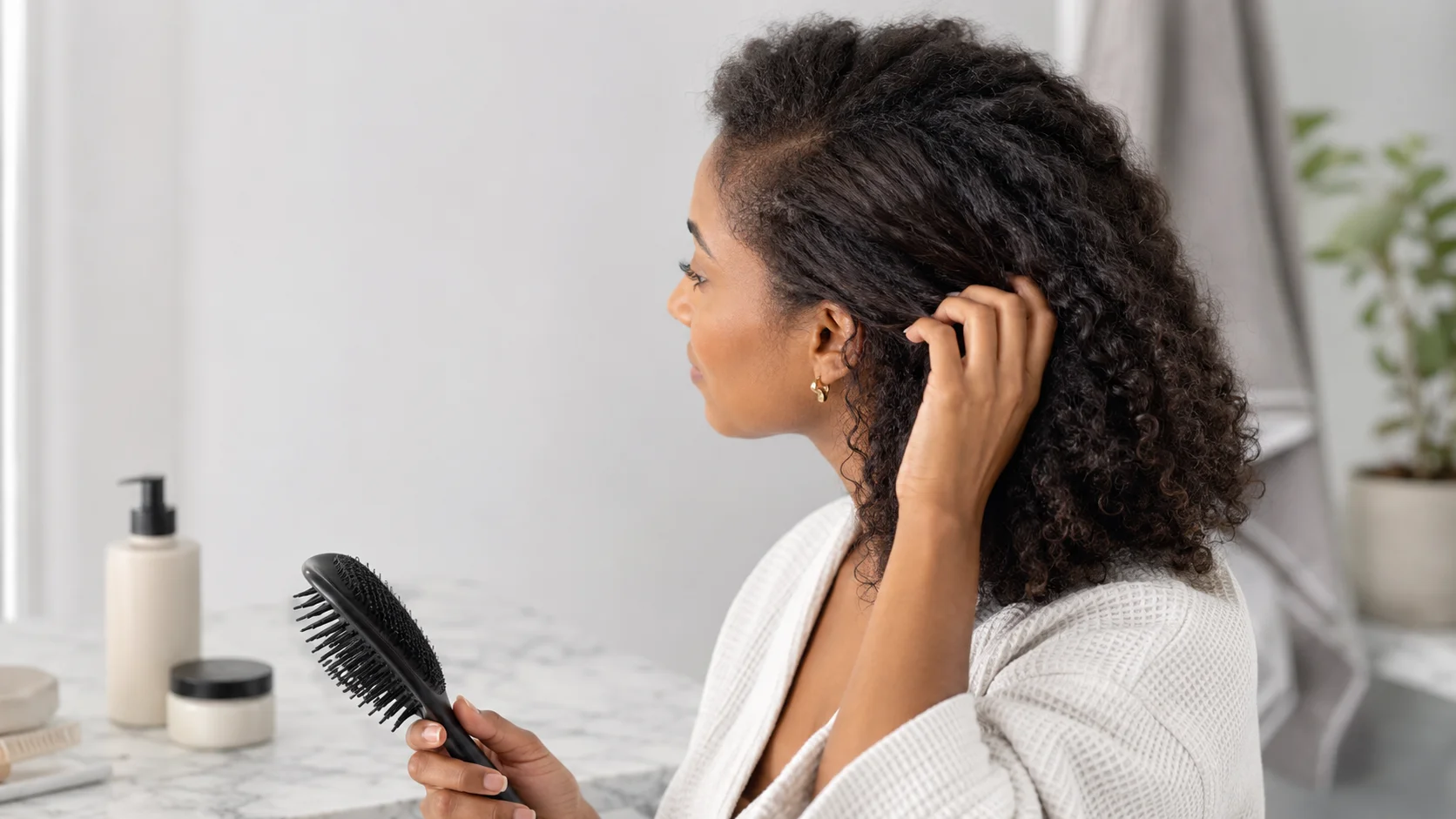
A healthy hair care routine should be realistic, consistent, and suited to your hair and scalp. The best routine is not necessarily the longest one. It is the one you can follow without irritating your scalp, overloading your hair, or causing unnecessary damage.
To build a healthy routine, start with your scalp needs, then choose a washing schedule, conditioner, detangling method, and styling habits that match your hair type. Review the routine every few weeks and adjust based on how your scalp feels, how manageable your hair is, and whether you are seeing breakage, buildup, or dryness.
Start With Your Scalp
The scalp is where hair growth begins, so it deserves attention. A healthy routine should keep the scalp clean and comfortable without making it feel tight, itchy, oily, or irritated.
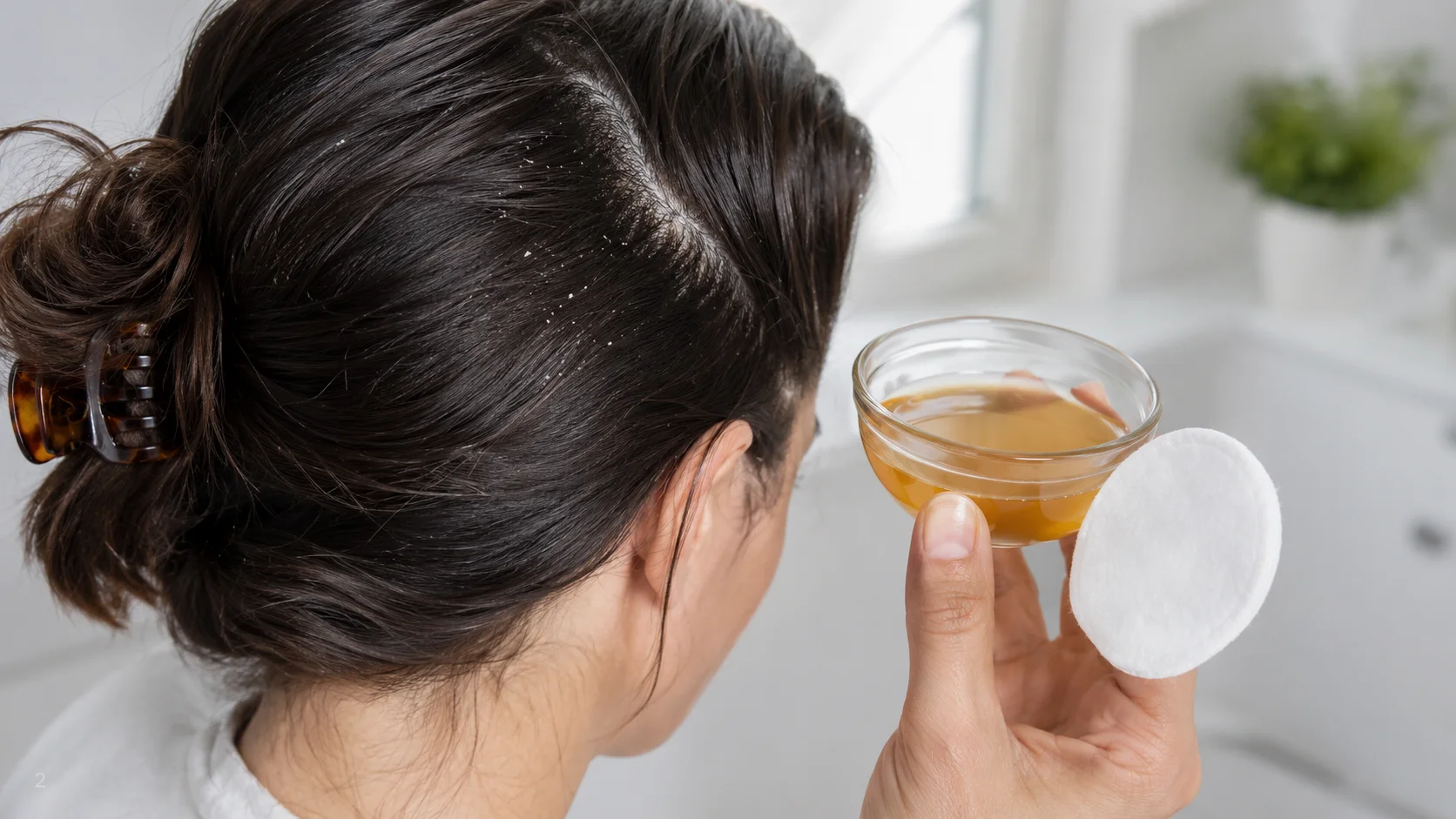
If your scalp becomes greasy quickly, you may need more frequent washing. If it feels dry or sensitive, you may need a gentler shampoo or less aggressive cleansing. Flaking, redness, soreness, or persistent itching may point to a scalp condition rather than a simple product issue.
Scalp care does not need to involve complicated treatments. For many people, the foundation is regular cleansing, avoiding heavy buildup, and paying attention to symptoms that do not settle.
Choose a Washing Schedule
There is no universal rule for how often hair should be washed. Some people need daily washing, while others do better washing every few days. Hair texture, oil production, exercise, climate, and styling products all matter.
A practical way to decide is to observe your scalp between washes. If it becomes itchy, greasy, or coated, you may be waiting too long. If your hair feels stripped, rough, or dry after every wash, you may need a milder shampoo, more conditioning, or a different schedule.
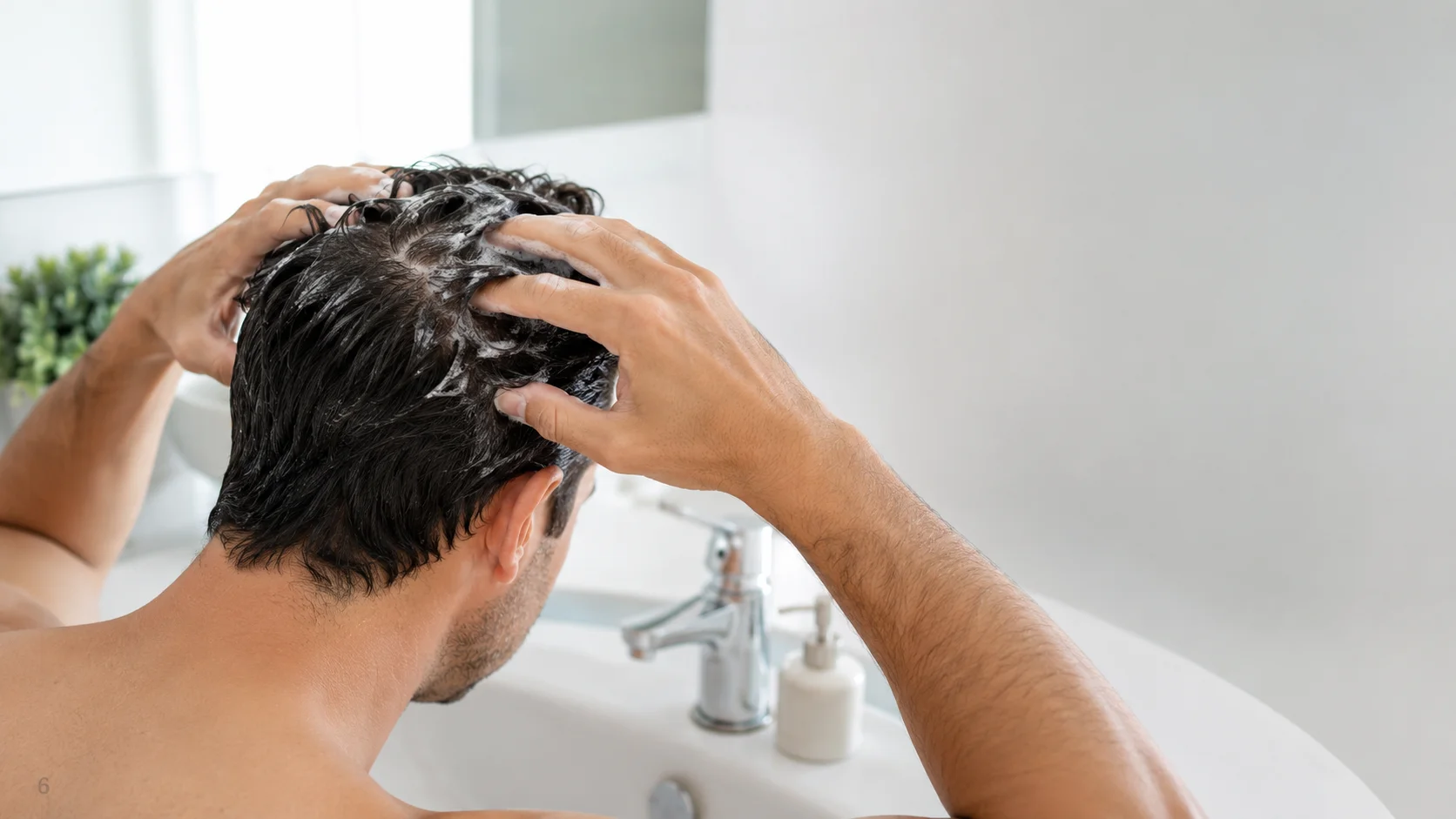
When shampooing, focus on the scalp. Let the lather rinse through the lengths rather than scrubbing the ends. This helps clean where oil and buildup collect while reducing friction on more fragile areas.
Match Conditioner to Your Hair Type
Conditioner helps reduce tangling and protect the hair shaft from friction. The right conditioner depends on your hair’s texture, length, porosity, and styling habits.
Fine or oily hair may need a lightweight conditioner applied mostly to the ends. Thick, dry, curly, coily, or chemically treated hair may need richer conditioning and occasional deep conditioning. If hair feels limp or coated, the product may be too heavy. If it still tangles easily or feels rough, it may not be conditioning enough.
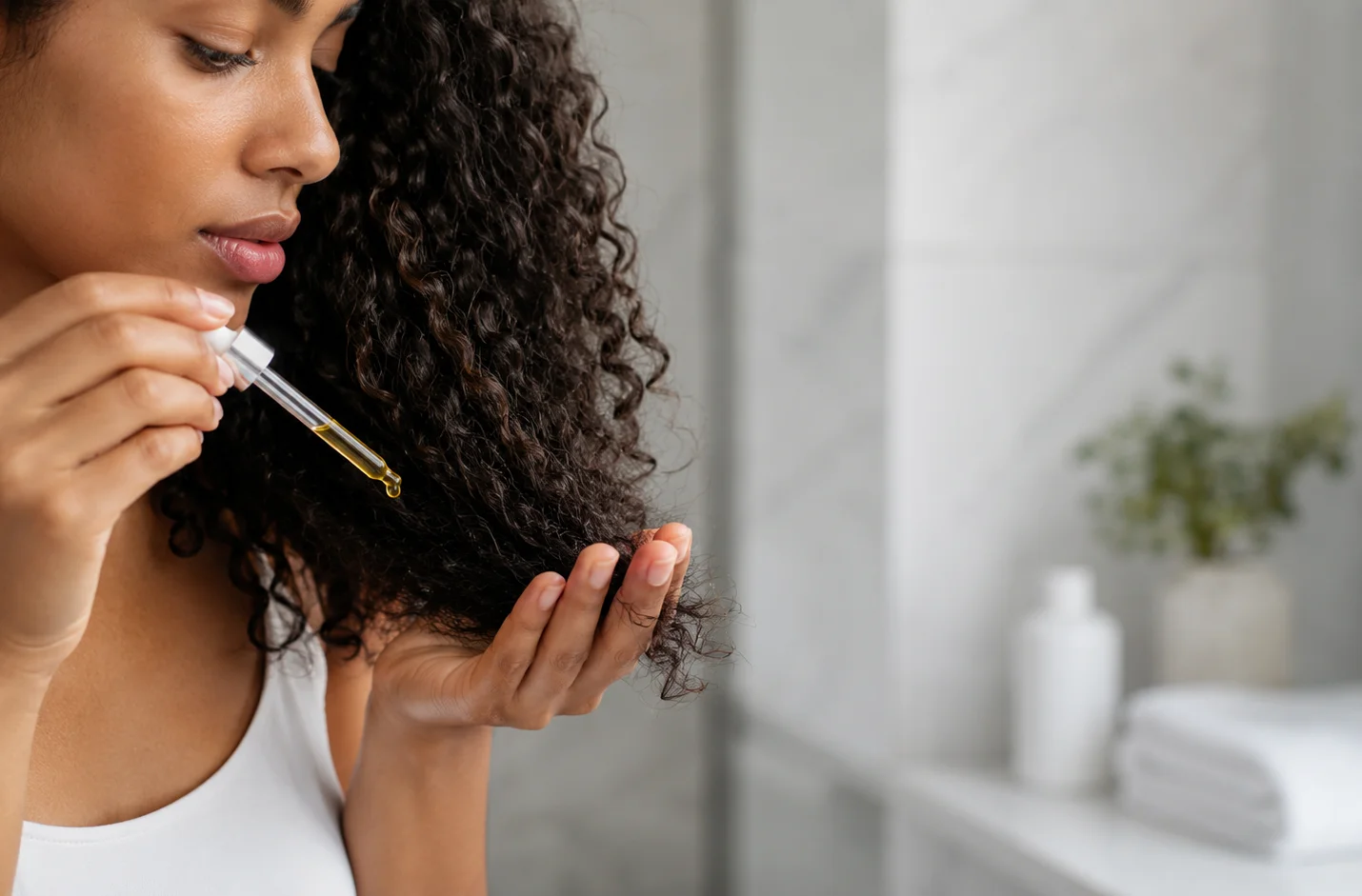
Leave-in products can be useful, especially for hair that tangles or dries out easily. They should be used in amounts that improve manageability without creating buildup.
Build a Gentle Detangling Method
Detangling is one of the most important parts of a routine because breakage often happens during handling. Start at the ends, work upward slowly, and avoid forcing a brush through knots.
For many hair types, detangling is easier with conditioner or a leave-in product. Wide-tooth combs, flexible brushes, or fingers may be useful depending on texture. The best tool is the one that removes tangles with the least pulling.
Protect Hair During Styling
Styling should help you enjoy your hair without repeatedly weakening it. If you use heat tools, apply heat protectant and use the lowest effective temperature. Avoid using hot tools on the same sections repeatedly.
Tight hairstyles should be used carefully. Repeated pulling can cause breakage and may contribute to traction-related thinning in some people. If a style causes pain, bumps, or tenderness, it is too tight.
For chemically treated or color-treated hair, keep the routine especially gentle. These hair types may need more conditioning, less heat, and longer breaks between chemical services.
Keep the Routine Simple Enough to Maintain
A routine that depends on too many steps may become difficult to follow. Start with the basics: shampoo, conditioner, gentle detangling, and protection from heat or tension. Add extra products only when they solve a specific problem.
It may take a few weeks to understand whether a routine is working. Hair changes slowly, and damaged ends may still need trimming even after habits improve. Look for signs such as less tangling, better scalp comfort, fewer broken hairs, and easier styling.
For the full picture on healthy hair care, see our hair care essentials guide.
Frequently Asked Questions
How many products do I need for a healthy hair care routine?
Most people only need a suitable shampoo, conditioner, and possibly a leave-in or heat protectant. More products are not automatically better and may cause buildup if they are not needed.
Should my routine change with the seasons?
It can. Dry weather, humidity, sun exposure, sweating, and indoor heating may change how your hair and scalp behave. Small seasonal adjustments can be helpful.
How long does it take to see improvement from a new routine?
Scalp comfort may improve within days or weeks if the routine is a good fit. Hair shaft improvement may take longer because older damage remains until it grows out or is trimmed.
Can a hair care routine stop hair loss?
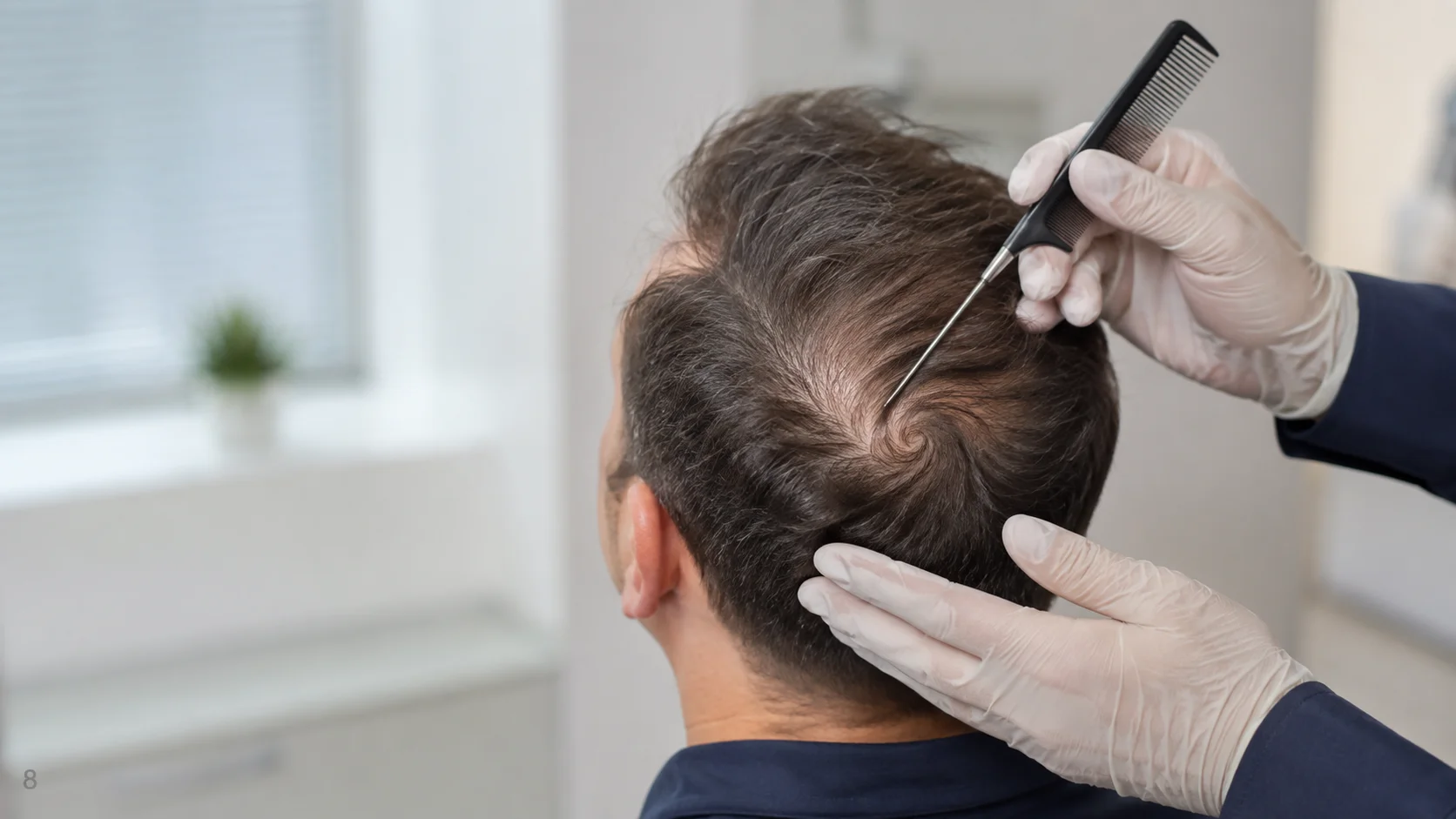
A healthy routine can reduce breakage and support scalp comfort, but it cannot treat every type of hair loss. Progressive thinning, patchy loss, or sudden shedding should be evaluated professionally.
Final Thoughts
A healthy hair care routine should make your hair easier to manage and your scalp more comfortable. It should also fit your life well enough that you can maintain it consistently.
The most effective routines are usually built from simple steps: cleanse appropriately, condition well, detangle gently, protect from damage, and adjust when your hair or scalp changes.
This content is for general informational purposes only and does not replace individualized medical advice, diagnosis, or treatment.