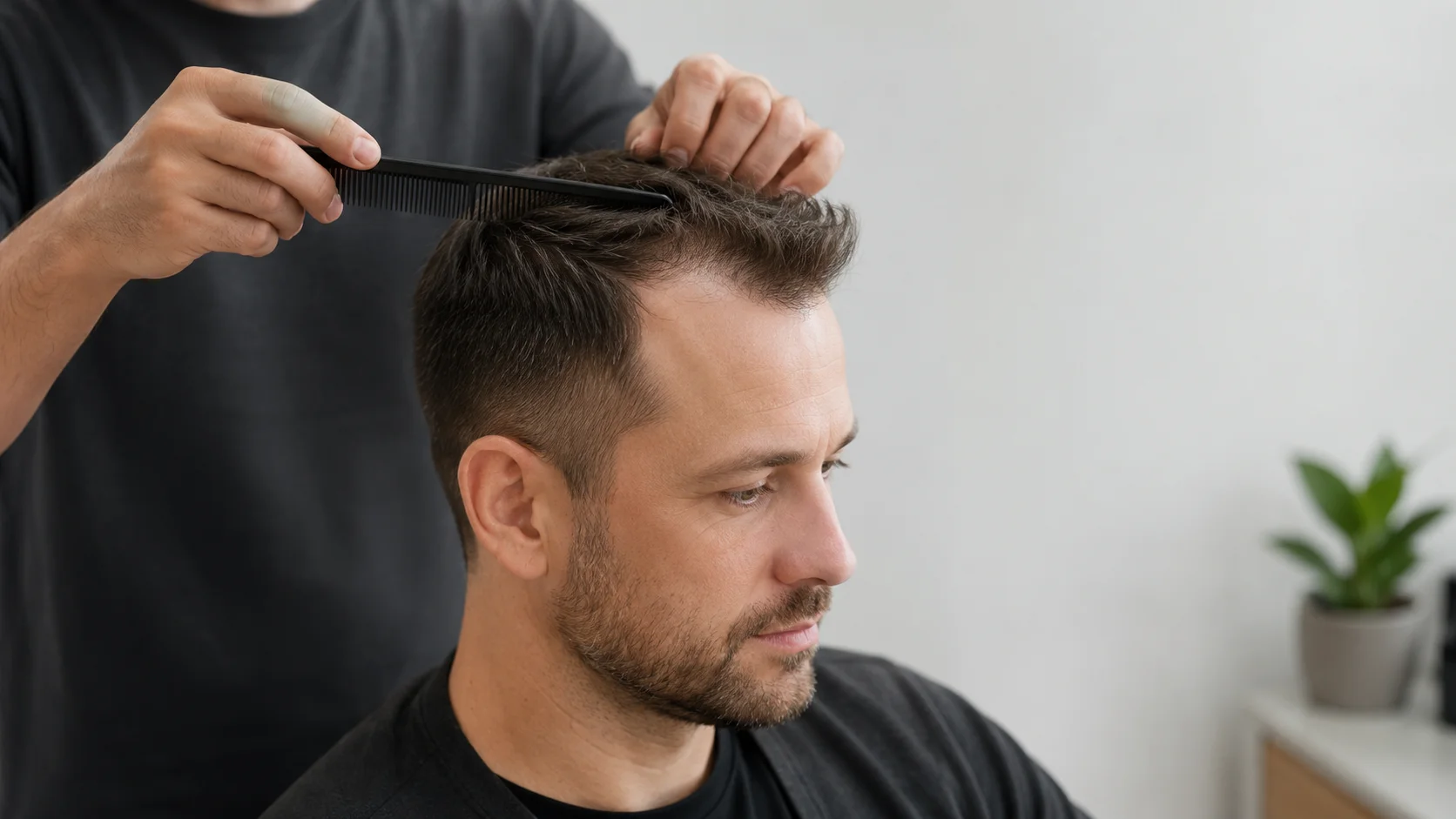
Thinning hair and a receding hairline can change the way a haircut looks, but they do not automatically mean someone has to settle for a style they dislike. The most flattering hairstyles usually work with the hair’s natural density, growth direction, and hairline shape rather than trying to hide every sign of thinning.
A good style can make hair appear more balanced, reduce harsh contrast between thinner and thicker areas, and make daily grooming feel easier. The key is choosing a haircut that matches the stage of hair loss, hair texture, face shape, and how much time someone wants to spend styling it.
Cosmetic styling cannot stop hair loss or regrow hair, but it can improve how hair looks while someone decides whether they want to explore medical treatment, hair transplant evaluation, or simply a lower-maintenance appearance.
Why Haircut Choice Matters With Thinning Hair
When hair begins to thin, length and shape become more important. Longer hair is not always better because it can separate, look stringy, or expose the scalp more clearly under bright light. Very short hair is not always the answer either, especially if the thinning is uneven.
The best haircut usually reduces contrast. For example, if the sides are very dense but the top is thin, the thinner area can look more obvious. A slightly shorter, cleaner shape on the sides can make the top appear more proportional.
Styling direction also matters. Hair that is combed straight back may expose a receding hairline, while hair styled forward or diagonally may soften the appearance of the temples. The goal is not to create an artificial cover-up, but to make the overall shape look intentional.
Best Hairstyles for Thinning Hair on Top
Textured Crop
A textured crop is one of the most useful hairstyles for mild to moderate thinning on top. The hair is kept relatively short, with texture added through cutting and styling. This helps prevent the hair from lying flat and separating into visible gaps.
A crop can work especially well when the hairline is slightly receded but there is still enough density across the front and mid-scalp. Styling the hair forward or slightly to the side can reduce the focus on the temples.
The cut should avoid overly blunt, heavy fringes if the front is very thin. A soft, irregular texture usually looks more natural.
Short Caesar Cut
A Caesar-style cut uses short hair with a small forward fringe. It can be helpful for people with early hairline recession because it softens the frontal edge without requiring much length.
This style works best when the front hair still has enough density to create a natural line. If the hairline has receded significantly at the temples, the fringe should be light rather than heavy. A forced fringe can draw attention to the exact area it is trying to hide.
Crew Cut
A crew cut is a clean option for thinning hair because it keeps the hair short enough to reduce separation while preserving some shape on top. It can make thinning less noticeable by avoiding long strands that collapse or clump together.
This style is often practical for people who want a professional look without daily styling. It also pairs well with a gradual fade or tapered sides, as long as the sides are not cut so aggressively that the top looks isolated.
Short Quiff With Texture
A short textured quiff can work for people who still have moderate frontal density. Unlike a tall, polished quiff, a shorter version adds lift without needing a large amount of hair.
The important word is “short.” A high-volume quiff can expose thinning when the hair separates or when product makes it heavy. A matte styling product and light blow-drying can help create lift without shine.
This style is less suitable when the frontal hairline is very sparse, because lifting the hair upward may reveal more scalp.
Best Hairstyles for Receding Hairlines
Side-Swept Texture
A side-swept textured style can soften a receding hairline by directing the hair diagonally rather than straight back. It avoids placing the entire hairline on display while still looking natural.
This style works well for many early to moderate recession patterns. It should not be confused with a traditional comb-over. The goal is a relaxed direction, not dragging long hair across a bare area.
Ivy League Cut
The Ivy League is a slightly longer version of a crew cut, often styled with a soft side part. It can suit people who want a tidy look while keeping enough length to shape the front.
For thinning hair, the part should not be too sharp or severe. A hard part can emphasize scalp visibility. A softer, natural part usually blends better.
Buzz Cut
A buzz cut can be a strong choice when thinning is more advanced or when the contrast between the hairline and surrounding hair has become difficult to manage. By keeping the hair uniformly short, the scalp shows more evenly, which can make hair loss look less visually uneven.
A buzz cut does not hide hair loss, but it can make it appear cleaner and more intentional. It is often a good option for people who are tired of styling around thinning areas.
Different guard lengths create different effects. A very short buzz may look sharper, while a slightly longer buzz can keep some softness. The best length depends on hair color, scalp contrast, and personal preference.
Clean Shaved Head
For more advanced hair loss, a shaved head can be a confident and low-maintenance option. It removes the contrast between thinning and non-thinning areas entirely.
This is not the right choice for everyone, and some people prefer to transition gradually with shorter cuts first. Face shape, beard style, scalp skin, and comfort level all play a role.
Hairstyles That Often Make Thinning Hair Look More Obvious
Some styles can unintentionally draw attention to thinning. These are not “wrong,” but they may be less forgiving.
Long, heavy hair can separate and reveal the scalp, especially when the hair is fine. Slicked-back styles may expose recession at the temples. Wet-look products can make hair clump together and reduce the appearance of volume.
A severe side part may show scalp along the part line. Very dense sides with a thin top can create an unbalanced look. Long comb-overs are usually the least natural option because they depend on hair sitting perfectly in place.
In general, styles that rely on tension, shine, or long coverage are more likely to fail during daily movement, wind, sweat, or bright lighting.
Styling Tips for Thinning Hair
The right styling routine can make a good haircut work better. Lightweight, matte products are usually more flattering than heavy gels or shiny pomades. Matte clay, paste, or light styling cream can add texture without making the hair look greasy.
Blow-drying can help create lift, but heat should be used carefully. A low or medium setting is usually enough. Styling the hair against its natural flat direction for a short time can increase volume, especially at the roots.
A few practical tips can help:
- Keep the hair clean, but avoid harsh overwashing if it makes the scalp irritated.
- Use conditioner lightly if the hair becomes weighed down easily.
- Avoid applying heavy product directly to thinning roots.
- Style with fingers or a wide-tooth comb instead of creating sharp lines.
- Choose matte finishes when scalp visibility is a concern.
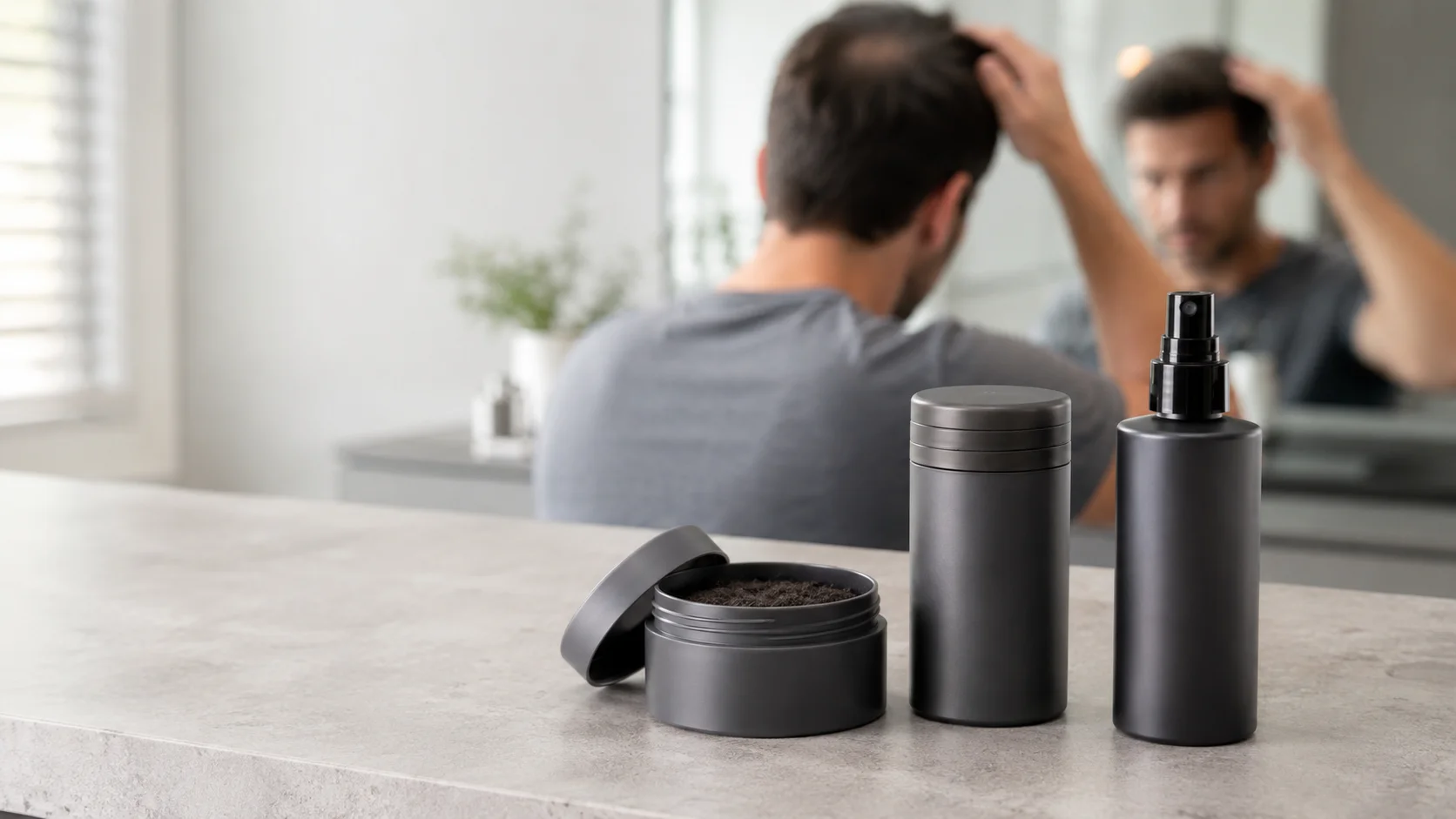
Hair fibers, powders, and thickening sprays may also help some people improve the appearance of density. These are cosmetic products, not medical treatments. They can make hair look fuller temporarily, but they do not treat the cause of hair loss.
Matching the Style to the Stage of Hair Loss
For mild thinning, textured crops, short quiffs, Ivy League cuts, and side-swept styles can be effective. The goal is to maintain a natural look while adding shape and volume.
For moderate thinning, shorter crops, crew cuts, soft fades, and light styling usually become more practical. At this stage, the haircut should avoid depending on long hair to cover large areas.
For advanced thinning, buzz cuts and shaved styles may look more balanced than trying to preserve length. Some people also use cosmetic concealers or explore medical and surgical options, depending on their goals and suitability.
There is no single best style for everyone. A person with fine, straight hair may need a different approach from someone with curly or coarse hair. Hair color also matters because dark hair against a light scalp can make thinning more noticeable.
When to Consider More Than a Hairstyle
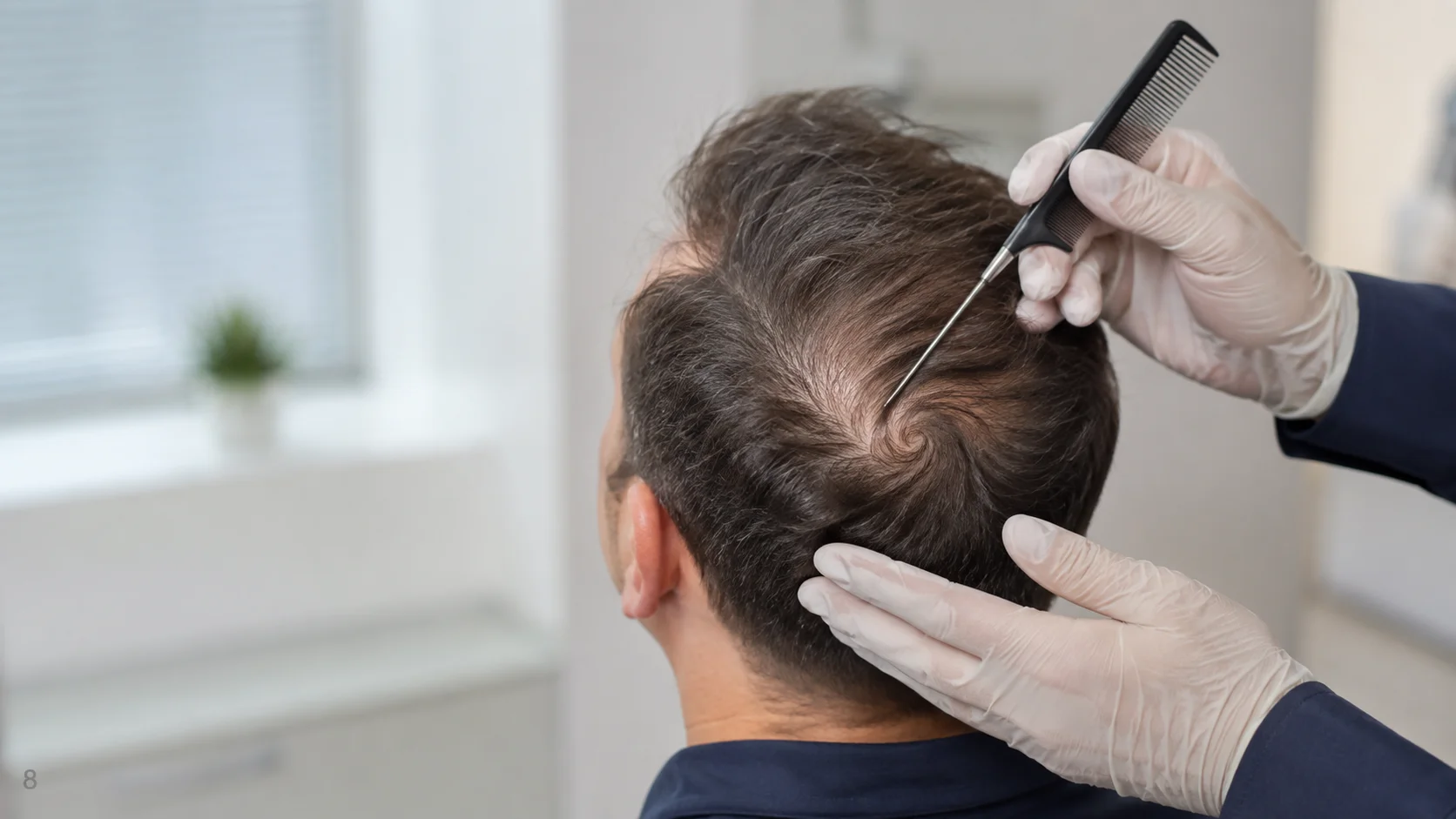
A hairstyle can improve appearance, but it does not explain why hair is thinning. If hair loss is new, rapid, patchy, associated with scalp symptoms, or emotionally distressing, a professional evaluation may be useful.
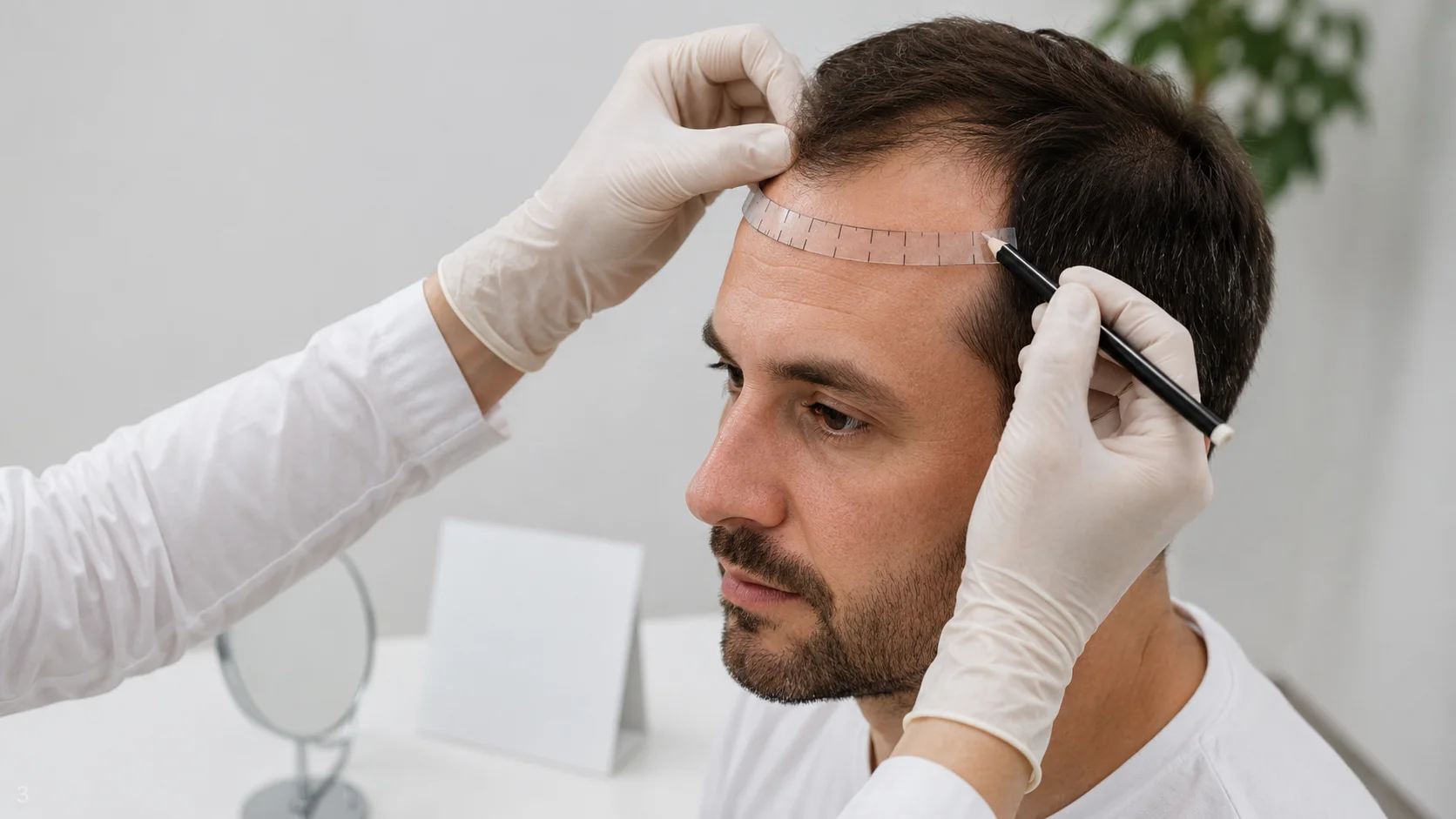
Some forms of hair loss are temporary or treatable. Others are progressive and may require long-term management. Medical treatments, when appropriate, should be discussed with a qualified professional. Hair transplant surgery may be an option for some people, but it depends on donor hair, hair loss pattern, age, expectations, and stability.
Cosmetic styling can be part of the picture, but it should not be mistaken for treatment.
If your thinning is more advanced, see hair fibers for Norwood 4 hair loss.
FAQ
What is the best haircut for thinning hair?
For many people, a short textured crop, crew cut, or soft side-swept style works well. The best choice depends on where the thinning is, how dense the remaining hair is, and how much styling the person wants to do.
Should thinning hair be cut short?
Shorter hair often looks fuller because it is less likely to separate and expose the scalp. However, the ideal length varies. Some people look best with a little texture on top, while others prefer a buzz cut.
Is a fade good for thinning hair?
A fade can help by reducing contrast between dense sides and a thinner top. The fade should be balanced carefully, because very tight sides can sometimes make the top look thinner by comparison.
Are long hairstyles bad for thinning hair?
Not always, but long hair can make thinning more visible if it becomes flat, stringy, or separated. Longer styles usually require more density to look natural.
Can styling products hide a receding hairline?
Styling products can improve shape and volume, but they cannot truly restore a hairline. Matte products and textured styles may soften the appearance of recession without looking forced.
Final Thoughts
The best hairstyles for thinning hair and receding hairlines are usually simple, balanced, and realistic. They do not try to disguise every sign of hair loss. Instead, they make the existing hair look intentional and easier to manage.
A good haircut can support confidence, but it is still a cosmetic strategy. If hair loss is progressing or causing concern, professional guidance can help clarify whether treatment, monitoring, or another approach is appropriate.
This content is for general informational purposes only and does not replace individualized medical advice, diagnosis, or treatment from a qualified professional.