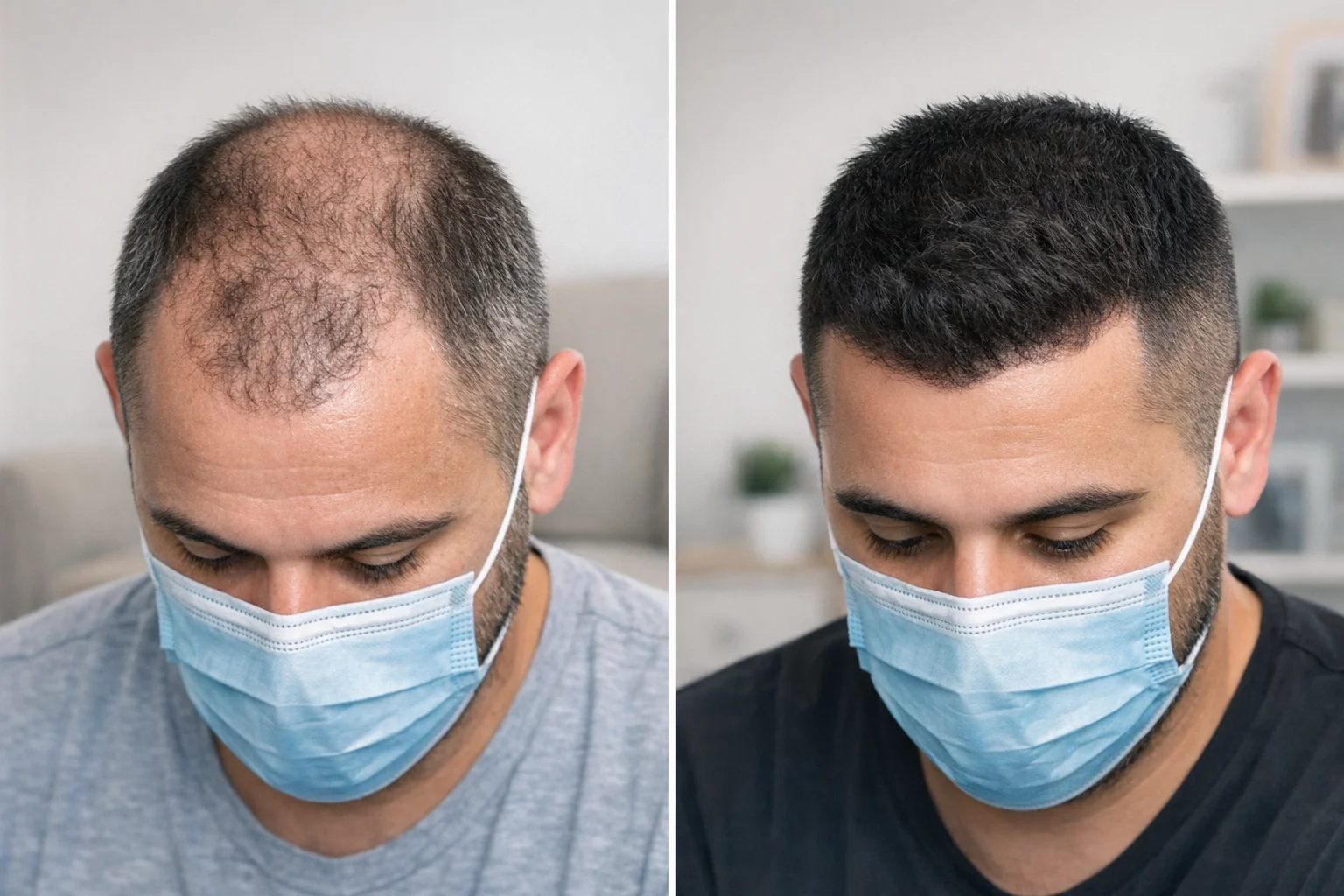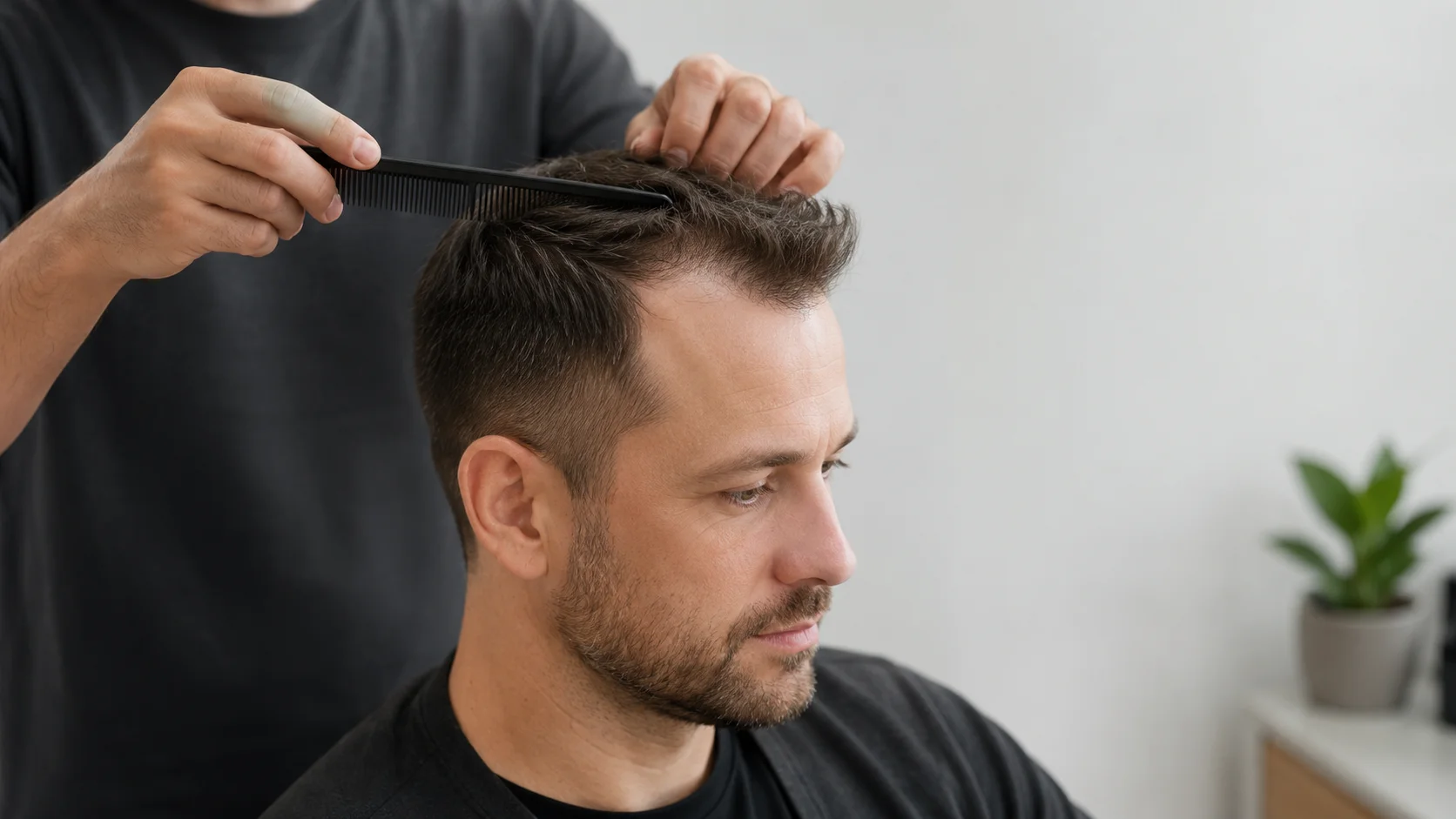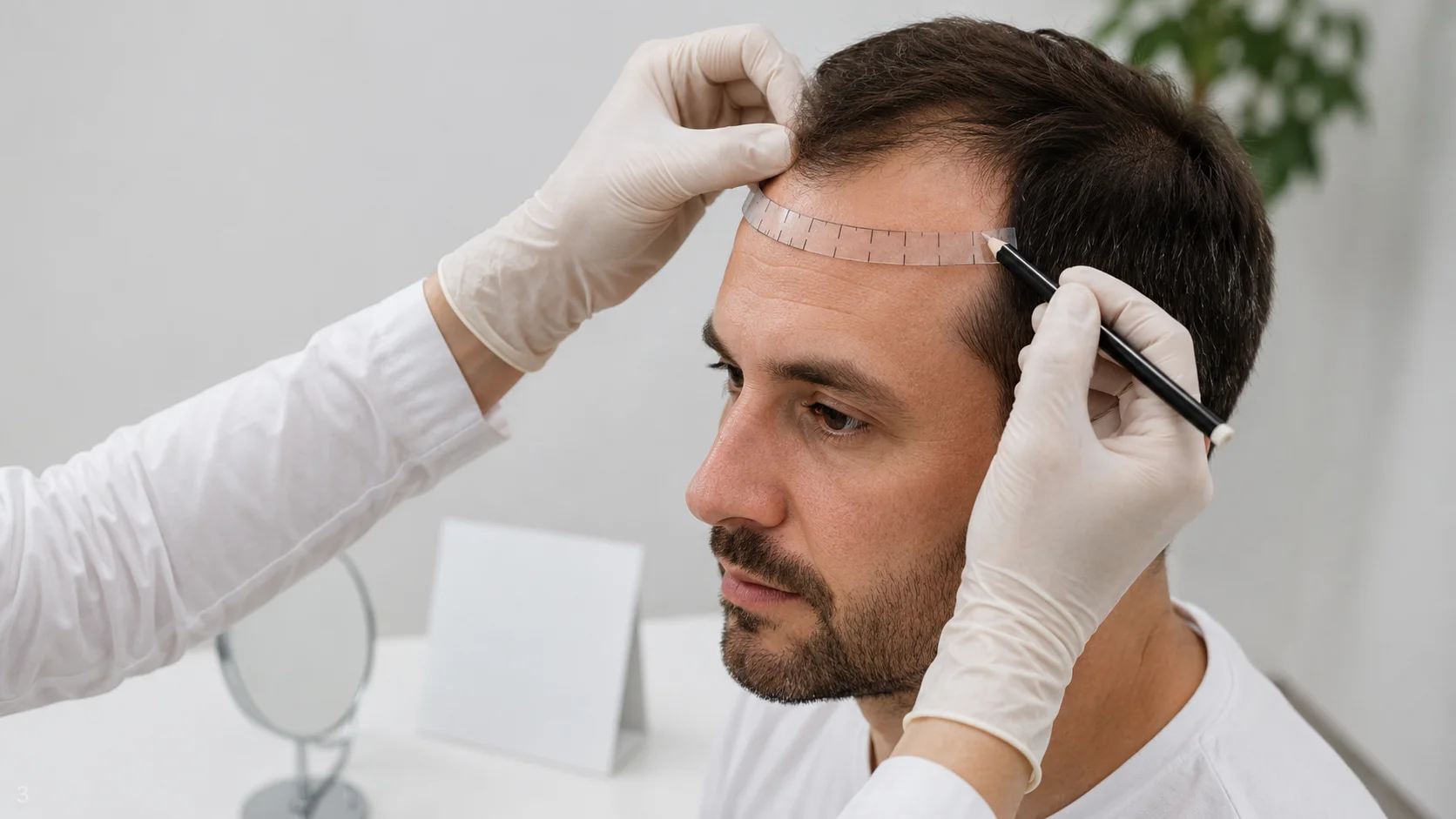
Hairline design is one of the most important parts of hair transplantation. A technically successful transplant can still look unnatural if the hairline is placed too low, too straight, too dense, or out of balance with the face. The hairline frames the face, influences age perception, and often determines whether a result looks believable.
Good hairline design is not about drawing the most youthful line possible. It is about creating a pattern that suits the patient’s facial structure, hair loss stage, donor supply, age, hair characteristics, and likely future progression.
A natural hairline should look appropriate from the front, side, and under normal movement. It should also make sense years later, not only in the first postoperative photos.
Why Hairline Design Matters
The hairline is the first area most people notice. Small errors in angle, density, or shape can be visible because the frontal scalp is always exposed in conversation.
A natural hairline does several things at once. It frames the face, softens recession, blends with existing hair, and preserves enough donor supply for future needs. It should not look like a drawn border.
Hairline planning also affects graft allocation. A lower hairline requires more grafts, not only at the front but also behind it to avoid an isolated band of hair. This can reduce available grafts for the mid-scalp, crown, or future procedures.
Age-Appropriate Planning
One of the most common mistakes in hairline planning is trying to recreate a teenage hairline in an adult with progressive hair loss. A very low hairline may seem attractive in the short term, but it can look unnatural as the patient ages or as hair loss continues.
An age-appropriate hairline usually respects mature facial proportions. It may restore framing without erasing every sign of natural maturity.
This does not mean every patient needs a high hairline. It means the design should be individualized and sustainable. A conservative, well-shaped hairline often ages better than an aggressive one.
Facial Proportions and Shape
Hairline design should consider the entire face. Forehead height, temple shape, facial width, brow position, and profile all influence the plan.
A rounded face may need different framing than a long narrow face. Strong temple recession may require careful transition rather than simply lowering the central hairline. The side profile matters because temple points and frontotemporal angles affect how natural the result looks from different views.
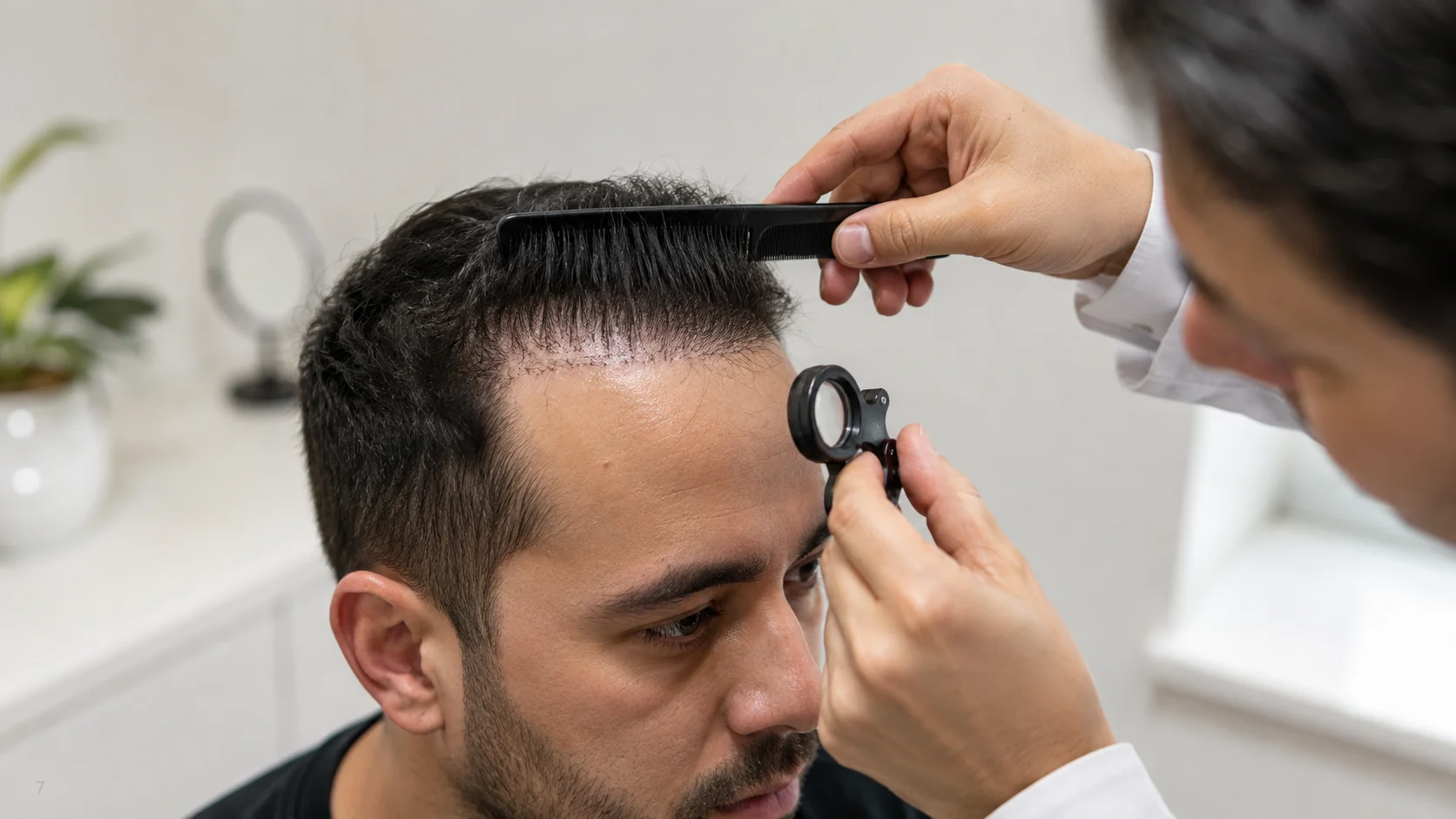
The design should be checked while the patient is sitting upright, because facial tissues and scalp position can shift when lying down.
Irregularity and Softness
Natural hairlines are not perfectly straight. They contain micro-irregularities, subtle variation, and softer density at the front edge.
Single-hair grafts are usually used in the most visible frontal zone to create softness. Larger follicular units are placed behind the front to build density. If multi-hair grafts are placed too far forward, the hairline can look pluggy or artificial.
Irregularity should be controlled, not chaotic. The goal is a natural transition from forehead to hair-bearing scalp.
Angle and Direction
Hair angle and direction are as important as hairline position. In the frontal scalp, hairs usually emerge at a shallow angle and follow a natural directional flow. If grafts are placed too upright, the result may look unnatural even if density is good.
Angles also change across the hairline, temples, and mid-scalp. Temple work is especially demanding because hairs often lie flatter and point in specific directions.
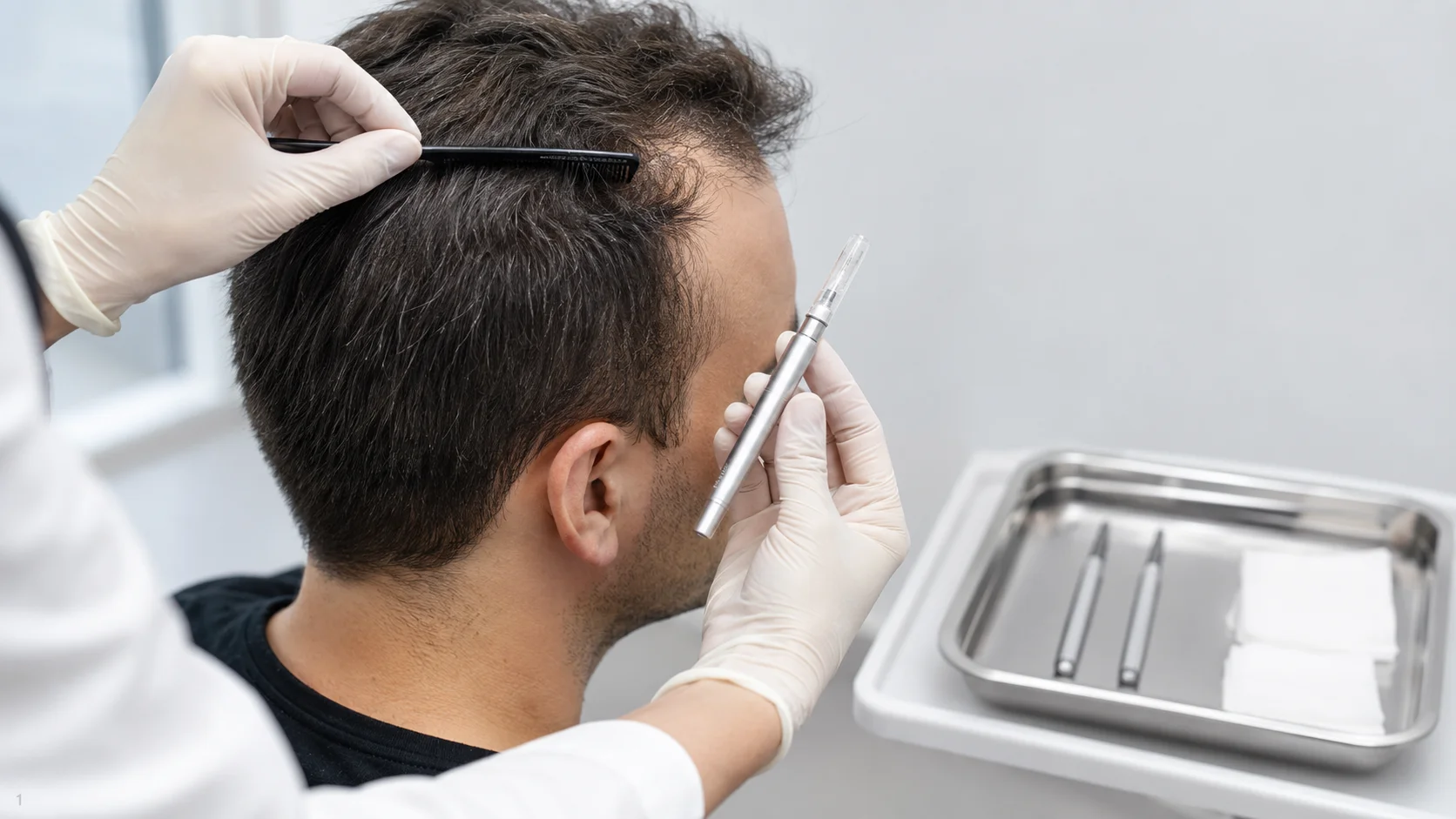
Implantation tools and techniques, including forceps placement or implanter pens, may help achieve controlled angles when used skillfully. The tool matters less than the practitioner’s ability to recreate natural growth patterns.
Density Behind the Hairline
A soft front edge must be supported by density behind it. If the first row looks natural but the area behind it is too sparse, the hairline may appear thin or disconnected. If the front is too dense and abrupt, it may look artificial.
Density should usually build gradually from the front edge into the central forelock and frontal core. This creates the illusion of fullness without wasting grafts.
Hair caliber, curl, color contrast, and styling habits all affect how much density is needed. Fine straight hair may require more careful planning than thick wavy hair.
Temple Design
Temples are often overlooked, but they strongly influence naturalness. Restoring temples too aggressively can feminize or distort the facial frame in some patients, while ignoring severe temple recession can make a frontal hairline look isolated.
Temple points require careful angulation, low density, and fine graft selection. They are not suitable for every patient. Poorly planned temple work can be difficult to correct.
For patients with limited donor hair or advanced loss, temple reconstruction may be less important than frontal framing and mid-scalp coverage.
Long-Term Hair Loss Planning
Hairline design must account for future hair loss. A patient with early recession may continue thinning behind the transplanted area. If the hairline is too low or dense, future loss can create an unnatural island effect.
Medical stabilization may be discussed when appropriate, especially in androgenetic alopecia. However, not every patient can or wants to use long-term medication. The surgical design should remain sensible even if future thinning occurs.
Donor management is part of hairline planning. Every graft used at the front is a graft that cannot be used elsewhere later.
Common Hairline Design Mistakes
Common mistakes include:
- Placing the hairline too low
- Creating a straight, sharp border
- Using thick multi-hair grafts at the front edge
- Ignoring temple recession
- Overusing grafts in the frontal line
- Failing to plan for future hair loss
- Creating the same hairline shape for every patient
- Designing while ignoring facial proportions
These mistakes can make even well-growing grafts look unnatural. Hairline design is an artistic and medical decision, not just a technical step.
FAQ
What makes a hair transplant hairline look natural?
A natural hairline usually has age-appropriate placement, soft irregularity, correct angles, single-hair grafts at the front, and density that builds gradually behind it.
Can I choose any hairline I want?
Patient preference matters, but the design must be medically and aesthetically realistic. Donor supply, future hair loss, and facial proportions set limits.
Why not make the hairline very low?
A very low hairline uses more grafts and may look unnatural with age or future hair loss. Conservative planning often creates a better long-term result.
Are temple points always restored?
No. Temple restoration depends on facial structure, donor supply, hair loss pattern, and overall priorities. It must be planned carefully.
Can a bad hairline be corrected?
Some hairlines can be improved with graft removal, laser treatment, additional grafting, or redesign, but correction can be complex and unpredictable.
Final Thoughts
Hairline design is where surgical planning and visual judgment meet. A natural result depends on placement, softness, density, direction, donor management, and long-term thinking.
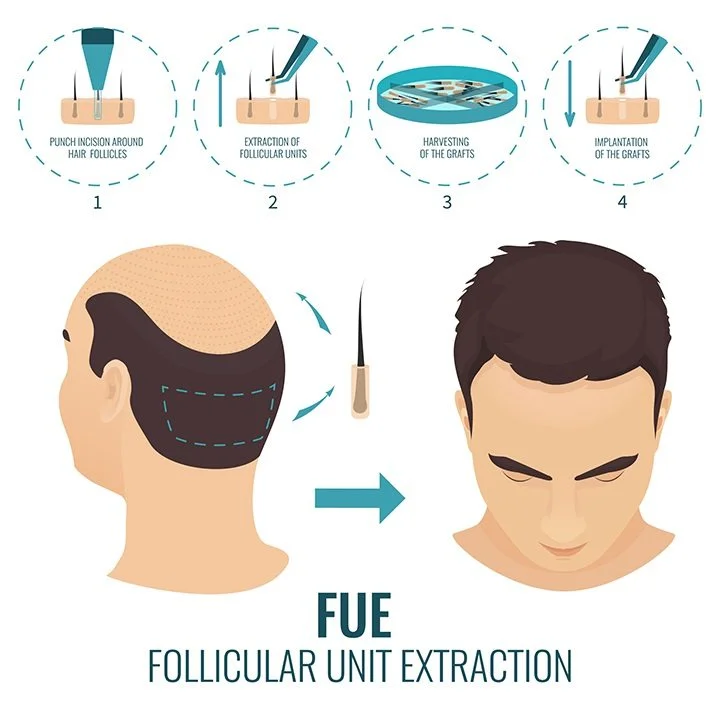
The best hairline is not necessarily the lowest or densest one. It is the one that fits the person, uses grafts wisely, and remains believable as hair loss and aging continue. This article naturally connects with Hairloss Authority guides on transplant density, Choi implanter technique, FUE, Sapphire FUE, and hair transplant eligibility.
This article is for general informational purposes only and does not replace individualized medical advice, diagnosis, or treatment from a qualified healthcare professional.