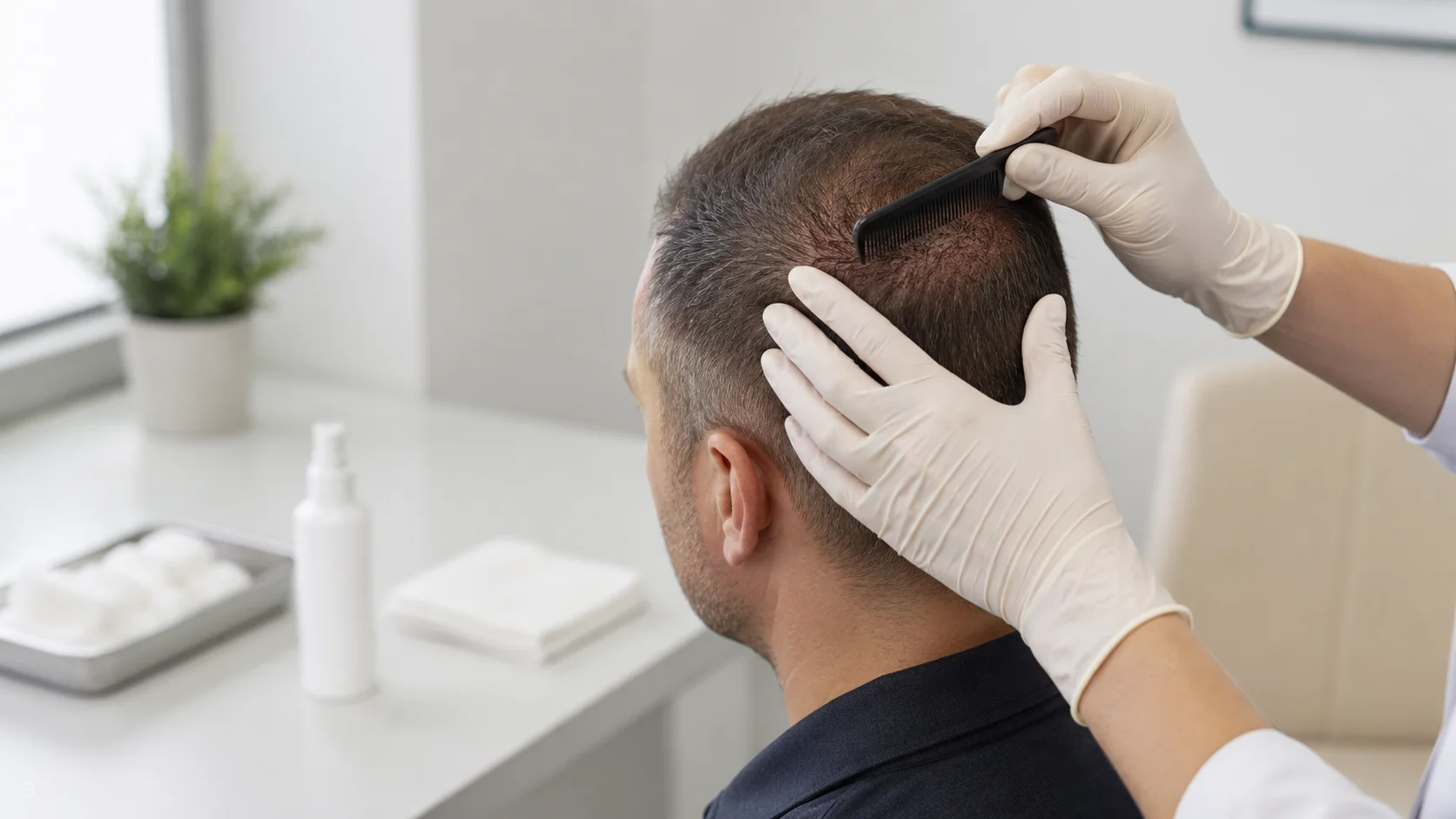
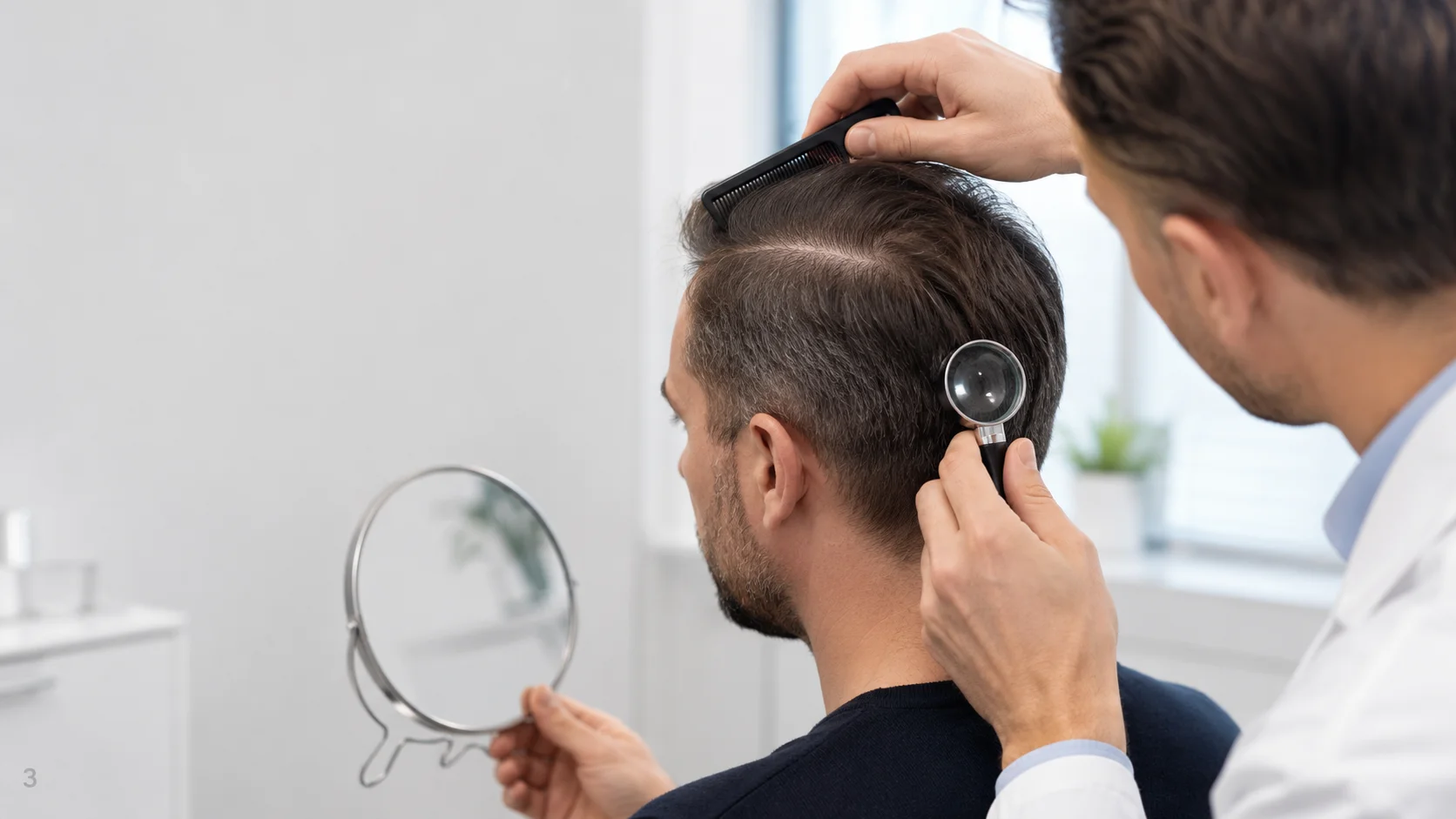
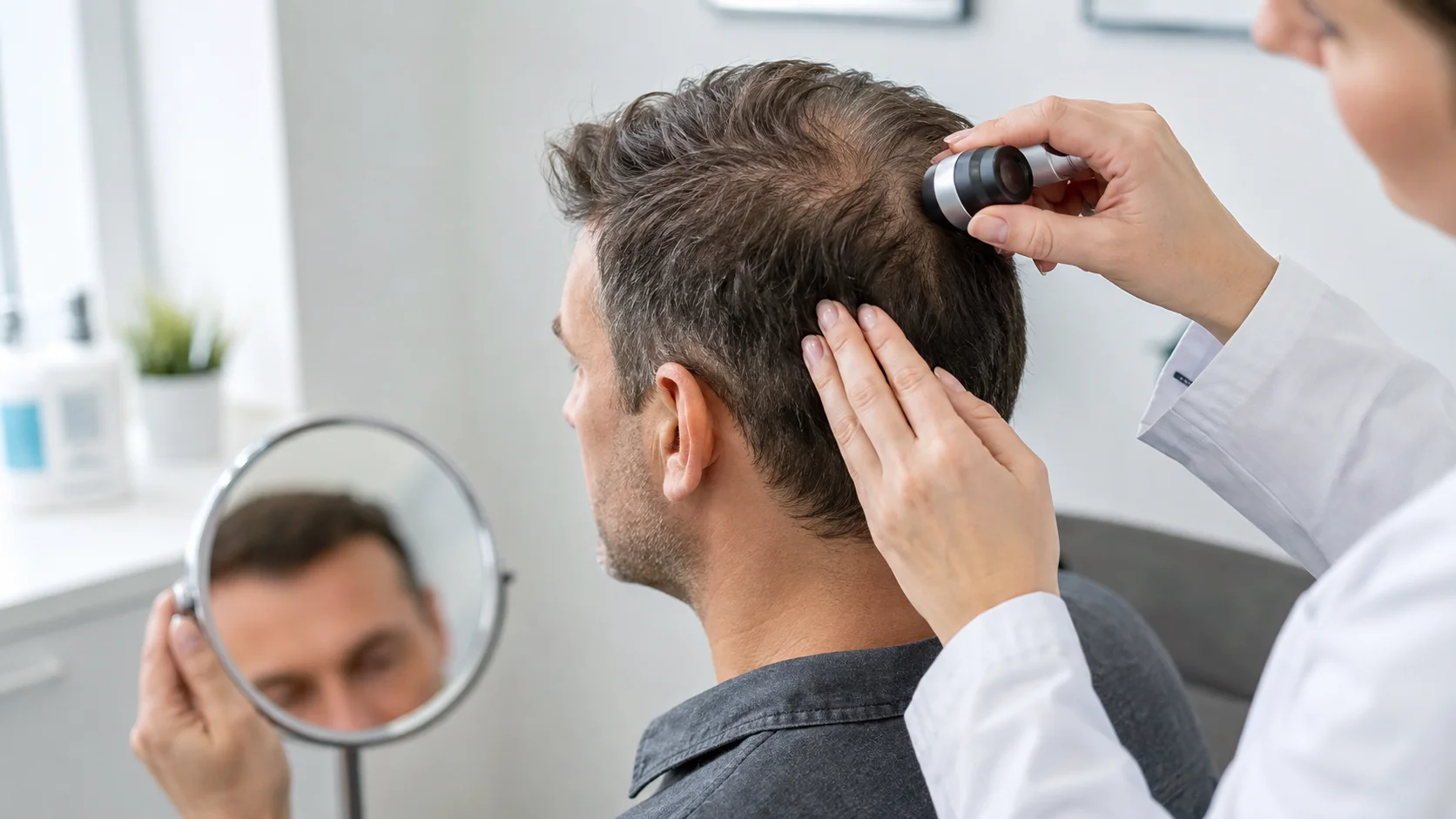
Hair transplantation has evolved significantly over the past decade, offering patients more natural-looking results and improved precision. Among the more widely marketed approaches, Direct Hair Implantation (DHI) has become one of the most talked-about hair restoration terms today.
If you're considering a hair transplant, understanding what DHI actually is — and how it relates to the underlying FUE technique — can help you make an informed decision rather than choosing based on marketing labels alone.
What Is DHI Hair Transplantation?
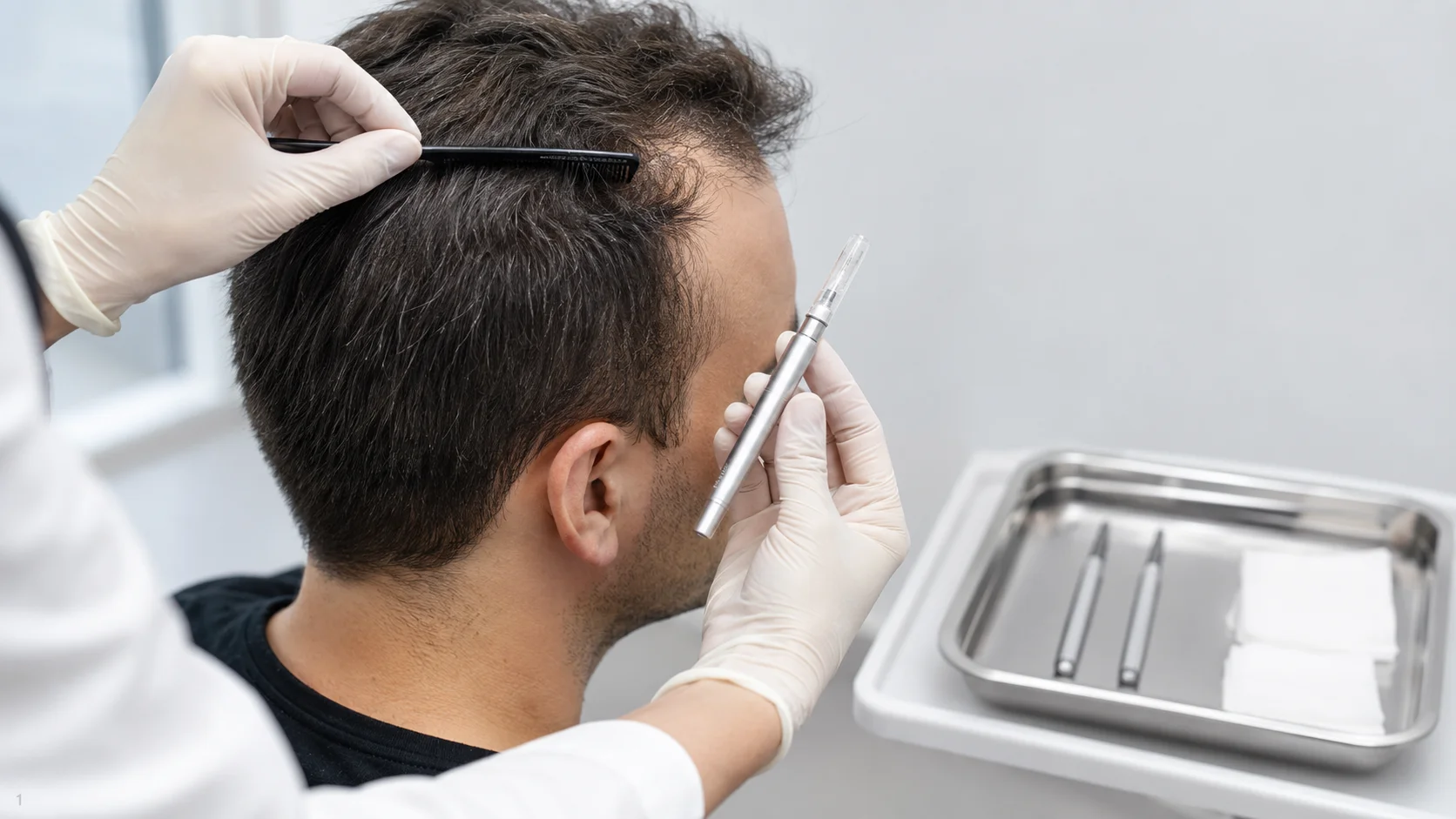
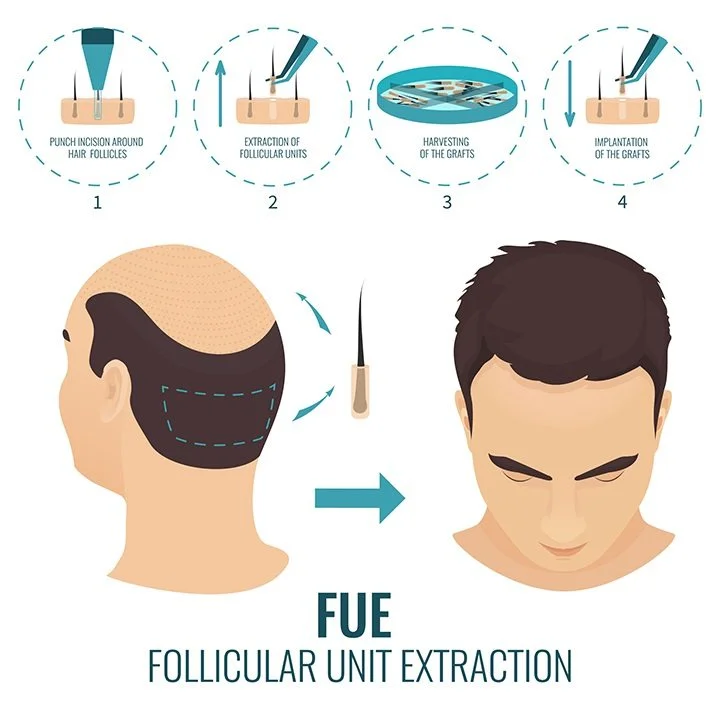
Direct Hair Implantation (DHI) is not a separate hair transplant technology in the biological sense. It is a workflow variation of the Follicular Unit Extraction (FUE) method. As with standard FUE, individual hair follicles are extracted one at a time from the donor area. What differs is the implantation step: instead of first creating recipient-site incisions and then placing grafts into them, DHI uses a specialized implantation device — often called the DHI Implanter Pen (Choi Pen) — to create the channel and implant the graft in a single motion.
In other words, DHI combines channel creation and implantation into one step, while conventional FUE typically separates these into two steps. Both approaches rely on the same underlying follicular extraction method, and clinics vary widely in how they define and market "DHI" versus "FUE." As covered in more depth in our FUE hair transplant guide, many of the terms used to distinguish these techniques are marketing distinctions rather than fundamentally different biological processes.
How Does the DHI Procedure Work?
The DHI procedure generally includes the following steps:
- A detailed consultation and hair analysis.
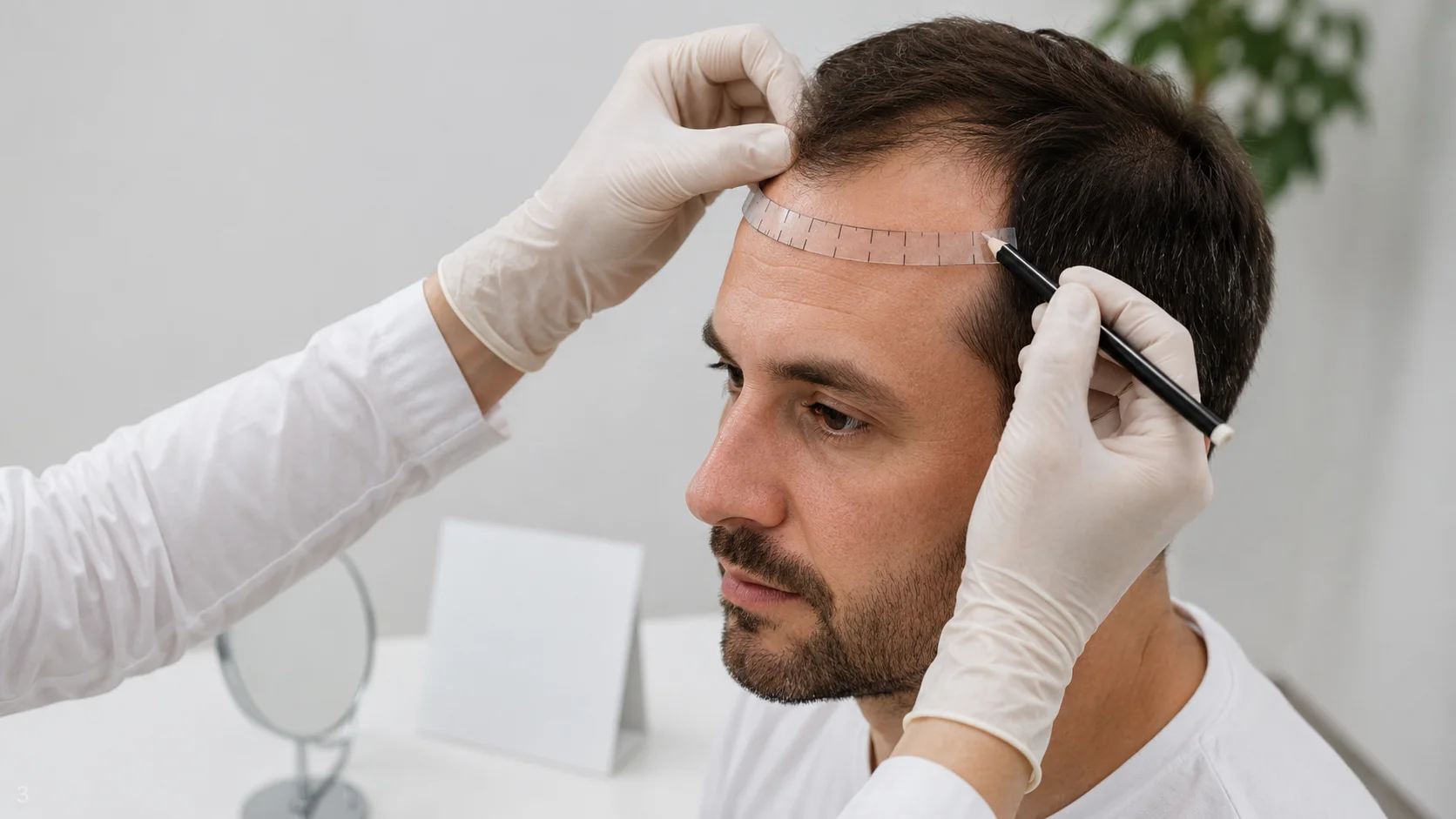
- Preparation of the donor area.
- Extraction of healthy follicular units using FUE technology.
- Immediate implantation of grafts using the DHI Implanter Pen.
- Post-procedure instructions and recovery planning.
Each graft is implanted individually, which may allow the surgeon greater control over the angle, depth, and direction of each hair follicle. As with any technique-specific claim, the degree of control achieved in practice depends heavily on the skill and experience of the person performing the implantation, not solely on the device used.
Potential Advantages of DHI Hair Transplantation
DHI is often marketed with several potential benefits compared to conventional FUE workflows. It is worth noting that many of these are technique- and surgeon-dependent rather than guaranteed outcomes of the DHI approach itself:
- May allow for high implantation precision in experienced hands
- Can support natural-looking hairline design
- May offer additional control over hair direction and density
- Involves reduced ex-vivo handling time for grafts, since implantation follows extraction more directly
- Removes the need for a separate channel-creation step
- Some patients report a faster return to daily activities, though recovery timelines vary by individual and procedure size
- May result in minimal scarring when performed by experienced surgeons, similar to other FUE-based approaches
The technique is sometimes described as particularly suited to patients seeking natural density in smaller or medium-sized treatment areas, though this depends on individual case factors as much as the technique chosen.
Is DHI Better Than Traditional FUE Hair Transplants?
There is no single "best" hair transplant method for every patient, and DHI should not be assumed to be a strict upgrade over FUE. Because DHI is fundamentally an FUE-based workflow, the two approaches share the same underlying extraction method and much of the same evidence base. The most suitable technique depends on several factors, including:
- The extent of hair loss
- Donor hair quality
- Hair characteristics
- Desired density
- Individual treatment goals
An experienced hair transplant specialist will recommend the most appropriate technique after evaluating your specific condition, rather than defaulting to whichever technique is marketed as newest.
Who Is a Good Candidate for DHI?
DHI may be suitable for individuals who:
- Have mild to moderate hair loss
- Want precise control over hairline design
- Prefer minimal visible scarring
- Have sufficient donor hair
- Are looking for a minimally invasive, FUE-based procedure
However, every patient requires an individual assessment before determining eligibility, and a qualified specialist can advise on whether DHI, standard FUE, or another approach is the better fit.
Recovery After DHI
Recovery following DHI is generally similar to recovery after other FUE-based procedures when patients follow their surgeon's recommendations.
Most patients can resume normal daily activities within a few days, although strenuous physical activity should be avoided during the early healing period. Tiny scabs typically disappear within one to two weeks, while transplanted hairs naturally shed before new permanent growth begins.
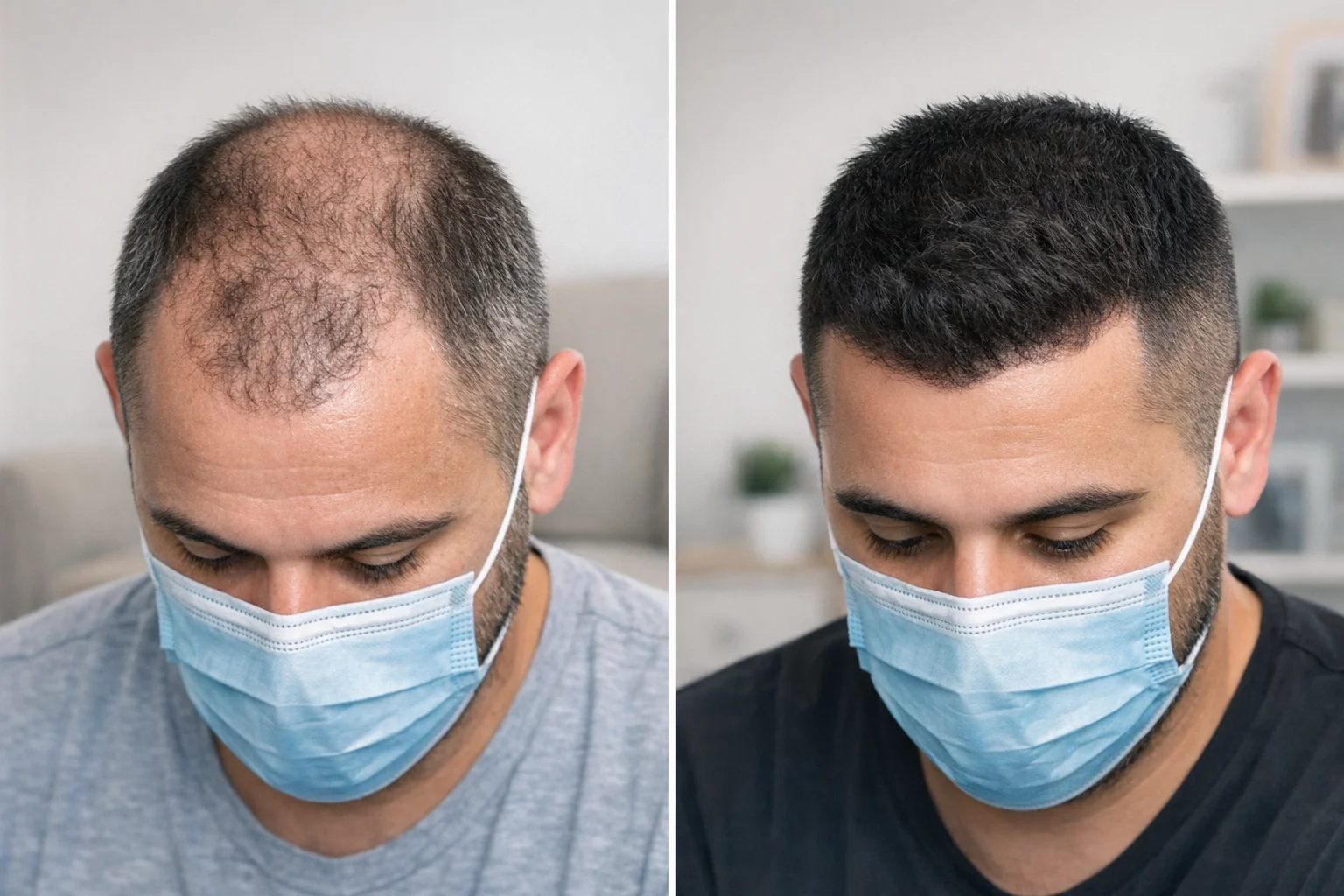
Visible improvements usually become noticeable after several months, with final results continuing to develop over the following year.
Why Experience Matters
Because DHI is a workflow variation of FUE rather than a distinct technology, successful outcomes depend primarily on the expertise of the medical team performing the procedure, not on the implanter device alone. Proper graft handling, accurate implantation angles, and individualized treatment planning all contribute to achieving natural, long-lasting results.
Choosing an experienced clinic with qualified specialists is one of the most important decisions in your hair restoration journey — arguably more important than the specific technique label used to market the procedure.
For a broader look at the underlying method DHI is built on, including a detailed breakdown of marketing terms versus real technical differences, see our complete guide to FUE hair transplants.
Frequently Asked Questions
Is DHI a completely different technology from FUE?
No. DHI is a workflow variation of FUE that combines the channel-creation and implantation steps using a specialized implanter device. The follicular extraction method underlying both approaches is the same.
Does DHI guarantee less scarring or faster recovery than FUE?
Not necessarily. Outcomes such as scarring and recovery time depend heavily on surgeon skill, graft handling, and individual healing, in addition to the technique used. Some patients report favorable experiences with DHI, but this is not a guaranteed advantage over well-performed conventional FUE.
Which technique is more effective, DHI or FUE?
Neither technique is universally superior. Effectiveness depends on the extent of hair loss, donor hair quality, treatment goals, and the skill of the surgical team performing the procedure.
Final Thoughts
Direct Hair Implantation (DHI) is a widely marketed variation of the FUE hair transplant method, distinguished mainly by its combined channel-creation-and-implantation step rather than by a fundamentally different biological technique. It may offer certain practical advantages in the hands of an experienced team, but it is not a guaranteed upgrade over standard FUE, and claims about scarring or recovery should be considered technique- and surgeon-dependent rather than absolute.
If you are considering a hair transplant, a professional consultation can help determine whether DHI, standard FUE, or another approach is the right fit based on your hair loss pattern and personal goals. For general background on organizations that set standards in this field, resources such as the International Society of Hair Restoration Surgery (ISHRS) and the American Academy of Dermatology (AAD) can be useful starting points for further research.