Hair transplantation is a surgical procedure performed to treat hair loss and conditions such as alopecia, aiming to restore a natural and aesthetically pleasing appearance. As with any surgical procedure, hair transplantation should involve medical oversight at every stage. This article separates what a physician is generally responsible for from what other qualified staff may assist with, and explains when an anesthesiologist becomes relevant.
1. The Role of the Doctor Before Hair Transplantation
The pre-operative period is a planning stage that can meaningfully affect the safety and outcome of the procedure. During this stage, medical assessment typically includes:
- Medical history evaluation and risk assessment: identifying underlying conditions such as cardiovascular disease, arrhythmias, hepatitis, keloid tendency, cancer, or hypertension, as well as drug or food allergies.
- Medication and supplement disclosure: chronic-condition medications, as well as steroids, growth hormones, or performance-enhancing supplements, should be disclosed in full.
- Pre-operative tests: routine blood tests and an electrocardiogram (ECG) are commonly required before the procedure.
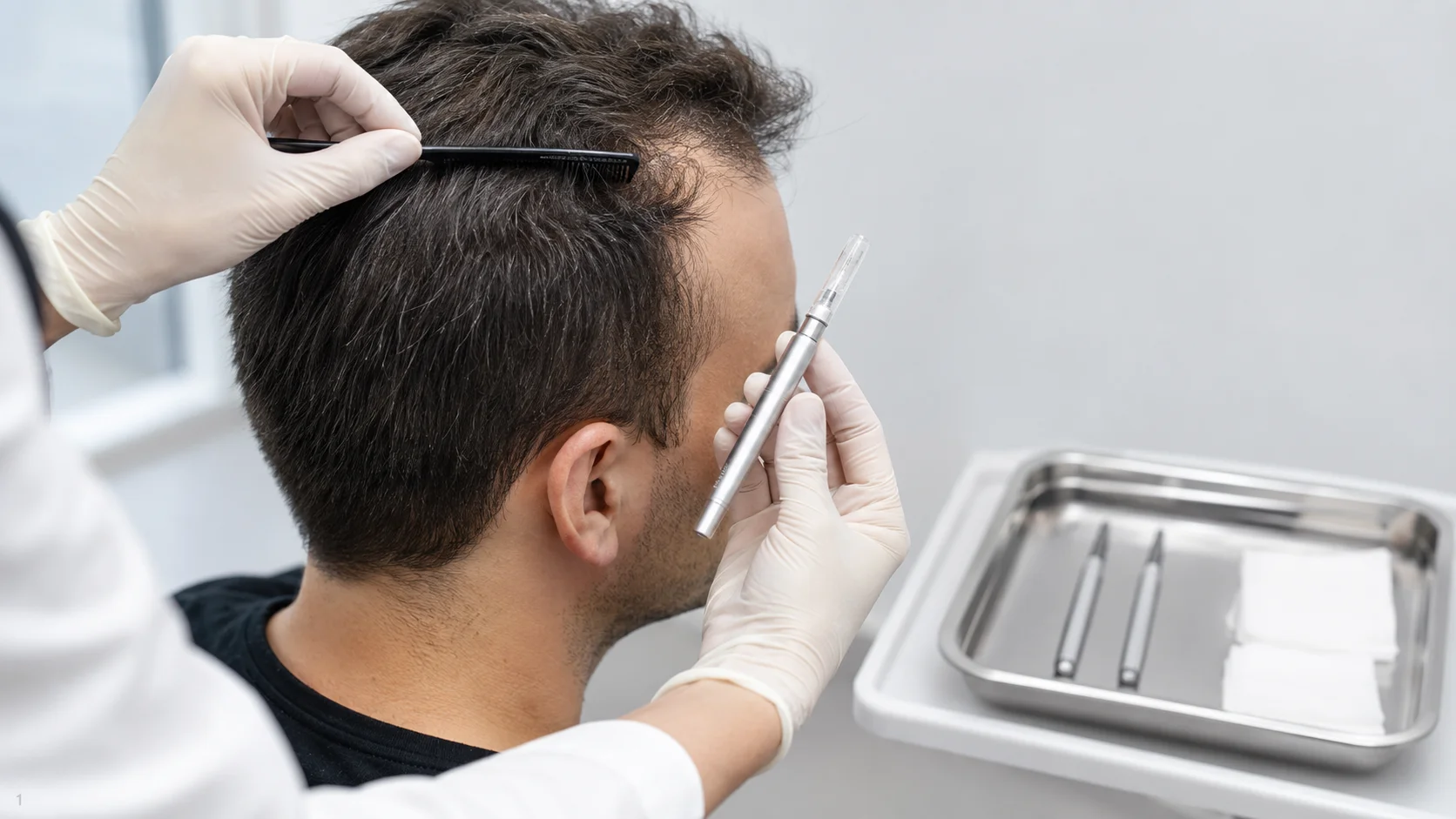
- Scalp analysis: examination of the donor and recipient areas, ideally with magnification, to check for infection, scarring, dermatitis, or other dermatological conditions.
- Donor area evaluation: assessing graft capacity and suitability.
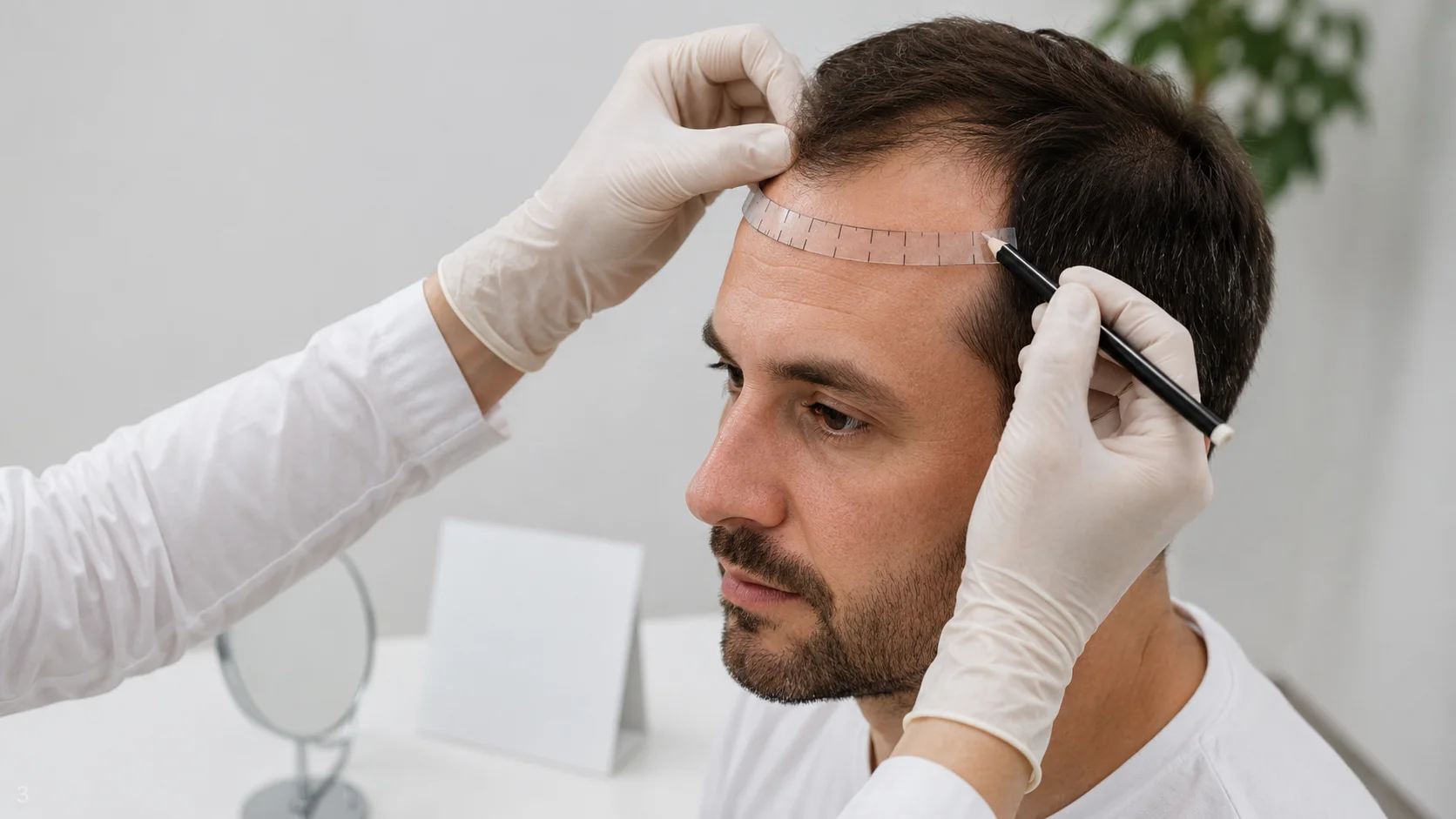
- Hairline design: planning a natural, patient-specific hairline.
- Anesthesia planning: most hair transplants are performed under local anesthesia, sometimes combined with light sedation. Dosage and technique should be assessed against the patient's weight and health history by qualified medical staff.
- Personalized treatment planning: an individualized surgical plan for the patient's specific pattern and goals.
Planning that is not physician-led carries real risk: miscalculated anesthesia dosing, misread ECG results, poor surgical planning, or an unnatural result can all follow from inadequate pre-operative evaluation.

2. The Importance of the Doctor During Hair Transplant Surgery
Once the procedure begins, physician involvement generally includes:
- Baseline monitoring of heart rate, blood pressure, pulse, and oxygen levels before the operation starts.
- Overseeing the anesthesia plan — for most FUE/DHI procedures this means local anesthesia, sometimes with sedation; a dedicated anesthesiologist becomes more relevant when deeper sedation, general anesthesia, or a patient's health history calls for closer monitoring.
- Ensuring the procedure is carried out under sterile conditions.
- Physician involvement in, or direct performance of, key technical steps such as the channel-opening (incision) stage, which strongly influences graft angle and final density (see the hairline design and density planning articles for how these decisions are made).
- Immediate intervention if a medical complication arises.
- Coordinating the surgical team throughout the procedure.
A procedure performed without physician oversight carries a higher risk of infection, donor-area damage, an asymmetrical hairline, or unmanaged medical complications.
3. Post-Operative Doctor Follow-Up After Hair Transplant
The post-operative period is important for healthy graft survival and a smooth recovery. Physician involvement typically includes:
- Planning the post-operative care needed for the transplanted grafts to establish and grow.
- Monitoring recovery at appropriate intervals.
- Prescribing any necessary medication.
- Providing care guidance, including product and shampoo recommendations for the healing scalp.
- Assessing and managing possible infection, swelling, redness, or scabbing.
For a broader look at what to expect in the weeks after surgery, see the hair transplant recovery timeline.
Local Anesthesia, Sedation, and When an Anesthesiologist Is Involved
Most hair transplants — including standard FUE and DHI procedures — are performed under local anesthesia, which numbs the scalp while the patient remains awake and comfortable. Some clinics add light oral or IV sedation to reduce anxiety during a long session. A separately staffed anesthesiologist is more directly relevant when deeper sedation is used, when the patient has a relevant cardiac or respiratory history, or when clinic protocol calls for continuous monitoring beyond what the operating physician can provide while also performing the procedure. Patients with significant medical history should ask their clinic directly what level of anesthesia is planned and who will be monitoring them during the procedure.
Choosing a Clinic: What to Ask
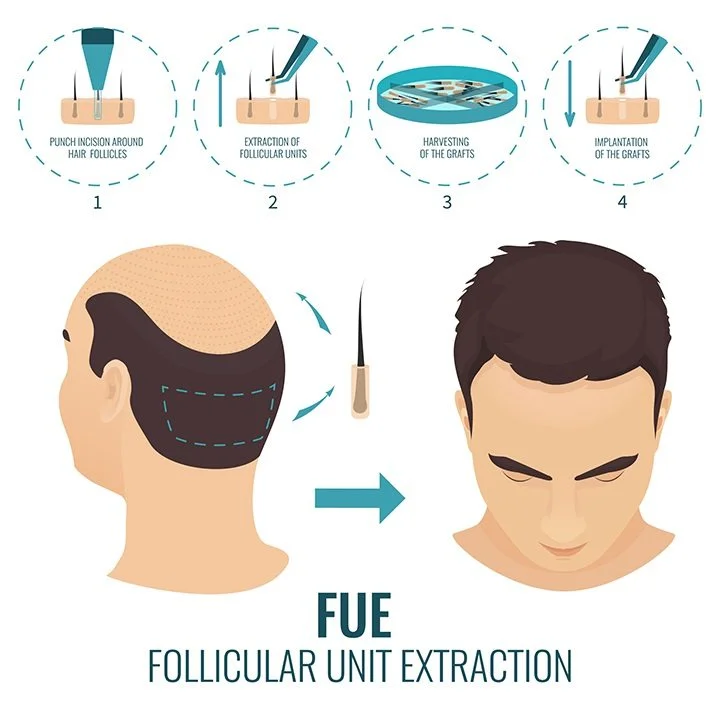
Because standards vary between clinics and countries, it is reasonable for a prospective patient to ask directly: which physician is responsible for the medical evaluation, who performs the extraction and implantation, what anesthesia approach is planned, and how complications are handled if they occur during or after the procedure. For a broader view of what determines candidacy in the first place, see Am I a Good Candidate for a Hair Transplant?, for example during an FUE hair transplant procedure.
Frequently Asked Questions (FAQ)
Is a doctor necessary for a hair transplant?
Since a hair transplant is a surgical procedure, medical oversight at each stage — evaluation, planning, execution, and follow-up — is standard practice and reduces the risk of complications.
Can hair transplants be done at non-medical centers?
Procedures performed outside a properly licensed medical setting carry meaningfully higher health and, in many jurisdictions, legal risk.
Should there be an anesthesiologist during the procedure?
Not every case requires a dedicated anesthesiologist — most hair transplants use local anesthesia managed by the treating physician. An anesthesiologist becomes more relevant with deeper sedation, general anesthesia, or a complex medical history. Ask your clinic directly what their protocol is and who will be monitoring you.
This content is for general informational purposes only and does not replace individualized medical advice, diagnosis, or treatment from a qualified healthcare professional.