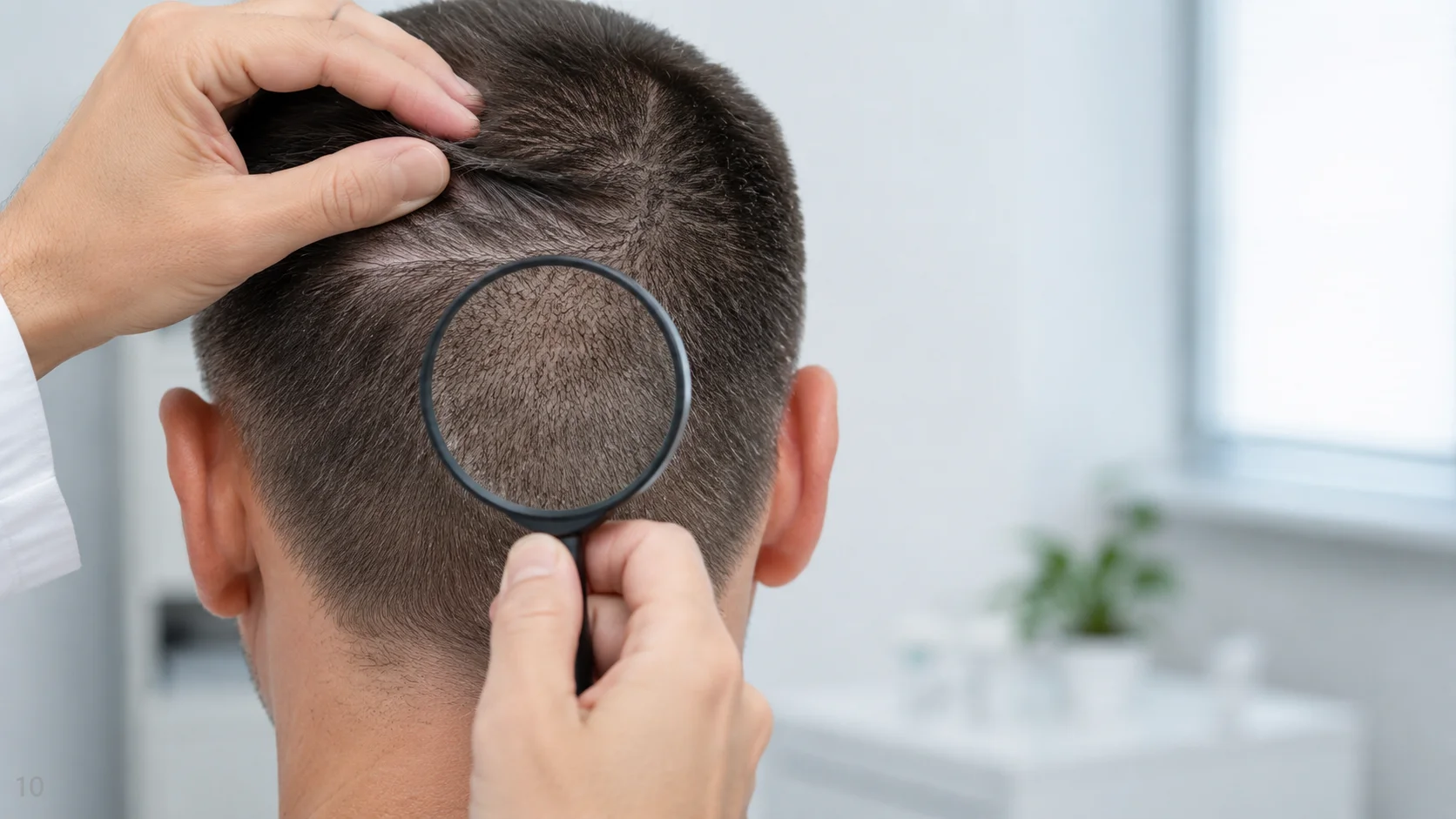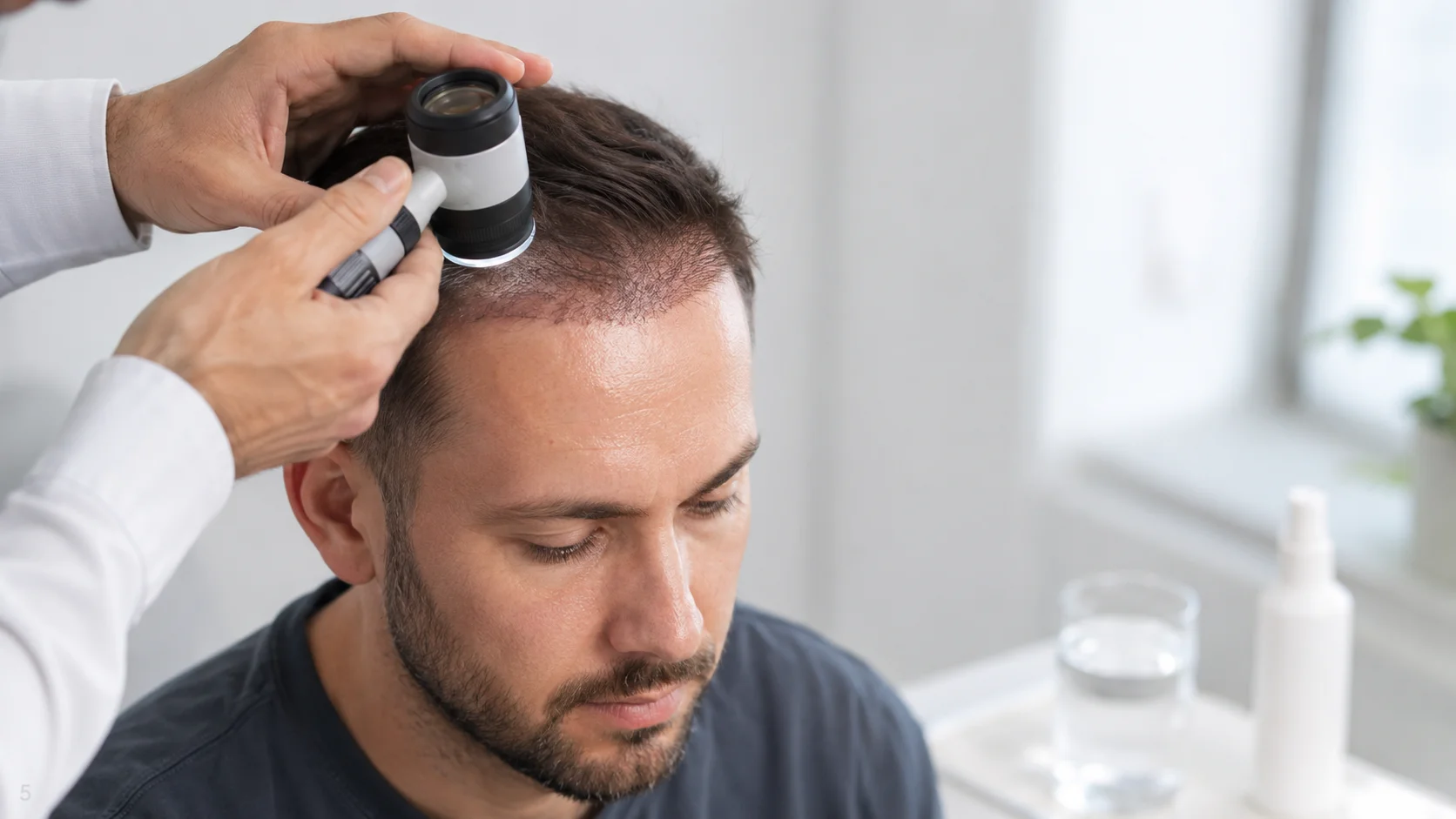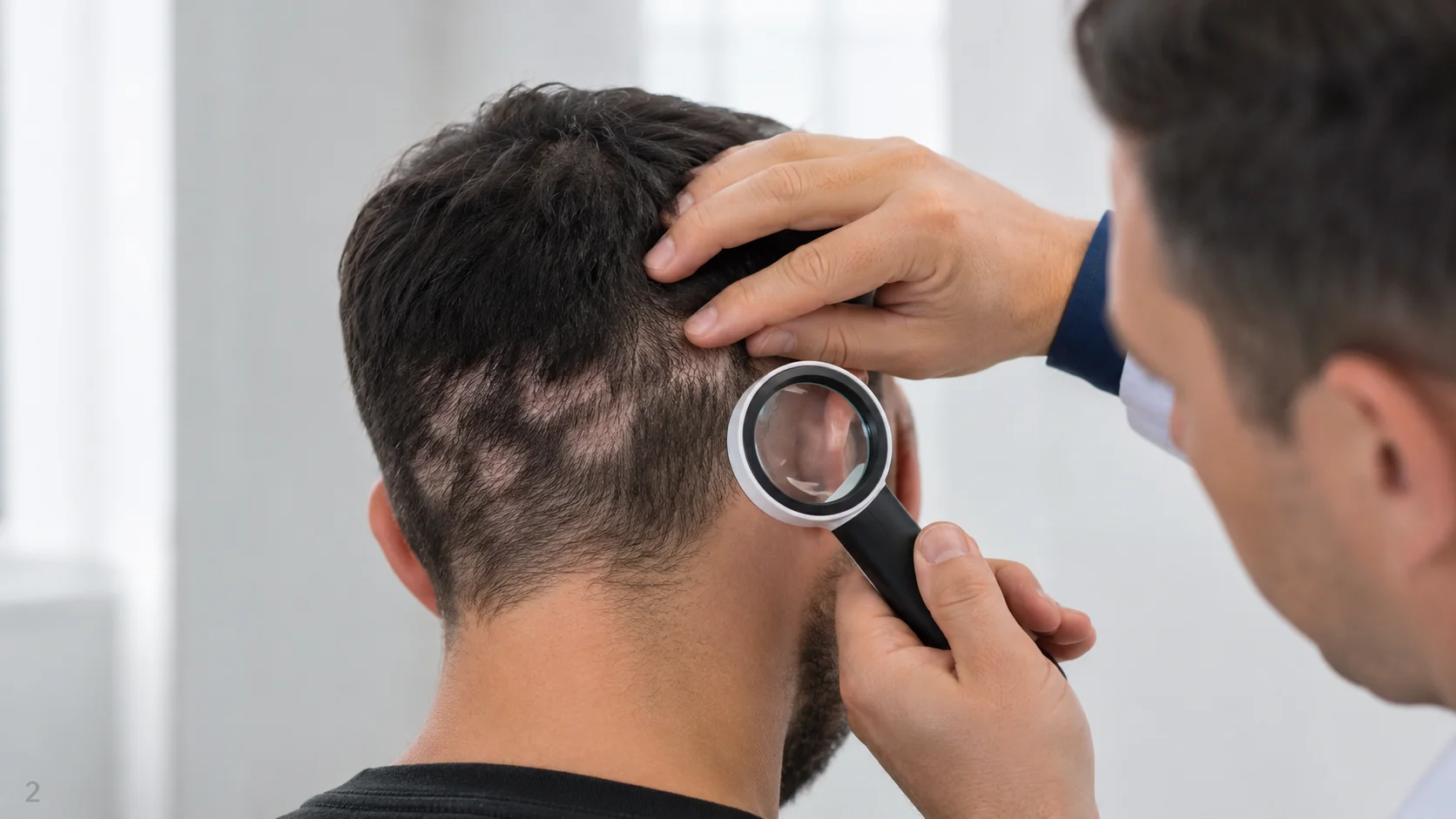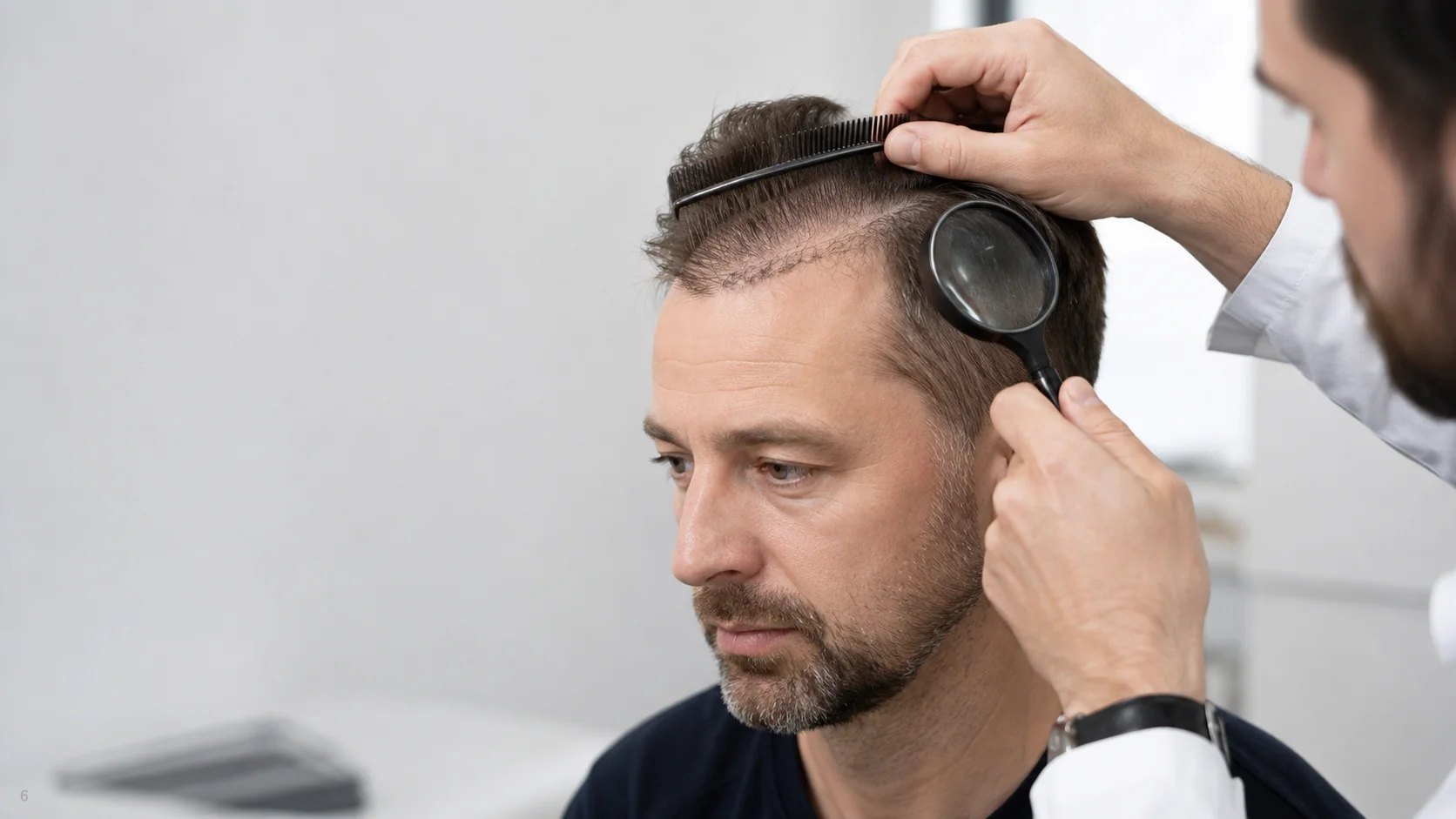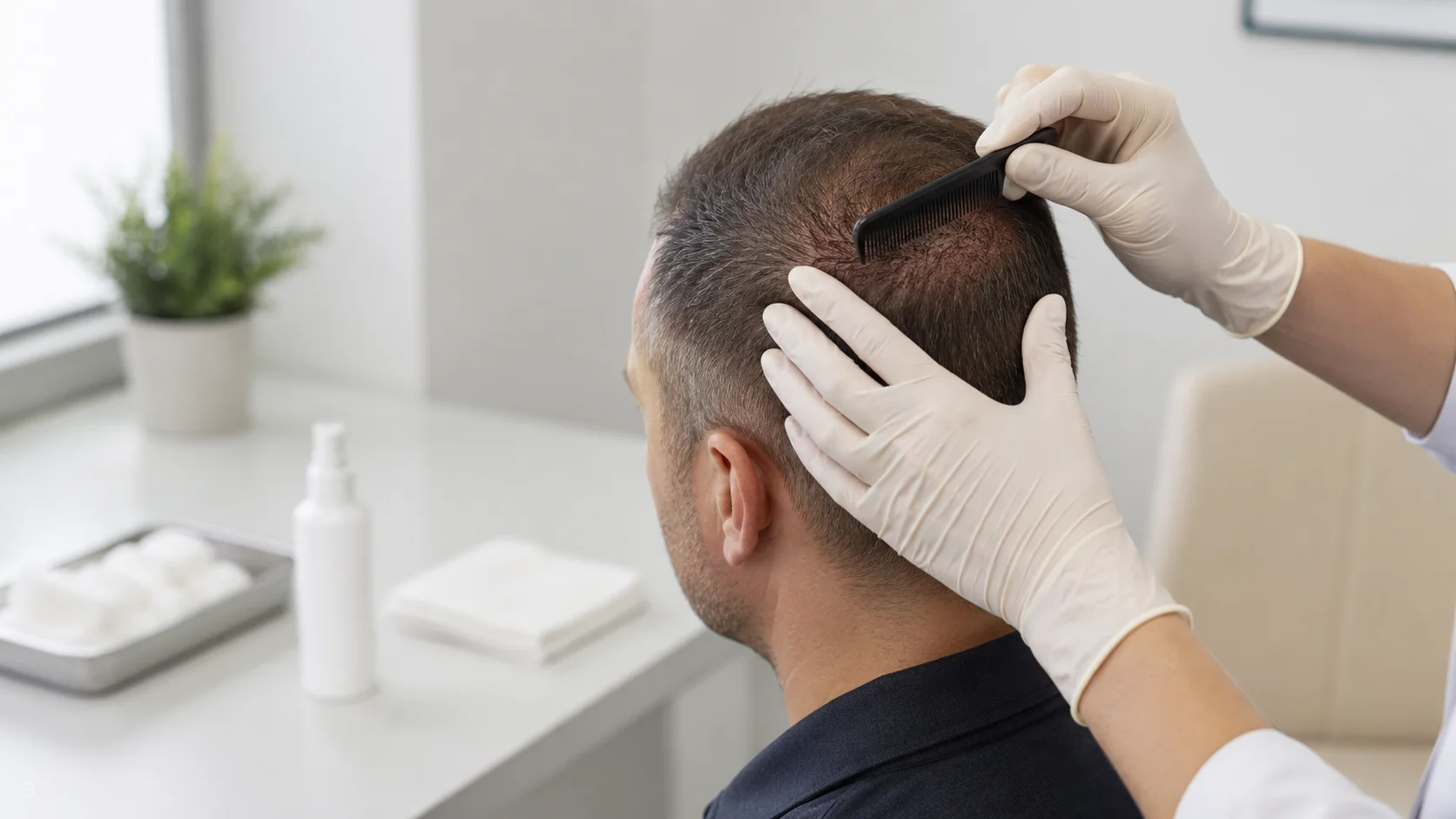
Hair transplant recovery is a gradual process. The procedure may be completed in a day or two, but healing, shedding, regrowth, and hair maturation happen over many months. Understanding the recovery timeline can make the process less confusing and help patients recognize what is normal, what needs attention, and when visible results usually begin.
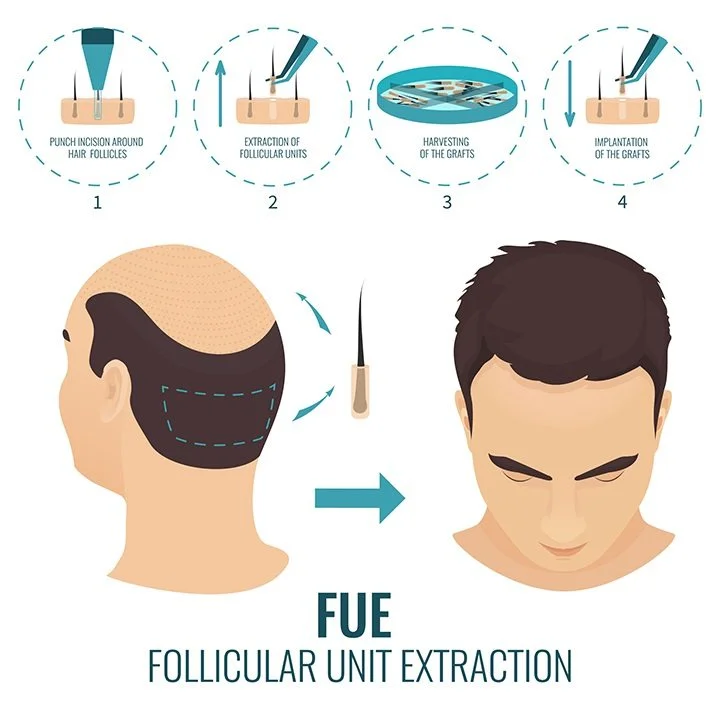
Recovery varies depending on the technique used, the number of grafts, individual healing, scalp sensitivity, aftercare, and whether the procedure involved FUE, FUT, DHI, or other implantation methods. Still, most patients follow a broadly predictable pattern.
The most important thing to remember is that early appearance is not the final result. Redness, scabbing, swelling, and shedding are temporary phases. Hair transplant growth takes patience.
The First 24 Hours
The first day is focused on protection. The newly implanted grafts are delicate, and the donor area is beginning to heal. Patients may notice mild bleeding spots, tightness, tenderness, swelling, or numbness.
The scalp should be treated carefully. Rubbing, scratching, bending for long periods, alcohol, smoking, and heavy exercise are commonly restricted — some clinical protocols advise avoiding these for roughly two weeks after surgery. Sleeping with the head elevated is also commonly advised, partly to help prevent newly placed grafts from being dislodged.
Some patients receive medications or aftercare products based on the clinic’s protocol. These may include pain relief, anti-inflammatory medication, antibiotics, or saline spray. Instructions should be followed exactly because early care can affect comfort and healing.
Days 2 to 3
Swelling may become more noticeable during the first few days. It can move from the scalp toward the forehead or around the eyes in some cases. This can look concerning but is often temporary.
The recipient area may appear red or pink, and tiny scabs begin forming around grafts. The donor area may feel sore or tight. Mild itching can also begin as the scalp heals.
Patients should avoid touching the grafts unnecessarily. If washing is allowed during this period, it is usually done very gently according to specific instructions. Aggressive washing can dislodge grafts or irritate healing skin.
Days 4 to 7
By the end of the first week, scabs are usually more visible. The scalp may feel dry or itchy. The donor area often becomes more comfortable, although tenderness can persist.
This is also when many patients become anxious about whether the grafts are secure. In general, grafts become progressively more secure over the first one to two weeks — published clinical data on manual graft-pull testing found most grafts could no longer be dislodged by hand around day 6, with the risk window closing by around day 9 — but aftercare still matters. Picking scabs is risky because it can disturb healing and increase the chance of irritation or infection.
Light daily activity is often possible, but strenuous exercise, swimming, sauna use, and heavy sweating are usually postponed until the clinic confirms it is safe.
Week 2
During the second week, many scabs begin to loosen and fall away with proper washing. The recipient area starts looking cleaner, although redness may remain, especially in people with lighter skin tones or sensitive scalps.
Some transplanted hairs may begin shedding. This can be emotionally difficult, but it is a common part of the process. The follicle remains under the skin while the hair shaft falls out.
The donor area usually looks significantly better by this stage, especially after FUE. With FUT, the linear incision continues to heal and may require specific care depending on sutures or closure method.
Weeks 3 to 4
Shock shedding often becomes more noticeable around weeks 3 and 4. Transplanted hairs may fall out, and the scalp may look similar to how it did before the procedure. This phase is normal for many patients.
Native hair near the transplant area may also shed temporarily due to surgical stress. This is called shock loss. In many cases, shocked native hairs return, but the likelihood depends on whether the hairs were healthy or already miniaturized.
At this stage, patients may feel disappointed because the visible improvement has faded. This is why preoperative counseling matters. Hair transplant results are not judged at one month.
Months 2 to 3
Months 2 and 3 are often called the quiet phase. The scalp may look healed externally, but visible new growth may still be limited. Some patients see early fine hairs, while others see very little change.
This does not necessarily mean the transplant failed. Follicles are cycling beneath the skin, and new hair growth usually begins gradually.
Redness may persist in some individuals. Pimples or folliculitis-like bumps can occur as hairs begin emerging. Mild cases may settle, but painful, widespread, or persistent inflammation should be assessed.
Months 4 to 6
New growth commonly becomes more noticeable between months 4 and 6. The first hairs may be fine, soft, uneven, or lighter in appearance. Density is still developing, and texture may not yet match the final result.
This is the beginning of visible progress, not the endpoint. Hair often continues to thicken over time. Patients should avoid judging symmetry, density, or hairline softness too early.
For crown transplants, visible progress may be slower than frontal hairline work. The crown has a circular growth pattern and can take longer to mature cosmetically.
Months 7 to 9
By months 7 to 9, many patients see meaningful cosmetic improvement. Hair shafts thicken, coverage improves, and the transplanted area begins blending better with existing hair.
Styling options may expand during this period. However, the result may still lack final density or texture. Some areas can mature at different speeds, making the scalp look temporarily uneven.
This is a useful time for follow-up photos under consistent lighting. Comparing month-by-month images can be more accurate than daily mirror checks.
Months 10 to 12
By the end of the first year, many patients have achieved a large portion of their result. The hairline, mid-scalp, and donor area are usually easier to evaluate.
Still, “final result” timing can vary. Some patients continue improving after 12 months, particularly in the crown or in cases involving thicker skin, slower growth, or larger sessions.
If density seems lower than expected, the assessment should consider graft number, donor quality, hair caliber, hair loss progression, and whether native hair continued to thin.
Months 12 to 18
Individual results can continue to vary during this period, and a surgeon's own follow-up assessment remains the most reliable way to judge whether a result is still developing.
At this stage, long-term planning becomes important. A hair transplant moves hair but does not stop ongoing genetic hair loss in untreated native hair. Some patients may discuss maintenance treatments if medically appropriate.
If additional surgery is considered, many surgeons prefer waiting until the first result has matured enough to judge density, donor healing, and future needs.
When to Contact a Professional
Some symptoms are expected after hair transplantation, but certain signs should be checked promptly.
Contact a medical professional if there is:
- Increasing pain rather than gradual improvement
- Spreading redness or warmth
- Pus, foul odor, or fever
- Heavy bleeding
- Severe swelling
- Allergic reaction symptoms
- Persistent or painful bumps
- Sudden unusual scalp changes
Early attention can help prevent complications from worsening.
FAQ
When do hair transplant scabs fall off?
Scabs often begin loosening during the second week, depending on washing instructions and healing. They should not be picked.
Is shedding after a hair transplant normal?
Yes. Transplanted hairs often shed in the first few weeks. The follicle can remain in place and produce new hair later.
When does new hair start growing?
New growth often begins around months 3 to 4, but timing varies. Noticeable improvement usually develops over several months.
When can I exercise after a hair transplant?
Light activity may resume relatively early in many cases, but strenuous exercise should wait until the surgical team confirms it is safe.
When is the final hair transplant result visible?
Many patients see substantial improvement within roughly 6 to 12 months, and results generally continue to look more natural over time. Individual timelines vary, so ask your own surgeon what to expect in your case.
Final Thoughts
Hair transplant recovery is not a straight line. The first weeks focus on healing, the first months may involve shedding and waiting, and visible growth usually develops gradually from month 4 onward. Patience is part of the process.
A week-by-week timeline helps set expectations, but individual instructions from the surgical team should always guide aftercare. For readers planning surgery, this article naturally connects with guides on FUE recovery, FUT scarring, graft survival, shock loss, and long-term hair transplant maintenance.
This article is for general informational purposes only and does not replace individualized medical advice, diagnosis, or treatment from a qualified healthcare professional.