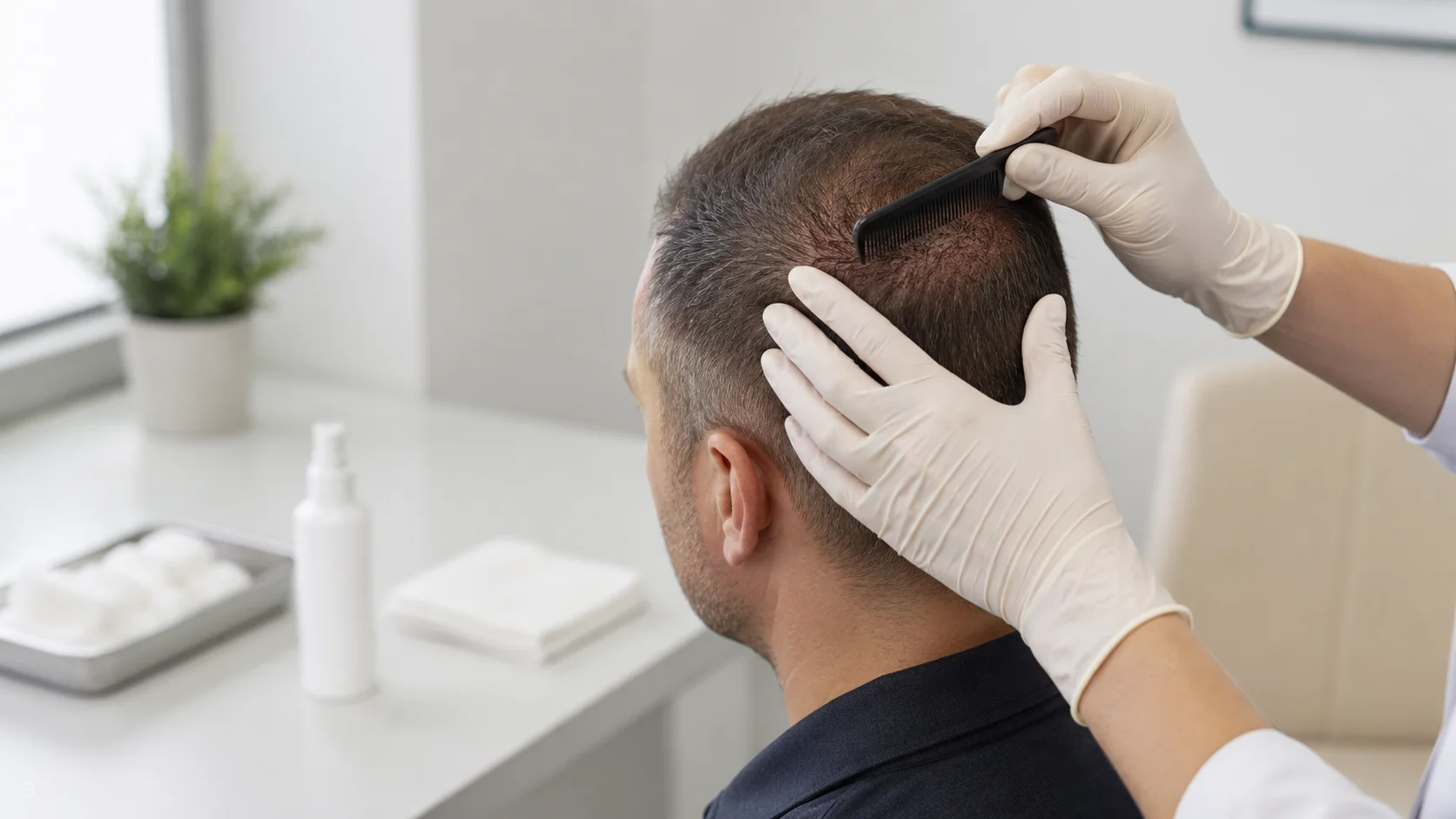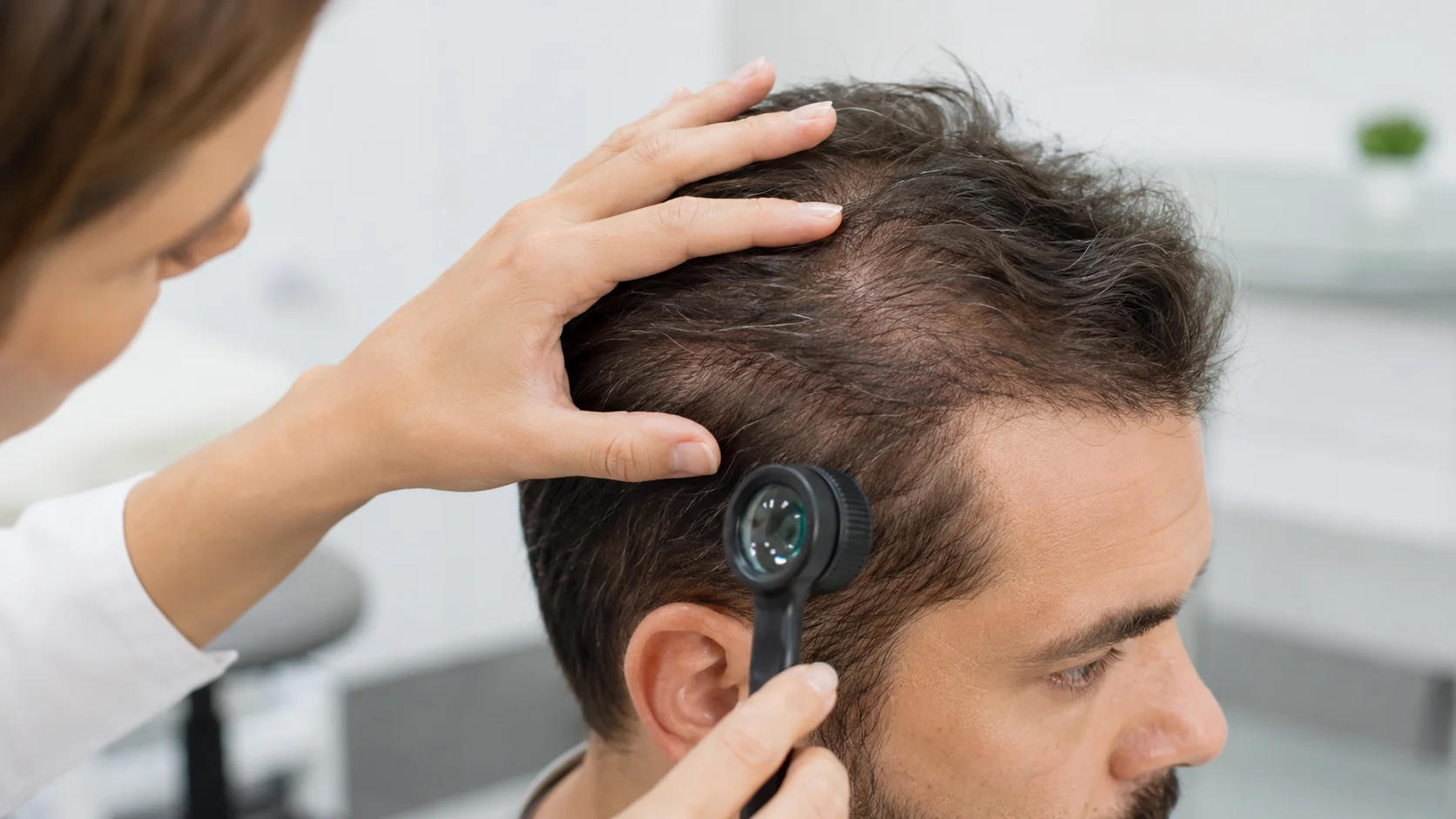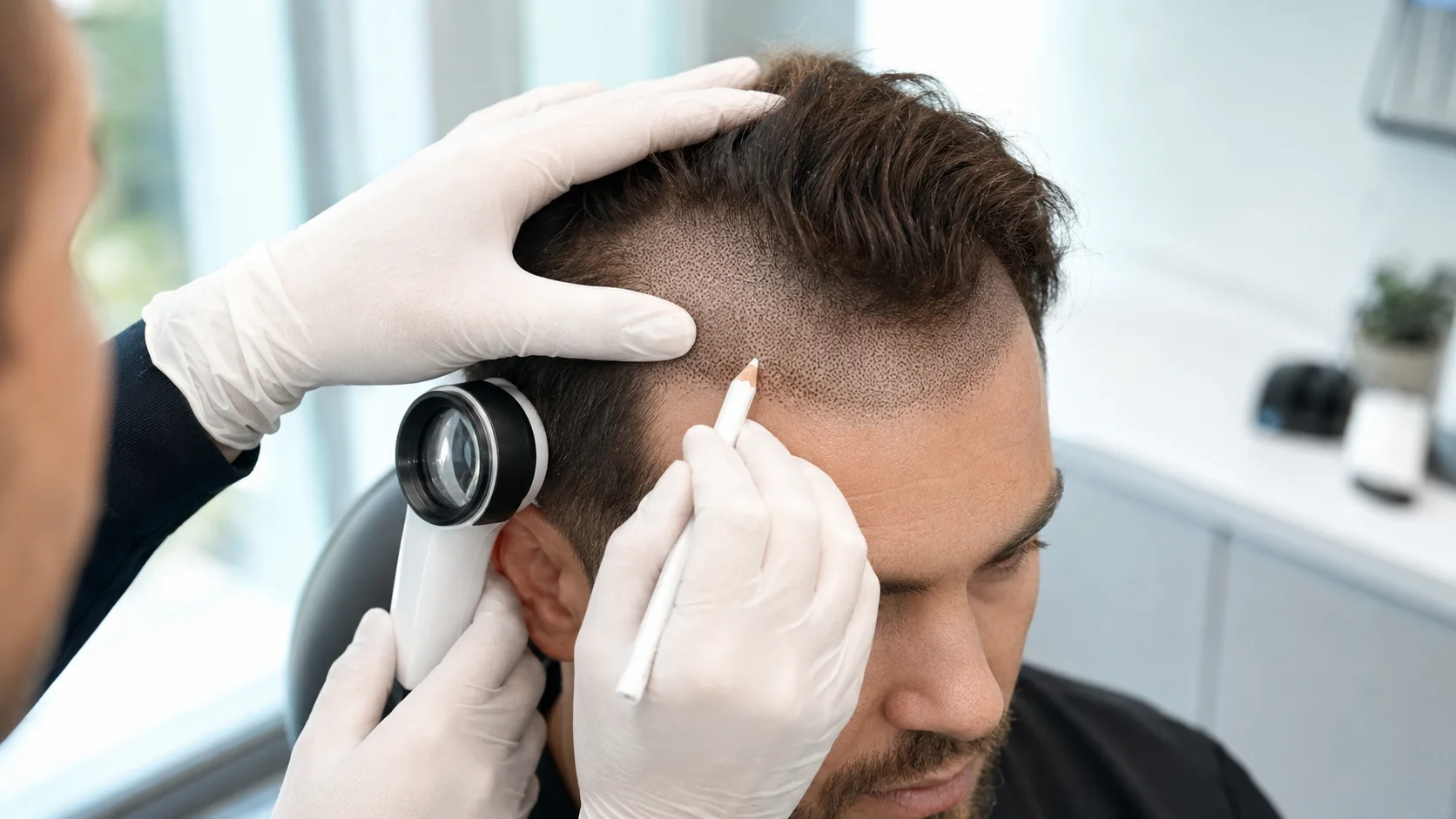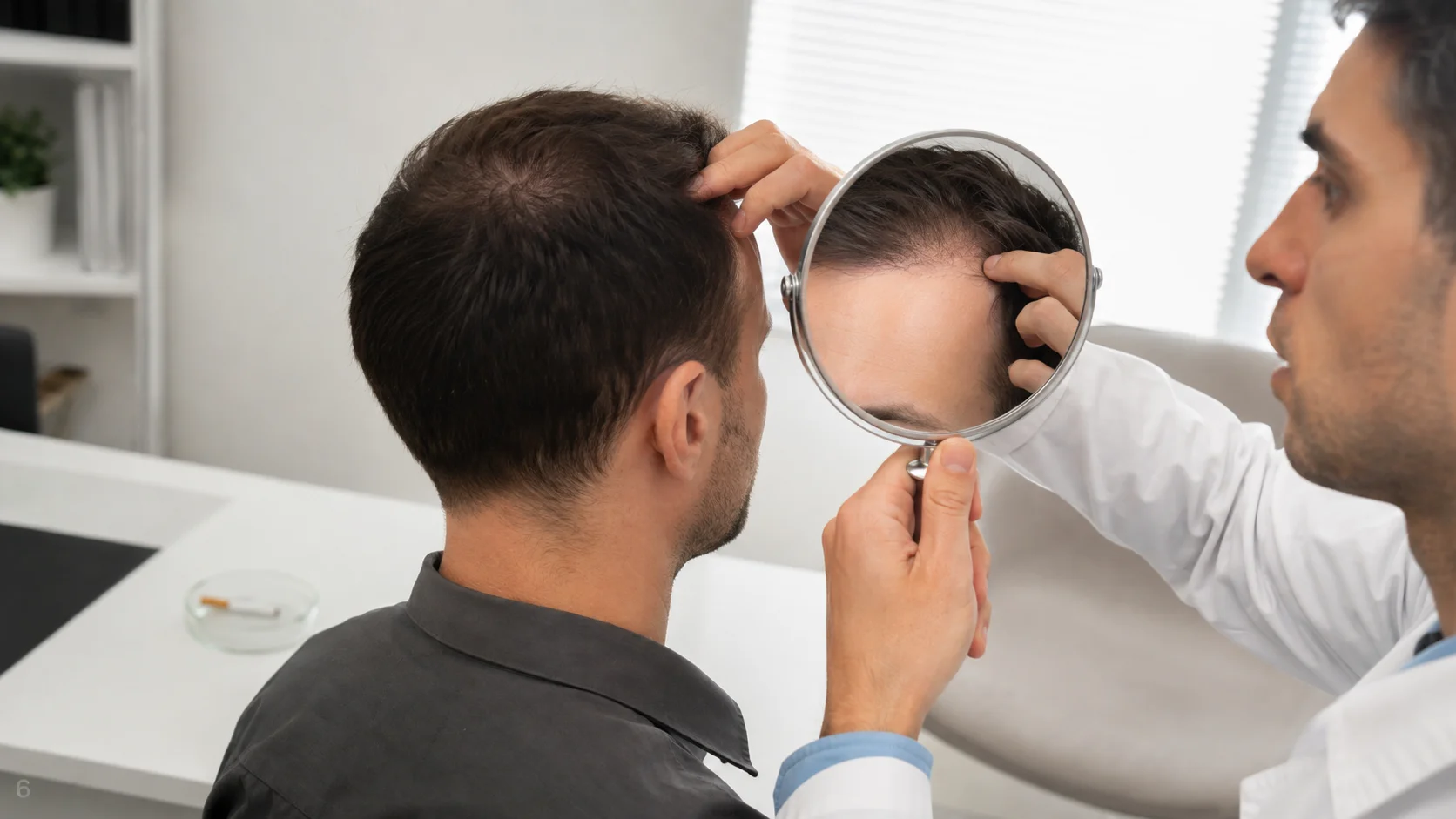
Smoking can negatively affect recovery after a hair transplant. Tobacco smoke exposes the body to nicotine, carbon monoxide, and other substances that interfere with circulation, oxygen delivery, immune function, and wound healing. These effects create avoidable risks for both the recipient area and the donor area.
This does not mean every smoker will experience transplant failure. Hair-transplant-specific evidence is limited, and the final result depends on many factors. However, the broader surgical evidence consistently links smoking with delayed healing and postoperative complications, making tobacco use a meaningful risk factor rather than a minor lifestyle detail.
Why Blood Flow Matters After a Hair Transplant
During a hair transplant, follicular units are removed from a donor area and placed into small recipient sites. Newly implanted grafts initially depend on the surrounding tissue for oxygen and nutrients while they establish a stable blood supply.
Healthy circulation is particularly important during the early healing period. Nicotine narrows blood vessels, while carbon monoxide reduces the blood’s ability to carry oxygen. Other components of tobacco smoke can promote inflammation and impair immune and tissue-repair processes.
Together, these effects may create a less favorable environment for:
- Early graft healing
- Closure of donor and recipient wounds
- Control of inflammation
- Resistance to infection
- Normal tissue repair
A technically successful procedure cannot eliminate biological factors that affect healing afterward.
Can Smoking Reduce Graft Survival?
Smoking may place graft survival at risk by reducing oxygenated blood flow to healing tissue. However, it is difficult to assign a precise failure rate because high-quality studies isolating smoking as a variable in modern hair transplantation are limited.
Graft survival is also influenced by surgical technique, graft handling, time outside the body, recipient-site preparation, postoperative trauma, infection, and individual healing characteristics. A poor result cannot automatically be attributed to smoking alone.
The most accurate conclusion is that smoking creates conditions that may compromise healing and graft establishment. Avoiding it removes a preventable source of risk, although it cannot guarantee a particular density or growth rate.
Possible Effects on the Recipient Area
The recipient area contains hundreds or thousands of small wounds after surgery. Smoking may contribute to slower healing and prolonged redness because damaged tissue receives less oxygen and nutritional support.
Potential concerns include:
- Delayed closure of recipient sites
- More persistent inflammation
- Increased susceptibility to infection
- Prolonged crusting
- Less predictable graft establishment
- Tissue damage in severe cases
Serious tissue injury is uncommon after a properly performed transplant, but impaired circulation can make healing less resilient. This is especially relevant when smoking is combined with diabetes, vascular disease, poor nutrition, or other factors that already affect wound repair.
Effects on the Donor Area
Smoking can also affect the area from which follicles are removed.
With follicular unit extraction, the donor region contains many small circular wounds. With follicular unit transplantation, it contains a linear surgical incision. Both techniques require normal tissue repair.
Possible consequences of impaired healing include:
- Longer-lasting redness or tenderness
- Slower wound closure
- Increased infection risk
- More noticeable scarring
- Delayed recovery around sutures or staples
- Greater risk of wound complications
Scarring depends on technique, skin characteristics, wound tension, aftercare, and individual biology as well as smoking. Stopping smoking does not eliminate scar formation, but it may improve the conditions under which the tissue heals.
When Should Smoking Be Stopped?
There is no single hair-transplant cessation schedule that applies to every patient. Recommendations vary according to the procedure, medical history, nicotine exposure, and the clinician’s protocol.
Broader surgical evidence suggests that stopping approximately four weeks or more before an operation can reduce postoperative complications. Some surgical teams recommend a longer tobacco-free period, while others provide a procedure-specific minimum.
Stopping only on the morning of surgery does not undo the effects of ongoing smoking. Nevertheless, any smoke-free time may be preferable to continuing, and the treating team should be told honestly about recent use.
Smoking should also be avoided throughout early recovery. The surgeon should specify when the wounds are considered sufficiently healed and whether longer abstinence is advisable.
Are Vaping and Nicotine Products Safer?
Vaping is not automatically safe for surgical healing. Nicotine-containing e-cigarettes can still cause blood-vessel constriction, and aerosols may expose the body to additional substances with uncertain perioperative effects.
Cigars, pipes, hookah, and heated tobacco products also involve exposure that may interfere with recovery. The absence of cigarette smoke does not necessarily remove nicotine or combustion-related risks.
Nicotine replacement therapies can help people stop smoking, but nicotine itself may be relevant to a surgeon’s protocol. Patients should not secretly replace cigarettes with high-dose nicotine products and assume the issue has been resolved.
A clinician can help balance wound-healing concerns against the substantial benefit of preventing a return to smoking. Prescription cessation medications and behavioral support may also be considered when appropriate.
What About Cannabis Smoke?
Cannabis does not contain tobacco unless the products are mixed, but inhaled smoke can still irritate the airways and affect anesthesia-related planning. Cannabis may also interact with sedatives or influence heart rate and blood pressure.
The hair-transplant team should know about cannabis use, including smoking, vaping, or edible products. This allows appropriate guidance rather than judgment. Substituting one smoked substance for another is not a dependable recovery strategy.
Smoking After the Procedure
Resuming smoking immediately after surgery may expose healing grafts and wounds during a sensitive period. It can also increase coughing, which may affect comfort and, in some situations, contribute to bleeding or pressure during early recovery.
Postoperative instructions should take priority. In addition to avoiding tobacco, patients are commonly advised to protect the grafts from rubbing, scratching, excessive heat, strenuous activity, and inappropriate washing.
Someone who smokes despite the instructions should not hide it if a problem develops. Accurate information helps the clinician interpret delayed healing, inflammation, or other complications.
Can One Cigarette Ruin a Hair Transplant?
One cigarette does not make transplant failure inevitable. It can, however, temporarily affect blood vessels and oxygen delivery, and there is no benefit to exposing newly treated tissue to that effect.
The more important issue is the overall pattern of exposure. Repeated smoking before and after surgery creates a sustained healing disadvantage. Thinking in terms of risk reduction is more useful than trying to identify a supposedly harmless number of cigarettes.
Warning Signs During Recovery
Contact the treating team promptly if recovery involves:
- Increasing pain rather than gradual improvement
- Spreading redness or warmth
- Pus or foul-smelling drainage
- Fever
- Persistent bleeding
- Dark, pale, or otherwise concerning skin changes
- Opening of the donor incision
- Swelling that is severe or worsening
These symptoms do not prove that smoking caused a complication, but they should not be managed by waiting or changing aftercare without guidance.
Frequently Asked Questions
Does Smoking Always Cause a Bad Hair Transplant Result?
No. Some smokers heal without an obvious complication, but that does not make smoking harmless. It increases avoidable biological risks and may make results less predictable.
Can Smoking Cause Transplanted Hair to Fall Out?
Temporary shedding of transplanted shafts is an expected part of recovery and is not necessarily related to smoking. The concern is whether impaired healing affects follicle survival or delays recovery.
Is Secondhand Smoke a Concern?
Secondhand smoke does not generally deliver the same dose as active smoking, but avoiding smoky environments during recovery is sensible. Smoke can also irritate the eyes, airways, and healing scalp.
Are Nicotine Pouches Safe Before Surgery?
They avoid combustion, but they still provide nicotine. Because nicotine can narrow blood vessels, their use should be discussed with the surgical team.
Is It Worth Quitting if the Procedure Is Soon?
Yes. The ideal cessation period may have passed, but stopping now can still prevent additional exposure. The surgeon should be informed so the safest plan can be made.
Protecting the Investment in a Hair Transplant
A hair transplant requires careful planning, a limited donor supply, and months of waiting for growth. Smoking introduces a modifiable risk during the part of the process that depends on tissue repair.
Stopping in advance and remaining smoke-free during recovery cannot guarantee graft survival or density. It can, however, support circulation, wound healing, and overall surgical safety. The cessation plan should be agreed with the treating team rather than based on a universal online timetable.
This content is for general informational purposes and does not replace individualized medical advice, diagnosis, or treatment.