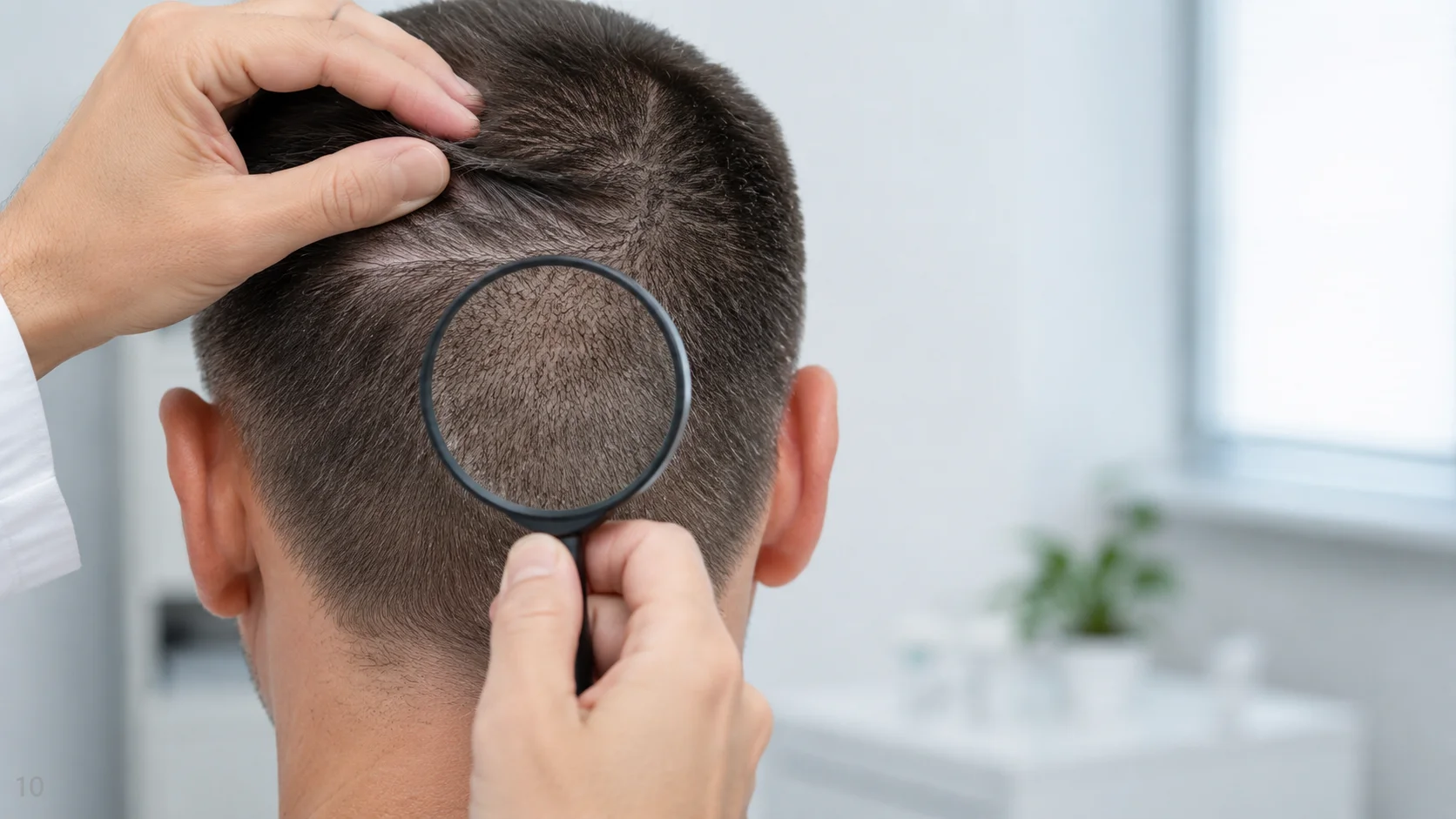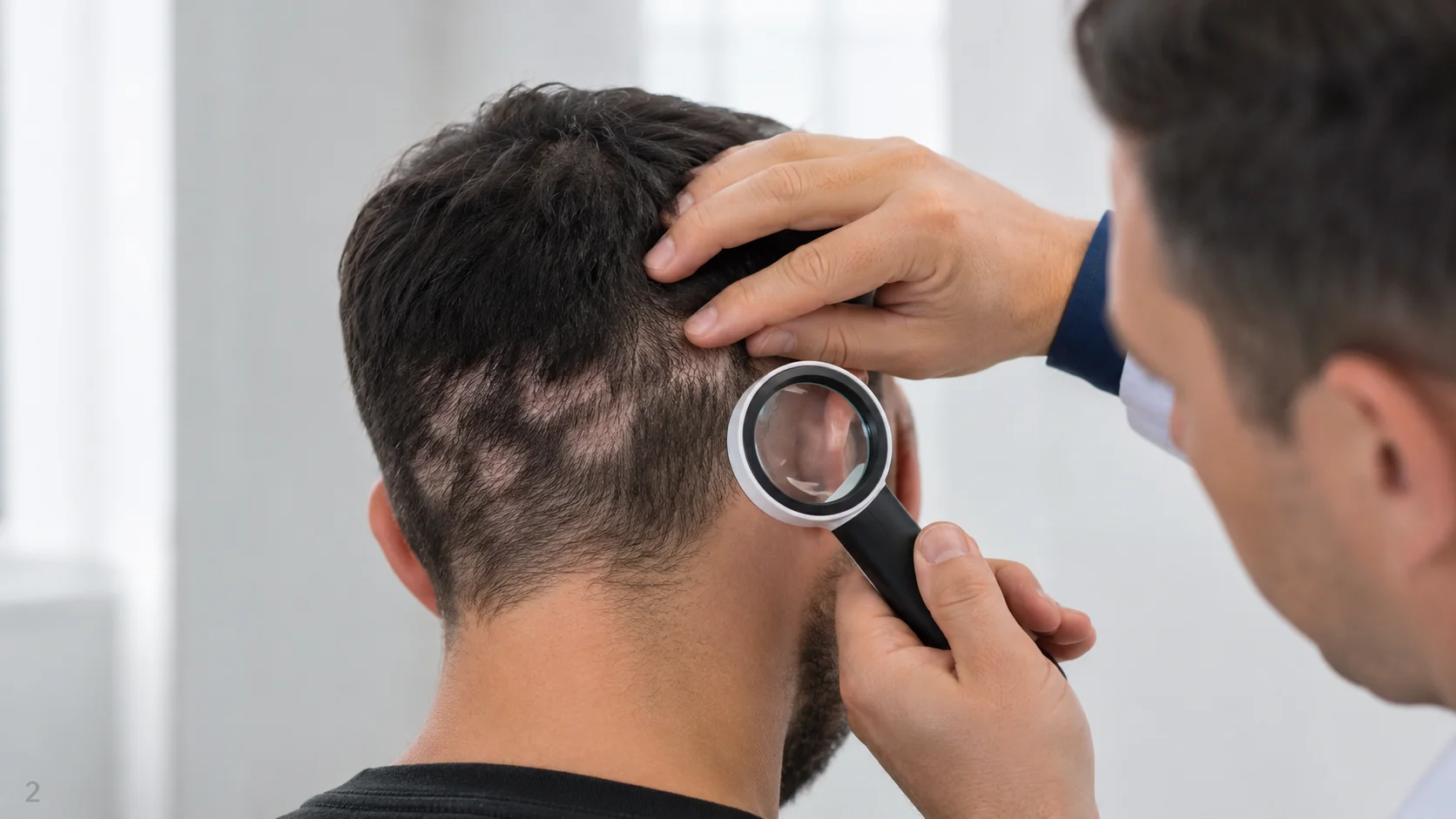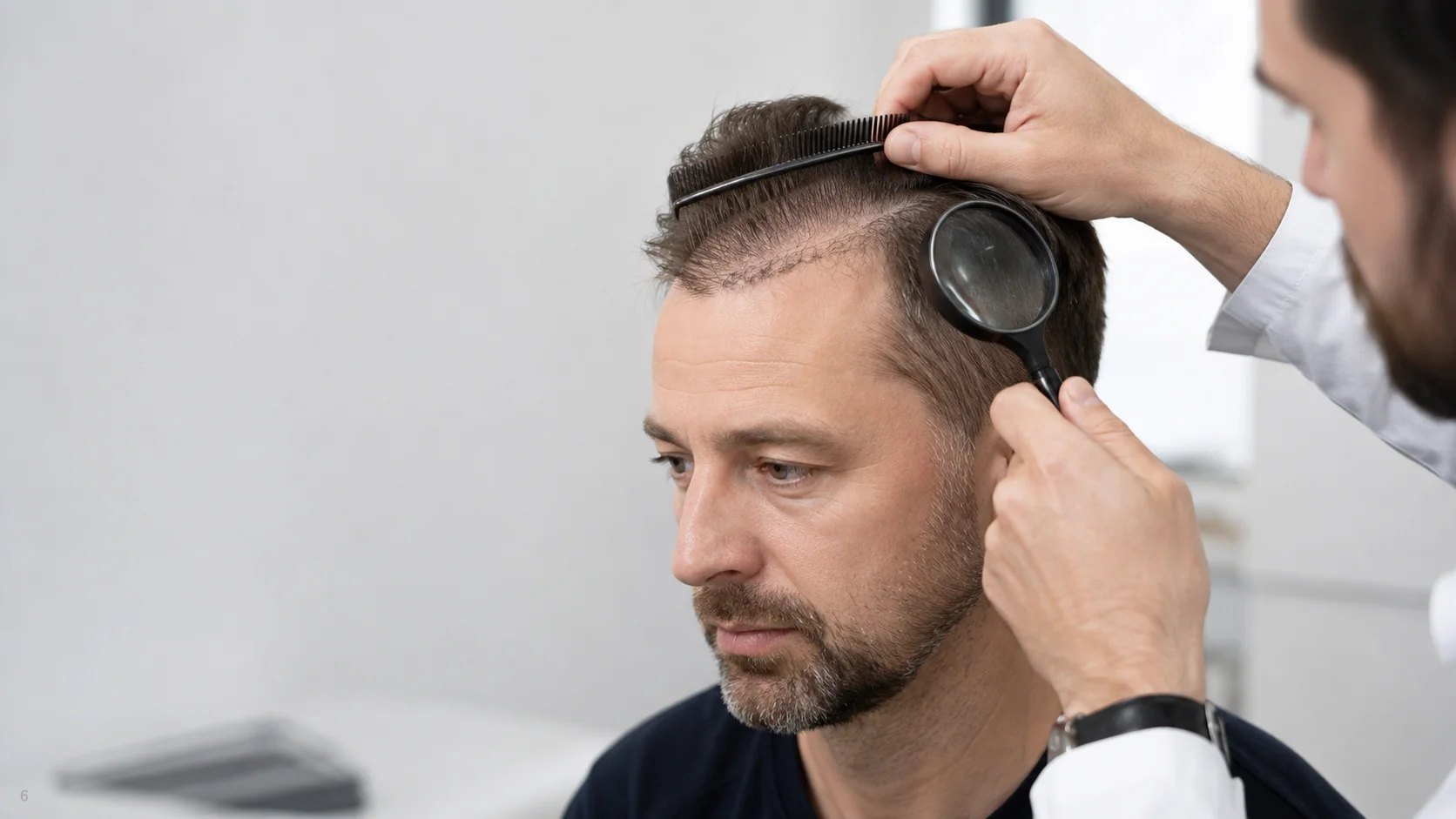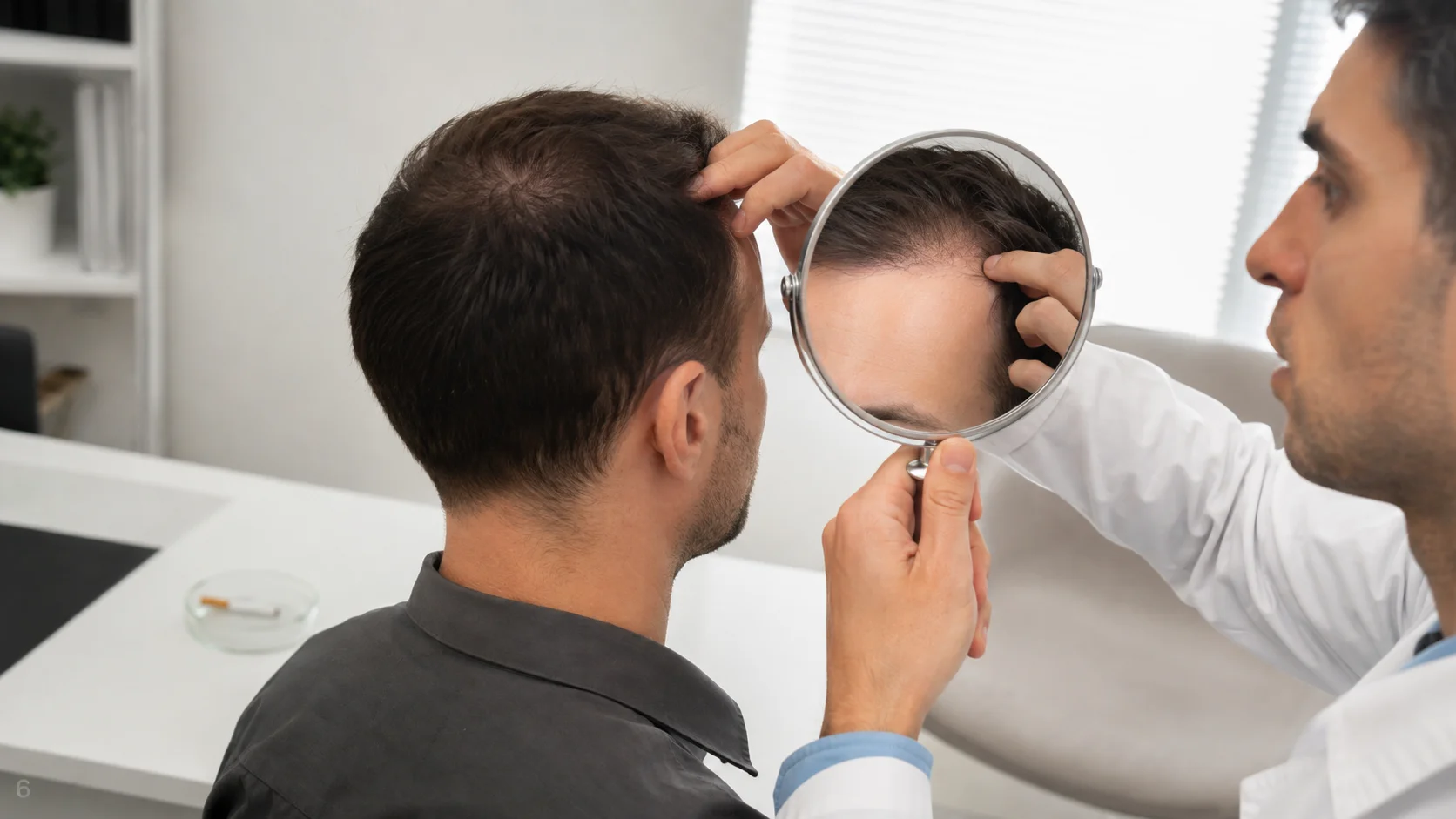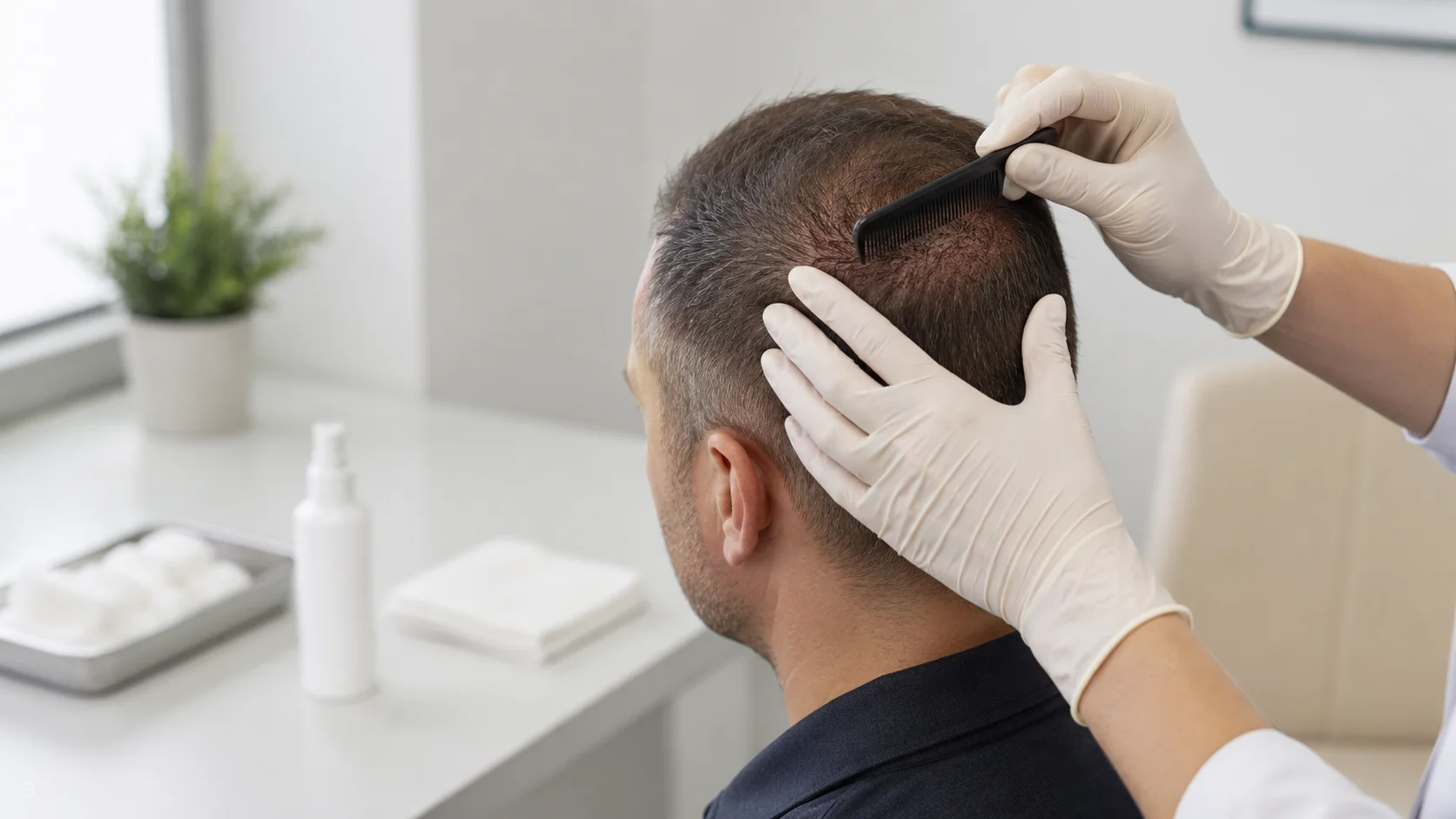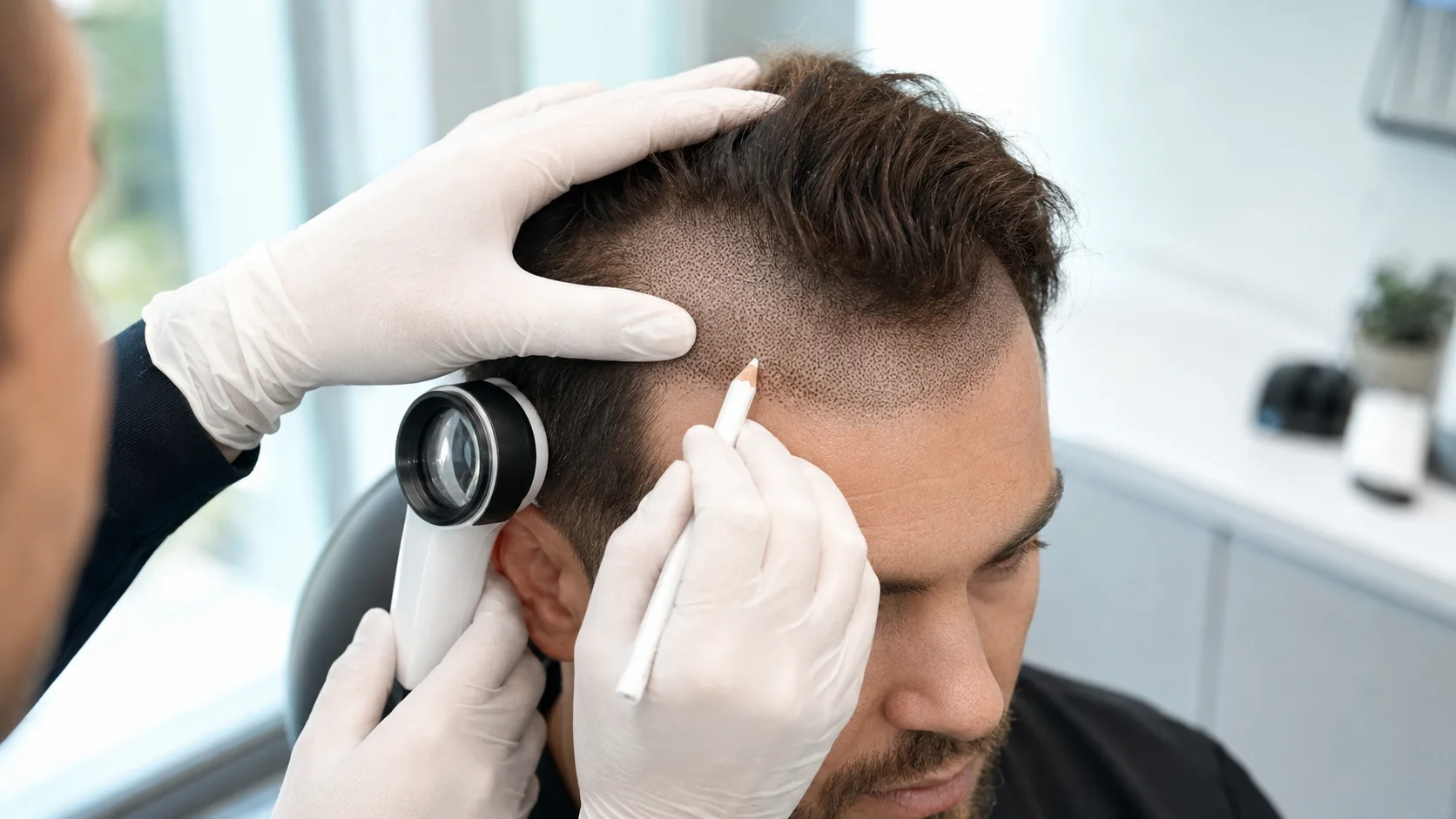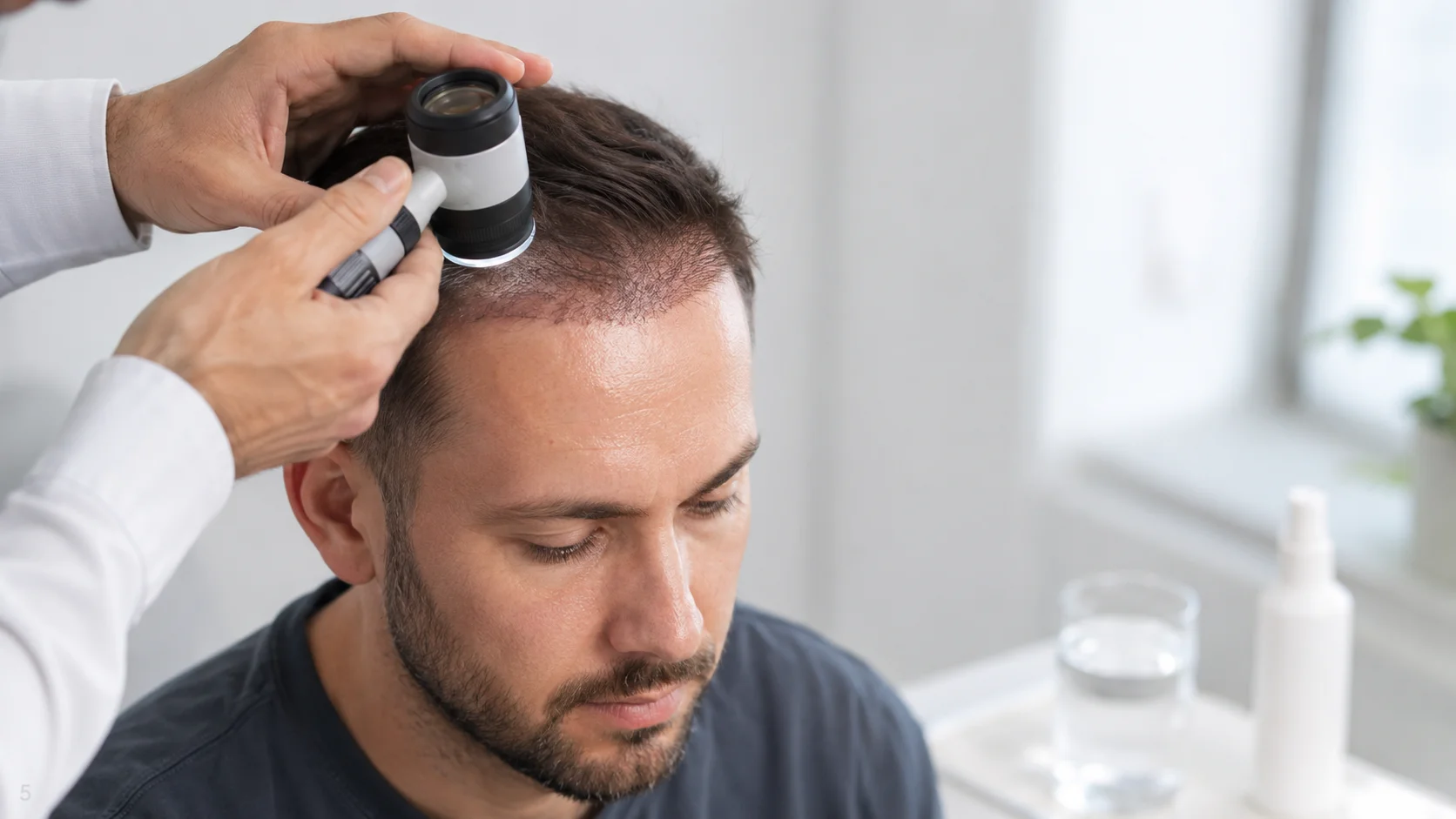
Hair transplant graft survival depends on the condition of the follicles, how they are harvested and handled, the environment in which they are stored, recipient-site preparation, implantation technique, healing, and the underlying scalp diagnosis.
A transplanted graft is living tissue. From extraction until it reconnects with a blood supply, it is vulnerable to dehydration, physical trauma, oxygen deprivation, temperature changes, and prolonged time outside the body.
What Graft Survival Means
A surviving graft establishes itself in the recipient scalp and eventually produces hair. The visible hair shaft may shed during the first weeks without indicating that the follicle has failed.
Survival should not be judged from early shedding. New growth commonly begins after several months and continues to mature in caliber, length, and coverage for approximately a year or longer.
Published survival estimates can be difficult to compare because studies use different counting methods, selected test areas, follow-up periods, hair characteristics, and definitions of growth. A guaranteed survival percentage is therefore not credible.
Donor Follicle Quality
Healthy, stable donor follicles provide the foundation for a durable result. Grafts taken from a miniaturized or nonpermanent area may grow initially and thin later.
Donor evaluation should consider:
- Follicular-unit density
- Hair-shaft diameter
- Miniaturization
- Hair-cycle stage
- Scalp inflammation or scarring
- Safe-zone boundaries
- Previous extraction damage
A high graft count cannot compensate for unstable donor follicles.
Transection During Harvesting
Transection occurs when a punch, blade, or dissection cuts across a follicle rather than removing it intact. The risk depends on technique, hair angle, curl beneath the skin, instrumentation, visibility, and operator skill.
Severely damaged grafts may fail to grow. Partially transected follicles may produce weaker or finer hair.
In FUE, the external direction of a hair does not always reveal its full path below the skin. Curved or tightly curled follicles can be technically more difficult to extract intact.
Dehydration
Even brief drying can damage exposed follicular tissue. Grafts should be transferred promptly into an appropriate holding solution and kept hydrated throughout preparation and implantation.
They can dry on gloves, gauze, instruments, or the recipient scalp if workflow is poorly controlled. Dehydration risk is one reason coordination among the surgical team matters.
Terms such as “direct implantation” do not by themselves prove superior survival. The full handling process is more important than a marketing label.
Time Outside the Body
After extraction, grafts temporarily lose their blood and oxygen supply. Longer out-of-body time can increase biological stress, particularly when hydration, temperature, or storage conditions are suboptimal.
Efficient organization can reduce unnecessary delay. Large sessions require enough trained personnel to avoid leaving the earliest harvested grafts outside the body for excessively long periods.
Shorter time can be beneficial, but speed should not come at the cost of rough handling, poor recipient-site design, or inaccurate placement.
Holding Solution and Temperature
Grafts are stored in liquid to prevent drying and support tissue viability. Different solutions vary in electrolyte composition, pH, buffering, and other properties.
Temperature management may reduce metabolic demand, particularly during longer storage. However, no specialized solution can compensate for severe dehydration, crushing, poor harvesting, or excessive time outside the body.
Claims that one branded solution guarantees near-perfect survival should be treated cautiously.
Mechanical Handling
The follicular bulb and stem-cell-containing regions are vulnerable to crushing and forceps injury. Grasping the hair shaft or surrounding tissue appropriately, minimizing repeated handling, and avoiding excessive pressure can protect the graft.
Sorting and trimming should preserve enough tissue for protection while allowing clean placement. Excess tissue can make implantation difficult, while over-trimming may leave the follicle less protected.
Recipient-Site Quality
The recipient scalp must provide adequate blood supply and physical space for the grafts. Survival can be affected by:
- Dense packing beyond what local circulation can support
- Excessively large or traumatic incisions
- Poor depth control
- Scar tissue with reduced vascularity
- Active inflammation
- Infection
- Previous surgery
- Smoking-related vascular compromise
- Uncontrolled health conditions affecting healing
A high-density plan should account for scalp characteristics and previous procedures rather than follow a fixed number of grafts per square centimeter.
Implantation Depth, Angle, and Technique
A graft placed too deeply may become buried, cause pitting, or develop complications. A graft placed too superficially may not remain secure or receive adequate support.
Excessive force can bend or crush the follicle. Sites that are too small can compress grafts, while oversized sites can cause instability or unnecessary trauma.
Angle and direction primarily determine natural appearance, but technically difficult placement can also damage grafts.
Patient Health and Lifestyle Factors
General health influences wound healing and tissue oxygenation. Diabetes, vascular disease, bleeding disorders, immune conditions, or active scalp disease may require additional planning.
Smoking constricts vessels and reduces tissue oxygen delivery. Patients should disclose nicotine use, including cigarettes, vaping, and nicotine products, and follow individualized cessation guidance.
Medications and supplements affecting bleeding, blood pressure, or healing should be reviewed. They should not be stopped without instructions from the treating medical team.
Postoperative Graft Protection
During the early healing period, grafts must be protected from rubbing, scratching, pressure, and accidental impact. Washing instructions should remove crusts gradually without dislodging newly implanted tissue.
Important precautions may include:
- Following the provided washing method
- Avoiding picking at crusts
- Protecting the scalp from impact
- Delaying strenuous exercise as instructed
- Avoiding unnecessary sun exposure
- Reporting increasing pain, pus, fever, or spreading redness
- Using prescribed medication correctly
After grafts become securely anchored, ordinary contact is less likely to remove them. Excessive restrictions lasting for months are generally unrelated to physical graft security.
Continuing Native Hair Loss
A transplant can have good graft survival but still look thinner years later because surrounding native hair continues to miniaturize. This is not the same as graft failure.
Medical treatment may be considered to preserve native hair when appropriate. Long-term photographs should distinguish transplanted growth from changes in untreated follicles.
Frequently Asked Questions
Does shedding mean the grafts have died?
Usually not. Transplanted shafts commonly shed while the follicles remain in the scalp and enter a new growth cycle.
When can graft survival be judged?
Early growth may begin within several months, but a meaningful assessment generally requires approximately 12 months and sometimes longer for the crown.
Can every graft survive?
No procedure can guarantee survival of every graft. Biological variability and technical factors prevent a credible promise of 100 percent growth.
Does a larger session reduce survival?
Not automatically. Large sessions place greater demands on staffing, storage, handling, time management, and recipient blood supply.
Can PRP guarantee better survival?
No. Evidence for adjunctive platelet-rich plasma remains variable, and it cannot compensate for poor graft handling or an unsuitable scalp.
Why can a transplant look thin even with good survival?
Fine hair, low hairs-per-graft, a large recipient area, conservative placement density, high scalp contrast, or continuing native loss can reduce visual coverage.
The Final Result Begins Before Implantation
Graft survival reflects the entire surgical process, from diagnosis and donor selection to extraction, storage, placement, healing, and long-term management of native hair. A natural design is important, but it can only succeed when viable follicles are handled carefully and placed into a suitable recipient scalp.
This content is for general informational purposes and does not replace individualized medical advice, diagnosis, or treatment.