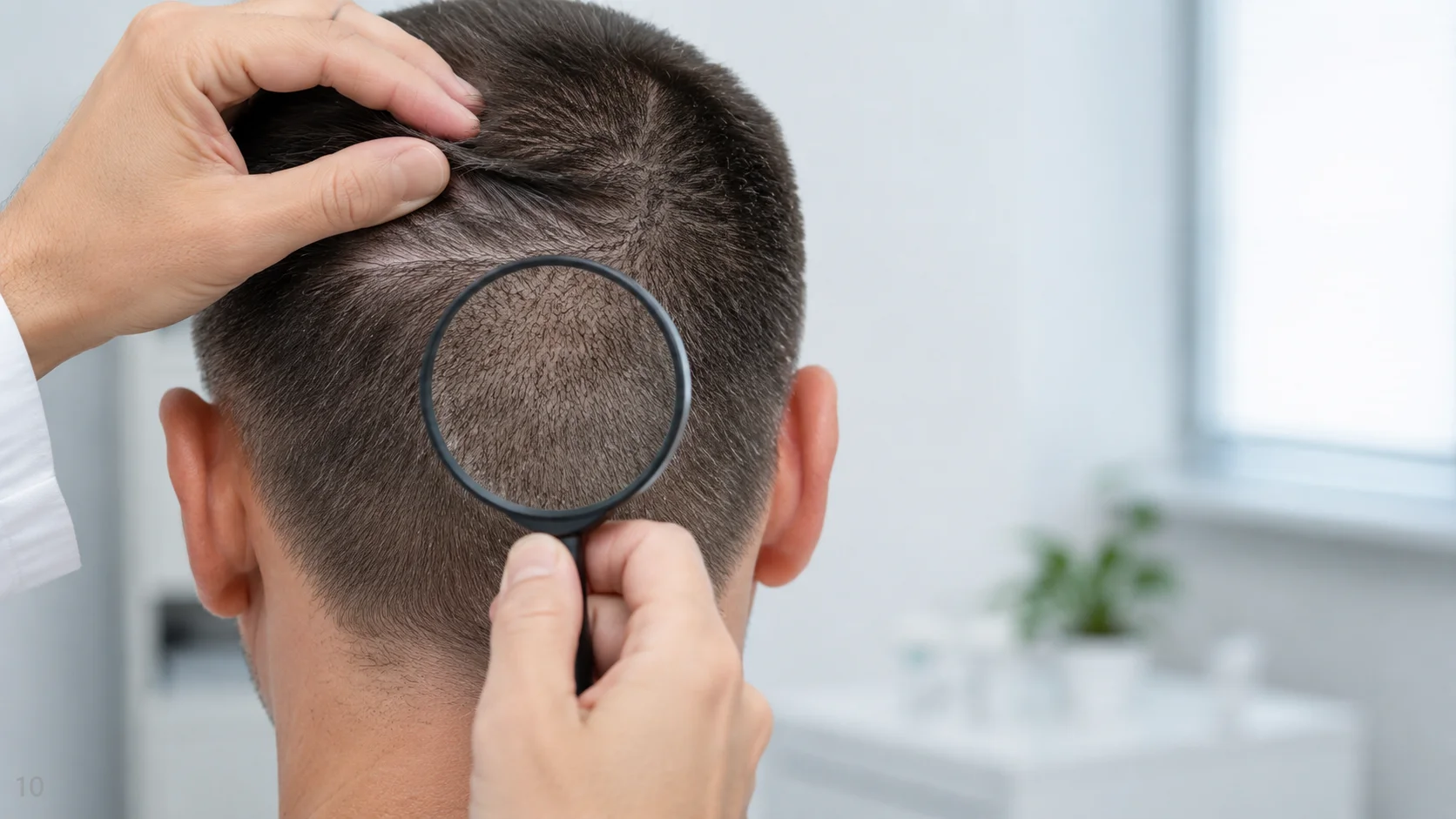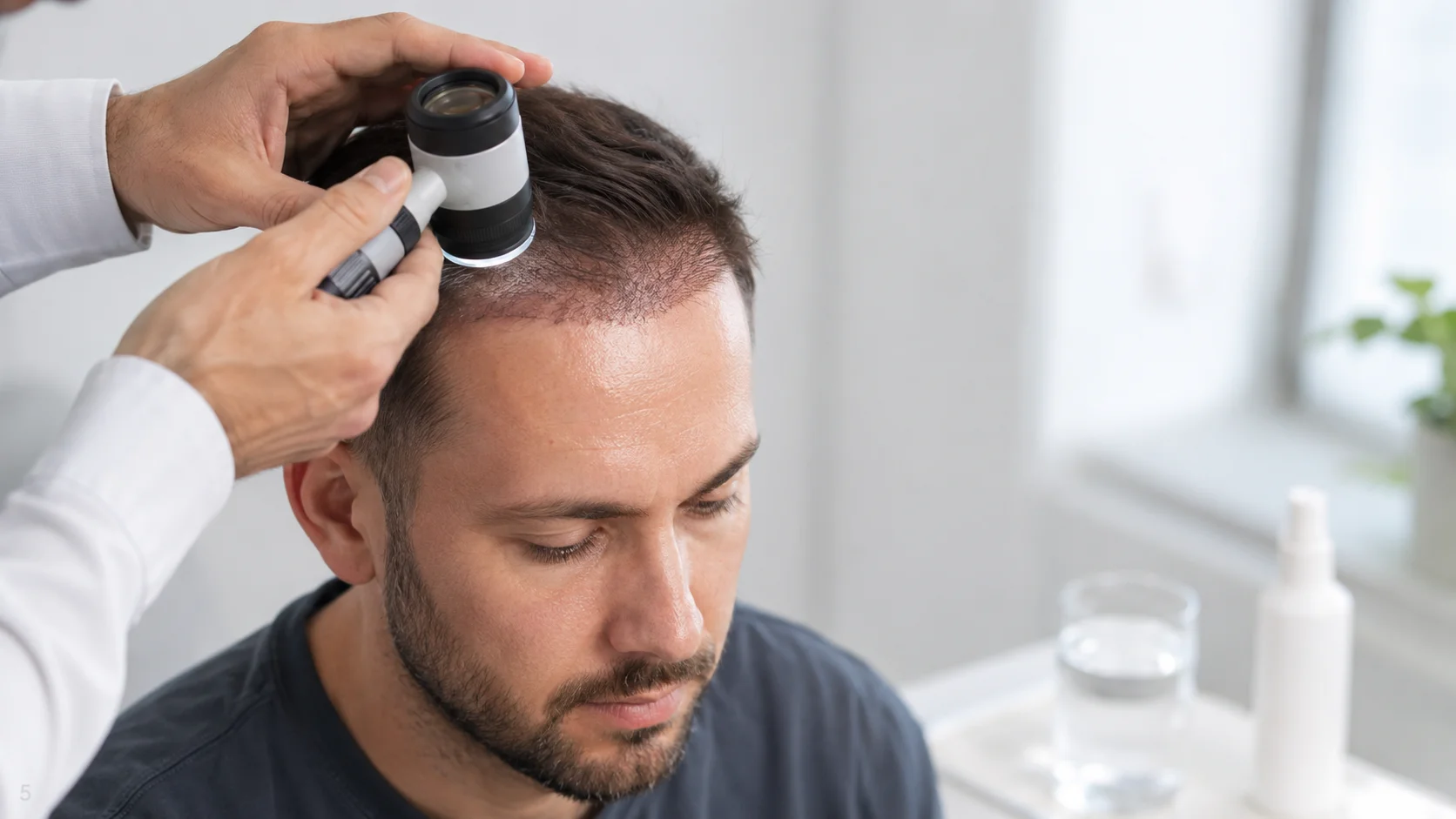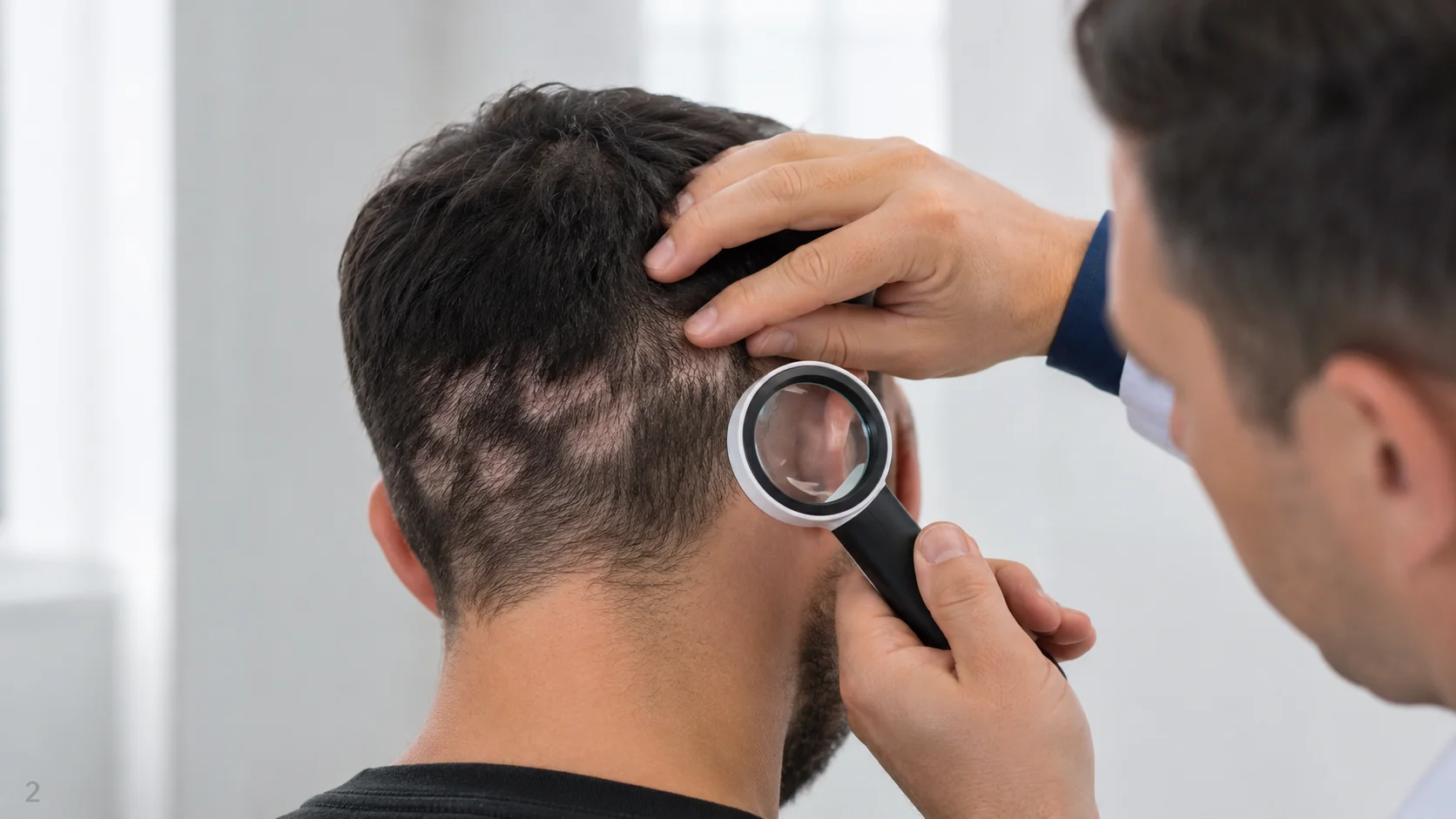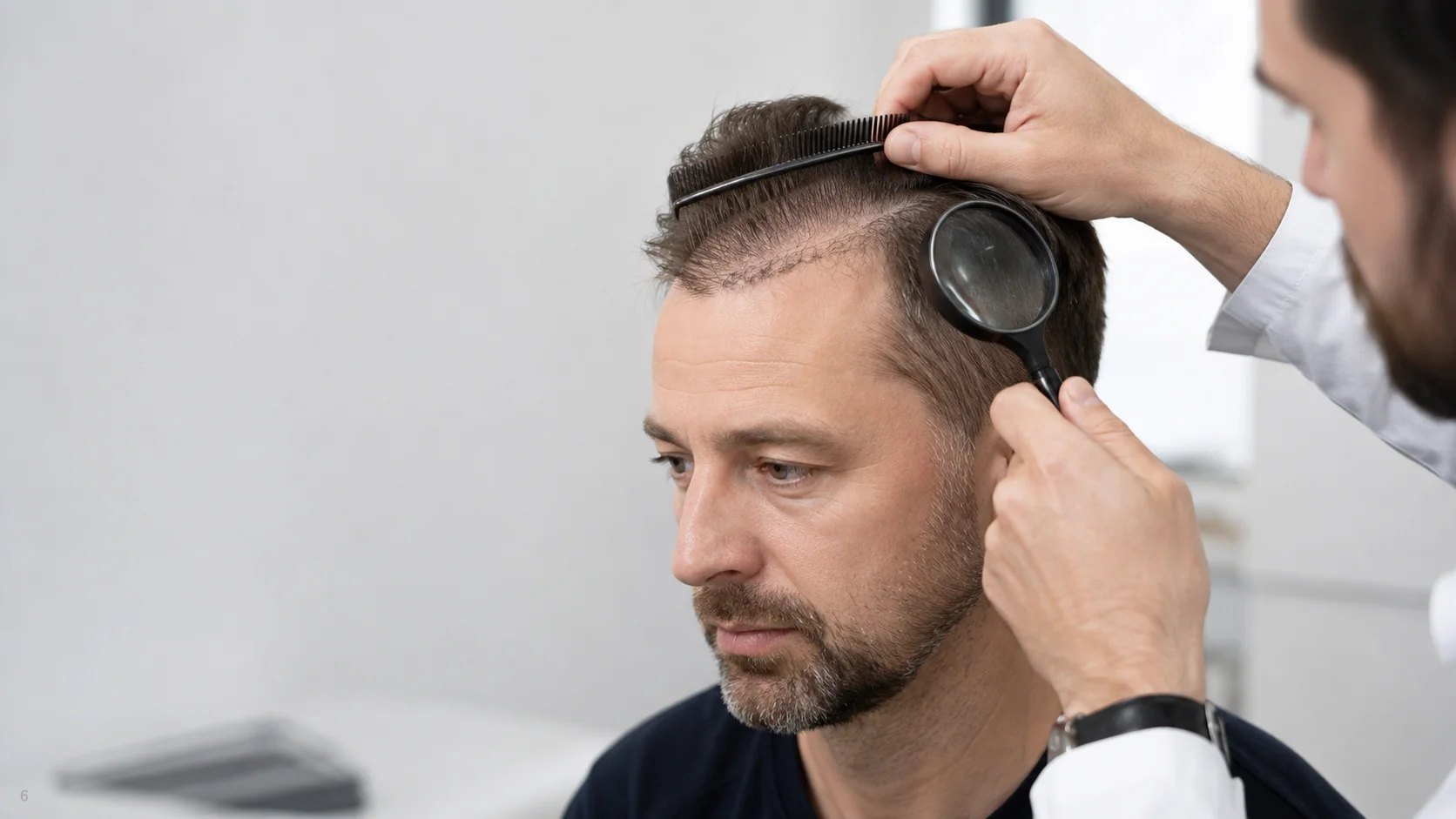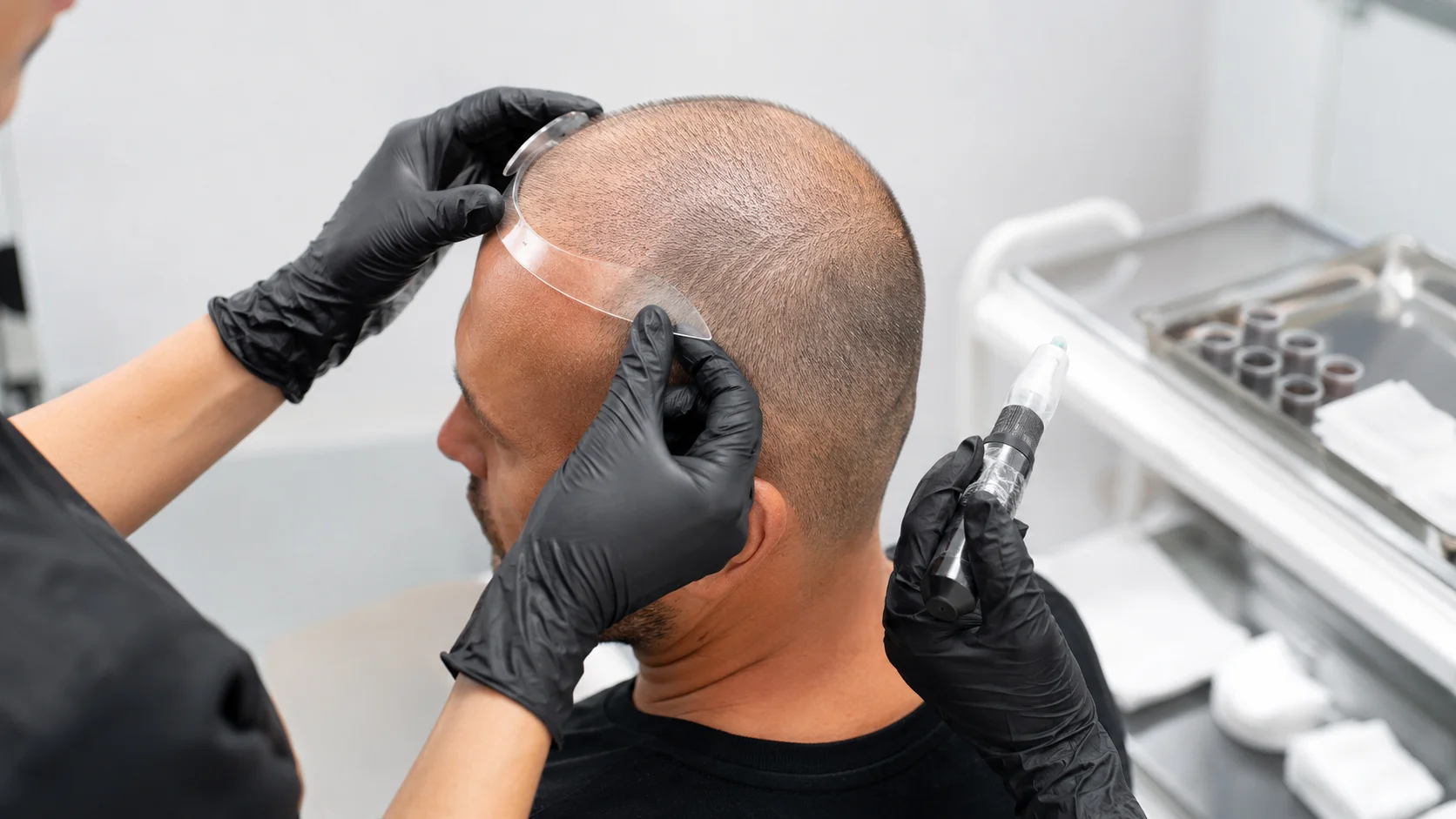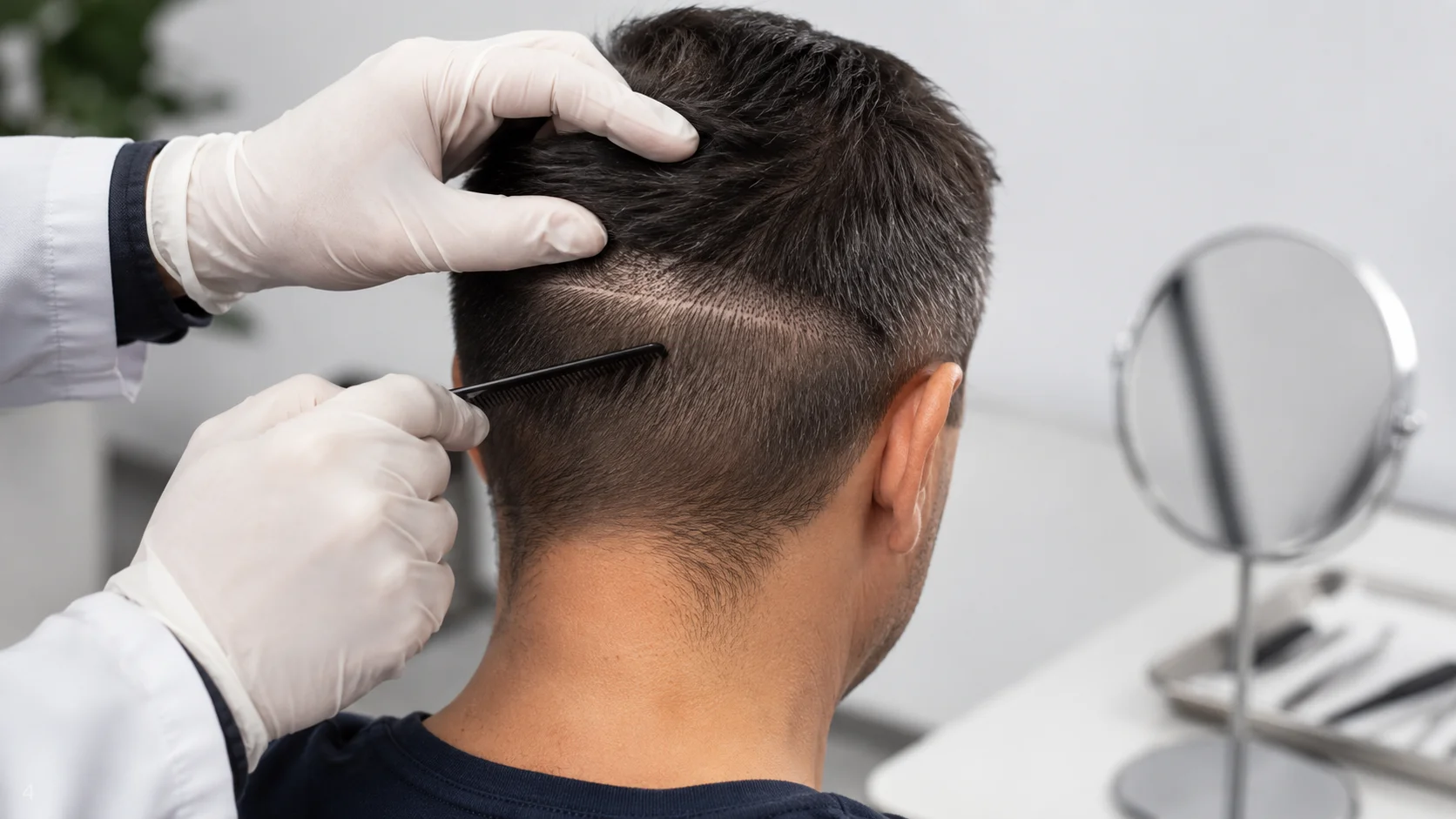
Scarring is a normal part of any surgical procedure, including hair transplantation. The question is not whether the scalp heals without any trace at all, but what type of scarring may occur, how visible it may be, and how technique, healing, and hairstyle affect the final appearance.
FUE and FUT create different donor-area scar patterns. FUE usually leaves many small dot-like marks where follicular units are removed individually. FUT usually leaves a linear scar where a strip of tissue is removed and closed. Both methods can produce subtle or visible scars depending on surgical planning, donor management, skin biology, and aftercare.
Understanding scarring helps patients make more realistic decisions about technique, hairstyle, donor capacity, and future procedures.
Why Hair Transplant Scars Happen
A hair transplant requires moving follicles from the donor area to the recipient area. To do that, the skin must be entered. The body repairs these small injuries through wound healing, and scar tissue is part of that repair process.
Scar visibility depends on several factors:
- Extraction method
- Punch size or incision size
- Surgeon technique
- Tension on the wound
- Healing tendency
- Skin tone and contrast
- Hair length in the donor area
- Number of grafts removed
- Repeat procedures
- Aftercare and complications
Some people heal with very fine, pale scars. Others may develop wider, darker, lighter, raised, or more noticeable scars. A prior history of keloids or hypertrophic scarring should be discussed before surgery.
FUE Scarring
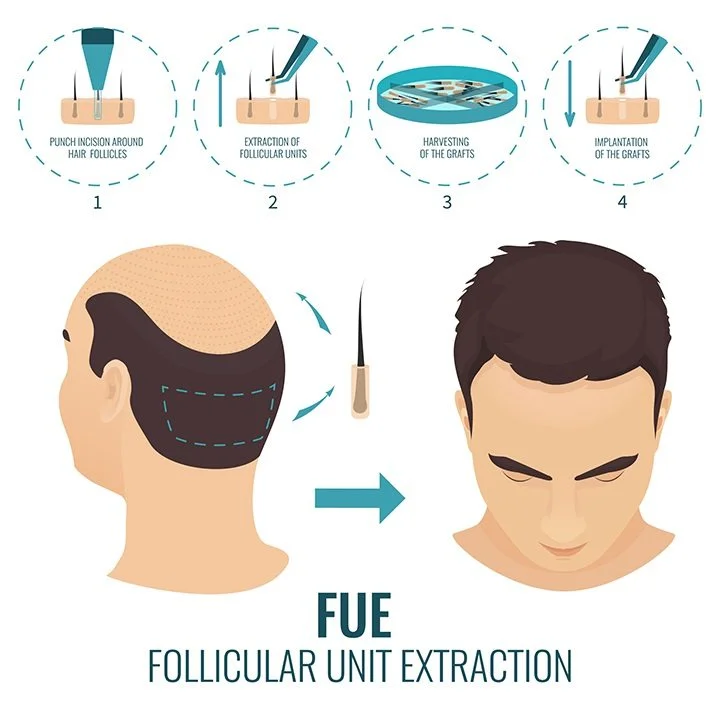
FUE, or follicular unit extraction, removes individual follicular units using small circular punches. Each extraction point heals as a tiny round mark. When spread appropriately across a healthy donor area, these marks may be difficult to see at moderate hair lengths.
FUE is often marketed as scarless, but that is not accurate. It is more precise to say that FUE usually creates dispersed micro-scars rather than one linear scar.
FUE scarring may become more visible when the hair is shaved very short. It may also be more noticeable if too many grafts are removed from one area, if punch size is large, if extraction pattern is uneven, or if healing is poor.
Overharvesting can create a moth-eaten or patchy donor appearance. This is not simply a scar issue; it is also a donor density issue. Good FUE planning protects the donor area as a cosmetic region, not just as a supply of grafts.
FUT Scarring
FUT, or follicular unit transplantation, removes a strip of scalp from the donor area, usually at the back or sides of the head. The incision is then closed, leaving a linear scar.
A well-healed FUT scar may be thin and easily hidden by surrounding hair. However, it can become visible if the hair is cut very short. Scar width can vary depending on scalp laxity, closure technique, wound tension, healing biology, and postoperative care.
FUT may allow a large number of grafts to be harvested efficiently in selected patients, but the trade-off is the linear scar. This matters for people who prefer very short hairstyles.
Some FUT closures use techniques intended to allow hair to grow through or near the scar, making it less visible. Even so, scar outcome cannot be guaranteed.
FUE vs FUT Scar Patterns
The main difference is pattern. FUE creates multiple small dot scars. FUT creates one linear scar. Neither is automatically better in every case.
FUE may be preferred by patients who want the option of shorter hair, though very close shaving can still reveal dot scarring. FUT may be appropriate for patients who wear their hair longer and need efficient graft harvesting.
The right choice depends on donor characteristics, graft goals, hairstyle preference, future surgery planning, and scar risk. Some patients may even have both techniques over time.
A natural internal comparison for readers is a broader FUE vs FUT guide, because scarring is only one part of the decision. Donor preservation, graft yield, recovery, and long-term planning also matter.
Recipient Area Scarring
Most scarring discussions focus on the donor area, but recipient sites also heal. Tiny incisions or channels are made where grafts are placed. In most cases, these heal with minimal visible scarring once hair grows.
However, recipient-area problems can occur. Excessive density, poor technique, infection, picking, inflammation, or skin conditions may increase the risk of visible texture changes. Some people may notice redness or mild surface irregularity for a period after surgery.
In the hairline, poor placement or cobblestoning can make grafts appear unnatural. This is why implantation depth, angle, and spacing are important.
How to Reduce Scarring Risk
Scarring cannot be eliminated, but risk can be reduced through careful planning and technique.
Important factors include:
- Choosing an appropriate method for the patient
- Avoiding overharvesting
- Using suitable punch or incision size
- Managing wound tension
- Following aftercare instructions
- Avoiding smoking during the healing period when advised
- Protecting the scalp from sun exposure
- Not picking scabs
- Treating infection or inflammation early
Patients should also be honest about scar history. A person who has developed thick or raised scars in the past may need additional counseling before surgery.
Can Hair Transplant Scars Be Treated?
Some scars can be improved, but correction depends on scar type. Options may include scar revision surgery, FUE grafting into the scar, scalp micropigmentation, laser treatments, microneedling, or camouflage hairstyles.
Scalp micropigmentation can reduce contrast in selected scars by placing pigment into the scalp. It does not remove scar tissue, but it may make scars less visible, especially in FUE dot scarring or some FUT linear scars.
FUE grafting into an FUT scar may help in selected cases if the scar has adequate blood supply and the donor area can support further extraction. Results vary.
Raised, painful, red, itchy, or expanding scars should be medically assessed before cosmetic camouflage is considered.
What Is Normal During Healing?
Early redness, tenderness, scabbing, and tightness can be normal. Donor-area visibility changes as hair grows back around the extraction or incision sites.
FUE donor marks may look more obvious in the first weeks before softening. FUT scars may look red or firm early on and then gradually mature over months.
Scar maturation can take many months. A scar that looks pink or firm early may become flatter and paler over time. However, worsening thickness, spreading redness, drainage, or increasing pain should be checked.
Hairstyle and Scar Visibility
Hair length strongly affects scar visibility. FUE patients who shave down to the skin may see small dot marks. FUT patients who cut the back very short may reveal the linear scar.
Before choosing a technique, patients should think about how they want to wear their hair in the future. A transplant plan should match lifestyle, not only graft count.
People who want a shaved-head look should discuss FUE scarring carefully and may also consider whether scalp micropigmentation could be useful later. People comfortable with longer donor hair may tolerate a fine FUT scar better.
FAQ
Is FUE really scarless?
No. FUE usually leaves small dot-like scars. They may be hard to see when extraction is well planned and hair is not shaved too close.
Does FUT always leave a visible scar?
FUT leaves a linear scar, but it may be very subtle when healed well and covered by surrounding hair. Visibility varies.
Which has worse scarring, FUE or FUT?
Neither is universally worse. FUE creates dispersed dot scars, while FUT creates a linear scar. The better option depends on hairstyle, donor area, graft needs, and healing tendency.
Can scalp micropigmentation hide hair transplant scars?
It may help camouflage selected FUE or FUT scars by reducing contrast, but it does not remove the scar.
How long do hair transplant scars take to mature?
Scars can continue changing for many months. Final scar appearance may take 6 to 12 months or longer to assess.
Final Thoughts
Hair transplant scarring is best understood as a manageable surgical reality rather than a reason for panic or a topic to ignore. FUE and FUT leave different scar patterns, and both can look subtle or visible depending on technique, healing, and hairstyle.
A good surgical plan protects the donor area, respects future hair loss, and gives patients honest expectations about scarring. For readers planning surgery, this topic connects naturally with guides on FUE, FUT, scalp micropigmentation, recovery timelines, and donor-area management.
This article is for general informational purposes only and does not replace individualized medical advice, diagnosis, or treatment from a qualified healthcare professional.