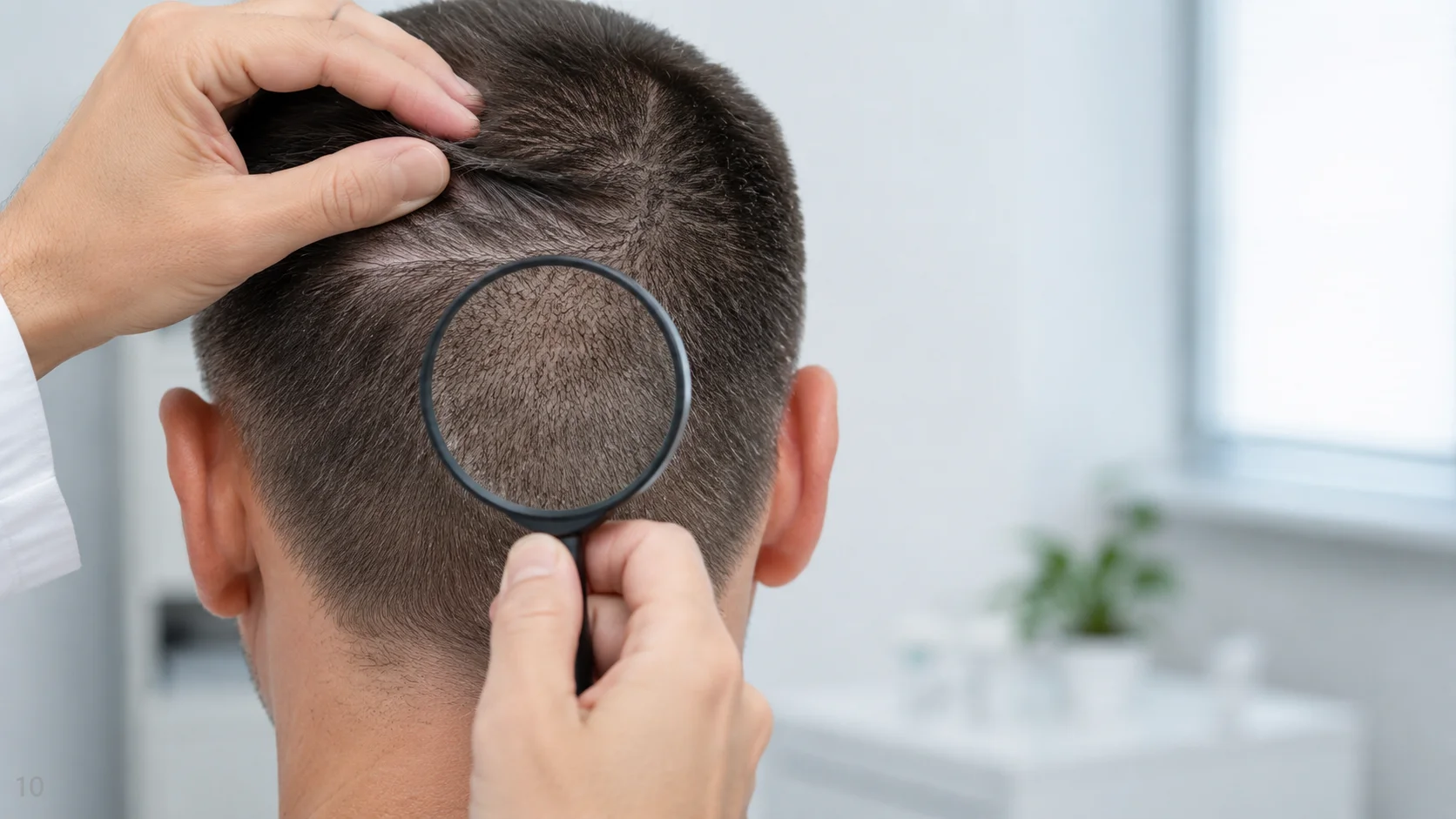
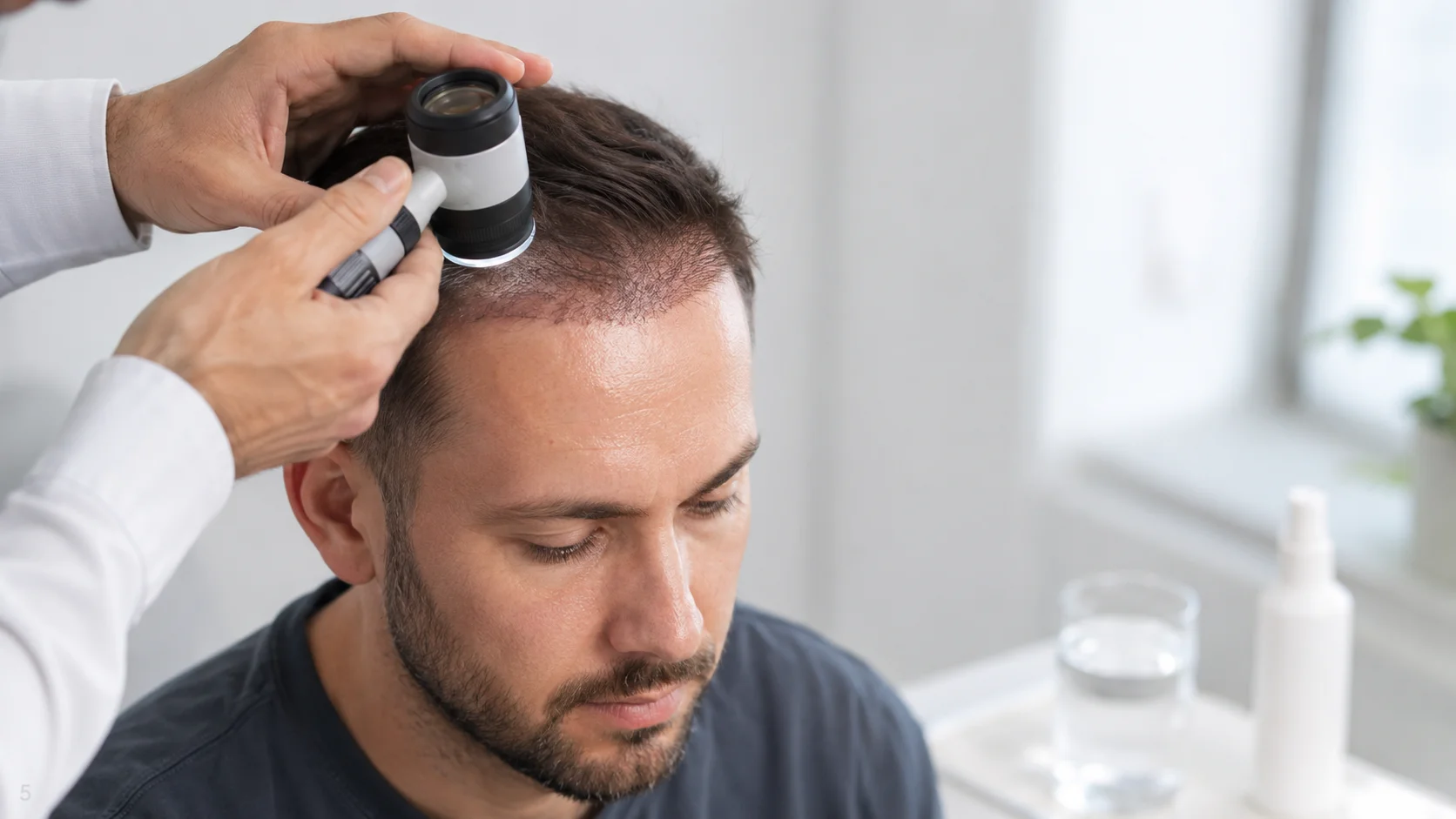
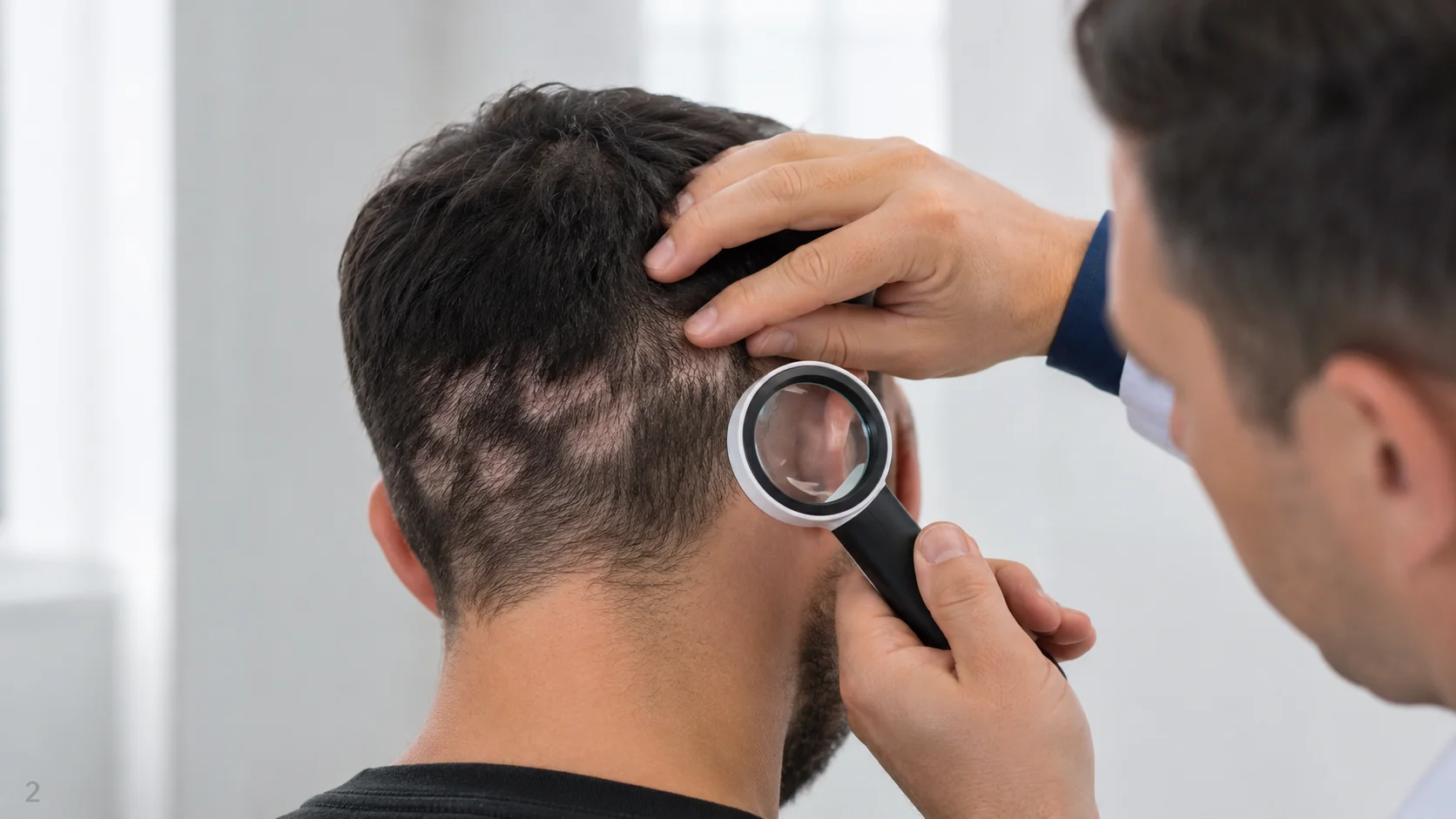
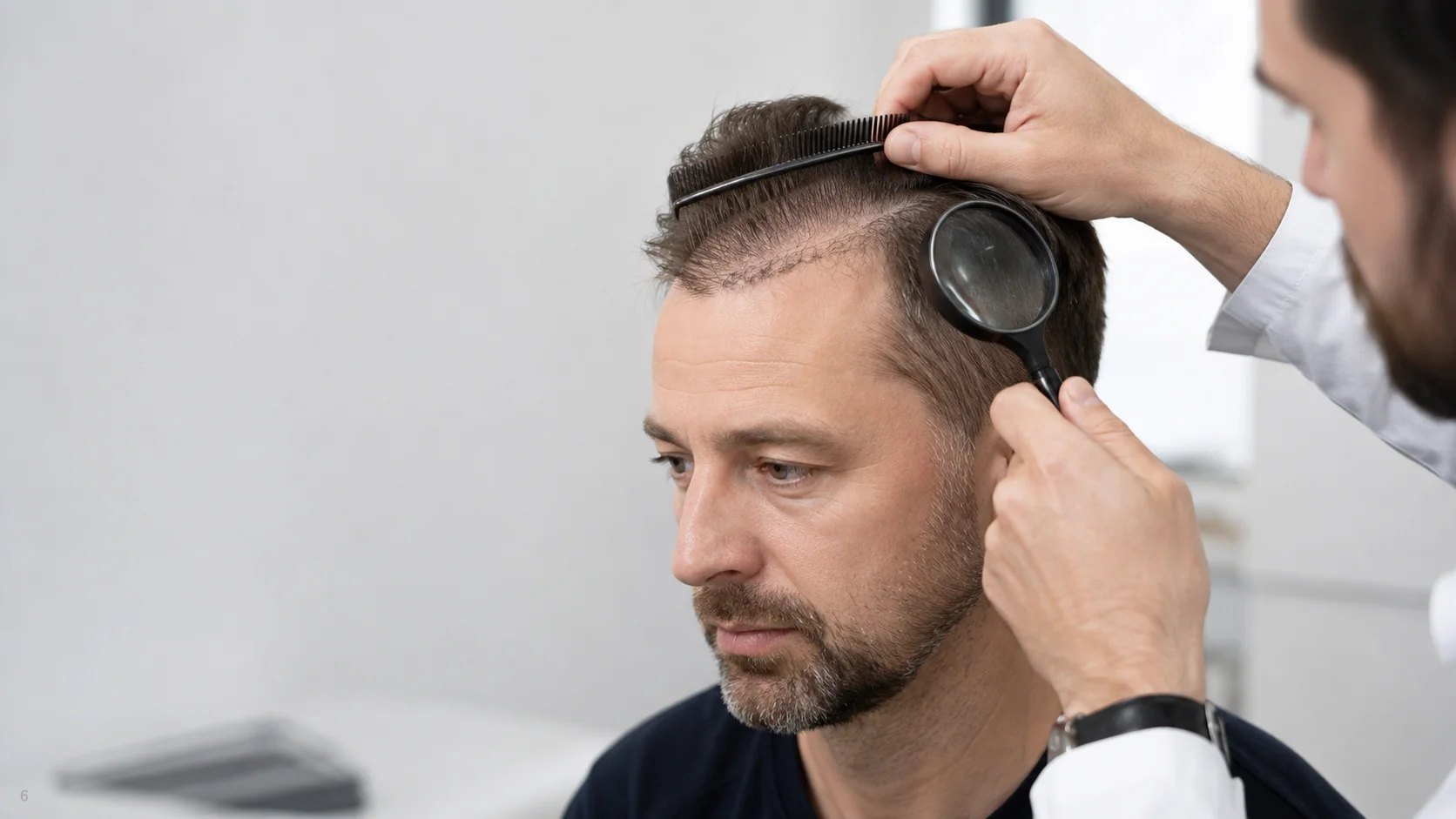
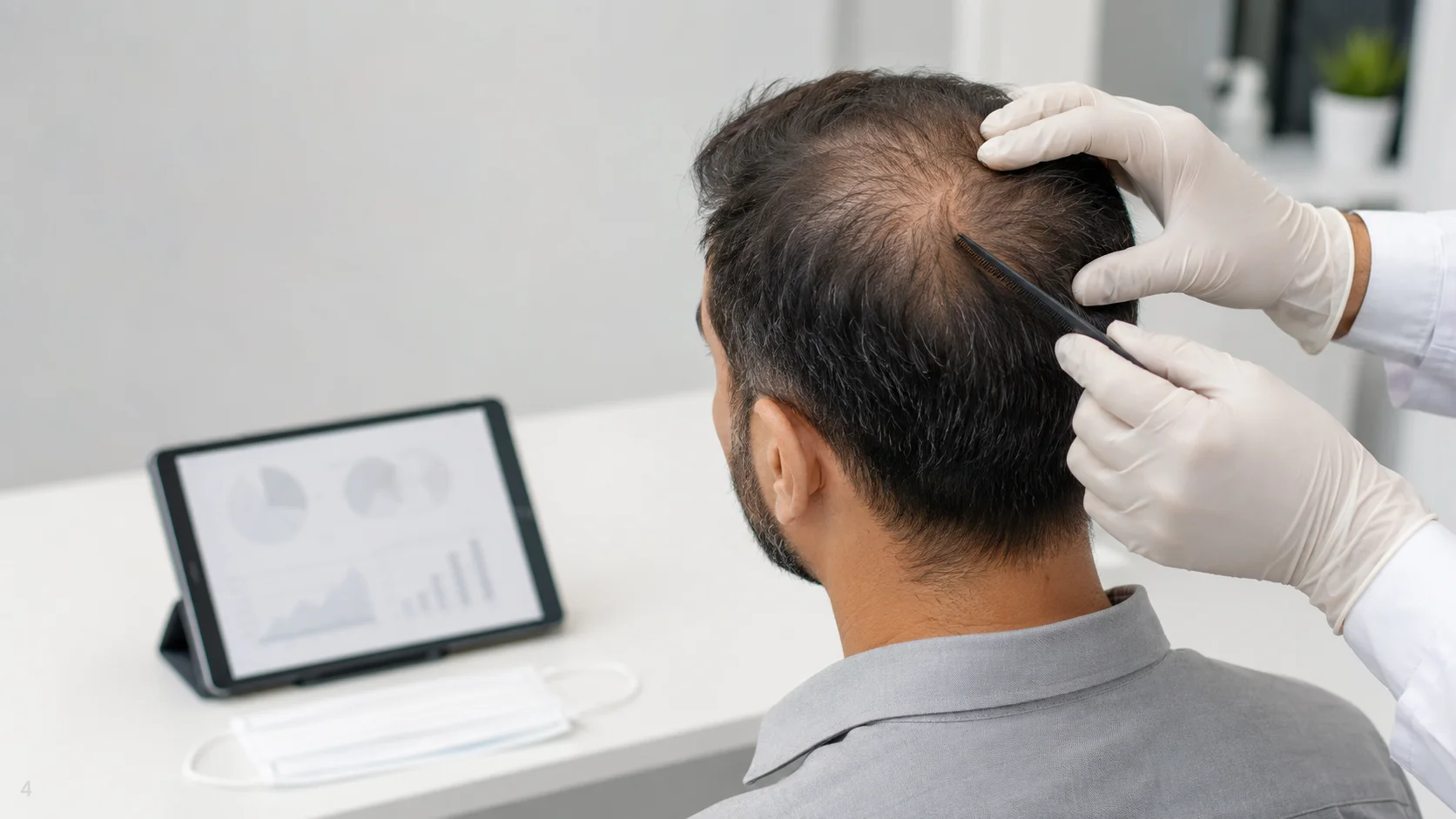
Shock loss after a hair transplant is a temporary shedding event that can affect transplanted hairs, existing native hairs, or both. It usually happens because the scalp has gone through surgical stress, even when the procedure itself is performed carefully.
For many patients, shock loss is one of the most emotionally difficult parts of the hair transplant journey. The scalp may initially look promising after surgery, then several weeks later the hair begins to shed. This can feel like the transplant has failed, but in many cases, shedding is part of the normal biological response to surgery.
Shock loss is not the same as the complete recovery timeline after a hair transplant. Recovery includes scabbing, redness, swelling, healing, growth, and maturation. Shock loss is a more specific topic: why hair sheds after surgery, which hairs are affected, whether the loss is temporary, and what can be done to reduce risk.
What Is Shock Loss?
Shock loss refers to shedding that occurs after a hair transplant because follicles are temporarily disrupted by the procedure. The technical term often used is postoperative telogen effluvium, but the practical meaning is simpler: hair follicles may enter a resting and shedding phase after surgical stress.
Shock loss can affect two groups of hairs.
The first group is transplanted hair. After grafts are implanted, the visible hair shafts often shed within the first few weeks. The follicle remains under the skin and may later produce new hair.
The second group is native hair. These are the hairs that were already present in or near the transplanted area. Native hair can shed after surgery because of inflammation, trauma, reduced blood flow, or stress on already miniaturized follicles.
Understanding which type of shock loss is happening helps set expectations.
Transplanted Hair Shedding
Shedding of transplanted hair is very common. After grafts are moved from the donor area to the recipient area, many hairs enter a resting phase. The visible shaft falls out, but the follicle can remain alive beneath the scalp.
This usually happens within the first few weeks after surgery, although timing varies. It may look dramatic because the newly placed hairs disappear after the initial healing period.
This type of shedding is usually expected. New growth typically begins gradually in the following months. The first hairs may be fine and uneven before thickening over time.
The key point is that losing the hair shaft does not necessarily mean losing the graft. If the follicle survives, it can produce new hair later.
Native Hair Shock Loss
Native hair shock loss can be more concerning. It occurs when pre-existing hairs near the transplant area shed after surgery.
This is more likely when native hairs are already miniaturized from androgenetic alopecia. Miniaturized hairs are weaker and may be more vulnerable to surgical stress. In many cases, these hairs return over time. However, if they were already close to the end of their growth capacity, they may not fully recover.
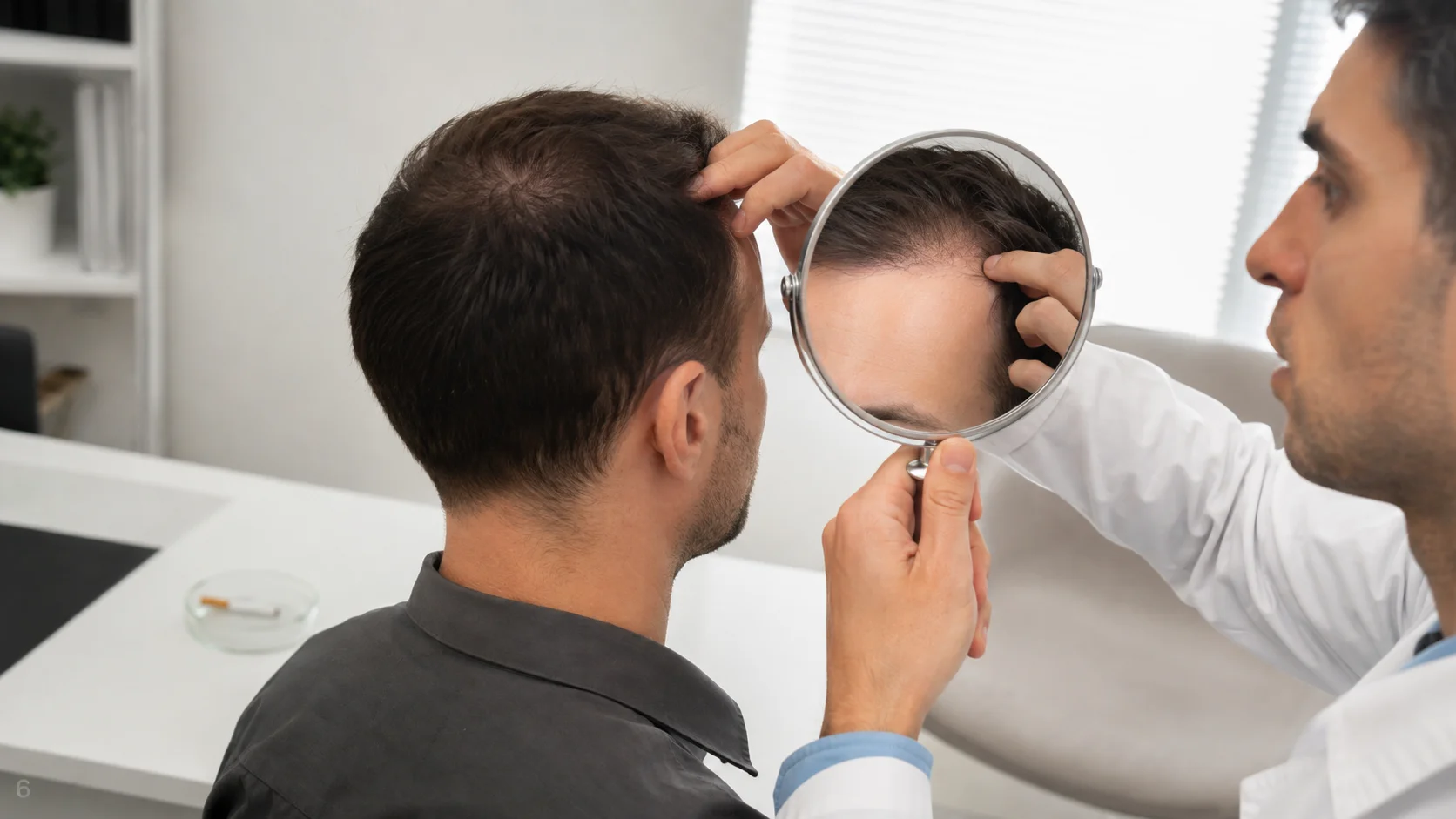
Native shock loss can affect the recipient area, surrounding thinning zones, or sometimes the donor area. Donor-area shock loss may occur after both FUE and FUT, although the pattern can differ.
This is why preoperative planning matters. A hair transplant should consider not only where grafts will be placed, but also how much vulnerable native hair remains in the area.
Why Shock Loss Happens
Shock loss can be triggered by several factors. It is not always caused by a mistake. Even a well-performed procedure can temporarily disturb the scalp.
Possible contributors include:
- Surgical trauma to the scalp
- Local inflammation after implantation
- Temporary disruption of blood supply
- Dense recipient-site creation
- Swelling and tissue stress
- Handling around existing miniaturized hairs
- Individual sensitivity to surgery
- Pre-existing active hair loss
- Poor aftercare or complications
The risk may increase when grafts are placed densely among existing thinning hairs. This does not mean dense work is always wrong, but it must be planned carefully.
Is Shock Loss Temporary?
Shock loss is often temporary, especially when it affects transplanted hairs. These hairs commonly shed and then regrow as part of the normal transplant cycle.
Native hair shock loss is more variable. Healthy native hair often regrows after the temporary stress passes. Miniaturized hair may recover partially, slowly, or not at all, depending on how advanced the underlying hair loss was.
Most patients need several months before judging recovery. Early shedding does not predict the final result on its own.
If shedding is accompanied by severe pain, infection, spreading redness, pus, or unusual scalp changes, it should be assessed promptly. Those symptoms are not simply routine shock loss.
Can Shock Loss Be Prevented?
Shock loss cannot always be prevented, but the risk can be reduced. Prevention begins before surgery with proper candidate selection and planning.
Important preventive factors include:
- Correct diagnosis of hair loss
- Stabilizing progressive hair loss when appropriate
- Conservative hairline and density planning
- Careful spacing of recipient sites
- Gentle graft handling
- Avoiding unnecessary trauma to native hairs
- Managing inflammation and infection risk
- Following aftercare instructions
Some patients may be advised to use medical treatments before or after surgery, such as minoxidil or DHT-targeting medication when appropriate. These decisions should be individualized. Not every patient can or should use the same medications.
How Shock Loss Is Managed
Management depends on the type and severity of shedding. In many cases, reassurance and observation are appropriate because transplanted hair shedding is expected.
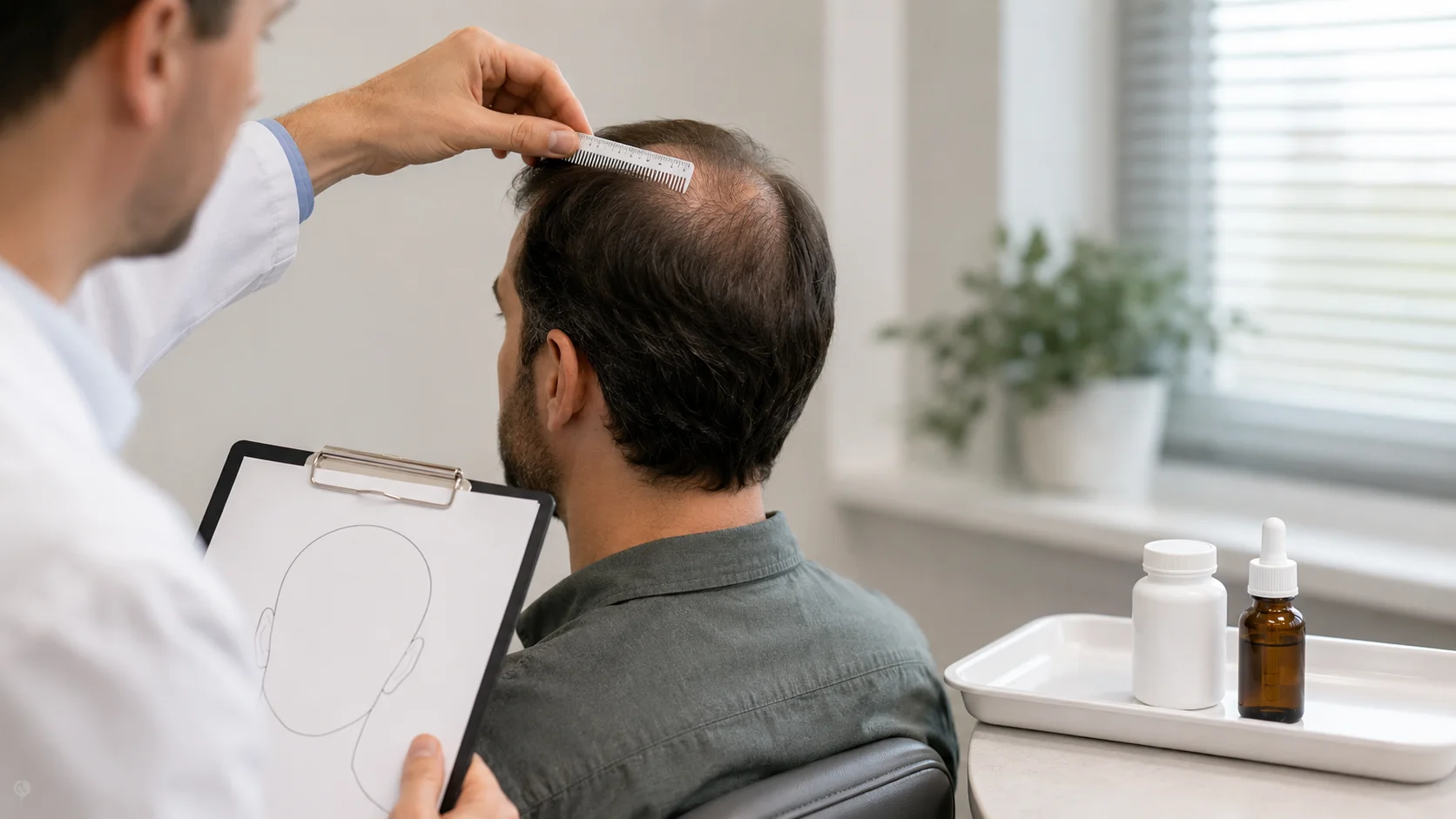
If native hair shock loss occurs, the clinician may review whether ongoing hair loss is active and whether medical stabilization is suitable. Consistent photography can help track changes over time.
Patients should avoid aggressive scalp treatments, harsh scratching, or starting multiple unplanned products during the shedding phase. Adding too many interventions can irritate the scalp and make it harder to understand what is happening.
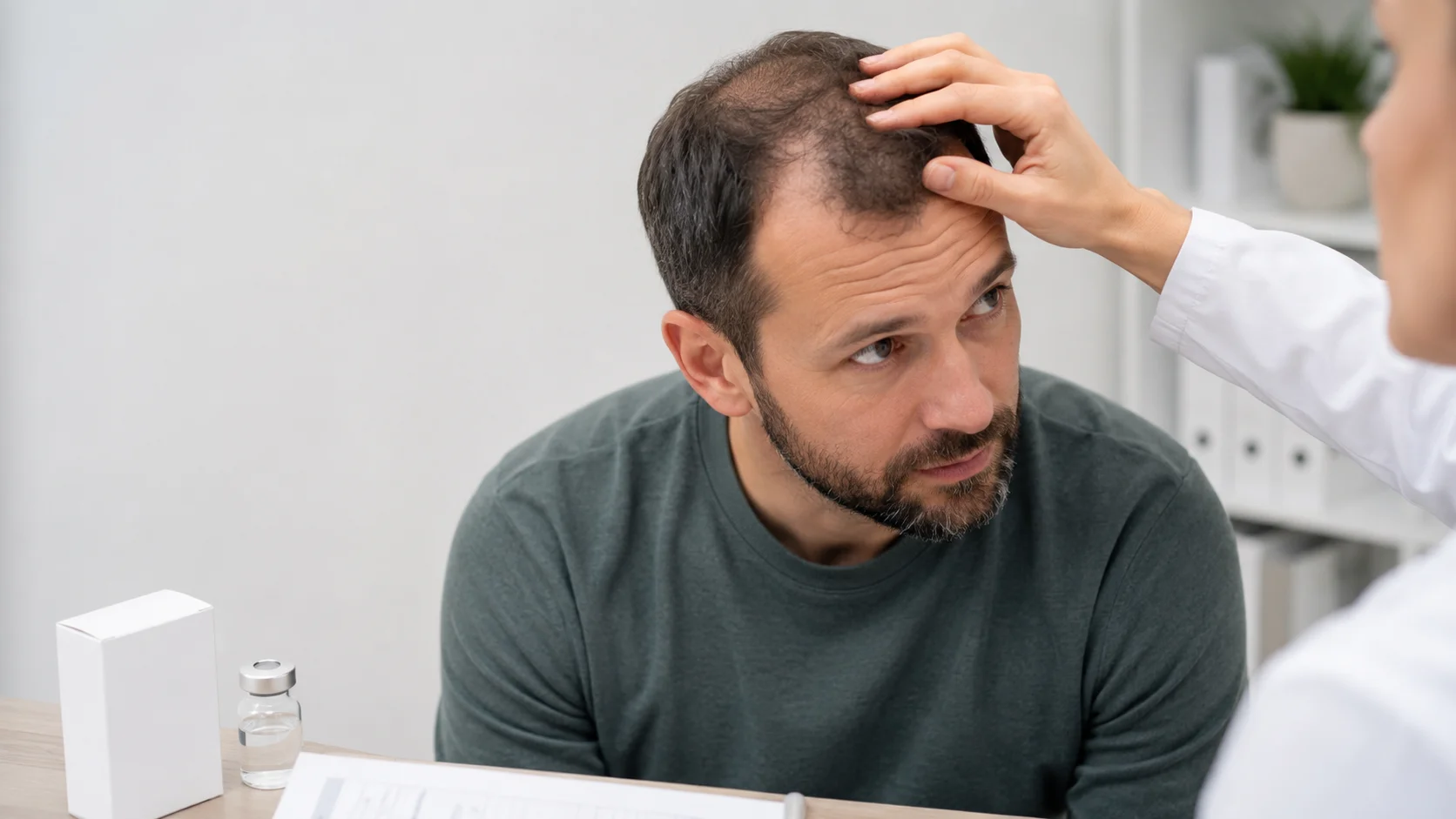
A professional evaluation is important if shedding is severe, prolonged, patchy, painful, or associated with scalp inflammation.
Shock Loss and Long-Term Results
Shock loss can make the early months feel discouraging, but it does not automatically mean a poor final outcome. Hair transplant results should be judged after growth and maturation, not during the shedding phase.
The long-term result depends on graft survival, donor quality, hair characteristics, surgical design, healing, and whether native hair continues to thin. Shock loss is only one part of that picture.
For patients with ongoing androgenetic alopecia, long-term planning is essential. A transplant can restore selected areas, but it does not stop genetic hair loss in non-transplanted native hair.
FAQ
When does shock loss happen after a hair transplant?
Shock loss often appears within the first few weeks after surgery, though timing varies. Transplanted hair shedding is especially common during the early postoperative period.
Is shock loss a sign that the transplant failed?
Not usually. Transplanted hairs often shed while the follicle remains alive beneath the scalp. New growth may begin later.
Can native hair fall out after a hair transplant?
Yes. Native hair near the transplanted area can shed after surgical stress, especially if it was already miniaturized.
Will shock loss grow back?
Transplanted hair usually regrows if the graft survives. Native hair may recover if the follicles were healthy enough, but very miniaturized hairs may not fully return.
Can medication reduce shock loss risk?
In selected patients, medical therapy may help stabilize ongoing hair loss before or after surgery. This should be discussed individually with a qualified professional.
Final Thoughts
Shock loss after a hair transplant is common, often temporary, and usually most alarming before it is medically meaningful. The important distinction is whether shedding affects transplanted hairs, native hairs, or both.
Good planning can reduce the risk, but it cannot eliminate every shedding response. Patients are best served by clear expectations, careful follow-up, and a long-term plan for ongoing hair loss. This topic naturally connects with broader Hairloss Authority guides on recovery timelines, transplant density, hairline planning, FUE, FUT, and medical stabilization.
This article is for general informational purposes only and does not replace individualized medical advice, diagnosis, or treatment from a qualified healthcare professional.