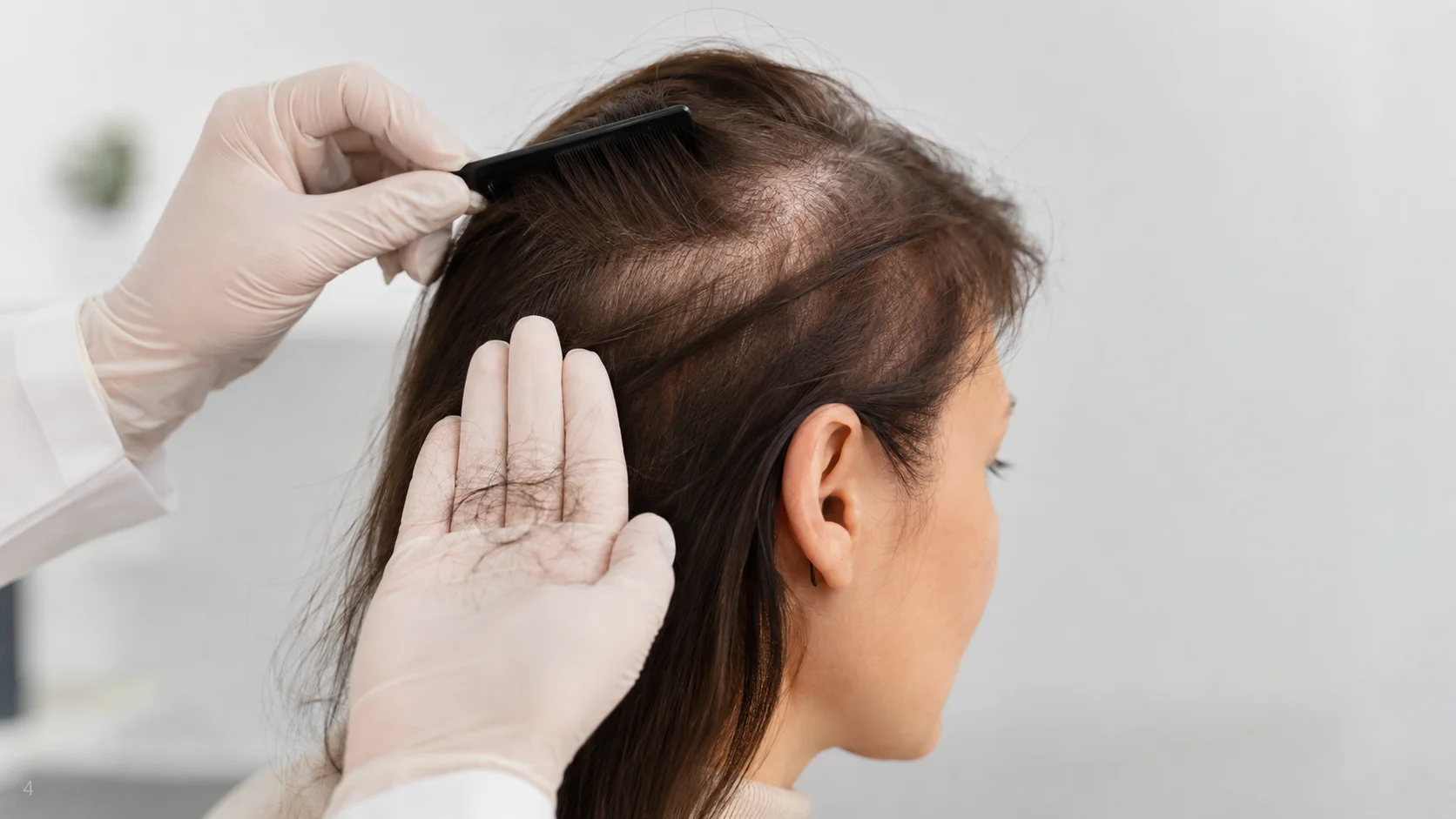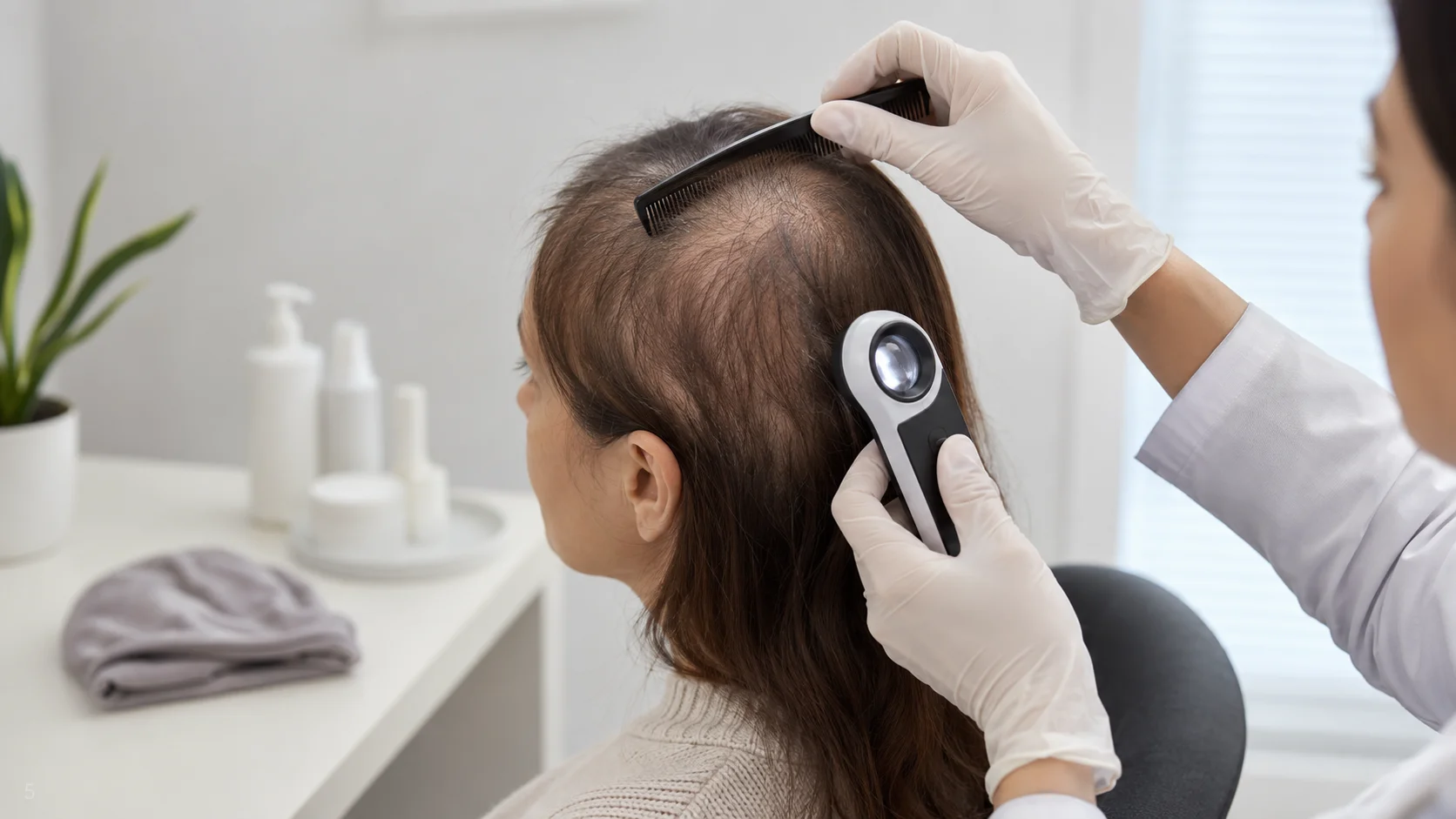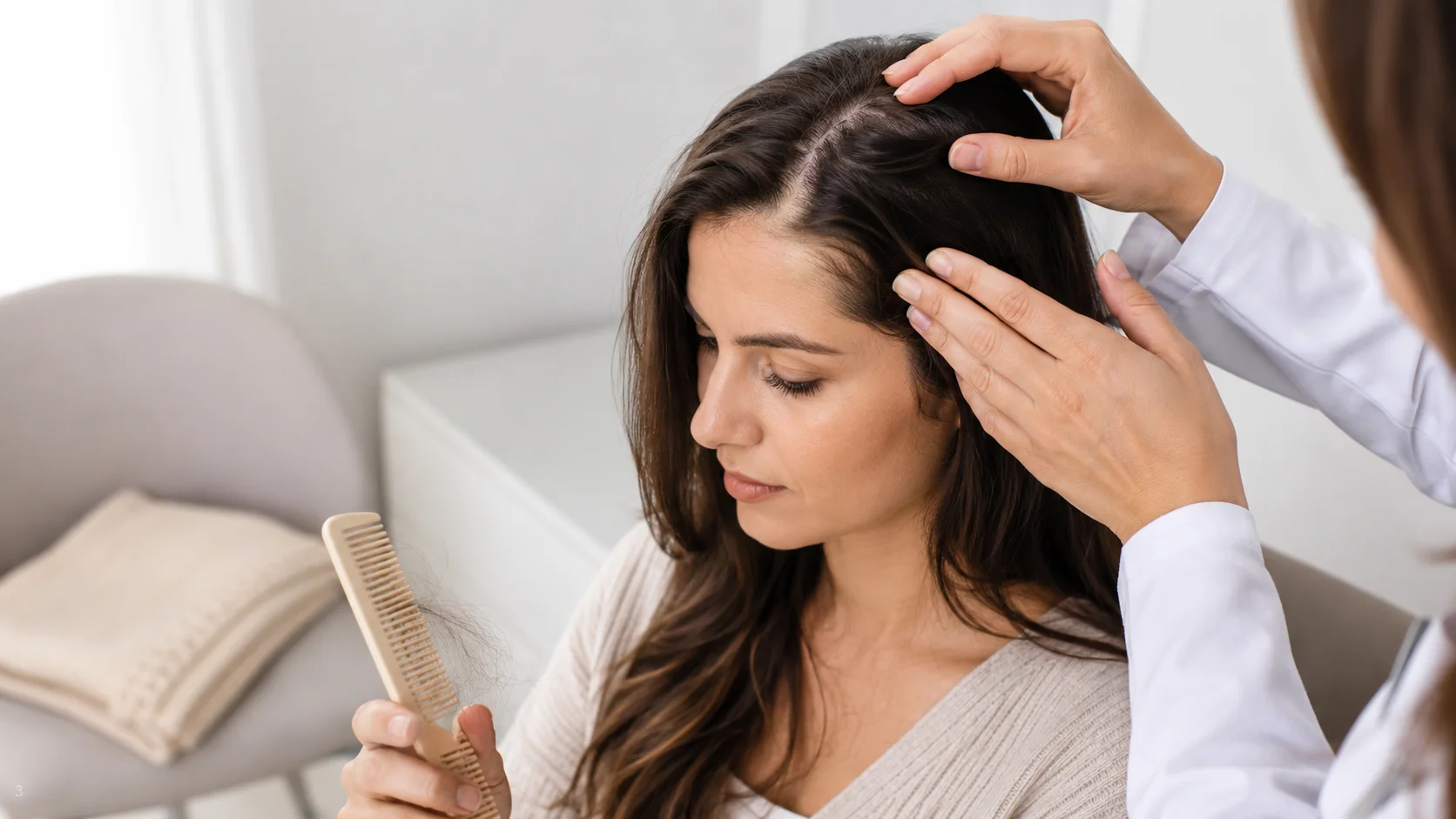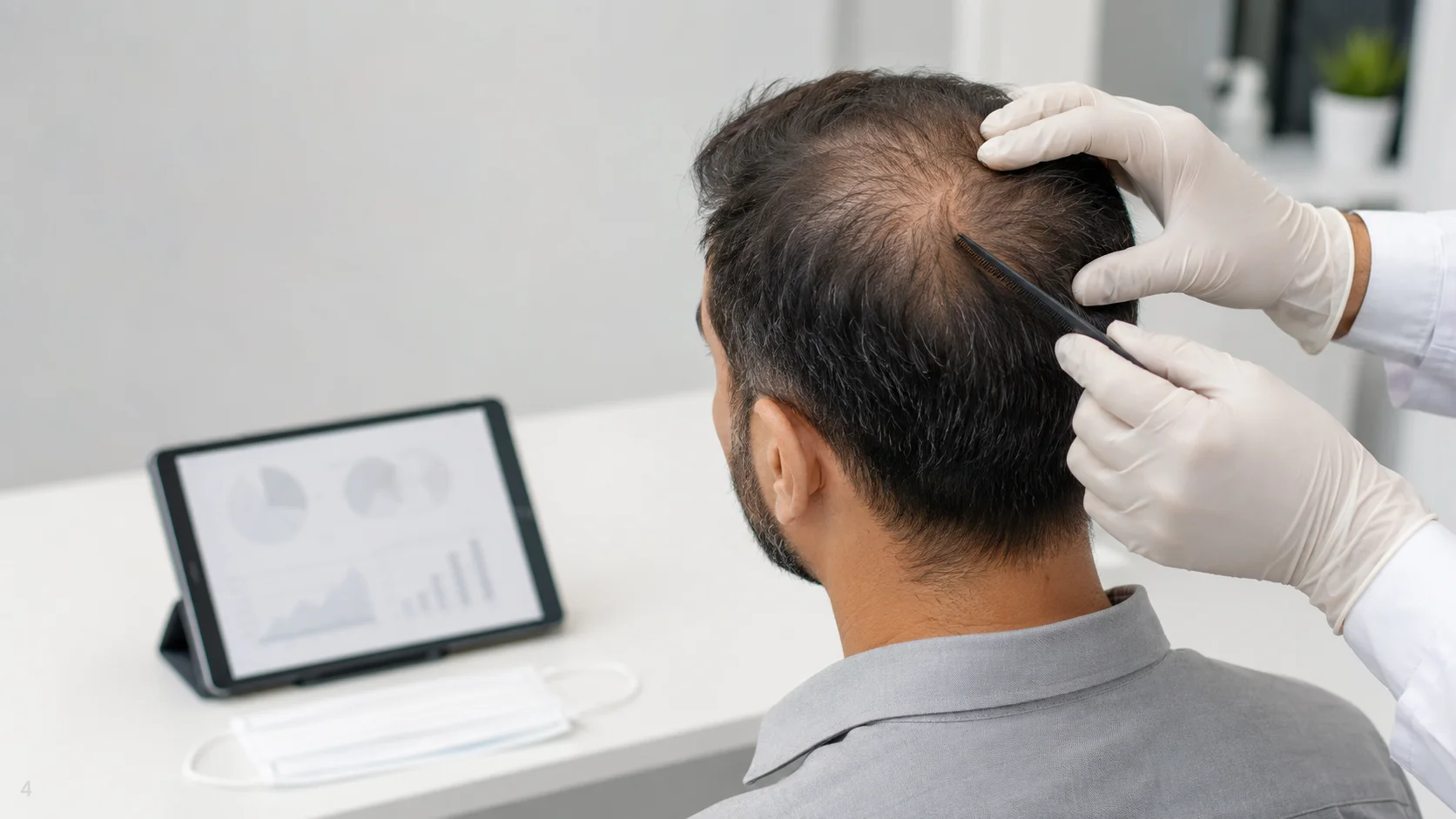
Hair loss after COVID-19 has been widely reported since the pandemic began. For many people, the pattern is not immediate baldness but increased shedding that appears weeks or months after infection. This is most often consistent with telogen effluvium, a temporary hair cycle shift that can follow illness, fever, stress, weight change, or systemic inflammation.
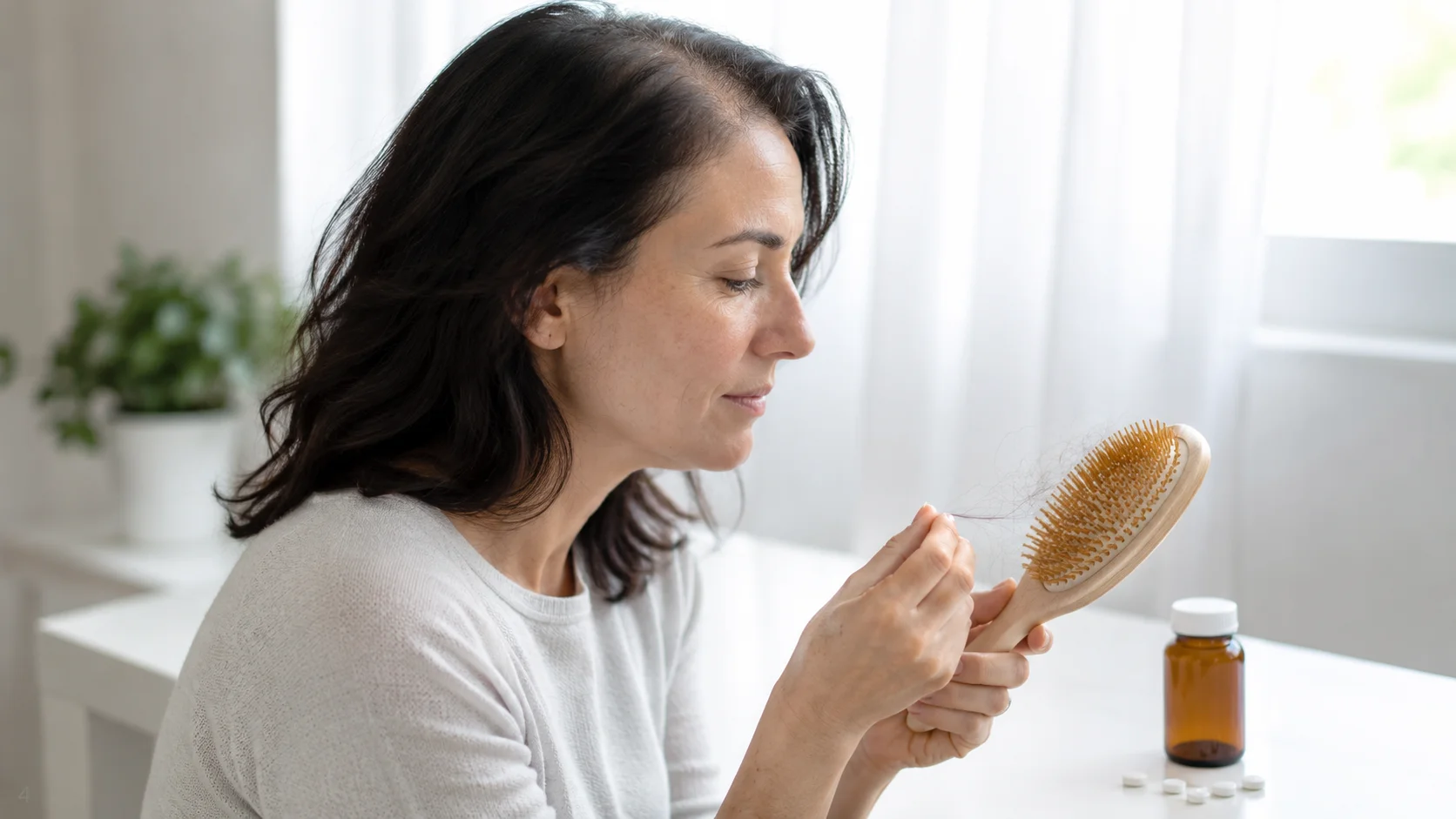
COVID-related hair shedding can be unsettling because it may begin after the acute infection has resolved. Someone may feel physically better, then notice excessive hair in the shower, brush, or on clothing. The delay can make the connection hard to recognize.
Current evidence suggests that post-COVID hair shedding is usually temporary, but severity and recovery time vary. It is also important not to assume every case of hair loss after COVID is caused only by COVID. Other medical, nutritional, hormonal, and genetic factors may overlap.
Why COVID-19 Can Trigger Hair Shedding
Significant infections can disrupt the hair cycle. When the body experiences fever, inflammation, immune activation, reduced intake, emotional stress, or physiological strain, more follicles may shift from the growth phase into the resting phase.
These hairs do not fall out immediately. They typically shed later, often around 2 to 3 months after the triggering event. This delayed pattern is characteristic of telogen effluvium.
COVID-19 may contribute through several pathways:
- Fever or systemic illness
- Inflammatory stress
- Emotional stress and sleep disruption
- Weight loss or reduced nutrition during illness
- Medication changes
- Hospitalization or severe physical stress
- Post-viral recovery changes
The trigger may be mild in some people and severe in others. Hair shedding has been reported after both significant and less severe infections, though risk may be higher after more intense illness.
What the Evidence Suggests
Studies and clinical reports have found increased telogen effluvium after COVID-19 infection. Many cases begin within a few months after infection and improve gradually over time.
The evidence supports a post-infectious shedding pattern rather than the idea that COVID permanently destroys hair follicles in most people. However, research continues to evolve, especially around long COVID, immune effects, and prolonged shedding.
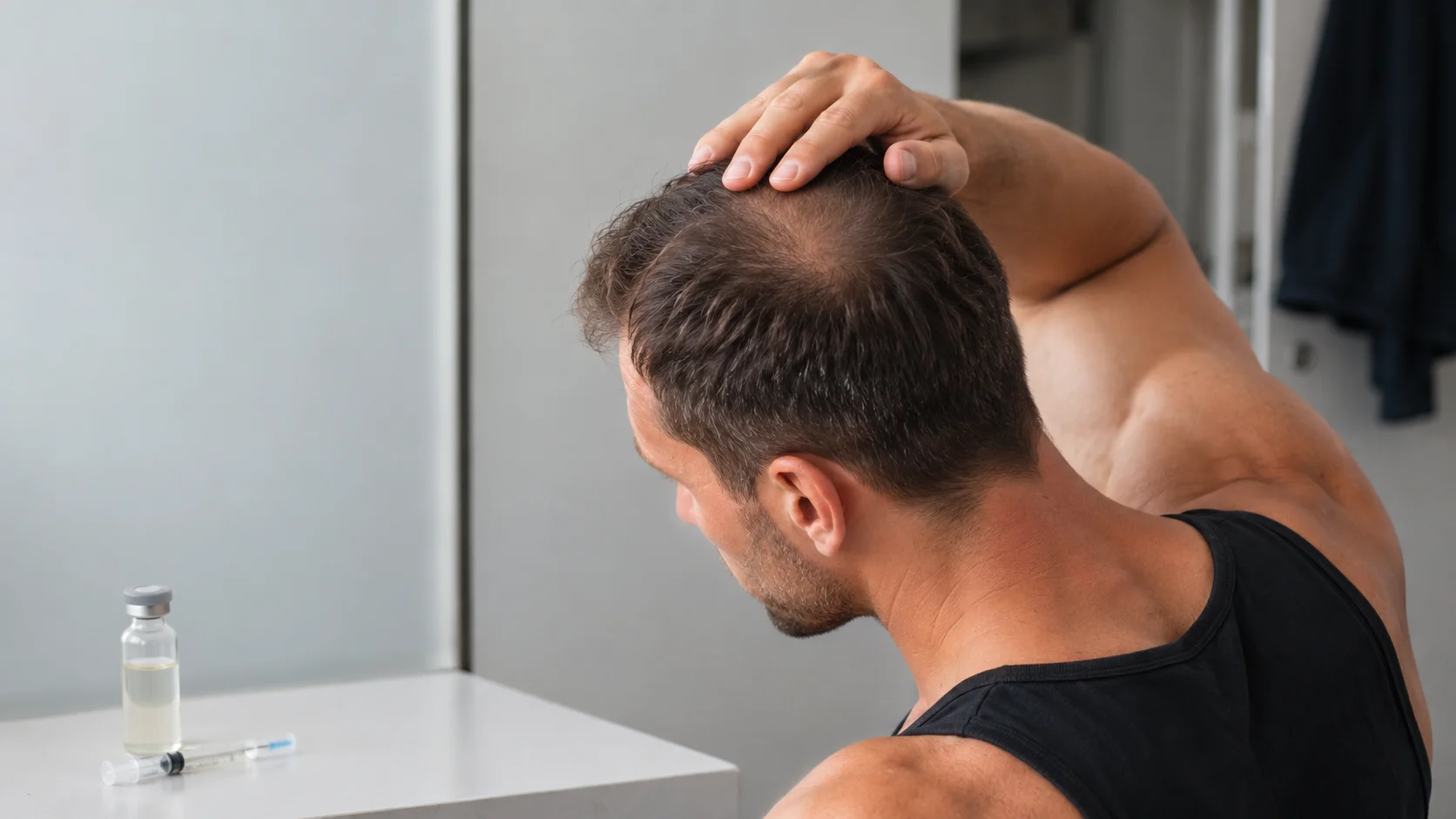
COVID-related shedding may also uncover underlying androgenetic alopecia. A person with early pattern thinning may not notice it until a shedding episode reduces overall density. After the shedding improves, pattern thinning may remain more visible.
A balanced reading of the evidence is that COVID-19 can be a meaningful trigger for temporary shedding, but persistent or unusual hair loss deserves proper evaluation.
Symptoms and Pattern
Post-COVID hair loss usually presents as diffuse shedding. People may notice more hair fall during washing, brushing, or styling. The ponytail may feel thinner, or the scalp may appear more visible under bright light.
The pattern is usually widespread rather than patchy. It should not typically cause smooth bald spots, scarring, pustules, severe scaling, or painful inflammation.
Some people describe scalp sensitivity or discomfort during shedding, but significant pain, redness, or sores should be assessed because they may indicate another condition.
Timing
Hair shedding after COVID often begins several weeks to a few months after infection. A common window is around 2 to 3 months, but timing can vary.
This delay reflects the hair cycle. The triggering illness shifts follicles into a resting phase, and those hairs shed later. Because of this, the amount of shedding may seem sudden even though the biological process began earlier.
Shedding may last several weeks to a few months. If shedding continues beyond 6 months, recurs repeatedly, or is severe, further evaluation may be helpful.
Recovery
Many cases improve as the body recovers and the hair cycle resets. Shedding usually slows before fullness returns. Regrowth can take months because hair grows gradually.
Recovery may depend on:
- Severity of infection
- Fever duration
- Nutritional status
- Iron and thyroid health
- Stress levels
- Sleep and overall recovery
- Pre-existing hair loss
- Age and hair characteristics
Short regrowth hairs may appear along the hairline or part as recovery begins. These can be a good sign, though they take time to blend with longer hair.
Treatment and Supportive Care
There is no single COVID-specific hair loss treatment. Management depends on the pattern and cause.
For typical post-infectious telogen effluvium, the focus is supportive care and identifying ongoing contributors. This may include adequate protein intake, correcting deficiencies, reviewing medications, managing thyroid or iron issues, and reducing avoidable scalp trauma.
Minoxidil may be discussed in selected cases, especially if shedding reveals pattern hair loss, but it is not automatically necessary for every post-COVID shedding episode.
Gentle hair care can help reduce breakage while shedding resolves. Avoid tight hairstyles, harsh chemical processing, excessive heat, and aggressive brushing.
When to Seek Evaluation
Medical evaluation is appropriate when the pattern does not fit typical temporary shedding or when symptoms suggest another diagnosis.
Consider professional assessment if:
- Shedding lasts more than 6 months
- Hair loss is patchy
- The scalp is painful, red, scaly, or inflamed
- There are pustules or crusting
- Hair does not begin recovering
- Fatigue, weight change, or menstrual changes are present
- There is known thyroid disease or iron deficiency
- Pattern thinning becomes more obvious
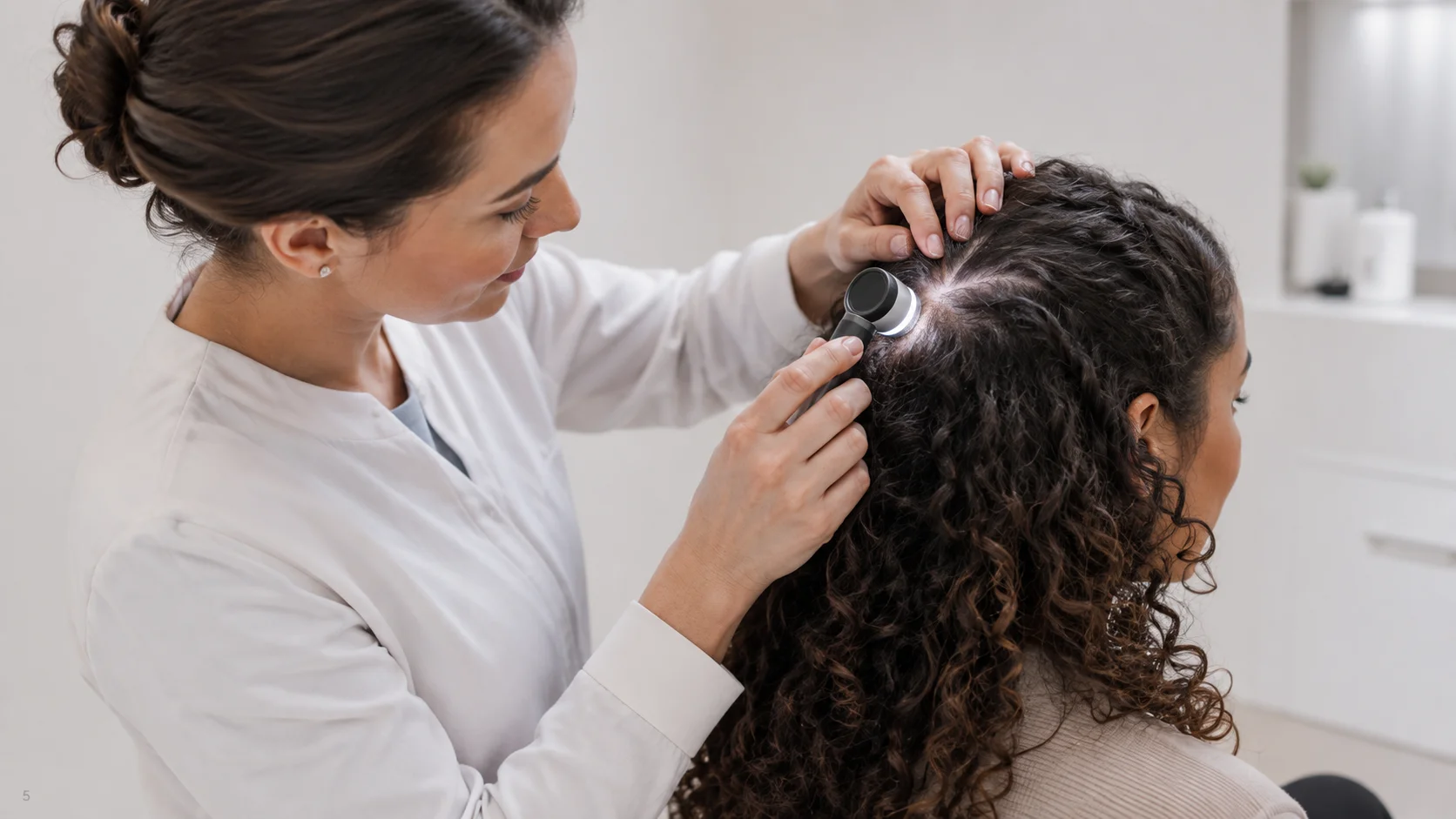
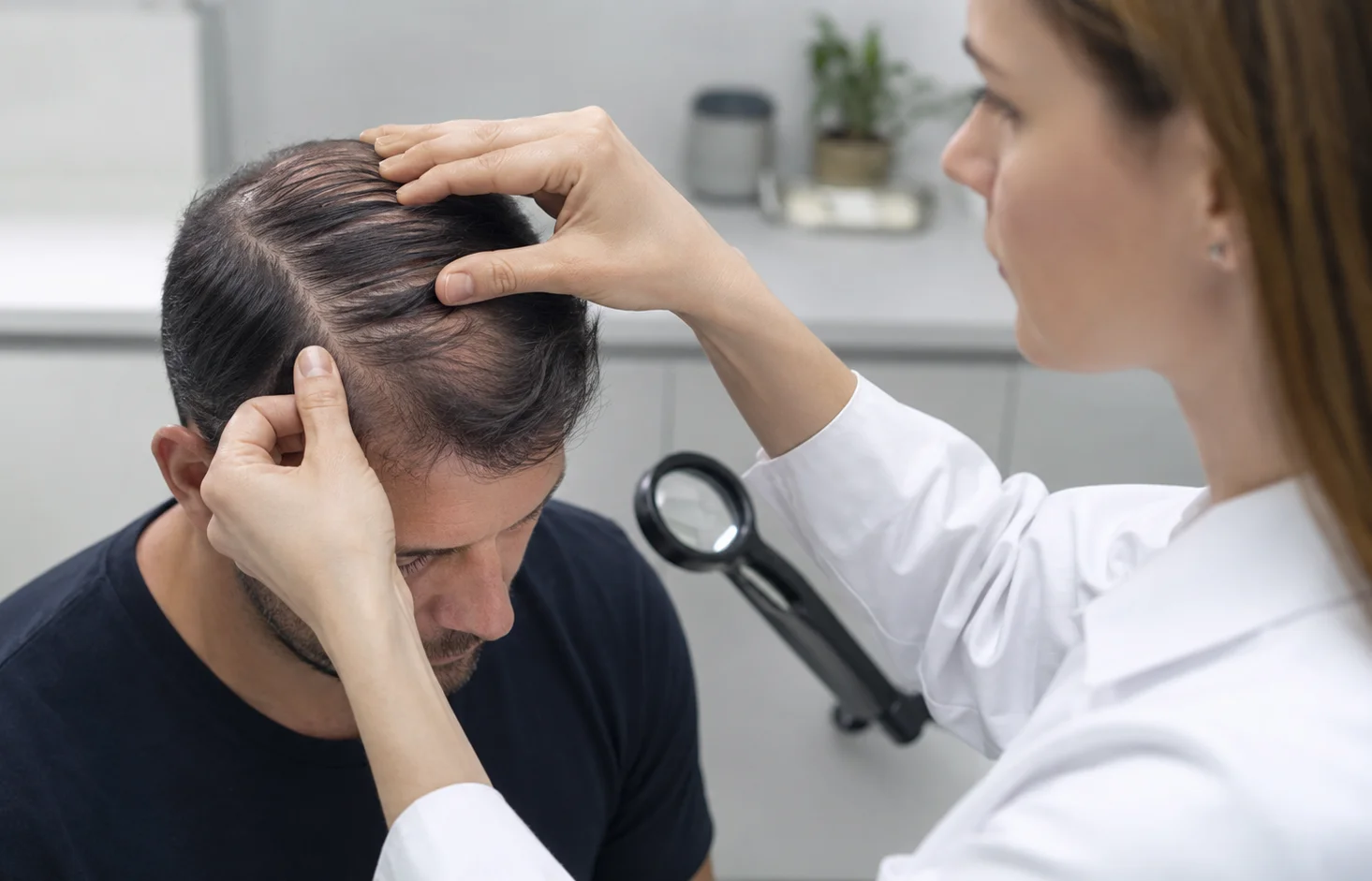
A clinician may consider blood tests, scalp examination, pull testing, trichoscopy, or other evaluation depending on the case.
Common Misconceptions
One misconception is that COVID-related hair loss is always permanent. Most post-infectious shedding is temporary, although recovery can feel slow.
Another misconception is that supplements alone will fix the problem. Supplements may help when a deficiency exists, but unnecessary products do not force the hair cycle to reset faster.
A third misconception is that all hair loss after COVID is the same. Some people have telogen effluvium, while others may have androgenetic alopecia, alopecia areata, medication-related shedding, or scalp inflammation that simply became noticeable after infection.
FAQ
Is hair loss after COVID-19 common?
Increased shedding has been commonly reported after COVID-19 and is often consistent with telogen effluvium after illness.
When does COVID-related hair shedding start?
It often begins around 2 to 3 months after infection, though timing can vary.
Does hair grow back after COVID-related shedding?
In many cases, yes. If follicles are not permanently damaged and no other condition is present, shedding often improves gradually.
Should I take supplements for hair loss after COVID?
Supplements are useful when there is a deficiency or specific need. They are not a guaranteed treatment for post-viral shedding.
When should I worry about hair loss after COVID?
Seek evaluation if shedding is prolonged, patchy, painful, inflammatory, or if density does not begin improving over time.
Final Thoughts
Hair loss after COVID-19 is most often a delayed shedding response to illness and stress on the body. The evidence supports telogen effluvium as a common explanation, but not every case should be treated as identical.
Most people need time, supportive care, and evaluation for ongoing contributors when shedding is severe or persistent. This topic naturally connects with Hairloss Authority guides on telogen effluvium, diffuse hair shedding, nutritional hair loss, and androgenetic alopecia.
This article is for general informational purposes only and does not replace individualized medical advice, diagnosis, or treatment from a qualified healthcare professional.