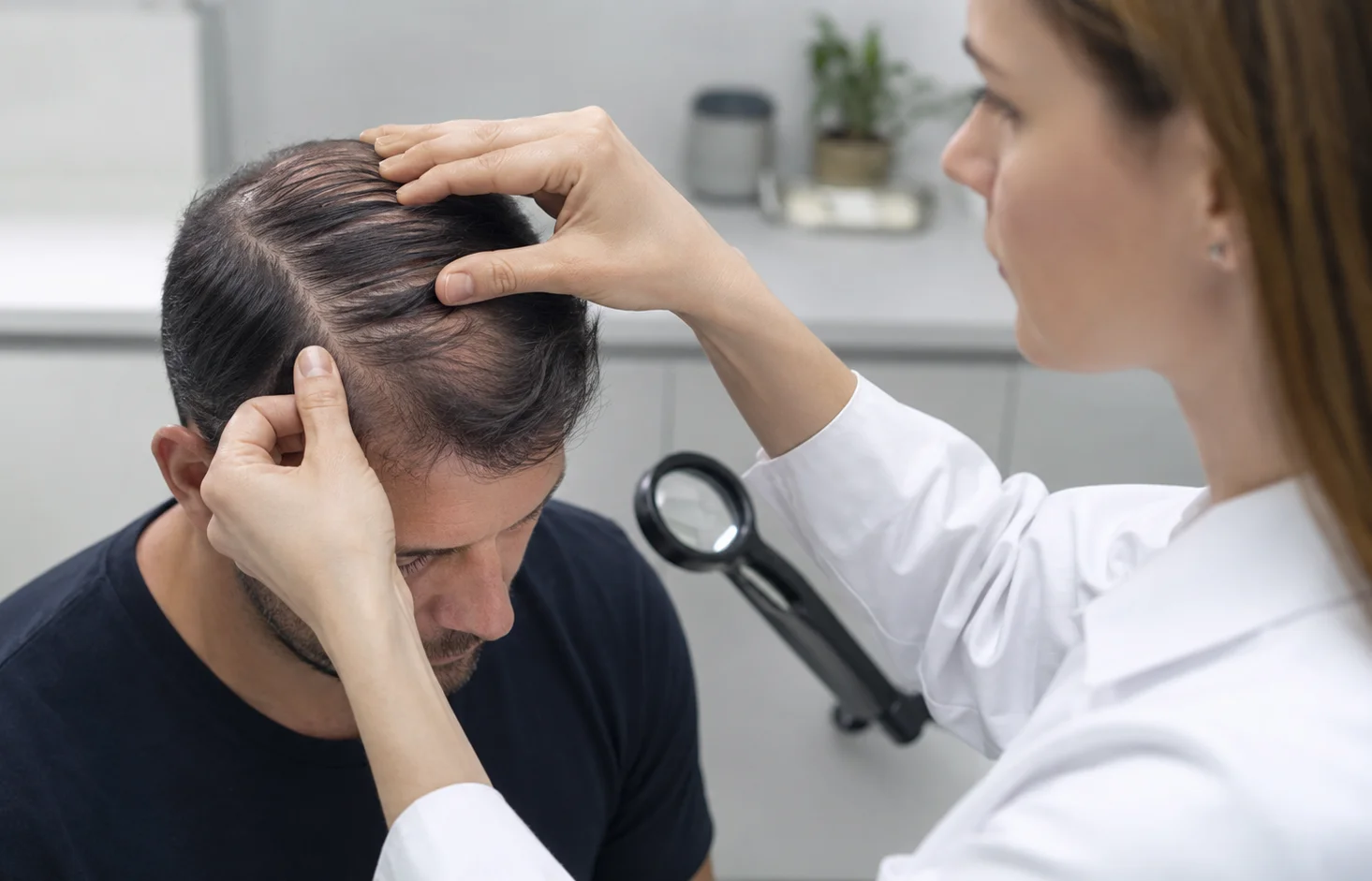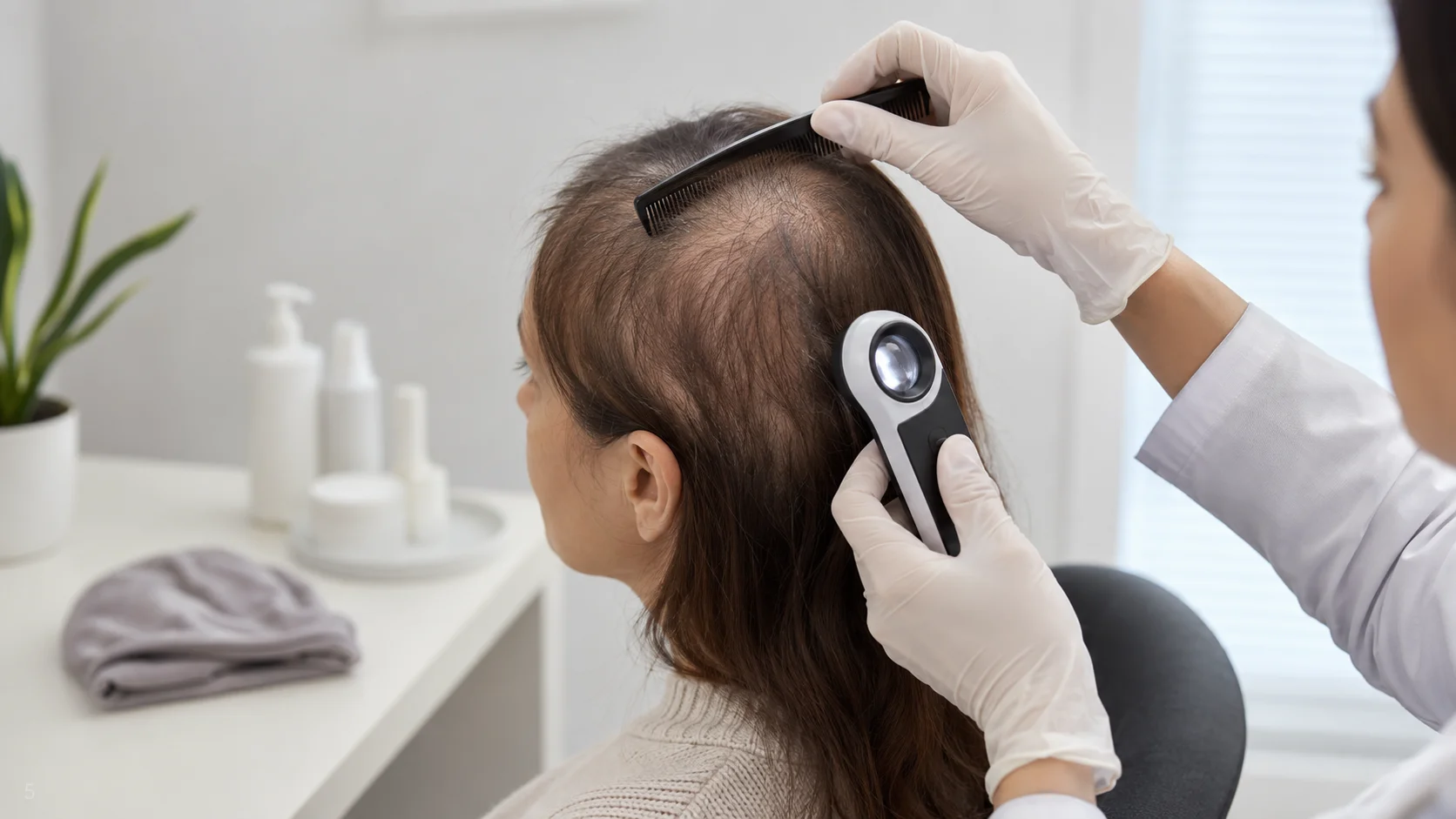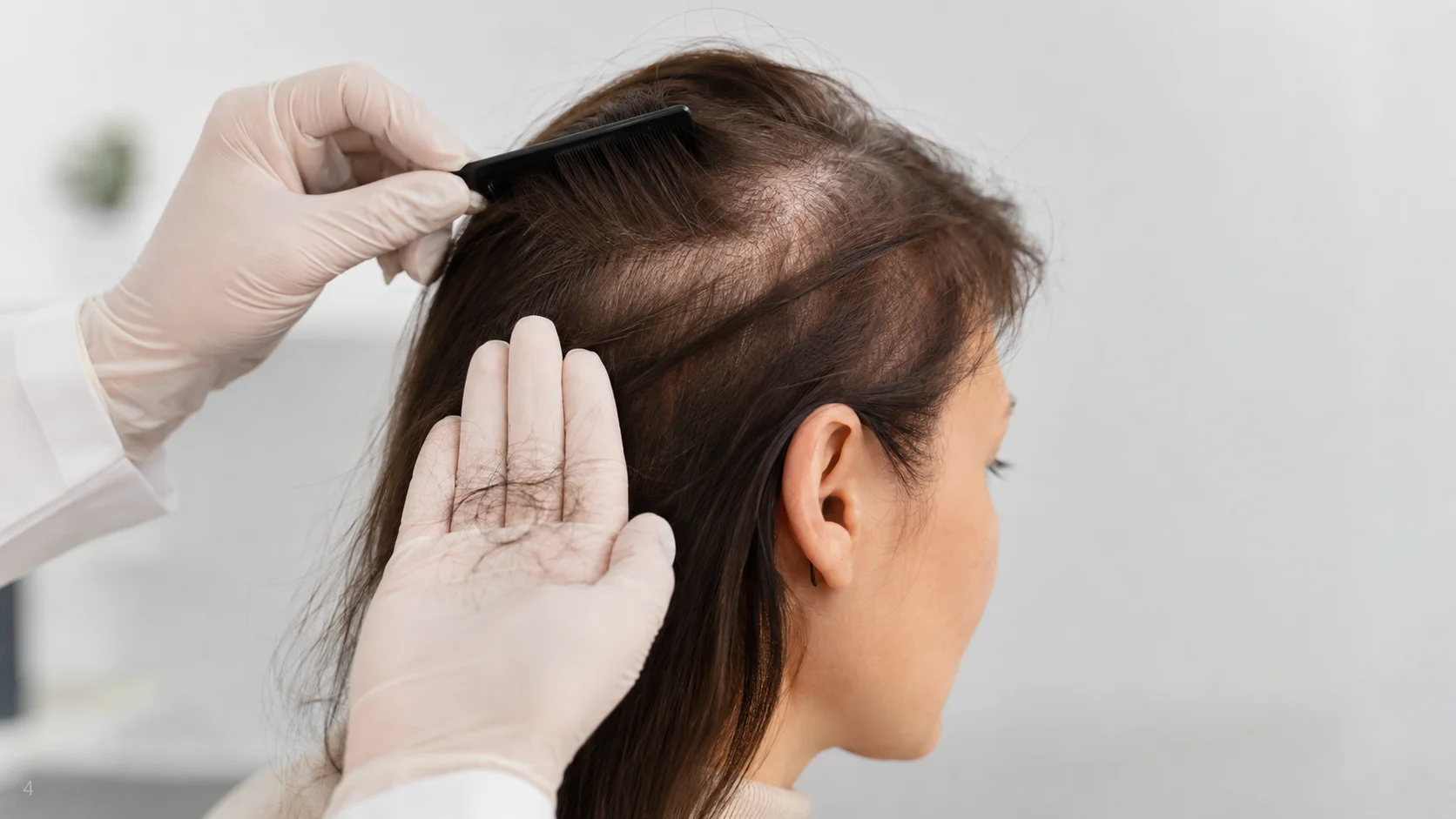
Telogen effluvium is a common form of temporary hair shedding that occurs when more hairs than usual shift into the resting phase of the hair cycle. It often appears several weeks or months after a physical, emotional, hormonal, or nutritional trigger.
People with telogen effluvium usually notice increased shedding rather than sudden bald patches. Hair may come out more easily during washing, brushing, or styling. The scalp may look thinner overall, but the pattern is often diffuse rather than sharply defined.
The timing can be confusing. Because shedding is delayed, many people do not immediately connect it with the illness, stress, surgery, childbirth, diet change, or medication change that happened earlier. Understanding this delay is central to understanding telogen effluvium.
What Happens in Telogen Effluvium?
Hair follicles move through growth, transition, resting, and shedding phases. In a healthy scalp, most hairs are in the active growth phase, while a smaller percentage rests and sheds as part of normal renewal.
In telogen effluvium, a trigger pushes a larger number of follicles into the resting phase. These hairs do not usually fall out immediately. They shed later, often around 2 to 3 months after the triggering event.
This delayed shedding is one of the defining features of telogen effluvium. The hair loss may feel sudden when it begins, but the biological shift often started earlier.
Common Causes
Telogen effluvium can be triggered by many forms of physiological or emotional stress. The trigger may be obvious, subtle, or multifactorial.
Common triggers include:
- High fever or significant illness
- Surgery or major physical stress
- Childbirth
- Severe emotional stress
- Rapid weight loss
- Restrictive dieting
- Iron deficiency or low ferritin
- Thyroid imbalance
- Medication changes
- Stopping hormonal contraception
- Major life stress
- Nutritional deficiency
- Chronic systemic illness
Sometimes more than one factor is present. For example, a person may experience illness, weight loss, and stress in the same period, making the shedding more noticeable.
Symptoms of Telogen Effluvium
The main symptom is increased shedding. People may see more hair in the shower drain, on pillows, in hairbrushes, or on clothing.
The thinning is usually diffuse, meaning it affects the scalp broadly rather than creating a single bald patch. The part line may look wider, the ponytail may feel smaller, or the scalp may be more visible under bright light.
Telogen effluvium does not usually cause scarring, scaling, severe pain, or permanent follicle destruction. If there is redness, burning, flaking, pustules, scarring, or sharply defined patches, another diagnosis should be considered.
Acute vs Chronic Telogen Effluvium
Acute telogen effluvium lasts for a limited period and often improves once the trigger has resolved. This is the classic pattern after fever, childbirth, surgery, or a short-term stressful event.
Chronic telogen effluvium lasts longer, often more than 6 months. It may occur when the trigger continues or when the underlying cause is not identified. Some people experience fluctuating shedding over time.
Chronic shedding can also overlap with androgenetic alopecia. This matters because telogen effluvium causes shedding, while androgenetic alopecia causes progressive miniaturization. The two can exist together and require different management.
How Telogen Effluvium Is Diagnosed
Diagnosis usually begins with a detailed history. Timing is important. A clinician may ask what happened 2 to 4 months before shedding began.
The evaluation may include:
- Pattern of shedding
- Recent illnesses or fever
- Surgery or major stress
- Pregnancy or childbirth history
- Diet and weight changes
- Medication changes
- Menstrual or hormonal history
- Family history of pattern hair loss
- Scalp examination
- Hair pull test
- Blood tests when appropriate
Laboratory testing may check iron status, thyroid function, vitamin levels, or other factors depending on the situation. Not every person needs the same tests.
Recovery and Regrowth
Telogen effluvium often improves when the trigger is corrected or passes. Shedding may slow first, and visible fullness can take longer to return because hair grows slowly.
Many people begin noticing reduced shedding within months, but cosmetic recovery may take 6 to 12 months or longer depending on hair length and severity.
Regrowth may appear as short new hairs along the hairline or part. These hairs can be reassuring, but they may take time to blend with the rest of the hair.
Recovery is less predictable when the trigger continues, when nutritional deficiency persists, or when telogen effluvium overlaps with androgenetic alopecia.
Treatment and Management
The main treatment is identifying and addressing the trigger. This may involve correcting nutritional deficiencies, managing thyroid disease, reviewing medications, improving dietary adequacy, or allowing recovery after illness or childbirth.
There is no single universal treatment for telogen effluvium. Supportive care may include gentle hair handling, avoiding harsh styling, maintaining adequate protein intake, and reducing avoidable scalp irritation.
Minoxidil may be discussed in selected cases, especially if there is overlap with pattern hair loss, but it is not automatically needed for every episode of telogen effluvium.
Supplements should be used only when a deficiency or clear need exists. Taking large amounts of unnecessary supplements does not guarantee faster regrowth and may sometimes cause harm.
Emotional Impact
Even temporary shedding can be distressing. Hair may feel tied to identity, health, and confidence. The uncertainty can make people check their hair constantly, which often increases anxiety.
It can help to track shedding less obsessively and focus on consistent photos, medical evaluation, and trigger correction. Telogen effluvium often improves, but the waiting period can be difficult.
Reassurance should be honest. Many cases are reversible, but persistent shedding deserves evaluation rather than dismissal.
FAQ
How long after stress does telogen effluvium start?
Shedding often begins around 2 to 3 months after a trigger, though timing can vary.
Does telogen effluvium cause bald spots?
It usually causes diffuse shedding rather than sharply defined bald patches. Patchy hair loss may suggest another condition.
Is telogen effluvium permanent?
Most acute cases are temporary if the trigger resolves. Chronic or repeated shedding may need further evaluation.
How long does recovery take?
Shedding may slow within months, but visible fullness can take 6 to 12 months or longer to recover.
Can telogen effluvium reveal pattern hair loss?
Yes. Shedding can make underlying androgenetic alopecia more noticeable, especially if miniaturization was already present.
Final Thoughts
Telogen effluvium is delayed, diffuse shedding after a trigger. It is often temporary, but it can be unsettling because the cause may have occurred months before the hair loss begins.
The most useful approach is to identify the trigger, correct ongoing contributors, and allow time for the hair cycle to normalize. Persistent, severe, or unclear shedding should be evaluated so that overlapping conditions are not missed. This article naturally connects with Hairloss Authority guides on androgenetic alopecia, hair shedding, nutritional causes of hair loss, and medical treatment options.
This article is for general informational purposes only and does not replace individualized medical advice, diagnosis, or treatment from a qualified healthcare professional.