Creatine is one of the most widely used supplements among people who train for strength, muscle growth, and athletic performance. It is also one of the supplements most often blamed for hair loss online. The question is understandable: if someone starts taking creatine and later notices more shedding, it is natural to wonder whether the supplement is responsible.
The short answer is that current evidence does not show that creatine directly causes hair loss. The concern mainly comes from an older, small study that found an increase in DHT levels after creatine use, but that study did not actually measure hair loss. More recent research, including a randomized controlled trial that directly assessed hair-related measures, has not found meaningful evidence that creatine causes hair thinning, reduces hair density, or damages follicles.
That said, hair loss in athletes and gym-goers can still happen for many reasons. Genetics, dieting, stress, hormonal sensitivity, nutritional deficiencies, and rapid weight changes may all play a role. Creatine may be part of the story people notice, but it is rarely the whole explanation.
What Is Creatine?
Creatine is a naturally occurring compound found mostly in muscles. It helps support rapid energy production during short, high-intensity activity, such as lifting weights, sprinting, or repeated explosive movements.
The body produces creatine mainly in the liver, kidneys, and pancreas. It can also be obtained through foods such as red meat, fish, and poultry. Many athletes use creatine supplements because they may support strength, training capacity, and muscle performance when used appropriately.
Creatine is not an anabolic steroid. It does not work by directly acting like testosterone. This distinction matters because many hair loss fears come from confusing creatine with hormone-altering drugs or performance-enhancing substances.
Why Is Creatine Linked to Hair Loss Online?
The creatine and hair loss discussion mostly comes from concerns about DHT, or dihydrotestosterone. DHT is an androgen hormone made from testosterone. In people genetically prone to androgenetic alopecia, DHT can contribute to follicle miniaturization.
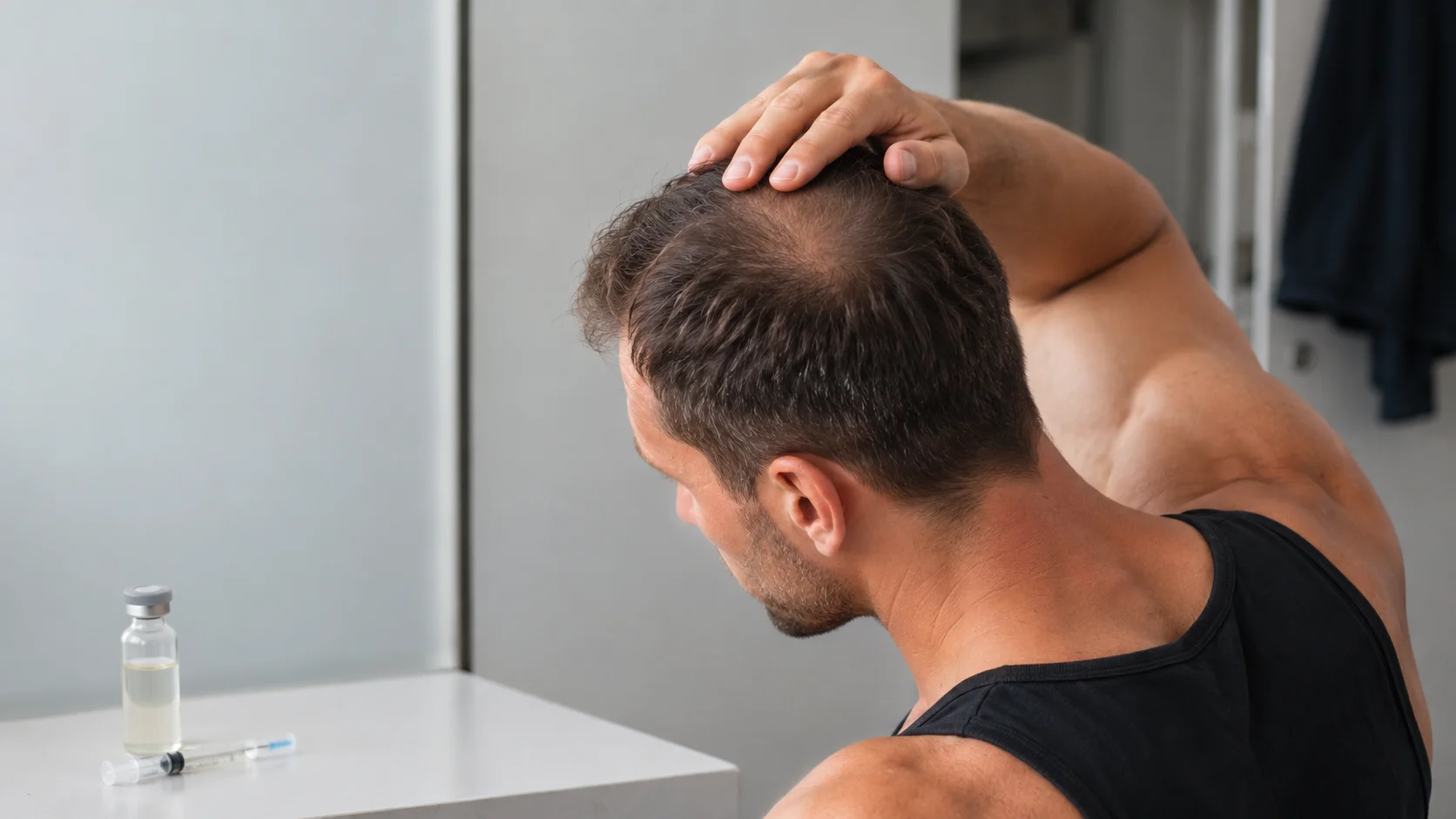
Miniaturization means that sensitive hair follicles gradually produce thinner, shorter, weaker hairs. Over time, this can lead to a receding hairline, thinning crown, or more visible scalp.
The concern began after a small study in athletes reported increased DHT levels after creatine supplementation. However, there are important limitations:
- The study was small.
- It involved a specific group of athletes.
- It measured hormone levels, not hair loss.
- It did not assess hair density, follicle count, or hair thickness.
- Later research has not consistently confirmed the same DHT effect.
This is why it is inaccurate to say that creatine has been proven to cause baldness.
What Does the Current Evidence Say?
Current evidence does not support a strong direct link between creatine supplementation and hair loss. A more recent randomized controlled trial directly evaluated hair-related outcomes in resistance-trained men using creatine for 12 weeks. The study measured DHT, total testosterone, free testosterone, hair density, follicle count, and hair thickness.
The results did not show a meaningful increase in DHT compared with placebo. Hair density, follicle count, and hair thickness also did not significantly worsen with creatine use.
This does not prove that no individual could ever notice shedding while using creatine. Hair loss is complex, and people may have multiple overlapping triggers. But based on current evidence, creatine itself should not be treated as a proven cause of hair loss.
DHT and Genetic Hair Loss
DHT matters most in androgenetic alopecia, also known as male pattern hair loss or female pattern hair loss. In this condition, the follicles are genetically sensitive to androgens. The issue is not simply how much DHT exists in the body, but how sensitive the follicles are to it.
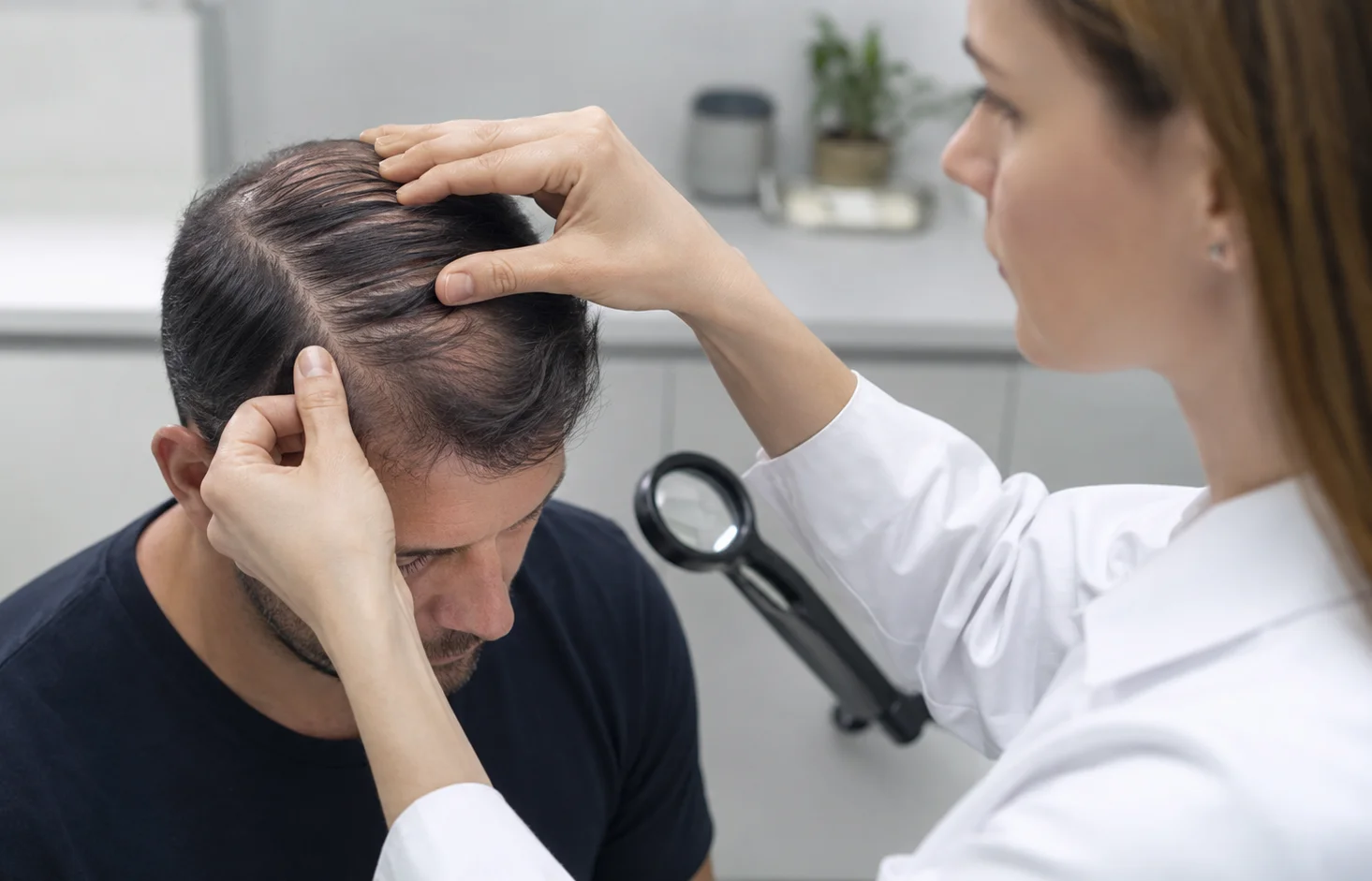
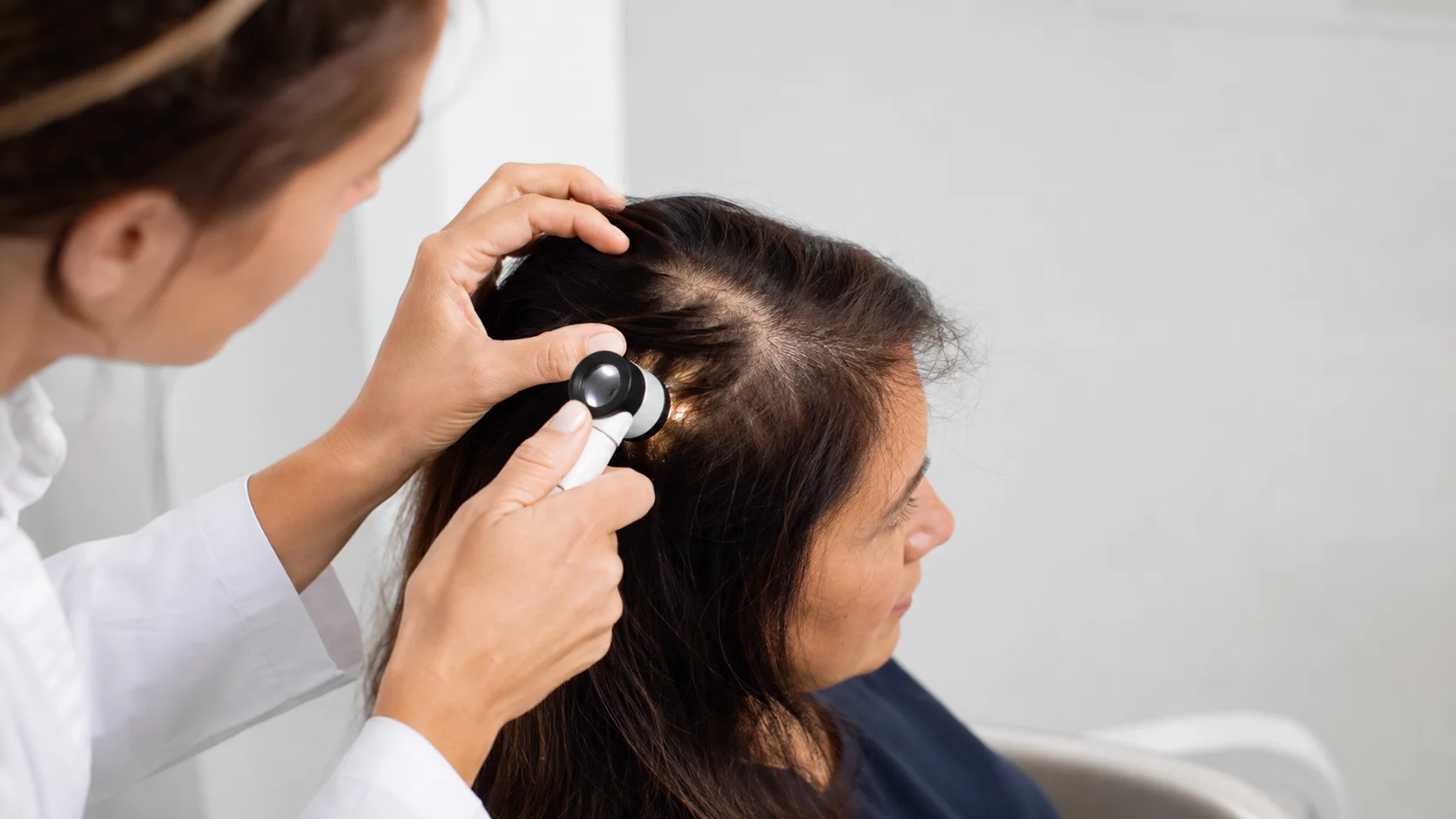
In men, androgenetic alopecia often appears as temple recession, a receding hairline, crown thinning, or a combination of both. In women, it may appear as widening of the part, diffuse thinning over the top of the scalp, or reduced density.
If someone is genetically predisposed to androgenetic alopecia, hair loss may begin during the same period when they start training harder, changing diet, or taking supplements. That timing can make creatine look suspicious even when the underlying cause is genetic.
Do Athletes Lose Hair More Often?
Athletes and regular gym-goers do not automatically lose hair because they exercise. Exercise itself is not a recognized cause of androgenetic alopecia. In fact, regular physical activity can support general health.
However, certain patterns common among people who train intensely may contribute to shedding or make existing hair loss more noticeable. These include:
- Rapid weight loss or aggressive cutting phases
- Low-calorie dieting
- Low protein intake
- Iron or vitamin D deficiency
- Overtraining without enough recovery
- High physical or emotional stress
- Poor sleep
- Use of anabolic steroids or hormone-altering substances
- Genetic predisposition to pattern hair loss
It is important not to blame normal exercise or creatine too quickly. The broader lifestyle and medical context usually matters more.
Creatine and Androgenetic Alopecia
If someone already has androgenetic alopecia, the main question is whether creatine can accelerate it. At this time, there is no strong evidence proving that creatine speeds up genetic hair loss.
Still, people with clear signs of pattern hair loss may want to monitor their hair objectively. This is especially true if there is a strong family history of early baldness, visible hairline recession, crown thinning, or miniaturized hairs.
Monitoring does not mean panic. It simply means taking consistent photos under the same lighting, watching for progressive pattern changes, and seeking early evaluation if thinning continues.
What If Hair Loss Starts While Taking Creatine?
If shedding begins after starting creatine, it is reasonable to pause and think carefully, but creatine should not be assumed to be the only cause. Hair loss often appears weeks or months after a trigger, which can make timing confusing.
Possible causes to consider include:
- Androgenetic alopecia
- Telogen effluvium after illness, stress, or dieting
- Iron deficiency
- Vitamin D deficiency
- Thyroid imbalance
- Rapid weight loss
- Low protein intake
- Medication changes
- Sleep disruption
- Scalp inflammation
- Anabolic steroid or hormone use
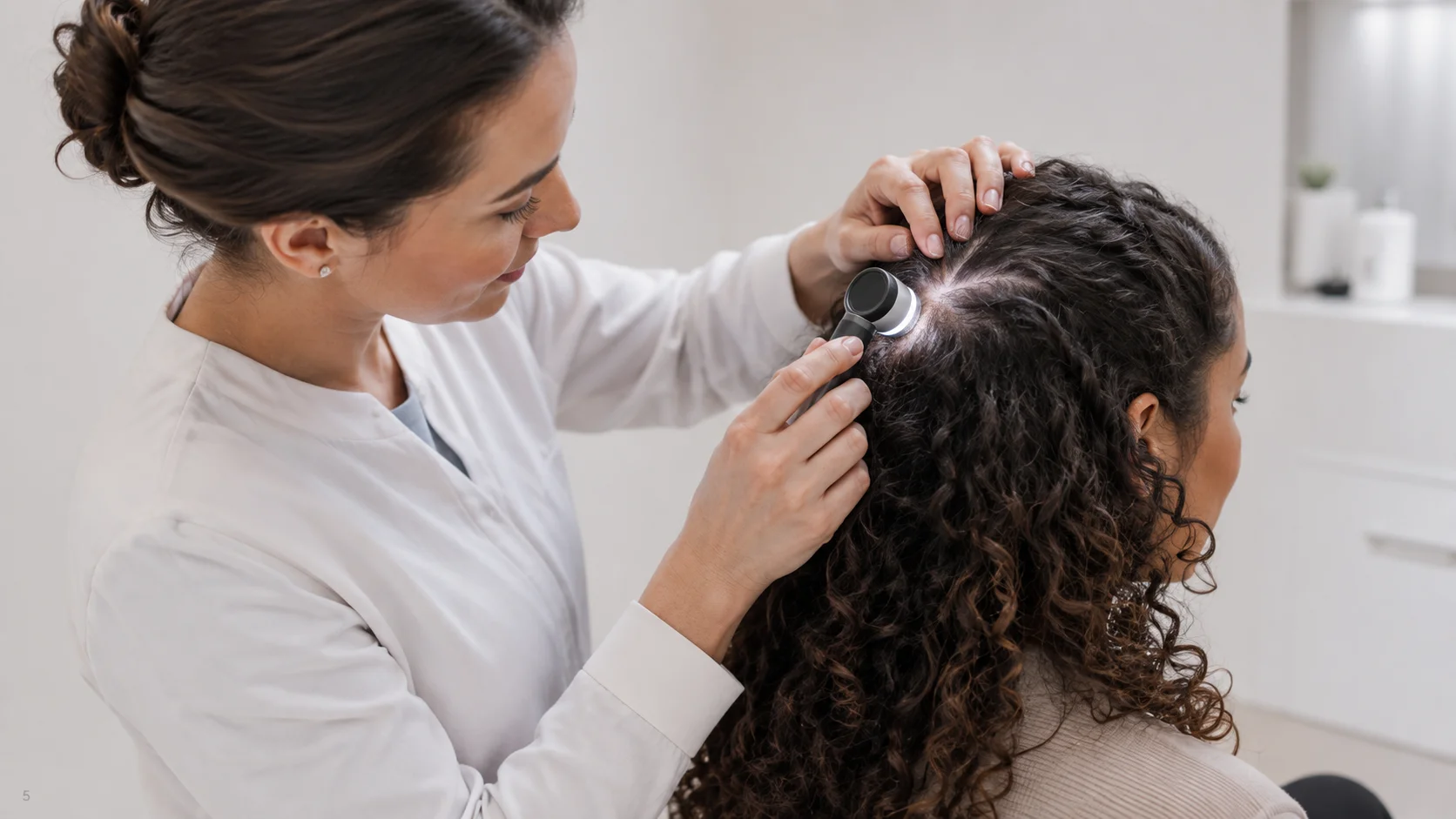
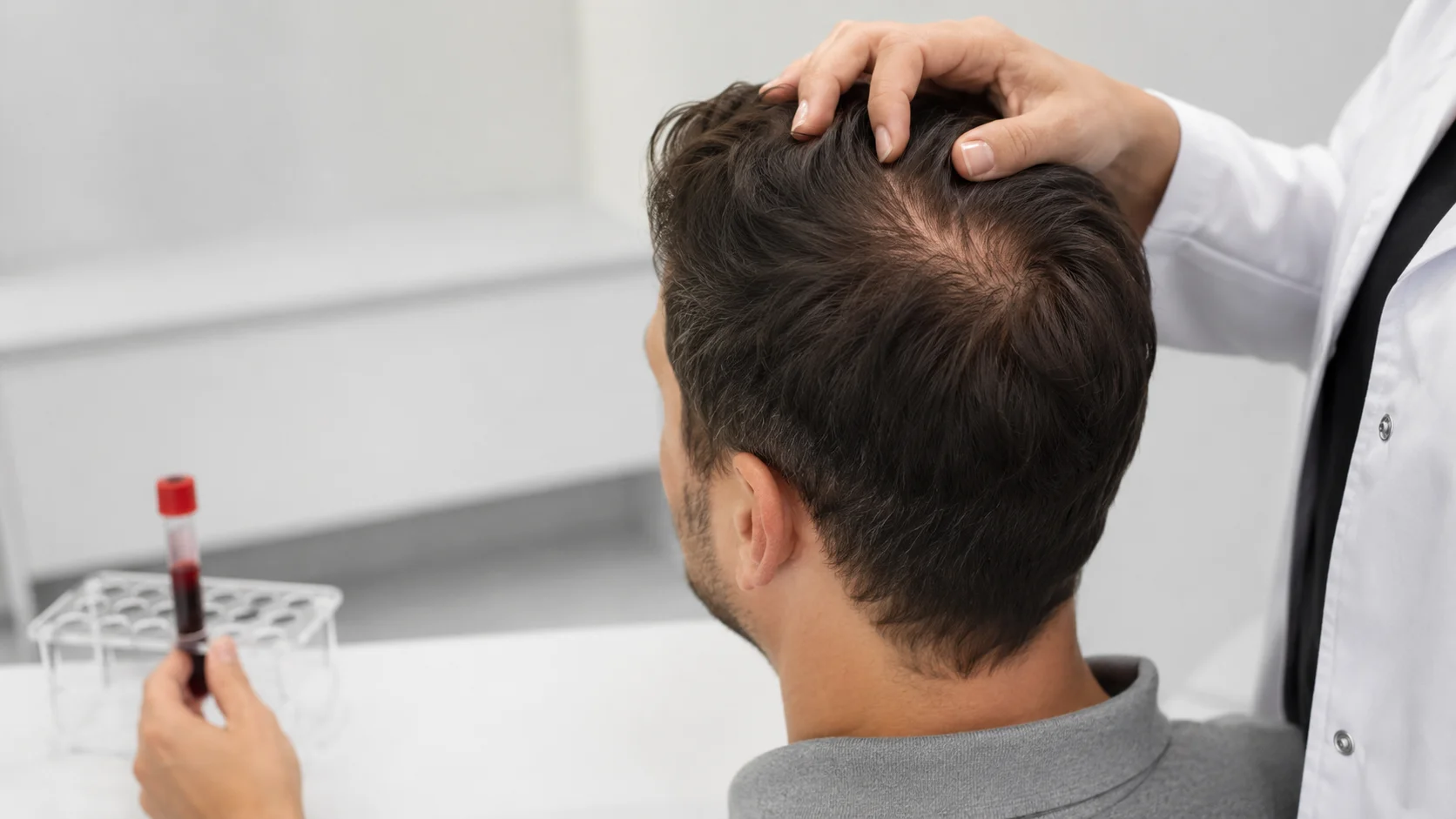
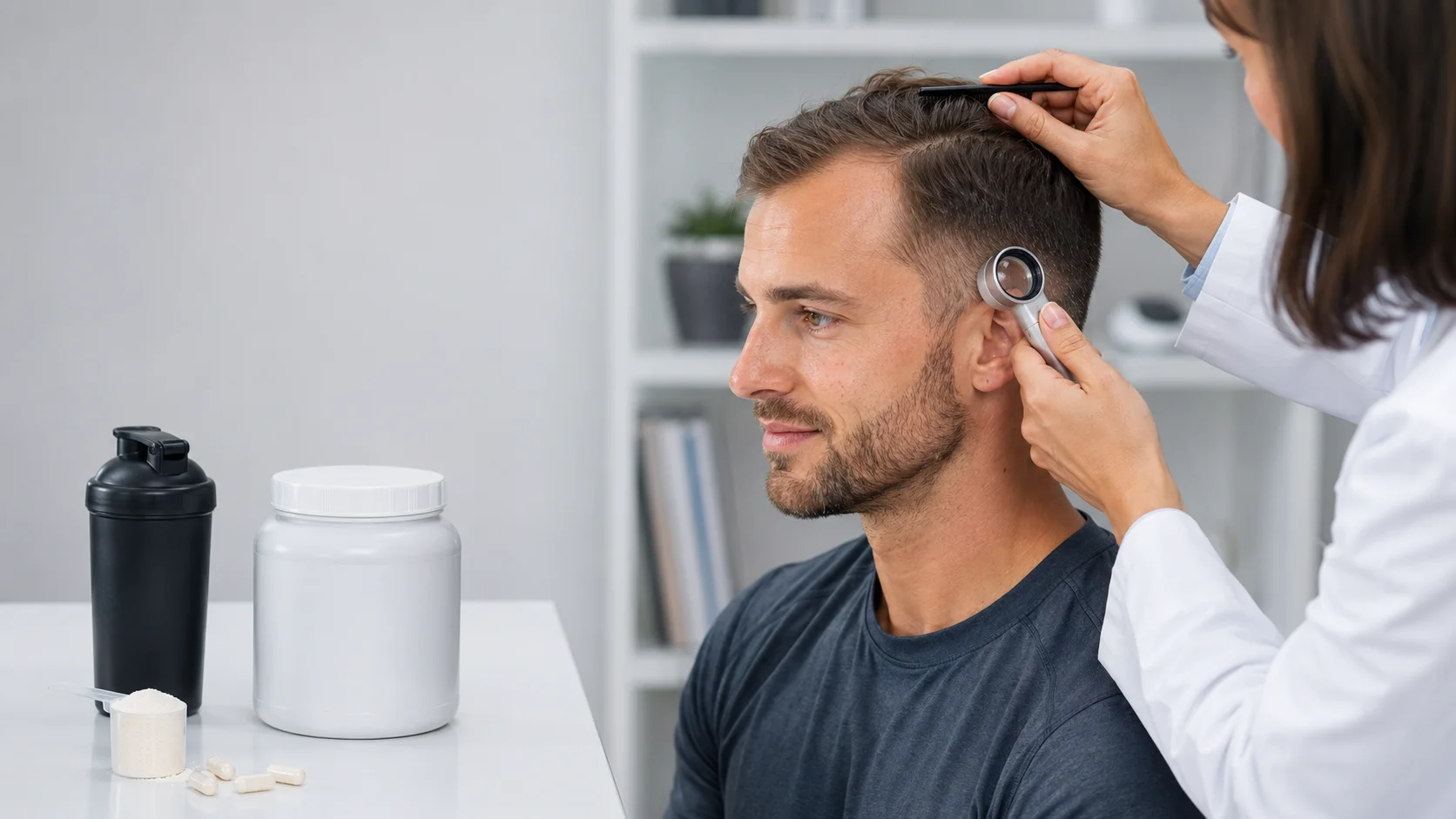
A dermatologist can help distinguish true hair shedding from hair breakage, pattern thinning, scalp disease, or temporary telogen effluvium. Dermoscopy and, when appropriate, blood tests can provide more useful answers than guessing.
Creatine After a Hair Transplant
People who have had a hair transplant sometimes ask whether creatine can damage grafts or reduce graft survival. Current evidence does not show that creatine kills transplanted follicles, harms grafts, or reduces transplant success.
Hair transplant results depend on surgical technique, graft handling, donor quality, recipient-site planning, healing, aftercare, and ongoing native hair loss. Creatine is not known to directly interfere with graft anchoring or follicle survival.
However, after a hair transplant, patients should follow their surgeon’s recovery instructions. Supplements, exercise timing, and training intensity may be restricted during the early healing period for reasons related to swelling, blood pressure, sweating, and wound healing rather than creatine itself.
How to Protect Hair While Training
For people who train regularly and are concerned about hair loss, the best approach is not fear-based supplement avoidance. It is good overall hair and scalp awareness.
Helpful steps include:
- Maintain enough calories during training cycles.
- Get adequate protein.
- Avoid extreme crash diets.
- Correct iron, vitamin D, or thyroid issues if present.
- Prioritize sleep and recovery.
- Avoid anabolic steroid use unless medically prescribed.
- Monitor hairline and crown changes with consistent photos.
- Seek early evaluation if thinning follows a clear pattern.
- Discuss evidence-based treatments when androgenetic alopecia is diagnosed.
If genetic hair loss is present, treatments such as minoxidil, finasteride, dutasteride, or other medical options may be discussed depending on the individual. These are medical treatments, not gym supplements, and they require proper guidance.
Common Misconceptions
One common misconception is that creatine is a steroid. It is not. Creatine supports muscle energy metabolism and does not work like anabolic steroids.
Another misconception is that any increase in shedding after starting creatine proves causation. Hair shedding can be delayed after stress, illness, dieting, or weight change, so timing alone is not enough.
A third misconception is that DHT is always “bad.” DHT is a normal hormone. It becomes relevant to hair loss mainly when follicles are genetically sensitive to it.
Finally, some people assume that stopping creatine will reverse all hair loss. If the true cause is androgenetic alopecia, stopping creatine may not change the underlying progression.
FAQ
Does creatine cause hair loss?
Current evidence does not show that creatine directly causes hair loss. The concern is mostly based on limited hormone data from an older small study, while newer evidence has not shown worsening hair density or hair thickness.
Does creatine increase DHT?
One older study reported increased DHT after creatine use, but later research has not consistently confirmed this. A more recent trial found no meaningful DHT increase compared with placebo.
Can creatine speed up male pattern baldness?
There is no strong evidence proving that creatine accelerates androgenetic alopecia. People with genetic hair loss should monitor progression and seek proper diagnosis rather than assuming creatine is the cause.
Do people who work out lose more hair?
Exercise itself does not cause hair loss. However, extreme dieting, rapid weight loss, stress, poor sleep, deficiencies, or anabolic steroid use may contribute to shedding or thinning.
Can I use creatine after a hair transplant?
Creatine is not known to damage grafts or reduce hair transplant success. Still, follow your surgeon’s instructions about supplements, exercise, and recovery timing after surgery.
Should I stop creatine if my hair starts shedding?
Do not assume creatine is the cause. It may be reasonable to review all recent changes, but persistent shedding should be evaluated for genetic hair loss, deficiencies, thyroid issues, stress, illness, and scalp conditions.
Final Thoughts
Creatine has not been proven to directly cause hair loss. The concern comes largely from limited early hormone data, while more recent evidence has not shown meaningful harm to DHT levels or measured hair growth parameters.
For athletes and people who train regularly, hair loss is more often related to genetics, dieting, stress, deficiencies, hormonal sensitivity, or other medical factors. If shedding or thinning begins, the best approach is not to guess, but to evaluate the pattern, check for common contributors, and seek professional guidance when needed.
This article is for general informational purposes only and does not replace individualized medical advice, diagnosis, or treatment from a qualified healthcare professional.