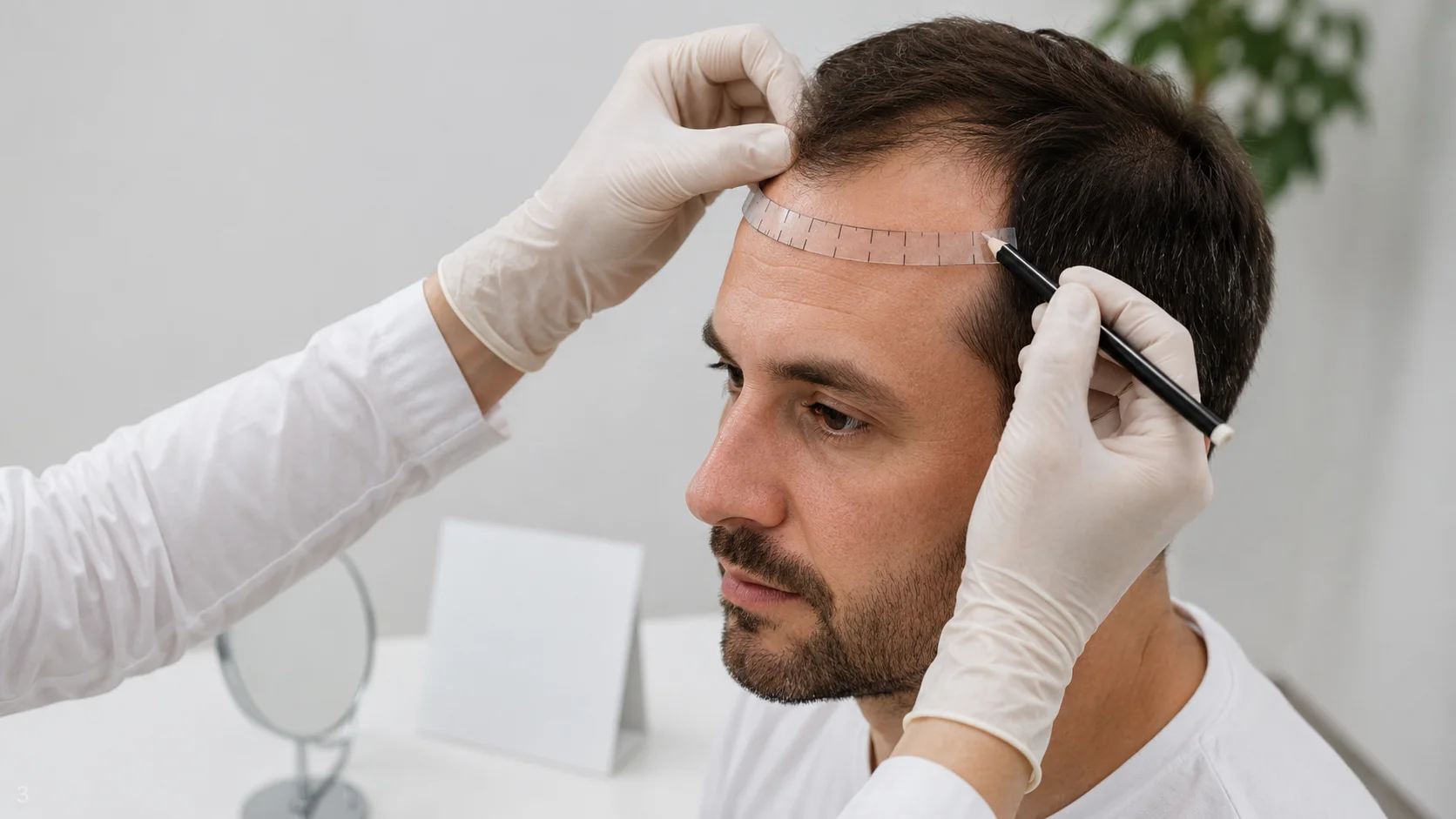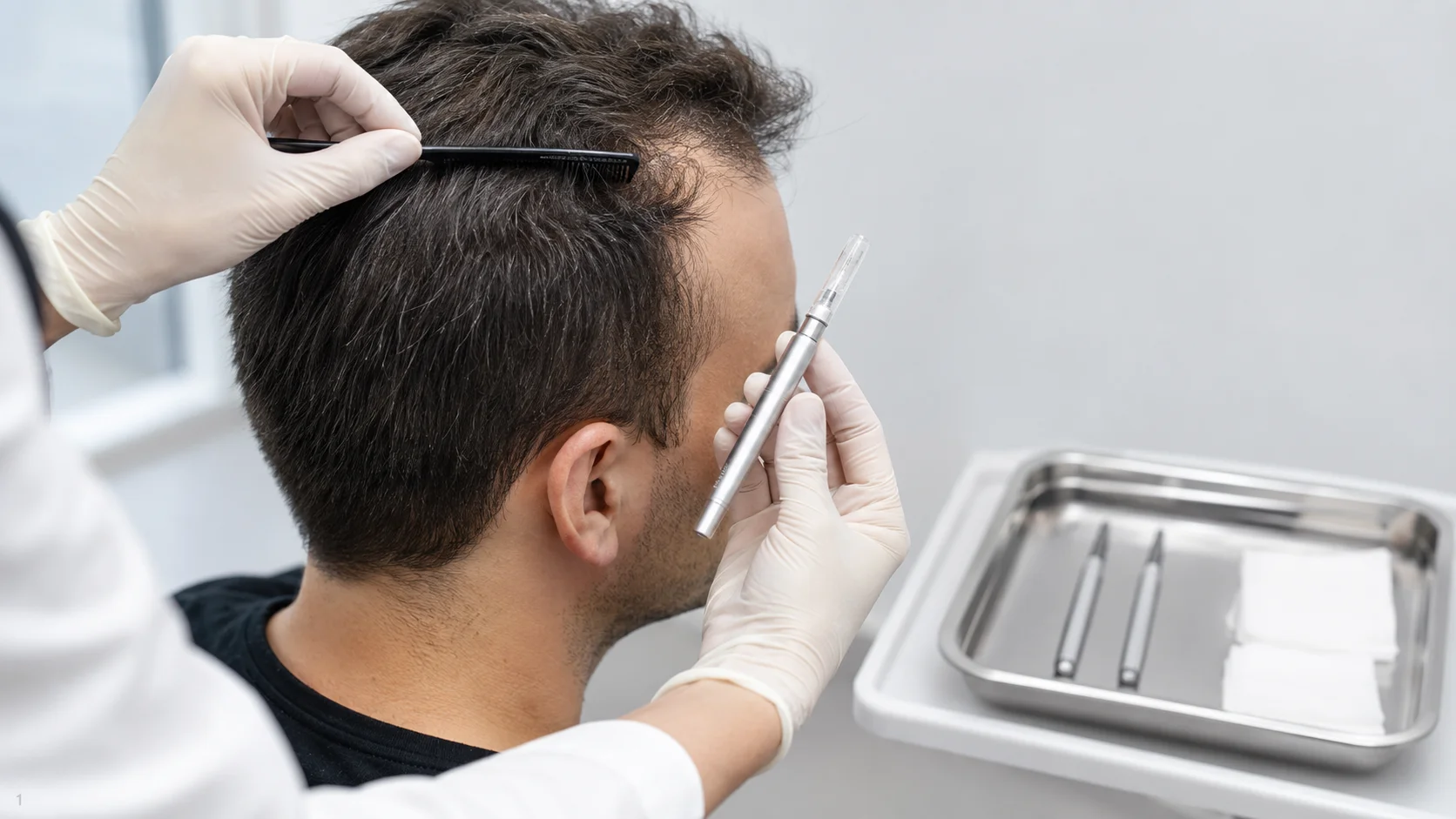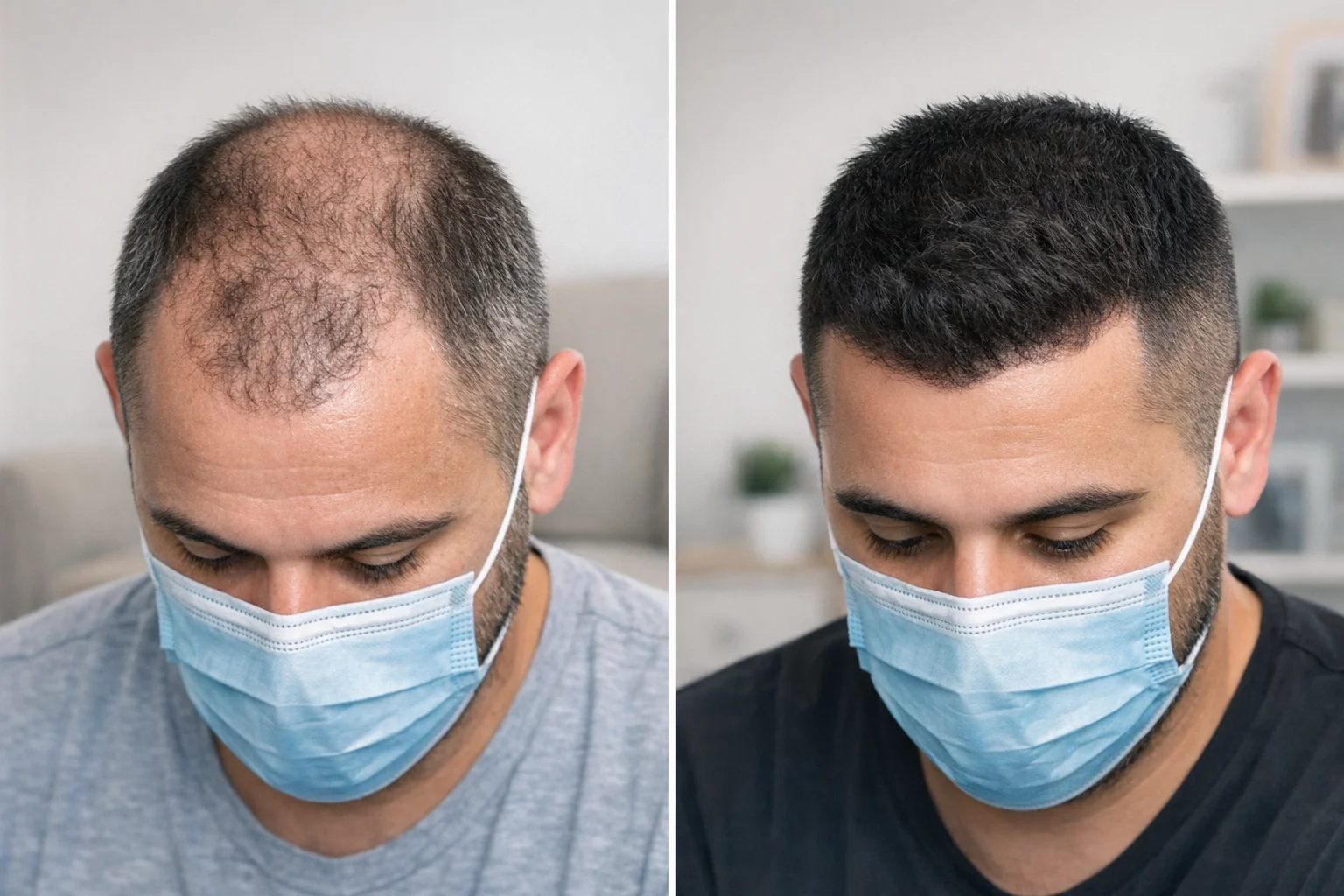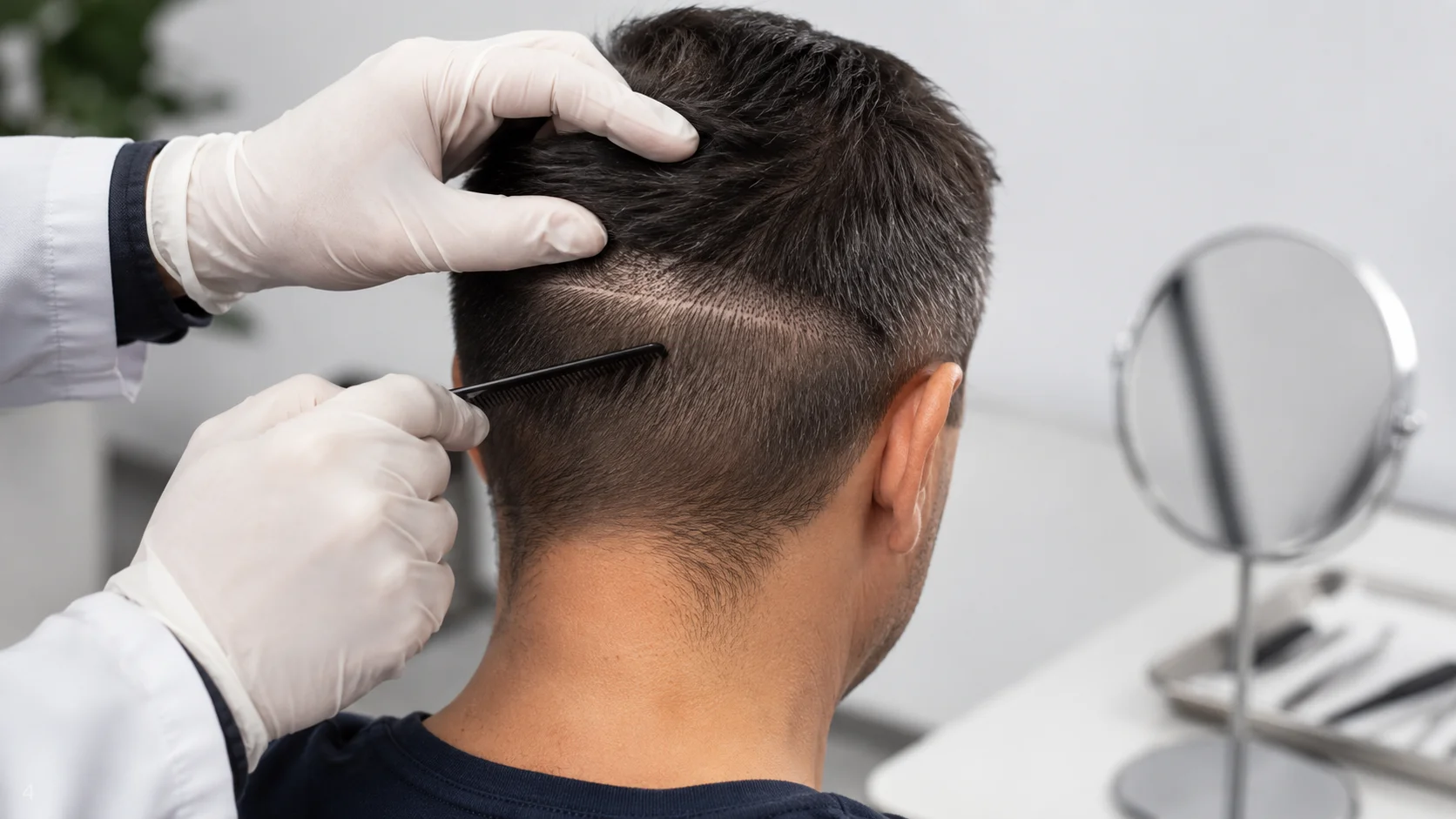
Follicular Unit Extraction (FUE) is currently the most widely performed hair transplant technique, and it is also the foundation that several newer, more specifically named approaches — DHI, Sapphire FUE, Choi implanter pen procedures — are built on. If you have been researching hair restoration, you have probably run into a wall of overlapping terms that all seem to describe slightly different things. This guide is meant to sort that out.
This article is the hub of our Hair Transplant Techniques Series. It explains what FUE actually is and how it works, then walks through how the other techniques in the series relate to it — what they change, what they do not change, and where marketing language tends to outrun the underlying science. Each section links to a dedicated, more detailed article for readers who want to go deeper on a specific technique.
What Is FUE Hair Transplantation?
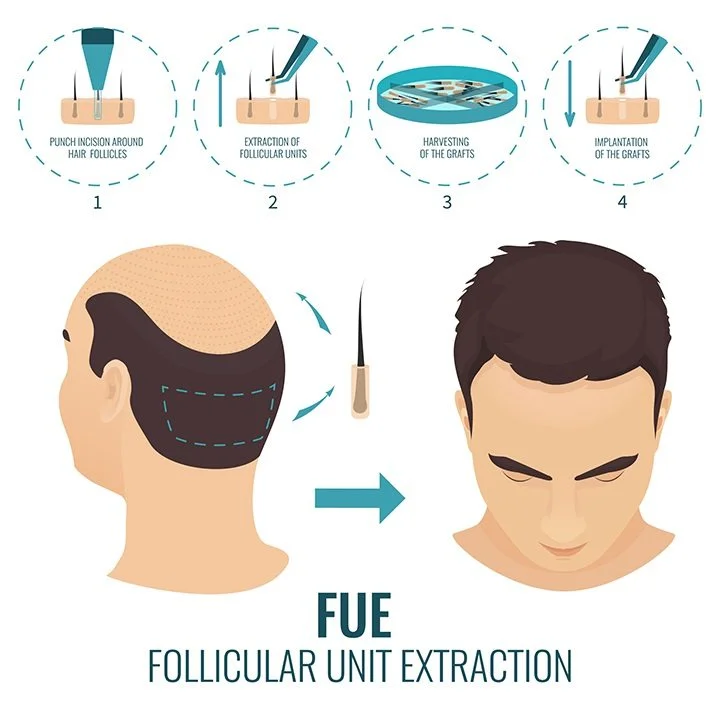
FUE stands for Follicular Unit Extraction. In an FUE procedure, individual follicular units — naturally occurring groups of one to four hairs — are removed one at a time from a donor area, almost always the back and sides of the scalp, and then transplanted into thinning or bald areas.
The basic sequence is consistent across nearly all FUE-based techniques:
- Consultation, hair loss diagnosis, and donor area assessment
- Extraction of individual follicular units, typically with a small motorized or manual punch tool
- Sorting and temporary preservation of grafts outside the body
- Creation of recipient sites (channels) in the balding area
- Implantation of the grafts into those recipient sites
- Aftercare and monitoring during healing
Each of the techniques discussed later in this article — DHI, Sapphire FUE, and the Choi implanter pen — is essentially a variation on how one or two of these steps are carried out. None of them replace the underlying biology: a graft has to be extracted with minimal trauma, kept viable outside the body, and placed at the correct angle, depth, and density to grow naturally.
FUE vs. FUT: The Core Distinction
Before comparing FUE's own variations, it helps to understand what FUE replaced. FUT (Follicular Unit Transplantation), sometimes called the strip method, removes a single strip of scalp tissue from the donor area, which is then closed with sutures, while individual follicular units are dissected from that strip under a microscope.
FUE differs mainly in how grafts leave the donor area:
- FUT removes tissue in one strip, leaving a linear donor scar, but can often yield a large number of grafts efficiently in a single session
- FUE removes follicular units individually, leaving small, scattered puncture marks rather than a linear scar, at the cost of a generally longer extraction time
Neither method is automatically "better." FUT may still be considered in certain donor or graft-number scenarios, while FUE has become more popular largely because of its less visible donor pattern and compatibility with shorter haircuts. The choice depends on donor characteristics, graft needs, scarring preferences, and surgeon expertise — a decision that should involve a qualified physician, a point covered in depth in our article on the doctor's role before, during, and after a hair transplant.
The DHI Approach: Combining Two Steps Into One
Direct Hair Implantation (DHI) is a variation of FUE in which recipient-site creation and graft implantation happen in a single motion using a specialized device, commonly called the Choi implanter pen. Instead of first opening channels with a blade or needle and then inserting grafts with forceps, the practitioner loads a graft into the pen and deposits it directly into the scalp at a controlled angle and depth.
Proponents suggest this may reduce the amount of time grafts spend outside the body and allow tighter control over implantation angle. It does not change how grafts are extracted from the donor area — that part of the procedure still follows standard FUE principles. For a full explanation of the DHI workflow, candidacy, and recovery expectations, see our dedicated guide: What Is the Latest Technology in Hair Transplantation? A Complete Guide to DHI Hair Transplants.
Extraction vs. Implantation: A Useful Framework
A lot of confusion around hair transplant terminology comes from mixing up two separate stages of the procedure: how grafts are extracted from the donor area, and how they are implanted into the recipient area. Most named techniques you'll encounter are refinements of one of these two stages, not entirely new procedures.
- Extraction-stage variations concern how follicular units are removed from the donor area (for example, punch size and design, motorized vs. manual extraction).
- Implantation-stage variations concern how recipient channels are made and how grafts are placed into them (for example, the instrument used to create channels, or whether channel-making and placement happen as one integrated step).
Using this framework: the Choi implanter pen is primarily an implantation-stage tool, and Sapphire FUE is primarily an implantation-stage variation as well, since the sapphire element refers to the blade used to open recipient channels rather than to the extraction of grafts. Neither one is a stand-alone "type" of hair transplant in the way FUE and FUT are; both sit inside the broader FUE workflow described above.
Choi Implanter Pen: A Brief Overview
The Choi implanter pen is a spring-loaded, pen-shaped tool with a hollow needle that holds a single follicular unit and deposits it directly into the scalp. It is closely associated with DHI, though the tool itself is distinct from any single named "technique" — it is an implantation device that can, in principle, be used within different procedural approaches.
Its main appeal is the potential for controlled implantation angle, direction, and depth, particularly in cosmetically sensitive zones such as the frontal hairline or temples. It is not a guarantee of a better outcome by itself; loading technique, graft handling, and surgical judgment still determine most of the result. Our full breakdown covers how the device works, realistic benefits and limitations, and who tends to be a good candidate: What Is the Choi Implanter Pen Technique? Procedure, Benefits, Limitations, and Who Is It For.
Sapphire FUE: A Brief Overview
Sapphire FUE refers to the use of synthetic sapphire-tipped blades, instead of conventional steel blades, to create recipient channels during an FUE-based procedure. Extraction of grafts from the donor area is unaffected — "Sapphire" describes the recipient-site instrument, not a separate extraction method.
Sapphire blades are often marketed for their sharpness and the smoothness of the incisions they create, and some practitioners believe this may support cleaner healing or tighter graft spacing in certain cases. According to sources including the ISHRS, high-quality comparative evidence isolating blade material as the decisive factor in outcomes remains limited; most of what is reported comes from clinical experience rather than large controlled trials. For the full picture, including current evidence and common misconceptions, see: What Is Sapphire FUE? Procedure, Benefits, and Current Evidence.
Donor Area and Graft Handling
Regardless of which implantation-stage technique is used, the result still depends heavily on the donor area and how grafts are handled after extraction. Donor hair is limited, must be used strategically across a patient's lifetime, and is generally more resistant to the hormonal process that drives pattern hair loss — a phenomenon explained further in Why Is Donor Hair More Resistant to DHT?.
Grafts are vulnerable outside the body: drying, crushing, overheating, or extended time outside the scalp can all reduce survival, no matter how advanced the implantation device is. This is one reason technique names should not be read as the entire story — extraction care, storage conditions, and implantation skill work together to determine the outcome.
Density and Hairline Design: Where Technique Meets Aesthetics
The technique used to extract or implant grafts is only part of what makes a result look natural. Two other planning elements matter just as much, and both interact with technique choice:
Density is not simply a matter of packing in as many grafts as possible. It depends on donor supply, hair caliber, curl, color contrast, and how safely the scalp can tolerate close spacing without compromising graft survival. Techniques that allow finer control over channel size and spacing, such as Sapphire FUE or Choi pen implantation, may support tighter placement in select cases, but they do not override the underlying limits of donor supply. Our detailed article explains this in full: Hair Transplant Density: What Determines a Natural Result.
Hairline design similarly depends more on planning, angle, and graft distribution than on which implantation tool is used. Controlled-angle tools may help execute a design more precisely, but they do not replace the judgment involved in shaping an age-appropriate, face-suited hairline. See Hairline Design in Hair Transplantation: Principles and Planning for a full discussion.
How Technique Selection Typically Works
There is no single technique that is correct for every patient. In general terms, surgeons and patients weigh technique choice against factors such as:
- Extent and pattern of hair loss — larger sessions may favor efficient extraction and implantation workflows, while smaller, detail-heavy areas (hairline, temples) may benefit from controlled-angle implantation tools
- Donor hair quality and quantity — sets the ceiling on what any technique can achieve
- Scarring preferences — FUE-based approaches generally leave less visible donor scarring than FUT
- Hair characteristics — caliber, curl, and color contrast affect how much density and precision are actually needed
- Budget and clinic capability — specialized devices and blades may carry different costs, and not every clinic offers every variation
- Surgical team experience — arguably the single largest factor in outcome, regardless of which named technique is used
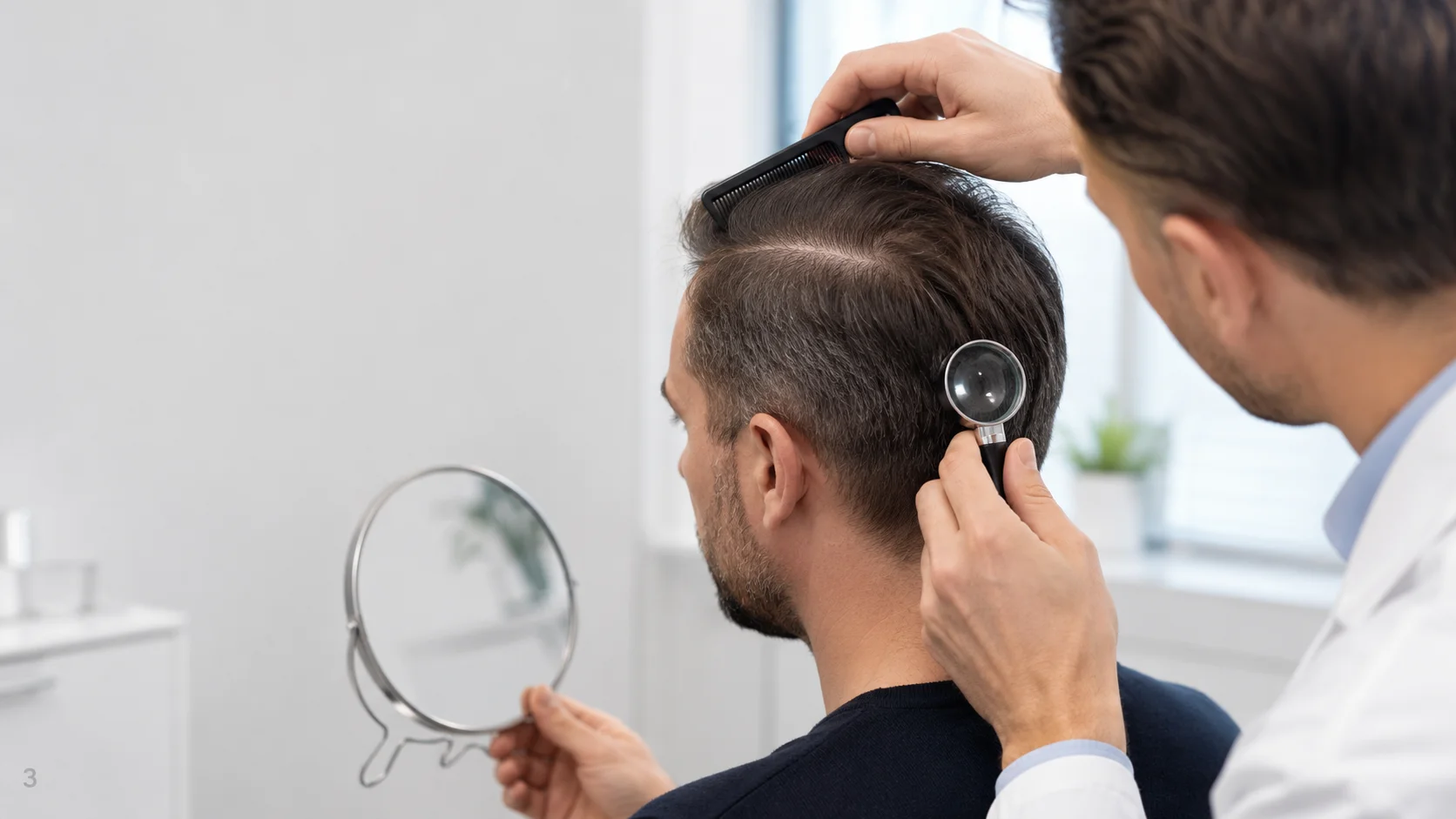
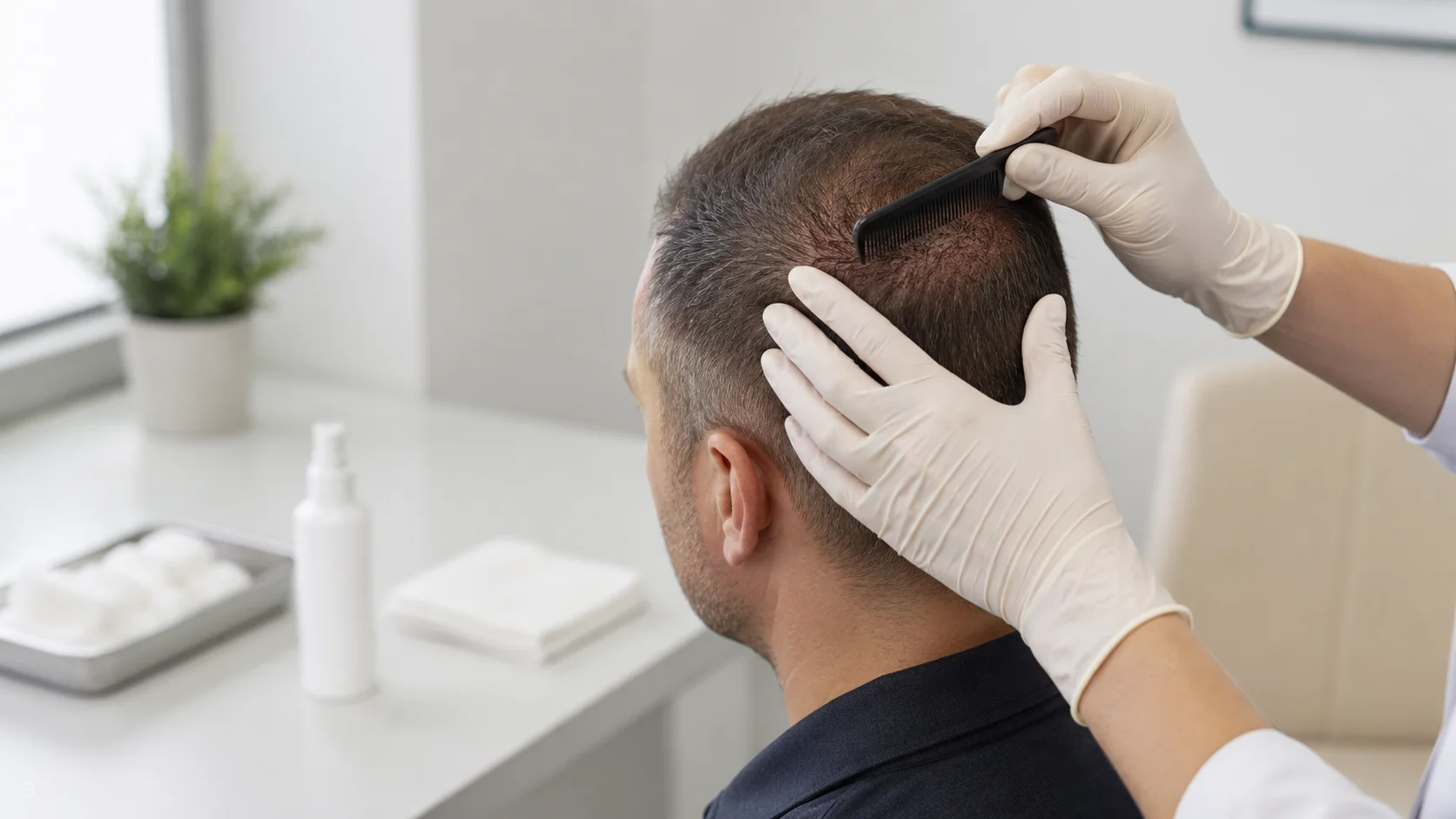
A thorough, individualized consultation — ideally including a scalp and donor-area examination by a qualified physician — is the only reliable way to match a technique to a specific case.
Marketing Terms vs. Real Technical Differences
This is arguably the most important section for anyone comparing clinics. Terms like "Sapphire FUE," "DHI," and "Choi Pen Technique" are frequently presented in marketing materials as though they were separate, competing categories of hair transplant surgery, each supposedly superior to the others. In clinical reality, they mostly describe tool or instrument variations within the broader FUE workflow, not fundamentally different biological processes.
A few points worth keeping in mind when evaluating claims:
- Extraction, graft survival, healing, and long-term growth follow the same basic biological principles regardless of which named technique is used.
- A sharper or more specialized instrument can support precision in skilled hands, but it does not substitute for surgical judgment, diagnosis, or planning.
- Terms are sometimes combined or renamed by individual clinics for branding purposes, which can make direct comparisons between providers difficult.
- Claims like "scarless," "guaranteed density," or "highest survival rate" attached to a specific branded technique should be treated with caution — according to the ISHRS and the American Academy of Dermatology (AAD), outcomes in hair restoration surgery depend on a combination of surgical skill, patient biology, and aftercare, not on a single instrument or trademarked name.
A more useful set of questions for a prospective patient than "which named technique is best" is: How are grafts extracted, and by whom? How long are grafts stored outside the body, and under what conditions? Who performs the implantation? How is density and hairline design planned for my specific case? What outcomes has this specific surgeon achieved, not just the technique name?
The Role of the Doctor
Across every technique discussed in this series, one variable consistently outweighs the others: the training and involvement of the physician overseeing the case. Hair transplantation is a surgical procedure, and pre-operative risk assessment, anesthesia planning, sterile technique, and post-operative monitoring all require medical supervision — regardless of which extraction punch or implantation device is used. This is covered in detail in Is a Doctor Necessary Before, During, and After Hair Transplantation?
Before comparing techniques, it is worth confirming general candidacy for surgical hair restoration in the first place. Our eligibility pillar article, Am I a Good Candidate for a Hair Transplant?, walks through the medical and lifestyle factors that are typically assessed before any technique is even discussed.
Realistic Expectations
Whichever technique is used, some fundamentals remain constant. Transplanted hair typically sheds within the first few weeks after surgery — this is expected, not a sign of failure. Visible new growth generally begins around three to four months later, with more meaningful density becoming apparent between six and twelve months, and final results continuing to mature for up to a year or slightly longer, particularly in the crown.
No technique, regardless of what it is called or how it is marketed, restores hair to its original adolescent density, eliminates all future hair loss risk in untreated areas, or guarantees a specific graft survival percentage. A transplant redistributes a limited, finite donor supply; it does not create new hair-producing follicles.
Frequently Asked Questions
Is DHI a completely different procedure from FUE?
No. DHI is a variation of FUE that combines recipient-site creation and graft implantation into one step, typically using an implanter pen. Extraction still follows standard FUE principles.
Is Sapphire FUE better than regular FUE?
Sapphire FUE refers to the blade material used for recipient-channel creation, not a separate extraction method. It may offer certain technical characteristics, but current evidence does not establish it as consistently superior to steel-blade FUE for long-term outcomes.
What is the actual difference between the Choi pen and DHI?
The Choi implanter pen is the physical device; DHI is the named technique that commonly uses it. The device performs implantation — it does not by itself define the entire surgical process.
Does FUE leave visible scarring?
FUE typically leaves small, scattered puncture marks rather than a single linear scar (as with FUT). These marks are usually much less noticeable, especially with shorter haircuts, but no incision-based procedure is entirely without tissue impact.
How do I know which technique is right for me?
There is no universal answer. The right choice depends on donor supply, extent of hair loss, hair characteristics, scarring preferences, and the experience of the surgical team. An individualized consultation with a qualified physician is the only reliable way to decide.
Are newer techniques always better than older ones?
Not necessarily. "Newer" or more specifically branded does not automatically mean more effective. Many named techniques are refinements of specific steps within FUE, and outcomes still depend primarily on surgical skill, planning, and individual biology.
Final Thoughts
FUE is the foundation beneath most modern hair transplant terminology. DHI, Sapphire FUE, and Choi implanter pen procedures are best understood as refinements to specific steps within the FUE workflow — extraction, channel creation, or implantation — rather than as separate, competing categories of surgery. Understanding this distinction can help cut through marketing language and focus on what actually determines a result: donor management, graft handling, density planning, hairline design, and above all, the skill and medical oversight of the surgical team.
For a deeper look at any single technique, or at the density and hairline planning that shapes the final result regardless of technique, see the linked articles throughout this guide. And for readers still evaluating whether surgery is appropriate at all, our eligibility series is the recommended starting point.
This article is for general informational purposes only and does not replace individualized medical advice, diagnosis, or treatment from a qualified healthcare professional.