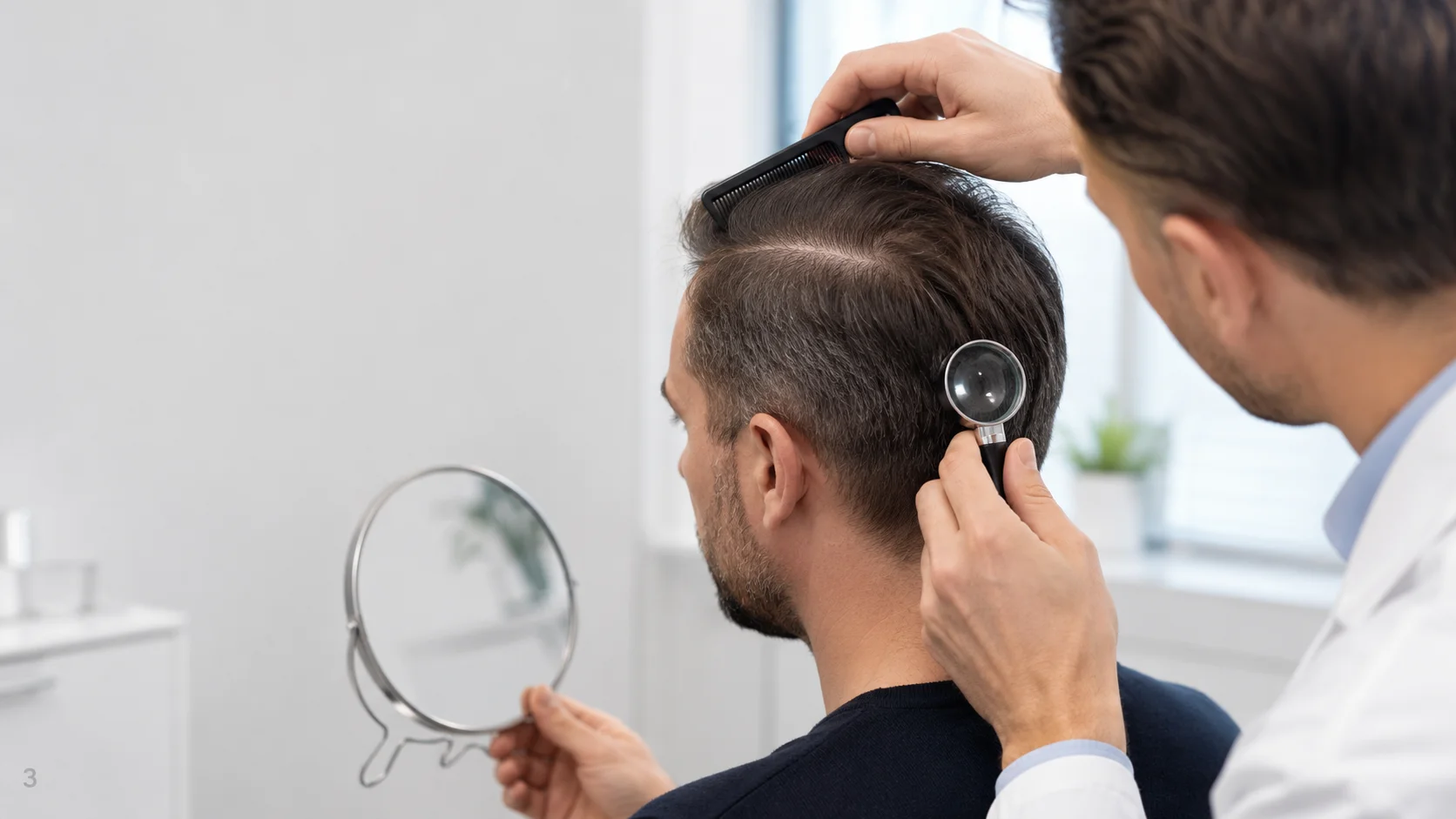
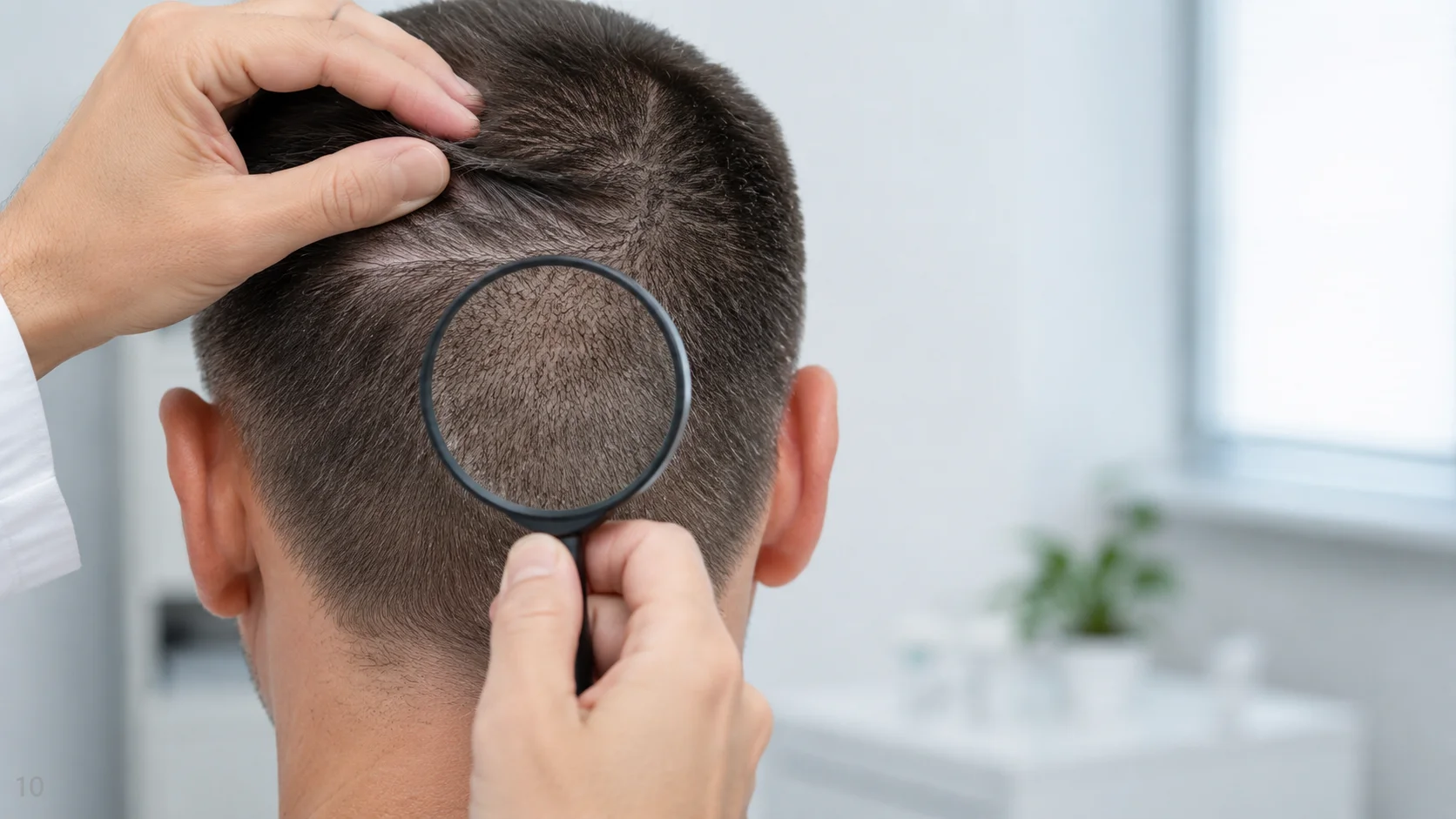
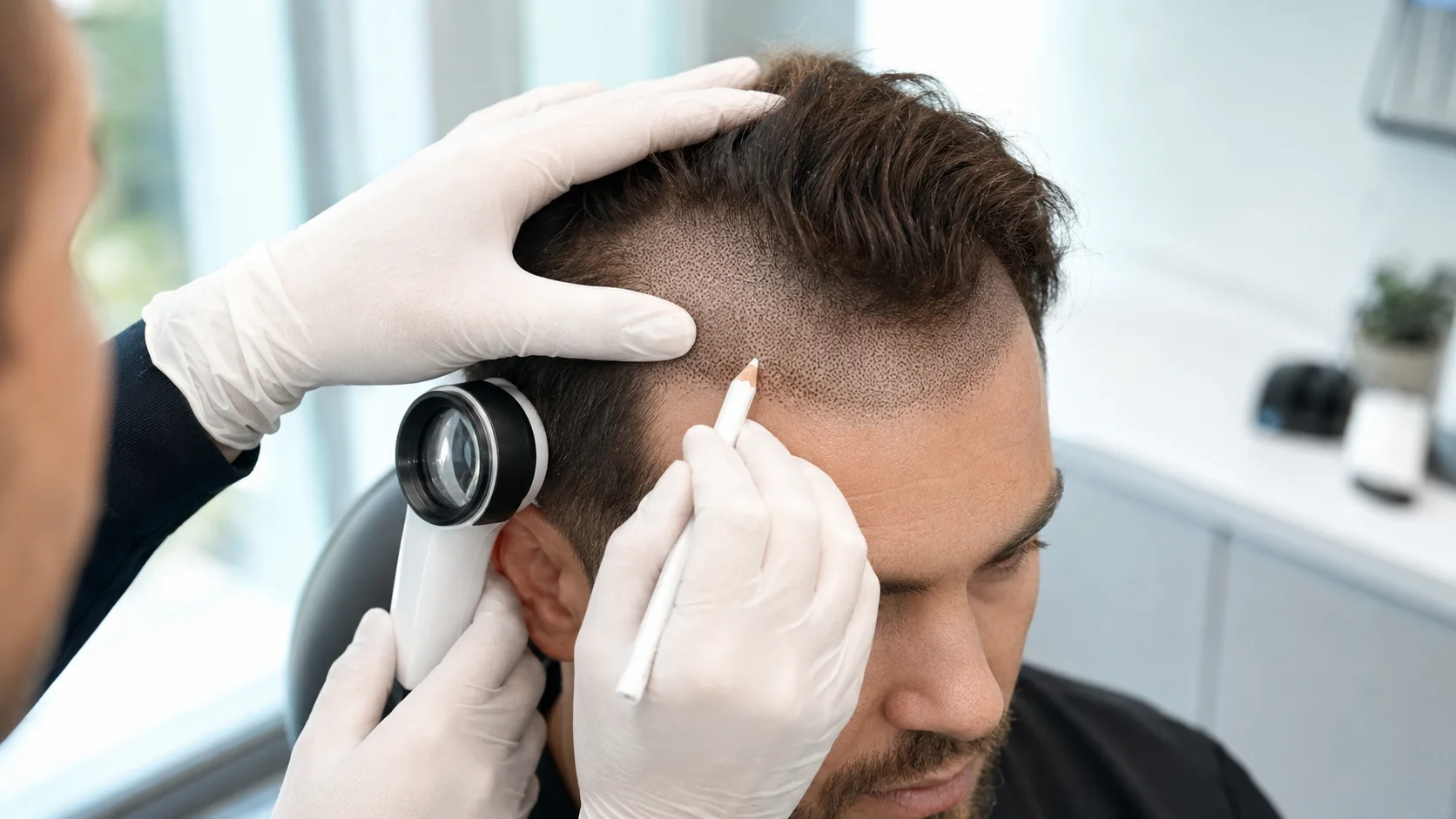
Sapphire FUE is a variation of follicular unit extraction hair transplantation in which sapphire-tipped blades are used to create recipient channels in the scalp. The term is widely used in hair transplant marketing, but it is often misunderstood. Sapphire FUE is not a completely separate extraction method from FUE. It mainly refers to the instrument used during the recipient-site creation stage.
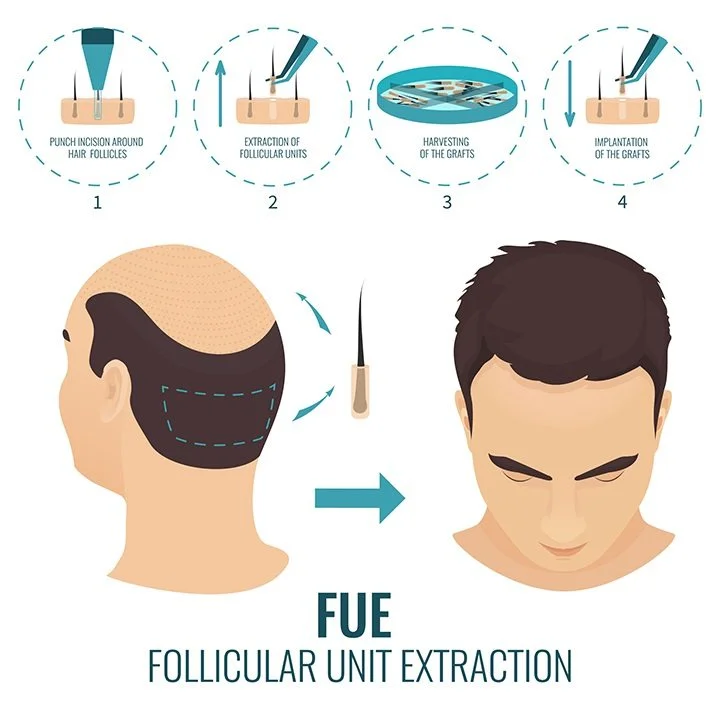
In a standard FUE hair transplant, follicular units are extracted individually from the donor area and then implanted into thinning or bald areas. The recipient channels may be created with steel blades, needles, or other instruments. In Sapphire FUE, the channels are made with blades manufactured from synthetic sapphire.
The question is not whether sapphire sounds more advanced. The more useful question is what sapphire blades may change, what evidence supports those claims, and where the limitations remain.
What Makes Sapphire FUE Different?
The defining feature of Sapphire FUE is the use of sapphire blades during channel opening. These blades are typically designed with a fine, sharp tip that can create small incisions in the recipient area.
The goal is to make channels that support appropriate graft placement, angle, direction, and density. Channel creation is a crucial step because it influences how transplanted hairs emerge from the scalp and how natural the final pattern appears.
Conventional FUE may use steel blades or other sharp instruments for this stage. Sapphire blades are promoted for sharpness, smoothness, and the ability to create precise microchannels. However, the practical outcome still depends on the surgeon’s technique and planning.
A sapphire blade does not extract grafts, design the hairline, preserve follicles, or determine donor management. It is one instrument within a larger procedure.
How the Procedure Works
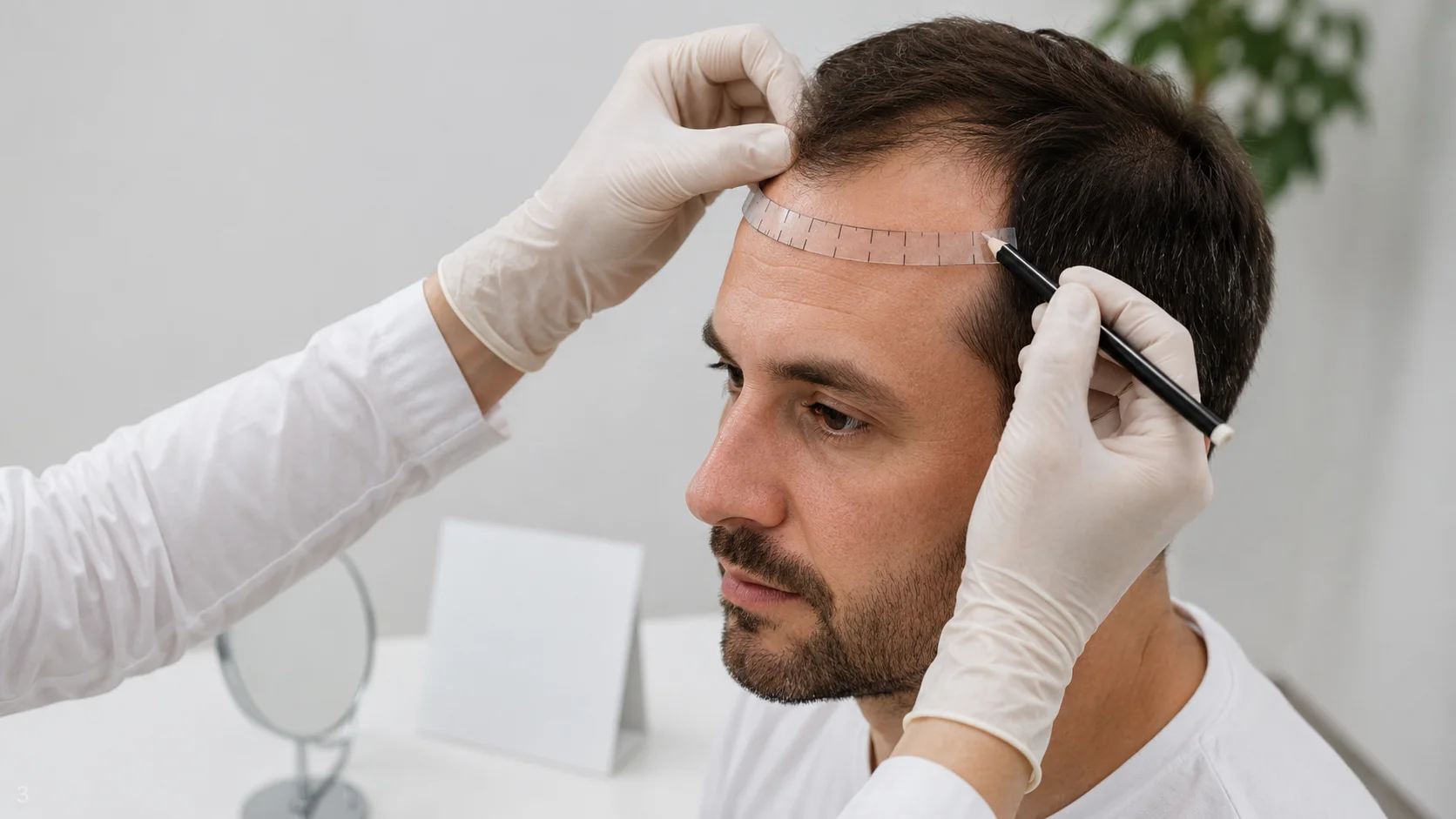
The broader surgical pathway is similar to FUE. First, the donor and recipient areas are assessed. The surgical plan includes graft number, donor capacity, hairline design, density goals, and long-term hair loss considerations.
Follicular units are then extracted from the donor area, usually with a punch device. Grafts are sorted and preserved while the recipient area is prepared.
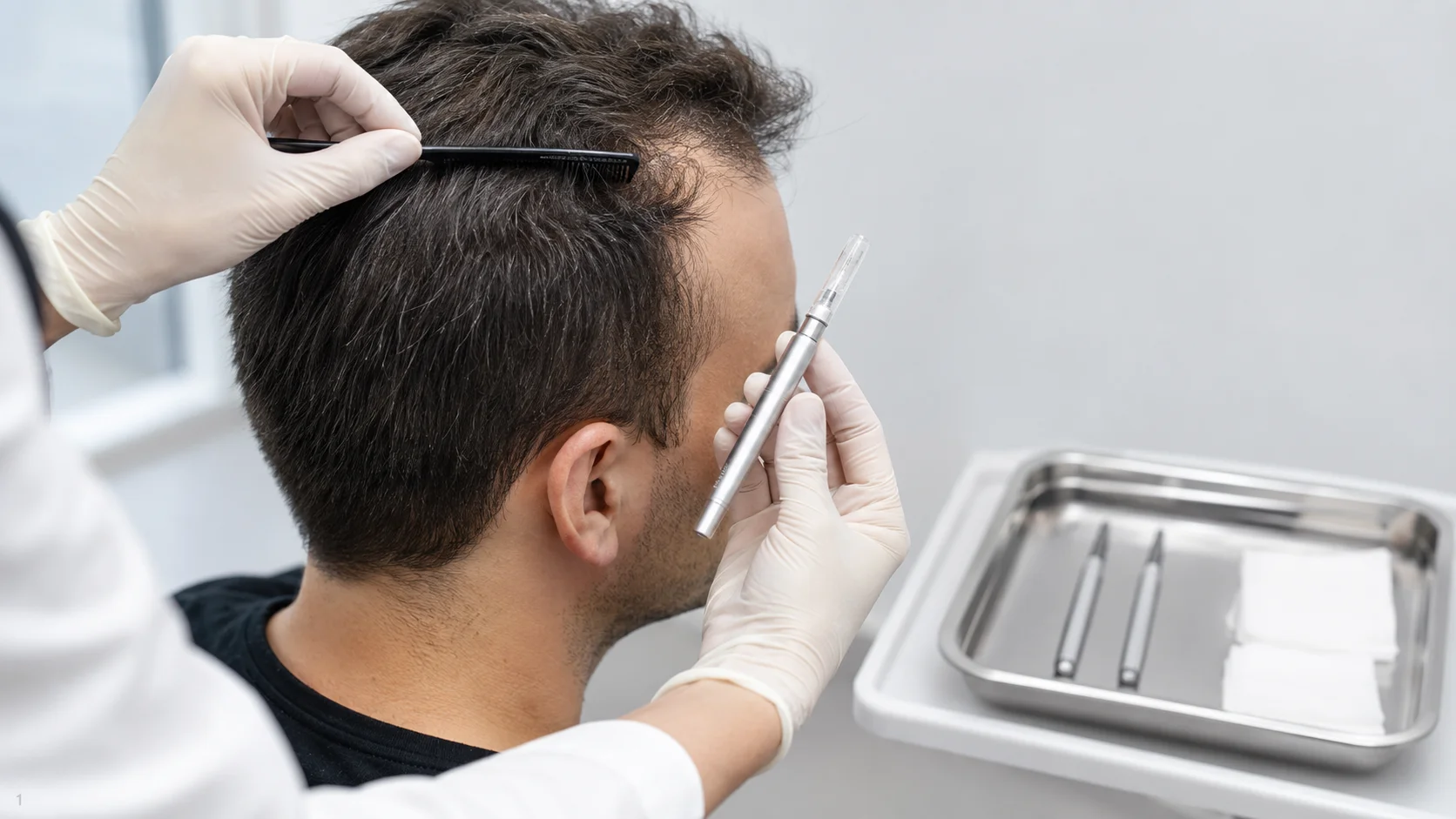
In the Sapphire FUE step, the practitioner uses sapphire blades to create recipient channels. These channels must be made at the correct angle, depth, direction, and spacing. Afterward, grafts are placed into the channels.
Because this article focuses on sapphire blades, it should be understood as a complement to broader FUE education rather than a replacement for it. The fundamentals of donor management, graft extraction, and growth timeline still belong to general FUE planning.
Potential Benefits of Sapphire Blades
Sapphire blades may offer certain procedural advantages when used skillfully. Their sharpness and shape may allow small, clean recipient sites. Smaller channels may reduce tissue trauma in some cases and support closer placement of grafts when appropriate.
Potential benefits may include:
- Precise recipient channel creation
- Potentially smaller incisions
- Support for controlled angle and direction
- Possible reduction in tissue trauma when technique is careful
- Potentially faster early healing in selected cases
- Useful channel design for dense-looking placement
These are possible advantages, not guaranteed outcomes. A sharp instrument can help a skilled practitioner, but it does not automatically create better density or higher graft survival.
Sapphire Blades vs Steel Blades
The main comparison is between sapphire and conventional steel instruments used for channel creation. Sapphire blades may hold a very sharp edge and may create smooth incisions. Steel blades are also widely used and can produce excellent results in experienced hands.
The difference is therefore not simply “sapphire good, steel bad.” Both can be used well or poorly. The surgeon’s understanding of hair direction, density planning, scalp blood supply, and graft size is more important than the blade material alone.
Steel blades may offer flexibility in sizing and familiar handling for many teams. Sapphire blades may offer a fine incision profile and are often marketed as a refinement. The best choice depends on case type, surgical preference, instrument quality, and the team’s experience.
Current Scientific Evidence
The evidence around Sapphire FUE should be interpreted carefully. Many claims about sapphire blades are based on surgical experience, observational reports, or marketing descriptions rather than large, high-quality comparative trials.
Some proposed benefits, such as cleaner incisions or reduced tissue trauma, are plausible from an instrument-design perspective. However, proving that sapphire blades consistently produce better long-term hair growth than steel blades is more difficult.
Hair transplant results are influenced by many variables, including:
- Donor hair quality
- Graft extraction technique
- Graft storage conditions
- Time outside the body
- Recipient-site design
- Implantation method
- Surgeon experience
- Patient healing
- Ongoing hair loss progression
Because so many factors affect the final result, it is hard to isolate blade material as the decisive reason for success.
A balanced interpretation is that sapphire blades may be a useful technical option, but they should not be presented as a scientifically proven guarantee of superior outcomes in every case.
Common Misconceptions
Sapphire FUE is often surrounded by simplified claims. These can create unrealistic expectations.
One misconception is that Sapphire FUE is a different transplant category from FUE. In reality, it is a variation within FUE-related surgery, focused on recipient channel creation.
Another misconception is that sapphire blades eliminate scarring. Donor scarring depends mainly on extraction, punch size, healing, and donor management. Recipient sites also heal, but no incision-based procedure is literally scar-free.
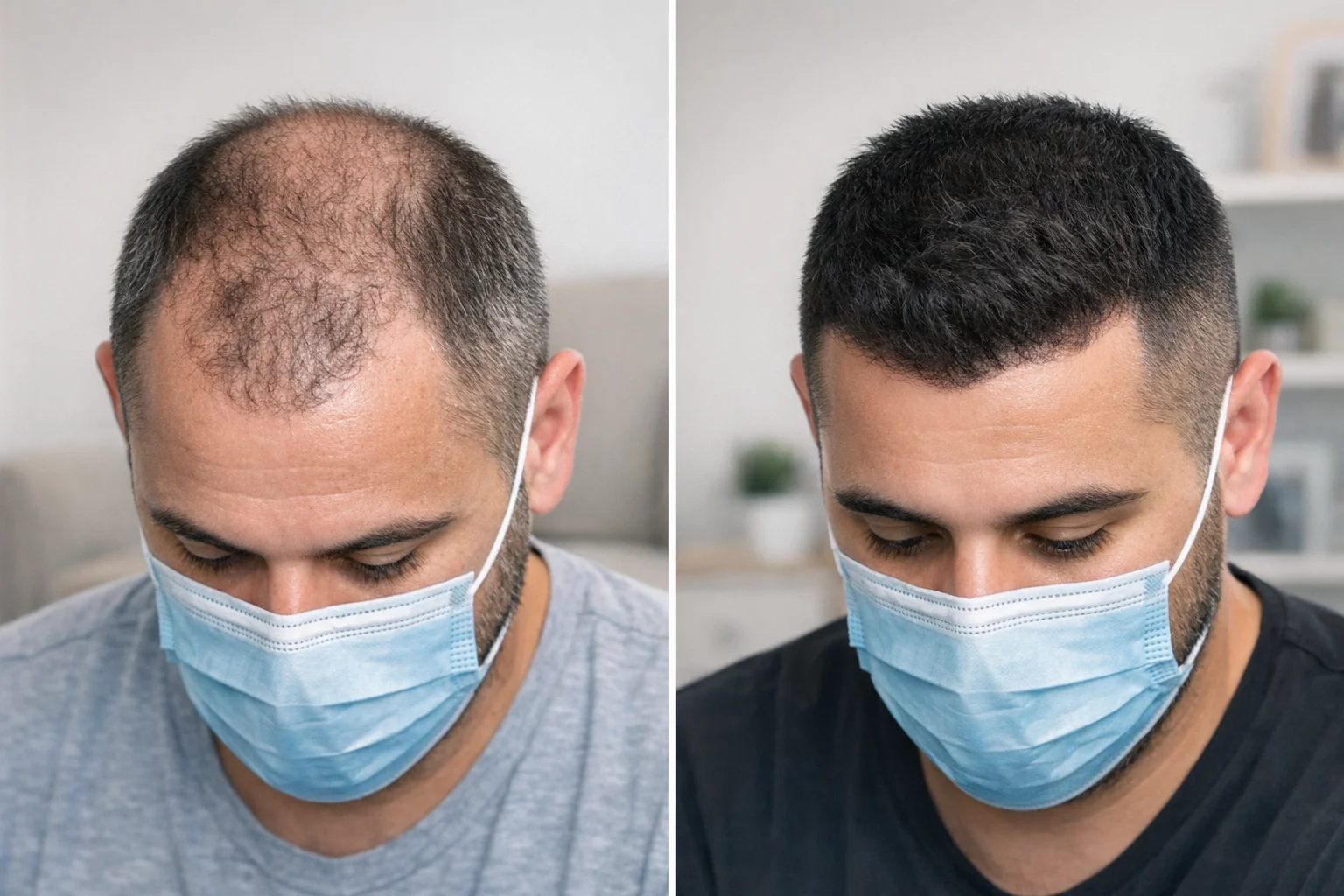
A third misconception is that Sapphire FUE always creates higher density. Density depends on donor supply, graft survival, scalp blood flow, hair caliber, curl, contrast, and safe spacing. Dense packing is not always appropriate.
It is also inaccurate to say that sapphire blades make results natural by themselves. Naturalness comes from hairline design, graft selection, direction, irregularity, and long-term planning.
Who May Benefit From Sapphire FUE?
Sapphire FUE may be suitable for many patients who are already good candidates for FUE and whose surgical team believes sapphire blades are appropriate for recipient-site creation.
It may be considered when the goal is refined channel creation, careful density planning, or cosmetically sensitive placement. Patients with appropriate donor supply, realistic expectations, and stable planning are more likely to benefit from any technical refinement.
It may not solve problems such as poor donor capacity, advanced hair loss without enough grafts, active scalp disease, unrealistic density goals, or unstable medical hair loss.
The question should not be “Is Sapphire FUE the best method?” A better question is “Is this technique appropriate for my pattern, donor area, hair characteristics, and long-term plan?”
Recovery and Healing
Recovery after Sapphire FUE is generally similar to FUE recovery. The recipient area may show redness, scabbing, tenderness, and temporary sensitivity. Scabs usually shed gradually, and transplanted hairs often fall out before regrowing later.
Some clinics suggest that sapphire channels may support smoother early healing. This may be possible in selected cases, but healing still depends on incision size, density, aftercare, skin type, and individual response.
Patients should follow aftercare instructions carefully. Washing, sun protection, avoiding trauma, and attending follow-up visits all influence recovery quality.
FAQ
Is Sapphire FUE different from FUE?
Sapphire FUE is a variation of FUE in which sapphire blades are used to create recipient channels. The graft extraction step is still based on FUE principles.
Are sapphire blades better than steel blades?
Sapphire blades may offer technical advantages in selected cases, but steel blades can also produce excellent results. Skill and planning matter more than blade material alone.
Does Sapphire FUE leave no scars?
No. FUE can leave small donor marks, and all incision-based procedures involve healing. Sapphire blades relate mainly to recipient channels, not donor extraction.
Does Sapphire FUE increase hair density?
It may support precise channel creation, but density depends on donor supply, graft survival, hair characteristics, and safe planning.
Is Sapphire FUE scientifically proven to be superior?
Current evidence does not support broad guaranteed claims. Sapphire blades may be useful, but outcomes depend on many surgical and patient factors.
Final Thoughts
Sapphire FUE is best understood as a technical refinement within hair transplantation, not a completely separate miracle method. Sapphire blades may help create precise recipient channels, but they do not replace the fundamentals of good hair restoration: diagnosis, donor planning, hairline design, graft handling, and realistic expectations.
For readers comparing techniques, Sapphire FUE naturally connects with broader guides on FUE hair transplant, hairline design, graft survival, and recovery timelines. The most important decision is not the name of the blade, but whether the full surgical plan is appropriate for the patient.
This article is for general informational purposes only and does not replace individualized medical advice, diagnosis, or treatment from a qualified healthcare professional.