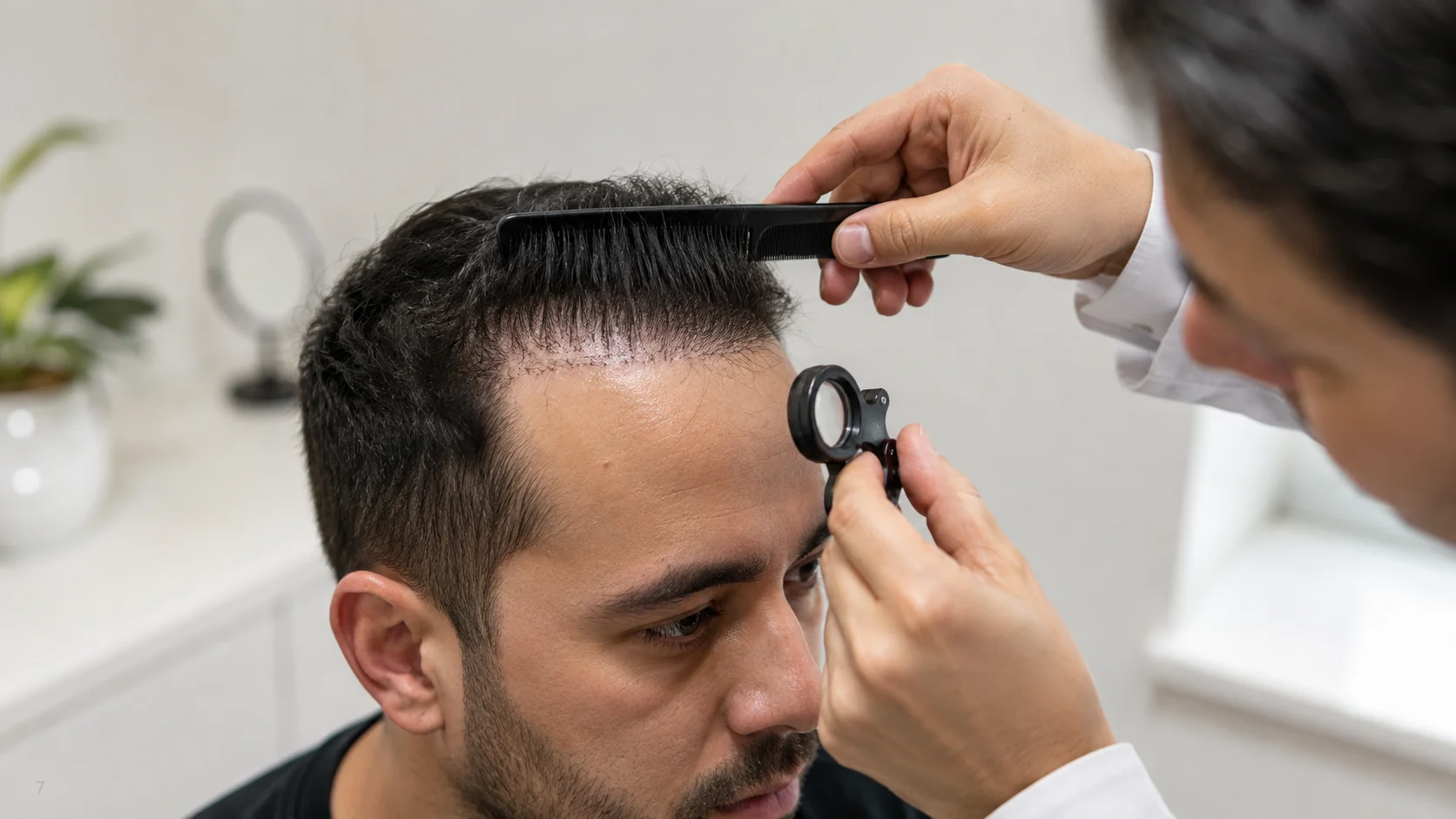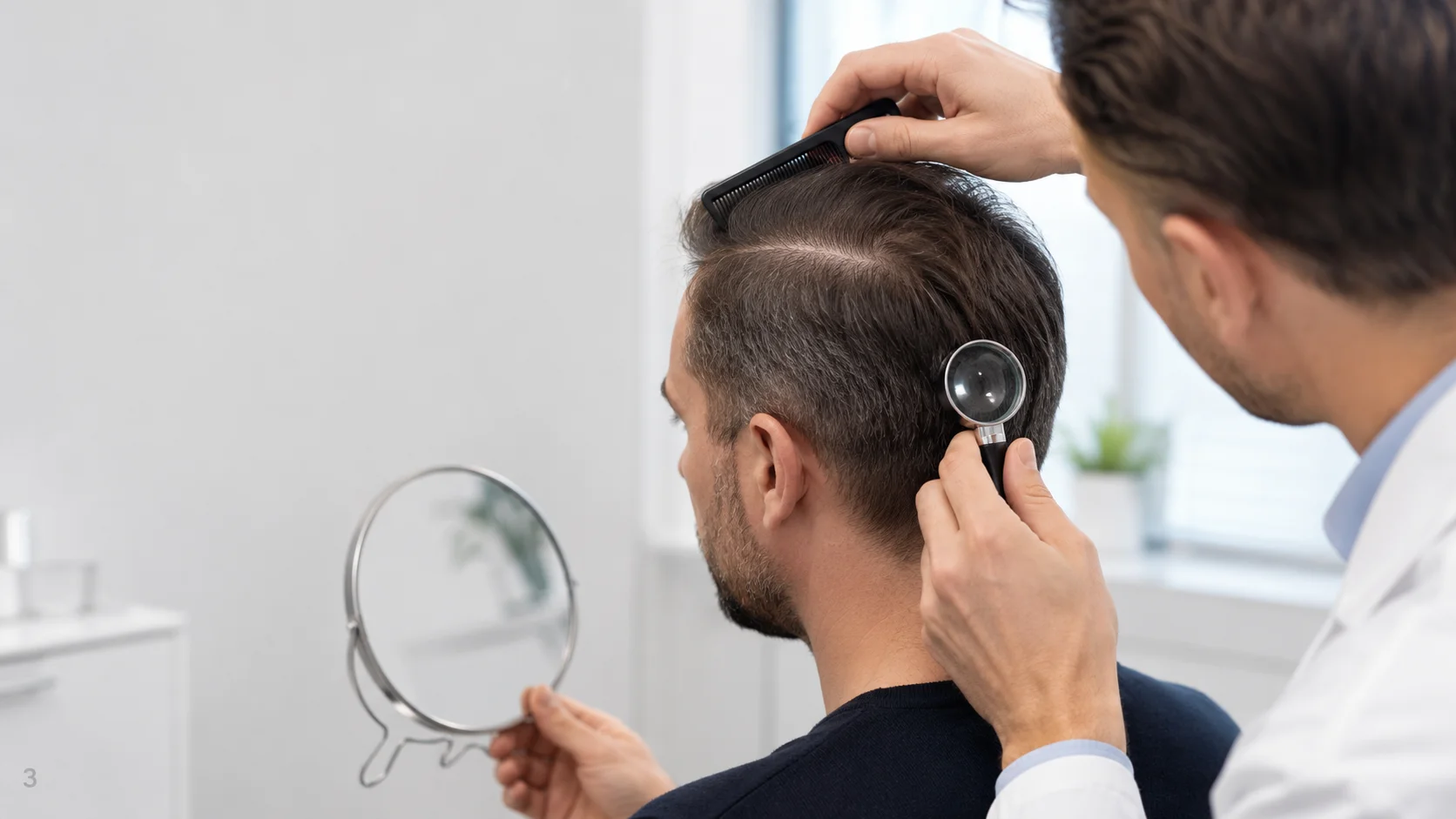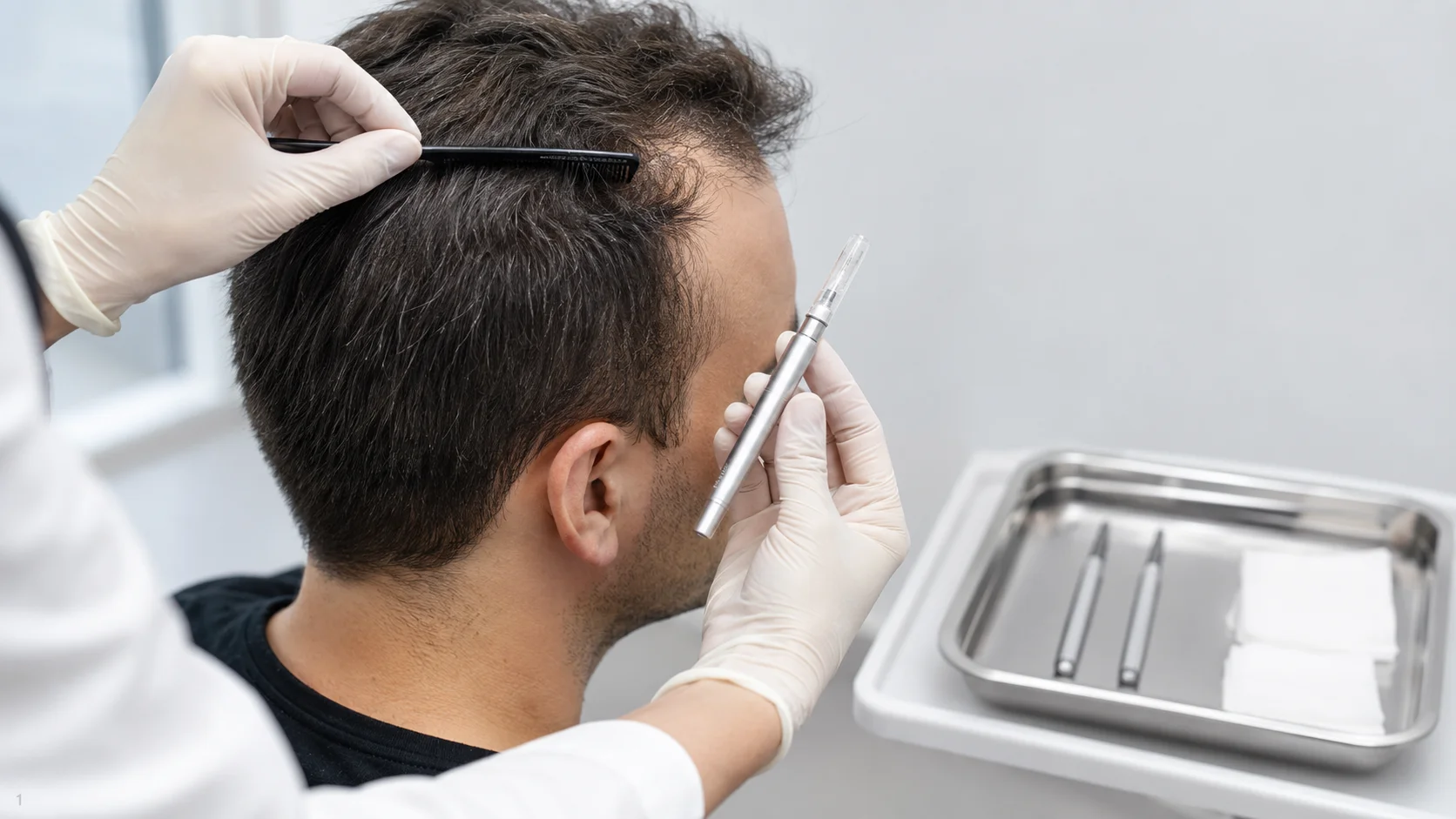
The Choi implanter pen is a specialized hair transplant device used to place grafts into the scalp with controlled angle, direction, and depth. It is often associated with DHI, or direct hair implantation, but the device itself is the main focus: a pen-like tool with a hollow needle that holds an individual follicular unit before implantation.
In a hair transplant, the final appearance depends not only on graft survival but also on placement. Hairline softness, density distribution, growth direction, and natural flow all depend on how grafts are inserted. The Choi implanter pen was developed to give the surgical team more control during this implantation step.
The technique can be useful in selected cases, but it is not automatically superior for every patient. It requires experience, careful graft handling, appropriate candidate selection, and realistic expectations.
How the Choi Implanter Pen Works
A Choi implanter pen has a narrow hollow needle attached to a spring-loaded handle. A follicular unit graft is loaded into the needle, and the practitioner uses the device to place the graft into the scalp.
In conventional implantation methods, recipient sites are usually created first with blades or needles, and grafts are then placed into those sites with forceps. With a Choi implanter pen, site creation and graft placement may happen in a more integrated step. The tool enters the scalp at the planned angle and depth, then deposits the graft.
This can allow precise control over:
- Implantation angle
- Hair direction
- Graft depth
- Spacing between grafts
- Placement in areas with existing hair
- Distribution along the hairline
The technique is especially detail-sensitive. The device itself does not guarantee a natural result. The outcome depends on surgical planning, graft quality, loading technique, implantation skill, and aftercare.
Choi Implanter Pen and DHI
The Choi implanter pen is commonly mentioned in relation to DHI hair transplant procedures. DHI is one technique that uses implanter pens to place follicular units directly into the scalp.
However, the Choi implanter pen should not be confused with the entire transplant process. Hair follicles still need to be harvested, preserved, sorted, and implanted according to a medical and aesthetic plan. The pen is an implantation device, not a complete hair restoration method by itself.
This distinction helps avoid marketing confusion. A clinic may describe a procedure as DHI, implanter pen transplantation, or Choi technique, but the patient should still ask how grafts are extracted, who performs implantation, how density is planned, and what limitations apply.
The Procedure Step by Step
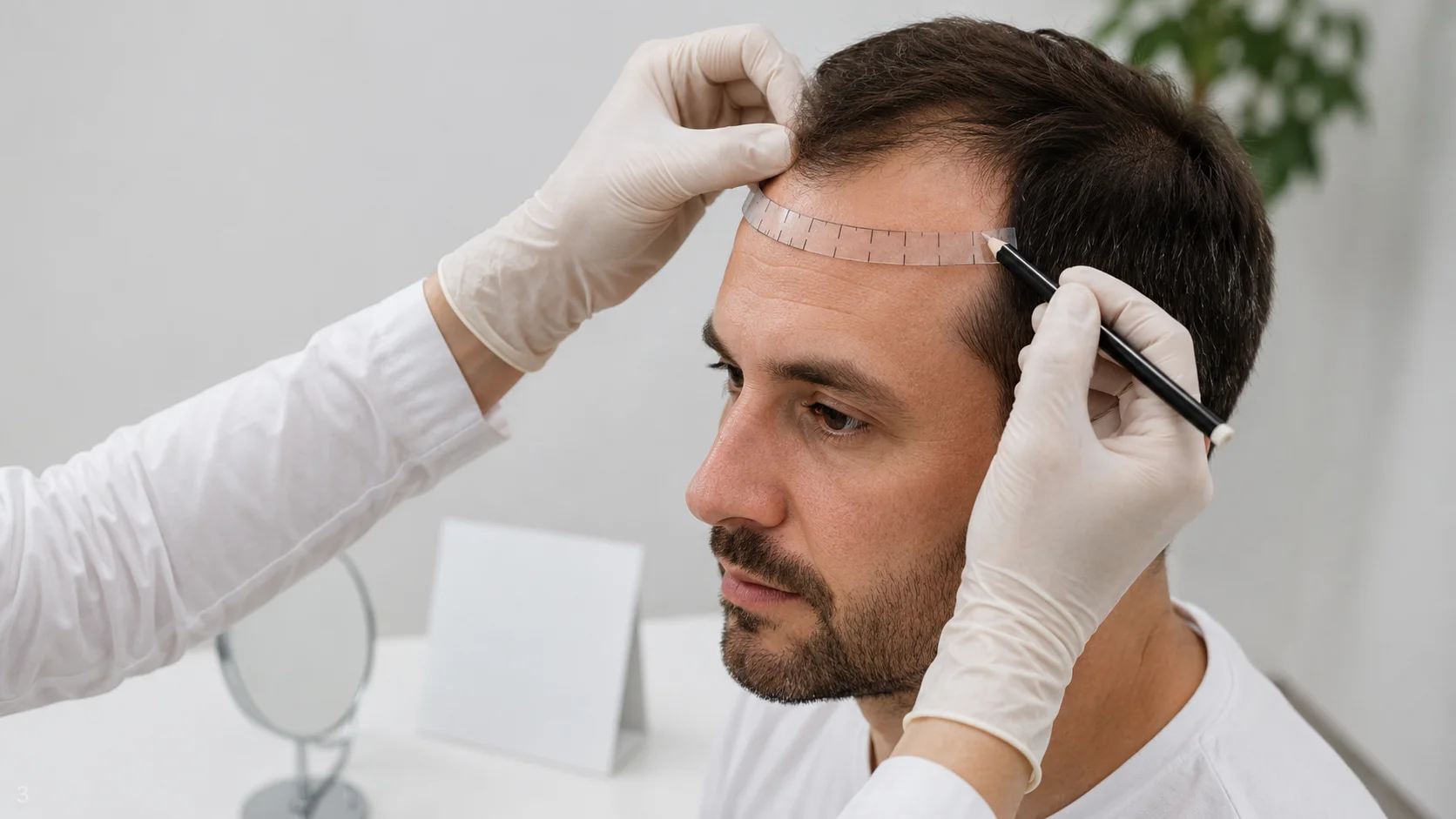
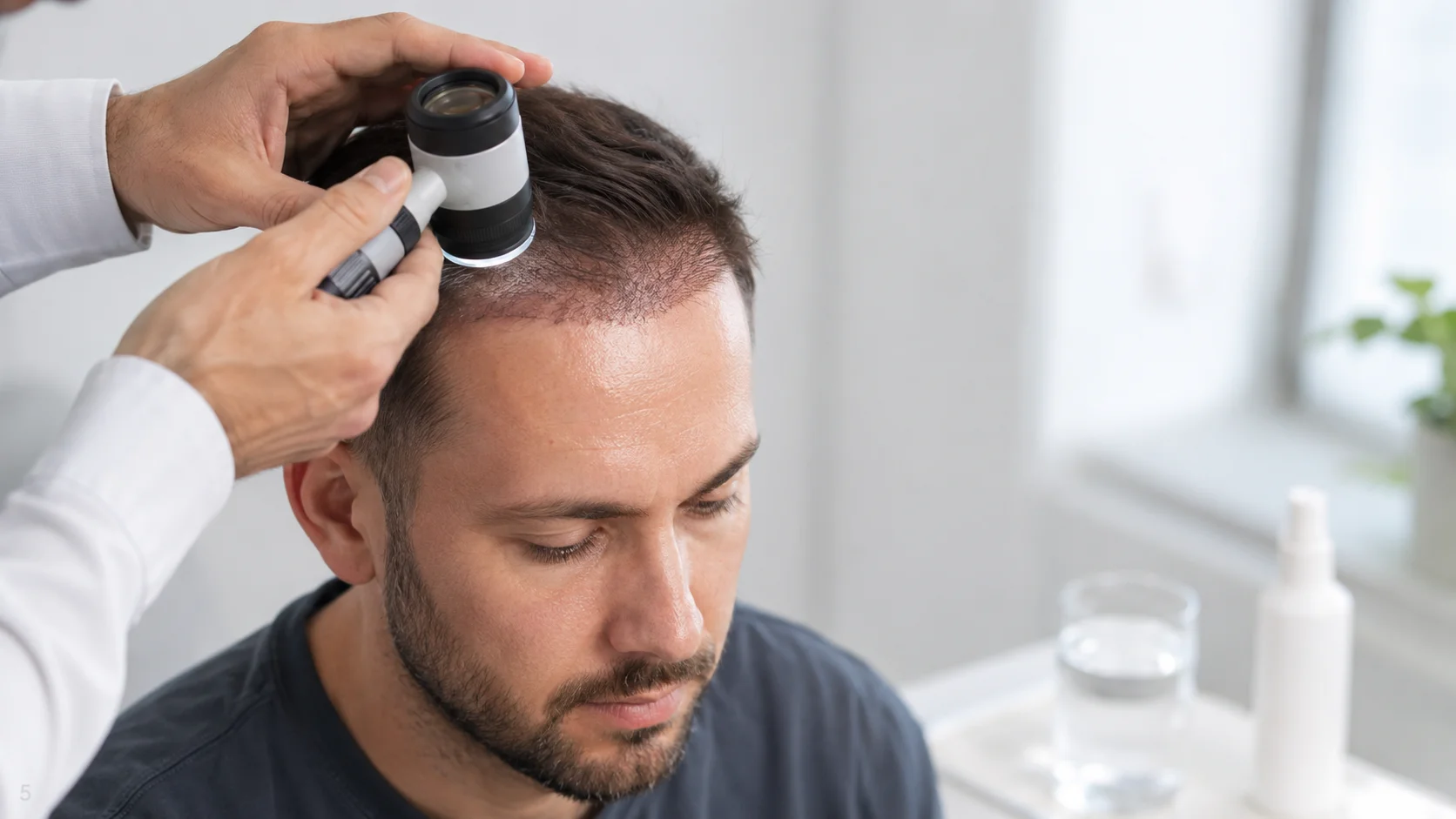
A Choi implanter pen procedure usually begins like other hair transplants, with consultation and surgical planning. The donor area, recipient area, hairline design, expected graft number, and long-term hair loss pattern are assessed.
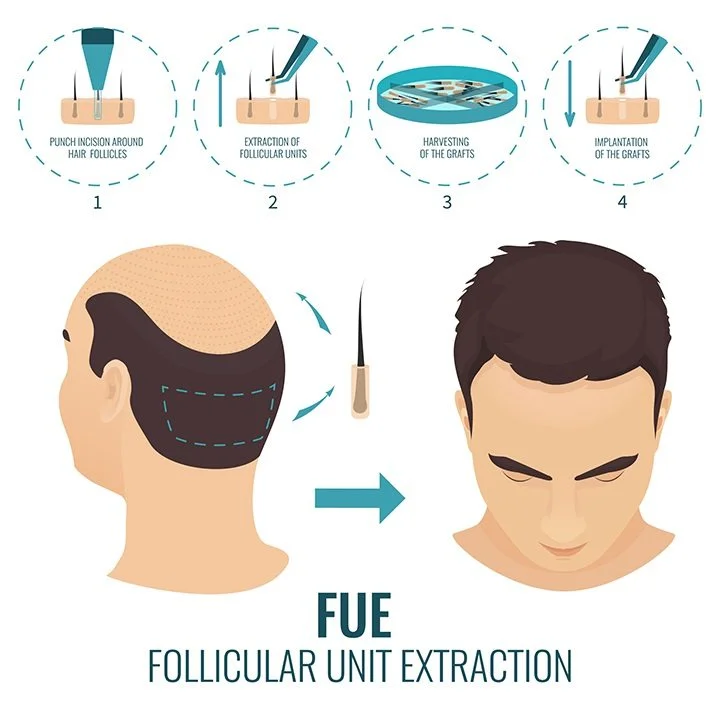
Hair follicles are commonly extracted using FUE methods. After extraction, grafts are evaluated and kept in appropriate conditions before implantation. Healthy graft handling is essential because follicles are delicate and can be damaged by drying, crushing, overheating, or excessive time outside the body.
During implantation, grafts are loaded into the implanter pen. The practitioner places each graft into the recipient area using the device. Different needle sizes may be chosen depending on graft thickness and hair characteristics.
The process may take longer than conventional implantation in some cases, especially if many grafts are needed. The technique requires coordination between the team members loading grafts and the person placing them.
Potential Benefits
The Choi implanter pen may offer practical advantages when used appropriately.
One potential benefit is controlled placement. Because the device allows angle, direction, and depth to be managed during implantation, it may support natural-looking results in areas where detail matters, such as the frontal hairline, temples, eyebrows, or areas with existing hair.
Another possible benefit is reduced manipulation of grafts during placement. Since grafts are loaded into the pen and inserted through the device, there may be less need for forceps handling at the final implantation step. This may help protect grafts when the team is well trained.
The technique may also be useful for unshaven or partially shaven procedures in selected patients. Because recipient-site creation and implantation can be closely controlled, some teams use implanter pens when working between existing hairs.
Potential advantages may include:
- Precise implantation angle and direction
- Controlled graft depth
- Useful placement in detailed hairline work
- Potentially less graft handling during implantation
- Possible suitability for selected unshaven or partially shaven cases
- Good control when working among existing hairs
These benefits depend heavily on technique. A poorly planned implanter pen procedure can still produce unnatural density, wrong hair direction, graft trauma, or low survival.
Limitations and Misconceptions
The Choi implanter pen is sometimes promoted as if it automatically produces better results. This is misleading. The tool can support precision, but it does not replace surgical judgment.
One limitation is that graft loading requires skill. If grafts are loaded incorrectly, they may be damaged. Curly, thick, fragile, or multi-hair grafts may require particular care.
Another limitation is time. In some cases, implanter pen procedures can take longer, especially when large numbers of grafts are placed. Longer surgery is not necessarily a problem, but graft preservation and team efficiency become important.
The method may also be less suitable for very large sessions if the team lacks enough trained staff. Dense packing must be planned carefully to avoid scalp trauma and protect blood supply.
Common misconceptions include:
- The Choi pen makes every transplant scarless
- Implanter pen surgery always gives higher graft survival
- DHI and Choi pen technique are completely separate procedures
- The tool alone determines the result
- Every patient is a good candidate
No implantation device can compensate for poor diagnosis, unrealistic hairline design, inadequate donor supply, or progressive untreated hair loss.
Who May Be a Good Candidate?
The Choi implanter pen technique may be suitable for people who need precise implantation, especially in cosmetically sensitive zones. This may include frontal hairline refinement, temple work, moderate density restoration, or filling selected areas among existing hair.
It may also be considered for patients who want a partially shaven or unshaven approach, although this depends on hair length, graft number, surgical visibility, and clinic protocol.
Good candidates usually have:
- A clear diagnosis of hair loss
- Adequate donor hair
- Realistic density expectations
- Stable or medically managed progression when appropriate
- A suitable recipient area
- Willingness to follow recovery instructions
It may be less suitable for patients with very advanced baldness needing extremely large coverage, poor donor supply, active scalp disease, unrealistic density goals, or medical issues that increase surgical risk.
Recovery and Results
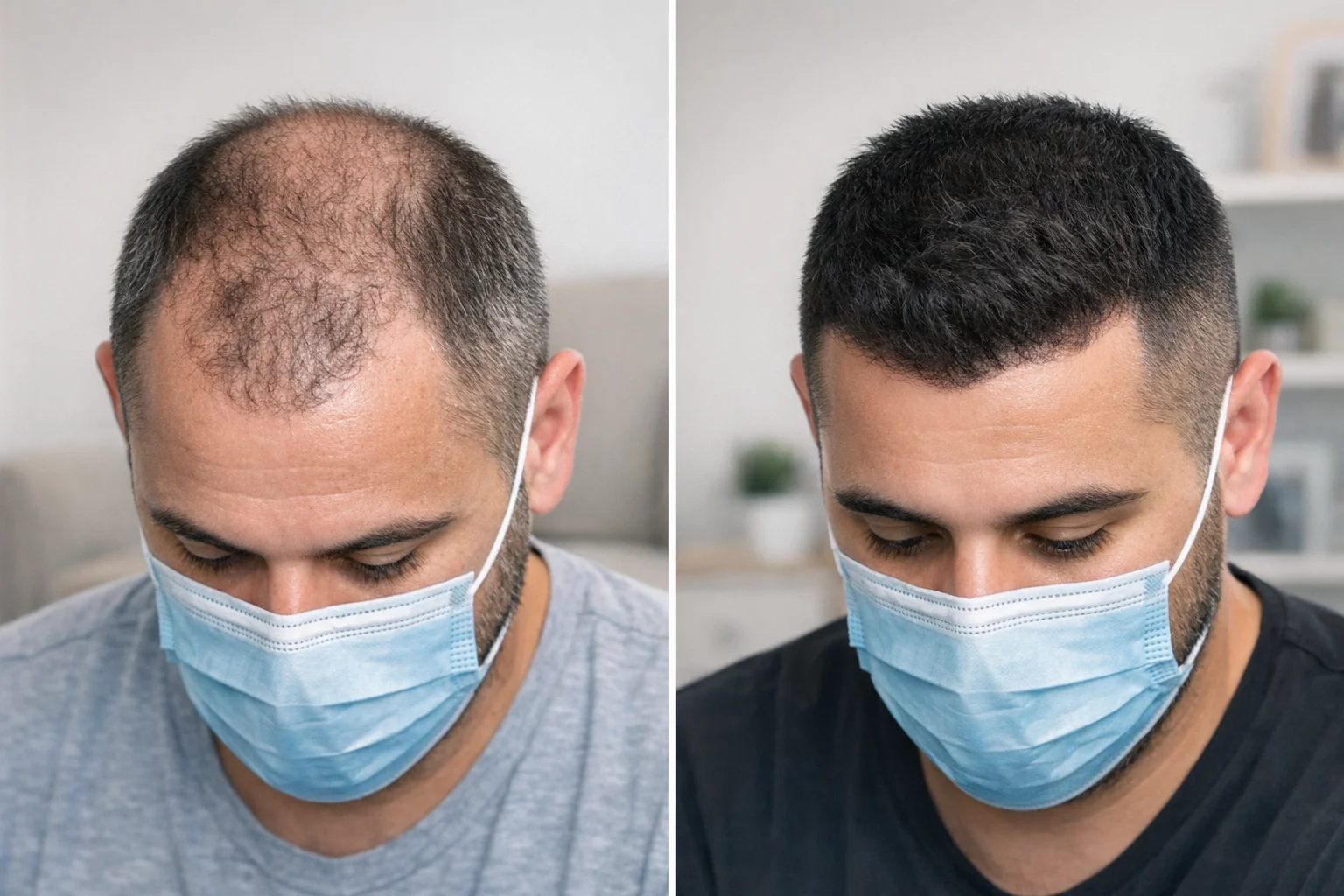
Recovery after a Choi implanter pen procedure is broadly similar to other hair transplant methods. Redness, swelling, tenderness, scabbing, and temporary shedding can occur. The implanted hairs often shed in the early weeks before gradual regrowth begins.
Visible growth usually develops over months, with more meaningful cosmetic change often seen between 6 and 12 months. Final maturation may take longer, especially in the crown.
The implanter pen does not eliminate the normal hair transplant growth timeline. Patients should expect a gradual process, not immediate final density.
FAQ
Is the Choi implanter pen the same as DHI?
Not exactly. DHI is a hair transplant technique that commonly uses implanter pens. The Choi implanter pen is the device used for implantation.
Does the Choi pen give better results than FUE?
FUE describes graft extraction, while the Choi pen relates to implantation. Results depend on the full surgical plan, not one tool alone.
Is the Choi implanter pen scarless?
No hair transplant is completely without tissue impact. The Choi pen affects implantation, while donor scarring depends mainly on the extraction method.
Is the technique suitable for everyone?
No. Suitability depends on donor supply, hair loss pattern, graft number, scalp condition, goals, and surgical judgment.
Does the Choi pen increase graft survival?
It may help reduce certain types of graft handling when used well, but survival depends on many factors, including extraction, storage, loading, implantation, and healing.
Final Thoughts
The Choi implanter pen is a valuable implantation tool when used by an experienced team for the right patient. Its main strengths are control, precision, and detailed placement, particularly in areas where angle and direction strongly affect naturalness.
It should not be viewed as a magic device or a guaranteed upgrade. The best results come from diagnosis, donor planning, careful graft handling, realistic design, and skilled execution. For readers comparing transplant methods, this topic naturally connects with broader guides on FUE, DHI, hairline planning, and hair transplant eligibility.
This article is for general informational purposes only and does not replace individualized medical advice, diagnosis, or treatment from a qualified healthcare professional.