Hair Transplant Swelling: What to Expect During the First Few Days
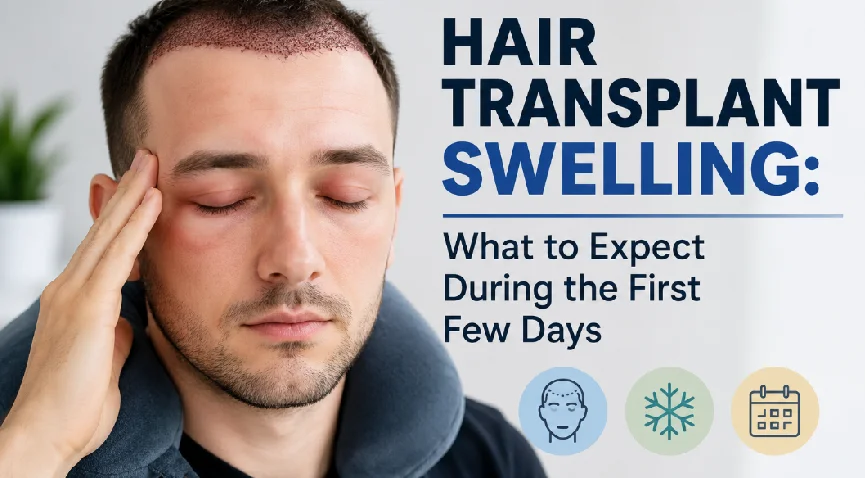
Recovering from a hair transplant involves several normal healing stages, and one of the most common experiences during the first few days is swelling. For many people, seeing swelling develop around the forehead or eyes can be unexpected and even worrying. Fortunately, mild swelling after a hair transplant is generally considered a normal part of the body's natural healing response.
Swelling, also known as edema, occurs because the body temporarily increases fluid movement to the treated area after surgery. This response helps support tissue repair and healing. Although the swelling may appear more noticeable as it moves downward from the scalp, it usually improves gradually without causing long-term problems.
The amount of swelling varies from person to person. Some individuals experience only mild puffiness, while others may notice swelling extending to the forehead and around the eyes. These differences depend on factors such as individual healing response, the extent of the procedure, and how closely post-operative care instructions are followed.
Understanding why swelling occurs, when it is most likely to appear, and what can be done to manage it can make the recovery process much less stressful.
Why Does Swelling Happen After a Hair Transplant?
Swelling is a natural response that occurs after many surgical procedures, including hair transplantation. During the procedure, tiny incisions are created in the scalp to remove and place hair follicles. Although these incisions are very small, they still trigger the body's normal healing process.
As healing begins, blood vessels become more active and fluid temporarily accumulates in nearby tissues. This fluid helps deliver oxygen, nutrients, and immune cells that support tissue repair. Because gravity naturally pulls fluid downward, swelling often starts near the scalp before gradually moving toward the forehead and, in some cases, the area around the eyes.
This movement of swelling can appear alarming, especially for people experiencing it for the first time. However, the location of the swelling often changes more than its actual severity. As the body reabsorbs excess fluid, the swelling gradually decreases until it disappears completely.
For most individuals, this process is expected and does not interfere with the overall success of the hair transplant.
When Does Swelling Usually Start?
Swelling does not always appear immediately after the procedure. In many cases, the scalp feels relatively normal during the first day before swelling gradually develops over the following days.
Most people begin noticing swelling within the first 24 to 72 hours after surgery. As recovery progresses, the swelling may slowly move from the scalp toward the forehead before occasionally reaching the upper eyelids or the area around the eyes.
Although facial swelling may look more dramatic than swelling on the scalp, this is usually a temporary stage of the healing process rather than a sign that something is wrong.
The intensity and duration vary between individuals. Some people experience only minimal swelling, while others notice more visible changes during the first few days. Both situations can fall within the normal range of post-operative healing.
How Long Does Swelling Last?
One of the most common questions after a hair transplant is how long swelling will remain visible.
For most people, swelling reaches its highest point during the first few days before gradually improving. As the body's lymphatic system removes excess fluid, facial swelling slowly begins to decrease.
In many cases, noticeable swelling improves significantly within five to seven days, although the exact timeline differs from one individual to another. Minor puffiness may occasionally persist slightly longer before resolving completely.
The healing process should generally show steady improvement each day. Rather than disappearing all at once, swelling usually decreases little by little until the face returns to its normal appearance.
Knowing this expected timeline can help reduce unnecessary concern during the early recovery period.
How to Reduce Swelling During Recovery?
Although swelling cannot always be prevented completely, several simple measures may help support a more comfortable recovery.
Keeping the head elevated while resting or sleeping may help reduce fluid accumulation around the face. Many people find it helpful to sleep with an extra pillow during the first few nights after the procedure.
Staying well hydrated is another important part of recovery. Drinking enough water supports the body's normal healing processes and may assist with fluid balance during the early post-operative period.
Following all aftercare instructions carefully is equally important. Every recovery plan is designed to support healing while protecting the newly transplanted grafts.
Some healthcare professionals may also recommend specific medications or additional supportive measures when appropriate. Any medication should only be taken according to the instructions provided by the treating medical professional.
When Should Swelling Be a Cause for Concern?
Although swelling is expected during the early stages of recovery, it is important to understand the difference between normal healing and symptoms that may require medical attention.
Typical post-operative swelling gradually improves over several days and is not usually accompanied by severe pain or significant discomfort. Even if the swelling spreads toward the forehead or around the eyes, it often resolves naturally as the body absorbs the excess fluid.
However, swelling that becomes progressively worse instead of improving should not be ignored. Increasing swelling combined with severe pain, excessive redness, warmth, fever, or unusual discharge may indicate that further medical evaluation is needed.
Every individual heals at a different pace, so recovery timelines can vary. If something feels unusual or symptoms appear significantly different from what was explained during the recovery process, seeking professional advice is always the safest approach.
Paying attention to your body's normal healing progress is often the best way to recognize when additional evaluation may be appropriate.
Tips for a More Comfortable Recovery
While swelling is a natural part of healing, a few simple habits may help make the first week after a hair transplant more comfortable.
Continue sleeping with your head elevated whenever possible, especially during the first several nights. This position may help reduce the amount of fluid collecting around the forehead and face.
Staying hydrated is equally important. Drinking enough water supports normal body functions and contributes to the overall healing process.
Avoid strenuous physical activity, heavy lifting, and intense exercise during the early recovery period unless advised otherwise. Activities that significantly increase blood pressure may temporarily increase swelling.
Protecting the scalp is another important consideration. Avoid rubbing, scratching, or placing unnecessary pressure on the treated areas while the grafts are healing.
Most importantly, follow the aftercare instructions provided for your recovery. A consistent recovery routine often contributes to a smoother healing experience and better overall results.
Frequently Asked Questions
Is swelling after a hair transplant normal?
Yes. Mild swelling during the first few days is a common part of the body's natural healing response. In many cases, it gradually improves within about one week without causing long-term problems.
Why does the swelling move toward the forehead and eyes?
Gravity causes excess fluid to move downward after the procedure. As a result, swelling that begins on the scalp may later become more noticeable around the forehead or upper eyelids before gradually disappearing.
Can swelling affect the transplanted hair grafts?
Normal post-operative swelling does not usually harm the transplanted grafts. Following the recommended aftercare instructions helps protect the grafts while supporting the healing process.
Can I speed up the recovery process?
Although healing cannot be rushed, maintaining good hydration, sleeping with your head elevated, avoiding unnecessary physical strain, and following your aftercare plan may help support a comfortable recovery.
Final Thoughts
Experiencing swelling after a hair transplant can feel surprising, especially for individuals going through the procedure for the first time. Fortunately, mild swelling and edema are generally expected during the early stages of recovery and usually improve naturally within the first week.
Understanding why swelling occurs, how it changes over the first few days, and what steps may help support recovery can reduce unnecessary anxiety during the healing process. In many cases, the swelling simply reflects the body's normal response to surgery and gradually resolves as healing continues.
While every recovery is unique, following aftercare instructions, giving your body enough time to heal, and maintaining realistic expectations are important parts of achieving a smooth recovery. If swelling becomes unusually severe or is accompanied by symptoms such as increasing pain, fever, or signs of infection, seeking medical advice is the most appropriate course of action.
With proper care and patience, the first week after a hair transplant becomes only one step in the overall journey toward long-term results.