How Long Does It Take to See Results from Hair Loss Treatments?
Hair loss treatments do not usually produce quick visible changes. Hair grows slowly and follows natural cycles, so even effective treatment may take months before the difference is noticeable in the mirror or in photos.
Many hair loss treatments require at least three to six months before early changes can be assessed, and fuller results may take nine to twelve months or longer depending on the condition and treatment. Some people first notice reduced shedding, while others see gradual improvements in thickness, coverage, or hair quality. Results vary, and not everyone responds in the same way.
Why Hair Loss Treatment Takes Time
Hair follicles move through growth, transition, resting, and shedding phases. Treatments that support growth or reduce progression need time to influence these cycles. Even when a follicle responds, the new hair has to grow long enough to become visible.
This is why checking daily can be frustrating. Small changes are difficult to see at first, and normal shedding may continue during the early phase. Progress is often easier to judge through consistent photos taken under similar lighting every few months.
The timeline also depends on the type of hair loss. Temporary shedding, hereditary thinning, inflammatory scalp conditions, and deficiency-related hair loss may all respond differently.
What You May Notice in the First Few Months
The first one to three months can be confusing. Some people notice no visible change. Others may experience temporary shedding after starting certain treatments. This can feel alarming, but in some cases it reflects a shift in the hair cycle rather than treatment failure.
However, not all shedding is expected or harmless. Severe shedding, scalp irritation, rash, pain, or sudden worsening should be discussed with a professional. The goal is to understand whether the reaction is within the expected range or whether the plan needs adjustment.
Early signs that a treatment may be helping can include reduced shedding, less visible scalp under the same conditions, or small new hairs in thinning areas. These signs can be subtle.
The Three-to-Six-Month Window
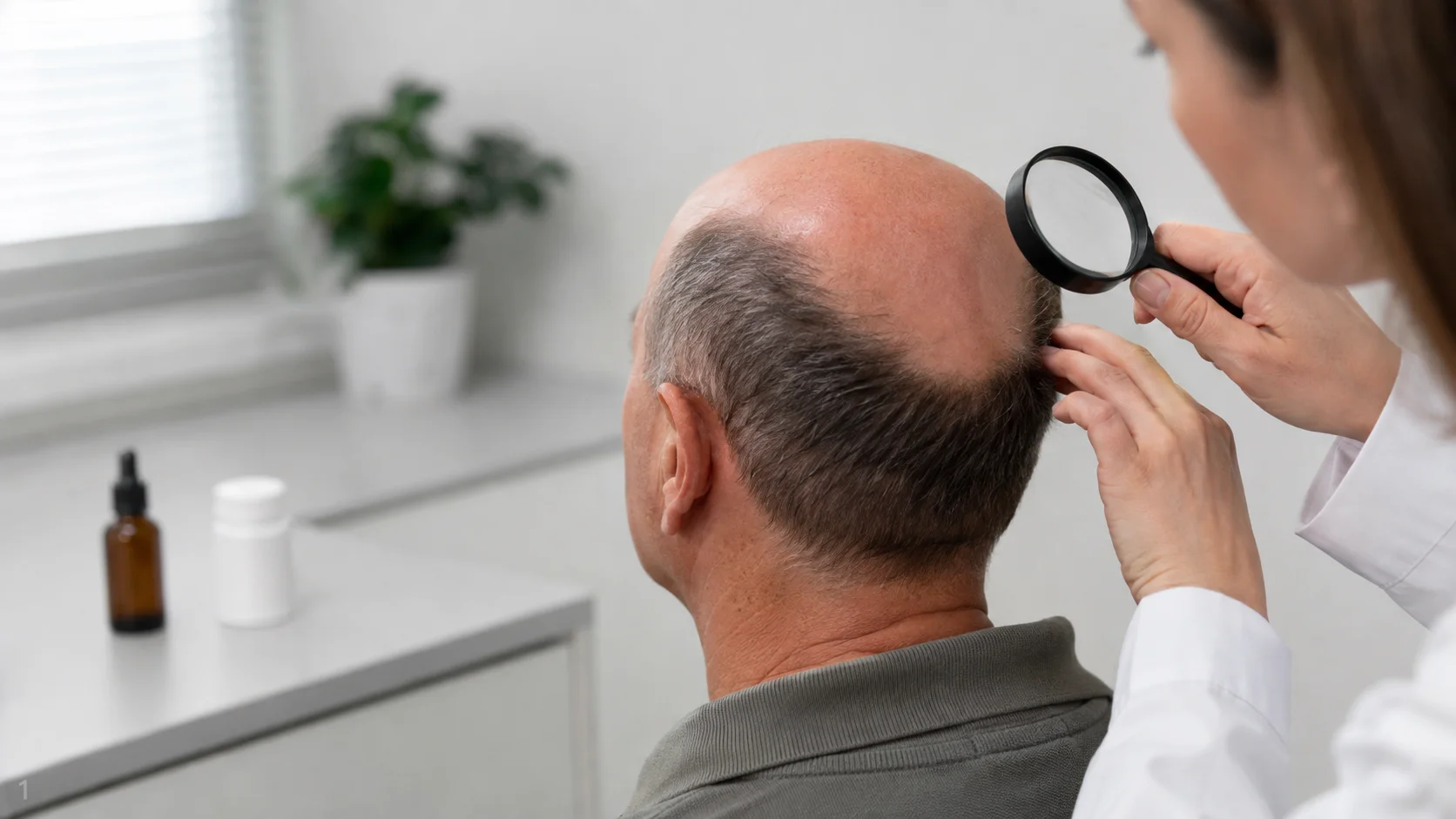
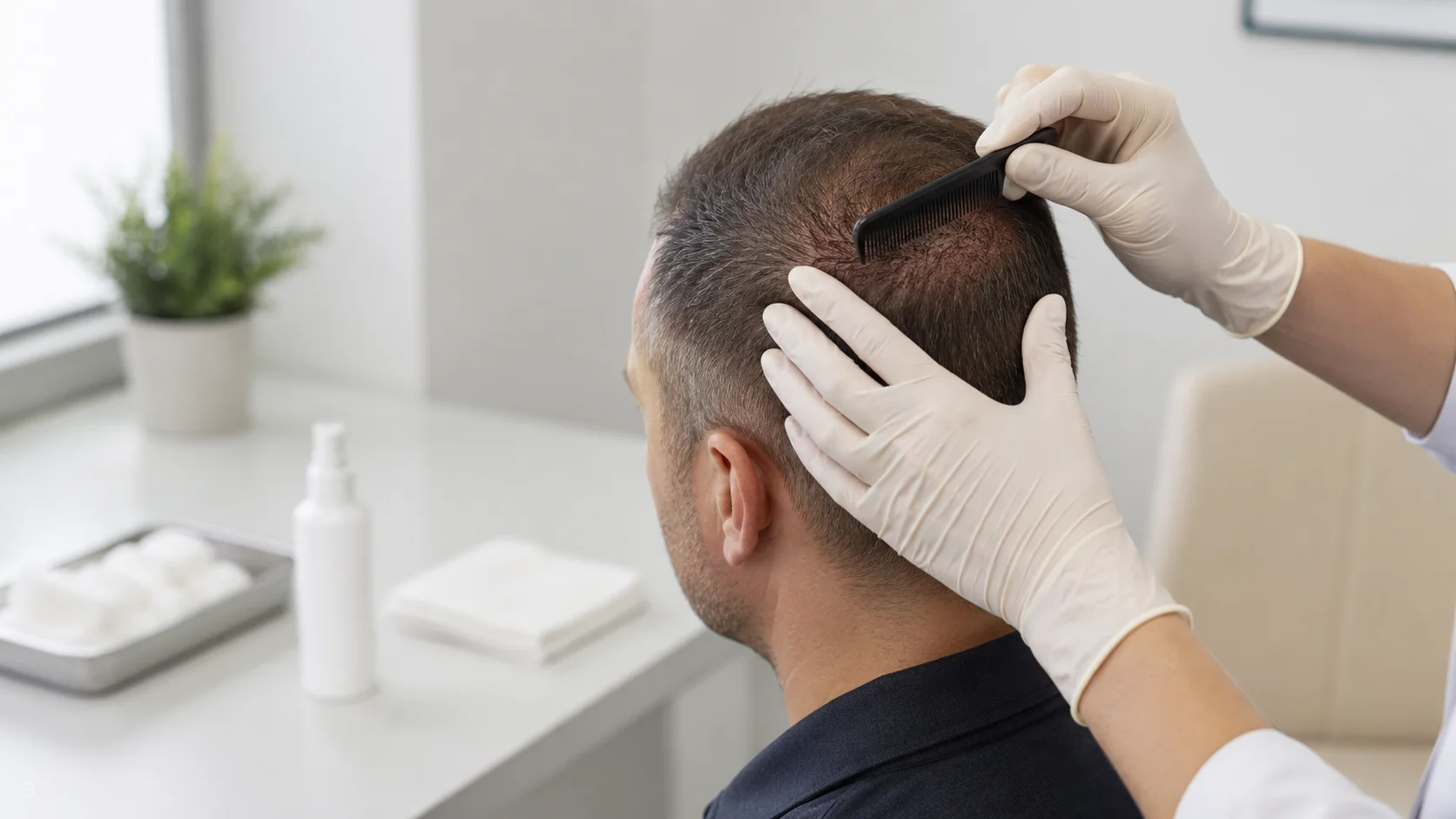
For many treatments, three to six months is the earliest meaningful checkpoint. At this stage, a professional may review shedding, density, scalp condition, side effects, and consistency of use.
It is important to be honest about missed doses or inconsistent application. Hair loss treatments often depend on regular use. If a treatment has been used only occasionally, it may be too early to judge whether it can work.
Some people see encouraging changes by six months. Others may only see stabilization, which can still be a valuable result if the hair loss was previously progressing.
When Fuller Results May Appear
More visible cosmetic improvement often takes nine to twelve months, and sometimes longer. Hair needs time to grow in length and diameter before density changes become obvious.
For progressive hair loss, success may mean slowing or stopping further thinning rather than fully restoring previous density. This distinction matters. A treatment can be useful even if it does not create dramatic regrowth.
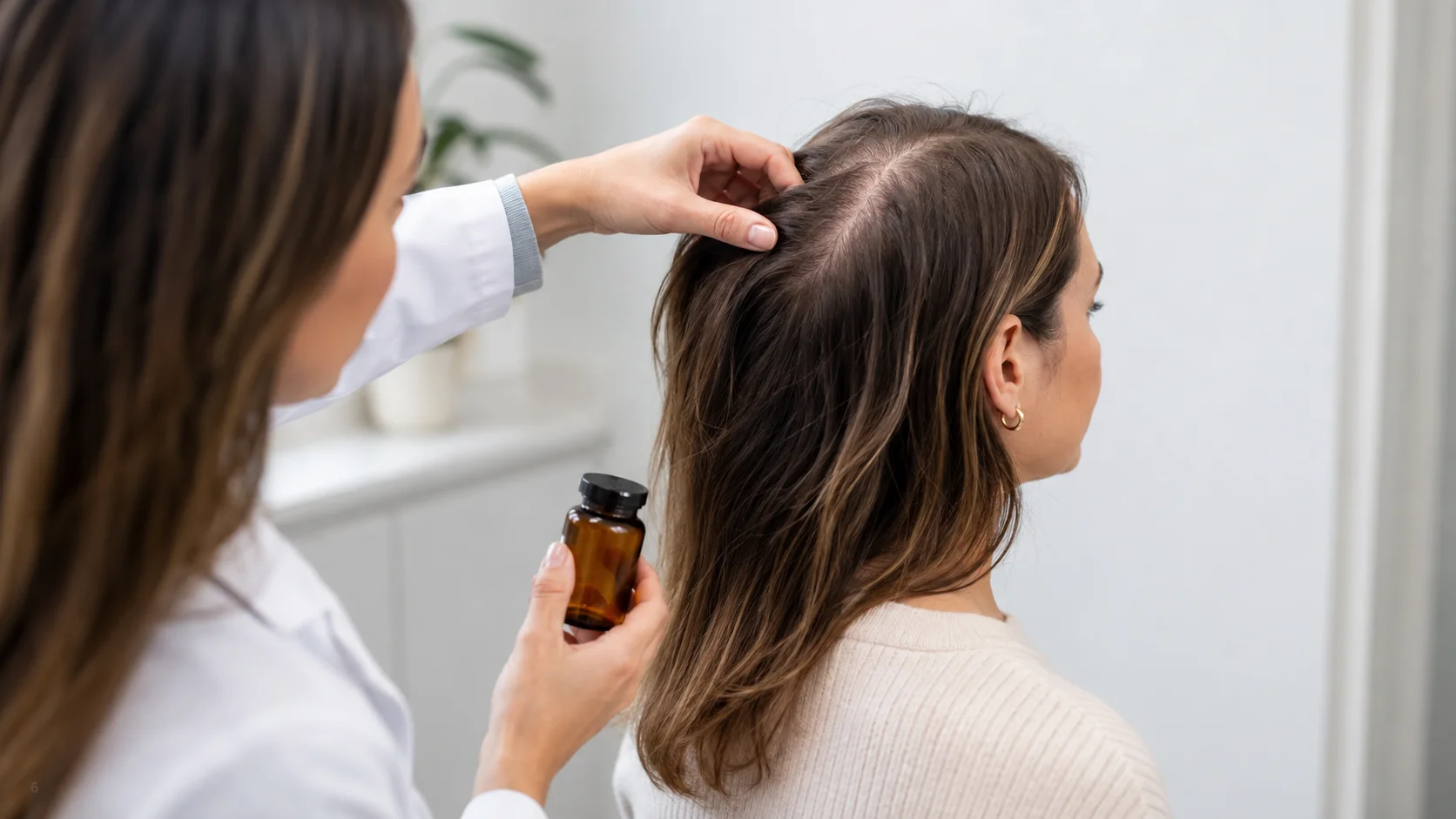
In some cases, treatment plans are adjusted after several months. A professional may recommend continuing, changing dosage or frequency, combining therapies, investigating other causes, or stopping if the treatment is not suitable.
How to Track Progress Realistically
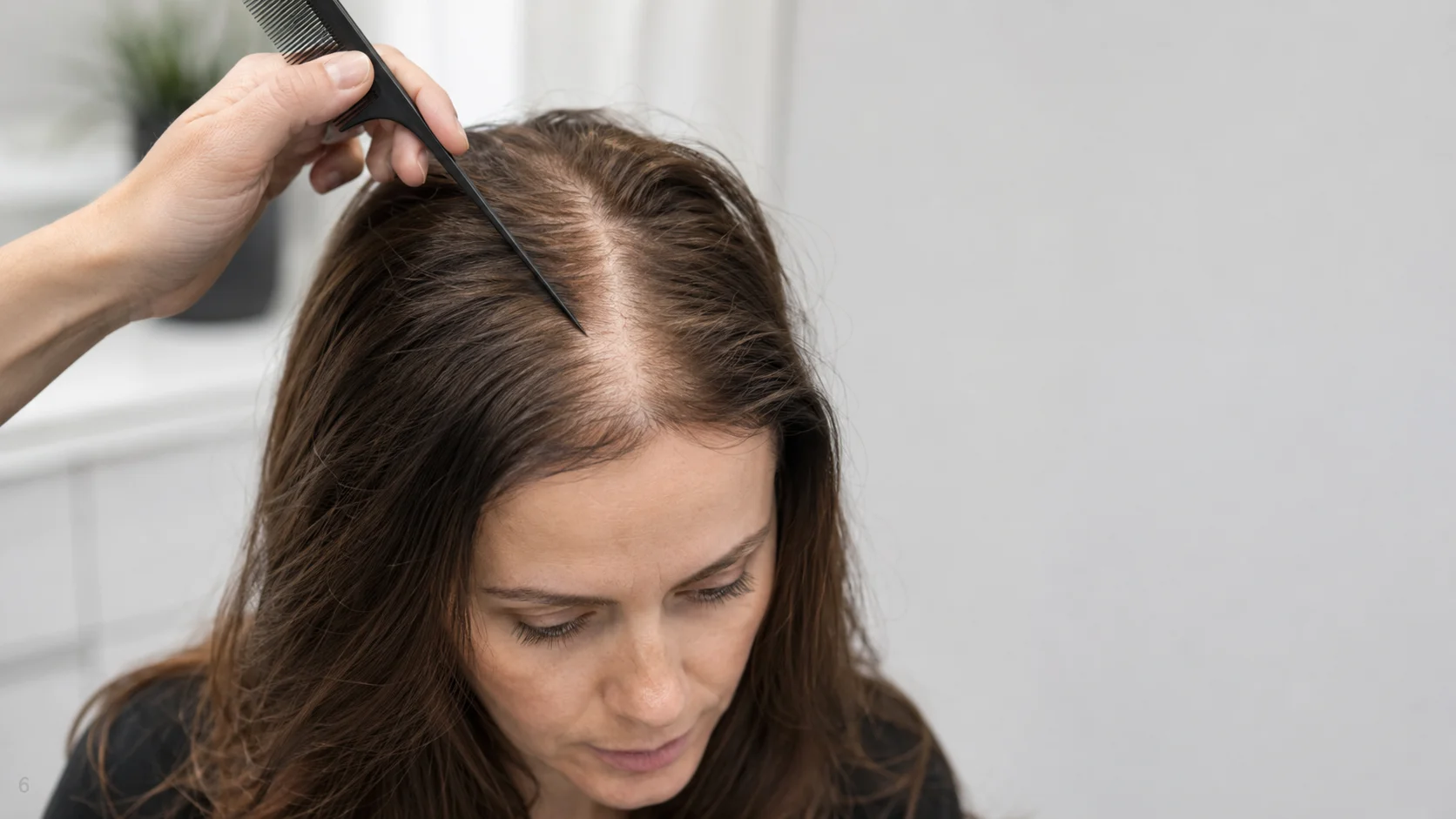
Progress tracking should be consistent. Take photos in the same lighting, from the same angles, with the same hairstyle if possible. Useful views may include the hairline, temples, crown, part line, and overall density.
Avoid judging treatment based only on the number of hairs seen in the shower or brush on a single day. Shedding naturally fluctuates. Patterns over time are more meaningful than one-day changes.
It may also help to track scalp symptoms, side effects, and routine consistency. These details can help guide future treatment decisions.
Frequently Asked Questions
Can hair loss treatment work in one month?
Visible results in one month are uncommon. Some people may notice changes in shedding or scalp comfort, but meaningful density changes usually take longer.
Is shedding after starting treatment a bad sign?
Not always. Some treatments may cause temporary shedding as follicles shift cycles. However, severe, prolonged, or worrying shedding should be reviewed with a professional.
What if I see no results after six months?
Six months may be enough to review early response, but it does not always tell the full story. A professional can help decide whether to continue, adjust, combine treatments, or reassess the diagnosis.
Do results keep improving after one year?
They can, depending on the treatment and condition. Some people continue to improve gradually, while others stabilize. Long-term maintenance may be needed for certain types of hair loss.
Final Thoughts
Hair loss treatment requires patience because hair growth is slow and cyclical. The first sign of progress may be reduced shedding or stabilization rather than obvious regrowth.
The most useful approach is to start with a clear diagnosis, follow the plan consistently, track progress with realistic timelines, and review the response with a qualified professional.
This content is for general informational purposes only and does not replace individualized medical advice, diagnosis, or treatment.