How Does Minoxidil Work for Hair Loss?
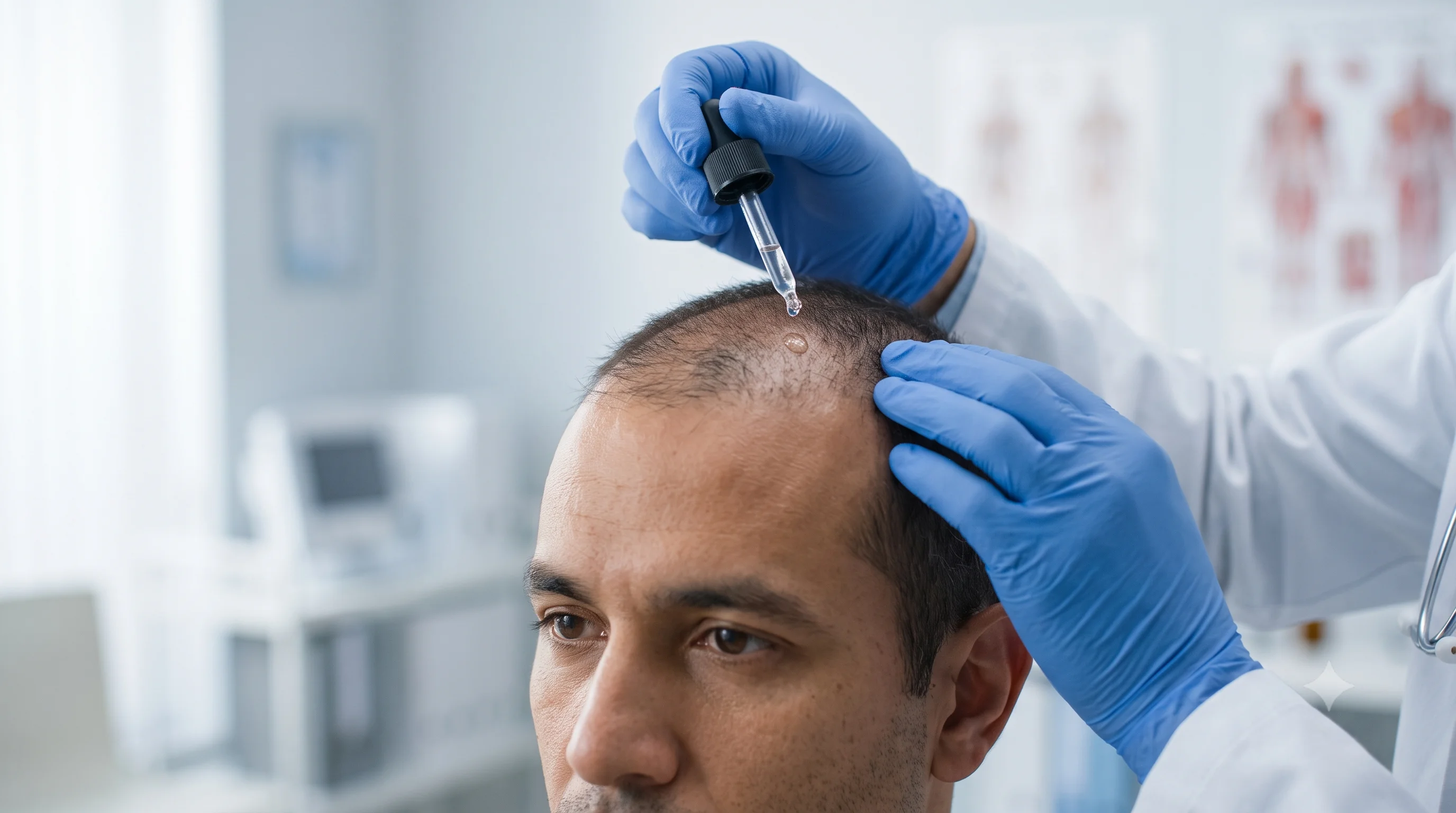
Minoxidil may help some people with hair loss by supporting the hair growth cycle and encouraging follicles to remain in the active growth phase for longer. It does not cure hair loss, and it does not work the same way for everyone, but it can be useful in certain types of thinning when used consistently.
It is most often discussed in relation to pattern hair loss, where follicles gradually produce thinner hairs over time. Understanding how it works can help set realistic expectations before starting treatment.
What Minoxidil Is Used For
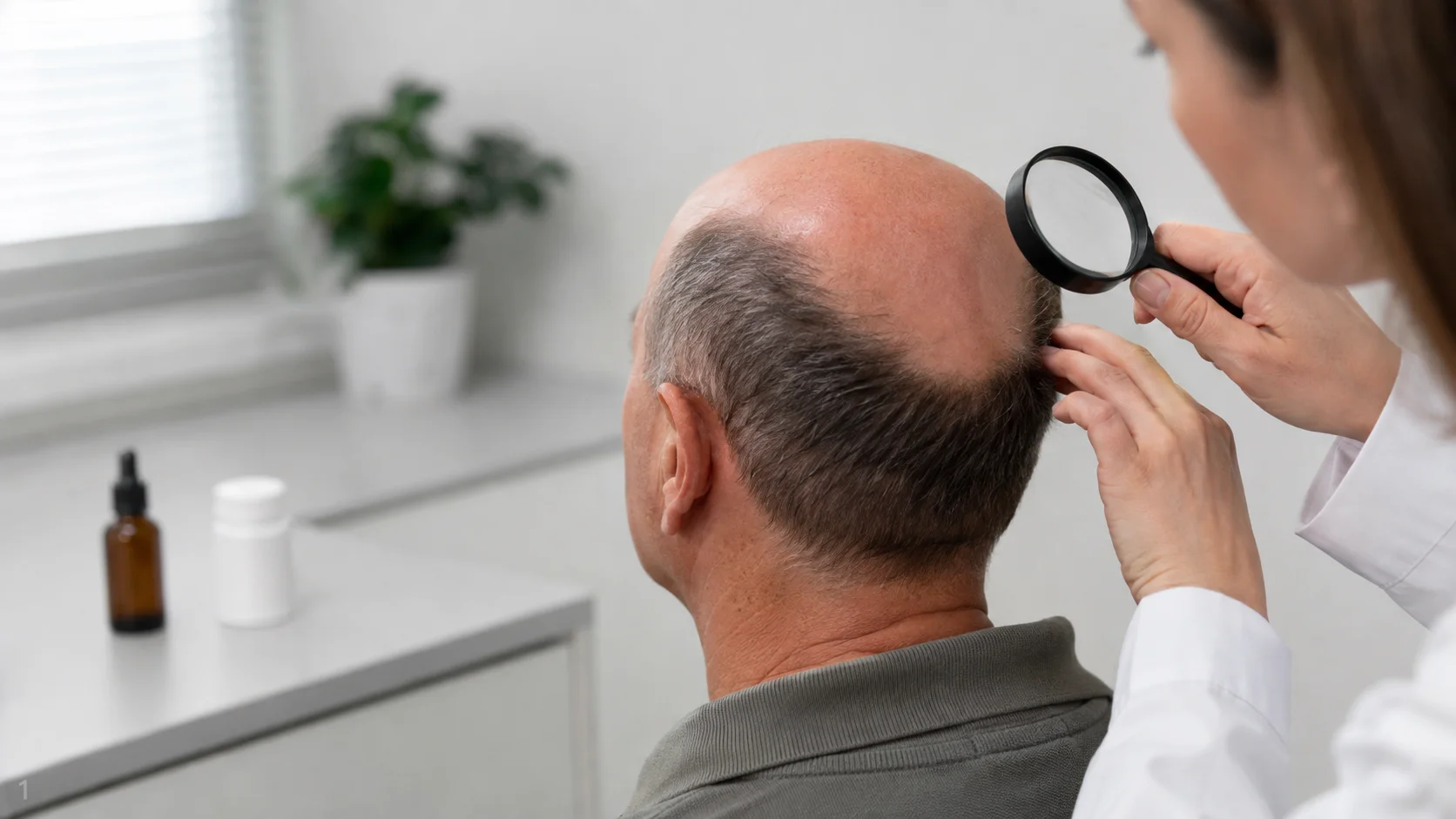
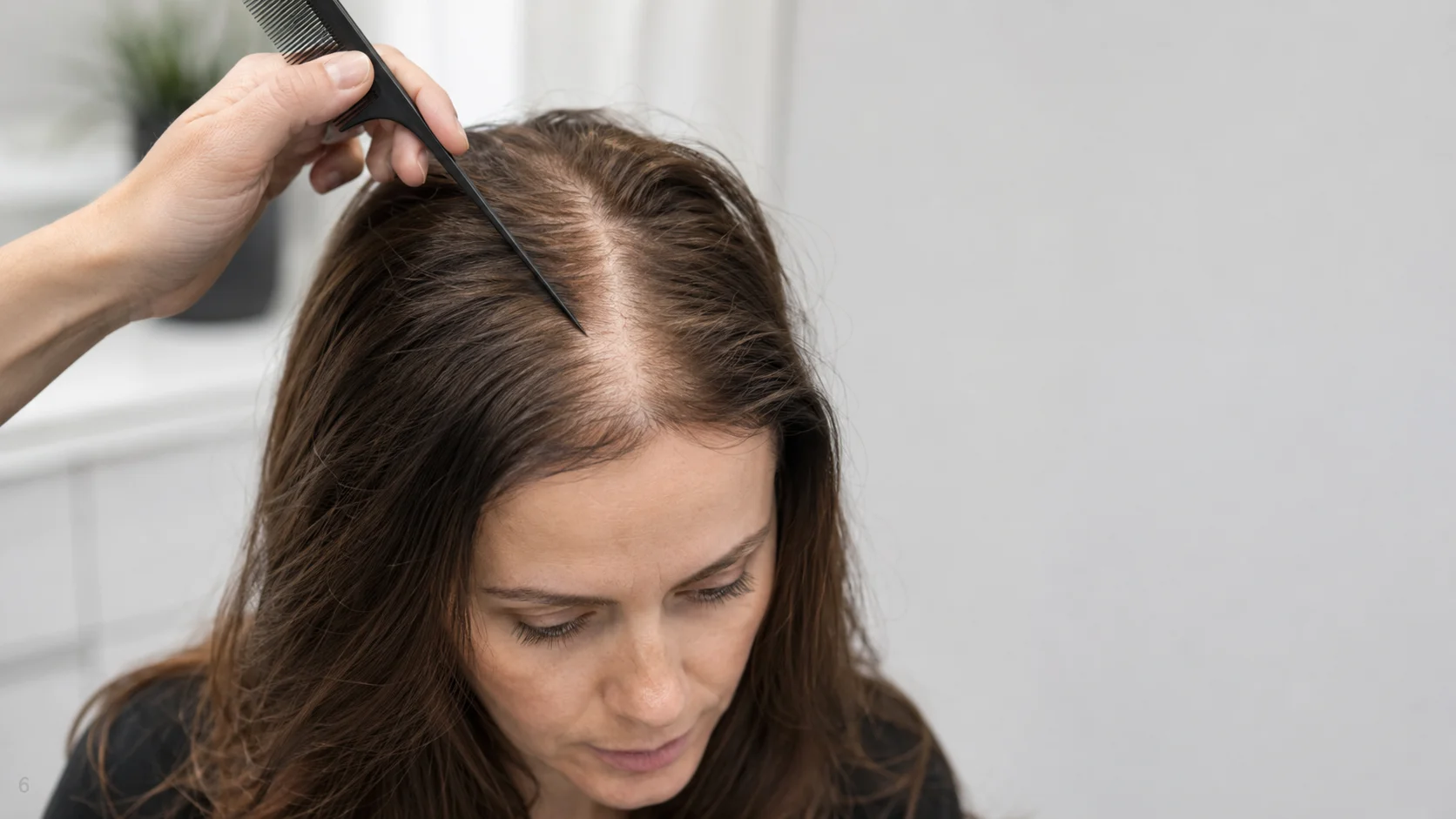
Minoxidil is commonly used for androgenetic hair loss, also known as pattern hair loss. This type of hair loss may appear as thinning at the crown, widening part, receding hairline, or gradual loss of density.
It may also be discussed in other hair loss situations, but suitability depends on the cause of shedding. Hair loss caused by illness, nutritional deficiency, thyroid imbalance, medication changes, or inflammation may need a different approach.
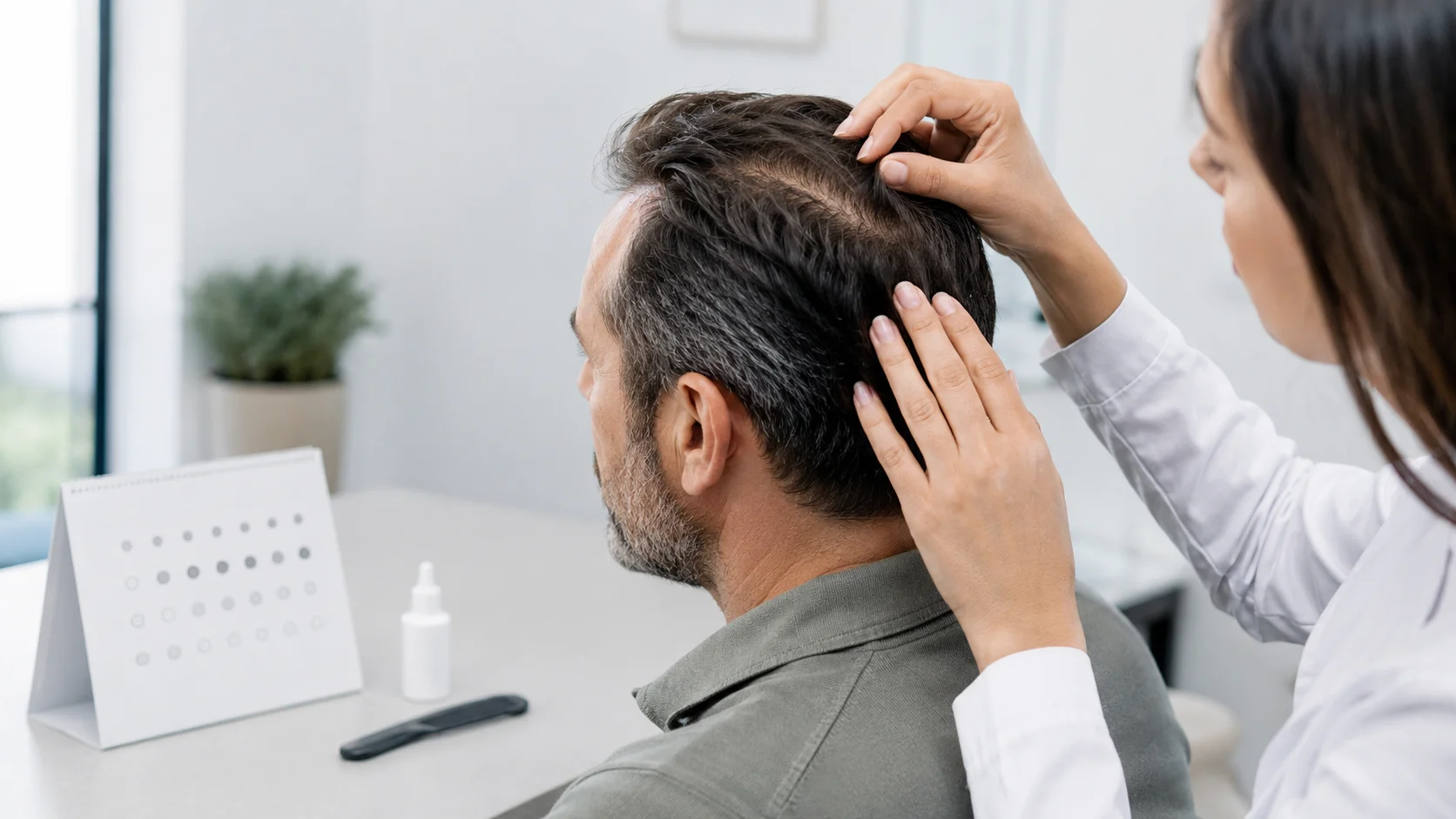
Because many types of hair loss can look similar at first, diagnosis matters before choosing treatment.
How Minoxidil May Support Hair Growth
Hair grows in cycles. Each follicle moves through a growth phase, a transition phase, a resting phase, and a shedding phase. In pattern hair loss, the growth phase may shorten over time, and hairs can become progressively finer.
Minoxidil is thought to help by encouraging follicles to stay in or return to the growth phase. It may also improve the size and activity of some miniaturized follicles, allowing them to produce thicker-looking hairs in certain cases.
The exact response varies. Some people notice improved density, while others see slower progression rather than dramatic regrowth.
Why Shedding Can Happen at First
Some people experience increased shedding after starting minoxidil. This can be worrying, but temporary shedding may happen as hairs shift through the growth cycle.
This early shedding does not necessarily mean the treatment is failing. However, heavy, prolonged, or unusual shedding should be discussed with a qualified healthcare professional.
The timeline can vary, and results usually require patience. Hair growth changes are slow because follicles need time to cycle.
How Long Results May Take
Minoxidil typically needs several months of consistent use before meaningful changes can be assessed. Early changes may be subtle, and progress is often easier to see through comparison photos than by daily observation.
Some people may need six months or longer to evaluate response. Stopping too early can make it difficult to know whether the treatment had a chance to work.
If minoxidil helps maintain or improve density, continued use is usually needed to maintain the benefit. When treatment stops, hair may gradually return toward its previous pattern.
What Minoxidil Cannot Do
Minoxidil cannot revive areas where follicles are no longer active. It also cannot fully reverse advanced baldness or correct every type of hair loss.
It may be less effective when hair loss is caused by untreated medical conditions, scarring alopecia, severe inflammation, or long-standing follicle loss. In these cases, treating the underlying cause is essential.
Minoxidil is best understood as a treatment that may support existing follicles, not as a guaranteed solution.
Frequently Asked Questions
Does minoxidil work for everyone?
No. Some people respond well, some see modest improvement, and others may not notice meaningful change. Response depends on the type and stage of hair loss.
Can minoxidil regrow a receding hairline?
It may help some people with early thinning, but results at the hairline can be variable. Advanced recession is usually harder to improve with medication alone.
How long should minoxidil be used before judging results?
Many people need several months of consistent use before assessing results. A healthcare professional can help set a realistic review timeline.
What happens if you stop using minoxidil?
Any benefit may gradually reduce after stopping. Hair may return toward the pattern it would have followed without treatment.
Is minoxidil enough for hair loss treatment?
Sometimes it may be part of a broader plan. Other treatments or medical evaluations may be needed depending on the cause of hair loss.
Final Thoughts
Minoxidil may help support hair growth in certain types of hair loss, especially pattern hair loss. Its main value is in helping active follicles perform better, but results are gradual and individual.
The most important factors are correct diagnosis, consistent use, realistic expectations, and monitoring for side effects or ongoing shedding. Anyone unsure about the cause of hair loss should seek professional evaluation before starting treatment.
This article is for general educational purposes only and is not a substitute for personalized medical advice.