Rosemary oil may have some potential for supporting hair growth, but the evidence is much more limited than its popularity suggests. A small comparative trial found improved hair counts after six months in people with androgenetic alopecia, but this single study is not enough to establish rosemary oil as equivalent to standard hair-loss treatments.
It should therefore be viewed as an optional topical approach with preliminary evidence, not a proven cure. It cannot correct every cause of shedding, and concentrated rosemary essential oil can irritate the scalp if it is used improperly.
What Is Rosemary Oil?
Rosemary oil is an essential oil distilled from the leaves of the rosemary plant. It contains aromatic compounds such as 1,8-cineole, camphor, and alpha-pinene, although the exact composition varies according to the plant source and production method.
Essential oils are highly concentrated. Rosemary essential oil is different from an oil in which rosemary has been diluted or infused. A bottle labeled rosemary hair oil may contain a small amount of essential oil blended into a carrier oil, while a pure essential oil requires dilution before skin use.
The concentration and formula matter when comparing products or interpreting research. Results from a standardized lotion cannot automatically be applied to every homemade mixture or commercial serum.
Why Rosemary Oil Is Thought to Affect Hair Growth
Several possible mechanisms have been proposed. Laboratory research suggests that rosemary-derived compounds may have antioxidant, anti-inflammatory, antimicrobial, or circulation-related effects.
These possibilities are biologically interesting, but a plausible mechanism is not the same as proven regrowth in people. Hair follicles are influenced by genetics, hormones, inflammation, immune activity, nutrition, medications, and the normal hair cycle. No single botanical action addresses all these causes.
Claims that rosemary oil directly blocks dihydrotestosterone, restores dead follicles, or works for every type of alopecia go beyond the available clinical evidence.
What the Human Evidence Shows
The study most often cited compared a rosemary-oil lotion with 2% topical minoxidil in 100 people with androgenetic alopecia. Neither group had a significant hair-count change at three months, while both showed an increase at six months. The difference in hair count between the groups was not statistically significant.
This result is encouraging but frequently overstated. Important limitations include:
- A relatively small participant group
- A single main comparative trial
- No placebo group
- Comparison with 2% minoxidil rather than every commonly used regimen
- Limited information about long-term maintenance
- No proof that all rosemary preparations perform similarly
The finding does not establish that any rosemary essential oil mixture is equal to minoxidil. It suggests that one studied formulation deserves further investigation.
Rosemary was also included in an aromatherapy mixture studied for alopecia areata, but several essential oils were used together. That trial cannot show what rosemary contributed by itself.
Which Type of Hair Loss Might It Help?
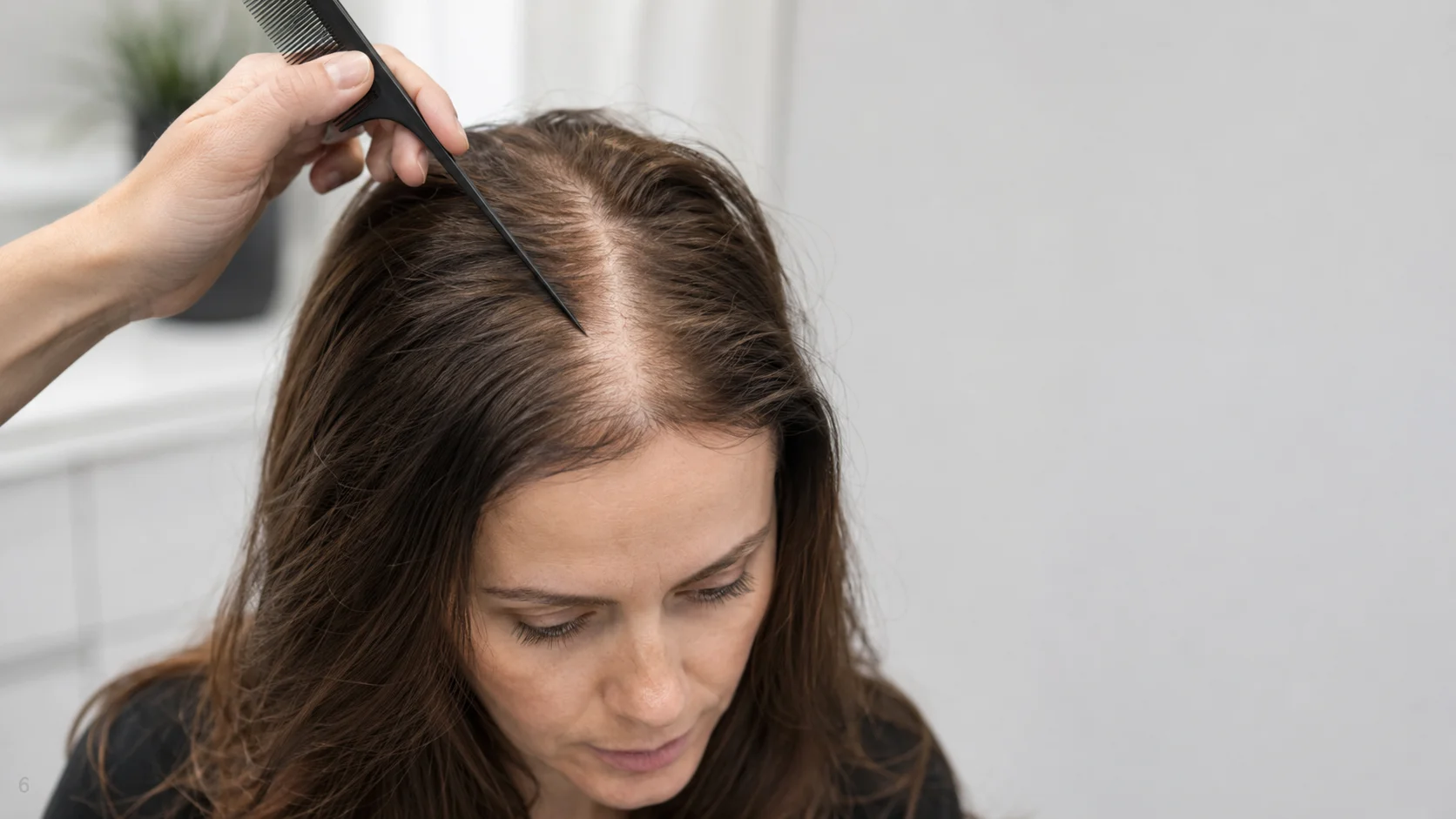
The available individual-ingredient evidence is most relevant to androgenetic alopecia, also known as male or female pattern hair loss. Even in that setting, evidence remains preliminary.
There is not enough reliable evidence to recommend rosemary oil as a primary treatment for:
- Alopecia areata
- Scarring alopecia
- Hair loss from chemotherapy
- Nutritional deficiencies
- Thyroid-related shedding
- Postpartum shedding
- Medication-related hair loss
- Fungal scalp infections
These conditions have different mechanisms and may require specific medical care. Applying an oil without identifying the cause can delay appropriate treatment.
Rosemary Oil Compared With Minoxidil
Minoxidil has a much larger clinical evidence base and established drug labeling for certain patterns of hair loss. Its concentrations, directions, expected results, and adverse effects have been studied more extensively.
Rosemary oil lacks standardized dosing. Products may differ in chemical composition, concentration, carrier ingredients, stability, and application schedule.
Minoxidil does not work for everyone and may cause irritation or unwanted hair growth. Rosemary oil may also cause irritation and does not have a proven advantage in long-term effectiveness. Choosing between them should not rely solely on the idea that natural automatically means safer.
How Long Might Results Take?
The main comparative study did not find a significant hair-count improvement at three months; changes were observed at six months. This suggests that anyone trying rosemary oil should not expect visible growth within days or weeks.
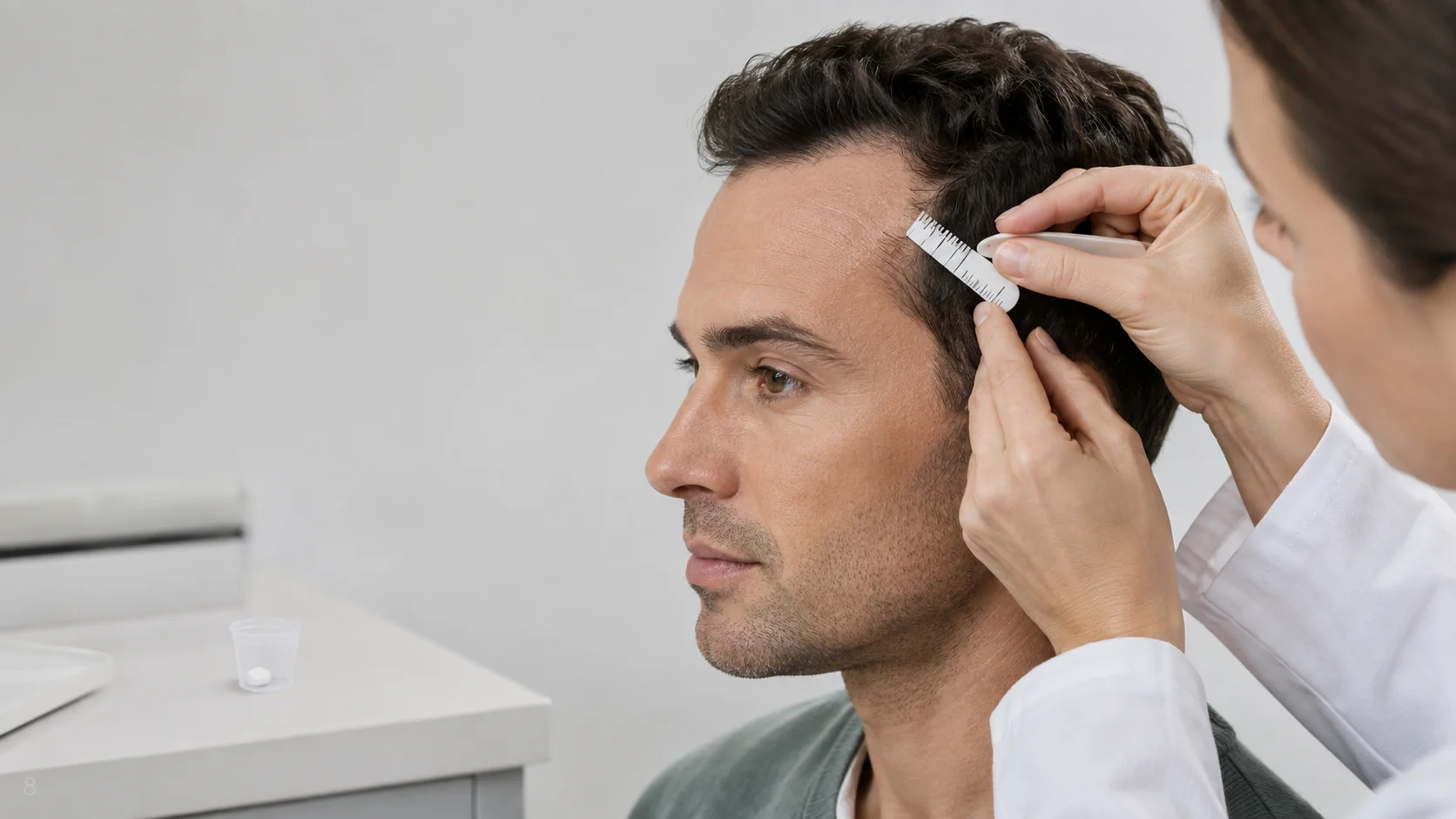
Hair grows slowly, and photographs taken under different lighting or with different hair lengths can create misleading impressions. Consistent photographs, a stable hairstyle, and several months of observation provide a more useful comparison.
A lack of improvement should not lead to progressively stronger mixtures. Greater essential-oil concentration raises irritation risk without proving that it will improve growth.
How to Use Rosemary Oil More Safely
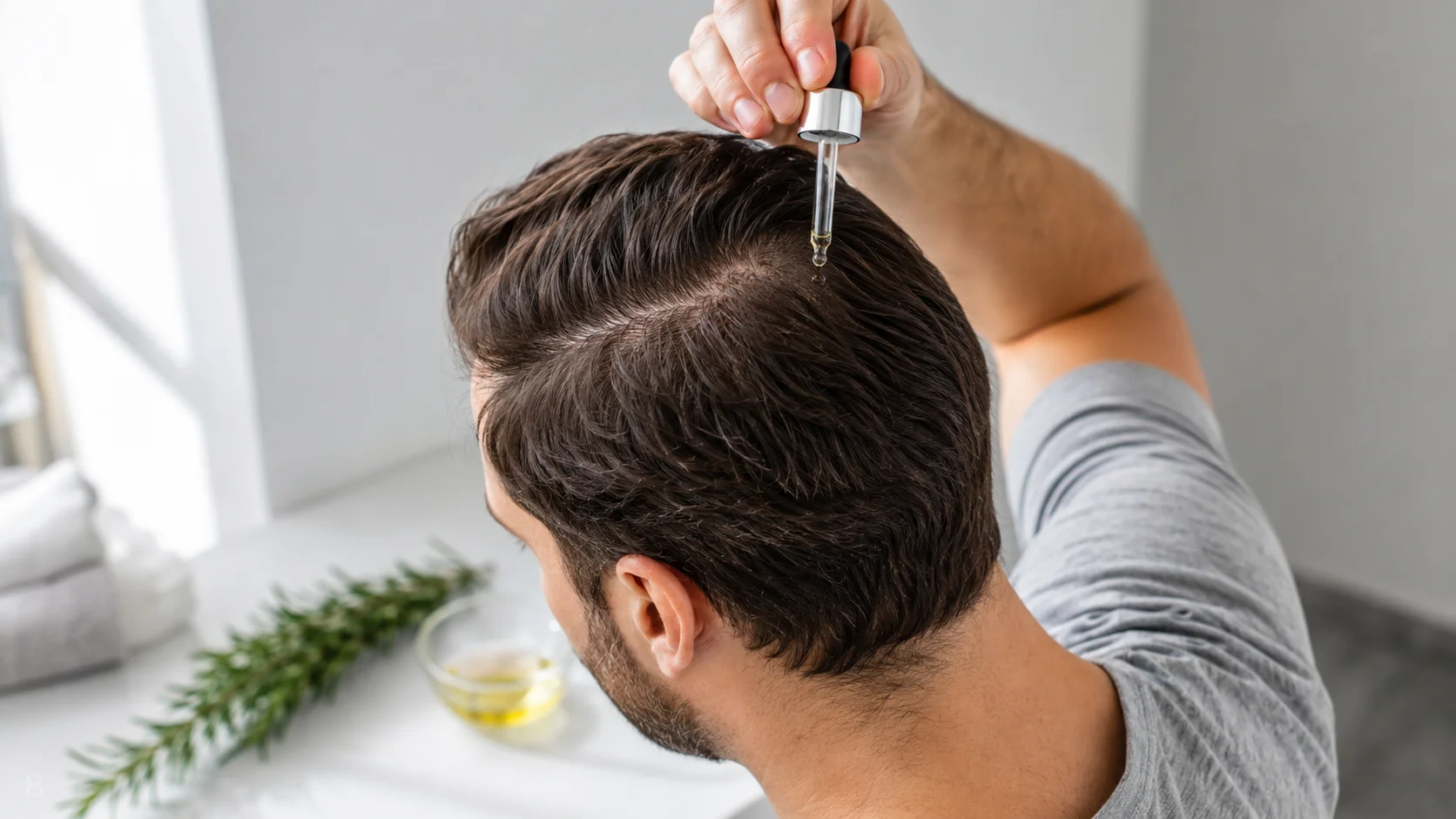
Pure rosemary essential oil should not generally be applied directly to the scalp. It is concentrated and can cause irritant or allergic contact dermatitis.
A cautious topical approach includes:
- Using a properly diluted formulation intended for skin or scalp use
- Following the manufacturer’s directions
- Testing a small area before broader application
- Avoiding broken, infected, or severely inflamed skin
- Keeping the product away from the eyes
- Washing hands after use
- Stopping if burning, swelling, rash, or worsening itching develops
There is no universally established dilution or application frequency for hair loss. Homemade recipes can vary substantially, and drops are not a precise standardized measurement across different dispensers.
Pregnancy, breastfeeding, childhood, seizure disorders, allergies, and chronic scalp disease may require additional caution. A healthcare professional can advise whether a particular product is appropriate.
Side Effects and Practical Limitations
Possible topical side effects include:
- Itching
- Burning or stinging
- Redness
- Flaking
- Allergic dermatitis
- Follicle irritation
- Greasy buildup
- Eye irritation after accidental transfer
Carrier oils may also cause reactions or aggravate folliculitis in susceptible people. Fragrance components can oxidize over time, potentially increasing sensitization risk.
Oily formulations may make fine hair look flatter, creating the impression of reduced density even without additional loss. Cosmetic feel and biological effectiveness are separate issues.
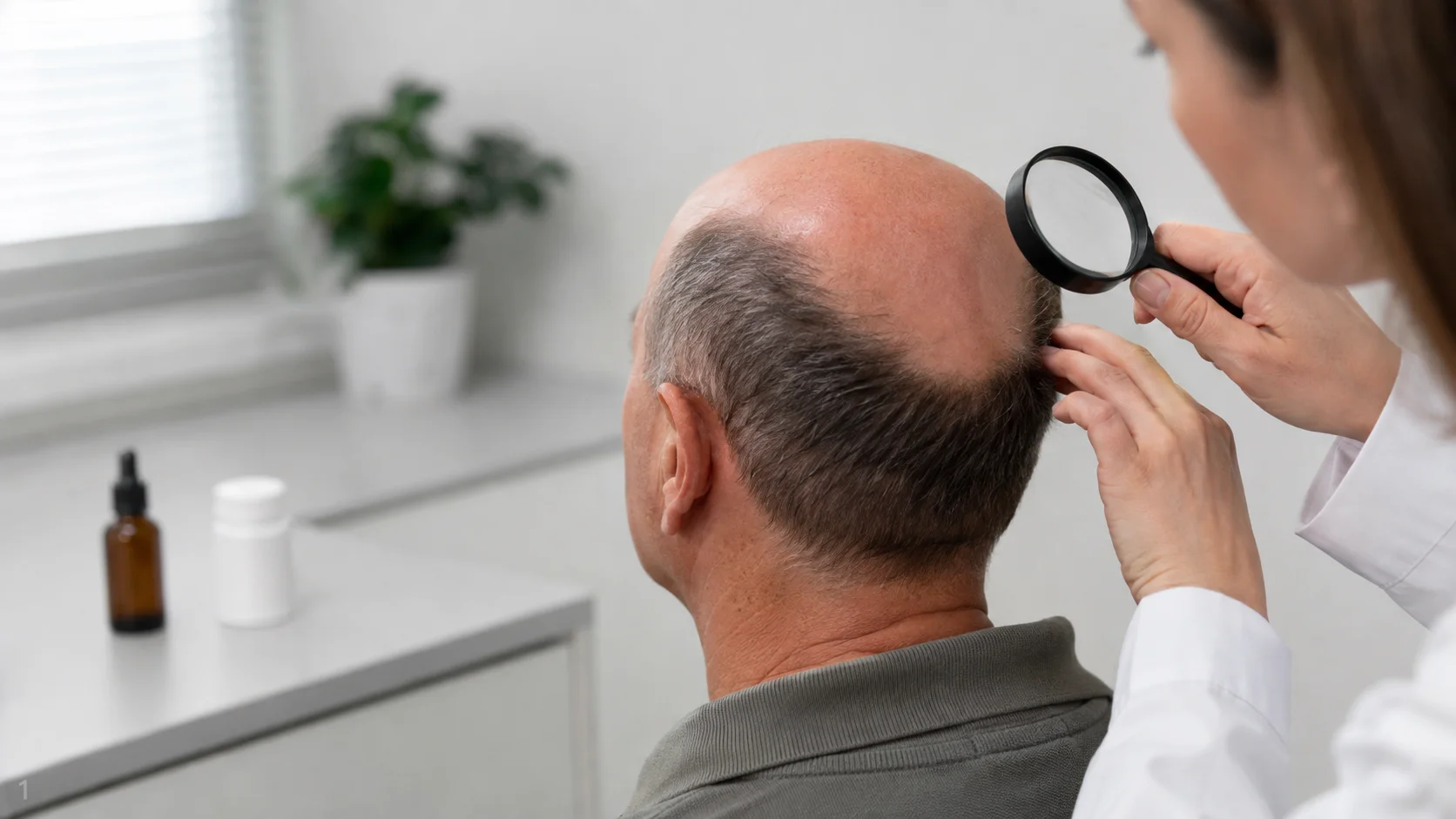
When to Seek a Hair-Loss Evaluation
Rosemary oil should not be used to postpone assessment when hair loss is sudden, patchy, painful, or associated with scalp inflammation.
Professional evaluation is advisable for:
- Smooth circular bald patches
- Scarring or loss of visible follicle openings
- Rapid diffuse shedding
- Broken hairs and scaling
- Pus, crusting, or significant pain
- Hair loss with fatigue, weight change, or menstrual changes
- Progressive thinning despite consistent care
Early diagnosis matters particularly in scarring alopecias because permanent follicle damage may occur.
Frequently Asked Questions
Can Rosemary Oil Regrow a Receding Hairline?
There is no guarantee that it can restore a receding hairline. Long-standing areas with advanced follicle miniaturization are generally harder to improve with any topical approach.
Is Rosemary Oil as Effective as Minoxidil?
A small trial found no significant difference in hair-count change between one rosemary formulation and 2% minoxidil at six months. That is not enough to establish broad equivalence.
Can Rosemary Oil Cause Hair Loss?
It is not expected to cause pattern hair loss, but irritation, allergic dermatitis, aggressive rubbing, or scalp inflammation could contribute to breakage or temporary shedding.
Can Rosemary Oil Be Left on Overnight?
Longer exposure may increase irritation and is not proven to improve results. Follow the directions for the specific diluted product rather than assuming overnight use is better.
Can Rosemary Oil and Minoxidil Be Used Together?
There is limited evidence about combining them, and layering products may increase irritation or affect application. A clinician should help establish a practical schedule.
Does Rosemary Water Work the Same Way?
No. Rosemary water, essential oil, and standardized research formulations have different compositions and concentrations. Evidence involving one preparation cannot automatically validate another.
The Bottom Line
Rosemary oil has limited but interesting evidence for pattern hair loss. One comparative study supports further research, yet it does not justify the claim that rosemary oil is a proven replacement for established treatment.
Anyone choosing to try it should use a diluted, tolerable preparation and allow realistic time for assessment. More importantly, the cause of the hair loss should guide treatment. A natural ingredient cannot compensate for an incorrect diagnosis.
This content is for general informational purposes and does not replace individualized medical advice, diagnosis, or treatment.