Minoxidil can be extremely toxic to pets. Cats are particularly sensitive, but dogs can also develop serious and potentially fatal poisoning. Even a small amount of topical liquid or foam may create an emergency, so suspected exposure requires immediate veterinary or animal poison-control advice.
The risk extends beyond a pet drinking from a bottle. Animals can encounter minoxidil through spills, discarded applicators, contaminated hands, damp hair, pillows, bedding, or skin that has recently been treated.
Why Minoxidil Is Dangerous to Pets
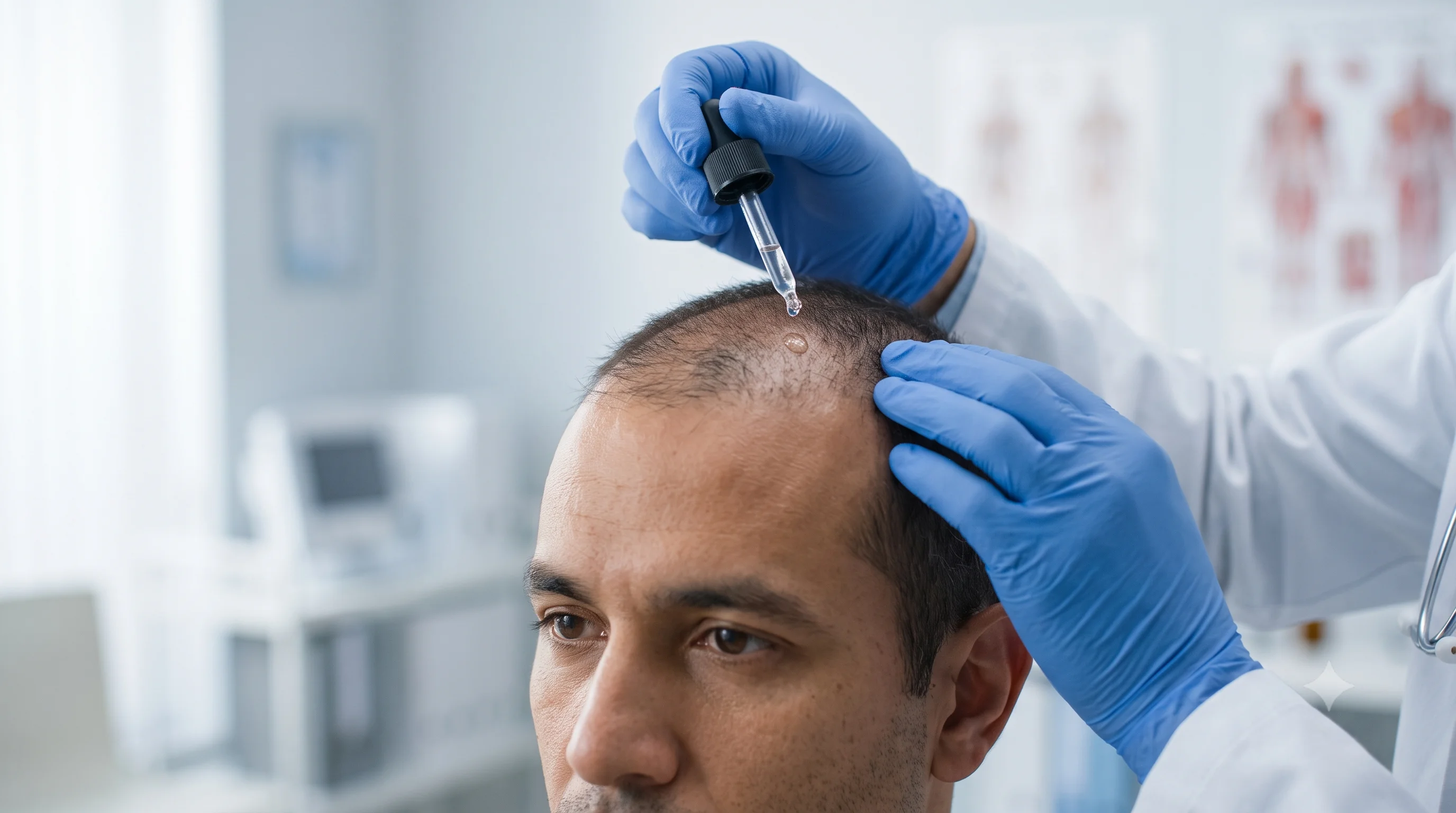
Minoxidil is used by people as a topical hair-regrowth medication and, in oral form, for selected medical purposes. It affects blood vessels and circulation.
When a cat or dog is exposed, the medication may cause a dangerous fall in blood pressure, an abnormal heart rate, and fluid accumulation in or around the lungs. These effects can interfere with the delivery of oxygen and may progress rapidly.
Cats appear to be especially vulnerable. An amount that looks insignificant to a person can still produce life-threatening complications in a cat. Dogs are not safe from the risk and can also become severely ill following relatively small exposures.
There is no safe home-use amount for a pet. Human minoxidil products should never be applied to an animal unless a veterinarian has specifically directed a medically appropriate use.
How Accidental Exposure Happens
Direct ingestion is only one route. Common household scenarios include:
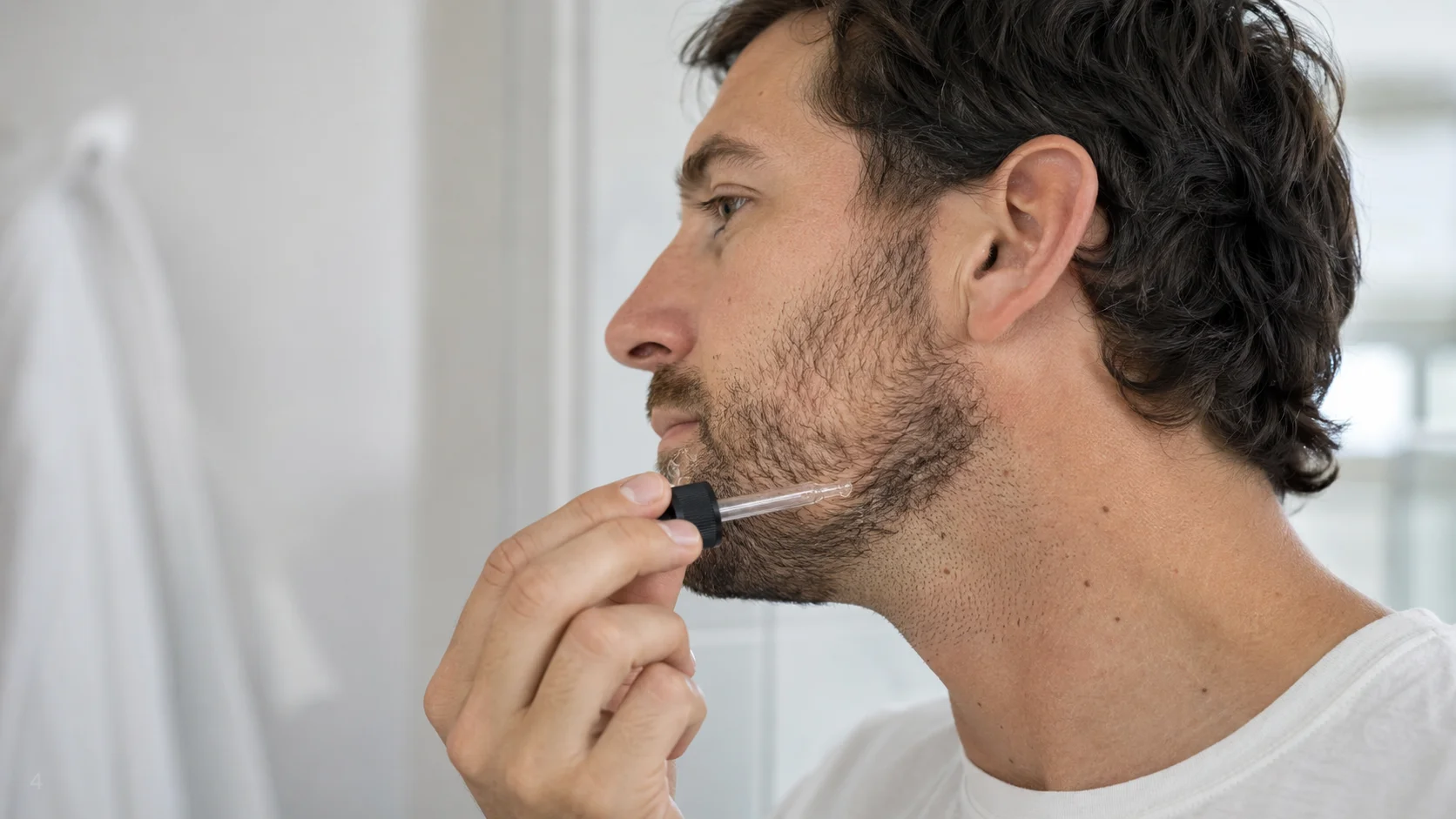
- A pet licking a treated scalp or beard
- A cat sleeping on a pillow with minoxidil residue
- A dog chewing a bottle or applicator
- An animal walking through a spill and grooming its paws
- Droplets landing on fur during application
- A pet licking contaminated hands
- Used tissues or cotton pads being taken from the trash
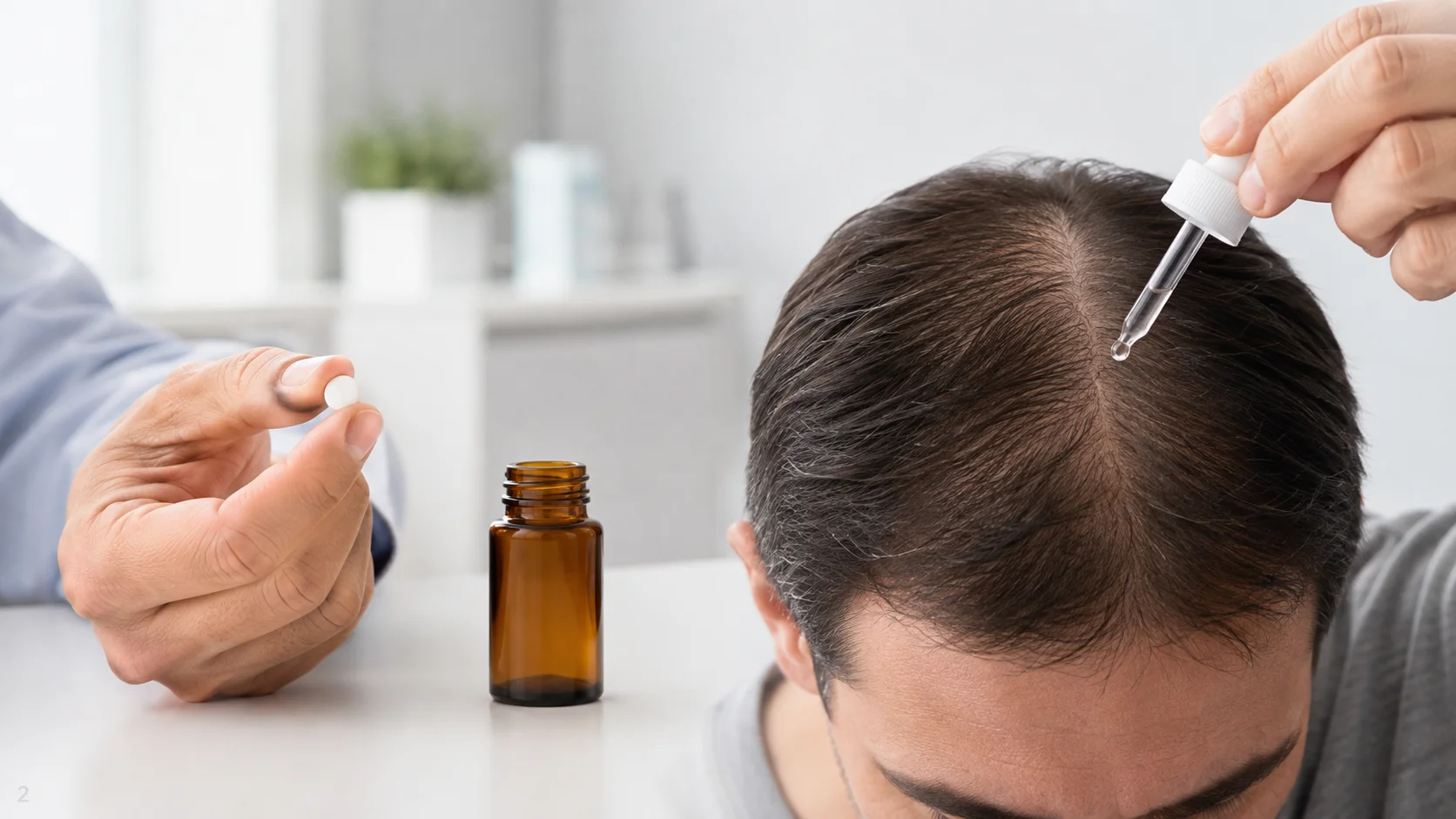
- Tablets being dropped on the floor
Topical foam can seem easier to control than liquid, but it is not pet-safe. Both forms contain active medication, and residue may remain on skin, hair, clothing, or household surfaces.
Oral minoxidil tablets also pose a poisoning risk if dropped, chewed, or swallowed.
Signs of Minoxidil Poisoning
Symptoms may develop within hours, but the absence of immediate signs does not mean an exposure was harmless. Problems can sometimes be delayed.
Possible signs in cats and dogs include:
- Weakness or profound lethargy
- Vomiting
- Loss of appetite
- Rapid or abnormal heartbeat
- Low blood pressure
- Pale or bluish gums
- Cold body temperature
- Rapid, labored, or difficult breathing
- Collapse
- Fluid accumulation in the chest or lungs
Breathing changes, collapse, or blue-tinged gums are critical emergencies. Treatment may require hospitalization and monitoring for several days.
Do not wait for symptoms before asking for help. Early intervention can be important, and an animal may already be seriously affected by the time breathing difficulty becomes visible.
What to Do After a Suspected Exposure
Contact a veterinarian, emergency veterinary service, or recognized animal poison-control service immediately. Explain that the suspected substance is minoxidil.
Be ready to provide:
- The product name
- Whether it was liquid, foam, or a tablet
- The minoxidil concentration
- The estimated amount
- When the exposure occurred
- The pet’s species and weight
- Whether the product was swallowed, touched, or spilled on the coat
- Any symptoms already present
Bring the container or a clear photograph of the label to the veterinary facility if possible.
Do not induce vomiting, give food, administer activated charcoal, or attempt another home remedy unless a veterinary professional specifically instructs you to do so. Inducing vomiting can be dangerous in some circumstances.
If minoxidil has spilled on the coat or paws, ask a veterinarian or poison specialist how to decontaminate the animal safely. Trying to bathe a distressed pet without guidance may delay care or increase stress.
How to Use Minoxidil More Safely in a Pet Household
The safest routine treats minoxidil like a high-risk household toxin.
Apply It in a Closed Room
Keep pets out of the room during application. Use a stable surface that can be cleaned easily, and check the floor, sink, counter, and clothing for droplets afterward.
Wash Your Hands Thoroughly
Wash with soap and water immediately after handling the product. Do this before touching a pet, its food, toys, bedding, or water bowl.
Allow the Treated Area to Dry
Prevent pets from licking or rubbing against treated skin or hair. Drying may reduce transfer, but it does not make direct contact appropriate. Follow the product instructions for application and drying time.
Protect Pillows and Bedding
Residue can transfer from the scalp to fabric. Keep pets away from pillows, hats, towels, and bedding that may be contaminated. Wash affected fabrics appropriately and consider whether a pet normally sleeps near the treated area.
Clean Spills Immediately
Keep pets away from the area while a spill is cleaned thoroughly. Secure contaminated paper towels or wipes in a closed waste container the animal cannot access.
Store Every Form Securely
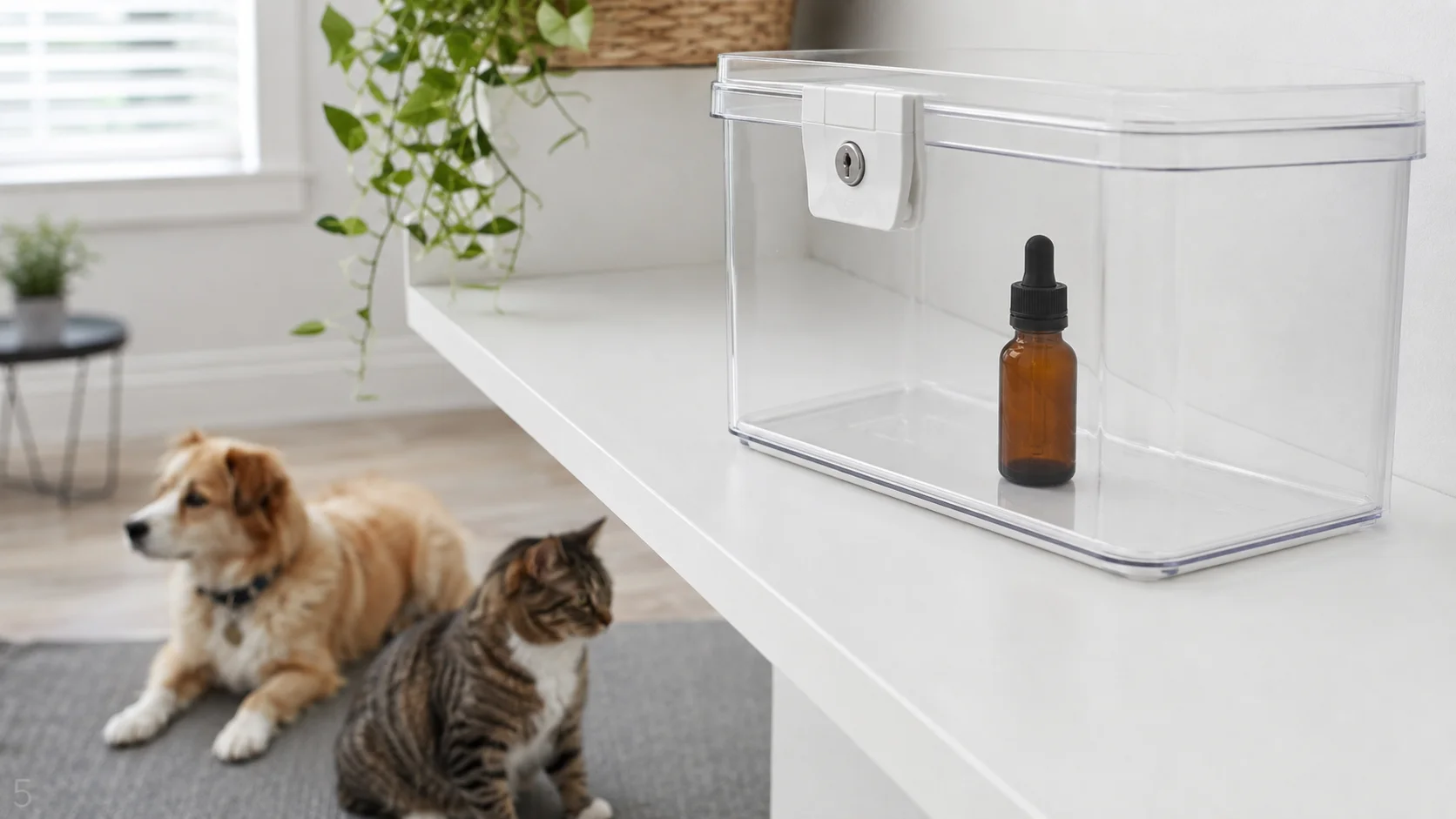
Place bottles, foam containers, droppers, and tablets in a closed cabinet that pets cannot reach or open. A bedside table, bathroom counter, handbag, or low drawer may not be secure enough.
Dispose of Materials Carefully
Used gloves, tissues, cotton pads, and empty containers may retain medication. Put them directly into secured trash rather than leaving them on a counter or in an open bin.
Should Pet Owners Stop Using Minoxidil?
Pet ownership does not automatically mean that a person must stop minoxidil. Some households can create a tightly controlled routine that prevents animal access.
The decision becomes more complicated when a cat sleeps on the user’s pillow, frequently rubs against the scalp, opens cabinets, or enters the application area. A busy home, limited storage, multiple pets, or difficulty controlling residue can also increase risk.
When exposure cannot be reliably prevented, discuss alternatives with the clinician overseeing hair-loss treatment. Do not switch to oral minoxidil without medical guidance. Oral minoxidil has potential systemic effects for the person taking it and remains dangerous if a pet swallows a tablet.
Are Minoxidil Alternatives Safe for Pets?
“Minoxidil-free” does not automatically mean pet-safe. Essential oils, botanical extracts, medications, and other active ingredients may carry their own risks. Marketing terms such as natural, plant-based, or gentle do not establish veterinary safety.
A product intended for humans should be stored away from pets unless its ingredients and exposure risks have been assessed appropriately. Questions about a specific substance are best directed to a veterinarian or animal poison specialist.
Frequently Asked Questions
Is One Drop of Minoxidil Dangerous to a Cat?
Potentially, yes. Cats are extremely sensitive, and very small exposures have been associated with severe poisoning. Treat any suspected exposure as urgent.
Is Minoxidil Toxic to Dogs Too?
Yes. Dogs may develop vomiting, weakness, abnormal heart rate, low blood pressure, and other serious complications. Cats may be more sensitive, but dogs are still at risk.
Can My Pet Touch My Hair After Minoxidil Dries?
Direct licking or close contact with the treated area should be prevented. Residue may also transfer to fabric or fur. Follow strict separation and hygiene precautions even after application.
Is Minoxidil Foam Safer Than Liquid Around Pets?
Foam may be less likely to drip, but it still contains minoxidil and can cause poisoning. It must be stored, applied, and cleaned up with the same level of care.
What if My Pet Seems Normal After Exposure?
Contact a veterinary professional immediately anyway. Signs can be delayed, and waiting for visible illness may reduce the opportunity for early treatment.
Can I Treat Minoxidil Poisoning at Home?
No. There is no appropriate home treatment for suspected minoxidil poisoning. Veterinary assessment and supportive care may be required.
The Essential Message
Minoxidil is a serious household hazard for cats and dogs. The greatest protection comes from preventing contact at every stage: storage, application, drying, sleep, cleaning, and disposal.
If exposure may have occurred, act immediately even if the pet appears well. Rapid contact with a veterinarian or animal poison-control service is far safer than waiting to see whether symptoms develop.
This content is for general informational purposes and does not replace individualized medical or veterinary advice, diagnosis, or treatment.